External reinforcement of the dilated or thin-walled aorta has been tried for nearly half a century. A range of materials has been used as external support. This commentary assesses the evidence that exists regarding the efficacy of wrapping the aorta as well as compares the different options available with a particular focus on the usage of the autologous pericardium.
BACKGROUND:To investigate the impact of severe patient-prosthesis mismatch (PPM) related to the Edwards Lifesciences Perimount (EP) bioprosthesis in the aortic position on early in-hospital outcomes and long-term survival. METHODS:A total of 5964 consecutive patients underwent aortic valve replacement at the Bristol Heart Institute between 1998 and 2014, 2667 representing the cohort of this study received EP. PPM was defined severe as EOAi < 0.65 cm2 /m2 . To minimize bias, propensity score matching was conducted and two groups A and B (without and with severe PPM) of 320 patients with similar preoperative characteristics were matched. We assessed early in-hospital outcomes including CVA, re-exploration for bleeding, low cardiac output, wound infection, acute renal injury, length of hospital stay, and long-term survival for both groups in unmatched and matched populations. RESULTS:In the unmatched analysis, 18.3% of patients had severe PPM. Severe PPM was not associated with increased in-hospital mortality (4.5% vs. 2.9%, respectively, p = .09) or any other early adverse outcomes except increased length of hospital stay (10.57 ± 8.2 vs. 11.7 ± 9.4, respectively, p = .01). Long-term survival differed significantly between groups at 2 and 8 years (91.8% vs. 91.4% and 60.5% vs. 55.7%, respectively, p = .02). Matched analysis showed no differences between the groups in early health outcomes and overall survival at 2 and 8 years was also similar (89.7% vs. 91% and 57.3% vs. 58%, group A vs. B, respectively p = .9). CONCLUSION:Presence of PPM does not seem to affect early in-hospital outcomes or late survival when using EP in patients undergoing aortic valve replacement.
Background: There is little known about how payer status impacts clinical outcomes in a universal singlepayer system such as the UK National Health Service (NHS). The aim of this study was to evaluate the relationship between payer status (private or public) and clinical outcomes following cardiac surgery from NHS providers in England. Methods: The National Adult Cardiac Surgery Audit (NACSA) registry was interrogated for patients who underwent adult cardiac surgery in England from 2009 to 2018. Information on socioeconomic status were provided by linkage with the Iteration of the English Indices of Deprivation (IoD). The primary outcome was in-hospital mortality. Secondary outcomes included incidence of in-hospital postoperative cerebrovascular accident (CVA), renal dialysis, sternal wound infection, and re-exploration. To assess whether payer status was an independent predictor of in-hospital mortality, binomial generalized linear mixed models (GLMM) were fitted along with 17 items forming the EuroSCORE and the IoD domains. Findings: The final sample consisted of 280,209 patients who underwent surgery in 31 NHS hospitals in England from 2009 to 2018. Of them, 5,967 (2.1%) and 274,242 (97.9%) were private and NHS payers respectively. Private payer status was associated with a lower risk of in-hospital mortality (OR 0.79; 95%CI 0.65 - 0.97; P = 0.026), CVA (OR 0.77; 95%CI 0.60 - 0.99; P = 0.039), need for re-exploration (OR 0.84; 95%CI 0.72 - 0.97; P = 0.017) and with non-significant lower risk of dialysis (OR 0.84; 95%CI 0.69 - 1.02; P = 0.074). Private payer status was found to be independently associated with lower risk of in-hospital mortality in the elective subgroup (OR 0.76; 95%CI 0.61 - 0.96; P = 0.020) but not in the non-elective subgroup (OR 1.01; 95%CI 0.64 - 1.58; P = 0.976). Interpretation: In conclusion, using a national database, we have found evidence of significant beneficial effect of payer status on hospital outcomes following cardiac surgery in favour of private payers regardless their socioeconomic factors. (C) 2020 The Author(s). Published by Elsevier Ltd.
OBJECTIVES: Surgical myocardial revascularization will be increasingly needed in adult patients with congenital heart disease. We investigated the results of coronary artery bypass grafting (CABG) performed on adults by congenital cardiac surgeons at our institution. METHODS: We conducted a retrospective, single-centre study. Adults undergoing isolated or combined CABG from 2004 to 2017 were included. Early and late outcomes were analyzed for the whole cohort. Furthermore, a propensity matched analysis was conducted comparing the results of isolated CABG between congenital and adult surgeons. RESULTS: A total of 514 and 113 patients had isolated and combined CABG for acquired heart disease, respectively. A total of 33 patients had myocardial revascularization at the time of surgery for congenital heart disease. Overall early mortality was 1.2%, the rate of re-exploration for bleeding was 4.5%, and an internal mammary artery to left anterior descending artery graft was used in 85.6% patients. One-year survival was 97.5% (96.2-98.8%), and 5-year survival was 88.0% (84.8-91.3%). After propensity matching (468 pairs), early mortality (0.6% vs 1.2%, P = 0.51), re-exploration for bleeding (3.6% vs 3.0%, P = 0.72), use of internal mammary artery to left anterior descending artery graft (92.7% vs 91.9%, P = 0.70) and late survival did not differ between congenital surgeons and adult surgeons, respectively. CONCLUSIONS: Surgical myocardial revascularization can be required for adult congenital patients in a broad spectrum of clinical situations. Despite lower volumes, congenital cardiac surgeons perform CABG safely and with results that are comparable to those of the adult surgeons at our centre.
"Turn-down" rate has been reported to have a significant influence on outcomes, and being turned down for an operation is associated with significant short-term mortality risk. A study examining the impact of the pandemic on the "turn-down" rates of acute aortic syndromes in the United Kingdom reported an overall "turn-down" rate of 7.3% in the early part of the pandemic. This review examines the significance of "turn-downs" in this setting and scrutinizes the adequacy of reporting this complex variable.
Out-of-hours work is believed to lead to a higher complication rate and mortality after surgery. However, there is no data supporting this perception in type A acute aortic dissections (TAAD) repair. We present an observational study of prospectively collected data comparing operative outcomes and late survival of TAAD repair performed after hours versus regular daytime working hours. A total of 196 patients undergoing emergency TAAD repair (mean age 59 ± 13 years, range 18–81, F/M 57/139) were included in the final analysis. Patients were stratified as daytime between 7 AM and 7 PM (n = 124), and night time between 7 PM and 7 AM (n = 72). Inverse propensity score (PS) weighting for modelling causal effects was used to assess the effect of time procedure on outcomes of interest. Overall 30-day mortality was 14.3% (28 patients). No significant differences were found between the night-time and day-time groups with regard to operative mortality (8.3% versus 17.3%; adjusted OR 0.35; 95%CI 0.12–1.04; P = 0.06), re-exploration (12.5% versus 9.7%; adjusted OR 2.09; 95%CI 0.72–6.07; P = 0.18) and neurological deficit (18.1% versus 16.9%; adjusted OR 0.91; 95%CI 0.33–2.54; P = 0.87). Long-term survival at mean 9 years follow-up was comparable between the two groups (adjusted log-rank P = 0.28). Night-time surgical repair of TAAD when compared with day-time repair does not seem to be associated with a greater risk of surgical complications, operative mortality and long-term mortality.
Background: Out-of-hours work is believed to lead to a higher complication rate and mortality after surgery. However, there is no data supporting this perception in type A acute aortic dissections (TAAD) repair. We present an observational study of prospectively collected data comparing operative outcomes and late survival of TAAD repair performed after hours versus regular daytime working hours. Methods: A total of 196 patients undergoing emergency TAAD repair (mean age 59±13 years, range 18-81, F/M 57/139,) were included in the final analysis. Patients were stratified aAs Dday-time between 7 AM and 7 PM (n=124), and Nnight-time between 7 PM and 7 AM (n=72). Inverse Propensity Score (PS) weighting for modelling causal effects was used to assess the effect of time procedure on outcomes of interest. Results: Overall 30 day mortality was 14.3% (28 patients). No significant differences were found between the night-time and day-time groups with regards to operative mortality (8.3% versus 17.3%; adjusted OR 0.35; 95%CI 0.12-1.04; P=0.06), re-exploration (12.5% versus 9.7%; adjusted OR 2.09; 95%CI 0.72-6.07; P=0.18) and neurological deficit (18.1% versus 16.9%; adjusted OR 0.91; 95%CI 0.33-2.54; P=0.87). Long term survival at mean 9 years follow-up was comparable between the two groups (adjusted long-rank P=0.28). Conclusions: Night-time surgical repair of TAAD when compared with Day-time repair does not seems to be associated with a greater risk of surgical complications, operative mortality and long term mortality.
Diseases of the thoracic aorta are increasing in prevalence worldwide. Recent data indicated wide regional variation in the volume and complexity of aortic cases undertaken in United Kingdom cardiac centers, especially in case of acute type A aortic dissection (ATAAD) conditions. Patients treated in high-volume centers with a specific multidisciplinary aortic program had a significant reduction in ATAAD mortality when compared with low-volume centers. Following the initial phase of a national aortic center reorganization, the current study reflects the initial experience of a national collective of cardiothoracic surgeons with expertise in complex aortic surgery, using frozen elephant trunk as standard technique for the surgical treatment of patients affected by ATAAD. Between June 2013 and October 2017, 66 ATAAD patients (45% women) underwent hybrid aortic arch and frozen elephant trunk repair with the Thoraflex hybrid graft at 8 UK high-volume aortic centers. The in-hospital mortality accounted for 8 patients (12%). Postoperative temporary or permanent neurologic events and temporary renal replacement therapy occurred in 17% and 20% of patients, respectively. No spinal cord injury events were documented. Our data were similar to those reported in literature in the 2 largest experiences with the use of frozen elephant technique in ATAAD condition (in-hospital/30-day mortality: 11-12%). This initial experience demonstrated that frozen elephant technique can potentially be adopted as standard approach in life-threatening aortic diseases, with acceptable complication and mortality rates.
OBJECTIVETo determine the effectiveness and safety of aprotinin use in adult patients undergoing thoracic aortic surgery.DESIGNSingle-center, retrospective study.SETTINGAll cases performed at a single university hospital.PARTICIPANTSBetween January 2004 and December 2014, 846 adult patients underwent thoracic aortic surgery. Due to missing or duplicated data on primary outcomes, 314 patients were excluded. The final sample of 532 patients underwent surgery on the thoracic aorta.INTERVENTIONSThe patients were divided in the following 2 groups: 107 patients (20.1%) received aprotinin during the surgery, which represented the study group, whereas the remaining 425 patients (79.9%) underwent surgery without the use of aprotinin.MEASUREMENTS AND MAIN RESULTSTo adjust for patient selection and preoperative characteristics, a propensity score-matched analysis was conducted. Mean total blood loss at 12 hours after surgery was similar between the 2 groups. The blood product transfusion rates did not differ in the 2 groups, except for the rate of fresh frozen plasma transfusion being significantly higher in the aprotinin group. Re-exploration for bleeding and the incidence of a major postoperative bleeding event were similar between the groups. Rates of in-hospital mortality, renal failure, and cerebrovascular accidents did not show any statistically significant difference. Aprotinin did not represent a risk factor for mortality over the long term (hazard ratio 1.14, 95% confidence interval 0.62-2.08, p = 0.66).CONCLUSIONSThe use of aprotinin demonstrated a limited effect in reducing postoperative bleeding and prevention of major bleeding events. Aprotinin did not adversely affect early outcomes and long-term survival.
Background: This study investigated type A aortic dissection repair outcomes in a single surgical practice focusing on surgical, perfusion and anaesthetic techniques.Methods: Prospectively collected Type A dissection surgery data over a twenty year single surgeon practice analysed.Operations grouped into ten year eras (A and B).Risk calculated using Euro score, Parsonnet and a validated Aortic system.Results: Ten year study eras included 47 and 45 patients respectively.Era A patients were more likely (91%) to present with good, and era B (35%) moderate, left ventricular function.Incidence of arch replacement, composite root replacement and interposition graft was comparable.Circulatory arrest became less common (91% vs. 82%; p=0.13).Circulatory arrest, CPB and AXC times remained constant.Perfusion strategy shifted from femoral cannulation (89% vs. 24%; p<0.01).Overall mortality was 13% and improved with time (17% vs. 9%; p=0.36).Composite end point of freedom of death, neurological injury and reoperation for bleeding remained similar (66% vs. 69%;p=0.36).Renal complications, tracheostomy, ICU and hospital stay did not alter. Conclusion:Over twenty years in-hospital mortality dropped by almost 50%.Small sample size hindered statistical evidence.Increased valve conservation, reduced incidence of composite root replacement, circulatory arrest and reoperation for bleeding are encouraging.
The learning curve of coronary artery bypass grafting (CABG) with multiple arterial grafting (MAG) is perceived to be associated with increased surgical morbidity and potentially poorer long-term outcomes. We compared short-term outcomes and long-term survival in patients who underwent CABG with MAG performed by attending surgeons or resident trainees at a single institution over a period of 19 years. Using our institutional database, we identified 3039 patients undergoing MAG from 1996-2015. Of those, 958 (32%) were operated on by residents and 2081 (68%) by attending surgeons. Propensity score matching and mixed-effects models were used to compare the 2 groups. Operative mortality rate was 0.3% and 0.4% among patients operated by residents and attending surgeons, respectively (P = 0.71), with no significant differences among the groups in postoperative complications. After a mean follow-up time of 11 ± 4 years, survival probability at 5, 10, and 15 years was 95.1% ± 0.7% vs 96.4% ± 0.6%, 87.0% ± 1.1% vs 87.8% ± 1.1%, and 76.6.% ± 1.8% vs 77.6% ± 1.8% in the resident and attending surgeon group, respectively. Resident and attending surgeon cases showed comparable risk of death (hazard ratio [HR] = 1.01; 95% CI: 0.80-1.28; P = 0.92). The equipoise between the 2 groups was confirmed among cases receiving bilateral internal thoracic arteries only (HR = 0.88; 95% CI: 0.54-1.43; P = 0.61), radial artery (HR = 1.22; 95% CI: 0.92-1.61; P = 0.15), or their combination (HR = 0.74; 95% CI: 0.33-1.65; P = 0.47). The present analysis confirms that adequately supervised trainees can perform CABG with MAG without compromising patient safety and long-term survival.
Background: Although generally better outcomes are reported in patients undergoing early repair of type A aortic dissection, patients who survive the first 48 hours self-select themselves toward better outcomes as well. Malperfusion is another important determinant of outcome in these patients. The aim of this study was to examine the hypothesis that malperfusion, not the timing of operation, is the dominant determinant of outcome in repair of type A aortic dissection.Methods: A total of 205 patients underwent operative repair of acute type A aortic dissection in our hospital over a 17-year period. The time from symptom onset to surgical repair was reliably established in 152 cases. Patients were grouped into those who had undergone surgery within 12 hours of symptom onset (early surgery group; n = 72 [47%]) and those who underwent surgery beyond 12 hours of symptom onset (late surgery group; n = 80 [53%]).Results: Thirty-day mortality was similar in the 2 groups (early surgery: 19.4% [95% confidence interval [CI] 12.0%-30.6%]; late surgery: 13.8% [95% CI, 7.9%-23.5%]; P = .08). The log-rank test for equality of survivor functions was 0.08. However, malperfusion with hemodynamic compromise was more common in the early surgery group (47% vs 31%; P = .029) and was identified as an independent predictor of long-term mortality (hazard ratio, 2.65; 95% CI, 1.21-5.79; P = .014).Conclusions: Malperfusion at presentation rather than timing of intervention is the major risk factor of death both in the hospital and at long-term follow-up in patients undergoing surgery for type A aortic dissection.
Background: We sought to compare the incidence of incomplete revascularization (IR) and long-term survival (up to 20 years) after off-pump (OPCAB) versus on-pump (ONCAB) coronary artery bypass in a high OPCAB volume centre where OPCAB was introduced in 1996 and has become the preferred strategy over the years. Methods and results: From 1996 to 2015 a total of 7,427 OPCAB and 7128 ONCAB procedures were performed at BristolHeart Institute, United Kingdom. Weobtained 5423 propensity matched pairs for final comparison. Mixed effect Cox model accounting for clustering due to different surgeon was used to investigate the treatment effect on mortality. Results: OPCAB was associated with higher rate of incomplete revascularization 13.3% versus 6.7%; P < 0.0001). Mean follow-up time was 7.8 +/- 4.6 year [max 17.3]. At 12 years OPCAB was associated with a marginal but significant+ 3% increase in overallmortality (67.4%[ 95% CI 65.8-69.1] vs 64.4%[ 95% CI 62.7-66.2]; stratified log-rank P = 0.03). When compared to ONCAB with complete revascularization, OPCAB with IR (HR 1.74; 95% CI 1.531.99; P < 0.001) and ONCAB with IR (HR 1.29; 95% CI 1.06-1.57; P = 0.01) but not OPCAB with complete revascularization (HR 1.02; 95% CI 0.94-1.11; P = 0.63) were associated with increased risk of late mortality. Conclusion: Despite completeness of revascularization was achieved in the majority of OPCAB cases, OPCAB remained associated with a significantly higher rate of incomplete revascularization. This translated into a marginal but significant reduction in late survival rates after OPCAB when compared to ONCAB. (C) 2017 Elsevier B.V. All rights reserved.
Objectives: Although the use of the right internal thoracic artery (RITA) as second arterial conduit to graft the left coronary system consistently has been shown to provide a survival benefit compared with the saphenous vein graft (SVG), the choice of conduit for the right coronary artery (RCA) system remains controversial. We compared long-term (>15 years) survival in patients who underwent RITA-RCA versus SVG-RCA grafting at a single institution.Methods: The study population consisted of 7223 patients undergoing coronary artery bypass graft surgery. Of them 245 (3.4%) and 6978 (96.6%) received RITA-RCA and SVG-RCA graft, respectively. Propensity score matching and time-segmented Cox regression were used to compare the 2 groups.Results: Survival probability at 5, 10, and 15 years were 95.9%(95% confidence interval [CI], 93.4-98.4) versus 96.0% (95% CI, 94.3-97.8), 89.8% (95% CI, 85.9-93.7) versus 88.0% (95% CI, 85.0-91.0) and 82.9% (95% CI, 77.6-88.2) versus 76.3 (95% CI, 72.0-80.5) in the RITA-RCA and SVG-RCA group, respectively. Time-segmented Cox regression showed that during the first 9 years, the 2 strategies were associated with comparable risk of death (hazard ratio, 1.13; 95% confidence interval, 0.67-1.90; P=.65) but beyond 9 years, the RITA-RCA was associated with a significantly lower risk of death (hazard ratio, 0.43; 95% confidence interval, 0.22-0.84; P=.01).Conclusions: Revascularization of the RCA system with the RITA was associated with superior late survival compared with SVG. This supports the view that, the use of RITA to graft the RCA should be encouraged, especially in patients with long life expectancy.
Aortic dissection remains a serious cardiovascular emergency with significant early and late mortality and morbidity. Improving outcomes is directly linked to early clinical diagnosis, swift confirmation by appropriate imaging and management by dedicated teams with high levels of expertise in a complex clinical condition.
Objectives: There is growing concern that off-pump coronary artery bypass (OPCAB) is associated with reduced long-term survival compared with traditional on-pump coronary artery bypass (ONCAB); however, most of available comparisons between OPCAB and ONCAB focus on single-artery (SA) revascularization. We sought to investigate the impact of using multiple arterial (MA) conduits in the comparison between OPCAB versus ONCAB by performing a single-center, long-term propensity score base analysis.Methods: The study population included 5195 SA-ONCAB, 1208 MA-ONCAB, 4412 SA-OPCAB, and 1818 MA-OPCAB procedures. Late survival was available for all cases (100%). Inverse propensity score weighting and a time-segmented Cox model were used for multiple treatments comparison.Results: No significant differences were found between the 4 groups in terms of 30-day mortality, postoperative cerebrovascular accident, and renal replacement therapy. After a mean follow-up time of 8.2 +/- 4.7 years, in the propensity score +/- weighted sample, survival probabilities at 10 years were 74.5 +/- 0.4, 79.7 +/- 0.4, 73.4 +/- 0.5, and 79.0 +/- 0.5 in the SA-ONCAB, MA-ONCAB, SAOPCAB, and MA-OPCAB groups respectively. Propensity-weighted analysis confirmed that MA-OPCAB (hazard ratio, 0.81; 95% confidence interval, 0.690.98) and MA-ONCAB (hazard ratio, 0.81; 95% confidence interval, 0.65-0.99) were associated with a lower late mortality compared with standard SA-ONCAB.Conclusions: OPCAB with multiple arterial grafts is as safe as the conventional ONCAB and achieves excellent long term survival rates which are superior to those observed after standard SA-ONCAB and comparable with MA-ONCAB.
OBJECTIVES: The radial artery (RA) is often used as a second arterial conduit in preference to the right internal thoracic artery in obese patients undergoing coronary artery bypass grafting (CABG) to minimise the risk of sternal wound complication. However, obesity has been found to promote RA vasoreactivity and early atherosclerotic degeneration, which may compromise graft patency when used in patients having CABG. Therefore, we investigated the effect of the RA as a second conduit compared with the saphenous vein (SV) on long-term survival in obese and non- obese patients undergoing first-time CABG.METHODS: Propensity score matching was used to adjust for imbalance, and the effect of the RA in obese (body mass index, BMI >= 30) and non-obese (BMI < 30) participants was tested by means of time-egmented Cox regression.RESULTS: The study population comprised 12 244 patients undergoing first-time CABG. Of those, 8740 patients were non-obese and 3504 were obese. The RA was used as a second arterial conduit in 1322 (15%) non-obese patients and in 685 (20%) obese patients. The use of the RA compared to the SV reduced the risk of late death in patients with BMI < 30 ( HR 0.78; 95% CI 0.65-0.94; P = 0.008) but not in those with BMI >= 30 (HR 1.05; 95% CI 0.80-1.38; P = 0.72), regardless of their diabetes status (non-diabetic HR 0.87 [0.63-1.20] vs diabetic HR 0.83 [0.54-1.26]; interaction P = 0.8).CONCLUSIONS: The use of the RA in preference to the SV as a second conduit was associated with improved long-term survival in nonobese patients undergoing CABG. This benefit was no longer present in obese patients regardless of their diabetes status.
Importance Postmarket evidence generation for medical devices is important yet limited for prosthetic aortic valve devices in the United Kingdom. Objective To identify prosthetic aortic valve models that display unexpected patterns of mortality or reintervention using routinely collected national registry data and record linkage. Design, Setting, and Participants This observational study used data from all National Health Service and private hospitals in England and Wales that submit data to the National Adult Cardiac Surgery Audit (NACSA). All patients undergoing first-time elective and urgent aortic valve replacement surgery (with or without coronary artery bypass grafting) with a biological (n = 15 series) or mechanical (n = 10 series) prosthetic valve from 5 primary suppliers, and satisfying prespecified data quality criteria (n = 43 782 biological; n = 11 084 mechanical) between 1998 and 2013 were included. Valves were classified into series of related models. Outcome tracking was performed using multifaceted record linkage. The median follow-up was 4.1 years (maximum, 15.3 years). Cox proportional hazards regression with random effects (frailty models) were used to model valve effects on the outcomes, with and without adjustment for preoperative and intraoperative covariates. Main Outcomes and Measures Time to all-cause mortality or aortic valve reintervention (surgical or transcatheter). There were 13 104 deaths and 723 reinterventions during follow-up. Results Of 79 345 isolated aortic valve replacement procedures with or without coronary artery bypass grafting, 54 866 were analyzed. Biological valve implantation rates increased from 59% in 1998 and 1999 to 86% in 2012 and 2013. Two series of valves associated with significantly increased hazard of death or reintervention were identified (first series: frailty, 1.18; 95% prediction interval [PI], 1.06-1.32 and second series: frailty, 1.19; 95% PI, 1.09-1.31). These results were robust to covariate adjustment and sensitivity analyses. There were 3 prosthetic valves with a significant reduction in hazard (valve 1: frailty, 0.88; 95% PI, 0.80-0.96; valve 2: frailty, 0.88; 95% PI, 0.80-0.96; and valve 3: frailty, 0.88; 95% PI, 0.78-0.98). Conclusions and Relevance Meaningful evidence from the analysis of routinely collected registry data can inform postmarket surveillance of medical devices. Although the findings are associated with a number of caveats, 2 specific biological aortic valve series identified in this study may warrant further investigation.
Despite the widespread use of carbon dioxide insufflation (CDI) in cardiac surgery, there is still paucity of evidence to prove its benefit in terms of neurologic protection. Therefore, we conducted a meta-analysis of available randomized controlled trials comparing CDI vs standard de-airing maneuvers. Electronic searches were performed to identify relevant randomized controlled trials. Primary outcomes investigated were postoperative stroke, neurocognitive deterioration, and in-hospital mortality. Risk difference (RD) was used as summary statistic. Pooled estimates were obtained by means of random-effects model to account for possible clinical diversity and methodological variation between studies. Eight studies were identified with 668 patients randomized to CDI (n = 332) vs standard de-airing maneuvers (n = 336). In-hospital mortality was 2.1% vs 3.0% in the CDI and control group, respectively (RD 0%; 95% confidence interval [CI] -2% to 2%; P = 0.87; I2 = 0%). Incidence of stroke was similar between the 2 groups (1.0% vs 1.2% in the CDI and control group, respectively; RD 0%; 95% CI -1% to 2%; P = 0.62; I2 = 0%). Neurocognitive deterioration rate was 12% vs 21% in the CDI and control group, respectively, but this difference was not statistically significant (RD: -7%; 95% CI -0.22% to 8%; P = 0.35; I2 = 0%). The present meta-analysis did not find any significant protective effect from the use of CDI when compared with manual de-airing maneuvers in terms of clinical outcomes, including postoperative neurocognitive decline.
 Gianni Angelini合作论文数Bristol Population Health Science Institute, University of Bristol;Bristol Medical School, University of Bristol119
 Massimo Caputo合作论文数Bristol Heart Institute;University of Bristol;Bristol Royal Infirmary;Bristol Heart Institute, University of Bristol45
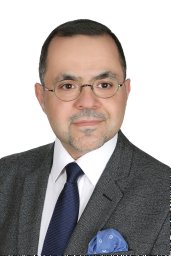 Izzat Mohammad Bashar合作论文数Damascus University Cardiac Surgery Hospital35
 Inderpaul Birdi合作论文数24
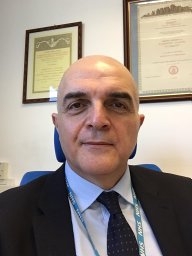 Raimondo Ascione合作论文数Bristol Heart Institute;University of Bristol;Bristol Royal Infirmary;Bristol Heart Institute, University of Bristol20
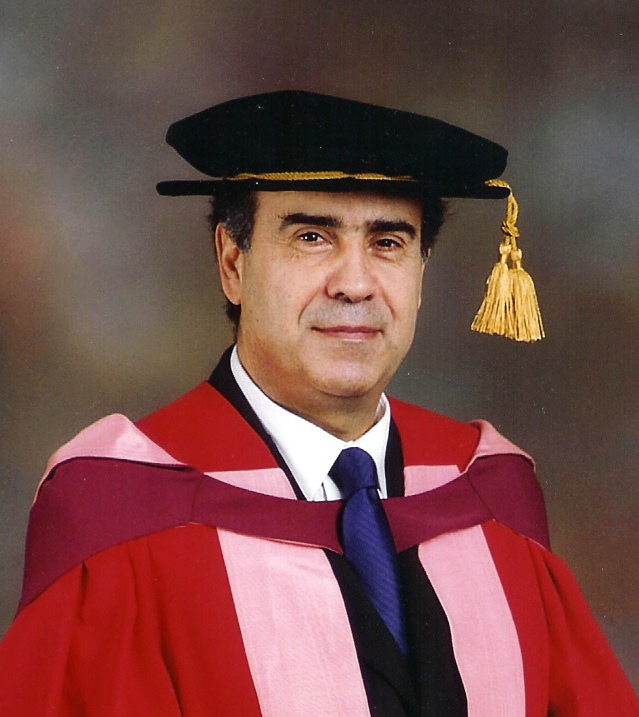 M Saadeh Suleiman合作论文数University of Bristol19Gianni D. Angelini合作论文数17
 Pradeep Narayan合作论文数Bristol Royal Infirmary, Bristol Heart Institute16
 Umberto Benedetto合作论文数Division of Cardiac Surgery;Andrea Hospital;University of Rome ' ' La Sapienza ' ' Via di Grottarossa;Andrea Hospital, University of Rome ' ' La Sapienza ' ' Via di Grottarossa16J.Y. Jeremy合作论文数13Peter Wilde合作论文数13Reeves B C合作论文数12Chris Rogers合作论文数Bristol Medical School, University of Bristol;Bristol Heart Institute10I A Regragui合作论文数9Mustafa Zakkar合作论文数Hammersmith Hospital, Imperial College London9
 Pierpaolo Chivasso合作论文数Cardiothorac Vasc, Univ Hosp San Giovanni di Dio & Ruggi DAragona8
 Malcolm Underwood合作论文数Prince of Wales Hospital Hong Kong, Prince of Wales Hospital8
 Walter Gomes合作论文数8
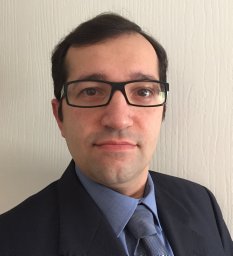 Vito Domenico Bruno合作论文数Department of Cardiac Surgery, Cardiocentro Ticino7I Kadir合作论文数6Roberto Marsico合作论文数6D. Mehta合作论文数6
 Enoch Akowuah合作论文数Translational and Clinical Research Institute, Newcastle University6Guida Gustavo合作论文数6WC Dihmis合作论文数5
 Daniel Fudulu合作论文数Bristol Heart Institute, Bristol University5
 Rapetto Filippo合作论文数5
 Andrew Newby合作论文数University of Bristol5JA HUTTER合作论文数4
 Mario Fl Gaudino合作论文数Department of Cardiothoracic Surgery, Weill Cornell Medical College, Cornell University;NewYork-Presbyterian Hospital4Timm M合作论文数4
 Francesca Fiorentino合作论文数4
 Cha Rajakaruna合作论文数4Michael R Dashwood合作论文数4Graham Cooper合作论文数Cardiothoracic Surgery, Northern General Hospital4C T Lloyd合作论文数3M Lamarra合作论文数3james hillier合作论文数3
 Giovanni Mariscalco合作论文数Dept Cardiac Surg, Glenfield Hosp3
 M.-Saadeh Suleiman合作论文数Bristol Heart Inst, Univ Bristol3
 Stuart Grant合作论文数Division of Cardiovascular Sciences, School of Medical Sciences, Faculty of Biology, Medicine and Health, The University of Manchester3
 Hunaid Vohra合作论文数Wessex Cardiothorac Ctr, Southampton Univ Hosp NHS Trust3
 Graeme L Hickey合作论文数Manchester Acad Hlth Sci Ctr, Univ Manchester3Wild Jan合作论文数3
 Gavin J Murphy合作论文数3
 John Dark合作论文数Translational and Clinical Research Institute, Faculty of Medical Sciences, Newcastle University3
 Ian Davies合作论文数Department of Anaesthesia, Bristol Royal Infirmary3




