Taurine and glutamine are the most abundant intracellular free amino acids in mammalian hearts where changes in their intracellular concentrations are likely to influence a number of cellular activities. In this study we investigated the effects of ischaemia and reperfusion on the intracellular concentrations of taurine and glutamine in the hearts of patients undergoing coronary artery bypass surgery using cold crystalloid or cold blood cardioplegic solutions. Ischaemic arrest (30 min), using cold crystalloid cardioplegic solution (n=19), decreased the intracellular concentrations (μmol/g wet weight) of taurine (from 9.8±0.8 to 7.7±0.7, P<0.05) and glutamine (8.7±0.5 to 7.2±0.6). After 20 min of normothermic reperfusion the fall in taurine and glutamine was maintained (7.5±0.5 and 7.4±0.7 for taurine and glutamine respectively). Myocardial ischaemic arrest with cold blood cardioplegic solution (n=16) did not cause a significant fall in tissue taurine or glutamine. However, on reperfusion there was a marked fall in the intracellular concentrations of taurine (9.4±0.5 to 6.5±0.7) and glutamine (8.0±0.7 to 5.8±0.4). The fall in amino acids was associated with a fall in ATP and a rise in tissue lactate. This work demonstrates that irrespective of the cardioplegic solution used to arrest the heart, there is a marked fall in tissue taurine and glutamine which may influence the extent of recovery following surgery. The fall in taurine is largely due to efflux whereas changes in glutamine are due to both transport and metabolism. Ischaemia, hypothermia and changes in the transmembrane concentration gradients are the likely factors responsible for the changes in tissue amino acids.
Revascularization of the left anterior descending artery (LAD) without cardiopulmonary bypass through a left anterior small thoracotomy (LAST)1Calafiore A Angelini G. Left anterior small thoracotomy (LAST) for coronary artery revascularisation.Lancer. 1996; 347: 263-264Crossref PubMed Google Scholar increasing in popularity. This has been driven partly by current trends toward cost containment,2Westaby S Benetti F. Less invasive coronary artery surgery: consensus from the Oxford meeting.Ann Thorac Surg. 1996; 62: 924-931Abstract Full Text Full Text PDF PubMed Scopus (99) Google Scholar despite the fact that the effectiveness of the surgical procedure both in terms of early and long-term outcome are still under evaluation. One concern is the potential risk of ischemic damage to the warm, metabolically active myocardium during occlusion of the LAD. To investigate this further, we measured troponin I, a highly specific marker for the detection of myocardial injury,3Etievent J Chocron S Toubin G et al.Use of cardiac troponin I as a market of preioperative myocardial ischemia.Ann Thorac Surg. 1995; 59: 1192-1194Abstract Full Text PDF PubMed Scopus (157) Google Scholar in 14 selected patients (13 men, mean age 58 years) undergoing LAD revascularization via with LAST operation. These were compared with a control group of 14 patients (12 men, mean age 57 years) and undergoing myocardial revascularization of one or two arteries with the use of normothermic cardiopulmonary bypass and warm blood cardioplegia. All patients underwent elective operations and had well-preserved left ventricular function. Blood samples were collected for troponin I estimation before the operation and 4, 12, 24, 26, and 48 hours after the operation. The two groups were similar with respect to preoperative characteristics. No patient had clinical or electrocardiographic evidence of preioperative myocardial infarction. Cardiopulmonary bypass time in the control group was 49 ± 8 minutes during which time a mean of $1.5 ± 0.5 distal anastomoses were performed. The ischemic times in the control and LAST groups were 24 ± 5 minutes and 37 ± 8 minutes, respectively. Preoperative troponin I concentrations were undetectable in both groups. In the control group, a significant rise in troponin I concentrations was observed 4 hours after the operation; the peak occurred at 12 hours, and the concentration remained significantly higher than preoperative levels even at 48 hours (p < 0.006). In the LAST group, a small but significant rise in troponin I concentration was noted at 4 hours (p <0.02), but the levels were considerably lower than in the control group and declined rapidly thereafter(Fig. 1). Our data suggest that ischemic injury to the myocardium as indicated by troponin I release may not be important after occlusion of the LAD as part of the LAST procedure. Furthermore, troponin I release was significantly less than that produced by the global insult resulting from conventional operations. These observations provide encouragement for the future development of minimally invasive coronary surgery in modern cardiac surgical practice.
Conference Article| August 01 1996 Changes in the intracellular concentration of myocardial glutamine in patients undergoing coronary artery bypass surgery using crystalloid and blood cardioplegia M.-SAADEH SULEIMAN; M.-SAADEH SULEIMAN 1University Department of Cardiac Surgery, Bristol Royal Infirmary, Bristol BS2 8HW, U.K. Search for other works by this author on: This Site PubMed Google Scholar WALID C. DIHMIS; WALID C. DIHMIS 1University Department of Cardiac Surgery, Bristol Royal Infirmary, Bristol BS2 8HW, U.K. Search for other works by this author on: This Site PubMed Google Scholar MASSIMO CAPUTO; MASSIMO CAPUTO 1University Department of Cardiac Surgery, Bristol Royal Infirmary, Bristol BS2 8HW, U.K. Search for other works by this author on: This Site PubMed Google Scholar GIANNI D. ANGELINI; GIANNI D. ANGELINI 1University Department of Cardiac Surgery, Bristol Royal Infirmary, Bristol BS2 8HW, U.K. Search for other works by this author on: This Site PubMed Google Scholar JONATHAN A. HUTTER; JONATHAN A. HUTTER 1University Department of Cardiac Surgery, Bristol Royal Infirmary, Bristol BS2 8HW, U.K. Search for other works by this author on: This Site PubMed Google Scholar ALAN J. BRYAN ALAN J. BRYAN 1University Department of Cardiac Surgery, Bristol Royal Infirmary, Bristol BS2 8HW, U.K. Search for other works by this author on: This Site PubMed Google Scholar Biochem Soc Trans (1996) 24 (3): 487S. https://doi.org/10.1042/bst024487s Views Icon Views Article contents Figures & tables Video Audio Supplementary Data Peer Review Share Icon Share MailTo Twitter LinkedIn Cite Icon Cite Get Permissions Citation M.-SAADEH SULEIMAN, WALID C. DIHMIS, MASSIMO CAPUTO, GIANNI D. ANGELINI, JONATHAN A. HUTTER, ALAN J. BRYAN; Changes in the intracellular concentration of myocardial glutamine in patients undergoing coronary artery bypass surgery using crystalloid and blood cardioplegia. Biochem Soc Trans 1 August 1996; 24 (3): 487S. doi: https://doi.org/10.1042/bst024487s Download citation file: Ris (Zotero) Reference Manager EasyBib Bookends Mendeley Papers EndNote RefWorks BibTex toolbar search Search Dropdown Menu toolbar search search input Search input auto suggest filter your search All ContentAll JournalsBiochemical Society Transactions Search Advanced Search This content is only available as a PDF. © 1996 Biochemical Society1996 Article PDF first page preview Close Modal You do not currently have access to this content.
A prospective study of 100 patients undergoing coronary artery bypass surgery was performed to demonstrate the effectiveness of a posterior pericardiotomy in reducing the incidence of pericardial effusions and, consequently, reducing the incidence of supraventricular arrhythmias in the post-operative period. Pericardial effusion occurred in 4 of 50 patients following a posterior pericardiotomy, whereas effusion occurred in 20 of 50 patients in whom a pericardiotomy was not created (P<0.0005). Supra-ventricular arrhythmias occurred in 4 patients in the pericardiotomy group and 18 in the group treated without pericardiotomy (P<0.005). No complications resulted from this procedure. We conclude that pericardiotomy is a simple, safe and effective method for reducing the incidence or pericardial effusion and thereby post-operative supra-ventricular arrhythmias.
Journal Article Should transoesophageal echocardiography be part of the cardiac surgeon's repertoire? Get access European Journal of Cardio-Thoracic Surgery, Volume 9, Issue 1, January 1995, Pages 52–53, https://doi.org/10.1016/S1010-7940(05)80051-X Published: 01 January 1995
BACKGROUND AND AIM OF STUDY:Aprotinin is widely used during high risk cardiac surgery to reduce blood loss. Concern has been expressed about the safety of aprotinin in association with hypothermic circulatory arrest for surgery of the thoracic aorta and aortic valve.METHODS:A consecutive series of 19 patients undergoing surgery of the ascending aorta and/or the aortic arch using hypothermic circulatory arrest (15 - 20 degrees C) in conjunction with the use of aprotinin were studied prospectively from January 1993 to October 1994. The indications for operation were aortic dissection (n = 15) (11 acute) or annuloaortic ectasia (n = 4); 11 were emergency procedures. Ten patients underwent aortic valve replacement as part of a composite aortic root replacement and in seven patients aortic valve resuspension was possible.RESULTS:Mean total chest tube drainage was 878 +/- 548 ml (range 300 - 2,000 ml) with a mean usage of homologous blood of 2,328 +/- 1,600 ml. All but one patient survived (mortality 5.3%). None of the survivors experienced any adverse cardiac or neurological events. Serum creatinine rose significantly from a mean of 102 +/- 17 micromol/L preoperatively, to a mean of 172 +/- 100 micromol/L postoperatively (p<0.05), however, none of the patients became anuric or required dialysis and all values returned to preoperative levels by six weeks after surgery. Median intensive care stay was two days (range 1 - 20 days) and the median postoperative hospital stay was 11 days (range 6 - 50 days).CONCLUSION:These data suggest that aprotinin in conjunction with hypothermic circulatory arrest for surgery of the thoracic aorta and aortic valve has no adverse effect on early survival. However, significant though transient postoperative renal dysfunction was commonly observed in our experience.
The design of the Jyros bileaflet prosthesis provides for a continuous, circumferential rotation of the hinge. Previous in vitro testing has confirmed the uninterrupted gyration of the leaflets, which reduces the risk of stasis within the hinge area, and as a consequence, possibly reduces the risk of thromboembolism. Twenty Jyros bileaflet valves were implanted in 19 patients between July 1991 and September 1992. There was one hospital death not related to the prosthesis. One valve had to be removed from the mitral position immediately after implantation because preservation of the posterior mitral leaflet led to malfunction of the prosthesis. Clinical and radiological follow up demonstrated that all surviving patients were clinically well, but nine of the remaining 18 valves (50%) showed no rotation of the leaflets.
OBJECTIVE--To study the changes in amino acid content of left ventricles of patients during cardiac surgery that involves cardiopulmonary bypass and cold cardioplegia. DESIGN--Biopsy specimens (up to 10 mg wet weight) from the left ventricle of 30 patients undergoing coronary artery bypass graft and valve replacement surgery on cardiopulmonary bypass (protected by cold cardioplegia with St Thomas' solution) were taken immediately before the infusion of the cardioplegic solution and just before the removal of the cross clamp, and were analysed for their amino acid content. RESULTS--Of the most abundant cellular amino acids in the left ventricle taurine, glutamine, glutamate, and aspartate, but not alanine, showed a significant fall during the period of cross clamping. A rise in intracellular sodium (Na) is known to occur during cold cardioplegic arrest so that an activation of an amino acid/Na efflux, similar to that seen in animal experiments, seems a likely mechanism. The anomalous behaviour of alanine suggests some recovery of metabolism. CONCLUSIONS--The loss of alpha amino acids (by contrast with the loss of taurine) will depress protein synthesis and reduce energy reserves after cardiac surgery. Attempts to preserve the concentrations of intracellular alpha amino acids must be balanced against the need to regulate intracellular Na concentration and hence intracellular pH and calcium ions. The presence of alpha amino acids in the cardioplegic solution (or in a resuscitation solution) should maintain the intracellular concentrations and favour activation of the taurine/Na symport to oppose the rise in intracellular Na concentration. Because the reservoir of tissue taurine is limited, the potential benefits of increasing the concentration of taurine in the heart by diet before surgery and addition of alpha amino acids to the cardioplegic solution merits further assessment.
OBJECTIVE:To assess the clinical condition of patients and the adequacy of their newly constructed venous pathways after the Senning operation for simple transposition of the great arteries.PATIENTS AND DESIGN:All 34 patients who had the Senning operation between March 1983 and December 1986 were reviewed. Survivors had detailed cardiac catheterisation studies one to two years later and clinical evaluation two to six years after surgery.RESULTS:There were two operative deaths (6%), one sudden late death (after two years), and 31 survivors (91%). No clinical evidence of obstructed venous pathways was found and there was no need for reoperation for any reason. The average mean (SD) pressure gradient at the junction of the superior vena cava and systemic venous atrium was 2.0 (1.7) mm Hg, although two patients had gradients of 7 mm Hg. The average gradient was 0.7 (1) mm Hg in the inferior vena caval pathway, and 1.4 (1.1) mm Hg between the mean pulmonary arterial wedge and pulmonary venous atrial pressures. Only the two patients with gradients of 7 mm Hg at the junction of the superior vena cava and the systemic venous atrium had considerable narrowing of the pathway and retrograde flow in the azygos vein to below the diaphragm.CONCLUSION:A small series of patients were comprehensively studied after the Senning operation for simple transposition of the great arteries. Scrupulous technique in the construction of the venous pathways has had excellent results with no need for reoperation for obstruction in either the systemic or pulmonary pathways. Clinical observation alone may fail to identify patients with venous pathway obstruction, therefore careful assessment is required, even in patients who are physically normal.
 Gianni Angelini合作论文数Bristol Population Health Science Institute, University of Bristol;Bristol Medical School, University of Bristol5
 WC Dihmis合作论文数4Alan J. Bryan合作论文数4Wisheart J D合作论文数3
 Massimo Caputo合作论文数Bristol Heart Institute;University of Bristol;Bristol Royal Infirmary;Bristol Heart Institute, University of Bristol3
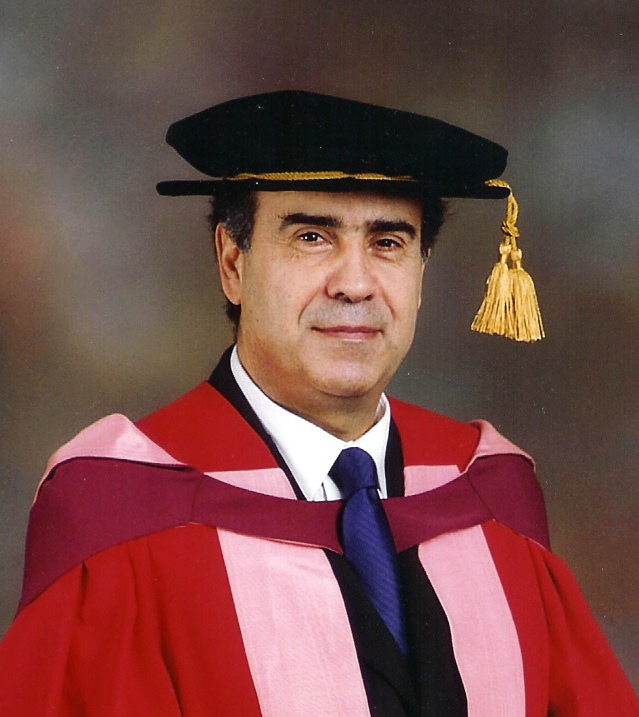 M Saadeh Suleiman合作论文数University of Bristol3SC JORDAN合作论文数1I A Regragui合作论文数1
 Izzat Mohammad Bashar合作论文数Damascus University Cardiac Surgery Hospital1A KIRK合作论文数1A Mulay合作论文数1R.A. Chapman合作论文数1J P Dhasmana合作论文数1Inderpaul Birdi合作论文数1




