BackgroundThe canine sterile pericarditis model associated with atrial inflammation is an experimental counterpart of postoperative atrial fibrillation (POAF). However, the use of canines for research is restricted by ethics committees in many countries, and social acceptance is declining. ObjectiveTo validate the feasibility of the swine sterile pericarditis model as an experimental counterpart to study POAF. MethodsSeven domestic pigs (35-60 kg) underwent initial pericarditis surgery. On two or more postoperative days in the closed-chest state, we performed electrophysiological measurements of pacing threshold and atrial effective refractory period (AERP) while pacing from the right atrial appendage (RAA) and the posterior left atrium (PLA). The inducibility of POAF (>5 min) by burst pacing was determined in both the conscious and anesthetized closed-chest state. These data were compared to previously published canine sterile pericarditis data for validation. ResultsThe pacing threshold increased from day 1 to day 3 (2 & PLUSMN; 0.1 to 3.3 & PLUSMN; 0.6 mA in the RAA, 2.5 & PLUSMN; 0.1 to 4.8 & PLUSMN; 0.2 mA in the PLA). Also, the AERP increased from day 1 to day 3 (118 & PLUSMN; 8 to 157 & PLUSMN; 16 ms in the RAA; 98 & PLUSMN; 4 to 124 & PLUSMN; 2 ms in the PLA, both p < .05). Induction of sustained POAF occurred in 43% (POAF CL range 74-124 ms). All electrophysiologic data from the swine model were consistent with the canine model with respect to (1) the range of both pacing threshold and AERP; (2) the progressive increase in threshold and AERP over time; (3) a 40%-50% incidence of POAF. ConclusionA newly developed swine sterile pericarditis model demonstrated electrophysiologic properties consistent with the canine model and patients after open heart surgery.
Background: Phase analysis has been used to identify and localize atrial fibrillation (AF) sources for targeted ablation. We previously demonstrated that repetitive wannabe reentry (incomplete reentry) often generated an apparent stable rotor using phase analysis. The misinterpretation caused by phase analysis using atrial electrograms (AEGs) may result from detecting inaccurate time points at phase inversion (π to −π) in the instantaneous phase waveform converted from AEG. The purpose of this study was to evaluate the accuracy of phase analysis to detect atrial activations recorded from the high-density mapping of AF in patients with persistent and long-standing persistent (LSP) AF. Methods and Results: During open heart surgery, we recorded activation from both atria simultaneously using 512 electrodes in 7 patients with persistent and LSP AF. The phase analysis was compared to manual measurements during 4 s of data. For the accuracy of activation sequence maps, a successful recording site was defined as having ≤4 mismatched activation times during the 4 s. In all AF episodes, the accuracy of the phase analysis was only 82% of the total number of activation times due to either activation time differences (14.7%), under-sensing (2.7%), or over-sensing (0.6%). Only 67.9% of the total recording sites met the requirement of a successful recording site by phase analysis. In unsuccessful recording sites, AEG characteristics were relatively irregular cycle length (CL), complex AEG, and double potential AEG. Conclusion: The phase analysis was less accurate in recording sites with a relatively irregular CL, complex AEG, or double potential AEG. As a result, phase analysis may lead to the misinterpretation of atrial activation patterns during AF. A visual review of the original AEG is needed to confirm the detected AF sources of phase analysis before performing targeted ablation.
Background:New-onset postoperative atrial fibrillation (POAF) is the most common complication after cardiac surgery and is associated with increased long-term stroke and mortality. Anticoagulation has been suggested as a potential therapy, but data on safety and efficacy are scant. Objectives:To determine the association between anticoagulation for POAF and long-term outcomes. Methods:Adult patients with POAF after isolated coronary artery bypass surgery (CABG) were identified through the Society of Thoracic Surgeons Adult Cardiac Surgery Database and linked to the Medicare Database. Propensity-matched analyses were performed for all-cause mortality, stroke, myocardial infarction, and major bleeding for patients discharged with or without anticoagulation. Interaction between anticoagulation and CHA2DS2-VASc score was also assessed. Results:Of 38,936 patients, 9861 (25%) were discharged on oral anticoagulation. After propensity score matching, discharge anticoagulation was associated with increased mortality (hazard ratio [HR] 1.16, 95% confidence interval [CI] 1.06-1.26). There was no difference in ischemic stroke between groups (HR 0.97, 95% CI 0.82-1.15), but there was significantly higher bleeding (HR 1.60, 95% CI 1.38-1.85) among those discharged on anticoagulation. Myocardial infarction was lower in the first 30 days for those discharged on anticoagulation, but this effect decreased over time. The incidence of all complications was higher for patients with CHA2DS2-VASc scores ≥5 compared to patients with scores of 2-4. Anticoagulation did not appear to benefit either subgroup. Conclusion:Anticoagulation is associated with increased mortality after new-onset POAF following CABG. There was no reduction in ischemic stroke among those discharged on anticoagulation regardless of CHA2DS2-VASc score.
BACKGROUND We have identified a reentrant circuit in the pulmonary vein region, which drives the atria, producing fibrillatory conduction, as one mechanism of postoperative atrial fibrillation (POAF) in the canine sterile pericarditis model. OBJECTIVE In this model, we tested the hypothesis that overdrive pacing from a site at or near such a reentrant circuit would interrupt it and thereby terminate POAF. METHODS We studied 11 sterile pericarditis dogs on postoperative days 1-4. Atrial electrograms (AEGs) were recorded during POAF, overdrive pacing, and pace termination from 3 sites simultaneously: Bachmann's bundle, posterior left atrium, and right atrial appendage. When recorded AEGs demonstrated regular activation, pace termination was attempted at that site by delivering a drive train starting with 4 consecutive beats at a cycle length (CL) of 2-5 ms shorter than that of the intrinsic CL. RESULTS Sixteen episodes of sustained POAF (> 5 minutes) diagnosed by electrocardiogram were induced. During all episodes of POAF, AEGs recorded from the left atrium exhibited regular activation, ie, constant AEG morphology and CL. When capture of the reentrant circuit by overdrive pacing occurred (mean 13 6 5, range 5-23 beats), all 16 POAF episodes were successfully terminated. In all termination episodes, at the end of pacing but prior to the return of sinus rhythm, there was disorganized atrial activation in the previously organized sites (mean 2 seconds, range 0.1-8 seconds). However, these beats did not sustain POAF in the absence of a reentrant circuit ("driver"). CONCLUSION Overdrive pacing from a site demonstrating regular activation during sustained POAF terminated the POAF by interrupting the reentrant circuit.
Determining the sequence of activation is a major source of information for understanding the electrophysiological mechanism(s) of atrial fibrillation (AF). However, the complex morphology of the electrograms hampers their analysis, and has stimulated generations of electrophysiologists to develop a large variety of technologies for recording, pre-processing, and analysis of fibrillation electrograms. This variability of approaches is mirrored by a large variability in the interpretation of fibrillation electrograms and, thereby, opinions regarding the basic electrophysiological mechanism(s) of AF vary widely. Multiple wavelets, different types of re-entry including rotors, double layers, multiple focal activation patterns all have been advocated, and a comprehensive and commonly accepted paradigm for the fundamental mechanisms of AF is still lacking. Here, we summarize the Maastricht perspective and Cleveland perspective regarding AF mechanism(s). We also describe some of the key observations in mapping of AF reported over the past decades, and how they changed over the years, often as results of new techniques introduced in the experimental field of AF research.
OBJECTIVES This study was to test the hypotheses that: 1) when using phase analysis, repetitive Wannabe re-entry produces a phase singularity point (i.e., a rotor); and 2) the location of the stable rotor is dose to the focal source. BACKGROUND Recent contact mapping studies in patients with persistent atrial fibrillation (AF) demonstrated that phase analysis produced a different mechanistic result than classical activation sequence analysis. Our studies in patients with persistent AF showed that focal sources sometimes produced repetitive Wannabe re-entry, that is, incomplete reentry. METHODS During open heart surgery, we recorded activation from both atria simultaneously using 510 to 512 electrodes in 12 patients with persistent AF. We performed activation sequence mapping and phase analyses on 4 s of mapped data. For each detected stable rotor (>2 full rotations [720 degrees] recurring at the same site), the corresponding activation patterns were examined from the activation sequence maps. RESULTS During AF, phase singularity points (rotors) were identified in both atria in all patients. However, stable phase singularity points were only present in 6 of 12 patients. The range of stable phase singularity points per patient was 0 to 6 (total 14). Stable phase singularity points were produced due to repetitive Wannabe re-entry generated from a focal source or by passive activation. A conduction block sometimes created a stable phase singularity point (n = 2). The average distance between a focal source and a stable rotor was 0.9 + 0.3 cm. CONCLUSIONS Repetitive Wannabe re-entry generated stable rotors adjacent to a focal source. No true re-entry occurred. (C) 2021 by the American College of Cardiology Foundation.
BACKGROUND Moe and Abildskov proposed the multiple wavelet hypothesis of atrial fibrillation (AF) on the basis of observations in the canine vagal nerve stimulation (VNS) AF model. Data from mapping studies in an in vitro canine AF model by Allessie et al (Allessie MA, Lammers WJEP, Bonke FIM, Hollen SJ. Experimental evaluation of Moe's multiple wavelet hypothesis of atrial fibrillation. In: Zipes DP, Jalife J, eds. Cardiac Electrophysiology and Arrhythmias. Orlando, FL: Grune & Stratton; 1985:265-275.) were used to evaluate the Moe/Abildskov hypothesis, which revealed that a critical number of wavelets sustained AF. OBJECTIVE The purpose of this study was to reassess VNS mapping data using the same methods used by Allessie to evaluate Moe's multiple wavelet hypothesis. METHODS Using the canine VNS AF model in 6 dogs, 510 unipolar atrial electrograms were recorded simultaneously from both atria. Activation sequence maps were produced from sustained AF during VNS in each dog. Per Allessie, consecutive 10 ms activation windows were analyzed over a period of 300 ms. Repetitive activation analysis was applied to Moe's canine VNS AF model. RESULTS The number of wavefronts in each AF episode was 0-8 in Allessie's studies measured by sequential atrial mapping and 0-10 in our biatrial simultaneous mapping studies. In both studies, an electrically silent period was observed in each atrium and was reactivated by wavefronts emanating from focal sources. Allessie postulated that an electrically silent atrium was reactivated by a wavefront propagating from the other atrium. However, in our biatrial simultaneous mapping studies, each electrically silent atrium was reactivated by a distinct focal source. CONCLUSION Data from both studies showed a similar number of wavefronts, similar AF activation patterns, and periods of electrical atrial silence reactivated by focal sources. Also, in our studies, independent focal sources initiated wavefronts reactivating the atria, thereby explaining the mechanism maintaining AF.
Aims Postoperative atrial fibrillation (POAF) is a frequent in-hospital complication after cardiac surgery. Surprisingly, despite its prevalence, management of this condition has not been well studied. One promising approach that has been evaluated in a limited number of studies is use of anticoagulation. However, the trends and patterns of real-world use of anticoagulation in POAF patients has not been systemically investigated. In this study, we aimed to determine real-world patterns of anticoagulation use for patients with POAF. Methods We identified 200 patients undergoing coronary artery bypass (CABG) or cardiac valve surgery at University Hospitals Cleveland Medical Center over a 2 year period beginning January 2016 with new onset POAF. We reviewed charts to verify candidacy for inclusion in the study and to extract data on anticoagulation use, adverse outcomes, and CHA2DS2-VASc scores. Results Anticoagulation use was low after CABG, but high after bioprosthetic valve surgery. The most common anticoagulant used was warfarin. Anticoagulation use was not correlated with CHA2DS2-VASc score or cardioversion. Stroke and mortality were higher among patients not receiving anticoagulation, however, confirmation of this finding in larger randomized studies is warranted. Conclusions Anticoagulation use is low after CABG and this practice does not appear to be affected by CHA2DS2VASc score or cardioversion. This differs with previously reported provider attitudes towards management of this condition. Stroke and mortality appear to be elevated for patients not receiving anticoagulation but further investigation is required to confirm this observation.
BACKGROUND:A high incidence of asymptomatic atrial tachycardia and atrial fibrillation (AT/AF) has been recognized in patients with cardiac implantable devices (CIED). The clinical significance of these AT/AF episodes remains unclear. Some "device-detected AT/AF" was previously shown to be triggered by competitive atrial pacing (CAP). OBJECTIVE:To investigate and characterize a potential association between CAP and AT/AF in the largest series of observations to date. METHODS:RATE, a multicenter registry, included 5379 patients with CIEDs followed for approximately 2 years. Electrograms (EGMs) from 1352 patients with AT/AF, CAP, or both were analyzed by experienced adjudicators to assess a causal relationship between AT/AF and CAP onset, duration, and morphology. RESULTS:In 225 patients, 1394 episodes of both AT/AF and CAP were present in the same tracing. CAP and AT/AF were strongly associated (P ≤ .02). AT/AF occurred during the course of the study in 71% of patients with CAP. In 62% of the episodes, expert adjudication concluded that CAP triggered AT/AF. The duration and morphology of triggered and spontaneous AT/AF episodes differed. Spontaneous AT/AF episodes were associated with constant EGM morphology, and were either long or extremely short. CAP-triggered AT/AF more often had variable and shorter cycle length EGMs. The incidence of short AT/AF events was higher among triggered episodes (25% vs 12.8%, P < .002). CONCLUSION:Device-triggered AT/AF due to CAP is likely more common than previously recognized. This AT/AF entity differs from spontaneous AT/AF in duration and morphology. Clinical implications of spontaneous and device-triggered AT/AF may be different.
We read with great interest the article by Lee et al. 1 Lee S. Khrestian C.M. Sahadevan J. Waldo A.L. Reconsidering the multiple wavelet hypothesis of atrial fibrillation. Heart Rhythm. 2020; 17: 1976-1983 Abstract Full Text Full Text PDF Scopus (11) Google Scholar The authors should be praised for this excellent study of a highly relevant model of atrial fibrillation (AF). Reply to the Editor—Reconsidering the reconsideration of the multiple wavelet hypothesisHeart RhythmVol. 17Issue 12PreviewFirst, the objective of our study was to evaluate the Moe/Abildskov multiple wavelet hypothesis of atrial fibrillation by applying the same methods and criteria used by Allessie et al1 to our more extensive, simultaneous, biatrial mapping data of the original Moe/Abildskov model.2 Our data show that in contrast to their prediction, focal sources drove the atria, thereby maintaining atrial fibrillation. Full-Text PDF
OBJECTIVES:The Cox Maze IV operation is commonly performed concomitant with other cardiac operations and effectively reduces the burden of atrial fibrillation. Prospective randomized trials have reported outcomes early and at 12 months, but only single-center late durability results are available. As part of the postapproval process for a bipolar radiofrequency ablation system, we sought to determine early and midterm outcomes of patients undergoing the Cox Maze IV operation. METHODS:A prospective, multicenter, single-arm study of 363 patients (mean age, 70 years, 82% valve surgery) with nonparoxysmal atrial fibrillation (mean duration, 60 months, 94% Congestive heart failure, Hypertension, Age ≥ 75, Diabetes, Stroke, VAScular disease, Age 65-74, Sex category ≥2) undergoing concomitant Maze IV atrial fibrillation ablation at 40 sites with 70 surgeons was performed between June 2010 and October 2014. Compliance with the study lesion set was 94.5%, and 99% had left atrial appendage closure. Freedom from atrial fibrillation was determined by extended monitoring, with a 48-hour Holter monitor minimum. RESULTS:There were no device-related complications. Freedom from atrial fibrillation off antiarrhythmic medications at 1, 2, and 3 years was 66%, 65%, and 64%, respectively, and including those using antiarrhythmics was 80%, 78%, and 76%, respectively. Warfarin was used in 49%, 44%, and 40%, respectively. CONCLUSIONS:In patients with nonparoxysmal atrial fibrillation, compliance with the protocol was high, and freedom from atrial fibrillation off antiarrhythmics was high and sustained to 3 years. The safety and effectiveness of the system and Cox Maze IV procedure support the Class I guideline recommendation for concomitant atrial fibrillation ablation in patients undergoing cardiac surgery.
Atrial fibrillation (AF) remains a growing problem in the United States and worldwide, imposing a high individual and health system burden, including increased resource consumption due to repeated hospitalizations, stroke, dementia, heart failure, and death. This comprehensive review summarizes the most recent data on sex-related differences in risks associated with AF. Women with AF have increased risk of stroke and death compared to men, and possible reasons for this disparity are explored. Women also continue to have worse symptoms and quality of life, and poorer outcomes with stroke prevention, as well as with rate and rhythm control management strategies. Many current rhythm control treatment strategies for AF, including cardioversion and ablation, are used less frequently in women as compared to men, whereas women are more likely to be treated with rate control strategies or anti-arrhythmic drugs. Sex differences should be considered in treating women with AF to improve outcomes and women and men should be offered the same interventions for AF. We need to improve the evidence base to understand if variation in utilization of rate and rhythm control management between men and women represents health inequities or appropriate clinical judgement.
INTRODUCTION:Postoperative atrial fibrillation (POAF) is a common complication after cardiac surgery. Though often felt to be self-limited, this complication has been associated with increases in both short and long-term stroke and mortality. Several studies have also shown a high rate of AF recurrence. Optimal treatment strategy is not yet defined, and the role of anticoagulation (AC) is unclear. Our objective was to determine provider attitudes toward management of this common complication.METHODS:A survey consisting of 15 multiple choice questions was distributed to providers at Veterans Healthcare Administration hospitals nationwide.RESULTS:The majority of respondents were cardiologists. Practices varied drastically with respect to AC use for patients with POAF who were discharged in normal sinus rhythm. Less variability existed for patients discharged in AF. There was no clear consensus regarding other factors to consider when deciding on AC therapy, including length of episode, or risk factors for stroke such as CHA2 DS2 -VASc score. There was also no consensus on duration of therapy or need for post discharge cardiac monitoring.CONCLUSION:Our data indicate a wide variability in the management of POAF. This reflects conflicting recommendations in the guidelines, as well as a paucity of prospective treatment trials in this field. Nevertheless, a growing evidence base suggests that this complication carries potentially serious long-term morbidity and mortality, and better evidence for its management is needed.
Atrial fibrillation (AF) is often treated with antiarrhythmic drugs (AADs) or catheter ablation.In a unique subset of patients, AF can convert to atrial flutter (AFL) after the initiation of an AAD.It has previously been shown that, in this subset of patients, cavotricuspid isthmus (CTI) ablation followed by the continuation of the AAD regimen has an unusually high rate of successfully maintaining sinus rhythm.This is an underrecognized approach toward rhythm management in such patients.However, the reason(s) for such a high degree of efficacy with this hybrid therapeutic approach are unclear.We suggest that conversion from AF to AFL selects for a group of patients in whom AF is particularly responsive to the effects of the AAD.Since CTI ablation is essentially curative of AFL, the combination of both techniques results in a high efficacy of sinus rhythm maintenance.Further investigation is required to confirm these hypotheses.
Background This study assessed the effect of blockading neural transmission in the ganglionated plexi by injecting lidocaine into fat pads in the vagal nerve stimulation canine model and patients with persistent atrial fibrillation (AF). Methods and Results An efficacy test of lidocaine injection was performed in 7 canines. During vagal nerve stimulation, AF was sustained for >5 minutes. The lidocaine was injected into ganglionated plexi during sinus rhythm and reinduction of AF was attempted. Six patients with persistent AF were studied at open heart surgery. Lidocaine was injected into ganglionated plexi. Atrial electrograms were recorded from 96 epicardial electrodes covering Bachmann's bundle and atrial appendages. In the canine vagal nerve stimulation AF model, AF was not inducible in 4 of 7 after lidocaine injection. In patients with persistent AF, during baseline AF, there was a left atrium (LA)‐to‐right atrium (RA) frequency gradient (LA, mean cycle length [CL] 175±17 ms; RA, mean CL 192±17 ms; P<0.01). After lidocaine injection, AF persisted in all patients, and the LA‐to‐RA frequency gradient disappeared (LA, mean CL 186±13 ms; RA, mean CL 199±23 ms; P=0.08). Comparison of mean CLs before and after lidocaine demonstrated prolongation of LA CLs (P<0.05) with no effect on RA CLs. Conclusions In the canine vagal nerve stimulation AF model, lidocaine injection decreased inducibility of AF. In patients with persistent AF, atrial electrograms from the LA had shorter CLs than RA, indicating an LA‐to‐RA frequency gradient. Lidocaine injection significantly prolonged only LA CLs, explaining disappearance of the LA‐to‐RA frequency gradient. The mechanism of localized atrial electrogram CL prolongation in patients with persistent AF is uncertain.
Atrial fibrillation (AF) is the most common sustained arrhythmia encountered in practice and is the leading cause of debilitating strokes with significant economic burden. It is currently not known whether asymptomatic undiagnosed AF should be treated if detected by various screening methods. Currently, United States guidelines have no recommendations for identifying patients with asymptomatic undiagnosed AF due to lack of evidence. The American Heart Association Center for Health Technology & Innovation undertook a plan to identify tools in 3 phases that may be useful in improving outcomes in patients with undiagnosed AF. In phase I we sought to identify AF risk factors that can be used to develop a risk score to identify high-risk patients using a large commercial insurance dataset. The principal findings of this study show that individuals at high risk for AF are those with advanced age, the presence of heart failure, coronary artery disease, hypertension, metabolic disorders, and hyperlipidemia. Our analysis also found that chronic respiratory failure was a significant risk factor for those over 65 years of age and chronic kidney disease for those less than 65 years of age.
Atrial fibrillation (AF), a worldwide epidemic, contributes to frequent hospitalizations, stroke, heart failure, disability, mortality, and health-resource consumption ([1][1]). AF affects people differently with regard to sex, race, ethnicity, and socioeconomic status, and reviews of these
Regarding the 40th anniversary of the North American Society of Pacing and Electrophysiology (NASPE)/Heart Rhythm Society (HRS), I was pleased and honored to accept the invitation to contribute a viewpoint article to HeartRhythm. The invitation asked me “…to contribute a viewpoint article describing my role in the early days of NASPE, my contribution to the development of clinical electrophysiology (EP) as a subspecialty, and my mentorship of young investigators.” What follows is a try. My role in the early days of NASPE: With the founding of NASPE in 1979, I, along with many others, became a founding member. The initial presidential leadership of the society, Drs J. Warren Harthorne (1979–1981), Seymour Furman (1981–1982), Bernard Goldman (1982–1983), and Robert Hauser (1983–1984), were all prominent in the pacemaker world. But in 1982, I was invited to enter the leadership as the second vice president. As a result, I became the first vice president during the tenure of Bob Hauser. And in 1984, I became the first NASPE president who was primarily a cardiac electrophysiologist. The initial yearly meetings of NASPE were held one day before the annual scientific session of the American College of Cardiology in the same city as the latter meeting. As the first vice president, and therefore as the program committee chairman, I was responsible for organizing the first NASPE meeting held independent of the American College of Cardiology meeting. That meeting was held in New York City. In my capacity as program chairman, I contacted as many EP colleagues as I could, not only in the United States and Canada but also around the world, and asked them to participate. We were able to put together a superb program, which included prominent invited speakers. The launch of our independent scientific sessions was successful. The following year during my presidency, the annual NASPE scientific sessions were held in Toronto, Canada. This meeting was even more successful, further establishing NASPE’s role as an important part of the cardiac EP community. During the meeting, when I officially turned over the presidential gavel to Dr Jerry Griffin, as part of his formal remarks, he commented that I put “E” in NASPE. Not surprisingly, I was very flattered by that remark, but truly, it was a group effort of the society members that made it work. And, in the succeeding years, superb leadership and a growing membership have continue to make NASPE, now HRS, an important part of our profession. Regarding “… my contribution to the development of clinical EP as a subspecialty,” probably that is for others to comment. However, I can say that there are many who contributed to the development of clinical cardiac EP, and I am proud to have been one of them. Also, I can share some personal insights and observations. During my house staff training at Baltimore City hospitals, I got very interested in cardiac arrhythmias. At that time, cardiac EP had not yet been established as a clinical subspecialty. During a 4-month elective as a medical resident in the Johns Hopkins Cardiology Welcome Laboratory, Dr Richard Ross, then the Chief of Cardiology, advised that if I was interested in pursuing training in cardiac EP, I should not be afraid to do so in a basic laboratory. The possibility of working with Dr Brian Hoffman immediately came to mind. I knew him when I was a medical student at SUNY Downstate and knew he had recently moved to Columbia University as the David Hosack Professor and Chairman of the Department of Pharmacology. Fortunately for me, Dr Hoffman offered me a training position. The 6 years I spent at Columbia, first as a postdoctoral fellow and then as a junior faculty member, were an extraordinary experience and my good fortune. So many good things happened, including Dr Hoffman’s mentorship; doing studies first in the animal laboratory and then also studies in patients during open heart surgery; training in clinical cardiology; interactions with colleagues such as Mike Rosen, Bob Myerburg, Tom Bigger, and Andy Wit; frequent interactions with Dr Paul Crainfield, then at the Rockefeller Institute in New York City; and a long series of unique sessions with Dr David Scherf, Emeritus Professor at New York Medical College. All this prepared me to “go it alone,” which I did by accepting Dr Thomas James’ invitation to join the cardiology section at the University of Alabama at Birmingham Medical Center. Getting a little ahead of my story, while in Birmingham, I was fortunate to have a sabbatical in the laboratory of Dr Maurits Allessie in Maastricht, The Netherlands. There, I learned how to do simultaneous multisite mapping of the rhythm of the heart and also developed the canine sterile pericarditis model of atrial fibrillation and atrial flutter. Clearly, I had the good fortune to receive superb mentoring in superb research environments, both priceless. After arriving in Birmingham, besides doing studies in the clinical EP laboratory and my animal research laboratory, I had a very strong clinical and research relationship with the cardiac surgical team led by Dr John Kirklin. Intraoperatively, we did electrophysiological mapping; postoperatively, we used the epicardial atrial and ventricular wire electrodes, temporarily placed by the surgeons at the time of surgery, to diagnose, treat, and study postoperative arrhythmias, particularly atrial fibrillation and atrial flutter. All this gave us insights into the mechanism and treatment of many types of arrhythmias, which, in turn, led us to describe overdrive pacing algorithms to interrupt or control postoperative tachycardias. And this work (which began at the University of Alabama at Birmingham and continued with my move to Case Western Reserve University in Cleveland, OH) ultimately led us (including Drs Bill MacLean, Rick Henthorn, Vance Plumb, Ken Okumura, Brian Olshansky, Andy Epstein, Pedro Brugada, and Hein Wellens, the latter 2 from my time on sabbatical in Maastricht) to the recognition and description of pacing entrainment and interruption of reentrant tachyarrhythmias. It is very gratifying that the concept and clinical use of entrainment has grown to where it is now a standard part of the study of tachycardias in the clinical cardiac EP laboratory. Our postoperative use of the temporary epicardial wire electrodes after open heart surgery also led us (Dr Bill MacLean and me) to publish a book, Diagnosis and Treatment of Cardiac Arrhythmias Following Open Heart Surgery, which included the pacing algorithms we had described to interrupt reentrant tachycardias. As an aside, the latter, never patented, were quickly adopted (and later improved upon) by the pacemaker industry. Regarding my mentorship of young investigators, I am not sure I have anything unique to provide. Starting with my 14 years in Birmingham and continuing during my now 33 years (and counting) in Cleveland, I have been privileged to mentor quite a large number (I have lost count) of wonderful young investigators, both clinical and nonclinical, from around the world. For me, it has been a wonderful experience, and truly, they all have made me better. The excitement of discovery never fades.
Based on data from several clinical trials, either rate control or rhythm control is an acceptable primary therapeutic strategy for patients with atrial fibrillation. However, since atrial fibrillation tends to recur no matter the therapy, rate control should almost always be a part of the treatment. If a rhythm control strategy is selected, it is important to recognize that recurrence of atrial fibrillation is common, but not clinical failure per se. Rather, the frequency and duration of episodes, as well as severity of symptoms during atrial fibrillation episodes should guide treatment decisions. Thus, occasional recurrence of atrial fibrillation despite therapy may well be clinically acceptable. However, for some patients, rhythm control may be the only strategy that is acceptable. In short, for most patients, either a rate or rhythm control strategy should be considered. However, for all patients, there are two main goals of therapy. One is to avoid stroke and/or systemic embolism, and the other is to avoid a tachycardia-induced cardiomyopathy. Also, because of the frequency of atrial fibrillation recurrence despite the treatment strategy selected, patients with stroke risks should receive anticoagulation therapy despite seemingly having achieved stable sinus rhythm. For patients in whom a rate control strategy is selected, a lenient approach to the acceptable ventricular response rate is a resting heart rate of 110 bpm or less, and probably 90 bpm or less. The importance of achieving and maintaining sinus rhythm in patients with atrial fibrillation and heart failure remains to be clearly established.
 Vance Plumb合作论文数78
 Rw Henthorn合作论文数66Celeen M. Khrestian合作论文数39
 Jayakumar Sahadevan合作论文数37
 Andrew E. Epstein合作论文数Department of Medicine, Perelman School of Medicine, University of Pennsylvania28Rb Karp合作论文数26Wah Maclean合作论文数26Tn James合作论文数25
 John Camm合作论文数Imperial College London;St George's, University of London;St George's Healthcare NHS Trust25
 Brian Olshansky合作论文数Internal Medicine-Cardiovascular Medicine, Department of Internal Medicine, Carver College of Medicine, University of Iowa Health Care23
 Ken Okumura合作论文数Saiseikai Kumamoto Hospital Cardiovascular Center22Md Carlson合作论文数21JG ARCINIEGAS合作论文数21Cm Khrestian合作论文数18
 Lee Seungyup合作论文数Department of Biomedical Engineering, Case Western Reserve University18Cakulev Ivan T合作论文数15
 Yoram Rudy合作论文数Department of Biomedical Engineering, McKelvey School of Engineering, Washington University in St. Louis15Ga Kaiser合作论文数14
 Sanjeev Saksena合作论文数Medicine at UMDNJ-Robert Wood Johnson School of Medicine14TB COOPER合作论文数13Ryu K合作论文数13
 Brian Olshansky合作论文数University of Iowa Hospitals13
 Koichiro Kumagai合作论文数Heart Rhythm Center, Fukuoka Sanno Hospital13La Biblo合作论文数12Robert N. Goldstein合作论文数12Ehud Krongrad合作论文数12Bf Hoffman合作论文数11Fo Bowman合作论文数11Niwano S合作论文数11Ryu Kyungmoo合作论文数11D. George Wyse合作论文数11
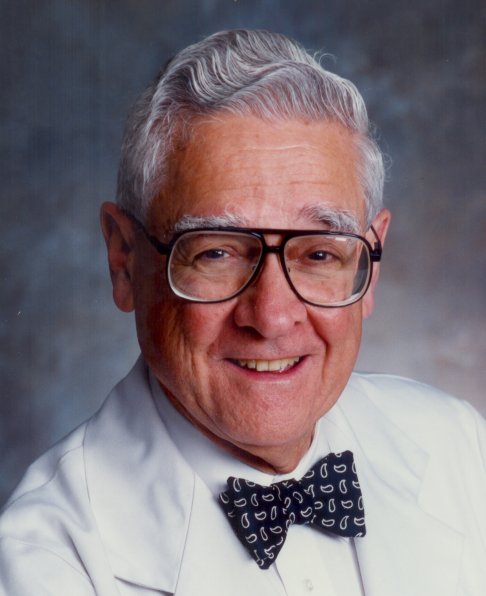 Thomas N. James合作论文数Department of Medicine, Heersink School of Medicine, The University of Alabama at Birmingham11José Ortiz合作论文数11
 Melvin Scheinman合作论文数Department of Medicine, University of California San Francisco;Genetic Arrhythmia Section, Medical Center, University of California San Francisco11Nt Kouchoukos合作论文数10Jr Malm合作论文数10Gregory M. Ayers合作论文数10
 Jonathan L. Halperin合作论文数Icahn School of Medicine at Mount Sinai;Zena and Michael A. Wiener Cardiovascular Institute, The Mount Sinai Medical Center;The Mount Sinai Hospital10
 Hugh Calkins合作论文数The Johns Hopkins Hospital;Department of Medicine, Johns Hopkins University9
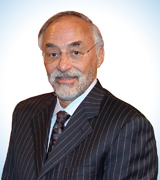 Douglas P. Zipes合作论文数School of Medicine, Indiana University9Kikuya Uno合作论文数9
 Mark D. Carlson合作论文数8Cm Pratt合作论文数8SH ZIMMERN合作论文数8
 Peter R. Kowey合作论文数Sidney Kimmel Medical College, Thomas Jefferson University8David R. Van Wagoner合作论文数8
 Gregory YH Lip合作论文数Institute of Applied Health Research, University of Birmingham;Aalborg University;National Institute for Health Research8A S Geha合作论文数7A MESA合作论文数7




