In this study, we explore the influence of bromide anions concentration on the surface chemistry of colloidal gold nanoparticles synthesized via pulsed laser ablation in liquids (PLAL). Using X-ray photoelectron spectroscopy (XPS) in a controlled environment, by probing a beam of free-standing gold nanoparticles, we quantitatively characterize the surface composition of the nanoparticles, revealing that bromide adsorption significantly contributes to surface oxidation independently of counterion type and pH for alkaline solution. Additionally, our findings demonstrate the adjustability of halogen coverage post-synthesis, offering a versatile method for controlling nanoparticle properties.
Abstract We have developed CTD2 (an algorithm to "Connect the Dots") to capture biological signals and identify candidate genes in complex networks. CTD2 extends the functionality of its predecessor CTD by providing ranked lists of genes that are “guilty by association” and significantly linked to other genes of interest. With the explosion of large scale multi-omics studies in the cancer field, novel approaches are needed to interpret these valuable datasets. Both CTD and CTD2 are information-theoretic algorithms that allow identification of highly connected sets of genes in complex networks without the need for permutation testing. CTD has been previously used to interpret perturbations in different subtypes of breast cancer. Additionally CTD has been used to identify biomarkers of chemotherapy response in Triple Negative Breast Cancer (TNBC) murine PDX models to both platinum and taxane agents. These small multigene biomarkers of response were shown to be informative for the response of both patients and PDXs. CTD2 was developed to expand the utility of the CTD package by also capturing genes that are "guilty by association". These genes are significantly connected to genes of interest (such as disease genes), and are ranked by their connectedness to these informative gene sets. To demonstrate its utility, we investigated if CTD2 could identify known breast cancer genes. Using TCGA breast cancer expression data, we built case/control graphs over 5,000 variable genes for each subtype of breast cancer. Genes previously associated with breast cancer were identified with DisGeNET and split into a training set discovered pre-2015 and test set discovered post-2015. The genes that were discovered pre-2015 that overlapped with our networks (n = 680) were then used as an input for CTD2 along with the case/control graphs. We then ranked the connectedness of all the genes in these graphs to the training set and found that the test set of breast cancer genes that were discovered post-2015 were significantly enriched in these ranked lists.We have shown that CTD2 and CTD can be utilized to discover biologically informative signals in complex networks. Furthermore we have deployed these tools on the Cancer Genomics Cloud to make them easily accessible for users without a bioinformatics background. The democratization of these in silico tools will allow for their adaptation by a wider audience and aid in the interpretation of large multi-omic datasets. Citation Format: Varduhi Petrosyan, Vladimir Kovacevic, Predrag Obradovic, Cera Fisher, Zelia Worman, Divya Sain, Jack DiGiovanna, Brandi Davis-Dusenberry, Aleksandar Milosavljevic. CTD2 "Connects the Dots" to capture disease genes in complex networks and its application on the Cancer Genomics Cloud [abstract]. In: Proceedings of the American Association for Cancer Research Annual Meeting 2024; Part 1 (Regular Abstracts); 2024 Apr 5-10; San Diego, CA. Philadelphia (PA): AACR; Cancer Res 2024;84(6_Suppl):Abstract nr 2330.
We present a joint theoretical-experimental study on the inner-shell photoionization of hypoxanthine clusters in the gas phase. Simulations were performed using a computational strategy that combines molecular dynamics to explore the conformers of the clusters, density functional theory for geometry optimization and inner shell photoionization calculations. Two main intermolecular interactions are observed: hydrogen-bonds (HB) and pi - pi stacking. When increasing the cluster size, a combination of both kinds of interaction occurs. We show that such intermolecular interactions play a role in the chemical shift observed in X-ray photoemission spectroscopy experiments. In particular, we highlight the interplay between charge depletion and charge accumulation in regions where HBs stabilize the clusters.
AbstractThe “QuantitatEVs: multiscale analyses, from bulk to single vesicle” workshop aimed to discuss quantitative strategies and harmonized wet and computational approaches toward the comprehensive analysis of extracellular vesicles (EVs) from bulk to single vesicle analyses with a special focus on emerging technologies. The workshop covered the key issues in the quantitative analysis of different EV‐associated molecular components and EV biophysical features, which are considered the core of EV‐associated biomarker discovery and validation for their clinical translation. The in‐person‐only workshop was held in Trento, Italy, from January 31st to February 2nd, 2023, and continued in Milan on February 3rd with “Next Generation EVs,” a satellite event dedicated to early career researchers (ECR). This report summarizes the main topics and outcomes of the workshop.
The soft X-ray beamline PLEIADES at Synchrotron SOLEIL facility (France) will be presented, with the focus on the energy and angle resolved (Auger) electron- ion coincidence permanent setup (EPICEA). The EPICEA allows for photoelectron-photoion-photoion coincidence (PEPIPICO) and Auger electron- photoion-photoion coincidence (AEPIPICO) spectroscopy (PLEIADES, 2019; Ganguly et al., 2022). The setup consists of a double toroidal electron analyzer (DTA) (Miron et al., 1997) and a 3D focusing ion TOF spectrometer. Electrons emitted at an angle of 54.71 are accepted by the DTA and selected according to their predetermined pass energy (Ep). The detection electron kinetic energy window is about 12% of the defined Ep, whereas the energy resolution is about 1%of the Ep. After exiting the DTA, the electrons are recorded by a delay-line position sensitive detector (DLD40, Roentdek GmbH), where the distance of the electron position from the center is inversely proportional to its kinetic energy. The interaction region is placed in a zero- electric-field space between two extraction grids. The detection of an electron triggers a pulsed field that accelerates the ions toward a hexagonal delay-line detector (HEX75, Roentdek GmbH) placed after the TOF drift tube. The positions on the detector and time of flight of all extracted ions are recorded. Additionally, a pulse generator (Stanford DG645) was used to produce random triggers, which extract ions present in the interaction without a coincident electron event, thus allowing to analyze the background ion signal recorded due to false coincidences. In the present lecture, example results will be presented for several different molecular targets that are interesting for a range of research topics. - FULL TEXT available in PDF.
The valence band electronic structure of isolated silver iodide nanoparticles (AgI NP) was investigated by vacuum-ultraviolet aerosol photoelectron spectroscopy using the velocity map imaging technique (VUV VMI-PES). The VUV VMI-PES results were obtained for polydisperse aerosol produced by aggregation of hydrocolloid of silver iodide particles 8-15 nm in size. The ionization energy of the AgI particles was found to be 6.0±0.1 eV with respect to the vacuum level. The DFT calculations showed that the main contribution to the density of AgI electronic states in the valence region originates from I 5p orbitals. The dependence of the asymmetry parameter on the electron energy showed that the value of the characteristic energy loss of excited photoelectrons was 2.7 eV, which coincided with the band gap of the nanomaterial.
Understanding the competing processes that govern far ultraviolet photodissociation (FUV-PD) of biopolymers such as proteins is a challenge. Here, we report a combined experimental and theoretical investigation of FUV-PD of protonated leucine-enkephalin pentapeptide ([YGGFL + H]+) in the gas-phase. Time-dependent density functional theory (TD-DFT) calculations in combination with experiments and previous results for amino acids and shorter peptides help in rationalizing the evolution of the excited states. The results confirm that fragmentation of [YGGFL + H]+ results mainly from vibrationally excited species in the ground electronic state, populated after internal conversion. We also propose fragmentation mechanisms for specific photo-fragments such as tyrosine side chain loss (with an extra hydrogen) or hydrogen loss. In general, we observe the same mechanisms as for smaller peptides or protonated Tyr and Phe, that are not quenched by the presence of other amino acids. Nevertheless, we also found some differences, as for H loss, in part due to the fact that the charge is solvated by the peptide chain and not only by the COOH terminal group.
The present work combines the near edge X-ray absorption mass spectrometry of a protonated adenosine 5 '-triphosphate (ATP) molecule isolated in an ion trap with (time-dependent) density functional theory calculations. Our study unravels the effect of protonation on the ATP structure and its spectral properties, providing structure-property relationships at atomistic resolution for protonated ATP (ATPH) isolated in the gas-phase conditions. On the other hand, the present C and N K-edge X-ray absorption spectra of isolated ATPH appear closely like those previously reported for solvated ATP at low pH. Therefore, the present work should be relevant for further investigation and modeling of structure-function properties of protonated adenine and ATP in complex biological environments.
Understanding how genetic variants impact molecular phenotypes is a key goal of functional genomics, currently hindered by reliance on a single haploid reference genome. Here, we present the EN-TEx resource of 1,635 open-access datasets from four donors (∼30 tissues × ∼15 assays). The datasets are mapped to matched, diploid genomes with long-read phasing and structural variants, instantiating a catalog of >1 million allele-specific loci. These loci exhibit coordinated activity along haplotypes and are less conserved than corresponding, non-allele-specific ones. Surprisingly, a deep-learning transformer model can predict the allele-specific activity based only on local nucleotide-sequence context, highlighting the importance of transcription-factor-binding motifs particularly sensitive to variants. Furthermore, combining EN-TEx with existing genome annotations reveals strong associations between allele-specific and GWAS loci. It also enables models for transferring known eQTLs to difficult-to-profile tissues (e.g., from skin to heart). Overall, EN-TEx provides rich data and generalizable models for more accurate personal functional genomics.
In a recent work, we have shown that photon absorption can cause a chemical bond to be created between the two monomers within a protonated serine dimer, a process known as intra-cluster bond formation, despite this process not occurring following thermal excitation via low energy collision-induced dissociation (LE-CID). Here we show further evidence for non-statistical photon-induced dissociation (PID) of the protonated serine dimer. In addition we discuss LE-CID and PID studies of the protonated serine octamer, showing that in this case as well, PID leads to non-statistical fragmentation and to the formation of two bonds between three neighboring monomers.
Although systemic chemotherapy remains the standard of care for TNBC, even combination chemotherapy is often ineffective. The identification of biomarkers for differential chemotherapy response would allow for the selection of responsive patients, thus maximizing efficacy and minimizing toxicities. Here, we leverage TNBC PDXs to identify biomarkers of response. To demonstrate their ability to function as a preclinical cohort, PDXs were characterized using DNA sequencing, transcriptomics, and proteomics to show consistency with clinical samples. We then developed a network-based approach (CTD/WGCNA) to identify biomarkers of response to carboplatin (MSI1, TMSB15A, ARHGDIB, GGT1, SV2A, SEC14L2, SERPINI1, ADAMTS20, DGKQ) and docetaxel (c, MAGED4, CERS1, ST8SIA2, KIF24, PARPBP). CTD/WGCNA multigene biomarkers are predictive in PDX datasets (RNAseq and Affymetrix) for both taxane- (docetaxel or paclitaxel) and platinum-based (carboplatin or cisplatin) response, thereby demonstrating cross-expression platform and cross-drug class robustness. These biomarkers were also predictive in clinical datasets, thus demonstrating translational potential.
Adamantane, the smallest diamondoid molecule with a symmetrical cage, contains two distinct carbon sites, CH and CH2. The ionization/excitation of the molecule leads to the cage opening and strong structural reorganization. While theoretical predictions suggest that the carbon site CH primarily causes the cage opening, the role of the other CH2 site remains unclear. In this study, we used advanced experimental Auger electron–ion coincidence techniques and theoretical calculations to investigate the fragmentation dynamics of adamantane after resonant inner-shell photoexcitation. Our results demonstrate that some fragmentation channels exhibit site-sensitivity of the initial core–hole location, indicating that different carbon site excitations could lead to unique cage opening mechanisms.
Although the role of RNA binding proteins (RBPs) in extracellular RNA (exRNA) biology is well established, their exRNA cargo and distribution across biofluids are largely unknown. To address this gap, we extend the exRNA Atlas resource by mapping exRNAs carried by extracellular RBPs (exRBPs). This map was developed through an integrative analysis of ENCODE enhanced crosslinking and immunoprecipitation (eCLIP) data (150 RBPs) and human exRNA profiles (6,930 samples). Computational analysis and experimental validation identified exRBPs in plasma, serum, saliva, urine, cerebrospinal fluid, and cell-culture-conditioned medium. exRBPs carry exRNA transcripts from small non-coding RNA biotypes, including microRNA (miRNA), piRNA, tRNA, small nuclear RNA (snRNA), small nucleolar RNA (snoRNA), Y RNA, and lncRNA, as well as protein-coding mRNA fragments. Computational deconvolution of exRBP RNA cargo reveals associations of exRBPs with extracellular vesicles, lipoproteins, and ribonucleoproteins across human biofluids. Overall, we mapped the distribution of exRBPs across human biofluids, presenting a resource for the community.
The valence ionization of uracil and mixed water-uracil clusters has been studied experimentally and by ab initio calculations. In both measurements, the spectrum onset shows a red shift with respect to the uracil molecule, with the mixed cluster characterized by peculiar features unexplained by the sum of independent contributions of the water or uracil aggregation. To interpret and assign all the contributions, we performed a series of multi-level calculations, starting from an exploration of several cluster structures using automated conformer-search algorithms based on a tight-binding approach. Ionization energies have been assessed on smaller clusters via a comparison between accurate wavefunction-based approaches and cost-effective DFT-based simulations, the latter of which were applied to clusters up to 12 uracil and 36 water molecules. The results confirm that (i) the bottom-up approach based on a multilevel method [Mattioli et al. Phys. Chem. Chem. Phys. 23, 1859 (2021)] to the structure of neutral clusters of unknown experimental composition converges to precise structure-property relationships and (ii) the coexistence of pure and mixed clusters in the water-uracil samples. A natural bond orbital (NBO) analysis performed on a subset of clusters highlighted the special role of H-bonds in the formation of the aggregates. The NBO analysis yields second-order perturbative energy between the H-bond donor and acceptor orbitals correlated with the calculated ionization energies. This sheds light on the role of the oxygen lone-pairs of the uracil CO group in the formation of strong H-bonds, with a stronger directionality in mixed clusters, giving a quantitative explanation for the formation of core-shell structures.
Fragmentation dynamics of core-excited isolated ammonia molecules is studied by two different and complementary experimental methods, high-resolution resonant Auger spectroscopy and electron energy-selected Auger electron-photoion coincidence spectroscopy (AEPICO). The combined use of these two techniques allows obtaining information on different dissociation patterns, in particular fragmentation before relaxation, often called ultrafast dissociation (UFD), and fragmentation after relaxation. The resonant Auger spectra contain the spectral signature of both molecular and fragment final states, and therefore can provide information on all events occurring during the core-hole lifetime, in particular fragmentation before relaxation. Coincidence measurements allow correlating Auger electrons with ionic fragments from the same molecule, and relating the ionic fragments to specific Auger final electronic states, and yield additional information on which final states are dissociative, and which ionic fragments can be produced in timescales either corresponding to the core-hole lifetime or longer. Furthermore, we show that by the combined use of two complementary experimental techniques we are able to identify more electronic states of the NH2+ fragment with respect to the single one already reported in the literature.
Extracellular vesicles (EVs) are small, lipid-bilayer-bound particles released by cells that can contain important bioactive molecules, including lipids, RNAs, and proteins. Once released in the extracellular environment, EVs can act as messengers locally as well as to distant tissues to coordinate tissue homeostasis and systemic responses. There is a growing interest in not only understanding the physiology of EVs as signaling particles but also leveraging them as minimally invasive diagnostic and prognostic biomarkers (e.g., they can be found in biofluids) and drug-delivery vehicles. On October 30-November 2, 2022, researchers in the EV field convened for the Keystone symposium "Exosomes, Microvesicles, and Other Extracellular Vesicles" to discuss developing standardized language and methodology, new data on the basic biology of EVs and potential clinical utility, as well as novel technologies to isolate and characterize EVs.
AbstractMotivationExtracellular particles (EPs) are the focus of a rapidly growing area of exploration due to the widespread interest in understanding their roles in health and disease. However, despite the general need for EP data sharing and established community standards for data reporting, no standard repository for EP flow cytometry data captures rigor and minimum reporting standards such as those defined by MIFlowCyt-EV (https://doi.org/10.1080/20013078.2020.1713526). We sought to address this unmet need by developing the NanoFlow Repository.ResultsWe have developed The NanoFlow Repository to provide the first implementation of the MIFlowCyt-EV framework.Availability and implementationThe NanoFlow Repository is freely available and accessible online at https://genboree.org/nano-ui/. Public datasets can be explored and downloaded at https://genboree.org/nano-ui/ld/datasets. The NanoFlow Repository’s backend is built using the Genboree software stack that powers the ClinGen Resource, specifically the Linked Data Hub (LDH), a REST API framework written in Node.js, developed initially to aggregate data within ClinGen (https://ldh.clinicalgenome.org/ldh/ui/about). NanoFlow’s LDH (NanoAPI) is available at https://genboree.org/nano-api/srvc. NanoAPI is supported by a Node.js Genboree authentication and authorization service (GbAuth), a graph database called ArangoDB, and an Apache Pulsar message queue (NanoMQ) to manage data inflows into NanoAPI. The website for NanoFlow Repository is built with Vue.js and Node.js (NanoUI) and supports all major browsers.
 Cristian Coarfa合作论文数Dan L. Duncan Cancer Center, Advanced Technology Core, Alkek Center for Molecular Discovery, Baylor College of Medicine;Department of Molecular and Cell Biology, Baylor College of Medicine;Center for Precision Environmental Health, Baylor College of Medicine40
 Alexandre Giuliani合作论文数DISCO Beamline, Synchrotron Soleil40
 R. Alan Harris合作论文数Department of Molecular and Human Genetics, Baylor College of Medicine36
 Bratislav Marinkovic合作论文数Institute of Physics, University of Belgrade33
 Christophe Nicolas合作论文数30
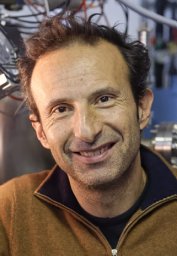 Laurent Nahon合作论文数Science Division, Synchrotron SOLEIL30
 Francis Canon合作论文数Laboratoire de Pharmacognosie, Université de Bourgogne21
 John Bozek合作论文数Synchrotron SOLEIL19
 Matthieu Réfrégiers合作论文数Centre de Biophysique Moléculaire-CNRS17
 Dragutin M Sevic合作论文数Institute of Physics Belgrade, P.O. Box 68, Pregrevica 118, Serbia16Miloš Lj. Ranković合作论文数14
 Jelena Maljkovic合作论文数12
 Kevin Riehle合作论文数Bioinformatics Research Laboratory, Baylor College of Medicine12
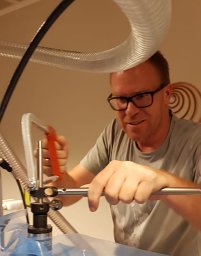 Patrick Rousseau合作论文数UNICAEN, Normandie Univ11
 Ilko Bald合作论文数Institut für Chemie und Biochemie – Physikalische und Theoretische Chemie, Freie Universität Berlin11Emily L LaPlante合作论文数10
 Joel Rozowsky合作论文数Department of Molecular Biophysics and Biochemistry, Yale University10
 Andrew Jackson合作论文数Institute of Genetics and Cancer, University of Edinburgh10Matthew E. Roth合作论文数Department of Biochemistry, University of Illinois10
 Mark B Gerstein合作论文数School of Engineering & Applied Science, Yale University9
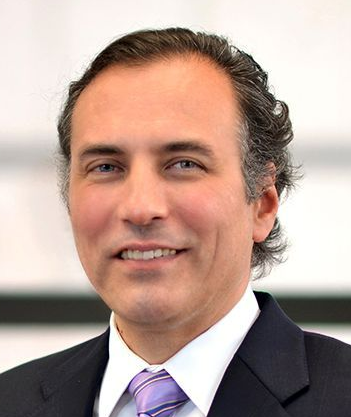 James Versalovic合作论文数Department of Pathology & Immunology, Baylor College of Medicine;Department of Pathology, Texas Children's Hospital9
 Richard A Gibbs合作论文数Human Genome Sequencing Center, Baylor College of Medicine;Dan L Duncan Comprehensive Cancer Center, Baylor College of Medicine9
 Lillian R Thistlethwaite合作论文数Dept Mol & Human Genet, Baylor Coll Med8Varduhi Petrosyan合作论文数8Gunaratne Preethi H合作论文数Dept Biol & Biochem, Univ Houston8
 Kjersti Aagaard合作论文数Div Maternal Fetal Med, Baylor Coll Med8
 Marco Marra合作论文数Canada’s Michael Smith Genome Sciences Centre, BC Cancer Research Institute;Department of Medical Genetics, Faculty of Medicine, University of British Columbia;Michael Smith Laboratories, University of British Columbia8Jerzy Jurka合作论文数Information Research Institute8
 Donna Marie Muzny合作论文数Human Genome Sequencing Center, Baylor College of Medicine8
 Kenny Ebel合作论文数7
 Robin Schurmann合作论文数Inst Chem, Univ Potsdam7
 Gustavo Garcia合作论文数Inst Fis Fundamental, CSIC7
 Jeffrey Rogers合作论文数Human Genome Sequencing Center, Baylor College of Medicine7
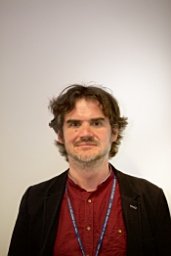 Dusan K Božanic合作论文数Vinča Institute of Nuclear Sciences7Sameer Paithankar合作论文数7
 Sylwia Ptasinska合作论文数Department of Physics and Astronomy, The Open University7
 Peggy Farnham合作论文数Department of Biochemistry and Molecular Biology, Keck School of Medicine, University of Southern California7
 Bradley Bernstein合作论文数Department of Cancer Biology, Dana-Farber Cancer Institute;Departments of Cell Biology and Pathology, Harvard Medical School;Gene Regulation Observatory, Broad Institute of MIT and Harvard7
 Adrian V. Lee合作论文数Department of Pharmacology and Chemical Biology, University of Pittsburgh/Women's Cancer Research Center, UPMC Hillman Cancer Center, Magee Women's Research Institute/Department of Human Genetics, University of Pittsburgh7
 Radovan Dojcilovic合作论文数Faculty of Physics, Akademski trg 16, 11000 Belgrade, Serbia and Montenegro7Sai Lakshmi Subramanian合作论文数6Z.D. Pešić合作论文数6
 Louise Laurent合作论文数Department of Obstetrics, Gynecology & Reproductive Sciences, School of Medicine, University of California San Diego6
 Joseph F. Costello合作论文数Helen Diller Family Comprehensive Cancer Center, University of California, San Francisco;Department of Neurological Surgery, University of California, San Francisco6
 Vitor Onuchic合作论文数6
 Joseph Petrosino合作论文数Center for Metagenomics and Microbiome Research, Baylor College of Medicine;Dan L Duncan Comprehensive Cancer Center, Baylor College of Medicine6
 Sabeen Raza合作论文数6
 Toni-Ann Mistretta合作论文数6
 Chad A. Shaw合作论文数Department of Molecular and Human Genetics, Baylor College of Medicine;Rice University6




