Cancers reflect aberrant growth and differentiation of normal cell populations. Biological understanding of small intestine neuroendocrine tumors (SI-NETs) is hampered because their closest normal counterparts, enteroendocrine cells (EECs), constitute tiny fractions of intestinal epithelium. Recent characterization of adult human EEC ontogeny from intestinal stem cells can help overcome that limitation. Transient expression of the transcription factor gene ASCL1 normally ensures proper timing and fidelity of well-differentiated EECs, which express NEUROD1 . Here, we report that SI-NETs resembled mature enterochromaffin cells; however, individual tumor cells coexpressed stem/progenitor genes, harboring each differentiation state along the EEC trajectory except ASCL1 + precursors. We found that enhancers normally active, and others inactive, during EEC differentiation underlie aberrant SI-NET gene activity. SI-NETs uniformly expressed NEUROD1 but lacked ASCL1, owing to inaccessible chromatin and repressive H3K27me3 marking at the ASCL1 locus. Multiple cyclin-dependent kinase inhibitor (CDKi) genes were similarly silenced, other than CDKN1B , the only gene recurrently mutated in SI-NETs. Deletion of CDKN1B altered cell cycle kinetics during human EEC differentiation, and deletions of ASCL1 or CDKN1B activated certain genes that are expressed in SI-NETs but not in the normal EEC trajectory. We propose that a limited CDKi repertoire and absence of ASCL1-dependent constraints on EEC maturation together explain unique SI-NET characteristics.
While most gastrointestinal stromal tumors are driven by oncogenic mutations in KIT or PDGFRA, 10-15% exhibit functional loss of the succinate dehydrogenase (SDH) complex and genome-wide DNA hypermethylation. Excess methylation in SDH-deficient gastrointestinal stromal tumors disrupts genomic insulators, inducing aberrant expression of oncogenic ligands FGF3, FGF4, and activating an autocrine signaling loop mediated through FGFR1. We conducted a phase 2 trial of pan-fibroblast growth factor receptor inhibitor rogaratinib in patients with sarcoma and report here on the cohort of patients with advanced SDH-deficient GIST. The primary objective was to estimate objective response rate. Secondary objectives were to estimate progression-free survival (PFS) and assess safety and tolerability. Exploratory objectives were to evaluate serial measurements of FGF3 and FGF4 and fibroblast growth factor receptors in serial biopsies, to perform whole-exome sequencing in serial biopsies and to explore rogaratinib exposure with pharmacodynamic effects. Twenty-four patients received rogaratinib and ten experienced partial responses for an objective response rate of 41.7%. Median PFS was 31.0 months (95% confidence interval 20.2-not reached), and 1-year PFS was 77.4% (95% confidence interval 61.7-97.1). Toxicities were manageable and included hyperphosphatemia, fatigue and diarrhea. Elevations in phosphorous were seen across the cohort, consistent with target engagement of FGFR1. Whole-exome and next-generation sequencing revealed alterations in the SDH subunit coding genes (SDHx) as expected. This trial illustrates a successful demonstration of targeted cancer therapy predicated on an epigenetic mechanism of oncogene activation. Clinicaltrials.gov identifier: NCT04595747 .
DNA methylation at CpG dinucleotides is a critical regulator of cell identity and epigenetic memory, and it becomes universally disrupted during hematopoietic aging, preleukemic clonal expansions and their progression towards malignancy. Therefore, understanding how hematopoietic identity is specified, inherited and disrupted at the single-cell level is essential to develop therapeutic strategies for age-related hematologic disorders. However, current single-cell DNA methylation profiling technologies are limited by either low throughput (hundreds of cells) or low capture rates (103-105 CpGs per cell; <0.3% of CpGs the human genome) and are thus insufficient to characterize heterogeneous populations in the hematopoietic system. To tackle this limitation, we developed DREAM-seq (Droplet-based Restriction Enzyme And Methylation sequencing), a high-throughput single-cell DNA methylation technology based on droplet microfluidics and MspI-based reduced representation chemistry. DREAM-seq profiles >5,000 single-cell methylomes per experiment, capturing 0.44M CpGs per cell (3.75-fold increase vs. existing methods) and 3.16 CpGs per read (4-fold increase), with each CpG detected in 1 out of 20 cells. This allows us to generate comprehensive datasets covering >50% of CpGs in the human genome, with marked improvements in clustering resolution and cell type identification. We leveraged DREAM-seq to sequence 51,208 single-cell methylomes from human peripheral blood, CD34-enriched and whole bone marrow (BM) cells, generating the largest tissue-specific atlas of hematopoietic differentiation at single-cell methylome resolution to date. Unbiased selection of 71,115 variably methylated CpG sites identified all major hematopoietic cell subtypes, recapitulating cell type specific methylation patterns (monocyte-specific CEBPA and MPO hypomethylation) and cell states (TCF7 gene body methylation in effector CD8+ T cells compared to naïve subsets). Cell-type defining CpGs were depleted from CpG islands and TSS but strongly enriched in distal enhancers and CTCF sites (72.2 %), highlighting their role in specifying hematopoietic cell fates. Interestingly, 27.8% of cell-identity CpGs were located in heterochromatin, where DNA methylation provides an additional regulatory layer not captured by chromatin accessibility methods. These data suggest a model in which DNA methylation regulates both enhancer activity and higher-order chromatin structure at heterochromatin regions, which together control hematopoietic cell identity. To gain insights into methylation-driven lineage specification, we computed enhancer methylation levels across hematopoietic populations. We discovered that >40% of CD34+ cells display hypomethylation of lineage-specific enhancers prior to commitment, suggesting methylation-based lineage priming at the HSPC level. We further traced the methylation patterns from HSPCs towards differentiated cells in myeloid, lymphoid and erythroid lineages, identifying early and late changes in the epigenome that occur upon lineage commitment. This highlights previously unrecognized roles of DNA methylation in lineage priming and hematopoietic differentiation dynamics. To understand how these methylation states are disrupted during hematopoietic aging and age-related clonal expansions, we analyzed 18,268 single-cell methylomes from aged BM donors, including 3 TET2-mutant clonal hematopoiesis samples. We first identified clonal populations by leveraging genetic variants as clonal markers, finding significant oligoclonality in aged BM, with 3-fold less clonal clusters than young BM. By characterizing the methylation state of these populations, we are defining “high-fitness” methylation states, which could be implicated in driving clonal expansions and might be reversed to constrain age-related clonal hematopoiesis.In summary, we present DREAM-seq, a new single-cell DNA methylation technology which we leverage to generate the largest single-cell methylome atlas of human hematopoiesis to date. By defining methylation-based cell states predictive of lineage output and clonal fitness, we identify epigenetic drivers of hematopoietic differentiation and their disruption during age-related clonal expansions. Our framework provides a foundational resource for understanding epigenetic drivers of hematopoietic malignancies, improving leukemia classification and predicting therapeutic responses.
A critical goal in functional genomics is evaluating which non-coding elements contribute to gene expression, cellular function, and disease. Functional characterization remains a challenge due to the abundance and complexity of candidate elements. Here, we develop a CRISPRi-based approach for multi-locus screening of putative transcription factor binding sites with a single truncated guide. A truncated guide with hundreds of sequence match sites can reliably disrupt enhancer activity, which expands the targeting scope of CRISPRi while maintaining repressive efficacy. We screen over 13,000 possible CTCF binding sites with 24 guides at 10 nucleotides in spacer length. These truncated guides direct CRISPRi-mediated deposition of repressive H3K9me3 marks and disrupt transcription factor binding at most sequence match target sites. This approach can be a valuable screening step for testing transcription factor binding motifs or other repeated genomic sequences and is easily implemented with existing tools. A critical goal in functional genomics is evaluating which non-coding elements contribute to gene expression, cellular function, and disease. Here the authors present a CRISPRi-based method using truncated guides disrupts transcription factor binding and enhancer activity across thousands of sites, expanding CRISPRi targeting scope for functional genomics and enabling efficient screening of repeated genomic elements
Sequence-based deep learning models have emerged as powerful tools for deciphering the cis-regulatory grammar of the human genome but cannot generalize to unobserved cellular contexts. Here, we present EpiBERT, a multi-modal transformer that learns generalizable representations of genomic sequence and cell type-specific chromatin accessibility through a masked accessibility-based pre-training objective. Following pre-training, EpiBERT can be fine-tuned for gene expression prediction, achieving accuracy comparable to the sequence-only Enformer model, while also being able to generalize to unobserved cell states. The learned representations are interpretable and useful for predicting chromatin accessibility quantitative trait loci (caQTLs), regulatory motifs, and enhancer-gene links. Our work represents a step toward improving the generalization of sequence-based deep neural networks in regulatory genomics.
Recurrent/metastatic head and neck squamous cell carcinoma (HNSCC) is an aggressive malignancy with a significant unmet need for enhancing immunotherapy response given current modest efficacy. Here, we perform an in vivo CRISPR screen in an HNSCC mouse model to identify immune evasion genes. We identify several regulators of immune checkpoint blockade (ICB) response, including the ubiquitin C-terminal hydrolase 5 (UCHL5). Loss of Uchl5 in tumors increases CD8+ T cell infiltration and improved ICB responses. Uchl5 deficiency attenuates extracellular matrix (ECM) production and epithelial-mesenchymal-transition (EMT) transcriptional programs, which contribute to stromal desmoplasia, a histologic finding we describe as associated with reduced anti-PD1 response in human HNSCCs. COL17A1, a collagen highly and specifically expressed in HNSCC, mediates in part Uchl5-mediated immune evasion. Our findings suggest an unappreciated role for UCHL5 in promoting EMT in HNSCC and highlight ECM modulation as a strategy to improve immunotherapy responses.
Isocitrate dehydrogenase ( IDH ) mutations arise early in gliomas and are associated with a defined neurodevelopmental cancer cell hierarchy. However, how mutant IDH contributes to this hierarchy and whether this interaction promotes gliomagenesis remain unclear. We captured the dynamics of IDH-mutant glioma initiation in genetically engineered mice through time-resolved, single-cell genomics. Mutant IDH activates and induces lineage switching of neural progenitor cells (NPCs). These actions expand oligodendrocyte precursor cells, the predominant cell-of-origin for these tumors, at the expense of interneurons. Lineage switching is mediated by promoter hypermethylation and silencing of Gsx2 , a homeobox gene required for neurogenesis. Critically, Gsx2 ablation recapitulates NPC fate reprogramming by mutant IDH. We provide a new model of neural cell fate control by IDH oncogenes and insights into the developmental origins of glioma.
Small cell lung cancer (SCLC) is a highly aggressive malignancy that lacks effective targeted therapies, in part due to frequent loss-of-function mutations in tumor suppressors and the absence of recurrent oncogenic drivers. Approximately 15% of SCLCs harbor inactivating mutations in NOTCH1 or NOTCH2, and most neuroendocrine-high SCLCs exhibit low NOTCH activity. Using CRISPR-Cas9 screening in primary cell lines derived from NOTCH1/2-isogenic SCLC genetically engineered mouse models, we identified TRIM28 as a synthetic lethal dependency in NOTCH2-inactivated SCLCs. Loss of TRIM28 in this context robustly induced expression of endogenous retroviruses (ERVs), activated viral sensing pathways, and triggered a type I interferon response. Mechanistically, NOTCH2 inactivation increased reliance on TRIM28-mediated ERV silencing, creating a hyperdependence on TRIM28 via the STING-MAVS-TBK1 axis. Notably, TRIM28 was essential for tumor growth only in the setting of NOTCH2 loss. These findings identify TRIM28 as a potential therapeutic target in NOTCH2-deficient or low-NOTCH2-expressing SCLC.
Gliomas are incurable malignancies notable for having an immunosuppressive microenvironment with abundant myeloid cells, the immunomodulatory phenotypes of which remain poorly defined1. Here we systematically investigate these phenotypes by integrating single-cell RNA sequencing, chromatin accessibility, spatial transcriptomics and glioma organoid explant systems. We discovered four immunomodulatory expression programs: microglial inflammatory and scavenger immunosuppressive programs, which are both unique to primary brain tumours, and systemic inflammatory and complement immunosuppressive programs, which are also expressed by non-brain tumours. The programs are not contingent on myeloid cell type, developmental origin or tumour mutational state, but instead are driven by microenvironmental cues, including tumour hypoxia, interleukin-1β, TGFβ and standard-of-care dexamethasone treatment. Their relative expression can predict immunotherapy response and overall survival. By associating the respective programs with mediating genomic elements, transcription factors and signalling pathways, we uncover strategies for manipulating myeloid-cell phenotypes. Our study provides a framework to understand immunomodulation by myeloid cells in glioma and a foundation for the development of more-effective immunotherapies. A study of myeloid cells in gliomas, a type of brain tumour, used a factor-based computational framework to reveal four immunomodulatory gene-expression programs that are expressed across myeloid cell types, driven by microenvironmental cues and predictive of therapeutic response.
The efficacy of radiation (RT) and chemotherapy after mutant IDH inhibitors (mIDHi) in IDH-mutant glioma is increasingly relevant, but challenging to address due to limited clinical data and lack of mIDHi-responsive preclinical glioma models. First, we identified clinical outcomes of patients treated with RT and chemotherapy following progression on mIDHi. Second, to experimentally address whether mIDHi treatment impacts response to chemoradiotherapy, we developed and used a genetically engineered mouse model (GEMM) of IDH-mutant astrocytoma. We assessed response of our GEMM to vorasidenib monotherapy. We then tested whether exposure to vorasidenib affects efficacy of chemoradiotherapy at progression. To do this, we treated GEMM mice with vorasidenib or vehicle until tumor progression on MRI. Vorasidenib/vehicle treatments were then stopped, and mice were randomized to concurrent RT/temozolomide (TMZ) or sham and assessed for survival. We also performed single-cell RNA sequencing, spatial transcriptomics, metabolomics, and whole exome sequencing on treated tumor samples. Nineteen patients across two institutions received RT/chemotherapy after mIDHi. At a median follow-up of 10.2 months, no post-RT/chemotherapy progressions were observed. In our GEMM, vorasidenib demonstrated monotherapy efficacy (overall survival: 6.1 vs. 7.2 months in vehicle [N=21] and vorasidenib [N=20] arms respectively, P=0.0008) and reduced tumor growth by ~3-fold. Mice that received vorasidenib followed by RT/TMZ (N=17) had improved survival compared to mice that received vehicle before RT/TMZ (N=14) (P=0.029). This effect was specific to the interaction between vorasidenib and RT/TMZ, as there was no survival difference between mice that received vehicle (N=11) vs vorasidenib (N=10) followed by sham (P=0.978). Patients treated with mIDHi and subsequent RT/chemotherapy did not display evidence of rapid progression following RT/chemotherapy. Furthermore, vorasidenib improved response to salvage RT/TMZ in a mIDHi-responsive glioma GEMM. Taken together, our results suggest that prior mIDHi therapy does not appear to impair and may enhance efficacy of chemoradiation.
Cis-regulatory elements (CREs) interact with trans regulators to orchestrate gene expression, but how transcriptional regulation is coordinated in multi-gene loci has not been experimentally defined. We sought to characterize the CREs controlling dynamic expression of the adjacent costimulatory genes CD28, CTLA4 and ICOS, encoding regulators of T cell-mediated immunity. Tiling CRISPR interference (CRISPRi) screens in primary human T cells, both conventional and regulatory subsets, uncovered gene-, cell subset- and stimulation-specific CREs. Integration with CRISPR knockout screens and assay for transposase-accessible chromatin with sequencing (ATAC-seq) profiling identified trans regulators influencing chromatin states at specific CRISPRi-responsive elements to control costimulatory gene expression. We then discovered a critical CCCTC-binding factor (CTCF) boundary that reinforces CRE interaction with CTLA4 while also preventing promiscuous activation of CD28. By systematically mapping CREs and associated trans regulators directly in primary human T cell subsets, this work overcomes longstanding experimental limitations to decode context-dependent gene regulatory programs in a complex, multi-gene locus critical to immune homeostasis.
Enhancer-gene communication is dependent on topologically associating domains (TADs) and boundaries enforced by the CCCTC-binding factor (CTCF) insulator, but the underlying structures and mechanisms remain controversial. Here, we investigate a boundary that typically insulates fibroblast growth factor (FGF) oncogenes but is disrupted by DNA hypermethylation in gastrointestinal stromal tumors (GISTs). The boundary contains an array of CTCF sites that enforce adjacent TADs, one containing FGF genes and the other containing ANO1 and its putative enhancers, which are specifically active in GIST and its likely cell of origin. We show that coordinate disruption of four CTCF motifs in the boundary fuses the adjacent TADs, allows the ANO1 enhancer to contact FGF3, and causes its robust induction. High-resolution micro-C maps reveal specific contact between transcription initiation sites in the ANO1 enhancer and FGF3 promoter that quantitatively scales with FGF3 induction such that modest changes in contact frequency result in strong changes in expression, consistent with a causal relationship.
Deciphering the context-specific relationship between sequence and function is a major challenge in genomics. Existing tools for inducing locus-specific hypermutation and evolution in the native genome context are limited. Here we present a programmable platform for long-range, locus-specific hypermutation called helicase-assisted continuous editing (HACE). HACE leverages CRISPR-Cas9 to target a processive helicase-deaminase fusion that incurs mutations across large (>1000-base pair) genomic intervals. We applied HACE to identify mutations in mitogen-activated protein kinase kinase 1 (MEK1) that confer kinase inhibitor resistance, to dissect the impact of individual variants in splicing factor 3B subunit 1 (SF3B1)-dependent missplicing, and to evaluate noncoding variants in a stimulation-dependent immune enhancer of CD69. HACE provides a powerful tool for investigating coding and noncoding variants, uncovering combinatorial sequence-to-function relationships, and evolving new biological functions.
In all terrestrial vertebrates, the parathyroid glands are critical regulators of calcium homeostasis and the sole source of parathyroid hormone (PTH). Hyperparathyroidism and hypoparathyroidism are clinically important disorders affecting multiple organs. However, our knowledge regarding regulatory mechanisms governing the parathyroids has remained limited. Here, we present the comprehensive maps of the chromatin landscape of the human parathyroid glands, identifying active regulatory elements and chromatin interactions. These data allow us to define regulatory circuits and previously unidentified genes that play crucial roles in parathyroid biology. We experimentally validate candidate parathyroid-specific enhancers and demonstrate their integration with GWAS SNPs for parathyroid-related diseases and traits. For instance, we observe reduced activity of a parathyroid-specific enhancer of the Calcium Sensing Receptor gene, which contains a risk allele associated with higher PTH levels compared to the wildtype allele. Our datasets provide a valuable resource for unraveling the mechanisms governing parathyroid gland regulation in health and disease.
Abstract Epigenetic lesions that disrupt gene regulatory elements and expression are increasingly recognized as potential drivers of human cancers. However, we currently lack the in vitro and in vivo models required to functionally validate such lesions and their tumorigenic impact. Here we model aberrations that arise in Isocitrate Dehydrogenase (IDH) mutant lower-grade gliomas, which exhibit profound DNA hypermethylation as a direct consequence of mutant IDH. DNA hypermethylation may promote gliomagenesis by silencing tumor suppressor genes or, alternatively, by activating proto-oncogenes through disruption of CCCTC-binding factor (CTCF) insulators. CTCF insulator sites define the three-dimensional shape of the genome by dictating the boundaries of topologically associated domains (TADs). Enhancers and promoters can interact when located in the same TAD but are restricted from interacting across different TADs. In IDH mutant gliomas, CpG sites around CTCF binding sites are frequently methylated, effectively compromising CTCF binding and thus TAD organization, allowing for cross-TAD interactions and aberrant activation of genes. We discovered a CTCF insulator downstream of the PDGFRA proto-oncogene that is recurrently disrupted in IDH mutant gliomas. We demonstrate that disruption of the syntenic insulator in mouse oligodendrocyte progenitor cells (OPCs) allows an OPC-specific enhancer to contact and induce Pdgfra, thereby increasing proliferation. In contrast, insulator disruption did not affect Pdgfra expression in neural progenitor cells (NPCs), which lack the enhancer. We also model a second recurrent epigenetic lesion in IDH mutant gliomas, the methylation-dependent silencing of the CDKN2A tumor suppressor. We show that inactivation of Cdkn2a/p19ARF by de novo promoter methylation or mutation drives OPC proliferation and cooperates with Pdgfra insulator loss. Finally, we use lentiviruses to coordinately inactivate the Pdgfra insulator and Cdkn2a in mouse corpus callosum, resulting in low-grade gliomagenesis in vivo with histological features reminiscent of human IDH mutant gliomas. Our study recapitulates recurrent epigenetic lesions in mouse models and demonstrates that the combination of Pdgfra activation and Cdkn2a silencing can transform OPCs in vitro and drive gliomagenesis in vivo. Citation Format: Gilbert J. Rahme, Nauman M. Javed, Kaitlyn L. Puorro, Shouhui Xin, Volker Hovestadt, Sarah E. Johnstone, Bradley E. Bernstein. Modeling epigenetic lesions that cause gliomas [abstract]. In: Proceedings of the AACR Special Conference on Brain Cancer; 2023 Oct 19-22; Minneapolis, Minnesota. Philadelphia (PA): AACR; Cancer Res 2024;84(5 Suppl_1):Abstract nr PR-008.
Mammalian genomes contain millions of regulatory elements that control the complex patterns of gene expression. Previously, The ENCODE consortium mapped biochemical signals across many cell types and tissues and integrated these data to develop a Registry of 0.9 million human and 300 thousand mouse candidate cis-Regulatory Elements (cCREs) annotated with potential functions1. We have expanded the Registry to include 2.35 million human and 927 thousand mouse cCREs, leveraging new ENCODE datasets and enhanced computational methods. This expanded Registry covers hundreds of unique cell and tissue types, providing a comprehensive understanding of gene regulation. Functional characterization data from assays like STARR-seq, MPRA, CRISPR perturbation, and transgenic mouse assays now cover over 90% of human cCREs, revealing complex regulatory functions. We identified thousands of novel silencer cCREs and demonstrated their dual enhancer/silencer roles in different cellular contexts. Integrating the Registry with other ENCODE annotations facilitates genetic variation interpretation and trait-associated gene identification, exemplified by discovering KLF1 as a novel causal gene for red blood cell traits. This expanded Registry is a valuable resource for studying the regulatory genome and its impact on health and disease.
Isocitrate dehydrogenase (IDH) mutants define a class of gliomas that are initially slow-growing but inevitably progress to fatal disease. To characterize their malignant cell hierarchy, we profiled chromatin accessibility and gene expression across single cells from low-grade and high-grade IDH-mutant gliomas and ascertained their developmental states through a comparison to normal brain cells. We provide evidence that these tumors are initially fueled by slow-cycling oligodendrocyte progenitor cell-like cells. During progression, a more proliferative neural progenitor cell-like population expands, potentially through partial reprogramming of ‘permissive’ chromatin in progenitors. This transition is accompanied by a switch from methylation-based drivers to genetic ones. In low-grade IDH-mutant tumors or organoids, DNA hypermethylation appears to suppress interferon (IFN) signaling, which is induced by IDH or DNA methyltransferase 1 inhibitors. High-grade tumors frequently lose this hypermethylation and instead acquire genetic alterations that disrupt IFN and other tumor-suppressive programs. Our findings explain how these slow-growing tumors may progress to lethal malignancies and have implications for therapies that target their epigenetic underpinnings. Wu et al. perform single-cell analyses to explore the switch from low-grade to high-grade isocitrate-dehydrogenase-mutant glioma and show that it is characterized by oligodendrocyte progenitor cell-like cells transitioning to proliferative neural progenitor cell-like cells.
 Yotam Drier合作论文数Department of Physics of complex Systems, The Weizmann Institute of Science35
 Mario Suva合作论文数Harvard Stem Cell Institute, Harvard University;Massachusetts General Hospital32
 Shawn M. Gillespie合作论文数Genentech30
 Alexander Meissner合作论文数Department of Genome Regulation, Max Planck Institute for Molecular Genetics;Harvard University26
 Noam Shoresh合作论文数Broad Institute25
 Hovestadt Volker合作论文数Division of Molecular Genetics, German Cancer Research Center (DKFZ), Im Neuenheimer Feld 280, Heidelberg 69120, Germany.21
 Aviv Regev合作论文数Howard Hughes Medical Institute;Statistics + Data Science Center, Schwarzman College of Computing, Massachusetts Institute of Technology;Broad Institute, Massachusetts Institute of Technology;The Center for Microbiome Informatics & Therapeutics, Massachusetts Institute of Technology21
 Jon Christopher Aster合作论文数Department of Pathology, Brigham and Women's Hospital;Harvard Medical School;Division of Medical Sciences, Harvard Griffin Graduate School of Arts and Sciences, Harvard University20
 Russell JH. Ryan合作论文数Department of Pathology, Medical School, University of Michigan19
 van Galen Peter合作论文数Princess Margaret Cancer Centre, University Health Network19
 David N. Louis合作论文数Department of Pathology, Massachusetts General Hospital;Mass General Research Institute, Massachusetts General Hospital;Department of Pathology, Brigham and Women's Hospital;Harvard Medical School19
 Eric S. Lander合作论文数Department of Biology, Massachusetts Institute of Technology;Harvard Medical School;Broad Institute, Massachusetts Institute of Technology18
 Robbyn Issner合作论文数Broad Inst MIT & Harvard, Cambridge, MA 02142 USA17
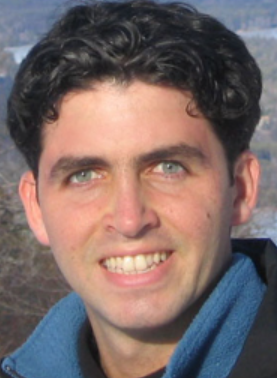 Manolis Kellis (Kamvysselis)合作论文数Computer Science and Artificial Intelligence Laboratory, Massachusetts Institute of Technology17
 Manching Ku合作论文数16Birgit Knoechel合作论文数15
 Eric Mendenhall合作论文数Stem Cell Institute, University of Minnesota15Mazhar Adli合作论文数Department of Obstetrics & Gynecology, Feinberg School of Medicine, Northwestern University14
 Stuart L. Schreiber合作论文数Department of Chemistry and Chemical Biology, Faculty of Arts and Sciences, Harvard University;Broad Institute14
 Itay Tirosh合作论文数Department of Molecular Cell Biology, Faculty of Biology, Weizmann Institute of Science14
 Miller Tyler合作论文数Cleveland Clin, Lerner Res Inst13
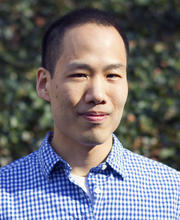 Brian Liau合作论文数Department of Chemistry and Chemical Biology, Faculty of Arts and Sciences, Harvard University13
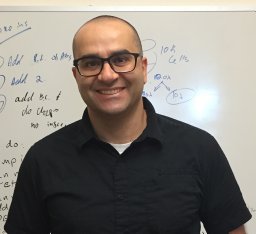 Alon Goren合作论文数Broad Inst MIT & Harvard, Cambridge, MA 02142 USA13
 Tarjei S. Mikkelsen合作论文数13Andreas Gnirke合作论文数13Holly J. Whitton合作论文数12Hongfang Wang合作论文数Harvard Med Sch, Boston, MA 02115 USA12
 Michael J. Kluk合作论文数Weill Cornell Medical College12
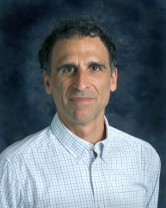 Warren S. Pear合作论文数Department of Pathology and Laboratory Medicine, Perelman School of Medicine, University of Pennsylvania12
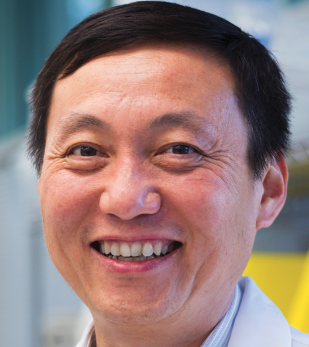 Bing Ren合作论文数Ludwig Institute for Cancer Research;Department of Cellular and Molecular Medicine, School of Medicine, University of California, San Diego;New York Genome Center;Vagelos Institute for Basic Biomedical Science (Vagelos Institute) in VP&S, Columbia University12Esther Rheinbay合作论文数Howard Hughes Medical Institute, Chevy Chase, MD 20815, USA11
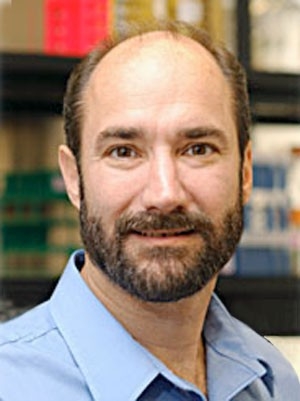 Michael Snyder合作论文数Department of Genetics, School of Medicine, Stanford University;Center for Genomics and Personalized Medicine;Karolinska Institute11
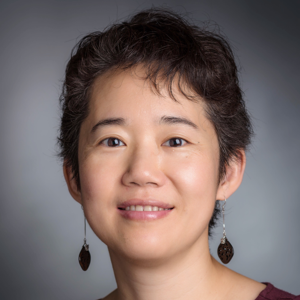 X. Shirley Liu合作论文数GV20 Therapeutics11
 Ephraim Hochberg合作论文数Cancer Center, Mass General Research Institute, Massachusetts General Hospital;Leuko;Harvard Medical School11
 Valentina Nardi合作论文数Harvard Medical School and Division of Pediatric Hematology/Oncology, Dana Farber Cancer Institute11Elizabeth Gaskell合作论文数10Mariella G Filbin合作论文数Department of Pediatric Oncology, Dana-Farber Boston Children's Cancer and Blood Disorders Center, Boston, MA 02215, USA; Broad Institute of Harvard and MIT, Cambridge, MA 02142, USA.10
 Chadi A. El Farran合作论文数A STAR Inst Mol & Cell Biol, Epigenet & Cell Fates Lab, Singapore 138673, Singapore10
 Xiaolan Zhang (张小兰)合作论文数College of Horticulture, China Agricultural University10
 Miguel N. Rivera合作论文数Harvard Medical School, Harvard University10
 Daniel Cahill合作论文数Stephen E. and Catherine Pappas Center for Neuro-Oncology, Massachusetts General Hospital, Harvard Medical School, Harvard University;Department of Neurosurgery, Massachusetts General Hospital, Harvard Medical School, Harvard University10Sarah E Johnstone合作论文数9Gabriel K Griffin合作论文数Brigham & Womens Hosp, Dept Pathol, Boston, MA 02115 USA9Jingyi Wu合作论文数9Andrew S. Chi合作论文数Laura and Isaac Perlmutter Cancer Center, NYU Langone Health/Department of Neurosurgery, NYU Langone Health9
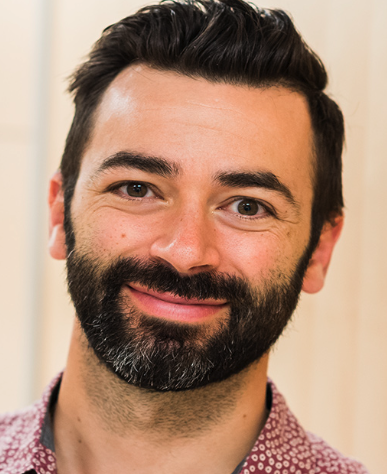 Alex K. Shalek合作论文数Institute for Medical Engineering and Science, Massachusetts Institute of Technology;Department of Chemistry, Massachusetts Institute of Technology9Anoop P. Patel合作论文数Department of Neurosurgery, Massachusetts General Hospital and Harvard Medical School;Department of Pathology and Center for Cancer Research, Massachusetts General Hospital and Harvard Medical School;Massachusetts Institute of Techonology, MIT),;Howard Hughes Medical Institute;Howard Hughes Medical Institute, MIT9
 Richard Myers合作论文数HudsonAlpha Institute for Biotechnology;Department of Genetics, University of Alabama at Birmingham Medical Center;Department of Biological Sciences, University of Alabama in Huntsville9
 Ido Amit合作论文数Department of System Immunology, Weizmann Institute of Science9




