Background The benefit of percutaneous coronary intervention (PCI) for chronic total coronary occlusions (CTOs) to improve clinical symptoms and quality of life (QoL) as compared with optimal medical therapy (OMT) is still under debate because of the scarcity of available randomized trials (RCTs). Objectives We evaluated the effect of PCI vs OMT in patients with a CTO and no concomitant coronary lesions in a post-hoc pooled analysis of 2 RCTs. Methods A total of 518 patients with a single CTO and no other significant coronary lesion were extracted from 2 RCTs, EUROCTO and DECISION-CTO, which had compared PCI vs OMT. Randomization to PCI or OMT was 1:1 in DECISION and 2:1 in EUROCTO. The clinical status was assessed by the Seattle Angina Questionnaire (SAQ) at baseline and after 12 months, and clinical events were monitored for 3 years. Results PCI was successful in 92.2%. On an intention-to-treat analysis, PCI appeared to be superior to OMT for the change of angina frequency scores between baseline and follow-up (12.2 vs 8.6; P = 0.009), QoL (19.5 vs 11.3; P < 0.001), and the SAQ summary score (13.8 vs 8.5; P < 0.001). For physical limitation, the difference was just at the level of the Bonferroni correction for multiple tests (P = 0.01). There was a wide variability of changes in SAQ scores. For QoL, the major determinant for a significant improvement was a low baseline score and the assignment to PCI, whereas gender, diabetes, or lesion complexity had no influence. During a mean follow-up of 3.1 years, the clinical endpoints of cardiac death or nonfatal myocardial infarction were similar in both groups (OMT vs PCI: 2.7% vs 5.1%; P = 0.17). The rates of stroke or hospitalization for bleeding were similar, and only target lesion revascularizations were more frequent with OMT (18.8% vs 10.6%; P = 0.005). Conclusions In this post-hoc analysis from 2 RCTs of patients with a single CTO and no significant concomitant lesion, PCI achieved better improvement in QoL, angina frequency, and the SAQ summary score than OMT with no signal of excess harm regarding clinical endpoints. (EUROCTO [Evaluate the Utilization of Revascularization or Optimal Medical Therapy for the Treatment of Chronic Total Coronary Occlusions; NCT01760083] and DECISION-CTO [Drug-Eluting Stent Implantation Versus Optimal Medical Treatment in Patients With Chronic Total Occlusion; NCT01078051])
BACKGROUND:The influence of elevated mitral mean pressure gradient (MPG) following transcatheter edge-to-edge repair (TEER) on survival across mitral regurgitation (MR) etiologies is controversial. AIMS:To evaluate the impact of MPG and residual MR on survival following TEER. METHODS:In the MITRA-PRO registry survival was assessed three years after mitral TEER for patients with functional (FMR) or degenerative mitral regurgitation (DMR) and MPG < 5 mmHg or ≥ 5 mmHg in the presence or absence of relevant residual MR. RESULTS:In the MPG < 5 mmHg group 720 patients with FMR were included (57.4%), while 125 patients with MPG ≥ 5 mmHg had FMR (54.1%). 358 patients were identified with MPG < 5 mmHg and 70 patients with MPG ≥ 5 mmHg (16.4%) post TEER in DMR. Only 11 patients had MPG ≥ 7 mmHg. In both FMR and DMR 3-year mortality was not significantly higher in the MPG ≥ 5 mmHg group compared to MPG < 5 mmHg. An analysis with MPG groups (<3; 3; 4; 5; >5 mmHg) demonstrated no increment in 3-year mortality over MPG groups for FMR and DMR. For both groups, residual MR was the main predictor of 3-year mortality, while elevated MPG did not negatively affect survival. Independent of MR entity, the lowest mortality was found without relevant residual MR. In atrial functional MR 3-year mortality was also comparable between MPG < 5 and MPG ≥ 5 mmHg. CONCLUSIONS:An increased MPG of 5-6 mmHg in patients without relevant residual MR did not lead to an increased mortality rate across all MR entities, demonstrating the pivotal role of residual MR for survival following TEER. TRIAL REGISTRATION:DRKS00012288.
Background:Chronic kidney disease (CKD) and postprocedural acute kidney injury (AKI) are predictors of survival after mitral transcatheter edge-to-edge repair (TEER). This study aimed to assess the impact of residual mitral regurgitation (MR) on 3-year mortality in patients with vs without CKD or AKI. Methods:Patients from the prospective, multicentre MITRAClip PROgnosis (MITRA-PRO) registry (n = 1491) were stratified by baseline estimated glomerular filtration rate (eGFR), into 3 groups: > 50, 30-50, and < 30 mL/min per 1.73 m2. Residual MR was quantified using the multimodal MitraScore(≤3, mild; ≥4, relevant). Results:Patients with eGFR < 30 had significantly higher 3-year mortality (55.4%) compared to those with eGFR 30-50 (40.8%) and eGFR > 50 (27.7%, P < 0.001). Compared to patients with eGFR < 30, the adjusted hazard ratio for mortality was 0.64 (95% confidence interval: 0.51-0.80, P < 0.0001) in the eGFR 30-50 group, and 0.41 (95%confidence interval: 0.32-0.52, P < 0.0001) in the eGFR > 50 group. Relevant residual MR was more frequent in the eGFR < 30 group (33.2%). The combination of relevant residual MR and reduced baseline renal function was associated with worse long-term survival after mitral TEER. Furthermore, the overall cohort was divided into those with (i) no postprocedural AKI (n = 1381) and (ii) postprocedural AKI (n = 105). Postprocedural AKI occurred in 7% of the cohort and was linked to increased mortality (61.5% vs 35.8%, P < 0.001). Patients with both AKI and relevant residual MR had the highest mortality rate. Conclusions:Residual MR following TEER is a strong predictor of long-term mortality, particularly in patients with CKD. Minimizing residual MR may reduce postprocedural AKI and improve survival outcomes in patients with CKD. Clinical Trial Registration:DRKS00012288.
BACKGROUND:Mortality in patients with cardiogenic shock (CS) remains high despite advanced treatment strategies in CS patients, underlining the need for the identification of predictors of prognosis in CS patients. Therefore, the present study investigates the prognostic impact of coronary chronic total occlusions (CTO) in patients with CS. METHODS:All consecutive patients being acutely admitted with CS to an intensive care unit (ICU) and undergoing invasive coronary angiography (ICA) from 2019 to 2021 were included, irrespective of the etiology of CS. Patients with at least one CTO were compared to non-CTO patients with regard to the risk of all-cause mortality at 30 days. Further risk stratification was performed according to the extent of coronary artery disease (CAD). RESULTS:A total of 192 CS patients undergoing ICA during index hospitalization were included. At least one CTO was present in 24% of CS patients. Patients with CTO were older (median 78 vs. 68; p = 0.001) and presented more frequently with non-ST-elevated myocardial infarction (21% vs. 12%; p = 0.048). The presence of a CTO was associated with higher rates of 30-days all-cause mortality (70.2% vs. 47.6%; HR = 1.783, 95% CI 1.176-2.702; p = 0.009), even after multivariable adjustment (adjusted HR = 1.898; 95% CI 1.116-3.229; p = 0.018). Patients with CTO were accompanied by an even higher 30-days all-cause mortality as compared to patients with multi-vessel CAD without CTO (adjusted HR = 1.723; 95% CI 1.058-2.805; p = 0.029). CONCLUSION:Coronary CTO are common in patients with CS and represent an independent predictor of all-cause mortality at 30 days.
BACKGROUND:This study investigates the prevalence and prognostic impact of coronary chronic total occlusions (CTO) in patients with heart failure with mildly reduced ejection fraction (HFmrEF). Although coronary artery disease (CAD) represents the leading HF etiology in HFmrEF, data about CTO in this population are rare. METHODS:All consecutive patients with HFmrEF (ie, left ventricular ejection fraction 41%-49% with signs and/or symptoms of heart failure) undergoing invasive coronary angiography from 2016 to 2022 were included retrospectively. Patients with at least one CTO were compared to patients without CTO, further risk stratification was performed according to the extend of CAD. The primary end point was long-term all-cause mortality at 30 months (ie, median follow-up). Secondary end points comprised of major adverse cardiac and cerebrovascular events (MACCE), HF-related and cardiac rehospitalization at 30 months. Furthermore, the association of percutaneous coronary intervention (PCI) with long-term outcomes was investigated. RESULTS:71% of patients with HFmrEF (1545/2184, primary cohort) underwent invasive coronary angiography. In patients undergoing invasive coronary angiography related to the index hospitalization, CAD was present in 81% (836/1037, final cohort), with a corresponding rate of CTO at 17% (n=141). Coronary CTO was associated with the highest rate of the primary end point (33%) compared with non-CTO (19%), single-vessel (12%) and multivessel CAD (21%) in HFmrEF (P=0.001). Accordingly, HFmrEF patients with CTO had the highest rates of various secondary endpoints, including long-term MACCE compared to non-CTO patients (60% versus 32%, P=0.001). Successful CTO-PCI was associated with improved long-term survival (21% versus 38%; hazard ratio, 0.49 [95% CI, 0.24-0.99]; P=0.046). CONCLUSIONS:Coronary CTO are common in HFmrEF with a significant impact on long-term prognosis. REGISTRATION:URL: https://www.clinicaltrials.gov; unique identifier: NCT0560339.
BACKGROUND:High radiation exposure is a significant risk with recanalizations for chronic total coronary occlusions (CTO). AIMS:To analyze the influence of radiographic equipment, radiation protocols, and operator experience on radiation exposure. METHODS:We analyzed 17,769 procedures by 27 operators from a multicenter European Registry between 2015 and 2023. Thirteen operators had an experience > 10 years (Gen1), and 14 entered the registry after 2015 (Gen2). AirKerma (AK), dose area product (DAP), the dose rate index (DRI) as AK per fluoroscopy time (FT), and the collimation index (CLI) as DAP per AK were calculated to assess inter-operator variability. RESULTS:Despite increased lesion complexity (2015-17: CASTLE score 1.83 ± 1.10, 2021-23: 2.20 ± 1.19; p < 0.001), AK and DAP were reduced by 45%. Gen1 operators treated more complex lesions than Gen 2 (2.05 ± 1.13 vs. 1.85 ± 1.16; p < 0.001) at more extended FT (38.4 [23-61] vs. 34.0 [20-57]; p < 0.001) than Gen2 with slightly higher AK (1.6 [0.89-2.8] Gy vs. 1.4 [0.8-2.54]; p < 0.001), but DRI was similar (42.9 [27.7-64.3] vs. [28.0-62.1]). In 2015-17, operators with Philips Clarity had a lower median AK (1.7 Gy; p < 0.001) than other vendors (Siemens 2.1 Gy; General Electric 2.8 Gy), but with updated equipment, Philips systems had slightly higher AK (1.2 Gy) than Siemens systems (1.0 Gy; p < 0.001). Inter-operator variability regarding DRI improved over time, but collimation did not change. CONCLUSIONS:Radiation exposure for CTO PCI was reduced for both long-time and recent CTO operators during 9 years. Equipment updates were instrumental to improved radiation management, but inter-operator differences remained regarding dose management and collimation.
Background Transcatheter edge‐to‐edge repair (TEER) for mitral regurgitation has been shown to affect left atrial pressure (LAP). However, the prognostic significance of postprocedural LAP changes remains a matter of debate. We aimed to evaluate the impact of v‐wave on long‐term survival after TEER. Methods A total of 1487 patients in the large‐scale, multicenter MITRA‐PRO (MITRAclip PROgnosis) registry with post–mitral TEER v‐wave assessment were included in this study. Results After 3‐years, survival was significantly reduced in patients with increased v‐wave after mitral TEER, while patients with decreased v‐wave showed the lowest 3‐year mortality. A receiver operating characteristic analysis revealed a postprocedural v‐wave >25 mm Hg as a relevant predictor of 3‐year mortality following mitral TEER. Three‐year mortality was significantly lower in patients with a v‐wave ≤25 mm Hg indicating a postprocedural v‐wave >25 mm Hg as a negative predictor of long‐term survival (v‐wave ≤25 mm Hg group: 34.2% versus v‐wave >25 mm Hg group: 46.8%; P<0.001). Furthermore, 3‐year functional outcome assessed by New York Heart Association classification was significantly better in patients with v‐wave ≤25 mm Hg (v‐wave ≤25 mm Hg: New York Heart Association I: 10.4%, II: 51.2, III: 33.2%, and IV: 5.3% versus v‐wave >25 mm Hg: New York Heart Association I: 11.3%, II: 32.3, III: 47.6%, and IV: 8.9%; P=0.003). In both, functional and degenerative mitral regurgitation 3‐year mortality was significantly higher in the v‐wave >25 mm Hg group. Conclusions A postprocedural v‐wave >25 mm Hg is linked to reduced long‐term survival. Multimodal residual mitral regurgitation assessment including v‐wave supports the interventionalist in TEER guidance and optimizing procedural results aiming for decreasing v‐wave to <25 mm Hg. Registration URL: https://drks.de/search/en/trial/DRKS00012288; German Clinical Trials Register identifier: DRKS00012288.
Background Excess radiation exposure is a limiting factor in percutaneous coronary intervention (PCI) for chronic total coronary occlusion (CTO). Objectives The aim of this study was to analyze changes in radiation dose for CTO PCI with increasing risk awareness during the past decade and the determinants of these changes. Methods A total of 16,439 procedures performed by 14 operators continuously participating in the European Registry of CTO-PCI from 2012 to 2023 were analyzed. Changes in air kerma (AK) were assessed, and a dose rate index (DRI) was calculated as AK per fluoroscopy time (FT). Results Lesion complexity increased from a median J-CTO (Multicenter CTO Registry in Japan) score of 2 (Q1-Q3: 1-3) to 3 (Q1-Q3: 2-3) (P < 0.001), and technical success improved from 89.1% to 94.9% (P < 0.001), with stable FT. AK decreased from 2.50 Gy (Q1-Q3: 1.54-4.04 Gy) to 1.20 Gy (Q1-Q3: 0.66-2.12 Gy), a reduction of 52.0% (P < 0.001). Excess radiation of AK >5 Gy was reduced from 15.8% in 2012-2013 to 3.7% in 2022-2023. Clinical determinants of excess radiation were body mass index, gender, and previous bypass surgery; procedural determinants were FT, retrograde approach, and intravascular ultrasound use; and equipment determinants were radiographic equipment updates and fluoroscopy dose mode. Operators reduced DRI by 21.7% from 62.6 mGy/min (Q1-Q3: 44.7-89.3 mGy/min) to 49.0 mGy/min (Q1-Q3: 35.4-71.2 mGy/min) before a radiographic equipment update; after the update, DRI was further reduced to 31.5 mGy/min (Q1-Q3: 22.0-45.6 mGy/min), a decrease of 28.0% (P < 0.001) The interoperator comparison of DRI indicated considerable variability in radiation management. Conclusions AK for CTO PCI was reduced during the past decade to a level such that most procedures no longer must be aborted because of excess radiation. Equipment updates were instrumental, but interoperator differences remained.
BACKGROUND:The parallel wire technique (PW) is a classic part of the antegrade strategy to open chronic total coronary occlusions (CTO). AIMS:With modern wires and dual-lumen catheters (DLC) the approach has evolved, but this progress had not been evaluated in a contemporary registry of CTO interventions. METHOD:This analysis is based on 26,589 CTO procedures performed by 36 operators with > 50 procedures annually between 2015 and 2022. The different strategies and techniques were analyzed with respect to clinical and lesion characteristics, procedural resource use and periprocedural complications. Within the antegrade approach, PW was compared to antegrade wire escalation (AWE) and antegrade-dissection re-entry (ADR). RESULTS:The primary antegrade approach was used in 65.9%, primary retrograde in 16.9% and a strategy change in 17.2% with a wide inter-operator variability. In primary antegrade approach, PW was applied in 10.8% and ADR in 5.3%. Lesion complexity was higher in AWE and PW than with single wire, and highest in ADR procedures, leading to more complex procedures with higher contrast and radiation usage. Complications increased with ADR, while they were similar with PW and AWE. Through the observation period PW adoption increased steadily from 6.7% to 10.7%, as the DLC use facilitating PW increased from 8.3% to 17.0% over the observation period. CONCLUSION:In this largest database of contemporary CTO PCI from Europe, PW adoption increased over time but remained low at about 10%. While there was a wide individual variety among the operators, it was a safe and successful technique.
BACKGROUND Current treatment recommendations for patients with heart failure and secondary mitral regurgitation include transcatheter edge-to-edge repair and mitral-valve surgery. Data from randomized trials comparing these therapies are lacking in this patient population. METHODS In this noninferiority trial conducted in Germany, patients with heart failure and secondary mitral regurgitation who continued to have symptoms despite guideline-directed medical therapy were randomly assigned, in a 1:1 ratio, to undergo either transcatheter edge-to-edge repair (intervention group) or surgical mitral-valve repair or replacement (surgery group). The primary efficacy end point was a composite of death, hospitalization for heart failure, mitral-valve reintervention, implantation of an assist device, or stroke within 1 year after the procedure. The primary safety end point was a composite of major adverse events within 30 days after the procedure. RESULTS A total of 210 patients underwent randomization. The mean (+/- SD) age of the patients was 70.5 +/- 7.9 years, 39.9% were women, and the mean left ventricular ejection fraction was 43.0 +/- 11.7%. Within 1 year, at least one of the components of the primary efficacy end point occurred in 16 of the 96 patients with available data (16.7%) in the intervention group and in 20 of the 89 with available data (22.5%) in the surgery group (estimated mean difference, -6 percentage points; 95% confidence interval [CI], -17 to 6; P<0.001 for noninferiority). A primary safety end-point event occurred in 15 of the 101 patients with available data (14.9%) in the intervention group and in 51 of the 93 patients with available data (54.8%) in the surgery group (estimated mean difference, -40 percentage points; 95% CI, -51 to -27; P<0.001). CONCLUSIONS Among patients with heart failure and secondary mitral regurgitation, transcatheter edge-to-edge repair was noninferior to mitral-valve surgery with respect to a composite of death, rehospitalization for heart failure, stroke, reintervention, or implantation of an assist device in the left ventricle at 1 year.
The MITRA-PRO registry revealed residual mitral regurgitation (MR) to be an important predictor of survival following transcatheter edge-to-edge repair (TEER). Intraprocedural MR assessment using 3D-Vena Contracta Area (VCA) might be a feasible tool to guide mitral TEER procedures. The study aimed to assess the impact of residual MR assessed by 3D-VCA on 1-year mortality. 823 patients with residual MR quantification using 3D-VCA in the MITRA-PRO registry, were included in this study. 1-year mortality, NYHA classification and major adverse events were assessed 1-year after mitral TEER. Patients with trace residual MR after mitral TEER were allocated to the 3D-VCA < 0.1 cm2 group (27.8
BACKGROUND:Transcatheter edge-to-edge repair (TEER) has emerged to address symptomatic atrial functional mitral regurgitation (aFMR) in patients who are at high operative risk. AIMS:No clinical data is available on the impact of residual mitral regurgitation (MR) following TEER in aFMR compared to ventricular functional MR (vFMR). METHODS:In the MITRA-PRO registry, 846 patients with FMR and MitraScore assessment for residual MR quantification were included (722 patients with vFMR and 124 patients with aFMR). RESULTS:Compared to vFMR similar procedural results in regard of residual MR following TEER were found in aFMR patients (MitraScore post TEER 2.5 ± 1.8 vs. 2.7 ± 1.9), while the amount of implanted TEER devices was increased in vFMR. 1-year survival was better in aFMR compared to vFMR regardless of relevant residual MR (MitraScore ≥ 4), while 1-year rehospitalization was comparable for both MR entities. Patients with aFMR and mild residual MR had a lower mortality rate (6.6% vs. 10.3%) and rehospitalization rate (29.1% vs. 46.2%) 1 year after mitral TEER. However, in contrast to vFMR a MitraScore ≥4 was no independent predictor of mortality in aFMR indicating a better tolerance toward residual MR. CONCLUSIONS:Residual MR is an independent predictor of 1-year mortality in vFMR patients, whereas in aFMR patients, a MitraScore of ≥4 is associated with higher mortality but is not an independent predictor in multivariate analysis. Therefore, minimizing MR through mitral TEER is crucial for survival in vFMR patients, while aFMR patients tolerate significant residual MR better 1 year after the procedure.
BACKGROUND: Percutaneous coronary interventions (PCI) of chronic total occlusions (CTO) have reached high procedural success rates thanks to dedicated equipment, evolving techniques, and worldwide adoption of state-of-the-art crossing algorithms. AIMS: We report the contemporary results of CTO PCIs performed by a large European community of experienced interventionalists. Furthermore, we investigated the impact of different risk factors for procedural major adverse cardiac and cerebrovascular events (MACCE) and trends of employment of specific devices like dual lumen microcatheters, guiding catheter extensions, intravascular ultrasound and calcium-modifying tools. METHODS: We evaluated data from 8,673 CTO PCIs included in the European Registry of Chronic Total Occlusion (ERCTO) between January 2021 and October 2022. RESULTS: The overall technical success rate was 89.1% and was higher in antegrade as compared with retrograde cases (92.8% vs 79.3%; p<0.001). Compared with antegrade procedures, retrograde procedures had a higher complexity of attempted lesions (Japanese CTO [J-CTO] score: 3.0 +/- 1.0 vs 1.9 +/- 1.2; p<0.001), a higher procedural and-hospital MACCE rate (3.1% vs 1.2%; p<0.018) and a higher perforation rate with and without tamponade (1.5% vs 0.4% and 8.3% vs 2.1%, respectively; p<0.001). As compared with mid-volume operators, high-volume operators had a higher technical success rate in antegrade and retrograde procedures (93.4% vs 91.2% and 81.5% 69.0%, respectively; p<0.001), and had a lower MACCE rate (1.47% vs 2.41%; p<0.001) despite a higher mean complexity of the attempted lesions (J-CTO score: 2.42 +/- 1.28 vs 2.15 +/- 1.27; p<0.001). CONCLUSIONS: The adoption of different recanalisation techniques, operator experience and the use of specific devices have contributed to a high procedural success rate despite the high complexity of the lesions documented in ERCTO.
BACKGROUND:Gender-specific data addressing percutaneous coronary intervention (PCI) of chronic total occlusion (CTO) in female patients are scarce and based on small sample size studies.AIMS:We aimed to analyze gender-differences regarding in-hospital clinical outcomes after CTO-PCI.METHODS:Data from 35,449 patients enrolled in the prospective European Registry of CTOs were analyzed. The primary outcome was the comparison of procedural success rate in the two cohorts (women vs. men), defined as a final residual stenosis less than 20%, with Thrombolysis In Myocardial Infarction grade flow = 3. In-hospital major adverse cardiac and cerebrovascular events (MACCEs) and procedural complications were deemed secondary outcomes.RESULTS:Women represented 15.2% of the entire study population. They were older and more likely to have hypertension, diabetes, and renal failure, with an overall lower J-CTO score. Women showed a higher procedural success rate (adjusted OR [aOR] = 1.115, confidence interval [CI]: 1.011-1.230, p = 0.030). Apart from previous myocardial infarction and surgical revascularization, no other significant gender differences were found among predictors of procedural success. Antegrade approach with true-to-true lumen techniques was more commonly used than retrograde approach in females. No gender differences were found regarding in-hospital MACCEs (0.9% vs. 0.9%, p = 0.766), although a higher rate of procedural complications was observed in women, such as coronary perforation (3.7% vs. 2.9%, p < 0.001) and vascular complications (1.0% vs. 0.6%, p < 0.001).CONCLUSIONS:Women are understudied in contemporary CTO-PCI practice. Female sex is associated with higher procedural success after CTO-PCI, yet no sex differences were found in terms of in-hospital MACCEs. Female sex was associated with a higher rate of procedural complications.
Severe calcification is frequent in coronary chronic total occlusions (CTO), and its presence has been associated with increased procedural complexity and poor long-term outcomes following percutaneous coronary intervention (PCI) in an already challenging anatomical setting. The diagnostic characterisation of heavily calcified CTOs using non-invasive and invasive imaging tools can lead to the application of different therapeutic options during CTO PCI, in order to achieve adequate lesion preparation and optimal stent implantation. In this expert review, the European Chronic Total Occlusion Club provides a contemporary, methodological approach, specifically addressing heavily calcified CTOs, suggesting an integration of evidence-based diagnostic methods to tailored, up-to-date percutaneous therapeutic options.
Guiding catheter extensions (GCEs) have become indispensable tools in the modern approach to percutaneous coronary intervention (PCI). The support offered during complex PCI of uncrossable, or tortuous lesions is particularly valuable in the setting of chronic total occlusions (CTO), both for conventional anterograde wire escalation and for anterograde or retrograde dissection and re-entry techniques. This EuroCTO consensus document describes the use of GCE during CTO recanalization and provides a practical guide to anatomies and techniques in which these devices are applicable. We describe the peculiar features of the most-used device and the practical technique for GCE delivery in standard PCI; further specific indications for antegrade and retrograde CTO PCI are discussed in a specific section. In the antegrade approach, the GCEs may be useful to increase support or facilitate antegrade dissection and re-entry techniques, while in the retrograde approach for reverse controlled antegrade and retrograde tracking, to increase retrograde support for gear delivery, for treatment of CTO in bifurcation and ipsilateral externalization with a single guide catheter. The last section of the paper describes GCE-related complications, challenges, limitations, and future perspectives.
 Jan-Erik Guelker合作论文数30
 Kambis Mashayekhi合作论文数Universitäts-Herzzentrum Freiburg - Bad Krozingen26Christian Blockhaus合作论文数23
 Gerald S. Werner合作论文数Medizinische Klinik I, Klinikum Darmstadt GmbH;Darmstadt Clinic, University of Frankfurt21Heinrich G. Klues合作论文数21N. Boudou合作论文数19
 Alfredo R. Galassi合作论文数Post-Graduate Medical School, University of Palermo;Department of Health Promotion, Maternal and Child Health, Internal Medicine, and Specialty of Excellence, University of Palermo;Department of Health Promotion Mother and Child Care, Faculty of Medicine and Surgery, University of Palermo19
 Carlo Di Mario合作论文数Università degli Studi di Firenze;University Hospital Careggi18
 Alexandre Avran合作论文数17Garbo Roberto合作论文数16
 Melchior Seyfarth合作论文数Deutsches Herzzentrum, Technische Universität16
 David Hildick-Smith合作论文数Sussex Cardiac Centre15
 Evald Høj Christiansen合作论文数Aarhus University14Dong-In Shin合作论文数14
 Javier Escaned合作论文数Hospital Clinico San Carlos;Complutense University13Reifart Nicolaus合作论文数12Leszek Bryniarski合作论文数12Markus Meyer-Gessner合作论文数11
 Peter Boekstegers合作论文数11Harald Beucher合作论文数10Jörg Hausleiter合作论文数10
 Thomas Schmitz合作论文数10
 Georgios Sianos合作论文数Department of Cardiology, AHEPA University Hospital;Department of Cardiology, Aristotle University of Thessaloniki10Steffen Schneider合作论文数10Michael Behnes合作论文数10Lars Bansemir合作论文数10Ouarrak Taoufik合作论文数9
 Omer Goktekin合作论文数Cardiology Department, Osmangazi University9Bernward Lauer合作论文数8
 James C Spratt合作论文数Cardiology Department, University Hospital of Geneva8Knut Kröger合作论文数8Ibrahim Akin合作论文数7
 Artis Kalnins合作论文数7
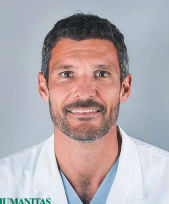 Gabriele Luigi Federico Gasparini合作论文数Department of Cardiology, Istituto Clinico Humanitas IRCCS;Department of Invasive Cardiology, Humanitas Research Hospital7Harald Lapp合作论文数7George Sianos合作论文数7Thomas Scheffold合作论文数7Mark Lankisch合作论文数7Wilfried Dinh合作论文数7
 Thierry Lefèvre合作论文数Interventional Cardiology Department, Institut Cardiovasculaire Paris Sud, Institut Hospitalier Jacques Cartier7Julian Kuervers合作论文数6Hans-Peter Waibler合作论文数6Thomas Kuhl合作论文数6Dennis Rottländer合作论文数6Mauro Carlino合作论文数Catheterisation Laboratory, San Raffaele Hospital6Andrea Gagnor合作论文数6
 Yves Louvard合作论文数6
 Ralph Stephan Von Bardeleben合作论文数Heart Center Mainz - Cardiology, Universitätsmedizin der Johannes Gutenberg-Universität Mainz6
 Luca Grancini合作论文数6




