A crucial step in early embryogenesis is the establishment of spatial patterns of signaling activity. Tools to perturb morphogen signals with high resolution in space and time can help reveal how embryonic cells decode these signals to make appropriate fate decisions. Here, we present new optogenetic reagents and an experimental pipeline for creating designer Nodal signaling patterns in live zebrafish embryos. Nodal receptors were fused to the light-sensitive heterodimerizing pair Cry2/CIB1N, and the type II receptor was sequestered to the cytosol. The improved optoNodal2 reagents eliminate dark activity and improve response kinetics, without sacrificing dynamic range. We adapted an ultra-widefield microscopy platform for parallel light patterning in up to 36 embryos, and demonstrated precise spatial control over Nodal signaling activity and downstream gene expression. Patterned Nodal activation drove precisely controlled internalization of endodermal precursors. Furthermore, we used patterned illumination to generate synthetic signaling patterns in Nodal signaling mutants, rescuing several characteristic developmental defects. This study establishes an experimental toolkit for systematic exploration of Nodal signaling patterns in live embryos.
During differentiation, cells become structurally and functionally specialized, but comprehensive views of the underlying remodeling processes are elusive. Here, we leverage single-cell RNA sequencing (scRNA-seq) developmental trajectories to reconstruct differentiation using two secretory tissues as models-the zebra- fish notochord and hatching gland. First, we integrated expression and functional similarities to identify gene modules, revealing dozens of modules representing known and newly associated differentiation processes and their dynamics. Second, we focused on the unfolded protein response (UPR) transducer module to study how general versus cell-type-specific secretory functions are regulated. Profiling loss- and gain-of-function embryos identified that the UPR transcription factors creb3l1, creb3l2, and xbp1 are master regulators of a general secretion program. creb3l1/creb3l2 additionally activate an extracellular matrix secretion program, while xbp1 partners with bhlha15 to activate a gland-like secretion program. Our study presents module identification via multi-source integration for reconstructing differentiation (MIMIR) and illustrates how transcription factors confer general and specialized cellular functions.
The partitioning of ecological niches is a fundamental component of species diversification in adaptive radiations. However, it is currently unknown if and how such bursts of organismal diversity are influenced by temporal niche partitioning, wherein species avoid competition by being active or sleeping during different time windows. Here we address this question through profiling temporal activity patterns in the exceptionally diverse fauna of cichlid fishes from the African Lake Tanganyika. By integrating week-long longitudinal behavioural recordings of over 500 individuals from 60 species with eco-morphological and genomic information, we provide two lines of evidence that temporal niche partitioning occurs in this massive adaptive radiation. First, Tanganyikan cichlids exhibit all known circadian temporal activity patterns (diurnal, nocturnal, crepuscular and cathemeral) and display substantial interspecific variation in daily amounts of locomotion. Second, many species with similar habitat and diet niches occupy distinct temporal niches. Moreover, our results suggest that shifts between diurnal and nocturnal activity patterns are facilitated by a crepuscular intermediate state. Genome-wide association studies indicate that the genetics underlying activity patterns is complex, with different clades associated with different combinations of variants. The identified variants were not associated with core circadian clock genes but with genes implicated in synapse function. These observations indicate that temporal niche partitioning may have contributed to adaptive radiation in cichlids and that many genes are associated with the diversity and evolution of temporal activity patterns.
The 5' UTRs of mRNAs are critical for translation regulation during development, but their in vivo regulatory features are poorly characterized. Here, we report the regulatory landscape of 5' UTRs during early zebrafish embryogenesis using a massively parallel reporter assay of 18,154 sequences coupled to polysome profiling. We found that the 5' UTR suffices to confer temporal dynamics to translation initiation and identified 86 motifs enriched in 5' UTRs with distinct ribosome recruitment capabilities. A quantitative deep learning model, Danio Optimus 5-Prime (DaniO5P), identified a combined role for 5' UTR length, translation initiation site context, upstream AUGs, and sequence motifs on ribosome recruitment. DaniO5P predicts the activities of maternal and zygotic 5' UTR isoforms and indicates that modulating 5' UTR length and motif grammar contributes to translation initiation dynamics. This study provides a first quantitative model of 5' UTR-based translation regulation in development and lays the foundation for identifying the underlying molecular effectors.
Nodal signaling molecules are TGFβ family ligands that arose early during bilaterian evolution and are crucial for several key steps in embryonic development. They regulate the specification of mesoderm and endoderm, body patterning, left-right asymmetry, and pluripotency maintenance. Many of Nodal's effects are tissue specific and achieved through interaction with other signaling pathways. Nodal has become a paradigm for a morphogen that employs multiple mechanisms for tissue patterning, including concentration- and duration-dependent effects, feedback regulation, reaction-diffusion interactions, and scale invariance. Nodal signaling activates a broad set of target genes that specify cell types, remodel the intracellular and extracellular milieu, and drive cell movements and morphogenesis. While Nodal's developmental functions are largely conserved across vertebrates, many facets of the mechanisms that elicit transcriptional responses and pattern embryonic tissues remain to be clarified.
The gastrointestinal tract is subjected to extensive mechanosensory stimulation during food ingestion. However, the identities of mechanosensory receptors in the enteric nervous system remain largely unknown. The pharynx of C. elegans is structurally and functionally analogous to the vertebrate foregut, but it contains only 20 neurons embedded among the muscles and epithelial cells of the organ. Here, we report that the DEG/ENaC family ion channel DEGT-1 is a proprioceptor of pharynx movement. DEGT-1 protein is expressed in four pharyngeal neurons (MI, M3, I4, and M5) and localized to their neuronal soma in direct contact with the collagenous pharyngeal basement membrane. degt-1 mutants display abnormally rapid feeding in the presence of food, causing global changes in lipid accumulation. degt-1 mutants also pump rapidly when pumping is induced by the presence of serotonin alone, suggesting that DEGT-1 is required for proprioception of pharyngeal pumping itself rather than for sensing ingested food. DEGT-1 is required in only two pharyngeal neurons (I4 and M5) to control pumping rate. I4 and M5 neurons show a DEGT-1-dependent calcium response. Taken together, these results suggest that DEGT-1 modulates pharyngeal pumping rate by relaying proprioceptive feedback generated by the shear force of the pharynx against its own basement membrane. Thus, mechanosensors in the enteric nervous system modulate organ function by detecting not only the forces from ingested contents but also the movements of the organ itself.
Axis formation in fish and amphibians typically begins with a prepattern of maternal gene products. Annual killifish embryogenesis, however, challenges prepatterning models as blastomeres disperse and then aggregate to form the germ layers and body axes. We show that huluwa , a prepatterning factor thought to break symmetry by stabilizing β-catenin, is truncated and inactive in Nothobranchius furzeri . Nuclear β-catenin is not selectively stabilized on one side of the blastula but accumulates in cells forming the aggregate. Blocking β-catenin activity or Nodal signaling disrupts aggregate formation and germ layer specification. Nodal signaling coordinates cell migration, establishing an early role for this signaling pathway. These results reveal a surprising departure from established mechanisms of axis formation: Huluwa-mediated prepatterning is dispensable, and β-catenin and Nodal regulate morphogenesis.
The house mouse ( Mus musculus ) is an exceptional model system, combining genetic tractability with close evolutionary affinity to humans 1 , 2 . Mouse gestation lasts only 3 weeks, during which the genome orchestrates the astonishing transformation of a single-cell zygote into a free-living pup composed of more than 500 million cells. Here, to establish a global framework for exploring mammalian development, we applied optimized single-cell combinatorial indexing 3 to profile the transcriptional states of 12.4 million nuclei from 83 embryos, precisely staged at 2- to 6-hour intervals spanning late gastrulation (embryonic day 8) to birth (postnatal day 0). From these data, we annotate hundreds of cell types and explore the ontogenesis of the posterior embryo during somitogenesis and of kidney, mesenchyme, retina and early neurons. We leverage the temporal resolution and sampling depth of these whole-embryo snapshots, together with published data 4 – 8 from earlier timepoints, to construct a rooted tree of cell-type relationships that spans the entirety of prenatal development, from zygote to birth. Throughout this tree, we systematically nominate genes encoding transcription factors and other proteins as candidate drivers of the in vivo differentiation of hundreds of cell types. Remarkably, the most marked temporal shifts in cell states are observed within one hour of birth and presumably underlie the massive physiological adaptations that must accompany the successful transition of a mammalian fetus to life outside the womb.
Developmental biology-the study of the processes by which cells, tissues, and organisms develop and change over time-has entered a new golden age. After the molecular genetics revolution in the 80s and 90s and the diversification of the field in the early 21st century, we have entered a phase when powerful technologies provide new approaches and open unexplored avenues. Progress in the field has been accelerated by advances in genomics, imaging, engineering, and computational biology and by emerging model systems ranging from tardigrades to organoids. We summarize how revolutionary technologies have led to remarkable progress in understanding animal development. We describe how classic questions in gene regulation, pattern formation, morphogenesis, organogenesis, and stem cell biology are being revisited. We discuss the connections of development with evolution, self-organization, metabolism, time, and ecology. We speculate how developmental biology might evolve in an era of synthetic biology, artificial intelligence, and human engineering.
The TGF-beta signals Vg1 and Nodal form heterodimers to induce the vertebrate mesendoderm. The Vg1 proprotein is a monomer retained in the endoplasmic reticulum (ER) and is processed and secreted upon heterodimerization with Nodal. Here we investigate the mechanisms underlying Vg1 retention, processing, secretion and signaling in zebrafish. First, using a newly devised Synthetic Processing (SynPro) system, we find that Vg1 can be processed by intraor extracellular proteases. Second, Vg1 can be processed without Nodal but requires Nodal for secretion and signaling. Third, Vg1-Nodal signaling activity requires Vg1 processing, whereas Nodal can remain unprocessed. Fourth, Vg1 employs exposed cysteines, glycosylated asparagines, and BiP chaperone-binding motifs for monomer retention in the ER. Our results establish SynPro as a new in vivo processing system and define molecular mechanisms and motifs that facilitate the generation of active Vg1-Nodal heterodimers. These observations suggest two strategies for rapid mesendoderm induction: chaperone-binding motifs help store Vg1 as an inactive but ready-toheterodimerize monomer in the ER, and the flexibility of Vg1 processing location allows efficient generation of active heterodimers both intraand extracellularly.
The interplay between transcription factors and chromatin accessibility regulates cell type diversification during vertebrate embryogenesis. To systematically decipher the gene regulatory logic guiding this process, we generated a single-cell multi-omics atlas of RNA expression and chromatin accessibility during early zebrafish embryogenesis. We developed a deep learning model to predict chromatin accessibility based on DNA sequence and found that a small number of transcription factors underlie cell-type-specific chromatin landscapes. While Nanog is well-established in promoting pluripotency, we discovered a new function in priming the enhancer accessibility of mesendodermal genes. In addition to the classical stepwise mode of differentiation, we describe instant differentiation, where pluripotent cells skip intermediate fate transitions and terminally differentiate. Reconstruction of gene regulatory interactions reveals that this process is driven by a shallow network in which maternally deposited regulators activate a small set of transcription factors that co-regulate hundreds of differentiation genes. Notably, misexpression of these transcription factors in pluripotent cells is sufficient to ectopically activate their targets. This study provides a rich resource for analyzing embryonic gene regulation and reveals the regulatory logic of instant differentiation.
The Hypocretin/Orexin signaling pathway suppresses sleep and promotes arousal, whereas the loss of Hypocretin/Orexin results in narcolepsy, including the involuntary loss of muscle tone (cataplexy).1 Here, we show that the South Asian fish species Chromobotia macracanthus exhibits a sleep-like state during which individuals stop swimming and rest on their side. Strikingly, we discovered that the Hypocretin/Orexin system is pseudogenized in C. macracanthus, but in contrast to Hypocretin-deficient mammals, C. macracanthus does not suffer from sudden behavioral arrests. Similarly, zebrafish mutations in hypocretin/orexin show no evident signs of cataplectic-like episodes. Notably, four additional species in the Botiidae family also lack a functional Hypocretin/Orexin system. These findings identify the first vertebrate family that does not rely on a functional Hypocretin/Orexin system for the regulation of sleep and arousal.
Spatiotemporal patterns of gene expression underlie embryogenesis. Despite progress in single-cell genomics, mapping these patterns across whole embryos with comprehensive gene coverage and at high resolution has remained elusive. Here, we introduce a whole-embryo imaging platform using multiplexed error-robust fluorescent in-situ hybridization (weMERFISH). We quantified the expression of 495 genes in whole-mount zebrafish embryos at subcellular resolution. Integration with single-cell multiomics data generated an atlas detailing the expression of 25,872 genes and the accessibility of 294,954 chromatin regions, explorable with an online interface MERFISHEYES (beta version). We found that temporal gene expression aligns with cellular maturation and morphogenetic movements, diverse expression patterns correspond to composites of tissue-specific accessible elements, and changes in gene expression generate sharp boundaries during gastrulation. These results establish a novel approach for whole-organism spatial transcriptomics, provide a comprehensive spatially resolved atlas of gene expression and chromatin accessibility, and reveal the diversity, precision and emergence of embryonic patterns. ### Competing Interest Statement The authors have declared no competing interest.
A paradigm for biology is emerging in which cells can be genetically programmed to write their histories into their own genomes. These records can subsequently be read, and the cellular histories reconstructed, which for each cell could include a record of its lineage relationships, extrinsic influences, internal states and physical locations, over time. DNA recording has the potential to transform the way that we study developmental and disease processes. Recent advances in genome engineering are driving the development of systems for DNA recording, and meanwhile single-cell and spatial omics technologies increasingly enable the recovery of the recorded information. Combined with advances in computational and phylogenetic inference algorithms, the DNA recording paradigm is beginning to bear fruit. In this Perspective, we explore the rationale and technical basis of DNA recording, what aspects of cellular biology might be recorded and how, and the types of discovery that we anticipate this paradigm will enable.
During differentiation, cells become structurally and functionally specialized, but comprehensive views of the underlying remodeling processes are elusive. Here, we leverage scRNA-seq developmental trajectories to reconstruct differentiation using two secretory tissues as a model system - the zebrafish notochord and hatching gland. First, we present an approach to integrate expression and functional similarities for gene module identification, revealing dozens of gene modules representing known and newly associated differentiation processes and their temporal ordering. Second, we focused on the unfolded protein response (UPR) transducer module to study how general versus cell-type specific secretory functions are regulated. By profiling loss- and gain-of-function embryos, we found that the UPR transcription factors creb3l1, creb3l2, and xbp1 are master regulators of a general secretion program. creb3l1/creb3l2 additionally activate an extracellular matrix secretion program, while xbp1 partners with bhlha15 to activate a gland-specific secretion program. Our study offers a multi-source integrated approach for functional gene module identification and illustrates how transcription factors confer general and specialized cellular functions.
ABSTRACT Why certain species survive large-scale extinction events while others do not is poorly understood. While the fossil record can provide insights into morphological adaptations that increase survival probabilities, it provides limited information regarding behavioural traits. Here we integrate behavioural data with phylogenetic comparative models to study the evolution of day-night activity patterns (nocturnality and diurnality) in bony fishes, which have persisted through the last four mass extinction events. Our findings in fish, combined with data across all other clades of vertebrates, provide four lines of evidence that nocturnality conferred an evolutionary advantage during mass extinctions, and that frequent nocturnal-to-diurnal transitions facilitated post-extinction diversification: First, phylogenetic reconstruction indicates that the last common ancestors of all vertebrates and of clades of bony vertebrates were nocturnal. Second, in the lineage of bony fishes, which contains over half of all vertebrate species, twice as many transitions between nocturnal and diurnal activity patterns have occurred compared to tetrapods. Third, within a specific ecological niche, different species exhibit distinct temporal activity patterns, suggesting widespread temporal niche partitioning. Fourth, independent bursts in night-to-day transitions followed large-scale extinction events during the last two geological eras in all four major bony vertebrate groups. These observations suggest that ancestral nocturnality and frequent transitions to diurnality helped vertebrates survive and diversify in the face of extinction events, such as those expected during the current “6th mass extinction” event caused by anthropogenic climate change.
The TGF-beta signals Vg1 (Dvr1/Gdf3) and Nodal form heterodimers to induce vertebrate mesendoderm. The Vg1 proprotein is a monomer retained in the endoplasmic reticulum (ER) and is processed and secreted upon heterodimerization with Nodal, but the mechanisms underlying Vg1 biogenesis are largely elusive. Here, we clarify the mechanisms underlying Vg1 retention, processing, secretion, and signaling and introduce a Synthetic Processing (SynPro) system that enables the programmed cleavage of ER-resident and extracellular proteins. First, we find that Vg1 can be processed by intra- or extracellular proteases. Second, Vg1 can be processed without Nodal but requires Nodal for secretion and signaling. Third, Vg1-Nodal signaling activity requires Vg1 processing, whereas Nodal can remain unprocessed. Fourth, Vg1 employs exposed cysteines, glycosylated asparagines, and BiP chaperone-binding motifs for monomer retention in the ER. These observations suggest two mechanisms for rapid mesendoderm induction: Chaperone-binding motifs help store Vg1 as an inactive but ready-to-heterodimerize monomer in the ER, and the flexibility of Vg1 processing location allows efficient generation of active heterodimers both intra- and extracellularly. These results establish SynPro as an in vivo processing system and define molecular mechanisms and motifs that facilitate the generation of active TGF-beta heterodimers.
The house mouse, Mus musculus , is an exceptional model system, combining genetic tractability with close homology to human biology. Gestation in mouse development lasts just under three weeks, a period during which its genome orchestrates the astonishing transformation of a single cell zygote into a free-living pup composed of >500 million cells. Towards a global framework for exploring mammalian development, we applied single cell combinatorial indexing (sci-*) to profile the transcriptional states of 12.4 million nuclei from 83 precisely staged embryos spanning late gastrulation (embryonic day 8 or E8) to birth (postnatal day 0 or P0), with 2-hr temporal resolution during somitogenesis, 6-hr resolution through to birth, and 20-min resolution during the immediate postpartum period. From these data (E8 to P0), we annotate dozens of trajectories and hundreds of cell types and perform deeper analyses of the unfolding of the posterior embryo during somitogenesis as well as the ontogenesis of the kidney, mesenchyme, retina, and early neurons. Finally, we leverage the depth and temporal resolution of these whole embryo snapshots, together with other published data, to construct and curate a rooted tree of cell type relationships that spans mouse development from zygote to pup. Throughout this tree, we systematically nominate sets of transcription factors (TFs) and other genes as candidate drivers of the in vivo differentiation of hundreds of mammalian cell types. Remarkably, the most dramatic shifts in transcriptional state are observed in a restricted set of cell types in the hours immediately following birth, and presumably underlie the massive changes in physiology that must accompany the successful transition of a placental mammal to extrauterine life.
Support for basic science has been eclipsed by initiatives aimed at specific medical problems. The latest example is the dismantling of the Skirball Institute at NYU School of Medicine. Here, we reflect on the achievements and mission underlying the Skirball to gain insight into the dividends of maintaining a basic science vision within the academic enterprises.
 Hubert Schmidbaur合作论文数Department of Chemistry, School of Natural Sciences, Technical University of Munich;Inorganic Chemistry Institute, Technical University of Munich108
 William Talbot合作论文数Stanford University36
 Jürgen Riede合作论文数27
 François Gabbaï合作论文数Department of Chemistry, Texas A&M University22
 James A. Gagnon合作论文数Department of Molecular Biology, Brown University17
 Andrea Pauli合作论文数Research Institute of Molecular Pathology, Vienna BioCenter16
 Wolfgang Driever合作论文数Institute of Biology I, University of Freiburg14
 Florian Engert合作论文数Department of Molecular and Cellular Biology, Harvard University14
 Prober David Aaron合作论文数Division of Biology and Biological Engineering, California Institute of Technology14
 Rebecca D. Burdine合作论文数Department of Molecular Biology, Princeton University13L Solnica-Krezel合作论文数12Derek L. Stemple合作论文数12
 Jason Rihel合作论文数Department of Cell and Developmental Biology, University College London11Steven Zimmerman合作论文数10
 David Schoppik合作论文数Department of Otolaryngology—Head and Neck Surgery, Grossman School of Medicine, New York University10Martin Tschinkl合作论文数10
 Rogers Katherine W合作论文数Department of Molecular and Cellular Biology, Harvard University9
 Ian G. Woods合作论文数Department of Developmental Biology, Stanford University School of Medicine9Jarema Malicki合作论文数9F Zwartkruis合作论文数8
 Lindsey Pieper合作论文数8Thyme Summer B合作论文数Dept Biochem, Univ Washington8
 Owen Randlett合作论文数Department of Molecular and Cellular Biology, Harvard University8Robson Drew N合作论文数Rowland Institute at Harvard UniversityUnited States8
 Stephan Neuhauss合作论文数Department of Molecular Life Sciences, University of Zurich8Walter J. Gehring合作论文数8
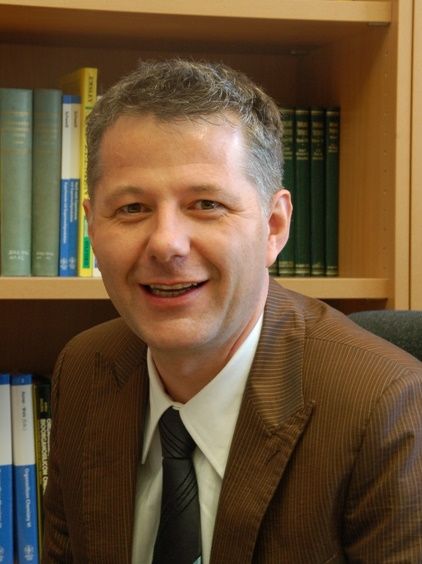 Norbert Werner Mitze合作论文数Fakultat Fur Chemie, Universitat Bielefeld8
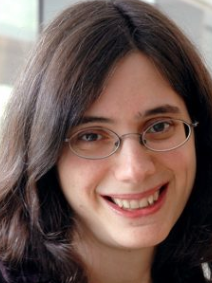 Aviv Regev合作论文数Howard Hughes Medical Institute;Statistics + Data Science Center, Schwarzman College of Computing, Massachusetts Institute of Technology;Broad Institute, Massachusetts Institute of Technology;The Center for Microbiome Informatics & Therapeutics, Massachusetts Institute of Technology8
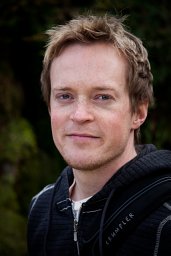 Eivind Valen合作论文数Bioinformatics Centre;Department of Biology;Biomedical Research and Innovation Centre;Copenhagen University;Biomedical Research and Innovation Centre, Copenhagen University8
 Y. Albert Pan合作论文数Department of Molecular and Cellular Biology and Center for Brain Science, Harvard University8JDET Wilton-Ely合作论文数7Z Rangini合作论文数7Patrick Müller合作论文数7
 James T Bennett合作论文数7
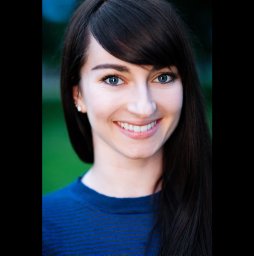 Tessa G. Montague合作论文数7
 Farrell Jeffrey A合作论文数Department of Biochemistry, University of California7Howard I. Sirotkin合作论文数Department of Developmental Biology;Stanford University;School of Medicine;School of Medicine, Stanford University7Felix Olale合作论文数7S Nogai合作论文数6Jennifer M Li合作论文数6Steve Zimmerman合作论文数6
 Adam N Carte合作论文数Dept Mol & Cellular Biol, Harvard Univ6Simon Cheng合作论文数Columbia University, Columbia University6
 Martin Hasemeyer合作论文数Department of Molecular and Cellular Biology, Harvard University6
 Lord Nathan D合作论文数6
 Chew Guo-Liang合作论文数Department of Molecular and Cellular Biology, Harvard University6Andreas Bauer合作论文数6
 Brian Ciruna合作论文数Department of Molecular Genetics, Temerty Faculty of Medicine, University of Toronto6
 Nadine L. Vastenhouw合作论文数Max Planck Institute of Molecular Cell Biology and Genetics, Max Planck Institute of Molecular Cell Biology and Genetics6




