The pronounced therapeutic recalcitrance of triple-negative breast cancer (TNBC) fundamentally stems from its molecular target paucity and aggressive pathophysiology. Although paclitaxel and quercetin (PTX/Q) have been explored as complementary agents, their concurrent use is limited by poor solubility, rapid systemic clearance, and dose-related toxicities. To address these constraints, we developed a C-peptide-functionalized solid lipid nanoparticle (SLN) system designed to enhance the codelivery of PTX and Q to αvβ3-expressing TNBC cells. The optimized SLN-PTX-Q-pep formulation exhibited a spherical morphology, a mean hydrodynamic diameter of approximately 415 nm, and high encapsulation efficiencies for both PTX (96.9 ± 0.6%) and Q (91.8 ± 1.5%). Thermal analysis and fluorescence spectroscopy confirmed that the drugs were molecularly dispersed within the lipid matrix. The formulation demonstrated excellent blood compatibility, with less than 1.5% hemolysis, and exhibited pH-responsive drug release, with accelerated liberation under mildly acidic, tumor-relevant conditions (pH 5.8). In vitro studies on 4T1 TNBC cells revealed that the targeted nanoformulation achieved a lower PTX IC50 value compared to nontargeted controls. Functional assays confirmed enhanced apoptosis (Annexin V staining), reduced cell migration, and suppression of intracellular reactive oxygen species (ROS). Competitive binding assays verified that the peptide-functionalized SLNs specifically interact with the αvβ3 integrin receptor. In vivo, SPECT imaging demonstrated superior tumor accumulation of the targeted nanoparticles. Correspondingly, mice treated with SLN-PTX-Q-pep showed a significant reduction in tumor growth and lower final tumor burdens, with no signs of systemic toxicity as confirmed by stable body weight, serum biochemistry, and histological analysis of major organs. Collectively, these findings establish that C-peptide-functionalized SLNs are a robust platform for the coordinated delivery of PTX and Q, enhancing tumor-targeted accumulation and therapeutic efficacy in a preclinical TNBC model. This work provides a strong basis for the continued development of dual-drug nanocarriers for difficult-to-treat breast cancers.
Over the last two decades, the application of nanoparticles (NPs) in the investigation of protein and peptide aggregation and amyloid-related diseases has been extensively studied. Here, we investigate anti-fibrillation and trans-fibrillation activities of L-Arginine modified Magnetic NPs (RMNPs, Fe3O4@Arg) on hen egg white lysozyme (HEWL) as a model protein and HEWL amyloid aggregate (HAA, i.e., aggregated HEWL fibrils). RMNPs were prepared by the co-precipitation method and subsequently characterized using X-ray diffraction (XRD), vibrating sample magnetometry (VSM), Fourier transform infrared spectroscopy (FT-IR), and scanning electron microscopy (SEM). The comparison was made among Arg, Magnetic NPs (MNPs), and RMNPs to explore their anti-fibrillation activities on HEWL. Using intrinsic tryptophan (Trp) and extrinsic thioflavin T (ThT) fluorescence assays, circular dichroism (CD) spectroscopy, and electron microscopy methods, for instance, we present the anti-fibrillation and trans-fibrillation activities of the RMNPs on HEWLs or HAAs. Accordingly, fibrillation was inhibited more than 80 percent, and fibrils were longitudinally rearranged to form late amyloid aggregates with a 57< nm diameter from early aggregates with a <14 nm diameter, respectively. The ability to inhibit HEWL amyloid formation highlights the concentration-dependent effects of the investigated NPs on HEWL at different stoichiometric ratios of MNPs and RMNPs. Moreover, RMNPs can interact with HEWL amyloids in vitro and alter the structure of the aggregates. Collectively, our findings shed light on the anti-fibrillation and trans-fibrillation effects of RMNPs on HEWL and HEWL amyloid aggregate (HAA), respectively. In this study, we aim to investigate the potential preventive effects of RMNPs on protein structural trans-formation and fibrillation, as well as their potential to promote the trans-fibrillation of resulting fibrils, representing a novel strategy to interfere with protein aggregation-related disorders.
Human islet amyloid polypeptide (hIAPP) oligomers, formed through an accumulation pathway, are toxic to insulin-secreting pancreatic beta-cells and are considered to contribute for beta-cell death and insulin deficiency commonly observed in type 2 diabetes (T2D) patients. In this study, we investigated and compared the antiaggregation effects of several nanoparticles (NPs) including zinc acetate, graphene oxide (GO), and zinc-conjugated GO (GO-NH2-Zn) on their interactions with hIAPP. For this purpose, GO was purchased and subsequently conjugated with zinc acetate. Recombinant hIAPP was produced and its amyloidogenic behavior was evaluated in the presence of different concentrations of GO, zinc acetate, and GO-NH2-Zn. Thioflavin T (ThT) fluorescence spectroscopy was applied to examine the amyloid behavior of the protein. Additionally, the transmission electron microscopy (TEM) images of amyloid particles alone and in the presence of GO-NH2-Zn NP were recorded. A cell toxicity assay revealed these NPs protected insulin-secreting NIT-1 pancreatic beta-cells from hIAPP-induced toxicity. TEM images and ThT fluorescence spectra confirmed the reduction in hIAPP aggregation in the presence of GO-NH2-Zn. Our results clearly demonstrated that both zinc acetate and GO extended the lag-phase latency to form amyloid fibrils, while GO-NH2-Zn exerted a synergistic inhibitory effect on fibril formation. Furthermore, when GO-NH2-Zn was incubated with fetal bovine serum (FBS) to form a hard corona mimicking in vivo circumstances, it effectively prevented the formation of amyloid as expected. Our study suggests that the GO-NH2-Zn, as an antiaggregation NP, has potential for use in designing new nanomedicine agents to inhibit hIAPP fibril formation and treat T2D disease.
Differential scanning calorimetry (DSC) is a systems-level thermodynamic tool for probing disease-related changes in complex biological fluids, yet clinical translation is hindered by challenges in thermogram interpretation, reproducibility, and data integration. DSC captures heat capacity transitions from multistate protein unfolding, reflecting collective stability landscapes of the plasma proteome. Pathological conditions can induce reproducible thermogram distortions, suggesting their utility as ensemble biomarkers beyond conventional scalar descriptors. Recent advances in ultrasensitive and microfluidic DSC have improved stability and reduced sample needs, while artificial intelligence enables extraction of distributed calorimetric features beyond melting temperature and enthalpy. Machine learning strategies—including statistical, kernel-based, deep learning, and physics-informed frameworks—help identify informative thermodynamic patterns. This review integrates thermodynamic principles, data-driven analytics, and clinical studies to assess DSC’s capabilities and limitations. Persistent issues such as inter-laboratory variability, cohort heterogeneity, small datasets, and regulatory hurdles continue to restrict routine use. Overall, combining DSC with AI offers a promising analytical framework for extracting clinically meaningful thermodynamic insights and advancing disease characterization.
Amyloid polymorphism is important in neurodegenerative and metabolic disease. Understanding fibril molecular polymorphism is critical to understanding why certain protein aggregates made from the same protein are pathogenic while others are benign. Here, we generate two polymorphs of human insulin, as a model system, induced by a thermal change in the nucleation (lag) phase. Both amyloid strains predominantly exhibit β-sheet structures; however, the cold-induced fibrils (formed under a two-h cold (4 °C) shock) display a more heterogeneous structure compared to the more uniform content in the conventional warm fibrils (formed at 37 °C the whole time). These structural variations highlight the complexity of the nucleation and growth mechanisms, with cold fibrils potentially trapped in non-equilibrium states due to a higher nucleation barrier. We find that the functional activity of cold/warm fibrils is unique in in vitro seeding/amyloid propagation, stability against inhibition, and cellular cytotoxicity. Our results show how amyloid polymorphs could differentially modulate pathogenicity. Moreover, the importance of environmental conditions on the molecular features of amyloid nucleation may be critical for design and stability of future protein biologics beyond therapeutic insulin. Amyloid polymorphism plays a crucial role in neurodegenerative and metabolic diseases and understanding why protein aggregates with the same sequence exhibit different pathogenicities is a major challenge in amyloid research. Here, the authors generate insulin polymorphs through thermal changes in the nucleation phase, revealing structural variations that influence amyloid propagation and cytotoxicity.
In this study, zein, the primary storage protein in corn seeds, was used to synthesize colloidal particles as emulsion stabilizers. Surface modification of zein particles was performed using different polysaccharides (carboxymethyl cellulose (CMC), water-soluble portion of Persian gum (WPG), and gum Arabic (GA)) through two fabrication methods: matrix (MT) and core-shell (CS), in order to create composite particles with enhanced ability to stabilize Pickering emulsions. The composite particles exhibited negative surface charge values at pH 4, indicating the presence of polysaccharides surrounding the zein cores. All particle dispersions had a viscous nature, with those containing CMC exhibiting the highest viscosity. The emulsions stabilized by zein/WPG particles fabricated using the MT method and zein/CMC particles fabricated using the CS method demonstrated the highest stability during 42 days of storage, while GA did not improve emulsion stability. The droplet sizes of the emulsions were in the micrometer range, with a low negative surface charge. For the emulsion stabilized by composite CMC particles, G' was greater than G", while for those containing WPG, G' and G" values were almost equal. All samples exhibited shear-thinning properties. The addition of curcumin (Cu) to the zein/WPG (MT) particles improved emulsion stability slightly.
Human small heat shock protein B5 (HspB5) or αB-crystallin is essential for maintaining cellular proteostasis through its ATP-independent chaperone activity. Mutations in HspB5 have been recognized to be implicated in myopathies, cardiomyopathies, and cataracts; however, the structural and functional reasons for their pathogenicity remains poorly understood. The p.P51L mutation, located within the N-terminal domain critical for oligomerization and client recognition, has been associated with cardiomyopathy and cataracts. In this study, we generated the p.P51L variant using site-directed mutagenesis and confirmed the mutation using mass spectrometry. We employed spectroscopic, microscopic, NMR, and molecular dynamics (MD) simulation techniques to study the structural and functional consequences of this mutation. Our findings demonstrate that the p.P51L mutation induces alterations in secondary structures and conformation, accompanied by an increase in oligomer size and amyloid fibril formation. MD simulations also revealed enhanced structural stability and compactness in the mutant dimer, and lower binding affinity to the key client proteins, such as HspB4 (αA-crystallin) and desmin, suggesting a feasible mechanism of its association with cardiomyopathy and cataracts. These observations demonstrate how a point mutation can disrupt the conformational and functional properties of HspB5, its chaperone activity and client interactions. Our study provides new mechanistic insights into the molecular basis of diseases related to HspB5 protein misfolding.
Constructing a biosensor to detect luteolin content accurately is essential, especially considering its specific health benefits at certain concentrations. In this work, the reaction of HRP catalyzed luteolin could be successfully applied in electrocatalytic processes, the oxidation process of electron loss and dehydrogenation occurring on the electrode replaced the hydrogen receptor role of H2O2 in the HRP biocatalytic process. This oxidation reaction had an apparent current response, thus achieving accurate measurement of luteolin. On this biosensor, CTAB was used to disperse MWCNTs, and BSA was used to improve the hydrophobicity of MWCNTs, which was conducive to the subsequent AuNPs fixation of HRP. Three detection methods (LSV, DPV and SWV) for the detection of luteolin were compared and showed that SWV method had a wider linear range (1 x 10(-8)-2 x 10(-5) M) and lower detection limit (8 x 10(-10) M). The determination of luteolin in Traditional Chinese Medicine (TCM) by high performance liquid chromatography (HPLC) and biosensor was almost identical. Therefore, this biosensor could successfully replace HPLC in detecting luteolin in TCM.
αB‐crystallin, a small heat shock protein, is crucial for maintaining lenticular transparency and prevents protein aggregation as a molecular chaperone in various tissues. Mutations in αB‐crystallin can lead to diseases such as cataracts, cardiomyopathy, and neurodegenerative disorders. This study explores the effects of the p.R157C mutation in the C‐terminal domain, near the IXI motif, which is associated with cardiomyopathy. The mutant protein was generated through site‐directed mutagenesis, expressed in bacterial systems, and purified by ion‐exchange chromatography. Biophysical and computational techniques revealed significant alterations in secondary structure, oligomerization, and conformational stability. The mutation also enhanced chaperone activity and promoted amyloid fibril formation. These alterations may disrupt the interactions of the p.R157C mutant αB‐crystallin with cardiac proteins such as desmin and calcineurin, potentially contributing to cardiomyopathy. These findings offer mechanistic insights into αB‐crystallin‐related cardiomyopathy, shedding light on its pathological role and potential therapeutic targets.
HSPB5 (αB-crystallin), a small heat shock protein, stabilizes proteins and prevents misfolded protein aggregation through dynamic oligomer formation. Mutations in HSPB5 can result in diseases such as myopathy and cataracts. This study focuses on the myopathy-associated p.K90N mutation in the α-crystallin domain and its impact on the structure and function of human HSPB5. The recombinant mutated protein was expressed and purified for analysis using spectroscopy, microscopy, and molecular dynamics simulations. Our results reveal that the p.K90N mutation induces significant structural alterations, including an increase in β-sheet content and a reduction in α-helical structure compared to the wild-type protein. Molecular dynamics simulations showed an increased angle between dimers and decreased accessible surface area in the mutant protein. Additionally, the mutant exhibited a higher propensity for forming larger oligomers and amyloid fibrils, and enhanced thermal stability. These structural changes lead to reduced chaperone activity and impaired protein aggregation prevention, likely contributing to cell death and myopathy. Overall, the p.K90N mutation significantly alters the structural and functional properties of HSPB5, highlighting its pathogenic role and providing insights into disease mechanisms.
Microfluidic chips are powerful tools for investigating numerous variables including chemical and physical parameters on protein aggregation. This study investigated the aggregation of bovine serum albumin (BSA) in two different systems: a vial-based static system and a microfluidic chip-based dynamic system in which BSA aggregation was induced successfully. BSA aggregation induced in a microfluidic chip on a timescale of seconds enabled a dynamic investigation of the forces driving the aggregation process. This study employed a combination of experimental approaches, including biophysical and microscopic methods, and computational simulations using MATLAB and COMSOL Multiphysics. Obtained results revealed that Brownian movement, advective mixing, and laminar flow applied in favor of the formation of amyloid-like aggregates through the entire pathway. Furthermore, heating provided the necessary energy for the initial BSA's partial unfolding. In the following, space restriction and the cumulative effects of repulsive electrostatic and attractive van der Waals forces contributed to forming BSA clusters as a partially unfolded intermediate in the first few seconds of the aggregation process. Consequently, the synergistic effects of hydrodynamic forces (including shear force), hydrophobic interaction, and space restriction resulted in the deposition of larger aggregates on the channel sidewalls. Due to the elevated local concentration of BSA clusters alongside the strong shear force toward the channel sidewalls, the deposited structures underwent a structural conversion to form amyloid-like aggregates within a few seconds. In this study, we not only elucidated the molecular mechanisms underlying BSA aggregation but also highlighted the forces driving the aggregation process in microfluidic systems, explaining how it occurs within a timescale of seconds.
Human αB-crystallin is a small heat shock protein that functions as a chaperone and anti-apoptotic protein to maintain cellular protein integrity. A specific mutation (p.R163C) in the C-terminal domain has been linked to dilated cardiomyopathy (DCM). However, the impact of this mutation on the protein's structure, activity, stability, and amyloidogenic properties remains unclear. Here, we introduced the mutation, expressed and purified the protein, and used spectroscopic and microscopic techniques to conduct a comprehensive investigation of the mutant protein. The p.R163C mutation in αB-crystallin induces subtle changes in its secondary and tertiary structures, resulting in a slight increase in the distance and angle between monomer units within the dimer. The mutation causes the protein to form larger oligomers with increased chaperone activity, which may protect against cell death but could also lead to excessive client protein sequestration or coaggregation, potentially causing cytotoxicity. Accompanied by these alterations, the chemical and thermal stability of the mutant protein decrease, the resistance of the protein to enzymatic digestion increases, and finally, the propensity of the p.R163C mutated protein to form amyloid fibrils elevates. The substitution of the conserved arginine at position 163 with cysteine likely impacts the ability of the mutated protein to interact with cardiac muscle proteins. Collectively, these structural and functional modifications in the mutated protein may perturb cellular homeostasis and contribute to the onset of DCM.
Thanks to their DNA-crosslinking methods, platinum-based chemotherapeutics-which were first introduced by the coincidental discovery of cisplatin in 1965-have long been a mainstay of cancer treatment, with notable effectiveness in treating colorectal, ovarian, and testicular cancers. In order to address the enduring problems of toxicity, resistance, and restricted selectivity, this study charts their development from the traditional agents cisplatin, carboplatin, and oxaliplatin to next-generation developments. Classical mechanisms, rooted in aquation and apoptotic induction, are now complemented by emerging targets, including RNA, mitochondria, and protein-protein interactions, alongside novel cell death pathways like ferroptosis. Nonclassical complexes, such as Pt(IV) prodrugs and multinuclear agents, enhance delivery and overcome resistance, while synergistic strategies with immunotherapy (e.g., PD-1 inhibitors), nanoparticle delivery, and radiotherapy amplify efficacy. Precision medicine advances patient stratification via genomic (e.g., TP53 and BRCA) and proteomic biomarkers, liquid biopsies for real-time monitoring, and pharmacogenomics to adapt dosing. Sustainability initiatives, stable formulations, affordable generics, and green synthesis guarantee worldwide access, especially in low-resource environments. Recent trials have validated the use of hypoxia-activated prodrugs, AI-driven predictive models, and DNA repair inhibitors (e.g., NER and PARP) in the fight against resistance. Looking forward, integration with CRISPR, 3D tumor modeling, and epigenetic targeting heralds a new frontier, supported by interdisciplinary collaboration bridging chemistry, biology, and technology. This convergence of foundational principles and cutting-edge innovations positions platinum therapy for a transformative era, promising enhanced precision, efficacy, and equity in cancer care worldwide.
αB-crystallin (αB-Cry), a critical small heat shock protein, is crucial for cellular proteostasis, especially in the heart and lens. αB-Cry mutations can disrupt its chaperone activity, leading to pathological conditions such as myopathy, cardiomyopathy, and cataracts. The p.R56Q mutation in the N-terminal domain, a region that participates in oligomerization as well as interactions with key proteins such as desmin and αA-Cry, has been associated with cardiomyopathy. However, its specific pathogenic mechanism is not well understood. This study aimed to elucidate the structural and functional consequences of the p.R56Q mutation. Recombinant p.R56Q αB-Cry was purified by chromatographic methods. Moreover, spectroscopic, microscopic, and computational techniques were employed to assess the influence of the mutation on protein function, structure, and stability. Our findings indicated that the p.R56Q mutation leads to significant alterations in human αB-Cry secondary to quaternary structures. The mutant protein was less stable and more prone to forming amyloid-like aggregates. The p.R56Q αB-Cry also formed larger oligomers and exhibited enhanced chaperone activity compared to its wild-type (Wt) protein counterpart. Interestingly, it had a greater affinity for binding to desmin and αA-Cry. While increased chaperone function might be expected to have protective effects, it could interfere paradoxically with critical cellular processes, such as apoptosis, and thus enhance disease pathogenesis. This research provides new insights into the molecular mechanisms underlying αB-Cry-associated cardiomyopathy by highlighting how the p.R56Q mutation alters structural dynamics and chaperone activity.
Bovine serum albumin (BSA) thermal aggregation follows hyperbolic behavior, lacking a distinct nucleation process, suggesting spontaneous unfolding and assembly above the melting point. Common methods like thioflavin T (ThT) assay may not effectively discern initial BSA aggregation events. To overcome this limitation, advanced electrochemical approaches have been used to clarify the mechanisms of conformational changes and the overall kinetics of the process. Time domain monitoring of the BSA conformational changes under thermal aggregation using fast Fourier transform admittance measurement revealed four preliminary stages of the BSA aggregation process. These four stages were further investigated using various spectroscopic techniques, electron microscopy, zeta-potential analysis, and surface tension measurements. Temperature, as the main driving force, has different effects across different temperature ranges. Key findings included the onset of unfolding post-42 degrees C (0-1.25 min), assembly near the melting point (3.5 min), and the formation of aggregates and beta-sheets at thermal equilibrium (after 3.5 min) based on data obtained. MD simulation of BSA showed that high temperatures accelerate the unfolding process and correspond to beta-sheet formation. Electrochemical admittance findings provided valuable insights into BSA conformational changes, showcasing its promising potential to study protein misfolding-related diseases.
Diabetes is a chronic disease, and long term hyperglycemia and oxidative stress in diabetes patients will lead to non-enzymatic glycosylation of proteins and eventually produce advanced glycation end products (AGEs). The non-enzymatic glycosylation of proteins and the formation and accumulation of AGEs in blood vessels and tissues are closely related to the complications of diabetes. Here, the anti-glycation mechanisms of four natural flavonoids, baicalein (BA), baicalin (BE), catechin (CT), and proanthocyanidinB2 (PB2), are studied using a bovine serum albumin (BSA) glycosylation model. The results show that fructose may induce non-enzymatic glycosylation of BSA with a significant increase in glycation stage products, increase aggregation and decrease hydrophobicity. In the presence of reactive oxygen species H2O2, it exacerbates non-enzymatic glycosylation of BSA and causes more severe damage to its function and structure. BA, BE, CT, and PB2 may inhibit non-enzymatic glycosylation of BSA, exert anti-glycosylation stage products, anti-aggregation, inhibit hydrophobicity reduction, and protect BSA structure. BA/BE/CT/PB2 forms a complex with BSA to statically quench the endogenous fluorescence of BSA. Molecular docking and molecular dynamics simulation are used to further confirm that the main binding forces between BSA and flavonoids are hydrophobic, but there are also hydrogen bonding and electrostatic interactions.
In this study an efficient label-free multifunctional probe based on in situ hemoglobin-stabilized silver nanocluster/graphene nanohybridzymes (Hb-AgNCs/graphene NHZs) was designed and employed for dual-modal naked-eye colorimetric and fluorometric detection of cell death biomarkers involved in ferroptosis, cuproptosis, and apoptosis. The interesting feature of developed NHZs is the colorimetric speciation of "turn-on" Fe2+, Cu2+, and Cyt c and "turn-off" cysteine (Cys) and glutathione (GSH), and its speciation ability of Fe2+ from Fe3+as well. The presence of analytes causes a colorimetric limit of detection of 10.8-191 nM and fluorometric detection limit from 0.25 to 121 nM in the appropriate linear ranges, with fast times ranging 5-20 min. The designed NHZs were successfully employed for fluorescence imaging of HT29 human colon cancer and also quantitatively validated in just 2 μL of cell lysates, environmental, and biological samples. Compared to the semi-quantitative conventional Western blot and other cell death assays, the novelty of presented probe is low cost, simple preparation, high sensitivity, multifunctionallity, and dual-modality with the speciation and quantitative ability without using any targeting agent, which makes it appropriate for dual-modal tracking cell death processes and drug evaluation in a very short time.
αB-crystallin, a member of the small heat-shock protein family, functions as a molecular chaperone and plays a critical role in maintaining cellular homeostasis by preventing the aggregation of misfolded proteins in various tissues. This research investigates the structural and functional consequences of the p.R11G mutation in human αB-crystallin, which is associated with serious health issues, including cataracts, myofibrillar myopathy, and dilated cardiomyopathy. Following the introduction of this mutation through site-directed mutagenesis, the mutant protein was expressed in a prokaryotic host system and purified using ion-exchange chromatography. The structure and stability of the mutant protein were assessed using various spectroscopic techniques. Moreover, the oligomeric structure of the mutant protein was examined using dynamic light scattering and atomic force microscopy. To evaluate the chaperone activity and cytoprotective effects of the protein, UV-Vis spectroscopy and the 2,5-diphenyl-2H-tetrazolium bromide (MTT) assay were utilized. The results demonstrated that the p.R11G mutation significantly alters the protein's structure, leading to enhanced thermal and chemical stability, and formation of the larger oligomers compared to the wild-type protein. Additionally, the mutation was found to increase the protein's chaperone activity and its capacity to inhibit cancer cell death under oxidative stress conditions. Based on the results of our study, the significant changes observed in the structure and activity of human αB-crystallin due to this mutation elucidate the potential role of the mutated chaperone in cataract formation and myopathy. Further research is necessary to fully elucidate the underlying mechanisms and translate these findings into effective therapeutic interventions.
The membrane potential is a critical aspect of cellular physiology, essential for maintaining homeostasis, facilitating signal transduction, and driving various cellular processes. While the resting membrane potential (RMP) represents a key physiological parameter, membrane potential fluctuations, such as depolarization and hyperpolarization, are equally vital in understanding dynamic cellular behavior. Traditional techniques, such as microelectrodes and patch-clamp methods, offer valuable insights but are invasive and less suited for high-throughput applications. Recent advances in voltage indicators, including fast and slow dyes, and novel imaging modalities such as second harmonic generation (SHG) and photoacoustic imaging, enable noninvasive, high-resolution measurement of both RMP and membrane potential dynamics. This review explores the mechanisms, development, and applications of these tools, emphasizing their transformative potential in neuroscience and cellular electrophysiology research.
Neurodegenerative diseases, particularly Alzheimer's disease and Parkinson's disease, present formidable challenges in modern medicine due to their complex pathologies and the absence of curative treatments. Despite advances in symptomatic management, early diagnosis remains essential for mitigating disease progression and improving patient outcomes. Traditional diagnostic methods, such as MRI, PET, and cerebrospinal fluid biomarker analysis, are often inadequate for the early detection of these diseases. Emerging porous materials, including metal-organic frameworks (MOFs), covalent-organic frameworks (COFs), MXene, zeolites, and porous silicon, offer promising new approaches for the early diagnosis of neurodegenerative diseases. These materials, characterized by highly tunable physicochemical properties, have the potential to capture and concentrate disease-specific biomarkers such as amyloid-beta (Aβ), tau protein, and alpha-synuclein (α-Syn). The integration of these materials into advanced biosensors for real-time detection holds the promise of revolutionizing neurodiagnostic, enabling non-invasive, highly sensitive, and specific detection platforms. Furthermore, the incorporation of artificial intelligence (AI) and machine learning (ML) techniques into the analysis of sensor data enhances diagnostic accuracy and allows for more efficient interpretation of complex biomarker profiles. AI and ML can optimize feature selection, improve pattern recognition, and facilitate the prediction of disease progression, making them indispensable tools for personalized medicine. This review explores the potential of porous materials in neurodegenerative disease diagnostics, emphasizing their design, functionality, and the synergistic role of AI and ML in advancing clinical applications.
 Ali Akbar Saboury合作论文数Institute of Biochemistry and Biophysics, University of Tehran193
 Reza Yousefi合作论文数78
 Nader Sheibani合作论文数Department of Ophthalmology and Visual Sciences, School of Medicine and Public Health, University of Wisconsin;Department of Cell and Regenerative Biology, School of Medicine and Public Health, University of Wisconsin-Madison68
 Jun Hong (洪军)合作论文数School of Life Sciences, Henan University51
 G. H. Hakimelahi合作论文数40
 Faizan Ahmad合作论文数Centre for Interdisciplinary Research in Basic 39Hedayatollah Ghourchian合作论文数38Maryam Salami合作论文数Institute of Biochemistry and Biophysics, University of Tehran38Khodadad Nazari合作论文数33
 Mehran Habibi-Rezaei合作论文数32
 Mehran Rezaei合作论文数School of Chemical, Petroleum and Gas Engineering, Iran University of Science and Technology31Baolin Xiao合作论文数30
 Mohammadreza Ganjali合作论文数School of Chemistry, College of Science, University of Tehran28Zainab Moosavi-Movahedi合作论文数28
 Massoud Amanlou合作论文数Medicinal Chemistry and Drug Design & Development Research Center, Faculty of Pharmacy, Tehran University of Medical Sciences26
 Zahra Emam-Djomeh合作论文数Faculty of Biosystem Engineering, University of Tehran26
 Parviz Norouzi合作论文数School of Chemistry, College of Science, University of Tehran25H. Heli合作论文数22
 Mohammad Reza Housaindokht合作论文数22J Chamani合作论文数21
 Mousa Bohlooli合作论文数University of Tehran, Tehran University21
 Kaveh Kavousi合作论文数School of Electrical and Computer Engineering, University of Tehran21Poursasan Najmeh合作论文数20
 Naghmeh Sattarahmady合作论文数Institute of Biochemistry and Biophysics, University of Tehran20
 Shohreh Ariaeenejad合作论文数Faculty of Marine Science and Technology, Islamic Azad University (IAU),20
 Adeleh Divsalar合作论文数Department of Biological Sciences, Tarbiat Moallem University20
 Ali Jabbari合作论文数Faculty of Science, K. N. Toosi University of Technology19
 Shahsavani Mohammad Bagher合作论文数18Fereshteh Taghavi合作论文数18
 A. Niasari-Naslaji合作论文数CSIRO Division of Tropical Animal Production, Tropical Beef Centre18
 Mojtaba Amani合作论文数Faculty of Medicine, Ardabil University of Medical Sciences18
 Thomas Haertle合作论文数Inst Natl Rech Agronom & Environementale16Faezeh Moosavi-Movahedi合作论文数Department of Biology, Science and Research Branch, Islamic Azad University16
 Abolfazl Barzegar合作论文数Research Institute for Fundamental Sciences (RIFS),, University of Tabriz15
 Parvaneh Maghami合作论文数Institute of Biochemistry and Biophysics, University of Tehran15
 Maliheh Sadat Atri合作论文数Institute of Biochemistry and Biophysics, University of Tehran15Hamid Hadi-Alijanvand合作论文数Institute of Biochemistry and Biophysics, University of Tehran14
 Abdol-Khalegh Bordbar合作论文数California Polytechnic State University-San Luis Obispo14
 Ali Mahmoudi合作论文数Department of Chemistry, Islamic Azad University14S. Safarian合作论文数13
 Payam Arghavani合作论文数13
 Ghasem Hosseini Salekdeh合作论文数Agricultural Biotechnology Research;Institute of Iran;Agricultural Biotechnology Research, Institute of Iran13
 Boris I. Kurganov合作论文数Bach Institute of Biochemistry, Russian Academy of Sciences13
 Mohammad Hassan Farhadi合作论文数ENT-HNS Research Center of Iran, University of Medical Sciences13
 Shima Momen合作论文数Institute of Nutrition and Functional Foods (INAF),, Université Laval12
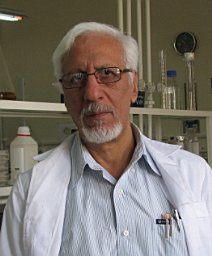 Gholamhossein Riazi合作论文数Institute of Biochemistry and Biophysics, University of Tehran12
 Mojtaba Shamsipur合作论文数Department of Analytical Chemistry, Faculty of Chemistry, Razi University12Mansour Zahedi合作论文数Department of Chemistry;Faculty of Sciences;Shahid Beheshti University;Faculty of Sciences, Shahid Beheshti University12
 Saeed Yousefinejad合作论文数Department of Chemistry, Shiraz University12




