There are currently fewer than ten antifungal drugs in clinical development, but new fungal strains, which are resistant to most current antifungals are spreading rapidly across the world. To prevent a second resistance crisis, new classes of antifungal drugs are urgently needed. Metal complexes have proven to be promising candidates for novel antibiotics, but so far, few compounds have been explored for their potential application as antifungal agents. In this work we report the evaluation of 1039 metal-containing compounds that were screened by the Community for Open Antimicrobial Drug Discovery (CO-ADD). We show that 20.9% of all metal compounds tested have antimicrobial activity against two representative Candida and Cryptococcus strains, compared with only 1.1% of the >300,000 purely organic molecules tested through CO-ADD. We identified 90 metal compounds (8.7%) that show antifungal activity while not displaying any cytotoxicity against mammalian cell lines or haemolytic properties at similar concentrations. The structures of 21 metal complexes which display high antifungal activity (MIC ≤ 1.25 µM) are discussed and evaluated further against a broad panel of yeasts. Most of these have not been evaluated for antifungal activity. Eleven of these metal complexes were tested for toxicity in the Galleria mellonella moth larvae model, revealing that only one compound showed signs of toxicity at the highest injected concentration. Lastly, we demonstrated that the organo-Pt(II) cyclooctadiene complex Pt1 significantly reduces fungal load in an in vivo G. mellonella infection model. These findings showcase that the structural and chemical diversity of metal-based compounds can be an invaluable tool in the development of new drugs against infectious diseases.
Background Interprofessional primary care teams (IPCTs) work together to enhance care. Despite evidence on the benefits of IPCTs, implementation remains challenging. This research aims to 1) identify and prioritize barriers and enablers, and 2) co-develop team-level strategies to support IPCT implementation in Nova Scotia, Canada.Methods Healthcare providers and staff of IPCTs were invited to complete an online survey to identify barriers and enablers, and the degree to which each item impacted the functioning of their team. Top ranked items were identified using the sum of frequency x impact for each response. A virtual knowledge sharing event was held to identify strategies to address local barriers and enablers that impact team functioning.Results IPCT members (n = 117), with a mix of clinic roles and experience, completed the survey. The top three enablers identified were access to technological tools to support their role, standardized processes for using the technological tools, and having a team manager to coordinate collaboration. The top three barriers were limited opportunity for daily team communication, lack of conflict resolution strategies, and lack of capacity building opportunities. IPCT members, administrators, and patients attended the knowledge sharing event (n = 33). Five strategies were identified including: 1) balancing patient needs and provider scope of practice, 2) holding regular and accessible meetings, 3) supporting team development opportunities, 4) supporting professional development, and 5) supporting involvement in non-clinical activities.Interpretation This research contextualized evidence to further understand local perspectives and experiences of barriers and enablers to the implementation of IPCTs. The knowledge exchange event identified actionable strategies that IPCTs and healthcare administrators can tailor to support teams and care for patients.
There are currently fewer than ten antifungal drugs in clinical development, but new fungal strains, which are resistant to most current antifungals are spreading rapidly across the world. To prevent a second resistance crisis, new classes of antifungal drugs are urgently needed. Metal complexes have proven to be promising candidates for novel antibiotics, but so far, few compounds have been explored for their potential application as antifungal agents. In this work we report the evaluation of 1039 metal-containing compounds that were screened by the Community for Open Antimicrobial Drug Discovery (CO-ADD). We show that 20.9% of all metal compounds tested have antimicrobial activity against two representative Candida and Cryptococcus strains, compared with only 1.1% of the >300,000 purely organic molecules tested through CO-ADD. We identified 90 metal compounds (8.7%) that show antifungal activity while not displaying any cytotoxicity against mammalian cell lines or haemolytic properties at similar concentrations. The structures of 21 metal complexes which display high antifungal activity (MIC ≤ 1.25 µM) are discussed and evaluated further against a broad panel of yeasts. Most of these have not been evaluated for antifungal activity. Eleven of these metal complexes were tested for toxicity in the Galleria mellonella moth larvae model, revealing that only one compound showed signs of toxicity at the highest injected concentration. Lastly, we demonstrated that the organo-Pt(II) cyclooctadiene complex Pt1 significantly reduces fungal load in an in vivo G. mellonella infection model. These findings showcase that the structural and These 21 complexes were tested against an extended panel of eight Candida and Cryptococcus strains. We used the same panel for the extended testing of a series of cobalt complexes (including Co1 ) in an earlier study. 28 The panel comprises strains with different resistance profiles, including clinical isolates which are resistant to multiple
Chemical reasoning takes many forms. The focus in this paper is on a reasoning process that facilitates using experimental evidence to make connections between macroscopic and submicroscopicdomains, which we will refer to ascreating representation. It is a particular type of reasoning that has played acritical role in chemistry, enabling numerous scientific advancements and discoveries. Yet, the skill of creating representation is often not explicitly addressed in our introductory classrooms or laboratories. Thispaper outlines a process for creating and using representation that builds on other constructivist approachesbut is framed in a new way to afford consistency across a continuum of novice learners to expert scientists.We illustrate how this approach is enacted in theCORElaboratory learning cycle (ChemicalObservationsRepresentationExperimentation), where supports are provided to help students generate ideas aboutrepresentation. We also illustrate how lab reports provide opportunities for reflection, which can generatenew ideas leading to revision of a representation. A comparison ofCOREwith the Atkin and Karpluslearning cycle is also included to show how these different learning opportunities engage students in complementary cognitive processes to promote chemical reasoning skills
Modified colloids and flat surfaces occupy an important place in materials science research due to their widespread applications. Interest in the development of modifiers that adhere strongly to surfaces relates to the need for stability under ambient conditions in many applications. Diazonium salts have evolved as the primary choice for the modification of surfaces. The term "diazonics" has been introduced in the literature to describe "the science and technology of aryldiazonium salt-derived materials". The facile reduction of diazonium salts via chemical or electrochemical processes, irradiation stimuli, or spontaneously results in the efficient modification of gold surfaces. Robust gold-aryl nanoparticles, where gold is connected to the aryl ring through bonding to carbon and films modified by using diazonium salts, are critical in electronics, sensors, medical implants, and materials for power sources. Experimental and theoretical studies suggest that gold-carbon interactions constructed via chemical reactions with diazonium salts are stronger than nondiazonium surface modifiers. This invited feature article summarizes the conceptual development of recent studies of diazonium salts in our laboratories and others with a focus on the surface modification of gold nanostructures, flat surfaces and gratings, and their applications in nanomedicine engineering, sensors, energy, forensic science, and catalysis.
The development of a remote, synchronous general chemistry lab course, which was offered to 800 students in the fall semester of 2020, is described. The course was designed with similar curricular goals as our in-person lab course and featured chemistry kits developed by a team of faculty, staff, and graduate TAs. The kits, which were distributed via a rental program through the university bookstore, provided students the opportunity to conduct hands-on experiments at home or in their dorm room. To create the remote lab course, the team negotiated logistical and curricular issues such as finding alternatives to costly precision glassware and instrumentation, adding strategies for engaging students online, decreasing chemical hazards of experiments, and encouraging a safety culture for students working remotely. A professional development graduate course for TA instructors, associated with the general chemistry lab program, was also enhanced by including topics that were relevant for understanding remote learning environments. In redesigning the lab course for remote delivery, we developed new experiments (e.g., calibration), introduced new engagement strategies (e.g., badging), revised several experiments (e.g., heats of reaction), included an Arduino-based spectrometer (e.g., visible spectroscopy and pulse oximetry), and provided new student supports (e.g., TAs on-call). Survey data was gathered to assess student evaluation of the hands-on activities, the presence of synchronous TA help, the badging experience, the value of the lab course, and challenges faced in taking the lab course during a pandemic.
In-depth kinetic insight into the catalytic reduction of nitrophenol pollutant using gold–carbon nanoparticles is described.
Graduate student teaching assistants (TAs) are often responsible for assessing student work, such as laboratory reports, and it is important that the same student effort be assessed similarly across TAs. Prior exercises with TAs showed a wide range of scoring among a team of TAs assessing the same lab report. A three-hour Professional Development (PD) activity spread over three weeks was conducted with TAs in a general chemistry course to gain skill in the assessment of lab reports within the context of working as a group. In week 1, TAs individually assessed an identical, redacted lab report. In week 2, TAs discussed their scoring of the first lab report, and then assessed and discussed selected portions of additional lab reports. During week 3, TAs assessed another redacted lab report. Results show a modest narrowing in TAs' scoring from week 1 to week 3, which suggests this activity could be employed as part of a strategy to develop "community" standards among TAs.
In this experiment, students build a spectrometer to explore infrared radiation and greenhouse gases in an inquiry-based investigation to introduce climate science in a general chemistry lab course. The lab is based on the exploration of the thermal effects of molecular absorption of infrared radiation by greenhouse and non greenhouse gases. A novel feature of the experiment has students building an infrared spectrometer, using a hot plate as an IR source, a sample compartment employing a plastic cuvette holder with open sides (to standardize the path length), and a low-cost infrared thermometer. Students, working in groups, (1) explore a PhET simulation; (2) design a set of experiments in response to a scientific question, "comparing the absorption of infrared light in the presence and absence of each different sample of gas, are there any significant differences that can be observed experimentally?"; (3) reflect on climate science and their experimental results by visiting the American Chemical Society Climate Science Toolkit; and (4) communicate their results in lab by constructing and presenting a poster. Assessment of student responses to a pre- and postexperiment question suggests that the lab has a positive influence on student understanding of the concepts involved in identifying greenhouse gases. Results postexperiment questions also provide information for what aspects of the online resources students found useful.
The mechanism of gold(i)-thiolate, disulfide exchange was investigated by using initial-rate kinetic studies, 2D ((1)H-(1)H) ROESY NMR spectroscopy, and electrochemical/chemical techniques. The rate law for exchange is overall second order, first order in gold(i)-thiolate and disulfide. 2D NMR experiments show evidence of association between gold(i)-thiolate and disulfide. Electrochemical/chemical investigations do not show evidence of free thiolate and are consistent with a mechanism involving formation of a [Au-S, S-S], four-centered metallacycle intermediate during gold(i)-thiolate, disulfide exchange.
The Polymers and Cross-Linking experiment is presented via a new three phase learning cycle: CORE (Chemical Observations, Representations, Experimentation), which is designed to model productive chemical inquiry and to promote a deeper understanding about the chemistry operating at the submicroscopic level. The experiment is built on two familiar activities often used in public outreach: mixing solutions of poly(vinyl alcohol) and sodium borate, producing the substance known as "slime", and linking paper clips as an analogy to represent polymers. In phase 1 of the CORE experiment, students prepare slime, and explore the properties of the separate solutions and slime. In phase 2, students use analogical reasoning to think about a representation for considering the chemistry at the submicroscopic level. The analogy activity includes using an Analog to Target Worksheet to carefully consider similarities and differences between the analog (paper clip chains) and target (polymers). Phase 3 begins with pairs of students designing experiments in response to this question: How do different proportions of the two reactants, poly(vinyl alcohol) and sodium borate, affect the material properties of the new polymer that is formed? In a recent JCE paper, we report the capacity for students to engage in using analogical reasoning when conducting the Polymer and Cross-Linking experiment. In this paper, we include an analysis of a postlab question, asking students to propose an alternative analogy that could be used in the lab experiment. Detailed analysis of a subset (23 out of 312) of student-generated alternative analogies is provided in Supporting Information. Together with the previously published paper, the data provides insight into student thinking about using analogical reasoning in the Polymers and Cross-Linking CORE experiment.
QM/MM studies were performed to explore the energetics of exchange reactions of glutathione disulfide (GSSG) and the active site of thioredoxin [Cys32-Gly33-Pro34-Cys35] with and without zinc(II), in vacuum and solvated models. The activation energy for exchange, in the absence of zinc, is 29.7 kcal mol(-1) for the solvated model. This is 3.3 kcal mol(-1) higher than the activation energy for exchange in the gas phase, due to ground state stabilization of the active site Cys-32 thiolate in a polar environment. In the presence of zinc, the activation energy for exchange is 4.9 kcal mol(-1) lower than in the absence of zinc (solvated models). The decrease in activation energy is attributed to stabilization of the charge-separated transition state, which has a 4-centered, cyclic arrangement of Zn-S-S-S with an estimated dipole moment of 4.2 D. A difference of 4.9 kcal mol(-1) in activation energy would translate to an increase in rate by a factor of about 4000 for zinc-assisted thiol-disulfide exchange. The calculations are consistent with previously reported experimental results, which indicate that metal-thiolate, disulfide exchange rates increase as a function of solvent dielectric. This trend is opposite to that observed for the influence of the dielectric environment on the rate of thiol-disulfide exchange in the absence of metal. The results suggest a dynamic role for zinc in thiol-disulfide exchange reactions, involving accessible cysteine sites on proteins, which may contribute to redox regulation and mechanistic pathways during oxidative stress.
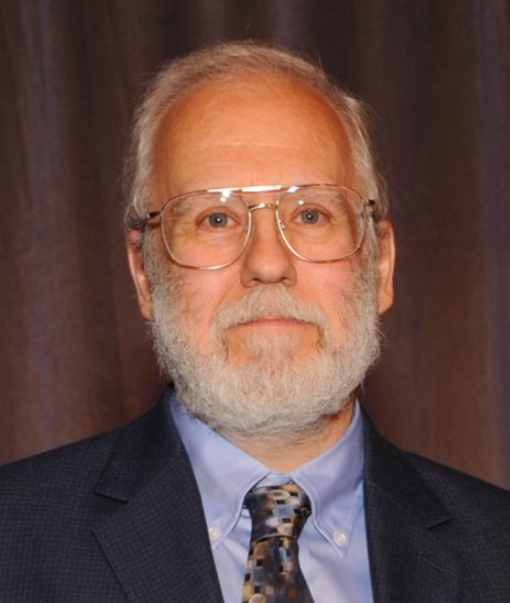 Mitchell R. M. Bruce合作论文数Department of Chemistry, University of Maine55
 Edward I. Stiefel合作论文数Princeton University15
 James L. Corbin合作论文数15Kenneth F. Miller合作论文数10Gamage S. P. Garusinghe合作论文数10Victor P. Dyadchenko合作论文数7
 François G. Amar合作论文数Department of Chemistry;University of Maine;Department of Chemistry, University of Maine7
 Ahmed A. Mohamed合作论文数6
 Jeremy M. Berg合作论文数School of Medicine, University of Pittsburgh6
 S. Max Bessey合作论文数6Scott A. Larkin合作论文数5Narayanakutty Pariyadath合作论文数5Jeanette A. Krause Bauer合作论文数5
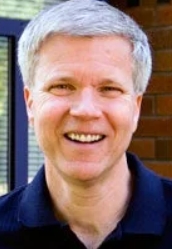 David Tyler合作论文数Department of Chemistry and Biochemistry, College of Arts and Sciences, University of Oregon5Amer Al Abdel Hamid合作论文数5
 Carl P. Tripp合作论文数5
 Asela Chandrasoma合作论文数4
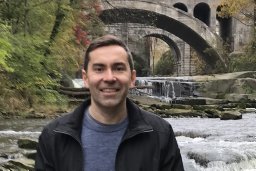 Mikhail V Makarov合作论文数A.N. Nesmeyanov Institute of Organoelement Compounds, Russian Academy of Sciences4
 Scot Edward Wherland合作论文数Department of Chemistry, Washington State University4Mostapha Aghamoosa合作论文数4
 Shirly Avargil合作论文数Department of Education in Technology and Science, Israel Institute of Technology4
 Ahmad A. L. Ahmad合作论文数3Ko Hodgson合作论文数3
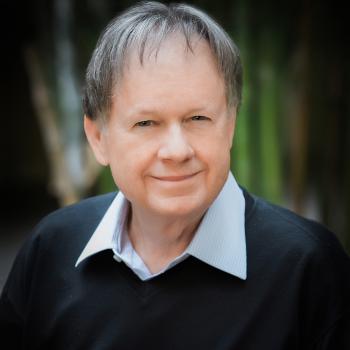 Keith Hodgson合作论文数SLAC National Accelerator Laboratory, School of Humanities and Sciences, Stanford University3Dmitrii a Lemenovskii合作论文数3Dmitrii A. Lemenovskii合作论文数3Victor P Dyadchenko合作论文数3Jay Heinecke合作论文数3Shyam Pokhrel合作论文数2Joseph Walter合作论文数2Tommy M. Wemyss合作论文数2Elizabeth Jeffers合作论文数2Ei Stiefel合作论文数2Seema Panicker合作论文数2
 Virginia J Flood合作论文数Dept Learning & Instruct, Univ Buffalo State Univ New York2
 Justin J. Wilson合作论文数Department of Chemistry and Chemical Biology, College of Arts and Sciences, Cornell University2
 Mansour Mahmoud Ahmed合作论文数2
 Cain Amy K合作论文数School of Molecular Bioscience, University of Sydney2
 Nicole Jung合作论文数2
 Matiadis Dimitris合作论文数2
 Stefan Bräse合作论文数Institut für Organische Chemie, Karlsruher Institut für Technologie2
 Grant Amy合作论文数2
 Frei Angelo合作论文数Department of Chemistry, University of Zurich2
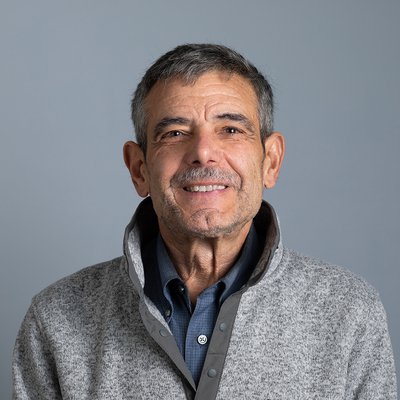 Jon Zubieta合作论文数Department of Chemistry, College of Arts & Sciences, Syracuse University2
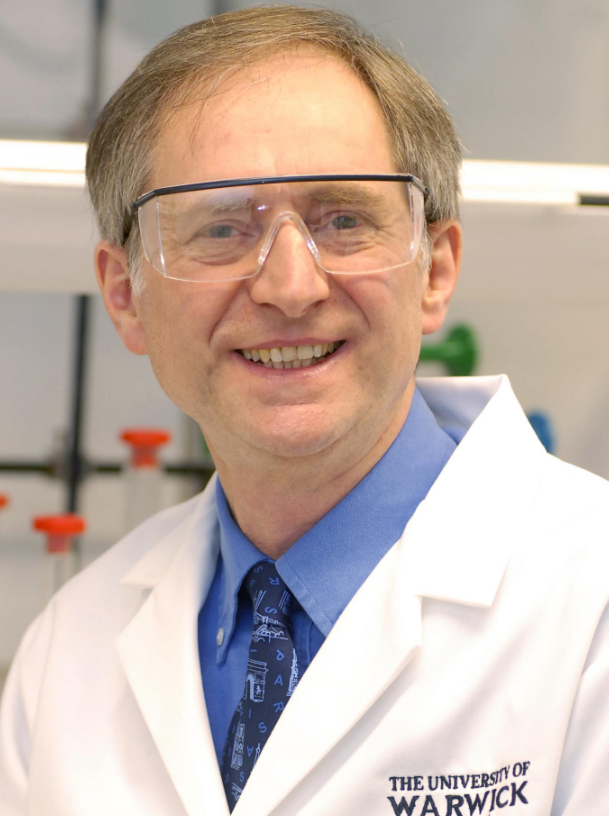 Peter Sadler合作论文数Department of Chemistry, University of Warwick2
 John H. Enemark合作论文数College of Science, University of Arizona/College of Medicine Tucson, University of Arizona2Nikita M. Belov合作论文数2Charles P. Marabella合作论文数2Jack T Spence合作论文数2




