This study optimized the co-encapsulation of the probiotic Lactobacillus brevis strain LSe and the prebiotic fructo-oligosaccharide (FOS) in calcium alginate beads using a Central Composite Design (CCD). The statistically derived optimal formulation (3.0
The presence of persistent pharmaceutical micropollutants like pyrvinium pamoate (PP) in aquatic environments demands eco-friendly remediation approaches. We report a bio-inspired LRE-Ca-1(0)(PO4)(6)(OH)(2)@Li-H3BTC-MOFs nanocomposite synthesized via in situ hydrothermal integration of licorice root extract (LRE)-functionalized hydroxyapatite with a lithium-based metal-organic framework. Comprehensive characterization (FTIR, XRD, SEM-EDX, DLS, TGA) confirmed nanoscale (similar to 100 nm) morphology, structural integrity, and retention of bioactive -OH, -COO-, and PO groups. Under UV irradiation (30 W/m(2)) and minimal H2O2 (0.55 mM), PP removal was optimized via Response Surface Methodology (D-optimal design, R-2 = 0.988), achieving 99.96% (SD = 2.7%) efficiency at low nanocomposite dosage (2 mg/L) and environmentally relevant PP concentration (30 mg/L). Kinetic studies revealed chemisorption-dominated removal (pseudo-second-order, R-2 = 0.9997), while reusability tests confirmed >85% performance retention after five cycles. This sustainable, plant-derived nanocomposite offers a scalable solution for efficient pharmaceutical pollutant removal under practical water treatment conditions.
Enzymes are used in various industries and one of the enzymes used in these industries is proteases. In this research, the effort was to optimize the immobilization process of Pseudomonas pseudoalcaligenes strain Te cells in calcium alginate beads, which would lead to a possible increase in the protease production. At first, the desired bacterial strain, i.e., P. pseudoalkaligenes strain Te, was selected and prepared. To optimize the immobilization process of desired bacterial cells in calcium alginate beads, the experimental design method was used by the help of Design-Expert software. The highest amount of enzyme production was determined that the levels of three variables including sodium alginate, 2.5
Lipid-based drug carriers have gained massive amounts of interest in the last two-decade period as a way to deliver drugs that are not particularly water-soluble. Pharmaceutical uses of lipid nanocarriers include carrying and administering a wide range of therapeutic ingredients. Solid lipid nanoparticles (SLNs) were designed and formulated to rise above the disadvantages of existing colloidal systems, including microemulsions, liposomes and polymeric nanoparticles, by offering benefits such as a favorable release profile and targeted medication distribution while having great physical integrity. We sought to evaluate the recent findings on the current issue to provide a comprehensive perspective of the subject utilizing an extensive literature search to pinpoint the latest scientific reports on this subject. The focus of this paper is on the research employing SLNs for delivery of medicinal plants and testing them in vitro and in vivo. There are a number various standard variables affecting the release of compounds from SLNs throughout all administration routes. Further, the current paper comprehensively elucidates assorted prospects of SLNs. Next, the investigated SLNs encapsulating herbal compounds in scientific articles are reviewed in details. As many herbal compounds are hydrophobic substances, the SLNs encapsulating them can be beneficial in various therapeutic applications. The most studies herbal compounds are Curcumin, followed by Silibinin and Artemisinin.
In the present study, the immobilization of Trametes versicolor laccase (TvLac) was optimized on the synthesized NaY-zeolite by experimental of design. For this purpose, the central composite design was employed to study the effects of the immobilization parameters on the activity of the immobilized TvLac on the NaY-zeolite. The optimum conditions were occurred at 2.5 mg/mL of NaY-zeolite concentration, 1 U/mg of enzyme concentration, 1 mM of glutaraldehyde concentration for 4 h immobilization time at 4 & DEG;C. In these conditions, the laccase activity developed to 15.68 & PLUSMN; 0.56 U/mg, which was very close to the predicted amount (16.09 & PLUSMN; 1.6 U/mg). Generally, the immobilized TvLac showed stability higher than that of the free TvLac at the different temperatures and pHs. The activity of the immobilized TvLac on the NaY-zeolite was 88.2% and 98.3% after incubation for 120 min at 60 & DEG;C and pH 5, respectively. Moreover, the free TvLac and immobilized TvLac on NaY-zeolite retained about 54.2% and 78.3% of its initial activity after 15 days of storage. The immobilized TvLac lost near 20% of its initial activity after 5 cycles of uses. The immobilized TvLac exhibited higher efficiency (93.0 & PLUSMN; 1.7% and 80.3 & PLUSMN; 1.8%, respectively) in removal of bromothymol blue (BTB) and trypan blue compared with the free TvLac (23.7 & PLUSMN; 1.8% and 15.1 & PLUSMN; 1.5%, respectively). Meanwhile, the kinetic parameters (Km and Vmax) for immobilized TvLac were 0.07 & mu;M and 1.38 & mu;mol/min, respectively, for removal of BTB. Therefore, the immobilized TvLac as a good candidate could be suggested for the elimination of dye-containing pollutants due to its high efficiency (more than 80%), which requires further investigations.& COPY; 2023 Institution of Chemical Engineers. Published by Elsevier Ltd. All rights reserved.
In the present study, the allantoin and silver nanoparticle (Ag NPs) loaded poly caprolactone/gelatin (PCL/GEL) nanofibers produced using electrospinning technique and their cyto-compatibility and wound healing activity were evaluated in vitro and in vivo. The SEM imaging revealed diameters of 278.8 ± 10 and 240.6 ± 12 nm for PCL/GEL/Ag NPs and PCL/GEL/Ag NPs/allantoin scaffolds. The Ag NPs entrapment into scaffolds was evaluated by FTIR analysis and EDX mapping. Both scaffolds containing Ag NPs and Ag NPs/allantoin exhibited valuable wound healing activity in Wistar rat animal model. The profound granulation tissue formation, high collagen deposition in coordination with low level of edema and inflammatory cells in Ag NPs/allantoin loaded scaffolds resulted in complete and mature re-epithelialization in giving the healing score (12 out of 12) equal to positive control group to the wounds treated with these scaffolds. It was concluded that the Ag NPs/allantoin loaded scaffolds regarding to their good antibacterial activity and excellent wound healing activity could be introduced as new effective wound dressing materials.
The hydroxyapatite/glycyrrhizin/lithium-based metal–organic framework (HA/GL/Li-MOF) nanocomposites were synthesized via the hydrothermal method in the presence of lecithin and glycyrrhizin. Fourier transform infrared (FTIR) spectroscopy, thermogravimetric analysis (TGA), and scanning electron microscopy (SEM) equipped with energy-dispersive X-ray spectroscopy (EDS) were applied for characterization of the fabricated nanocomposites. The HA/GL/Li-MOF and Li-MOF nanocomposites were employed as support for immobilization of Thermomyces lanuginosus lipase (TLL). The Plackett–Burman and Box-Behnken designs were used for screening and optimizing of variables affecting the immobilization conditions, respectively. The optimum specific activity of immobilized TLL on HA/GL/Li-MOF and Li-MOF nanocomposites (41.8 ± 1.2 U/mg and 39.4 ± 3.1 U/mg, respectively) was predictably determined at support concentration of 0.5 mg/mL, glutaraldehyde concentration of 5 mM, and enzyme activity of 20 U/mg, while the specific activities of TLL@ HA/GL/Li-MOF and TLL@Li-MOF were experimentally found to be 39.5 ± 3.7 U/mg and 38.5 ± 2.3 U/mg, respectively. The stability results showed that the TLL@ HA/GL/Li-MOF has suitable stability against pH and thermal denaturation. However, the immobilized TLL on Li-MOF represented lower stability compared with that of the HA/GL/Li-MOF. The immobilized TLL on HA/GL/Li-MOF maintained near 70% of its original activity after 15 days’ storage and during 5 runs of application. In addition, TLL@HA/GL/Li-MOF exhibited higher enzyme–substrate affinity (Km, 10.1 mM) compared to that of TLL@Li-MOF (Km, 23.4 mM). Therefore, these findings demonstrated the potential use of HA/GL/Li-MOF nanocomposites for enzyme immobilization.
The stabilizing effect of some osmolytes including betaine, mannitol, proline, sorbitol, and trehalose (each 0.5 M) was investigated on the ultrasound-irradiated (60 kHz and 138 W, for 240 min) lipase by determination of the enzyme half-life time, evaluation of the enzymatic reaction velocity (Vmax), and hydrolysis of coconut oil for production of lauric acid (the main saturated fatty acid of the oil). The enzyme conformational stability was also assessed by circular dichroism (CD) and fluorescence spectroscopy. The average half-life time of mannitol- and sorbitol-treated lipase under the ultrasound irradiation was 511 +/- 3 min and 531 +/- 2 min, respectively; 3-fold higher than the unirradiated enzyme. The Vmax value of the ultrasound-treated lipase increased from 100 +/- 3 nmol min- 1 in the absence of osmolyte to 500 +/- 7 nmol min- 1 and 500 +/- 9 nmol min- 1 in the presence of mannitol and sorbitol, respectively. CD and fluorescence spectra indicated that mannitol and sorbitol enhanced the rigidity of the lipase molecular conformational structure, increasing the enzyme stability against the ultrasonic field. The ultrasound-irradiated lipase was then used to hydrolyze coconut oil in the absence or presence of the selected osmolytes, which led to liberate 310 +/- 6 mg g-1, 413 +/- 7 mg g-1, and 420 +/- 4 mg g-1 of lauric acid in the absence or presence of sorbitol and mannitol, respectively. In the absence of an ultrasonic field, the nonosmotically-treated lipase was able to liberate only 211 +/- 5 mg g-1 of lauric acid. These promising results indicate that sorbitol and mannitol stabilize the structural conformation of lipase under an ultrasonic field which in turn could improve the enzymatic hydrolysis of coconut oil.
In this study, polycaprolactone/gelatin (PCL/GEL) electrospun nanofibers containing biogenic selenium nanoparticles (Se NPs) and Se NPs/vitamin E (VE) with average diameters of 397.8 nm and 279.5 nm, respectively (as determined by SEM inspection) were prepared and their effect on wound healing was evaluated using in-vivo studies. The energy dispersive X-ray (EDX) mapping, TEM micrograph, and FTIR spectra of the prepared nanofibers strongly demonstrated well entrapment of Se NPs and VE into scaffolds. An amount of 57% Se NPs and 43% VE were gradually released from PCL/GEL/Se NPs/VE scaffold after 4 days immersion in PBS solution (pH 7.4). The both PCL/GEL/Se NPs and PCL/GEL/Se NPs/VE scaffolds supported 3T3 cell proliferation and attachment as confirmed by MTT assay and SEM imaging. Complete re-epithelialization, low level of edema and inflammatory cells in coordination with high level of oriented collagens demonstrated the wound healing activity of PCL/GEL/Se NPs/VE. Besides, significant antioxidant efficacy of PCL/GEL/Se NPs and PCL/GEL/Se NPs/VE scaffolds was demonstrated according to GSH and MDA assays. To sum up, the prepared PCL/GEL/Se NPs/VE scaffold in the present study represented suitable healing effect on animal model which candidate it for further studies.
In the present study, multiwalled carbon nanotubes (MWCNTs) were functionalized with glycyrrhizin and Tween 80 and applied for immobilization of Pseudomonas cepacia lipase (PcL). Characterization of f-MWCNTs was performed through Fourier-transform infrared spectroscopy, thermal gravimetric, field emission scanning electron microscopy, and energy-dispersive X-ray spectroscopy analysis. The optimum specific activity of immobilized PcL (studied by Plackett–Burman statistical design) occurred at 0.3 mg/mL of f-MWCNTs, 25 mM of phosphate buffer (pH 6.0), 15 min sonication time, 8 U/mL of enzyme concentration, and 24 h immobilization time at 4 °C in the absence of glutaraldehyde. In these conditions, the specific activity was 16.57 ± 0.71 U/mg, which was very close to the predicted amount (16.62 ± 0.64 U/mg). The results of thermal and pH stability showed that the stability of immobilized PcL was higher than that of the free PcL. The activity of immobilized PcL on f-MWCNTs held 93% after being incubated for 60 min at 70 °C. Moreover, the immobilized PcL on f-MWCNTs retained about 65% of its initial activity after 30 days of storage at 25 °C. In addition, about 50% of initial activity of immobilized PcL retained after 10 cycles of uses. Therefore, f-MWCNTs could be introduced as suitable support for enzymes immobilization.
A zeolitic imidazolate framework (ZIF-90) has been synthesized through solvothermal method. The structure was characterized by means of FT-IR spectroscopy, X-ray diffraction, thermogravimetric analysis (TGA), and scanning electron microscopy (SEM)/energy dispersive X-ray spectroscopy (EDS). The synthesized ZIF-90 was applied as a support for immobilization of porcine pancreatic lipase (PPL). The immobilized enzyme (PPL@ZIF-90) exhibited immobilization yield and efficiency of 66 +/- 1.8% and 89 +/- 1.4%, respectively. The pH and thermal stability of PPL was improved after immobilization and the initial activity was retained at about 57% after 20days of storage at 4 degrees C for PPL@ZIF-90. Moreover, about 57% of the original activity was remained following 10 cycles of application. In Michaelis-Menten kinetic studies, K-m value for PPL@ZIF-90 was lower, while, the V-max was higher than free PPL Moreover, optimized conditions to produce fruity banana flavour upon esterification of butyric acid were investigated. The optimum esterification yield was 73.79 +/- 1.31% in the presence of 245 mg PPL@ZIF-90, alcohol/acid ratio of 2.78 and 39 h reaction time. PPL@ZIF-90 showed 39% relative esterification yield after six cycles of reuse. The results suggested that PPL@ZIF-90 can be used as a potential effective biocatalyst for synthesis of isoamyl butyrate. (C) 2020 Published by Elsevier B.V.
In an attempt to find new potent cytotoxic compounds, several mono- and bis-pyrazolophthalazines 4a-m and 6a-h were synthesized through an efficient, one-pot, three- and pseudo five-component synthetic approach. All derivatives were evaluated for their in vitro cytotoxic activities against four human cancer cell lines of A549, HepG2, MCF-7, and HT29. Compound 4e showed low toxicity against normal cell lines (MRC-5 and MCF 10A, IC50 > 200 mu M) and excellent cytotoxic activity against A549 cell line with IC50 value of 1.25 +/- 0.19 mu M, which was 1.8 times more potent than doxorubicin (IC50 = 2.31 +/- 0.13 mu M). In addition, compound 6c exhibited remarkable cytotoxic activity against A549 and MCF-7 cell lines (IC50 = 1.35 +/- 0.12 and 0.49 +/- 0.01 mu M, respectively), more than two-fold higher than that of doxorubicin. The binding properties of the best active mono- and bis-pyrazolophthalazine (4e and 6c) with HSA and DNA were fully evaluated by various techniques including UV-Vis absorption, circular dichroism (CD), Zeta potential and dynamic light scattering analyses indicating interaction of the compounds with the secondary structure of HSA and significant change of DNA conformation, presumably via a groove binding mechanism. Additionally, molecular docking and site-selective binding studies confirmed the fundamental interaction of compounds 4e and 6c with base pairs of DNA. Compounds 4e and 6c showed promising features to be considered as potential lead structures for further studies in cancer therapy.
In December 2019, a cluster of pneumonia caused by a novel coronavirus (2019-nCoV), officially known as severe acute respiratory syndrome coronavirus 2 (SARS-CoV-2), emerged in Wuhan, Hubei province, China. Cytokine storm is an uncontrolled systemic inflammatory response resulting from the release of large amounts of pro-inflammatory cytokines and chemokines that occurs at phase 3 of viral infection. Such emergence led to the development of many clinical trials to discover efficient drugs and therapeutic protocols to fight with this single-stranded RNA virus. Corticosteroids suppress inflammation of the lungs during the cytokine storm, weaken immune responses, and inhibit the elimination of pathogen. For this reason, in COVID-19 corticosteroid therapy, systemic inhibition of inflammation is observed with a wide range of side effects. The present review discusses the effectiveness of the corticosteroid application in COVID-19 infection and the related side effects of these agents. In summary, a number of corticosteroids, including and especially methylprednisolone and dexamethasone, have demonstrated remarkable efficacy, particularly for COVID-19 patients who underwent mechanical ventilation.
The biologically synthesised tellurium nanoparticles (Te NPs) were applied in the fabrication of Te NP-embedded polycaprolactone/gelatin (PCL/GEL) electrospun nanofibres and their antioxidant and in vivo wound healing properties were determined. The as-synthesised nanofibres were characterised using scanning electron microscopy (SEM), energy-dispersive X-ray (EDX) spectroscopy and elemental mapping, thermogravimetric analysis (TGA), and Fourier-transform infrared (FTIR) spectroscopy. The mechanical properties and surface hydrophobicity of scaffolds were investigated using tensile analysis and contact angle tests, respectively. The biocompatibility of the produced scaffolds on mouse embryonic fibroblast cells (3T3) was evaluated using MTT assay. The highest wound healing activity (score 15/19) was achieved for scaffolds containing Te NPs. The wounds treated with PCL/GEL/Te NPs had inflammation state equal to the positive control. Also, the mentioned scaffold represented positive effects on collagen formation and collagen fibre's horizontalisation in a dose-dependent manner. The antioxidative potency of Te NP-containing scaffolds was demonstrated with lower levels of malondialdehyde (MDA) and catalase (∼3 times) and a higher level of glutathione (GSH) (∼2 times) in PCL/GEL/Te NP-treated samples than the negative control. The obtained results strongly demonstrated the healing activity of the produced nanofibres, and it can be inferred that scaffolds containing Te NPs are suitable for wound dressing.
Antibacterial photodynamic therapy (aPDT) has drawn increasing attention as a noninvasive approach to remove bacterial contaminants such as E. faecalis from the tooth surface. In this study, curcumin (CUR) was loaded into ZSM-5 zeolite and the prepared photosensitizers (CUR@ZSM) were characterized by Fourier transform infrared spectroscopy (FT-IR), X-ray diffraction (XRD), scanning electron microscopy (SEM), and ultraviolet–visible spectroscopy (UV–Vis). The loading efficiency, and release behavior of CUR were studied in CUR@ZSM. The antimicrobial and anti-biofilm potential of the photosensitizer were evaluated against E. faecalis via colony forming unit and crystal violet assays, respectively. No significant changes were observed in the size, morphology and crystallinity of the zeolite after CUR loading. CUR@ZSM showed a significant photodynamic inactivation effect through complete bacterial elimination and reduced the biofilm formation ability of E. faecalis up to about 80%. The results revealed that CUR@ZSM could be considered as a new potential photosensitizer for further study against endodontic infections.
The resistance of diclofenac (DCF), one of the most popular nonsteroidal anti-inflammatory drugs, to biodegradation processes and its abundance in the aquatic environment made it an environmental concern. Degradation by ultraviolet (UV) irradiation in the presence of various catalysts has possibility to eliminate DCF from water resources. In the present study, optimization of DCF degradation under UV light irradiation using biogenic selenium nanoparticles (Se NPs) in the presence of H2O2 (assisted by central composite design) in a photoreactor followed by identification of the produced metabolites (using GC-MS (ED technique) was evaluated. To assess the influence of parameters on the UV/Se NPs/H2O2-assisted degradation efficiency of DCF, four main factors including light intensity (W/m(2)), Se NPs concentration (mu g/mL), pH, and H2O2 concentration (mM) were chosen. Predicted values of degradation efficiency were found to be in good agreement with experimental values (Pre-R-2= 0.9982 and Adj-R-2 = 0.9953). Optimization results showed that maximum degradation efficiency (97.43%) was achieved at the optimum conditions including Se NPs concentration of 32 mu g/mL, UV light intensity of 30 W/m(2), pH 7.5, and H2O2 concentration of 0.05 mM. 1-(2, 6-dichlorophenyl)-2-indolinone was found to be the main product among several peaks in the GC-MS chromatogram of the DCF treated sample.
Several cultural and psychological factors can affect the behavior of users towards the use and acceptance of mobile-based educational applications. One of the methods to measure the factors resulting in the acceptance of mobile-based educational applications is Unified Theory of Acceptance and Use of Technology (UTAUT). The objective of this study was to evaluate the behavioral intention of the pharmacy students for acceptance and long-term use of the mobile-based application for educating safety measures in pharmaceutical laboratories (LabSafety) using UTAUT2 in 2017–2018. The research population was all pharmacy students (n = 241) who had experience of using the LabSafety application. Data were collected using a translated and modified version of the UTAUT2 questionnaire. The Partial Least Squares Structural Equation Modelling (PLS-SEM) was used for statistical analysis. Based on the obtained results, “Performance Expectancy”, “Social Influence” and “Habit” had positive effects on “Behavioral Intention”. “Behavioral Intention” had significant positive effects on “Use Behavior”. The effect of “Habit” on “Use Behavior” in men was higher than women. As a result, the usefulness of educational applications such as LabSafety, their positive impact on the improvement of students’ efficiency, and the influence of the faculty member’ viewpoints on their use can result in frequent and daily use of these applications.
The thermoalkalophilic lipase from Bacillus atrophaeus (BaL) was immobilized onto amine-functionalized graphene oxide nanosheets coated with the poly (maleic anhydride-alt-1-octadecene) copolymer (GO-NH2-PMAO) and activated with glutaraldehyde as spacer arm through interfacial activation and subsequent multipoint covalent attachment. Experimental design method was applied for optimization of immobilization conditions including GO-NH2-PMAO concentration, buffer concentration, pH, sonication time, enzyme concentration, glutaraldehyde concentration, time, and temperature. The optimum specific activity of the immobilized BaL (105.95 ± 2.37 U/mg) reached at 5 mg/mL for GO-NH2-PMAO, 25 mM of buffer, pH 6.0, 60 min sonication time, 100 mM glutaraldehyde, 60 U/mL of enzyme, and 4 h of immobilization time at 25 °C, which was very close to the predicted amount (106.08 ± 1.42 U/mg). Maximum immobilization yield (81.35%) and efficiency (277.63%) were determined in optimal immobilization conditions. The obtained results clearly indicated that the immobilized BaL exhibited better stability at extreme temperature and pH than the free BaL. At temperature of 90 °C and pH 11, more than 90% of the initial activity of the immobilized BaL was retained. Furthermore, the immobilized BaL retained about 90% of its initial activity after 10 days of storage and 6 cycles of application. The esterification studies showed that maximum bioconversion of valeric acid to pentyl valerate using the free BaL (34.5%) and the immobilized BaL (96.3%) occurred in the xylene medium after 48 h of incubation at 60 °C. Therefore, the BaL immobilized on GO-NH2-PMAO was introduced as an effective biocatalyst to synthesize green apple flavour ester.
Synthesis of (3-aminopropyl) triethoxysilane (APTES)-functionalized graphene oxide (GO) nanosheets, statistical optimization of conditions for immobilization of Bacillus atrophaeus lipase (BaL) on as-synthesized support, and application of the immobilized BaL for esterification of valeric acid were carried out in this investigation. The optimum specific activity of the immobilized BaL (81.60 ± 0.28 U mg−1) was achieved at 3 mg mL−1 of GO-NH2, 50 mM of phosphate buffer, pH 7.0, 60 min sonication time, 100 mM glutaraldehyde, 25 U mL−1 of enzyme, and 8 h immobilization time at 4 °C. The immobilized BaL retained about 90% of its initial activity after 10 days of storage. Moreover, about 70% of the initial activity of the immobilized BaL was retained after 10 cycles of application. The results of esterification studies exhibited that maximum pentyl valerate synthesis using the free BaL (34.5%) and the immobilized BaL (92.7%) occurred in the organic solvent medium (xylene) after 48 h of incubation at 60 °C.
Multi-Target approach is particularly promising way to drug discovery against Alzheimer's disease. In the present study, we synthesized a series of compounds comprising the carbazole backbone linked to the benzyl piperazine, benzyl piperidine, pyridine, quinoline, or isoquinoline moiety through an aliphatic linker and evaluated as cholinesterase inhibitors. The synthesized compounds showed IC50 values of 0.11-36.5 mu M and 0.02-98.6 mu M against acetyl-and butyrylcholinesterase (AChE and BuChE), respectively. The ligand-protein docking simulations and kinetic studies revealed that compound 3s could bind effectively to the peripheral anionic binding site (PAS) and anionic site of the enzyme with mixed-type inhibition. Compound 3s was the most potent compound against AChE and BuChE and showed acceptable inhibition potency for self- and AChE-induced A beta(1-42) aggregation. Moreover, compound 3s could significantly protect PC12 cells against H2O2-induced toxicity. The results suggested that the compounds 3s could be considered as a promising multi-functional agent for further drug discovery development against Alzheimer's disease.
 Hamid Forootanfar合作论文数Faculty of Pharmacy, Kerman University of Medical Sciences38
 Shakibaie Mojtaba合作论文数Institute of Neuropharmacology, Kerman University of Medical Sciences23
 Atefeh Ameri合作论文数Kerman University of Medical Sciences15
 Mohammad Ali Faramarzi合作论文数Department of Pharmaceutical Biotechnology, Faculty of Pharmacy, Tehran University of Medical Sciences, Tehran 14174, Iran15
 Mehdi Khoobi合作论文数Faculty of Pharmacy and Pharmaceutical Sciences Research Center, Tehran University of Medical Sciences9
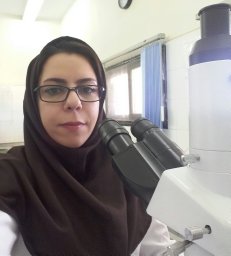 Jafari Mandana合作论文数Institute of Neuropharmacology, Kerman University of Medical Sciences7
 Alireza Foroumadi合作论文数Department of Medicinal Chemistry, Faculty of Pharmacy, Tehran University of Medical Sciences;Pharmaceutical Sciences Research Center, Tehran University of Medical Sciences6
 Mohsen Doostmohammadi合作论文数Pharmaceutical Sciences and Cosmetic Products Research Center, Kerman University of Medical Sciences5
 Nasser Ashrafi合作论文数Dept Geol, Payame Noor Univ5
 Adeli-Sardou Mahboubeh合作论文数Herbal and Traditional Medicines Research Center, Kerman University of Medical Sciences5
 Hamid Reza Rahimi合作论文数5
 h pirooj合作论文数4
 a kamali合作论文数Res Ctr Conservat Culture Rel RCCCR, Res Inst Cultural Heritage & Tourism4
 Amirpour-Rostami Sahar合作论文数4
 Hamid Nadri合作论文数Faculty of Pharmacy and Pharmaceutical Sciences Research Center, Tehran University of Medical Sciences4
 Nelson Eby合作论文数Department of Environmental Earth and Atmospheric Sciences, College of Sciences, University of Massachusetts Lowell4
 Ahmad Jahangiri合作论文数Faculty of Natural Sciences, University of Tabriz4
 Zahra Abdolahi合作论文数Faculty of Pharmacy, Shahid Sadoughi University of Medical Sciences3
 Beyza Ayazgok合作论文数Hacettepe University3
 Elham Jafari合作论文数Department of Pathology and Pathology and Stem Cells Research Center, Kerman University of Medical Sciences3
 Mogharabi Mehdi合作论文数Faculty of Pharmacy and Biotechnology Research Center, Tehran University of Medical Sciences;Pharmaceutical Sciences Research Center, Tehran University of Medical Sciences;Tehran University of Medical Sciences, Tehran University of Medical Sciences3
 Tahmasbi Hamed合作论文数Faculty of Pharmacy and Biotechnology Research Center, Tehran University of Medical Sciences3
 Rezaei Shahla合作论文数Faculty of Pharmacy and Biotechnology Research Center, Tehran University of Medical Sciences3
 Tuba Tuylu Kucukkilinc合作论文数3
 Reza Khajouei合作论文数University of Amsterdam, Kerman University of Medical Sciences3Leili Jalili-Baleh合作论文数3
 Bagher Amirheidari合作论文数3
 Saeed Emami合作论文数Department of Medicinal Chemistry, Faculty of Pharmacy, Mazandaran University of Medical Sciences3m moazen合作论文数2Amir Foroutanfar合作论文数2
 Mehrabani Mitra合作论文数2Sara Tarighi合作论文数2
 Mehdi Ranjbar合作论文数2
 Mostafa Golshani合作论文数Dept Med Chem, Univ Tehran Med Sci2
 Farhad Pirmohammadi Alishah合作论文数2
 Mohammad Amin Langarizadeh合作论文数Student Researche Comm, Kerman Univ Med Sci2Amir Najafi合作论文数2
 Masoud Rezaei合作论文数Fac Med, Kerman Univ Med Sci2
 Somayeh Mojtabavi合作论文数Dept Pharmaceut Biotechnol, Univ Tehran Med Sci2
 Arefeh Ameri合作论文数Faculty of Management and Medical Information Sciences, Kerman University of Medical Sciences2
 Mohsen Moayyed合作论文数Dept Earth Sci, Univ Tabriz2
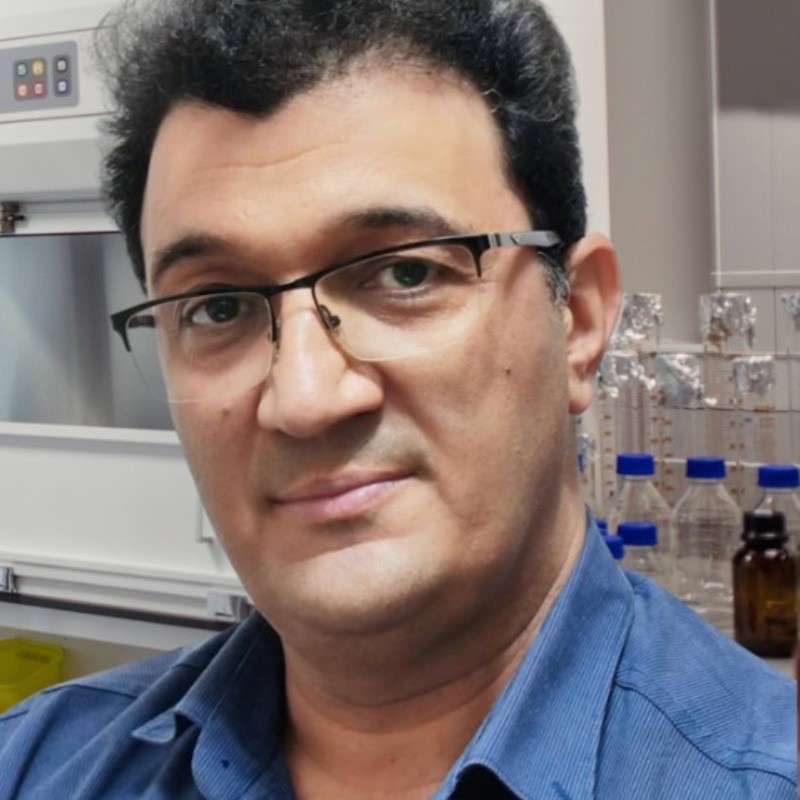 Masoud Torkzadeh-Mahani合作论文数Actozyme Innovative Solutions2
 mohammad reza shakibaie合作论文数Department of Microbiology and Virology, Kerman University of Medical Sciences;Research Center for Infectious Diseases and Tropical Medicine, Kerman University of Medical Sciences;Kerman University of Medical Sciences, Kerman University of Medical Sciences2
 Homayouni Moghadam Farshad合作论文数School of Medicine, Shahid Sadoughi University of Medical Sciences2
 Ghadamali Khodarahmi合作论文数Department of Medicinal Chemistry, Isfahan University of Medical Sciences2Haghiri Mahboobe合作论文数2
 Ismaeil Haririan合作论文数Faculty of Pharmacy, Tehran University of Medical Sciences2
 Farshid Hassanzadeh合作论文数Department of Medicinal Chemistry, Isfahan University of Medical Sciences2
 Mohammad Reza Khoshayand合作论文数Faculty of Pharmacy, Tehran University of Medical Sciences2




