PURPOSE:To evaluate the current literature to determine the impact of concomitant alignment or meniscal surgery on outcomes in patients undergoing cartilage restoration surgery. METHODS:A systematic review was performed according to Preferred Reporting Items for Systematic Reviews and Meta-Analyses guidelines utilizing a comprehensive search of MEDLINE, EMBASE, and The Cochrane Library databases. Studies were included if they reported clinical outcomes of cartilage restoration with concomitant osteotomy or meniscal allograft transplantation performed. Data extraction included functional outcomes, failure rates, and International Cartilage Repair Society/Magnetic Resonance Observation of Cartilage Repair Tissue scores. RESULTS:A total of 40 studies, comprising 1783 knees, were included. Patients undergoing cartilage restoration with concomitant osteotomy had a lower range of failure rates (0.0%-10.5%) compared with cartilage restoration alone (0%-41.7%). Similarly, cartilage repair with meniscal allograft transplantation had increased Lysholm and International Knee Documentation Committee scores from preoperative ranges of 41.9-70.6 and 32.9-45.5 to 63.6-88.0 and 55.3-76.0, respectively. The failure rates for cartilage restoration with concomitant meniscal allograft transplantation (range: 14.0-15.2) were comparable to cartilage restoration alone (range: 12.1-14.0). Additionally, the mean heterogeneity within the included studies ranged from 0% to 98%. CONCLUSIONS:Available evidence suggests that osteotomy and meniscal allograft transplantation can be performed concomitantly with cartilage restoration without adversely affecting overall outcomes. These procedures may be particularly relevant for patients with malalignment or meniscal deficiency, where mechanical factors contribute to disease progression. LEVEL OF EVIDENCE:Level IV, systematic review of Level II, III, and IV studies.
Background:Arthroscopy simulation has been shown to improve resident performance. Surgical simulation is desired by trainees and program directors; however, the simulator must be used regularly to receive maximal benefit. Unfortunately, in the absence of a formal recommended curriculum many trainees are not regularly utilizing these educational resources. The objective of this paper was to determine the change in arthroscopy simulator utilization following the implementation of an arthroscopy simulation curriculum for orthopedic surgery residents. Methods:This was a multi-center retrospective cohort study in which an arthroscopic simulation curriculum was developed and then implemented in October 2023 as recommended learning at two orthopedic surgery residency programs (80 residents) to be completed during their sports rotations during their PGY1, PGY2, and PGY4 years. A third program without a formal curriculum was used as a control (26 residents). Prior to implementation simulator was available for self-directed learning. Following implementation, the simulator was still available at any time, but certain modules were recommended to be completed while on sports rotations. The simulator usage before and after implementation of the curriculum was compared using two-tailed t-tests of pooled data comparing the months where a curriculum was and was not recommended. Pooled data for the two programs with a curriculum was compared from before and after curriculum was implemented. Results:For the two programs that implemented the curriculum, there was an increase from 0.05 hours (3 min) per resident per month to 0.24 hours (14.4 min) per resident per month for a 4.7-fold increase.Across all three residency programs, implementation of a formal curriculum demonstrated an increase from 0.10 hours (6.25 min) per resident per month to 0.24 hours (14.4 min) per resident per month (p-value 0.0022). Overall, curriculum implementation was associated with a 2.3-fold increase in simulator use. Conclusion:Having a formal curriculum that is recommended by orthopedic surgery residency programs increased simulator utilization by 2.34.7 times. Structured, recommended curricula may be necessary for residents to fully engage with simulation resources. Level of Evidence:IV.
Purpose:To develop and implement a simulation-based arthroscopy curriculum for orthopaedic surgery interns to be completed during their required orthopaedic intern skills month and to evaluate its effectiveness, feasibility, and impact on resident confidence. Methods:Twenty-one first year residents prospectively completed arthroscopic skill evaluation using VirtaMed augmented reality surgical simulator for the Fundamentals of Arthroscopy Surgical Training (FAST), shoulder, and knee models. Participants then completed the self-confidence score for surgical trainees survey. Then, they completed simulation training modules on each model over the course of their 1-month intern skills rotation. Each module contained 13-14 exercises. Following training, skill evaluations were repeated for each module and self-confidence survey was repeated. Results:One hundred percent of eligible participants were enrolled, and 100% completed the curriculum. Participant performance improved for all 3 modules (FAST, knee, shoulder). In the FAST modules, pretest to posttest scores for image centering improved from 64.1% to 95.5% (P < .001), and triangulation and probing improved from 73.5% to 88.4% (P = .019). In the knee modules, performance improved on diagnostic arthroscopy from 49.9% to 88.8% (P = .003) and on loose body removal from 40.0% to 75.3% (P < .001). In the shoulder modules, performance improved on the diagnostic arthroscopy from 89.9% to 98.9% (P = .011) and for loose body removal from 77.8% to 95.2% (P = .002). Self-confidence scale improved from 15.4 to 21.2 (P < .001). Acceptability of intervention measure, intervention appropriateness measure, and feasibility of intervention was 4.8, 4.6, and 4.7 respectively. Total self-paced time to completion was 4.9 h for all 3 sections. The shoulder took the most time (1.8 hours), followed by the knee (1.6 hours) and FAST (1.5 hours). Conclusions:The proposed arthroscopy simulation curriculum showed improvement in speed and skill on the arthroscopy simulator and improved personal confidence for orthopaedic surgery interns. It was able to be completed in less than 5 hours with 100% completion rate. Clinical Relevance:Arthroscopy is an essential skill for orthopaedic surgery residents. High-fidelity simulation is effective at teaching these skills in a safe and controlled environment.
The purpose of this article is to provide a clinically oriented classification system for superior labral injuries based on etiology, pathoanatomy, and associated biceps-labrum anchor complex injuries. The proposed classification system is based primarily on the mechanism of superior labral injuries as an ABCD classification (A, acute trauma; B, Bankart extension from instability; C, chronic repetitive overhead activity; and D, degenerative). The recognition of the cause is paramount to appropriately treating these patients, especially when considering operative treatment. Traumatic injuries include compressive loads, axial traction, or torsional loading and can also be secondary to shoulder instability events. Chronic overuse-related superior labral injuries typically occur with repetitive overhead activities, most commonly throwing mechanisms in athletes. Degenerative changes to the superior labrum are related to normal aging processes and are often identified during evaluation and management of other conditions (e.g., rotator cuff tears). Superior labral anatomic variants may also be present that may alter labral loading. Nonoperative management is often an appropriate and effective initial treatment for superior labral injuries, unless there are obvious pathologic changes altering the mechanics of the glenohumeral joint (large labral flap tears, bucket handle tears, etc.) or other associated injuries (traumatic rotator cuff tears, fractures, etc.). Surgical treatment principles include (1) preserving normal mobility of the superior labrum/biceps tendon complex; (2) when detached, repairing the normally fixed inferior labrum anteriorly and posteriorly; (3) considering biceps tenotomy or tenodesis when pathologic changes extend into the long head of the biceps tendon; and (4) considering individual patient factors in each case. In addition to these general principles, the classification guides operative treatment. LEVEL OF EVIDENCE: Level V, expert opinion.
Nonoperative management versus medial patellofemoral ligament reconstruction (MPFLR) for first-time patellar dislocations remains controversial, and it is unclear whether the increased up-front costs from MPFLR are justified. To compare the cost-effectiveness of an initial trial of physical therapy alone to that of early MPFLR to determine the preferred cost-effective treatment strategy for first-time patellar dislocations. Economic and decision analysis; Level of evidence, 3. A Markov chain Monte Carlo probabilistic model was developed to evaluate the outcomes and costs (in US$) of 1000 simulated patients undergoing nonoperative management versus MPFLR for first-time patellar dislocations. Health utility values, transition probabilities, and costs were derived from published level 1/2 evidence in the literature. Outcome measures included costs, quality-adjusted life years (QALYs), and the incremental cost-effectiveness ratio (ICER). The 10-year cost for each patient in the microsimulation model was averaged by the initial treatment strategy to capture the costs of any subsequent treatment methods that the patient underwent as a result of recurrent dislocations. Cycle length was defined as 1 year, with all costs and utilities discounted at 3% annually. Over the 10-year time horizon, mean total costs resulting from nonoperative management and MPFLR were $46,223 ± $9562 and $37,298 ± $14,130, respectively. On average, MPFLR was associated with 8.5 ± 0.6 QALYs, while nonoperative management was associated with 7.1 ± 0.5 QALYs. Overall, MPFLR was determined to be the preferred cost-effective strategy in 95.3% of patients included in the microsimulation, with nonoperative management predicted to be the preferred strategy in 4.7% of patients. MPFLR was shown to be the dominant cost-effective treatment strategy for first-time patellar dislocations based on the Monte Carlo microsimulation and probabilistic sensitivity analysis, and despite increased up-front costs, MPFLR was found to save costs in the long term. Patients who underwent an initial trial of nonoperative management experienced an increased risk of recurrent dislocations that ultimately resulted in an average cost for the nonoperative group that exceeded that of the MPFLR group because of the increased downstream costs incurred for recurrent dislocations. While this study supports the long-term cost-saving potential of MPFLR, these findings should be interpreted within the context of individual patient characteristics and clinical judgment.
Background: Operating room efficiency is of paramount importance for scheduling, cost efficiency, and to allow for the high operating volume required to address the growing demand for arthroplasty. The purpose of this study was to develop a machine learning predictive model for total shoulder arthroplasty (TSA) procedure duration and to identify factors which are predictive of a prolonged procedure. Methods: A retrospective review was undertaken of all TSA between 2013 and 2021 in a large academic institution. Patient, surgeon, anesthetic, and shoulder-specific factors were assessed. The duration of time in the operating room was recorded and compared to the human scheduler and electronic health record predicted procedure duration. Two gradient-boosted decision tree regression models were created with both training and validation datasets. The mean squared logarithmic error was chosen as the loss function. The first model (M1) considered patient, surgeon, and anesthetic factors, while the second model (M2) considered shoulder anatomy and pathology specific factors in addition. Results: Human schedulers' predicted 64.1% of cases accurately, with 26.7% underpredicted and 9.2% overpredicted. M1 successfully predicted 79.7% of cases, with 6.9% underpredicted and 13.4% overpredicted. M2 successfully predicted 82.5% of cases with 8.8% underpredicted and 8.8% overpredicted. M2 was significantly more accurate in predicting anatomic total shoulder arthroplasty compared to reverse (rTSA) (90.6% vs. 78.1%, P < .001).The feature with the greatest impact on the shoulder-specific model's prediction was the historical median procedure duration; followed by the electronic health record prediction, surgeon prediction, patient age, and a traumatic indication. Factors which were associated with underpredicting procedure duration included younger age, traumatic indication, male sex, greater body mass index, and a B2 glenoid. Conclusion: Machine learning predictive models outperformed traditional scheduling, with a model incorporating general and shoulder-specific data providing the most accurate prediction of TSA procedure duration. Integration of modeling has the potential to optimize theater utilization and improve efficiency. Level of evidence: Basic Science Study; Computer Modeling Using AI/Machine Learning (c) 2025 Journal of Shoulder and Elbow Surgery Board of Trustees. All rights are reserved, including those for text and data mining, AI training, and similar technologies.
Females are at greatest risk for reinjury after return to sport (RTS) following anterior cruciate ligament (ACL) reconstruction (ACLR). The reasons for these sex differences, however, remain unclear. Psychological factors such as kinesiophobia have been identified as a potential predictor for reinjury following RTS. Studies investigating kinesiophobia have identified sex differences, yet whether this holds in the ACLR population remains unknown. The purpose of this study was to examine whether there are sex differences in kinesiophobia and other psychological factors, such as readiness to RTS and self-reported pain in the ACLR population. A total of 20 participants, eleven males (23.0 ± 8.4 years, 178.9 ± 7.6 cm, 76.8 ± 10.4 kg) and 9 females (19.6 ± 5.3 years, 165.1 ± 4.0 cm, 73.2 ± 25.0 kg) voluntarily participated in this study. The Tampa Scale for Kinesiophobia (TSK-11), Anterior Cruciate Ligament Return to Sport After Injury (ACL-RSI) scale, and self-reported pain using a visual analog scale (VAS) were administered after clearance for RTS (10.5 ± 2.3 months post-ACLR). Statistical significance was set a priori at p<0.05. A significant difference between sexes was observed for the ACL-RSI with males reporting a significantly higher score (92.82±16.16) compared to females (77.0±15.54; p = 0.040). There were no significant differences between sexes for VAS for pain (males = 4.55 ± 6.50; females = 1.22 ± 3.31; p = 0.228) and TSK-11 (males = 18.73 ± 3.17; females = 19.67 ± 4.61; p = 0.596). The results of this study demonstrated males had significantly higher ACL-RSI scores than females, suggesting males may have higher psychological readiness following clearance for RTS. This study did not demonstrate significant differences between sexes for kinesiophobia or pain level. Caution in interpretation of results is warranted due to the small sample size, highlighting the need for further research in this area.
OBJECTIVES:Racial disparities in healthcare outcomes exist, including in orthopaedic trauma care. The aim of this study was to determine the impact of race, social deprivation, and payor status on 90-day emergency department (ED) revisits among orthopaedic trauma surgery patients at a Level 1 trauma academic medical center.METHODS:DESIGN:Retrospective chart review analysis.SETTING:Level 1 trauma academic center in Durham, NC.PATIENT SELECTION CRITERIA:Adult patients undergoing orthopaedic trauma surgery between 2017 and 2021.OUTCOME MEASURES AND COMPARISONS:The primary outcome of this retrospective cohort study was 90-day return to the ED. Logistic regression analysis was performed for variables of interest [race, social deprivation (measured by the Area Deprivation Index), and payor status] separately and combined, with each model adjusting for distance to the hospital. Results were interpreted as odds ratios (ORs) of 90-day ED revisits comparing levels of the respective variables. Statistical significance was assessed at α = 0.05.RESULTS:A total of 3120 adult patients who underwent orthopaedic trauma surgery between 2017 and 2021 were included in the analysis. Black race (OR = 1.47; 95% confidence interval [CI]: 1.17-1.84, P < 0.001) and Medicaid coverage (OR = 1.63, 95% CI: 1.20-2.21, P = 0.002) were significantly associated with higher odds of return to ED compared with non-Black or non-Medicaid-covered patients. While ethnic minority (Hispanic/Latino or non-White) was statistically significant while adjusting only for distance to the hospital (OR = 1.23, 95% CI: 1.00-1.50, P = 0.047), it was no longer significant after adjusting for the other sociodemographic variables (OR = 1.13, 95% CI: 0.91-1.39, P = 0.27). The weighted Area Deprivation Index was not associated with a difference in odds of return to ED in any adjusted models.CONCLUSIONS:The results highlight the presence of racial and socioeconomic disparities in ED utilization, with Black race and Medicaid coverage significantly associated with higher odds of return to the ED. Future research should delve deeper into comprehending the root causes contributing to these racial and socioeconomic utilization disparities and evaluate the effectiveness of targeted interventions to reduce them.LEVEL OF EVIDENCE:Prognostic Level III. See Instructions for Authors for a complete description of levels of evidence.
PURPOSEThe purpose of this study was to establish consensus statements via a Delphi process on chondrocyte-based cartilage (CBC) approaches and scaffolds for cartilage injury.METHODSA consensus process on knee cartilage injuries utilizing a modified Delphi technique was conducted. Seventy-nine surgeons across 17 countries participated in these consensus statements. Ten questions were generated on chondrocyte-based approaches and scaffolds, with three rounds of questionnaires and final voting occurring. Consensus was defined as achieving 80-89% agreement, whereas strong consensus was defined as 90-99% agreement, and unanimous consensus was defined as 100% agreement with a proposed statement.RESULTSOf the 10 total questions and consensus statements on CBC repair developed from three rounds of voting, one question achieved unanimous consensus, six achieved strong consensus, two achieved consensus, and one did not achieve consensus.CONCLUSIONThe statements that achieved strong or unanimous consensus related to indication and relative indications for CBC repair, harvesting site for chondrocytes, differentiating healthy and unhealthy cartilage, sizing defects, minimizing complications, and orthobiologics utility. These consensus statements regarding chondrocyte-based approaches and scaffolds for cartilage injury will hopefully assist clinicians in the management of this challenging pathology.Level of EvidenceLevel V Expert Opinion
Anterior cruciate ligament reconstruction (ACLR) is a well-established procedure utilized in the setting of ACL injuries in patients under age 40. The management of ACL injuries in older populations is controversial as best practices are not clear with regard to candidacy for surgery, graft choice, fixation, and rehabilitation.In this review, we examined the body of literature surrounding controversies in management of ACL tears in older patients. Specific foci include nonoperative management, clinical course of osteoarthritis with ACLR, graft choice, graft fixation, complications, and alternative surgical options.The aging athlete with ACL-deficiency may benefit from non-operative management with rehabilitation if they are low demand, have minimal instability, and do not have moderate to severe or multi-compartmental osteoarthritis. Prehabilitation may also be beneficial to patients in the to determine if they can recover from injury to achieve an acceptable state of function before deciding upon surgery. ACLR is a viable option in older patient populations with minimal osteoarthritis and instability who have failed conservative management. Patients undergoing ACLR are likely to develop worsening radiographic OA. Despite this radiographic OA, majority of patients have improvements in PROMs and return to function. Given the risks of TKA after ACLR, shared clinical decision making should be prioritized with each patient regarding pursuit of ACLR versus conservative management.
Objectives: The purpose of this study was to report and compare postoperative range of motion (ROM), patient reported outcomes, and failure rates following superior capsular reconstruction (SCR) and to compare outcomes between arthroscopic and mini-open techniques.Methods: All SCR procedures utilising dermal allograft with a minimum of 6 months of follow-up at multiple institutions between November 2015 and October 2019 were retrospectively reviewed. Preoperative patient demographics, imaging measurements, surgical technique (arthroscopic versus mini-open), and outcomes including pain scores, conversion to reverse shoulder arthroplasty, subsequent surgery, and postoperative ROM were recorded. Outcomes for arthroscopic versus mini-open approaches were compared via t-test, Fisher's exact test, or chi square test, as appropriate, with differences of p < 0.05 considered significant. Results: 180 total patients were included, including 98 who underwent arthroscopic SCR and 82 who underwent mini-open SCR. Final follow-up was at a mean of 32 months (standard deviation = 11 months). SCR improved pain (visual analog scale = 4.4 pre-operatively vs. 1.4 post-operatively, p < 0.0001) and ROMin active forward flexion (136 degrees pre-operatively vs. 150 degrees post-operatively, p = 0.0012). No difference in post-operative pain visual analog scores was found between mini-open and arthroscopic cohorts (1.3 vs. 1.6, p = 0.3432) at a mean of 14 months post-operatively. At a mean of 32 months post-operatively, there were no differences in ASES, Quick DASH, SST, WORC, or SANE scores between open and arthroscopic cohorts. There was no difference in rates of failure between mini-open and arthroscopic cohorts (15.9% vs. 17.3%, p = 0.789).Conclusions: This study confirmed that SCR improves pain and ROM in the short term. Mini-open SCR appears to provide similar improvements in pain and ROM compared with arthroscopic SCR, as well as patient-reported outcomes at 3 years. No difference in failure rates was detected between the 2 procedures. Level of evidence: Level 3 evidence.
Effective analgesia is essential after anterior cruciate ligament (ACL) reconstruction to control pain while minimizing opioid consumption and allowing early rehabilitation. Orthopaedic surgeons write the third-largest number of opioid prescriptions, which are responsible for 1/10th of all opioid prescriptions, and one-third of patients with ACL injury use opioids preoperatively, a risk factor for postoperative abuse. Pain management after ACL reconstruction using variety of analgesic regimens including various permutations of nerve blocks, nerve block adjuncts, intra-articular injections, intravenous and oral medications, cryotherapy, compression stockings, and transcutaneous electrical nerve stimulation units, based on multidisciplinary collaboration between surgeons and anesthesiologists, can minimize opioid consumption. A recent meta-analysis shows that combined femoralesciatic nerve block may be a top-ranked analgesic technique. Femoral and adductor canal nerve blocks are also effective alternatives and most common. Femoral and femoral sciatic nerve blocks may risk quadriceps strength deficits, whereas an advantage of adductor canal nerve is that the saphenous nerve is purely sensory. We recommend longer-acting nerve blockade (72 hours) using continuous anesthetic delivery via a pump/catheter with ropivacaine or the use of a slow-release preparation such as bupivacaine liposome injectable suspension.
Background: Radial tears of the lateral meniscus result in increased contact forces in the knee and may expedite the development of arthritis. Due to the technically difficult repair and poor healing potential, partial or complete lateral meniscectomy is often performed, even in young, active patients. There is a paucity of literature regarding clinical outcomes after repair of radial tears of the lateral meniscus. The purpose of this study is to review outcomes of a cohort of adolescent patients who have undergone repairs of mid-body radial lateral meniscus tears. Our hypothesis is that the repairs will be successful in terms of PRO outcomes, return to an active lifestyle, and low rate of re-operation in short-term follow-up.Methods: A retrospective review of subjects under the age of 18 years that underwent repair of mid-body, lateral meniscus tears with potential for 2 years of follow-up were identified. These patients were identified by CPT code and subsequent chart review for tear pattern and repair technique. Patients were then prospectively contacted by email or phone and completed patient-reported outcome surveys including the International Knee Documentation Committee (IKDC) score, the Knee Osteoarthritis Outcome Score (KOOS), Marx activity scale, and SPORTS score.Results: Of the 17 total patients retrospectively reviewed, eight completed the prospective portion of PROs which were collected at a mean of 55.8 months postoperatively. Six knees (35.3%) had postoperative MRI at mean 14 months postop, with five of the six (83.3%) suggestive of preserved integrity of the repair. There were five (29.4%) complications, all requiring subsequent surgical procedures. Four patients had meniscus tears at locations distinct from initial injury requiring partial meniscectomies at mean 13.8 months (range, 7-35 months); however, all radial mid-body tears from index procedures were completely healed under arthroscopic visualization. Mean 2-year IKDC score was 91.67 ± 10.72, and the mean Marx score was 11.63 ± 3.25. Six of eight (75%) reported performance at the same level of sport with one reporting pain during sport. Three respondents of the SPORTS score reported continued participation in organized sport with one patient participating at the collegiate intramural level.Conclusions: Repairs of radial mid-body tears in the lateral meniscus may provide a clinical benefit in the adolescent population. The majority of patients were able to return to their prior activity levels without complication, with evidence of healing on repeat evaluation.Level of Evidence: Level IV, case seriesKey Concepts•Return to sport is feasible for the majority of adolescent patients undergoing lateral, mid-body meniscal repair at approximately 6 months following surgery.•Re-operation was common with 5/17 (29.4%) patients undergoing re-operation with 4/5 returning for partial meniscectomy. Two of these were at sites distinct from the initial repair with complete healing of repair at radial tear site from index procedure. One showed a majority healed radial repair. One was completed at an outside hospital with insufficient detail to characterize.•If feasible, repair of radial tears of the mid-body of the lateral meniscus in adolescent patients should be attempted.
Purpose:The purpose of this study was to compare bone marrow stimulation using micro-computed tomography (micro-CT) analysis of an abrasion arthroplasty technique, drilling k-wire technique, traditional microfacture awl, or a microdrill instrument for subchondral bone defects.Methods:Eleven cadaveric distal femoral specimens were obtained and divided into 3 common areas of osteochondral defect: trochlea and weightbearing portions of the medial and lateral femoral condyles. Each area of interest was then denuded of cartilage using a PoweRasp and divided into quadrants. Each quadrant was assigned either a 1.6 mm Kirschner wire (k-wire), 1.25 mm microfracture awl, 1.5 mm fluted microdrill, PowerPick, or a curette (abrasion arthroplasty) to create 4 channels into the subchondral bone sing the same instrument. Subchondral bone and adjacent tissue areas were then evaluated using micro-CT to analyze adjacent bone destruction and extension into the bone marrow.Results:Overall, there was a significantly decreased area of bone destruction or compression using the microdrill (0.030 mm) as compared to the microfracture awl (0.072 mm) and k-wire (0.062 mm) (P < .05). Within the trochlea and the medial femoral condyle, there was significantly decreased bony compression with the microdrill as compared to the awl and k-wire (P < .05); however, when stratified, this was not significant among the lateral femoral condylar samples (P = .08).Conclusion:Bone marrow stimulation causes bony compression that may negatively impact subchondral bone and trabecular alignment. It is important to understand which tools used for bone marrow stimulation cause the least amount of damage to the subchondral bone.Clinical Relevance:This study demonstrates the decreased subchondral bony defects seen with the microdrill versus the traditional microfracture awl indicating that when performing bone marrow stimulation, the microdrill may be a less harmful tool to the subchondral bone.
Purpose: To examine total support moment in the sagittal plane and individual contribution from each joint during a dynamic sport task to understand the presence of compensatory strategies in a cohort of individuals who have undergone anterior cruciate ligament reconstruction (ACLR) and have been cleared for return-to-sport (RTS) Methods: Twenty-six individuals with unilateral ACLR and RTS clearance participated in the study (20.9 ± 6.6 years; 10.0 ± 1.7 months since surgery). Each participant completed a single-leg and double-leg stop jump task. These tasks were assessed using force plates and a 3D motion analysis system. Bilateral internal hip flexor/extensor, knee flexor/extensor, and ankle plantarflexor/dorsiflexor moments were calculated at peak vertical ground reaction force. The total support moment was calculated by summing these moments for each leg and the individual percent contribution was calculated. Paired t-tests were used to assess between-limb differences for each stop jump task in the following variables of interest: total support moment; hip, knee and ankle joint contributions to the total support moment; hip, knee and ankle moments; and peak vertical ground reaction force. Wilcoxon Signed Rank tests were used to compare variables that were not normally distributed. Statistical significance was set a priori at <0.05. Results: Internal knee extensor moment was lower in the involved limb compared to the uninvolved for both tasks (17.6%, P = 0.022; 18.4%, P = 0.008). The involved limb exhibited 18.2% decrease in knee joint contribution (P = 0.01) and 21.6% increase in ankle joint contribution (P = 0.016) to the total support moment compared to the uninvolved limb in the single-leg stop jump task. No significant between-limb differences were found for the total support moment. Conclusion: Following clearance for RTS, altered knee loading is still observed. These results suggest that compensation for the involved knee is likely due to redistribution of load to the knee of the uninvolved limb or to adjacent joints of the involved limb. A partial shift in joint contribution from the knee to the ankle during the single-leg stop jump task demonstrates intralimb compensation. Further studies are needed to investigate how these adaptations impact the prevalence of subsequent injury and poor joint health.
# Purpose There is a high rate of second anterior cruciate ligament (ACL) injury (ipsilateral graft or contralateral ACL) upon return-to-sport (RTS) following ACL reconstruction (ACLR). While a significant amount of epidemiological data exists demonstrating sex differences as risk factors for primary ACL injury, less is known about sex differences as potential risk factors for second ACL injury. The purpose of this study is to determine if there are sex-specific differences in potential risk factors for second ACL injury at the time of clearance for RTS. # Methods Ten male and eight female athletes (age: 20.8 years ±6.3, height: 173.2 cm ±10.1, mass: 76.6 kg ±18.3) participated in the study following ACLR at time of RTS (mean 10.2 months). Performance in lower extremity isokinetic and isometric strength testing, static and dynamic postural stability testing, and a single leg stop-jump task was compared between the sexes. # Results Normalized for body weight, males had significantly greater isokinetic knee flexion (141±14.1 Nm/kg vs. 78±27.4 Nm/kg, p=0.001) and extension strength (216±45.5 Nm/kg vs. 159±53.9 Nm/kg, p=0.013) as well as isometric flexion (21.1±6.87% body weight vs. 12.5±5.57% body weight, p=0.013) and extension (41.1±7.34% body weight vs. 27.3±11.0% body weight, p=0.016) strength compared to females. In the single-leg stop jump task, males had a greater maximum vertical ground reaction force during landing (332±85.5% vs. 259±27.4% body weight, p=0.027) compared to females. # Conclusions Based on these results, there are significant differences between sexes following ACLR at the time of RTS. Lower knee flexion and extension strength may be a potential risk factor for second ACL injury among females. Alternatively, the increased maximum vertical force observed in males may be a potential risk factor of second ACL injury in males. Although these results should be interpreted with some caution, they support that rehabilitation programs in the post-ACLR population should be individualized based on the sex of the individual. # Level of Evidence Level 3
To date, the optimal management of displaced midshaft clavicle fractures remains unknown. Operatively, plate or nail fixation may be used. Nonoperatively, the options are sling or harness. Given the equivocal effectiveness between approaches, the costs to the health care system and the patient become critical considerations. A decision tree model was constructed to study plate and sling management of displaced midshaft clavicle fractures. Primary analysis used 6 randomized controlled trials that directly compared open reduction and internal fixation with a plate to sling. Secondary analysis included 18 studies that studied either plate, sling, or both. Incremental cost-effectiveness ratios (ICERs) were calculated using quality-adjusted life-years (QALYs). Second-order Monte Carlo probabilistic sensitivity analysis (PSA) was subsequently conducted. In primary analysis, at a willingness-to-pay (WTP) threshold of $100,000, operative management was found to be less cost-effective relative to nonoperative management, with an ICER of $606,957/QALY (0.03 additional QALYs gained for an additional $16,120). In PSA, sling management was cost-effective across all WTP ranges. In secondary analysis, the ICER decreased to $75,230/QALY. Primary analysis shows that plate management is not a cost-effective option. In secondary analysis, the incremental effectiveness of plate management increased enough that the calculated ICER is below the WTP threshold of $100,000; however, the strength of evidence in secondary analysis is lower than in primary analysis. Thus, because neither option is dominant in this model, both plate and sling remain viable approaches, although the cost-conscious decision will be to treat these fractures with a sling until future data suggest otherwise. [Orthopedics. 2022;45(5):e243-e251.].
Background Anterior cruciate ligament (ACL) injury is extremely common among athletes. Rate of second ACL injury due to surgical graft rupture or contralateral limb ACL injury is approximately 15-32%. Psychological readiness to return to sport (RTS) may be an important predictor of successful RTS outcomes. Psychological readiness can be quantified using the ACL Return to Sport after Injury (ACL-RSI) questionnaire, with higher scores demonstrating greater psychological readiness. Purpose The purpose of this study was to investigate differences in functional performance and psychological readiness to return to sport among athletes who have undergone primary ACL reconstruction (ACLR). Study Design Descriptive cohort study Methods Eighteen athletes who had undergone primary ACLR were tested at time of RTS clearance. The cohort was divided into two groups, high score (HS) and low score (LS), based on median ACL-RSI score, and performance on static and dynamic postural stability testing, lower extremity isokinetic and isometric strength testing, and single leg hop testing was compared between the groups using an independent samples t-test. Results The median ACL-RSI score was 74.17. The average ACL-RSI score was 83.1±6.2 for the HS group and 61.8±8.0 for the LS group. High scorers on the ACL-RSI performed significantly better on isometric knee flexion as measured via handheld dynamometry (22.61% ±6.01 vs. 12.12% ±4.88, p=0.001) than the low score group. Conclusion The findings suggest that increased knee flexion strength may be important for psychological readiness to RTS after primary ACLR. Further research is indicated to explore this relationship, however, a continued emphasis on improving hamstring strength may be appropriate during rehabilitation following ACLR to positively impact psychological readiness for RTS. Level of Evidence III
 Jocelyn Ross Wittstein合作论文数Department of Orthopaedic Surgery, Duke University11
 Garrigues Grant E合作论文数9
 Claude T. Moorman合作论文数Duke University Medical Center8
 Ned Amendola合作论文数Duke University7
 Eoghan T. Hurley合作论文数6Dean C. Taylor合作论文数6
 Kendall E. Bradley合作论文数6
 Richard Danilkowicz合作论文数Department of Orthopaedic Surgery, Duke University Medical Center6Alentorn-Geli Eduard合作论文数6
 William E Garrett合作论文数Division of Orthopaedic Surgery, Duke University Sports Medicine Center6Mallory S Faherty合作论文数5Timothy C. Sell合作论文数School of Health and Rehabilitation Sciences, University of Pittsburgh5
 Lee Diehl合作论文数5Joseph J Stuart合作论文数4J H James Choi合作论文数4Carolyn Killelea合作论文数4
 Dianne Little合作论文数4Zoe W Hinton合作论文数4Daniel Le合作论文数4
 Blake Reid Boggess合作论文数Department of Family Medicine and Community Health, Duke University4Boggess Blake R合作论文数4Riboh Jonathan C合作论文数4
 Anil K Gupta合作论文数4Robert A. Magnussen合作论文数Duke Sports Medicine4Scott J. Koenig合作论文数3
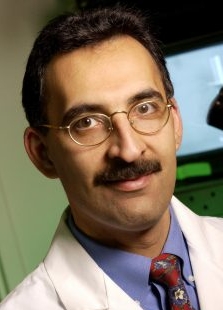 Farshid Guilak合作论文数Center of Regenerative Medicine, School of Medicine, Washington University in St. Louis;Department of Orthopaedic Surgery, Washington University in St. Louis3
 Michael G Ciccotti合作论文数3Lawrence J Todd R合作论文数3
 Brian C Lau合作论文数Center for Sports Medicine, University of Pittsburgh Medical Center3
 Bradford Tucker合作论文数3
 Jonathan Dickens合作论文数3Anderson John A合作论文数3Alison K. Sanders合作论文数2Anna Camille Moreno合作论文数2Heather Saffel合作论文数2Devin B. Lemmex合作论文数2
 Kevin Wall合作论文数2Robert J Nowinski合作论文数2
 Samuel B Adams合作论文数2Crystal Higginson合作论文数2Willa Ma合作论文数2
 Bryan S Crook合作论文数Department of Orthopaedic Surgery, Duke University School of Medicine2
 Laura Pietrosimone合作论文数Phys Therapy Program, Duke Univ2
 Barrie S Sugarman合作论文数Univ Michigan2Lucy E Meyer合作论文数2
 Courtney A. Trutna合作论文数Duke Univ, Dept Biomed Engn, Durham, NC 27706 USA2Christopher S Klifto合作论文数2
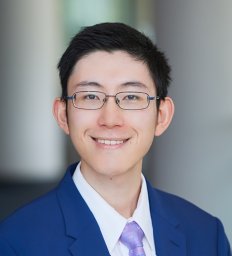 Felix Q. Jin合作论文数Duke University2




