Implementation outcomes and cost are as essential as clinical effectiveness for evidence-based practice adoption, yet few HPV vaccination improvement studies have assessed both using validated tools. Moreover, sustainment remains understudied in randomized controlled trials beyond the active implementation period. This gap limits the ability of health systems to make informed decisions about adoption and scale-up of the implementation strategy. To assess implementation outcomes, including acceptability, appropriateness, sustainment, and estimate implementation costs from two stakeholder perspectives for a multicomponent strategy designed to improve HPV vaccination in pediatric primary care practices. We conducted a secondary analysis of a 24-month cluster randomized controlled trial involving 20 pediatric practices. Implementation outcomes were assessed among providers using validated tools post-implementation. Because implementation outcomes were assessed following exposure and at different time points across study groups, analyses reflect provider perceptions of the strategy rather than causal comparisons. Implementation costs for the 10 intervention practices were evaluated from two perspectives: practice facilitators and practice personnel. Costs were calculated using personnel time multiplied by national wage rates from the 2023 U.S. Bureau of Labor Statistics. We used a micro-costing approach to estimate implementation resource use. Cost-effectiveness was assessed as cost per percentage-point improvement per practice and cost per additional adolescent vaccinated. Among 43 post-implementation survey responses (60
Importance:Despite established treatment guidelines and strong therapeutic benefit, hydroxyurea remains underused among patients with sickle cell disease. Objective:To assess the change in self-reported hydroxyurea use (ie, taking the medication at all) and adherence (ie, the number of days taken per week) over time and to examine factors associated with the trajectory of hydroxyurea use and adherence. Design, Setting, and Participants:Data were collected through the Sickle Cell Disease Implementation Consortium, a longitudinal, multicenter, observational cohort study that recruited patients from 8 centers across the US. Data collection occurred from 2017 to 2022, and analyses were performed from January to October 2025. Data were collected via self-report survey at baseline and 3 follow-up surveys distributed yearly. Patients with sickle cell disease of all genotypes between the ages of 15 and 45 years were included. Exposure:Sickle cell disease. Main Outcomes and Measures:Hydroxyurea use was analyzed as a binary variable according to whether the participant was currently taking hydroxyurea. Among those taking hydroxyurea, adherence was analyzed as a continuous variable according to the number of days hydroxyurea was taken within the past week. Continuous variables were z scored to ensure model convergence, and odds ratios (ORs) are reported. Results:Of 2514 eligible participants, surveys were completed by 2207 participants at baseline, 1802 at follow-up 1, 1281 at follow-up 2, and 783 at follow-up 3. Of 2207 participants at baseline, 1265 (57.3%) were female, with a mean (SD) age of 28.06 (7.86) years. Overall rates of hydroxyurea use remained stable throughout the study (1089 of 2207 patients [49.3%] at baseline, 887 of 1802 patients [48.7%] at first follow-up, 609 of 1281 patients [47.5%] at second follow-up, and 378 of 783 patients [48.3%] at third follow-up). However, patients with HbSS/SB0-thalassemia showed declining use (790 of 1550 patients [50.9%] at baseline, 627 of 1276 patients [49.1%] at first follow-up, 429 of 905 patients [47.4%] at second follow-up, and 282 of 586 patients [48.1%] at third follow-up), whereas patients with other genotypes showed increasing use (299 of 657 patients [45.5%] at baseline, 250 of 526 patients [47.5%] at first follow-up, 168 of 352 patients [47.7%] at second follow-up, and 90 of 186 patients [48.4%] at third follow-up) across time points (OR, 0.76; 95% CI, 0.63 to 0.91; P = .004). Hydroxyurea adherence declined over time (-0.19 days/week/year; 95% CI, -0.24 to -0.14 days/week/year; P < .001). Executive difficulties were associated with worse adherence across time points (-0.17 days/week/year; 95% CI, -0.26 to -0.08 days/week/year; P < .001). Conclusions and Relevance:In this cohort study of patients with sickle cell disease, declining use of hydroxyurea among patients with HbSS/SB0-thalassemia genotypes raises important concerns about ongoing disease management. Adherence to hydroxyurea is negatively associated with cognitive factors that may be addressed through interventions targeting self-monitoring and/or behavioral activation.
Pediatric cancer therapies can cause complications that drive unplanned healthcare encounters (e.g., emergency visits and unplanned admissions). Characterizing their frequency and risk factors is important for resource planning, family counseling, and targeted mitigation strategies. In a secondary analysis of data from a cluster-randomized controlled trial of symptom monitoring in pediatric cancer patients, the primary objective was to describe the characteristics of unplanned healthcare encounters. The secondary objective was to identify risk factors associated with unplanned healthcare encounters. This was a sub-analysis of a cluster-randomized trial of 10 sites randomized to symptom screening and 10 sites randomized to usual care. We included English- or Spanish-speaking pediatric patients newly diagnosed with cancer who were 8–18 years of age receiving any cancer treatment. At symptom screening sites, enrolled participants were reminded to complete symptom screening with Symptom Screening in Pediatrics Tool (SSPedi), a validated symptom screening and assessment, three times weekly for 8 weeks. The healthcare team was notified for severely bothersome symptoms. Emergency department visits, and unplanned clinic visits and admissions were determined from families and charts. Encounter documentation was reviewed to determine if the unplanned encounter was related to SSPedi symptoms. Among the 444 participants from 20 participating sites, there were 652 unplanned encounters and the most common were emergency room visits (n = 269) followed by unplanned clinic visits (n = 143) and unplanned admissions (n = 240). Pain was the primary reason for emergency room visits (59, 13.3
Sickle cell disease (SCD) causes brain injury and cognitive disability. Systemic inflammation and endothelial injury are central to SCD pathophysiology, yet the relationship between systemic drivers of blood-brain barrier (BBB) disruption and brain injury remains understudied. This cross-sectional study assessed whole-brain and regional BBB permeability (Ktrans) using dynamic contrast-enhanced magnetic resonance imaging in 37 adults with SCD in steady-state and 37 non-SCD adults. Cerebral oxygen extraction fraction (OEF) and white matter mean diffusivity (MD) measured tissue hypoxia and microstructural injury, respectively. The SCD cohort showed elevated Ktrans compared with controls (3.6 x10⁻⁴min-1 vs. 2.58x10⁻⁴min-1, 95% CI median difference [0.36, 1.30]x10-4min-1, P< 0.001), indicating BBB disruption. In SCD, white matter Ktrans was associated with MD (β [95% Cl]: 6.25 [1.72, 10.77], P=0.008), independent of OEF (β [95% Cl]: 0.22 [0.09, 0.35]) and silent cerebral infarcts (β [95% Cl]: 0.01 [0.00, 0.02]). The interaction (P=0.037) between Ktrans and OEF on MD suggested a combined, deleterious effect of BBB disruption and hypoxia on microstructural injury. High-throughput plasma proteomics followed by differential expression analysis, and weighted gene correlation network analysis in a subset of 61 participants revealed 79 proteins associated with BBB permeability belonged to iron homeostasis, response to hypoxia, immune dysregulation, extracellular matrix degradation, lipoprotein homeostasis, and arginine-proline metabolism pathways. All pathways were independently associated with microstructural injury. BBB permeability is a mediator of brain injury for all pathways except extracellular matrix degradation. Targeting specific systemic pathways to protect the BBB may represent a therapeutic approach to preserve brain health in SCD.
Sickle cell disease (SCD) is the most common inherited blood disorder in the U.S. The ASH Research Collaborative (ASH RC) has built an SCD Data Hub (DH) to facilitate research and quality improvement using real-world data. We report here the first analyses from the DH, focusing on cohort demographics and accurate identification of SCD diagnosis type. DH sites have Data Use Agreements with ASH RC to extract and transfer electronic health record (EHR) data at least quarterly. Principal investigators (PI) provided additional attestation of SCD diagnosis based on existing local data sources deemed sufficient by the PI. A random sample of 25 patients (per site) with a physician-attested diagnosis and at least one encounter in 2022 had SCD type and other variables manually abstracted by site personnel. Concordance was calculated as the percentage of cases with the same SCD type determined by the physician-attested and abstracted methods. Twenty DH sites have submitted data for 23,970 unique individuals with SCD. The median patient age was 23 years (range: birth to 75 years); 55.4% were female. Physician-attested SCD diagnosis types on 9,484 patients from 13 sites were reported as HbSS (67.2%), HbSC (22.2%), HbSß0thalassemia (2.1%), HbSß+thalassemia (6.1%), and HbS/Other (2.4%). Physician-attested SCD type had 94% (233/248) concordance with manual chart abstraction. High concordance increases confidence in the validity of SCD DH data. Well-curated and transformed data on a large cohort of individuals with SCD will be leveraged to conduct observational studies and inform the design and feasibility of prospective interventional studies.
Sickle cell disease (SCD) can bring lifelong challenges; new research reveals that caregivers of very young children with SCD do not experience high levels of depression on a short screening tool called the PROMIS. In a study of 47 caregivers of children 0-5 years old with SCD, 94% responded similarly to the general population, with 3 (6%) caregivers reporting elevated depression. These findings suggest a potential window of opportunity to connect caregivers of children with SCD to early interventions and family support. These early years may represent an optimal time for preventive interventions. Clinicians could refer to and implement family-centered support programs in the first years of life, rather than waiting and responding if crises emerge and disease complications may intensify. The findings suggest that preventive care could leverage existing family strengths during these early years. This approach could inform how we support families navigating pediatric chronic illness, potentially altering long-term outcomes for both children and their caregivers.
Background:Sickle cell disease (SCD) is the most common monogenic disorder in humans and occurs predominantly among individuals who identify as Black or African American in the United States. In earlier work, we found that developmental delays were present in more than 50% of children with SCD before the age of 3 years, yet none had been diagnosed or referred to intervention services. Children whose caregivers participated in a home-based caregiver education program demonstrated improved scores on standardized developmental measures. When developmental delays go unidentified, children miss a critical opportunity for intervention during a period of rapid neurological change. Yet few, if any, studies have described the incidence and severity of developmental delays among children with SCD compared to controls. Objective:The purpose of this study is to determine the incidence and severity of developmental delays in children with SCD under 3 years of age (aim 1), test a 12-month home-based Sickle Cell Collaboration for Child Development (SCCCD) intervention (aim 2), and conduct a mixed methods study to identify contextual determinants to prepare for future scaling of the SCCCD intervention across health care systems (aim 3). Methods:Consistent with American Academy of Pediatrics guidelines, children with SCD will be evaluated at 9, 18, and 30 months using the Bayley Scales of Infant Development, Fourth Edition, to determine the incidence of developmental delay over the first 3 years of life compared to demographically matched peers (n=100, aim 1). The SCCCD intervention, adapted from a pilot study, combines skilled occupational therapy, the Parents as Teachers curriculum, and SCD-specific caregiver education, delivered over 12 monthly home visits (n=25, aim 2). Interviews with caregivers who participated in and those who declined the intervention will identify contextual determinants (ie, facilitators and barriers) to inform future testing and broader implementation of the SCCCD (aim 3). Results:This project has been approved by the Institutional Review Board at Washington University School of Medicine (202104034 and 202407080). As of May 31, 2026, a total of 50 participants (26 children with SCD and 24 typically developing children for the comparison cohort) have participated for aim 1. Aim 2 recruitment began in July 2025, and 5 caregiver/child dyads have participated so far. The study is expected to be completed by 2028. Conclusions:These findings will provide the first prospective characterization of developmental trajectories in children with SCD across the first 3 years of life and establish preliminary evidence for a disease-specific, home-based intervention to improve developmental outcomes in this underserved population. The results will directly inform a future randomized controlled trial of the SCCCD intervention.
Importance:Opioids remain central to management of acute and chronic pain in sickle cell disease (SCD). Opioid dispensing declined over the 2010s amid opioid stewardship efforts, but patterns since 2020 are less clear. Analyses aggregating opioids into morphine milligram equivalents (MME) may obscure agent-specific patterns. Objective:To characterize opioid dispensing volume and per-recipient frequency, duration, and dose among individuals with SCD. Design, Setting, and Participants:A retrospective cohort study of commercially insured and Medicaid-enrolled patients with SCD using the Merative MarketScan databases across 3 periods from January 2011 to February 2016, March 2016 to December 2020, and January 2021 to December 2023. Exposure:Calendar time across 3 prespecified periods: January 2011 to February 2016, March 2016 to December 2020, and January 2021 to December 2023. Main Outcomes and Measures:Changes in opioid dispensing were examined across 3 periods (January 2011 to February 2016, March 2016 to December 2020, and January 2021 to December 2023). Segmented regression models estimated monthly percentage changes (MPCs) in 4 outcomes: (1) total dispensed prescriptions per 100 enrollees; and, among enrollees receiving opioids, (2) mean prescriptions per person, (3) mean days supplied, and (4) mean daily MMEs. Analyses included 6 opioids (hydromorphone, hydrocodone, morphine, tramadol, oxycodone, methadone) stratified by insurance type (commercial vs Medicaid). Results:Across 48 760 individuals with SCD contributing person-time, 24 692 (50.6%) were Medicaid beneficiaries, 20 969 (43.0%) were aged 19 to 40 years, and 29 380 (60.3%) were female. From January 2021 through December 2023, total dispensing increased for all 6 agents among Medicaid beneficiaries, with the largest monthly increases for methadone (MPC, 1.76%; 95% CI, 1.24% to 2.29%) and hydromorphone (MPC, 1.43%; 95% CI, 1.00% to 1.86%). Among commercial enrollees, total dispensing increased for oxycodone (MPC, 0.84%; 95% CI, 0.60% to 1.07%) and morphine (MPC, 0.87%; 95% CI, 0.42% to 1.33%), was stable for hydrocodone, hydromorphone, and methadone, and declined for tramadol (MPC, -0.79%; 95% CI, -1.16% to -0.42%). Dispensed prescriptions increased only for oxycodone among commercially insured individuals (MPC, 0.14%; 95% CI, 0.08% to 0.20%) and tramadol among those with Medicaid (MPC, 0.96%; 95% CI, 0.56% to 1.36%). Mean days supplied and mean daily MMEs did not significantly increase for any opioid-insurance combination. Conclusions and Relevance:Among individuals with SCD, total opioid dispensing increased or stabilized during 2021 to 2023 after prior declines, most prominently among Medicaid beneficiaries, without broad increases in per-recipient frequency, duration, or dose. These patterns are consistent with broader distribution of opioid dispensing rather than treatment intensification among recipients.
BackgroundPreschool children with sickle cell disease (SCD) are at high risk for early and progressive neurocognitive deficits that negatively affect academic outcomes. Preschoolers with SCD are more likely to display deficits in school readiness skills such as early literacy, numeracy, and self-regulation. Previous behavioral interventions for children with SCD have displayed highly variable feasibility and adherence. The goal of this study was to formally adapt an evidence-based school readiness intervention for children with SCD.MethodsThe Intervention Mapping for Adaptation (IM Adapt) methodology was used to adapt an intervention for patients with SCD and their families. IM Adapt is a systematic and iterative problem-solving approach to adapt health promotion interventions for specific populations. The evidence-based school readiness intervention Kids in Transition to School (KITS) was identified through the IM Adapt strategy. This intervention showed preliminary fit with the needs of children with SCD. A planning group composed of providers, subject matter experts, and caregivers of patients with SCD was established to complete the adaptation of KITS for this population.ResultsWe added content to KITS describing how to respond to a child’s pain episode, the impact of sleep disruptions on school performance, medical accommodations offered to children with SCD in the school setting, and how to establish school services. SCD-related content included discussion questions to facilitate group problem-solving and peer support. We converted the core child-directed content into animated videos for the children and their caregivers to watch at home together. We also provided a school readiness workbook to all families to cover early literacy and numeracy topics. We updated the parent- and child-directed intervention materials to improve cultural representation and include books that promote cultural pride for African American populations.ConclusionBy working with families and community stakeholders, we adapted an evidence-based interventions that may address barriers and health inequities. IM Adapt provides a formal process in which to document and evaluate these adaptations.Clinical trial registrationhttps://www.ClinicalTrials.gov, identifier NCT06367192, 4-11-2024.
Abstract An increasing number of allogeneic transplant and autologous gene modification transplant therapies seek to eradicate sickle hemoglobin and the consequent hemolysis, vasculopathy, functional compromise, morbidity, and mortality. Because these modalities are used in parallel, it is important to be able to define the spectrum and stability of correction, long-term effects, and the pros and cons of each modality. A comparison between interventions that will be sought by providers and patients undergoing intervention requires uniform assessments that evaluate disease- and intervention-related effects for informed decision-making. This expert summary outlines a pathway to functional evaluations with timing recommendations, provides broad management guidelines, and touches upon ongoing research efforts in the field. The road map for long-term follow-up can help clinicians and researchers choose assessments and time them in comparable fashion between the various transformative therapy efforts.
OBJECTIVE:To characterize childhood cancer survivors (CCS) and caregiver barriers and facilitators to participating in rehabilitation therapies, specifically physical therapy, occupational therapy, and speech-language pathology following a new pediatric cancer diagnosis. DESIGN:Multisite qualitative study. SETTING:Two US academic medical centers in the Midwest and Mountain West regions. PARTICIPANTS:Thirteen CCS diagnosed with cancer before the age of 19 years, with a rehabilitation referral, and 33 caregivers of CCS meeting eligibility criteria (N = 46 CCS and caregivers). INTERVENTIONS:Not applicable. MAIN OUTCOME MEASURES:Not applicable. RESULTS:We identified 5 key themes: (1) consistency in care; (2) unique needs of CCS; (3) access to local rehabilitation services in home communities; (4) caregiver engagement; and (5) costs and insurance coverage. Receiving routine care from consistent providers helped CCS feel comfortable participating in and challenging themselves in therapy. Organizational and provider supports helped families navigate transitions between rehabilitation settings. Participants reported challenges related to finding care that met CCS unique needs in their home communities and identifying providers who were knowledgeable of these needs. Patient safety and comfort were influenced by factors such as rehabilitation setting and sanitized to reflect the needs of immunocompromised CCS. Organizational and provider supports helped families with associated care cost barriers, including insurance coverage. CONCLUSIONS:CCS and caregiver experiences with rehabilitation services are influenced by supports and challenges at multiple levels, including individual, community, and organizational levels. These findings can inform current and future pediatric oncology rehabilitation program multilevel implementation and promote patient and family participation. Contextual factors that influence these efforts should be a focus of future research.
Objectives:Consensus Measures for Phenotypes and eXposures (PhenX) Toolkit (https://www.phenxtoolkit.org/) is a web-based catalog of recommended measurement protocols and associated bioinformatics tools to assist with study design and facilitate cross-study data integration and analyses. Before February 2023 (v.44), protocols specific to sickle cell disease did not address key psychosocial factors or social determinants of health that impact care and outcomes. This paper describes the protocol selection process and final recommendations to address this limitation. Methods:To identify protocols for the new collection, the PhenX Sickle Cell Disease Research and Scientific Panel provided a list of scope elements for consideration and assembled a panel with relevant expertise in psychology, behavioral science, hematology, and nursing to form a Psychosocial and Social Determinants of Health Working Group. A consensus process prioritized and identified the scope elements and protocols. The 19 scope elements and related protocols initially selected were shared with the scientific community for public comment, informing final selections. Results:The final 15 recommended protocols assess transition readiness, self-management, impact of early aging, stigma, trust in medical care and research, resilience, spirituality, and stress responses. Another 8 protocols were selected as supplemental information. Sickle cell-relevant social determinants of health protocols were also cross-listed from other PhenX Toolkit Collections. Conclusion:Recommended protocols enhance the existing Sickle Cell Disease Research Collections and the individual and structural Social Determinants of Health Collections in the PhenX Toolkit. Furthermore, the protocols will promote using validated measurement tools to investigate psychosocial factors and social determinants in sickle cell disease.
Objectives/Goals: With qualitative interviews we aim to 1-Describe barriers and facilitators for post-transplant lymphoproliferative disease (PTLD) survivors’ access to late effects (LE) care. 2-Investigate clinicians’ perceptions of current and ideal PTLD LE care. Our long-term goal is to develop and pilot implementation strategies to standardize PTLD LE care. Methods/Study Population: Study population: We will recruit 20–25 PTLD survivors or their caregivers and 10–15 health care workers (HCW) from oncology, LE, and solid organ transplant (SOT) teams at St. Louis Children’s Hospital (SLCH). PTLD is a lymphoma-like cancer that occurs in solid organ transplant (SOT) recipients. PTLD survivors experience LE from cancer, yet many do not receive LE care. Research strategy: We will conduct qualitative semi-structured interviews based on the Consolidated Framework for Implementation Research (CFIR). A preliminary codebook will be based on CFIR and refined through transcript review. Team-based coding includes double coding and checking for intercoder reliability. We will generate coding reports to understand themes and identify barriers and facilitators of LE care. Results/Anticipated Results: We hypothesize survivors, caregivers, and HCWs will identify actionable factors to inform future studies to optimize LE care. We will examine the CFIR inner setting (resources, communication, and structural characteristics), outer setting (local attitudes and external pressures), innovation domain (adaptability, evidence base, and relative advantage), individuals domain (need, opportunity, and motivation), and implementation process domain. Our contribution will be novel. 1-This is the first assessment of barriers and facilitators for LE care in pediatric PTLD survivors. 2-We will consider input from HCWs across various disciplines delivering care to PTLD survivors. 3-We anticipate identifying unique contextual factors in PTLD survivors that will influence implementation of evidence-based LE care. Discussion/Significance of Impact: Pediatric cancer survivors experience LE. Coordinated care mitigates LE. PTLD survivors experience a high burden of LE, but less than 10% of PTLD survivors at SLCH follow in LE clinic. No studies have evaluated ideal delivery of LE care for PTLD survivors. Our findings will inform an implementation trial to improve delivery of LE care for PTLD survivors.
ImportanceBoth sickle cell anemia (SCA) and socioeconomic status have been associated with altered brain structure and cognitive disability, yet precise mechanisms underlying these associations are unclear.ObjectiveTo determine whether brains of individuals with and without SCA appear older than chronological age and if brain age modeling using brain age gap (BAG) can estimate cognitive outcomes and mediate the association of socioeconomic status and disease with these outcomes.Design, Setting, and ParticipantsIn this cross-sectional study of 230 adults with and without SCA, individuals underwent brain magnetic resonance imaging (MRI) and cognitive assessment. Brain age was estimated using DeepBrainNet, a model trained to estimate chronological age from 14 468 structural MRIs from healthy individuals across the lifespan. BAG was defined as estimated brain age minus chronological age. Linear regression examined clinical factors associated with BAG and the ability of BAG to estimate cognitive performance compared to neuroimaging metrics of brain health and ischemic brain injury, such as normalized whole brain volume, white matter mean diffusivity (MD), and infarct volume. BAG and white matter MD were tested further as mediators of the association of socioeconomic status and SCA with cognitive performance. Data were analyzed from October 15, 2023, to July 1, 2024.ExposuresSCA disease status and economic deprivation as measured using the area deprivation index (ADI).Main Outcome and MeasuresExecutive function, crystallized function, processing speed, and full-scale intelligence quotient (FSIQ) were derived from the National Institutes of Health (NIH) Toolbox and Wechsler Abbreviated Scale of Intelligence, Second Edition.ResultsAmong 230 included adults, 123 individuals had SCA (median [IQR] age, 26.4 [21.8-34.3] years; 77 female [63%]) and 107 individuals did not (control cohort; median [IQR] age, 30.1 [26.3-34.8] years; 77 female [72%]). Participants with SCA had a larger median (IQR) BAG compared to individuals in the control cohort (14.2 [8.0-19.2] vs 7.3 [3.2-11.1] years; median difference, 6.13 years; 95% CI, 4.29-8.05 years; P < .001). Individuals in the control cohort demonstrated a larger BAG relative to the reference population (mean difference, 7.52 years; 95% CI, 6.32-8.72 years; P < .001). Higher economic deprivation was associated with BAG in the control cohort (β [SE] per 1% ADI increase, 0.079 [0.028]; 95% CI, 0.023 to 0.135; P = .006), while intracranial vasculopathy (β [SE], 6.562 [1.883]; 95% CI, 2.828 to 10.296; P < .001) and hemoglobin S percentage (β [SE] per 1% increase, 0.089 [0.032]; 95% CI, 0.026 to 0.151; P = .006) were associated with BAG in participants with SCA. Across neuroimaging metrics of brain health, BAG demonstrated the largest effect size for cognitive outcomes in the control cohort (eg, executive function: r = −0.430; P = .001), while white matter MD demonstrated the largest effect size for cognitive outcomes (eg, executive function: r = −0.365; P = .001) in the SCA cohort. Across the study population, BAG mediated the association of ADI with cognitive performance (eg, executive function: β [SE] per 1-unit decrease in ADI, −0.031 [0.014]; 95% CI, −0.061 to −0.006), while BAG (eg, FSIQ: β [SE], −3.79 [1.42]; 95% CI, −6.87 to −1.40) and white matter MD (eg, FSIQ: β [SE], −4.55 [1.82]; 95% CI, −8.14 to −0.94) mediated the association of SCA with cognitive performance.Conclusions and RelevanceAdults with SCA and a healthy control cohort with greater economic deprivation demonstrated older brain age, suggestive of insufficient brain development, premature brain aging, or both. Brain estimates of chronological age may inform mechanisms of the association between chronic disease and socioeconomic status with cognitive outcomes in healthy and SCA populations, yet will require confirmation in larger and longitudinal studies.
IntroductionSickle cell disease (SCD) is a monogenic blood disorder characterized by neurodevelopmental delays. Most children with SCD do not receive developmental services due in part to disparities in care access. To inform the design of a developmental intervention for children with SCD, we evaluated factors that influence access to developmental services.MethodsInterview data were collected from educational and medical providers (n = 15) and caregivers (n = 15) of children aged 4–6 years with SCD at a single center and the surrounding area. Caregivers completed questionnaires about their child's background/medical history, caregiver depression (PROMIS SF v1.0-8a), and caregiver knowledge of early development (Knowledge of Infant Development Inventory). A convergent design was used to integrate the qualitative and quantitative data.ResultsWe identified three themes as factors that influence caregivers' access to developmental services: quality of medical and educational experiences, caregiver knowledge and beliefs about SCD and development, and caregiver preferences for developmental services. Most caregivers denied barriers to obtaining developmental services for their child, whereas providers acknowledged numerous barriers for families. Caregivers and providers shared that a positive caregiver-provider relationship facilitates access. Caregivers reported that there was limited attention to SCD within the hospital system and broader society. Caregivers displayed limited knowledge of early development, and providers identified these knowledge gaps as a barrier to utilizing developmental services. Caregivers expressed a strong interest in SCD education and community building.ConclusionsOur mixed method analysis identified barriers and facilitators to developmental services for children with SCD.
 Jane S. Hankins合作论文数Radiological Sciences;St Jude Children ' s Research Hospital;Radiological Sciences, St Jude Children ' s Research Hospital52
 Marsha Treadwell合作论文数32
 Taniya Varughese合作论文数28
 Michael Rutledge DeBaun合作论文数Vanderbilt Institute for Global Health, Medical Center, School of Medicine, Vanderbilt University27Glassberg Jeffrey A合作论文数26
 Catherine R Hoyt合作论文数Dept Neurol, Washington Univ25
 Regina A Abel合作论文数25
 Victor Gordeuk合作论文数Department of Medicine, Howard University22
 Alexis A Thompson合作论文数Division of Hematology, Children's Hospital of Philadelphia;Northwestern University21Allison J. L'Hotta合作论文数St Louis Sch Med, Washington Univ20
 Robert Gibson合作论文数School of Agriculture, Food and Wine, Faculty of Sciences, Engineering and Technology, The University of Adelaide20Tracey O'Connor合作论文数18Deborah A Freedman-Cass合作论文数18
 Nirmish Ramesh Shah合作论文数Department of Medicine, School of Medicine, Duke University School of Medicine18
 Paula J Tanabe合作论文数Department of Medicine, School of Nursing, Duke University18
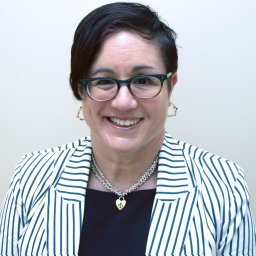 Julie Kanter合作论文数Department of Pediatrics, Medical University of South Carolina18
 Michelle Melisko合作论文数School of Medicine, University of California, San Francisco;Division of Hematology and Oncology, University of California, San Francisco;Helen Diller Family Comprehensive Cancer Center, University of California, San Francisco18
 Crystal S. Denlinger合作论文数Department of Hematology/Oncology, Fox Chase Cancer Center;National Comprehensive Cancer Network18Langbaum Terry S合作论文数18
 Electra D. Paskett合作论文数Division of Epidemiology, College of Public Health, The Ohio State University;Division of Cancer Prevention and Control, College of Medicine, The Ohio State University;Center for Cancer Health Equity, James Cancer Hospital18
 Phyllis C Zee合作论文数Department of Neurology, Feinberg School of Medicine, Northwestern University;Division of Sleep Medicine, Northwestern Medicine;Center for Circadian and Sleep Medicine, Feinberg School of Medicine, Northwestern University18
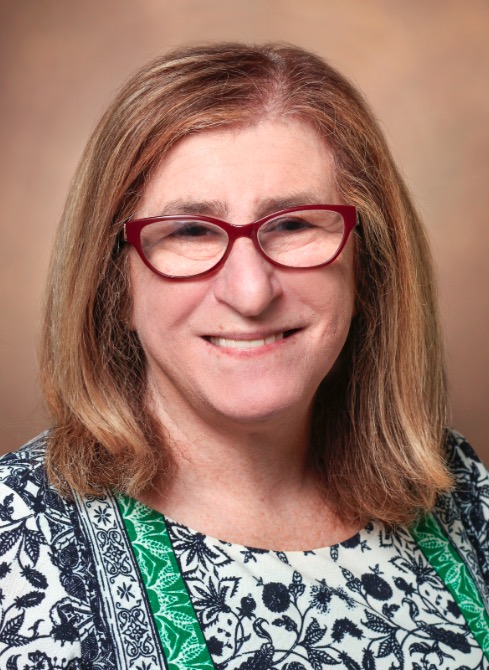 Debra L. Friedman合作论文数Division of Pediatric Hematology/Oncology, Department of Pediatrics, Vanderbilt University Medical Center;Vanderbilt-Ingram Cancer Center, Vanderbilt University Medical Center18Mark Wakabayashi合作论文数Regeneron Pharmaceuticals, Inc18
 Kathi Mooney合作论文数College of Nursing, University of Utah18Karen L. Syrjala合作论文数18
 Mindy Goldman合作论文数Department of Obstetrics and Gynecology, University of California San Francisco18
 Jose Gilberto Montoya合作论文数17Andrew M Heitzer合作论文数17Cecelia Calhoun合作论文数17Guolian Kang合作论文数17
 Fields Melanie E合作论文数Department of Pediatrics, Washington University School of Medicine17
 Elizabeth Kvale合作论文数Birmingham VA Medical Center, University of Alabama at Birmingham17
 Lillian Sung合作论文数Department of Paediatrics, University of Toronto;Institute of Health Policy Management and Evaluation, University of Toronto;Division of Haematology, Hospital for Sick Children16
 Sherif M Badawy合作论文数Hematology, Oncology and Stem Cell Transplantation, Department of Pediatrics, Feinberg School of Medicine, Northwestern University16
 Wendy Demark-Wahnefried合作论文数School of Health Professions, The University of Alabama at Birmingham;University of Texas-MD Anderson Cancer Center;Comprehensive Cancer Center, The University of Alabama at Birmingham16
 Porter Jerlym S合作论文数Feinberg School of Medicine, Northwestern University16
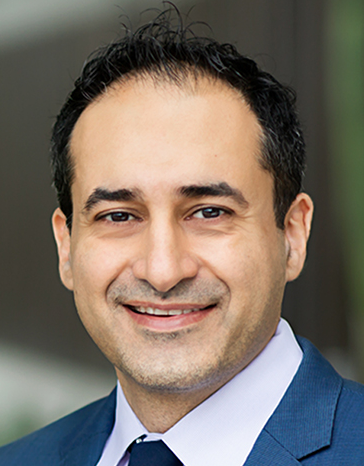 Javid Moslehi合作论文数Department of Medicine , University of California San Francisco16
 Ana Baumann合作论文数Washington University16
 Scott Baker合作论文数Environmental Molecular Sciences Laboratory, Pacific Northwest National Laboratory;Environmental Molecular Sciences Division, Pacific Northwest National Laboratory16Linda Overholser合作论文数16
 Ashley Housten合作论文数School of Medicine, Washington University15
 Andria L. Ford合作论文数Section of Stroke & Cerebrovascular Disease, Department of Neurology, School of Medicine, Washington University in St. Louis;Stroke & Cerebrovascular Center, School of Medicine, Washington University in St. Louis15
 Cathy L. Melvin合作论文数Department of Public Health Sciences, Medical University of South Carolina;Division of Health Behavior & Health Promotion, Medical University of South Carolina15
 Lisa M. Klesges合作论文数Health Science Center, University of Tennessee15
 Kevin R. Krull合作论文数Department of Psychology and Biobehavioral Sciences, St. Jude Children's Research Hospital;Comprehensive Cancer Center, St. Jude Children's Research Hospital15
 Charles T Quinn合作论文数Department of Pediatrics, The University of Texas Southwestern Medical Center at Dallas15Madhuri Are合作论文数14Morgan Mary Ann合作论文数14
 Lee Jones合作论文数Department of Medicine, Memorial Sloan Kettering Cancer Center14




