Sickle cell disease (SCD) and its treatments may lead to gonadal dysfunction. Limited research has examined how these effects translate into actual fertility outcomes and family-building perspectives. We aimed to determine the frequency of infertility and to examine family-building goals, knowledge and concerns among 91 adults with SCD from The Ohio State University Wexner Medical Center SCD clinic. Participants completed surveys capturing their demographic and medical information. Fertility status and family-building perspectives were measured using modified versions of surveys used in fertility-related literature in other populations. Descriptive statistics summarized demographics, frequency of infertility and family-building perspectives. Most participants expressed a desire for children. Approximately half met the clinical definition of infertility at some point, but only a few who met this definition had knowledge of it. Lastly, most reported low to moderate fertility and reproductive concerns potentially due to lack of awareness about their infertility status. These findings underscore the need to increase infertility education and counselling for individuals with SCD.
INTRODUCTION:Sickle cell disease (SCD) is an autosomal recessive blood disorder that impacts about 100,000 Americans. With increasing life expectancy and more people with SCD reaching reproductive age, there is growing evidence that SCD and some of its therapies decrease fertility. While partner testing and assisted reproductive technology (ART) can enable people with SCD to choose if and how to have biological children, their use remains limited. In this study, we aimed to explore how people with SCD understand the potential fertility implications of SCD and their perceptions of partner testing and ART. METHODS:We recruited adults with SCD ages 18-35 years old who self-identified as being interested in having a biological child in the future and conducted semi-structured individual interviews to discuss previous experiences and perceptions regarding family building planning. Interviews were transcribed and thematically analyzed using inductive coding and the social ecological model. RESULTS:We completed 11 interviews with 9 women and 2 men (mean age 30.6 years old, 100% Black or African American). We identified five themes that reached saturation: 1) Providers gave limited support for family building planning; 2) Female participants had a lack of understanding what pregnancy would be like with SCD; 3) Participants felt their partners did not equally share the burden of family building planning; 4) Potential financial burden prevented participants from seriously considering ART; and 5) Participants wanted earlier and frequent discussions with their providers about family building options. Participants identified factors that impacted their family building plans, which fit across the social ecological model. DISCUSSION:Adults with SCD desire further education on the impact of SCD and its treatments on fertility as well as support in their reproductive planning through early, frequent conversations about family building options. Additionally, financial barriers to ART such as insurance coverage must be addressed for adults with SCD.
1624 Background: Germline pathogenic and likely pathogenic variants (GPVs) in BRCA1 , BRCA2 , and PALB2 raise female breast cancer risk. Genetic counseling and screening guidelines rely on fixed age estimates. Using two large biobanks, All of Us Research Program (AoURP) and BioVU biobank, we aim to characterize age-dependent breast cancer risk trajectories and associations with family history (FH). Methods: In AoURP, we extracted data on female participants with genetic data to identify those with BRCA1 , BRCA2 , and PALB2 GPVs, FH surveys to identify those with first degree breast cancer FH (BCFH), and electronic health records (EHR) to determine presence of breast cancer diagnosis and diagnosis age. Age served as the time scale, with left truncation at first EHR entry and censoring at last EHR event. Gene-specific breast cancer risk was estimated using Cox models with age-dependent genetic effects, adjusted for genetic ancestry (first five principal components) and FH. Analyses in AoURP were stratified by self-reported race and BCFH. We validated results in BioVU using the same methodology excluding FH which was unavailable as discrete data. Results: In AoURP, 100,916 women with genetic, FH, and EHR data were available. The majority (67%) were White, based on self-reported race, and 5208 had breast cancer. The sample included 291 BRCA1 GPVs, 505 BRCA2 GPVs, and 139 PALB2 GPVs, with breast cancer diagnosed in 36%, 23%, and 19% respectively. BioVU included 127,147 women, of whom 85.5% were White and 5,664 had breast cancer. The sample had 262 BRCA1 GPVs, 515 BRCA2 GPVs, and 210 PALB2 GPVs, with breast cancer diagnosed in 29%, 22%, and 16% respectively. Across the genes, we observed a bimodal distinct age-dependent breast cancer risk pattern. Bimodal peaks for BRCA1 in AoURP were at 26 and 36 years, while in BioVU were at 35 and 62 years. The bimodal peaks for BRCA2 in AoUPR were at 32 and 51 years, while in BioVU were at 32 and 55 years. Finally, bimodal peaks for PALB2 in AoUPR were 35 and 51 years, while in BioVU were at 41 and 64 years. Age-specific risk trajectories also varied by FH where risk peaks for participants with BCFH were earlier by 2-7 years compared to those without BCFH. Conclusions: We presented population based study providing unbiased estimates of breast cancer risk associated with GPVs in BRCA1, BRCA2, and PALB2 in two enrollment-based cohorts. Leveraging these large datasets, we identified novel bimodal age-dependent patterns of breast cancer risk across genes, with consistent peak ages for BRCA2 and PALB2 and cohort specific differences for BRCA1, highlighting the importance of population context. Replication in BioVU confirmed similar bimodal trends with later peak ages, supporting our finding robustness. Our results show that breast cancer risk in GPVs genes is more dynamic than previously recognized. Integrating age and FH risk estimates into genetic counseling and screening may improve personalized risk assessment and clinical decision making.
Abstract Background Chronic pain affects up to 40% of adults with sickle cell disease (SCD), yet treatment options remain limited. While cognitive behavioral therapy (CBT) is effective in other chronic pain conditions, it is underutilized for SCD pain, and its effectiveness remains unclear. Purpose The Cognitive Behavioral Therapy and Real-time Pain Management Intervention for Sickle Cell via Mobile Applications (CaRISMA) compared digital CBT to Education for chronic SCD pain in adults. At 6 months, the primary outcome (pain interference) showed no between-group difference but both groups improved (CBT: −2.13; Education: −2.66). This report presents 12-month outcomes. Methods A total of 359 participants with SCD chronic pain were randomized to 12 weeks of digital CBT (n = 181) or Education (n = 178), both with weekly health coach support. Results At 12 months, 56.5% (n = 203) completed follow-up. No between-group differences in pain interference were observed [0.43, 95% CI, −1.61 to 2.48; P = .68]; however, both groups sustained improvement from baseline (CBT: −1.50; Education: −1.93). Cognitive behavioral therapy participants reported greater improvement in emotional impact [2.00, 95% CI, 0.12-3.88; P = .04], while pain intensity, depression, anxiety, and opioid misuse did not differ between groups. Higher health coach engagement was associated with reduced pain interference [−0.073 per 10% increase in engagement; P < .01]. Conclusions Although no between-group differences were found, both groups showed sustained improvement in pain interference at 12 months. Personalized support may have contributed to these improvements, highlighting the value of human support within digital interventions. Further research is needed to clarify the relative contributions of digital CBT vs human support. Study registration This trial was registered on ClinicalTrials.gov (Identifier: NCT04419168. Registered 06/05/2020). Analytic plan registration The trial protocol and analytic plan were pre-registered and are publicly available (https://www.researchprotocols.org/2021/5/e29014).
Adults with sickle cell disease (SCD) experience fragmented access to primary and preventive care, which leads to poor adherence to general and SCD‑specific clinical practice guidelines. To address this gap, we implemented an embedded primary care model where a board‑certified internist/pediatric primary care provider (PCP) was embedded as a full member of the adult SCD care team, attending operational and educational meetings and practicing alongside hematologists in a comprehensive SCD clinic. Our primary aim was to test the hypothesis that an embedded primary care model was associated with improved guideline‑based preventive care and changes in acute healthcare utilization (e.g., emergency room visits and hospitalizations). We conducted a retrospective cohort study of adults with SCD seen at a single tertiary care center between July 2020 and June 2025. Of the 388 adults with SCD seen at the center, 174 received care from the embedded PCP. Patients in the embedded PCP model demonstrated significantly higher adherence to general preventive care including cervical cancer screening ((Odds Ratio) OR: 4.49; 95% (Confidence Interval) CI: 2.46, 8.23), depression screening (OR: 7.97; 95% CI: 1.78, 35.69), and diphtheria-tetanus-pertussis (Tdap) immunization (OR: 2.88; 95% CI:1.72, 4.84), and SCD‑specific guidelines, including annual eye examinations (OR: 2.59; 95% CI: 1.66, 4.04), pneumococcal immunization (OR: 3.58; 95% CI: 2.16, 5.92), urine protein screening (OR: 3.36; 95% CI: 1.89, 6.00), and ACE inhibitor/ARB use for microalbuminuria (OR: 9.37; 95% CI: 3.11, 28.23). Among patients who saw the embedded PCP, patients had significantly more annual outpatient visits (post-PCP: 4.2 vs pre-PCP: 2.7, p < 0.0001) and, while insignificant, fewer annual inpatient admissions (post-PCP: 1.4 vs pre-PCP: 1.9, p = 0.4869). Embedding a PCP within the adult SCD care team was associated with improved guideline‑based preventive care and more annual outpatient visits, which was consistent with more coordinated, outpatient‑focused management.
Adults with sickle cell disease (SCD) are living longer due to advances in care but face a growing burden of chronic comorbid conditions that fall within the scope of primary care. However, primary care providers often lack structured guidance because literature on managing these conditions in the context of SCD is limited. This article outlines clinical approaches to hypertension, diabetes, obesity, chronic constipation, reproductive health, cognitive impairments, depression, and anxiety in people living with SCD. The authors highlight relevant epidemiology, screening recommendations, and treatment considerations that differ from those in the general population. Primary care providers play a crucial role in delivering comprehensive and preventive care to people living with SCD. Specific management of common chronic conditions in this population is necessary to reduce morbidity and improve quality of life.
Background There is growing interest in applying generative artificial intelligence (GenAI) to respond to electronic patient portal messages, particularly in primary care where message volumes are highest. However, evaluations of GenAI as an inbox communication tool are limited. Qualitative analysis of when and how often GenAI responses achieve communication goals can inform estimates of impact and guide continuous improvement. Objective This study aims to evaluate GenAI responses to primary care messages using a medical communication framework. Methods This was a descriptive quality improvement study of 201 GenAI replies to a purposively sampled, diverse pool of real primary care patient messages in a large midwestern academic medical center. Two physician reviewers (NSL and NR) used a hybrid deductive-inductive approach to qualitatively identify and define themes, guided by constructs from the “best practice” medical communication framework. After achieving thematic saturation, the reviewers assessed the presence or absence of identified communication themes, both independently and collaboratively. Discrepant observations were reconciled via discussion. Frequencies of identified themes were tallied. Results Themes in strengths and limitations emerged across 5 communication domains. In the domain of rapport building , expressing respect and restating key phrases were strengths, while inappropriate or inadequate rapport building statements were limitations. For information gathering , questions that built toward a plan or elicited patient needs were strengths, while questions that were out of place or redundant were limitations. For information delivery , accurate content delivered clearly and professionally was a strength, but delivery of inaccurate content was an observed limitation. GenAI responses could facilitate next steps by outlining choices or providing instruction, but sometimes those next steps were inappropriate or premature. Finally, in responding to emotion , strengths were that emotions were named and validated, while inadequate or absent acknowledgment of emotion was a limitation. Overall, 26.4% (53/201) of all messages displayed communication strengths without limitations, 27.4% (55/201) had limitations without strengths, and the remaining 46.3% (93/201) had both. Strengths outnumbered limitations in rapport building (87/201, 43.3% vs 35/201, 17.4%) and facilitating next steps (73/201, 36.3% vs 39/201, 19.4%). Limitations outnumbered strengths in the remaining domains of information delivery (89/201, 44.3% vs 43/201, 21.4%), information gathering (60/201, 29.9% vs 43/201, 21.4%), and responding to emotion (7/201, 8.5% vs 9/201, 4.5%). Conclusions GenAI response quality on behalf of primary care physicians and advanced practice providers may vary by communication function. Expressions of respect or descriptions of common next steps may be appropriate, but gathering and delivering appropriate information, or responding to emotion, may be limited. While communication standards were often met, they were also often compromised. Understanding these strengths and limitations can inform decisions about whether, when, and how to apply GenAI as a tool for primary care inbox communication.
Background: While mobile health (mHealth) apps have been made for various diseases, including sickle cell disease (SCD), most focus on a single purpose. SCD is a chronic disease that requires knowledge of the disease, self-management, and adherence to treatment plans. While mHealth apps have been made with single features for SCD, there is limited understanding of using an mHealth app with a more comprehensive set of features that could engage adults with SCD, depending on what features they prefer and need to engage and empower them in living with their disease. Objective: We evaluated the usage of an mHealth app with various features, including pain tracking, quizzes for patient-facing guidelines, pain and asthma action plans, and goal setting. Methods: Adults with SCD were enrolled at 2 sickle cell centers between 2018 and 2022 as part of a 6-month feasibility randomized controlled trial with participants completing surveys at baseline and 6 months. Participants were randomized into receiving either an mHealth app and booklet with patient-facing guidelines or a booklet with the guidelines alone. The mHealth app comprised web pages with patient-facing guideline material and a Research Electronic Data Capture (REDCap) project. The REDCap project included a personal profile, a pain tracker, goal setting, quizzes about the guidelines, and pain or asthma action plans. The REDCap project also included the ability to send daily text messages at a time they chose, which contained a message they could create and a link to their profile. Outcomes included SCD-specific knowledge and acute health care utilization (emergency room visits and hospitalizations). We evaluated the usage of these different features and relationships with baseline variables, each other, and study outcomes. Results: Approximately 75% (50/67) of the enrolled and randomized participants completed all the study components, and 100% (26/26) of the participants who were randomized to the mHealth app arm and completed the study used the mHealth app. Further, 15/30 (50%) participants used multiple features. Baseline sickle cell knowledge and female gender were associated with more usage of pain diary (P=.04) and mission (P=.046) features, respectively. While not significant, mission completion was associated with lower hospitalizations (P=.06). Conclusions: Adults with SCD engaged differently with an mHealth app with multiple features. As this study was not focused on one part of our app, engagement with features in this app was entirely patient-driven, which may demonstrate the expected real-world use of an mHealth app in this population. A multipurpose app can help engage participants in self-management strategies through different features and potentially improve outcomes.
It is unclear if adolescents with sickle cell disease (SCD) are screened for depression, since primary care provider (PCP) visits decline with age and socioeconomic disadvantage may impact receipt of care. This 1-year study identified 97% of adolescents with SCD at Nationwide Children's Hospital (NCH) had a PCP. Among those with an NCH PCP (n = 55), 40% saw their PCP and 33% were screened for depression. Socioeconomic disadvantage was not associated with receipt of depression screening (p = 0.55) or PCP care (p = 0.22). While adolescents with SCD often have PCPs, interventions to increase PCP engagement may improve depression identification in this high-risk population.
Mental health conditions in sickle cell disease (SCD) are complex, requiring an integrated, multidisciplinary approach with a medical home model typically headed by the general pediatric clinician. Depression and anxiety are common in SCD and can adversely affect the quality of life, clinical outcomes, and mortality in SCD. Depression and anxiety screening is critical and should occur yearly, starting in adolescence or earlier if concerns arise. Evidence-based strategies for treatment include psychotherapy, such as cognitive behavioral therapy, and pharmacotherapy, such as selective serotonin reuptake inhibitors or serotonin-norepinephrine reuptake inhibitors, with consideration for those medications that also treat neuropathic pain.
Characterizing the modern person living with sickle cell disease (SCD) in the United States has been limited without a well-curated longitudinal registry. To address this, the Globin Research Network for Data and Discovery (GRNDaD) registry strives to collect clinical outcomes and quality of life metrics from Institutional Review Board-approved centres across the United States. Here, we examined the use of different disease-modifying therapies in (actively consented) adults and children with HgbSS and HgbS-β0 thalassaemia (SCA) from 38 sites. Of the 3169 active patients in GRNDaD, about 65% of subjects were on hydroxyurea (hydroxycarbamide; HU), and 2130 had SCA. As predicted, the absolute neutrophil counts were lower and mean corpuscular volumes were higher for patients on HU. However, there was a lower proportion of patients on HU in older age groups. In contrast, chronic RBC transfusion utilization was nearly twice as high in the 18- to 29-year-old age group than in the 11- to 17-year-old age group. For novel therapeutics, we examined use prior to voxelotor's removal from the market and prior to publication of the negative phase III trial of crizanlizumab. Voxelotor utilization in this cohort was three times that reported by claims data while crizanlizumab usage was nearly double, suggesting high-quality comprehensive sickle cell care could increase utilization of novel therapies.
Generative artificial intelligence (GenAI) tools are increasingly available to assist clinicians in responding to patient messages; however, their suitability as a tool for medical communication in primary care has not been systematically assessed. To assess current strengths and limitations of GenAI for primary care messages according to a medical communication framework. This was a descriptive quality improvement study of 201 GenAI replies to real patient messages, submitted to primary care physicians through the electronic portal at a large midwestern academic medical center. Two PCP reviewers applied a medical communication framework to develop a codebook defining strengths and limitations across five communication domains. The reviewers then assessed the presence of communication strengths and limitations for each GenAI draft, according to the codebook. All discrepancies between reviewers were reconciled via discussion, and reconciled strengths and limitations were tallied. We report the frequency of observed strengths and limitations in communication domains. Across all messages (n=201), 26.4% (53 of 201) had strengths only and no limitations, while 27.4% (55 of 201) only had limitations and no strengths. The remaining 46.3% (93 of 201) had a mix of strengths and limitations. Strengths were more common than limitations in the domains of “Rapport Building” (43.3% [87 of 201] vs. 17.4% [35 of 201]) and “Enabling Next Steps” (36.3% [73 of 201] vs. 19.4% [39 of 201]). Limitations were more common in the remaining domains of “Information Delivery” (44.3% [89 of 201] vs 21.4% [43 of 201]), “Information Gathering” (29.9% [60 of 201] vs 21.4% [43 of 201]), and “Responding to Emotion” (8.5% [17 of 201] vs 4.5% [9 of 201]). GenAI drafts may often contain usable portions such as expressions of respect or outlining common next steps in response to primary care patient messages. However, those strengths may be tempered by limitations in other important communication domains requiring clinician judgment, including gathering and delivering appropriate information and responding to emotion. Careful monitoring is needed to ensure that GenAI drafts do not negatively impact patient-physician communication.
Painimation, a novel digital pain assessment tool, allows patients to communicate their pain quality, intensity, and location using abstract animations (painimations) and a paintable body image. This study determined the construct validity of painimations and body image measures by testing correlations with validated pain outcomes in adults with sickle cell disease (SCD). Analyses used baseline data from a multisite randomized trial of 359 adults with SCD and chronic pain. Participants completed questionnaires on demographics, pain severity, frequency and interference, catastrophizing, opioid use, mood and quality of life, plus the Painimation app. Participants were categorized by selected painimations, and were split into groups based on the proportion of painted body image. Potential confounding was evaluated by age, gender, race, education, disability, site, depression, and anxiety. The 'shooting' painimation was strongly associated with daily pain intensity, pain interference, frequency, and severity. 'Electrifying' was associated with daily pain and opioid misuse, while greater body area in pain correlated with worse outcomes across all pain measures. Both painimations and body image measures correlated with validated pain outcomes, quality of life and mental health measures. This demonstrates animations and body image data can assess SCD pain severity, potentially with more accuracy than a 0-10 scale. Future research will explore whether Painimation can differentiate biological and psychosocial pain components. Perspective: This article presents the preliminary construct validity of Painimation in SCD by examining the associations of "painimations" and body area image data with daily e-diary and traditional self-report pain outcomes.
While national biobanks are essential for advancing medical research, their non-probability sampling designs limit their representativeness of the target population. This paper proposes a method that leverages high-quality national surveys to create synthetic sampling weights for non-probabilistic cohort studies, aiming to improve representativeness. Specifically, we focus on deriving more accurate base weights, which enhance calibration by meeting population constraints, and on automating data-supported selection of cross-tabulations for calibration. This approach combines a pseudo-design-based model with a novel Last-In-First-Out criterion, enhancing the accuracy and stability of the estimates. Extensive simulations demonstrate that our method, named RAILS, reduces bias, improves efficiency, and strengthens inference compared to existing approaches. We apply the proposed method to the All of Us Research Program, using data from the National Health Interview Survey 2020 and the American Community Survey 2022 and comparing prevalence estimates for common phenotypes against national benchmarks. The results underscore our method's ability to effectively reduce selection bias in non-probability samples, offering a valuable tool for enhancing biobank representativeness. Using the developed sampling weights for the All of Us Research Program, we can estimate the prevalence of the United States population for phenotypes and genotypes not captured by national probability studies.
Sickle cell disease (SCD) is a genetic disorder affecting 100 000 people with an estimated annual medical cost of $3 billion in the United States; however, the economic impact on patients is not well described. We aimed to examine the indirect economic burden and test the hypothesis that socioeconomic status and greater social vulnerability risks are associated with increased absenteeism and employment loss. We surveyed adults and caregivers of children with SCD at 5 US centers from 2014 to 2021. Logistic regression models were used to examine the associations of employment loss and missed days of work with demographics and social determinants. Indirect costs were estimated by multiplying the self-reported missed days of work and job loss by 2022 average wages by the state of the participating institution. Of the 244 participants, 10.3% reported employment loss in the last 5 years, and 17.5% reported missing 10 or more days of work. Adults had 3 times more employment loss compared with caregivers of children with SCD (OR, 3.18; 95% CI, 1.129.01) but fewer missed days of work (OR, 0.24; 95% CI, 0.11-0.0.51). Participants who did not live with a partner reported increased employment loss (OR, 4.70; 95% CI, 1.04-21.17) and more missed days of work (OR, 4.58; 95% CI, 1.04-20.15). The estimated annual indirect economic burden was $2 266 873 ($9290 per participant). Adults with SCD and caregivers of children with SCD commonly report employment loss and missed days of work as important risk factors. The high indirect economic burden suggests that future economic evaluations of SCD should include SCD-related indirect economic burden.
While mobile health applications (mHealth apps) have been made for various diseases, including sickle cell disease (SCD), most focus on a single purpose. SCD is a chronic disease that requires knowledge of the disease, self-management, and adherence to treatment plans. While mHealth apps have been made with single features for SCD, there is limited understanding of using a mHealth app with a more comprehensive set of features that could engage adults with SCD depending on what features they prefer and need to engage and empower them in their disease. We evaluated the usage of a mHealth app with various features, including pain tracking, quizzes for patient-facing guidelines, pain and asthma action plans, and goal setting. Adults with SCD were enrolled at two sickle cell centers between 2018-2022 as part of a 6-month feasibility randomized controlled trial with participants completing surveys at baseline and 6 months. Participants were randomized into receiving either a mHealth app + booklet with patient-facing guidelines or a booklet with the guidelines alone. The mHealth app comprised web pages with patient-facing guideline material and a Research Electronic Data Capture (REDCap) project. The REDCap project included a personal profile, a pain tracker, goal setting, quizzes about the guidelines, and pain or asthma action plans. The REDCap project also included the ability to send daily text messages at a time they chose, which contained a message they could create and a link to their profile. Outcomes included SCD-specific knowledge and acute healthcare utilization (emergency room visits and hospitalizations). We evaluated the usage of these different features and relationships with baseline variables, each other, and study outcomes. Approximately 75% (50 of 67) of the enrolled and randomized participants completed all the study components, and 100% (26 of 26) of the participants who were randomized to the mHealth app arm and completed the study used the mHealth app. Further, 15 (50%) participants used multiple features. Baseline sickle cell knowledge and female gender were associated with more usage of pain diary (p=0.04) and mission (p=0.046) features, respectively. While not significant, mission completion was associated with lower hospitalizations (p=0.063). Adults with SCD engaged differently with a mHealth app with multiple features. As this study was not focused on one part of our app, engagement with features in this app was entirely patient-driven, which may demonstrate the expected real-world use of a mHealth app in this population. A multipurpose app can help engage participants in self-management strategies through different features and potentially improve outcomes. This clinical trial is registered on https://clinicaltrials.gov/ with study ID: NCT03629678.
 Michael Rutledge DeBaun合作论文数Vanderbilt Institute for Global Health, Medical Center, School of Medicine, Vanderbilt University25
 Joshua Denny合作论文数National Human Genome Research Institute, National Institutes of Health21
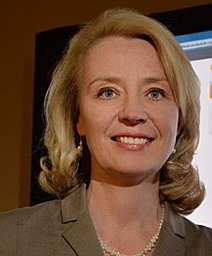 Gretchen Purcell Jackson合作论文数Department of Surgery, Vanderbilt University Medical Center17
 Kristina Landes合作论文数13Adetola Kassim合作论文数13
 Qingxia Chen合作论文数Division of Biostatistics, Vanderbilt University School of Medicine12
 Lina Sulieman合作论文数Department of Biomedical Informatics, Vanderbilt University Medical Center, Nashville, TN, USA11Creary Susan E合作论文数11
 Dan Mark Rode合作论文数Division of Clinical Pharmacology, Department of Medicin, Vanderbilt University Medical Center10Brandy M Mapes合作论文数9
 Sherif M Badawy合作论文数Hematology, Oncology and Stem Cell Transplantation, Department of Pediatrics, Feinberg School of Medicine, Northwestern University9Desai Payal C合作论文数9Marsha Treadwell合作论文数7
 Nirmish Ramesh Shah合作论文数Department of Medicine, School of Medicine, Duke University School of Medicine7
 Alexis A Thompson合作论文数Division of Hematology, Children's Hospital of Philadelphia;Northwestern University7
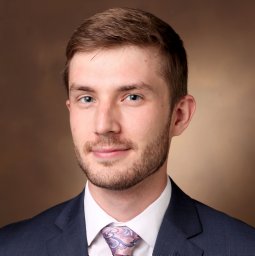 Robert J. Carroll合作论文数7
 Jane S. Hankins合作论文数Radiological Sciences;St Jude Children ' s Research Hospital;Radiological Sciences, St Jude Children ' s Research Hospital7
 Sophie Lanzkron合作论文数Johns Hopkins School of Medicine7Mark Rodeghier合作论文数6
 Leena Nahata合作论文数Department of Pediatrics, The Ohio State University College of Medicine6Christian M Shaffer合作论文数Department of Biomedical Informatics, Vanderbilt University Medical Center, Nashville, TN, USA.6
 Santosh L. Saraf合作论文数Division of Hematology and Oncology, University of Illinois at Chicago6
 Jason Karnes合作论文数Department of Pharmacy Practice and Science, College of Pharmacy, University of Arizona;Division of Pharmacogenomics, Center for Applied Genetics and Genomic Medicine;Sarver Heart Center, University of Arizona College of Medicine6
 David G. Schlundt合作论文数Department of Psychology, Vanderbilt University6Jonathan D. Mosley合作论文数Department of Pharmacology, Case Western Reserve University School of Medicine6Chyongchiou J. Lin合作论文数Department of Radiation Oncology, University of Pittsburgh Cancer Institute6Nives Quaye合作论文数5Andrew Guide合作论文数5David Wichlan合作论文数5Julia O'Brien合作论文数5Christina Lalama合作论文数5Kammie L Patillo合作论文数5Paula McCune合作论文数5Laila Elsherif合作论文数5Megan Hamm合作论文数Div Gen Internal Med, Univ Pittsburgh5Cassandra Trimnell合作论文数5Xiaoke Feng合作论文数Department of Biostatistics, Vanderbilt University Medical Center5
 Charles R Jonassaint合作论文数Medical Center, Duke University5
 Kenneth Ataga合作论文数Center for Sickle Cell Disease, University of Tennessee Health Science Center5
 Vimal K. Derebail合作论文数Division of Nephrology and Hypertension, Department of Medicine, School of Medicine, University of North Carolina at Chapel Hill5Ahmedani Brian K合作论文数5
 Jennifer Stinson合作论文数Lawrence S. Bloomberg Faculty of Nursing, University of Toronto;Institute of Health Policy, Management and Evaluation, University of Toronto;Pain Centre, The Hospital for Sick Children5
 Tonya M Palermo合作论文数Department of Anesthesiology and Pain Medicine, University of Washington;Center for Child Health, Behavior and Development, Seattle Children’s Research Institute5
 Kaleab Z Abebe合作论文数5
 Mick P. Couper合作论文数Survey Research Center, Institute for Social Research, University of Michigan5
 Lalloo Chitra合作论文数McMaster University, University of Toronto5Byrd Jeannie合作论文数5
 Sharon E. Davis合作论文数5Bailey Lakiea合作论文数5




