Background Patients with relapsed or refractory lymphoma or chronic lymphocytic leukaemia have a poor prognosis. Therapies targeting more than one isoform of PI3K, as well as mTOR, might increase antitumour activity. We aimed to investigate the efficacy and safety of voxtalisib (also known as XL765 or SAR245409), a pan-PI3K/mTOR inhibitor, in patients with relapsed or refractory lymphoma, or chronic lymphocytic leukaemia/small lymphocytic lymphoma. Methods We did a non-randomised, open-label, phase 2 trial at 30 oncology clinics in the USA, Belgium, Germany, France, the Netherlands, and Australia. Patients aged 18 years or older with Eastern Cooperative Oncology Group (EGOG) performance status score of 2 or lower and relapsed or refractory mantle cell lymphoma, follicular lymphoma, diffuse large B-cell lymphoma, or chronic lymphocytic leukaemia/small lymphocytic lymphoma were enrolled and treated with voxtalisib 50 mg orally twice daily in 28-day continuous dosing cycles until progression or unacceptable toxicity. The primary endpoint was the proportion of patients in each disease-specific cohort who achieved an overall response, defined as a complete response or partial response. All patients who received more than 4 weeks of treatment and who completed a baseline and at least one post-baseline tumour assessment were analysed for efficacy and all patients were analysed for safety. This study is registered with ClinicalTrials.gov, number NCT01403636, and has been completed. Findings Between Oct 19, 2011, and July 24, 2013, 167 patients were enrolled (42 with mantle cell lymphoma, 47 with follicular lymphoma, 42 with diffuse large B-cell lymphoma, and 36 with chronic lymphocytic leukaemia/small lymphocytic lymphoma. The median number of previous anticancer regimens was three (IQR 2-4) for patients with lymphoma and four (2-5) for patients with chronic lymphocytic leukaemia/small lymphocytic lymphoma. Of 164 patients evaluable for efficacy, 30 (18.3%) achieved an overall response (partial, n=22; complete, n=8); 19 (41.3%) of 46 with follicular lymphoma, five (11.9%) of 42 with mantle cell lymphoma, two (4.9%) of 41 with diffuse large B-cell lymphoma, and four (11.4%) of 35 with chronic lymphocytic leukaemia/small lymphocytic lymphoma. The safety profile was consistent with that of previous studies of voxtalisib. The most frequently reported adverse events were diarrhoea (in 59 [35%] of 167 patients), fatigue (in 53 [32%]), nausea (in 45 [27%]), pyrexia (in 44 [26%,]), cough (in 40 [24%]), and decreased appetite (in 35 [21%]). The most frequently reported grade 3 or worse adverse events were anaemia (in 20 [12%] of 167 patients), pneumonia (in 14 [8%]), and thrombocytopenia (in 13 [8%]). Serious adverse events occurred in 97 (58.1%) of 167 patients. Interpretation Voxtalisib 50 mg given orally twice daily had an acceptable safety profile, with promising efficacy in patients with follicular lymphoma but limited efficacy in patients with mantle cell lymphoma, diffuse large B-cell lymphoma, or chronic lymphocytic leukaemia/small lymphocytic lymphoma.
Venous thromboembolism (VTE) is common in patients with cancer and increases morbidity and mortality. VTE prevention and treatment are more complex in patients with cancer. The NCCN Guidelines for Cancer-Associated Venous Thromboembolic Disease outline strategies for treatment and prevention of VTE in adult patients diagnosed with cancer or in whom cancer is clinically suspected. These NCCN Guidelines Insights explain recent changes in anticoagulants recommended for the treatment of cancer-associated VTE.
A prospective analysis of natural killer (NK) cell phenotype and function was performed on fresh peripheral blood samples from untreated patients with B-cell chronic lymphocytic leukemia (CLL) or small lymphocytic lymphoma (SLL). Compared to healthy controls, CD56(dim) NK cells in CLL patients displayed reduced expression of the NKG2D activating receptor and increased CD27 expression, which indicates declines in mature cells. In addition, NK cells from CLL patients showed reduced degranulation responses toward transformed B cells alone or with rituximab and were more sensitive to activation-induced cell death. We further noted a striking reduction in the frequency and viability of NK cells expressing the inhibitory killer cell Ig-like receptors (KIR)2DL1 and/or KIR3DL1, which progressed over time in most patients. Comparisons between a CLL patient and healthy monozygotic twin were consistent with our results in the larger cohorts. Functional and biomarker alterations were less pronounced on NK cells from SLL patients, which have lower tumor burden in peripheral blood than CLL, but significant reduction in degranulation under ADCC conditions and lower frequency and viability of KIR-expressing NK cells were still evident in SLL. We conclude that mature KIR-expressing NK cells respond to the high circulating B cell tumor burden in CLL, but undergo activation-induced apoptosis. Consequently, CLL patients may benefit from therapies that augment NK cell survival and function.
Immune cell subsets in the blood of patients with diffuse large B-cell lymphoma before therapy were characterized by flow cytometry, and the levels of various T-cell types and natural killer cells were correlated with the eventual outcomes. High absolute levels of CD4 cells in the blood correlated with better progression-free survival and, to a lesser extent, overall survival, independent of patient age and International Prognostic Index score. Background: Tumor-infiltrating immune cells influence diffuse large B-cell lymphoma (DLBCL) outcomes. Relatively little, however, is known about the significance of peripheral blood immune cell numbers on DLBCL behavior. Patients and Methods: In the present study, 43 patients with newly diagnosed DLBCL had pretreatment multiparameter peripheral blood flow cytometry performed to assess the immune cell numbers. These cell numbers were correlated with the outcomes of progression-free survival (PFS) and overall survival. Results: After follow-up period of 0.8 to 152 months (median, 73), 25 patients (56%) were still alive. As continuous variables on univariate analysis, the predictors of PFS were patient age and absolute CD4 cell count (ACD4C), with the International Prognostic Index (IPI) marginally significant. Age was also a significant predictor of overall survival, and the IPI and ACD4C were marginally significant (P =.08). The 17 patients with a greater ACD4C >= 450/mm(3)) had better 5-year PFS than the 26 with a low ACD4C (88% vs. 50%; P =.02). Multivariable analysis, including age as a continuous variable, IPI group, and ACD4C of 450/mm(3) showed that age and ACD4C were significant for PFS (P =.01 and P =.02, respectively). Conclusion: Our data, although from a small series, suggest that the blood ACD4C might be a predictor of PFS for patients with DLBCL, independent of age and the IPI.
Hodgkin lymphoma (HL) patients who have relapsed after autologous hematopoietic cell transplantation (HCT) and received nivolumab may achieve adequate disease control and be eligible for allogeneic (allo)-HCT. US Prescribing Information recommends monitoring for allo-HCT complications after nivolumab—eg, hyperacute graft-versus-host disease (GVHD), grade (G) 3–4 GVHD, steroid-requiring febrile syndrome (SRFS), and other immune-mediated reactions.
PURPOSE:Cancer cells can exploit the programmed death-1 (PD-1) immune checkpoint pathway to avoid immune surveillance by modulating T-lymphocyte activity. In part, this may occur through overexpression of PD-1 and PD-1 pathway ligands (PD-L1 and PD-L2) in the tumor microenvironment. PD-1 blockade has produced significant antitumor activity in solid tumors, and similar evidence has emerged in hematologic malignancies.METHODS:In this phase I, open-label, dose-escalation, cohort-expansion study, patients with relapsed or refractory B-cell lymphoma, T-cell lymphoma, and multiple myeloma received the anti-PD-1 monoclonal antibody nivolumab at doses of 1 or 3 mg/kg every 2 weeks. This study aimed to evaluate the safety and efficacy of nivolumab and to assess PD-L1/PD-L2 locus integrity and protein expression.RESULTS:Eighty-one patients were treated (follicular lymphoma, n = 10; diffuse large B-cell lymphoma, n = 11; other B-cell lymphomas, n = 10; mycosis fungoides, n = 13; peripheral T-cell lymphoma, n = 5; other T-cell lymphomas, n = 5; multiple myeloma, n = 27). Patients had received a median of three (range, one to 12) prior systemic treatments. Drug-related adverse events occurred in 51 (63%) patients, and most were grade 1 or 2. Objective response rates were 40%, 36%, 15%, and 40% among patients with follicular lymphoma, diffuse large B-cell lymphoma, mycosis fungoides, and peripheral T-cell lymphoma, respectively. Median time of follow-up observation was 66.6 weeks (range, 1.6 to 132.0+ weeks). Durations of response in individual patients ranged from 6.0 to 81.6+ weeks.CONCLUSION:Nivolumab was well tolerated and exhibited antitumor activity in extensively pretreated patients with relapsed or refractory B- and T-cell lymphomas. Additional studies of nivolumab in these diseases are ongoing.
BACKGROUNDThe impact of patient body habitus and sex on outcomes in diffuse large B-cell lymphoma (DLBCL) remains controversial. We investigated the impact of body mass index (BMI), body surface area (BSA), age, and sex on clinical outcomes in patients with DLBCL treated in the rituximab era.PATIENTS AND METHODSPatients with de novo DLBCL (n=1,386) diagnosed between June 2000 and December 2010 treated with rituximab-containing chemotherapy were identified from the NCCN Oncology Outcomes Database for Non-Hodgkin's Lymphoma. Progression-free survival (PFS) and overall survival (OS) at 3 years were analyzed based on sex, age, and baseline BMI/BSA.RESULTSHigh BMI was associated with a lower risk of disease progression or death than low or normal BMI, whereas male sex was associated with poor clinical outcomes, especially among elderly patients (age >60 years). Compared with elderly women, elderly men experienced worse PFS (3-year hazard ratio [HR], 1.5) and OS (3-year HR, 1.6), but these differences diminished with increases in BMI and BSA. In multivariable analysis, normal BMI compared with high BMI was independently associated with poor outcomes (3-year PFS HR, 1.5; OS HR, 1.6) after adjusting for sex. Notably, only 13% of elderly men had BMI less than 25 kg/m2 and only 26% had BSA less than 2 m2 CONCLUSIONS: Analysis of unselected patients with DLBCL treated with rituximab-containing chemotherapy confirmed an age-dependent disadvantage to male sex in treatment outcomes, but this effect is abrogated by higher levels of BMI and BSA in most North American men.
Introduction: Allo-HSCT is a potentially curative option for patients (pts) with classical Hodgkin lymphoma (cHL) who relapse after autologous (auto)-HSCT. Nivolumab (nivo) is approved in the US for treatment of relapsed or progressive cHL after auto-HSCT and post-transplant brentuximab vedotin. Nivo was studied in pts with relapsed cHL in ph 1 (CheckMate 039, NCT01592370) and multicohort ph 2 (CheckMate 205, NCT02181738) studies. Response rate in 95 heavily pretreated cHL pts across those studies was 65%, with an estimated median duration of response of 8.7 mo. Decision to proceed to allo-HSCT after nivo was not restricted within the studies and was at the discretion of treating clinicians; some pts were referred and elected to undergo subsequent allo-HSCT. Allo-HSCT-related immune complications, including graft vs host disease (GVHD) after prior exposure to PD-1 blockade have been reported (Nivolumab US PI; 2016). Here we report safety outcomes in HL pts from these 2 studies who received nivo and subsequent allo-HSCT.
The NCCN Guidelines for Cancer-Associated Venous Thromboembolic Disease outline strategies for treatment and prevention of venous thromboembolism (VTE) in adult patients with a diagnosis of cancer or for whom cancer is clinically suspected. VTE is a common complication in patients with cancer, which places them at greater risk for morbidity and mortality. Therefore, risk-appropriate prophylaxis is an essential component for the optimal care of inpatients and outpatients with cancer. Critical to meeting this goal is ensuring that patients get the most effective medication in the correct dose. Body weight has a significant impact on blood volume and drug clearance. Because obesity is a common health problem in industrialized societies, cancer care providers are increasingly likely to treat obese patients in their practice. Obesity is a risk factor common to VTE and many cancers, and may also impact the anticoagulant dose needed for safe and effective prophylaxis. These NCCN Guidelines Insights summarize the data supporting new dosing recommendations for VTE prophylaxis in obese patients with cancer.
969 CancerScope: Oncology Issues in Focus Carrie Printz This news section offers Cancer readers timely information on events, public policy analysis, topical issues, and personalities. This edition looks at a new electrical device for patients with glioblastoma, a new analysis that shows CT lung cancer screening is cost effective, and results of a new study that found quality of life in patients with prostate cancer improves with a shorter course of androgen deprivation therapy. Published online 18 March 2015
The NCCN Guidelines for Cancer-Associated Venous Thromboembolic Disease outline strategies for treatment and prevention of venous thromboembolism (VTE) in adult patients with a diagnosis of cancer or for whom cancer is clinically suspected. VTE is a common complication in patients with cancer, which places them at greater risk for morbidity and mortality. Therefore, risk-appropriate prophylaxis is an essential component for the optimal care of inpatients and outpatients with cancer. Critical to meeting this goal is ensuring that patients get the most effective medication in the correct dose. Body weight has a significant impact on blood volume and drug clearance. Because obesity is a common health problem in industrialized societies, cancer care providers are increasingly likely to treat obese patients in their practice. Obesity is a risk factor common to VTE and many cancers, and may also impact the anticoagulant dose needed for safe and effective prophylaxis. These NCCN Guidelines Insights summarize the data supporting new dosing recommendations for VTE prophylaxis in obese patients with cancer.
BACKGROUNDThe role of consolidation radiotherapy was examined for patients with diffuse large B‐cell lymphoma who were treated at institutions of the National Comprehensive Cancer Network during the rituximab era.METHODSFailure‐free survival (FFS) and overall survival (OS) were analyzed in terms of patient and treatment characteristics. Potential associations were investigated with univariate and multivariate survival analysis and matched pair analysis.RESULTSThere were 841 patients, and most (710 or 84%) received 6 to 8 cycles of rituximab, cyclophosphamide, doxorubicin, vincristine, and prednisone (R‐CHOP); 293 (35%) received consolidation radiation therapy (RT). Failure occurred for 181 patients: 126 patients (70%) who did not receive RT and 55 patients (30%) who did. At 5 years, both OS and FFS rates were better for patients who had received RT versus those who did not (OS, 91% vs 83% [P = .01]; FFS, 83% vs 76% [P = .05]). A matched pair analysis (217 pairs matched by age, stage, International Prognostic Index [IPI] score, B symptoms, disease bulk, and response to chemotherapy) showed that the receipt of RT improved OS (hazard ratio [HR], 0.53 [P = .07]) and FFS (HR, 0.77 [P = .34]) for patients with stage III/IV disease, but too few events took place among those with stage I/II disease for meaningful comparisons (HR for OS, 0.94 [P = .89]; HR for FFS, 1.81 [P = .15]). A multivariate analysis suggested that the IPI score and the response to chemotherapy had the greatest influence on outcomes.CONCLUSIONSThere was a trend of higher OS and FFS rates for patients who had received consolidation RT after R‐CHOP (especially for patients with stage III/IV disease), but the difference did not reach statistical significance. Cancer 2014. © 2014 American Cancer Society. Cancer 2015;121:1032–1039. © 2014 American Cancer Society.
A 70-year-old African American man with a history of prostatic adenocarcinoma presented with unexplained weight loss for few months.CT scan revealed mesenteric lymphadenopathy.Fine needle aspiration was performed and interpreted initially as no malignancy seen.Flow cytometry revealed T cells with a CD4:CD8 ratio of 44:1.His WBC: 7,400/μL with 4,100/μL absolute lymphocytes count (ALC) with atypical T-cell population by flow cytometry which was proven to be clonal by TCR gene rearrangement PCR study.A dry tap bone marrow biopsy revealed 60% involvement by diffuse interstitial involvement by T-cell lymphoma, not otherwise specified.Clinically, he had a small volume adenopathy elsewhere which is below the limit of detection and below the threshold for malignancy.Few months later his liver function enzymes were slightly elevated and his serum LDH level increased dramatically and CVP (cyclophosphamide, vincristine, and prednisone) chemotherapy was started.The WBC at that time was 12,200/μL, with atypical CD4+ T-cell population.After he received 6 cycles of CPV he presented with WBC: 94,300/μL, ALC: 92,000/μL.By flow cytometry 96% of lymphocytes are T cells expressed CD4, CD2, CD7, CD5, and TCR alpha/beta.All T cells, including CD4+ T cells, were strongly positive for CD52.Cytogenomic microarray study revealed multiple genomic imbalances including losses of chromosome segments of 6q, 7p, 8p, 11q, 14q, 15q, 18p, and 22q, and gains of chromosome or segments of 5p, 6p, 8q, 9, 22q, and Xq.Fluorescence in situ hybridization (FISH) studies identified translocation involving the T-cell receptor gene at 14q11.2.Final diagnosis was: T-cell prolymphocytic leukemia.T-PLL usually presents with marked lymphocystosis (>100 × 10 3 /μL) and some time with skin lesions or pleural effusion.To our knowledge, this is the first report of T-PLL presenting with lymphadenopathy without lymphocystosis.
Single nucleotide polymorphism (SNP)-based chromosome microarray analysis was used to uncover copy neutral loss of heterozygosity (LOH) in the long arm of chromosome 20 in blood or bone marrow specimens from three patients with chronic lymphocytic leukemia/small lymphocytic lymphoma (CLUSLL). All three patients presented with lymph node enlargement. Whereas one of the patients has had a complicated clinical course, the other two have a more indolent disease. Sequence analysis of the tumor suppressor gene ASXL1, which is located in 20q and is commonly mutated in malignant myeloid diseases and occasionally in CLUSLL specimens, revealed no mutations in our three patients with copy neutral LOH in 20q. The possible contribution of other imprinted microRNAs and antisense genes residing in 20q to the pathogenesis of a subset of CLUSLL patients is discussed. These findings illustrate the value of SNP arrays for the detection of novel recurrent genomic alterations that may contribute to CLUSLL onset or progression.
8545 Background: There is a deficiency of published data examining non-cytotoxic options for the frontline treatment of HTB iNHL. In addition, few HTB iNHL series have reported outcomes with long-term follow-up (ie, >3-4 years). Methods: All patients (pts) were required to have HTB by GELF criteria. Treatment in this multicenter phase II study consisted of 3 induction cycles of bortezomib (1.6 mg/m2 weekly x 4) and rituximab (4 weeks cycle 1; 1 dose cycles 2 + 3) administered q35 days. This was followed by an abbreviated consolidation (ie, each drug once q 2 months x 4). All outcomes were analyzed by intent-to-treat. Results: 42 pts were enrolled and all were evaluable. Histologies were follicular lymphoma (FL) (n=33, 79%), marginal zone lymphoma (n=6, 12%), small lymphocytic lymphoma (n=2, 7%), and Waldenstroms (n=1, 2%). Pt characteristics included median age 62 years (40-86); 38% bulky disease (>7cm); 19% malignant effusions; 91% advanced-stage; and the median FLIPI was 3. Therapy was well tolerated with few grade 3/4 toxicities and minimal neurotoxicity. Grade 3 adverse events (AE) were fever (5%), infusion reaction (5%), infection (5%), cardiac (5%), fatigue (5%), diarrhea, hypokalemia and bowel obstruction (2% each); the only grade 4 AEs were neutropenia (5%) and thrombocytopenia (2%). There was no motor neuropathy noted, no grade 3 or 4 sensory neuropathy, and the rates of grade 1 and 2 sensory neuropathy were 14% and 2%, respectively. Overall response rate (ORR) at end of therapy was 70% with a 40% complete remission (CR) rate (FL: ORR 76%, CR 44%). With 50 month median follow-up, 4-year progression-free survival (PFS) was 44% with 4-year overall survival (OS) of 87% (FL: 44% and 97%, respectively). Four-year PFS for FLIPI 0-2 vs 3-5 were 60% vs 26%, respectively (P=0.02), with corresponding OS rates of 92% and 81%, respectively (P=0.16). Interestingly, 4-year OS was superior for FL compared with non-FL histologies (97% vs 43%, respectively, P=0.003). Conclusions: Altogether, bortezomib/rituximab is a targeted therapeutic regimen that was very well tolerated and resulted in long-term survival rates approximating prior HTB FL rituximab/chemotherapy series. Clinical trial information: NCT00369707.
Background: B-cell chronic lymphocytic leukemia (CLL) is a common blood cancer characterized by high prevalence of malignant B cells in peripheral blood. Small lymphocytic lymphoma (SLL) is considered to be a different presentation of the same disease, with the malignant B cells primarily localized in lymph nodes. Natural killer (NK) cells are innate immune effectors that can spontaneously identify and kill malignant cells, especially hematopoietic cancers. In peripheral blood of CLL patients, NK cells are chronically exposed to significant tumor burden, which is predicted to influence their phenotype and function. Effective NK cell function may be particularly beneficial in CLL patients, since commonly-used monoclonal antibody therapies (e.g. rituximab, alemtuzumab) rely at least partially on ADCC-mediated by NK cells.
There is a lack of published data examining non-cytotoxic options for the frontline treatment of patients with high-tumour burden (HTB) indolent non-Hodgkin lymphoma (iNHL). We completed a multicentre phase II study for patients with untreated HTB iNHL (NCT00369707) consisting of three induction cycles of weekly bortezomib and rituximab followed by an abbreviated consolidation. Forty-two patients were treated and all were evaluable; the most common histology was follicular lymphoma (FL) (n = 33, 79%). Patient characteristics included median age 62 years (40-86); 38% bulky disease; 19% malignant effusions; 91% advanced-stage disease; and median FL International Prognostic Index (FLIPI) score was 3. Therapy was well tolerated with few grade 3/4 toxicities including minimal neurotoxicity. On intent-to-treat, the overall response rate (ORR) at end of therapy was 70% with a complete remission (CR) rate of 40% (FL: ORR 76%, CR 44%). With 50-month median follow-up, 4-year progression-free survival (PFS) was 44% with 4-year overall survival (OS) of 87% (FL: 44% and 97%, respectively). Four-year PFS for FLIPI 0-2 vs. 3-5 was 60% vs. 26% respectively (P = 0·02), with corresponding OS rates of 92% and 81% respectively (P = 0·16). Collectively, bortezomib/rituximab is a non-cytotoxic therapeutic regimen that was well tolerated and resulted in long-term survival rates approximating prior rituximab/cytotoxic chemotherapy series for untreated HTB FL.
Introduction: Classical Hodgkin lymphoma (cHL) is characterized by Reed Sternberg (RS) cells surrounded by an extensive but ineffective inflammatory/immune cell infiltrate. Recent studies suggest that Hodgkin RS cells have developed mechanisms that exploit the programmed cell death-1 (PD-1) pathway to evade immune detection. In cHL, chromosome 9p24.1 gain is a frequent structural alteration that increases the gene dosage of the PD-1 ligands, PD-L1 and PD-L2, and their induction via JAK/STAT signaling. Epstein-Barr Virus (EBV) infection also increases the expression of the PD-1 ligands in EBV-positive cHL. Ligand binding to PD-1 receptor-positive activated T cells induces “T cell exhaustion,” a reversible inhibition of T cell activation and proliferation.
 Andrew D. Zelenetz合作论文数Memorial Sloan Kettering Cancer Center28
 Ann S. Lacasce合作论文数Department of Medical Oncology, Dana-Farber Cancer Institute;Harvard Medical School27
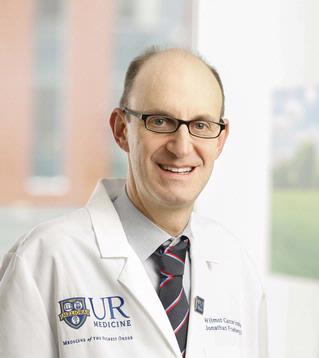 Jonathan W. Friedberg合作论文数Wilmot Cancer Institute25
 Czuczman Myron S合作论文数24
 Alma Rodriguez合作论文数23Abel Gregory A合作论文数23
 Joyce Niland合作论文数Department of Diabetes & Cancer Discovery Science, Arthur Riggs Diabetes & Metabolism Research Institute, City of Hope;Comprehensive Cancer Center, City of Hope;Keck School of Medicine, University of Southern California;National Institutes of Health23Auayporn Nademanee合作论文数19Vanderplas Ann合作论文数18Mitchell R. Smith合作论文数17
 Mark Kaminski合作论文数University of Michigan16Margaret O’donnell合作论文数13Maness Lori J合作论文数12Crosby-Thompson Allison L合作论文数12
 Paul J. Shami合作论文数Division of Hematology and Hematologic Malignancies, University of Utah;Huntsman Cancer Institute, University of Utah;Department of Molecular Pharmaceutics, University of Utah12
 Hossein Borghaei合作论文数Department of Hematology, Fox Chase Cancer Center;Department of Oncology, Fox Chase Cancer Center12Steven D. Gore合作论文数School of Medicine, Yale University11
 Richard M. Stone合作论文数Dana-Farber Cancer Institute;Harvard Medical School11Maoko Naganuma合作论文数10
 Leo I. Gordon合作论文数International Institute for Nanotechnology, Weinberg College of Arts and Sciences, Northwestern University10Attar Eyal C合作论文数10Crosby Allison L合作论文数10
 Corey J. Langer合作论文数Perelman School Of Medicine, University of Pennsylvania10
 Peter Greenberg合作论文数Medicine Department, Stanford University9
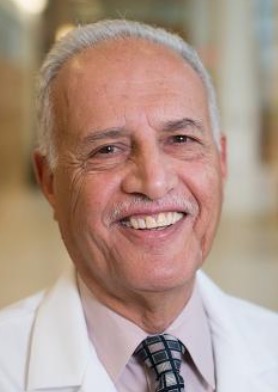 Tahseen I. Al-Saleem合作论文数Department of Pathology, Fox Chase Cancer Center, Temple University Health System, Inc.9
 Scott J. Rodig合作论文数Department of Pathology, Brigham and Women's Hospital, Harvard Medical School;Tissue Biomarker Laboratory, Center for Immuno-Oncology, Dana-Farber Cancer Institute9Karin Gaensler合作论文数8
 Leo I Gordon合作论文数Hematology and Oncologys, Department of Medicine, Feinberg School of Medicine, Northwestern University8
 John M. Bennett合作论文数Division of Hematology and Oncology, Department of Medicine, University of Rochester Medical Center8
 Samuel Litwin合作论文数8
 David R Head合作论文数8
 Jane N Winter合作论文数Hematology and Oncologys, Department of Medicine, Feinberg School of Medicine, Northwestern University7
 Olga Frankfurt合作论文数Division of Hematology and Oncology, Feinberg School of Medicine, Northwestern University;Robert H. Lurie Comprehensive Cancer Center, Northwestern University7
 Thomas Lee Ortel合作论文数Division of Hematology, Department of Medicine, Duke University School of Medicine;Duke Cancer Institute7
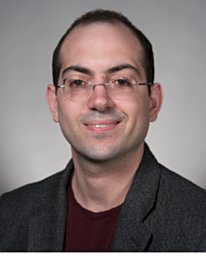 Halwani Ahmad S合作论文数Holden Comprehensive Cancer Center, University of Iowa College of Medicine7
 Philippe Armand合作论文数Dana-Farber Cancer Institute7
 Samuel Zachary Goldhaber合作论文数Division of Cardiovascular Medicine, Brigham and Women's Hospital;Harvard Medical School7
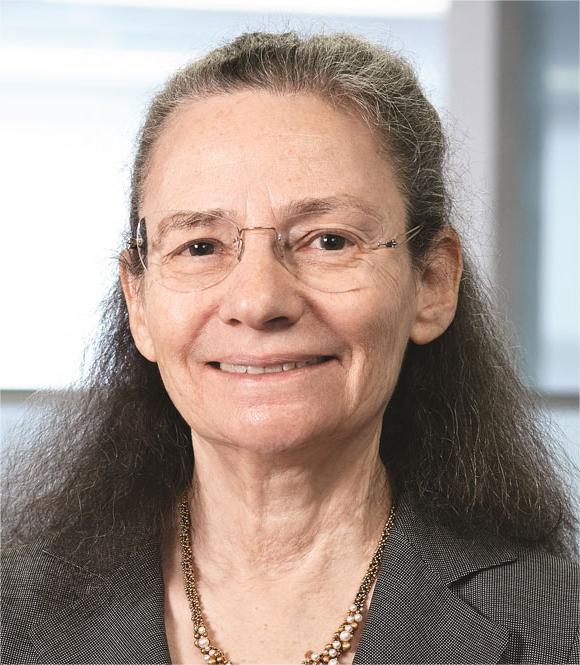 Clara D. Bloomfield合作论文数Comprehensive Cancer Center, The Ohio State University7
 Paula Bockenstedt合作论文数7Lloyd E. Damon合作论文数7
 John Fanikos合作论文数7
 Michael Blake Streiff合作论文数Special Coagulation Laboratory, The Johns Hopkins Hospital;Department of Medicine, The Johns Hopkins Hospital;Department of Pathology, Johns Hopkins Hospital;Comprehensive Hemophilia Treatment Center, The Johns Hopkins Hospital;Armstrong Institute for Patient Safety and Quality, The Johns Hopkins Hospital7Jason T Lee合作论文数6Carolyn Chesney合作论文数6Bjorn Holmstrom合作论文数6Carlos M. De Castro合作论文数6Shuwei Gao合作论文数6Karen Ruth合作论文数6
 Anaadriana Zakarija合作论文数Hematology and Oncologys, Department of Medicine, Feinberg School of Medicine, Northwestern University6




