The South American Coastal Shallow Subtropical Lakes (SA-CSSL) represent the largest continuous coastal shallow-lake system of its kind globally — a 1,000 km belt of over 100 wind-exposed polymictic lakes and lagoons - mostly freshwater due to high precipitation, groundwater inputs and large catchments — arrayed along southern Brazil into eastern Uruguay. The SA-CSSL lakes formed during the Quaternary as barrier–lagoon systems - lagoons impounded behind coastal sand barriers, a unique and peculiar feature in the context of shallow lakes. Despite their regional and global relevance, subtropical shallow lakes remain under-represented in limnology, making SA-CSSL a critical research target that goes beyond temperate-dominated research. The region spans strong climatic and anthropogenic gradients and is directly influenced by the El Niño Southern Oscillation (ENSO), creating a natural laboratory for comparative and replicated studies on ecosystem processes, biodiversity and resilience. Here, we synthesise the current knowledge on the system’s origin, structure, functioning and pressures and formulate a forward-looking plan for coordinated research and monitoring. Drawing on the strategic outcome from a 2025 workshop in Brazil, we delineate four representative aquatic subsystems with historical monitoring and active projects — the Tramandaí River System, Patos Lagoon System, Mangueira–Mirim System and Uruguayan Lagoon System — as sentinels for integrated observation and research. Key anthropogenic and climatic stressors comprehensively documented include eutrophication, urban and agricultural runoff and emerging contaminants (e.g. pharmaceuticals, pesticides, microplastics), alongside rapid landscape change and more frequently occurring extreme weather events due to climate change. We further outline priority research topics that leverage the system’s scale and gradients: (i) pollutant and “novel entity” surveillance combining analytical chemistry with microbial and molecular biomarkers; (ii) biodiversity and community-assembly studies across ecotones and salinity transitions; (iii) remote-sensing–enabled lake modelling and early-warning indicators; (iv) designs for extreme inflow events; and (v) transboundary governance cases. To align local action with global needs, we align a monitoring framework with planetary boundaries, propose indicators and highlight data-infrastructure needs. We position SA-CSSL as a globally unique large-scale model for subtropical shallow lakes and a collaborative nexus for testing ecological theory and managing freshwater under accelerating climate and societal change.
Linking microbial biogeography with functional potential has become a central theme of microbial ecology in recent years. However, for detailed global analyses, samples from understudied regions are required. South America, which harbors around one-third of world’s total freshwater, is one such region. Here, we sequenced nine metagenomes with both short- (Illumina) and long- (Oxford Nanopore) read technologies from diverse aquatic environments in Uruguay, including a freshwater reservoir, two freshwater lagoons and two coastal lagoons with sampling sites spanning a salinity gradient, and the adjacent coastal Southern Atlantic Ocean. Assembly and binning resulted in 707 metagenome-assembled genomes (MAGs) of >50% completeness and <5% contamination. Of these, more than 60% represent putative new species not yet represented in the Genome Taxonomy database. At least 159 MAGs are of high-quality, and 31 were recovered as single circular contigs. This dataset provides a valuable resource for future studies on aquatic microbial diversity, evolution, and biogeography.
In an era of accelerating ocean warming, understanding the drivers of microbial community composition is more urgent than ever. Long-term time-series studies are particularly powerful for this purpose. However, most previous work remains confined to the Northern Hemisphere and focuses solely on taxonomy, leaving the Southern Hemisphere underrepresented and microorganisms’ functional dimensions underexplored. Moreover, phenomena such as current-driven community shifts and microbial vulnerability to warming remain poorly understood. Here, we address these gaps by analyzing microbial communities over two years at the South Atlantic Microbial Observatory (SAMO), located off the coast of Uruguay within a Marine Protected Area. SAMO, situated under the contrasting influences of the Brazil and Malvinas currents and recognized as a global-warming hotspot, provides an ideal setting to study the temporal dynamics of marine microbial communities. Using shotgun metagenomics and 16S rRNA amplicon sequencing, we revealed strong seasonal shifts driven by environmental variability and the influence of these two ocean currents, resulting in two community states (summer–autumn vs winter–spring). These states exhibited contrasting composition, diversity, and assembly mechanisms. Further, our results show that taxonomic and functional diversity trends diverge between these periods. Crucially, our work suggests that the predicted tropicalization of Uruguay’s coast is likely to boost taxonomic richness but erode functional repertoires, while also increasing vulnerability to ocean warming, potentially undermining biogeochemical functioning. ### Competing Interest Statement The authors have declared no competing interest. Agencia Nacional de Investigación e Innovación, https://ror.org/03egaj678 Max Planck Institute for Marine Microbiology, https://ror.org/02385fa51 Comisión Sectorial de Investigación Científica, https://ror.org/02trn6p95
Microbial communities play pivotal roles in ocean biogeochemistry, yet linking their composition to ecosystem functions remains a significant challenge. In this study, we demonstrate the predictive power of bacterioplankton taxonomic composition in explaining oxygen consumption during dissolved organic matter (DOM) degradation. Using 4 years of experimental data, we integrated 'omics with statistical modeling, applying feature selection and dimensionality reduction to develop high-performance linear regression models with strong predictive accuracy. Our framework also identifies key microbial groups driving oxygen consumption, including taxa known for their differential capabilities in DOM processing and recently shown to exhibit distinct respiration rates. Flavobacteriales emerge as central contributors to oxygen consumption, underscoring their ecological importance in nutrient-rich, highly productive coastal systems often referred to as 'green seas'. Their consistent dominance across varying oxygen consumption categories highlights their pivotal role in sustaining ecosystem functions in these environments. Beyond oxygen consumption, this framework provides a versatile tool for investigating microbially driven biogeochemical processes. By linking community composition with ecosystem functions, our study advances predictive microbial ecology. These findings deepen our understanding of microbial contributions to the ocean's carbon and oxygen cycles, improving our ability to anticipate their responses to environmental change.
The SAR11-IIIb genus Fontibacterium within the order 'Ca. Pelagibacterales' is recognized for its ubiquitous presence in freshwater environments. However, cultivation limitations have hampered deeper ecophysiological understanding of this genus, with most data limited to lakes in the Northern Hemisphere. Here we present seven isolates representing two previously undescribed species, along with 93 high-quality metagenome-assembled genomes (MAGs) derived from a global survey across five continents. Phylogenomic analysis revealed 16 species forming nine distinct biogeographic clusters, indicating speciation patterns linked to water temperature and latitude. We observed endemic species restricted to African lakes, and quasi-endemic species confined to the Northern or Southern Hemisphere, which co-exist alongside cosmopolitan species. Metabolic profiling and growth experiments uncovered species- and strain-specific adaptations for nutrient uptake, along with unique pathways for sulfur metabolism. These findings provide a global-scale genomic and ecological overview for this underexplored lineage of freshwater SAR11.
This study analyzed the composition and optical properties of dissolved organic matter (DOM) in the Northern Patagonian Continental Shelf (Southwestern Atlantic Ocean), which embraces highly diverse hydrographic, biological and biogeochemical regimes. The main aim was to identify autochthonous and allochthonous sources of DOM, its bulk molecular characteristics and bioavailability, in relation to contrasting regional nutrient and circulation patterns. In the coastal sector at depths ≤50 m, only a moderate riverine input of DOM and nutrients was detected, yet high values of the humification index (HIX) pointed to a continental origin of aromatic DOM, with sediment resuspension significantly contributing dissolved humic carbon, silicate and phosphate. In the middle shelf, high dissolved organic carbon and chlorophyll levels coincided with low bacterial carbon production (BCP) and HIX values, indicating an autotrophic production of aliphatic DOM. This was supported at the outer shelf and shelf break by nitrate input from the Malvinas Current and in the middle shelf by potentially regenerated ammonium. In the shelf break, humic- and protein-like fluorescent DOM maxima were likely originated from phytoplankton lysates, as suggested by high tryptophan-like fluorescence signals. The variation of the biological activity index (BIX) was only partially explained by chlorophyll, while BCP patterns did not. There is evidence of a site-dependent compositional artifact in the BIX values due to a background of high-BIX, recalcitrant DOM, possibly aromatic low-molecular weight peptides. Wind-driven shifts in surface circulation influenced the distribution of DOM, nutrients, and temperature, highlighting their role in the region's annual spring bloom and future DOM dynamics studies. Overall, the results indicate a transition from terrestrially influenced, humic-rich DOM in coastal waters to predominantly autotrophic, protein-like DOM offshore, driven by nutrient availability and wind-modulated circulation. This pattern underscores the key role of physical forcing in shaping DOM sources and transformation across the Northern Patagonian Shelf.
Bacteria are essential for ecosystem maintenance, drive biogeochemical cycles, and influence responses to climate change. Additionally, many are involved in blooms and toxin production, affecting environmental quality. Despite their crucial role, some of their characteristics are only now being understood with the development of molecular techniques independent of cultivation. Thus, the recent effort to unify classical and microbial ecology studies has led to a better understanding of their dynamics. Here, we investigate the temporal processes that influence bacterial abundance and persistence, as well as their role in promoting or inhibiting the presence of certain organisms in the core of a metacommunity. Using molecular approaches such as amplicon and metagenomic analyses, we retrieved information on key bacteria (those with high abundance and/or persistence) from the South Atlantic Microbial Observatory (SAMO) to assess their interactions with environmental and biological factors. We identified a significant relationship between diversity changes, temperature, and nutrient availability, in a recurrent pattern that clusters winter-spring and summer-autumn communities, suggesting a connection with the seasonal changes in marine currents characteristic of this region. Among the key organisms, SAR11 and Flavobacteriaceae stand out. Flavobacteriaceae is known for its adaptive capacity and large genomes, while SAR11 has a reduced genome, making it dependent on compounds produced by other organisms. We identified an annual fluctuation in its abundance linked to Synechococcus blooms. The significant co-occurrence of ASVs from both groups reinforces the evidence of a biological interaction that sustains SAR11 through the exchange of these compounds. Through this study, we contribute to clarifying the factors that locally influence the geographic patterns of marine bacteria and identifying the pathways that promote their dynamics and functions in the ecosystem. ### Competing Interest Statement The authors have declared no competing interest. Agencia Nacional de Investigación e Innovación Programa de Desarrollo de las Ciencias Básicas Scientific Research Comission of the Universidad de la República
Aquatic microbial communities are well known to rapidly respond to environmental changes, and to harbor the highest taxonomic and genetic diversity among biological communities. Nevertheless, they remain under-utilized as bioindicators of contamination. Here we applied indicator value analysis (IndVal) to aquatic microbial communities to identify indicators of anthropogenic pressure by emerging contaminants at basin scale. For that, we defined categories of impact according to the Aquatic Quality Index (AQI) based on previous determinations of emerging contaminants (ECs) along an anthropogenic impact gradient. Indicator value analysis (IndVal) was conducted to identify amplicon sequence variants (ASVs; analogous to species in other fields of ecology) associated with each category.It was possible to find combinations of ASV indicators for all impact categories defined by the AQI. Microbial indicators exhibited a high capacity to predict the group membership of the samples within each AQI category and to correctly assign the samples to the appropriate category, employing leave-one-out cross-validation (100 % correctly assigned for streams and coastal sea and 94% for lagoons).This is the first report of emerging contamination indicators based on microbial communities. These results reaffirm the capacity of microbial communities to rapidly adjust their taxonomic composition in response to environmental changes. Therefore, these microscopic entities are promising for the application of environmental management measures and the approximation presented here contributes to the advancement of tools dedicated to monitoring aquatic ecosystems, and the application of more stringent standards for water quality than what is currently implemented.
Freshwater environments and coastal marine areas provide key ecosystem services to society and serve as habitats for biodiversity. However, they face major challenges from human activities and climate factors, leading to global degradation. The effect of these agents depends on geographic location and climate, among other factors. To comprehensively understand the effect of these factors, continuous, standardized and long-term information is crucial. In particular, the aquatic microbiome plays a fundamental role in the cycling of matter and has been shown to act as a robust indicator of ecological status. Long-term monitoring of microbial assemblages can provide valuable insights into the characteristics and the changes water bodies undergo, delivering early warnings of critical impacts. Thus, the Latin American Aquatic Microbial Observatory Network (AMOLat) was set up during the inaugural meeting of the Latin American Collaborative Network on Microbial Aquatic Ecology (μSudAqua) in 2017. Observatory sites were carefully chosen, considering their accessibility and local relevance to each research group, ensuring the ongoing consistency of sampling efforts. This work aims to provide a historical overview of the network’s formation, highlighting key debates and definitions that took place during 2017-2023. Furthermore, it includes an initial characterization of the observatory sites and explores the possibilities that they offer to understand the structure and function of aquatic ecosystems in Latin America. The network presently encompasses 13 observatories, spanning a broad latitudinal range, numerous ecoregions and diverse aquatic ecosystems, displaying different environmental and anthropic impacts. Participating groups enhanced interactions, created a Protocol Book and showcased initial results through various communication efforts. Ultimately, establishing a regional network of aquatic observatories becomes mandatory for providing essential reference points to assess the response of microorganisms to global change in both the short and long term within Latin America.
In this review we highlight the relevance of biodiversity that inhabit coastal lagoons, emphasizing how species functions foster processes and services associated with this ecosystem. We identified 26 ecosystem services underpinned by ecological functions performed by bacteria and other microbial organisms, zooplankton, polychaetae worms, mollusks, macro-crustaceans, fishes, birds, and aquatic mammals. These groups present high functional redundancy but perform complementary functions that result in distinct ecosystem processes. Because coastal lagoons are located in the interface between freshwater, marine and terrestrial ecosystems, the ecosystem services provided by the biodiversity surpass the lagoon itself and benefit society in a wider spatial and historical context. The species loss in coastal lagoons due to multiple human-driven impacts affects the ecosystem functioning, influencing negatively the provision of all categories of services (i.e., supporting, regulating, provisioning and cultural). Because animals' assemblages have unequal spatial and temporal distribution in coastal lagoons, it is necessary to adopt ecosystem-level management plans to protect habitat heterogeneity and its biodiversity, ensuring the provision of services for human well-being to multi-actors in the coastal zone.
Underwater sampling needs to strike a balance between time-efficient and standardized data that allow comparison with different areas and times. The roving diver survey involves divers meandering and actively searching for species and has been useful for producing fish species lists but has seldom been implemented for benthic taxa. In this study, we used this non-destructive technique to register species associated with kelp forests at the sub-Antarctic Bécasses Island (Beagle Channel, Argentina), detecting numerous species while providing the first multi-taxa inventory for the area, including macroalgae, invertebrates, and fish, with supporting photographs of each observation hosted on the citizen science platform iNaturalist. This research established a timely and cost-effective methodology for surveys with scuba diving in cold waters, promoting the obtention of new records, data sharing, and transparency of the taxonomic curation. Overall, 160 taxa were found, including 41 not reported previously for this area and three records of southernmost distribution. Other studies in nearby areas with extensive sampling efforts arrived at similar richness estimations. Our findings reveal that the roving diver survey using photographs is a good approach for creating inventories of marine species, which will serve for a better understanding of underwater biodiversity and future long-term monitoring to assess the health of kelp environments.
Increasing awareness of environmental impacts caused by anthropogenic activities highlights the need to determine indicators of environmental status that can be routinely assessed at large spatial and temporal scales. Microbial communities comprise the greatest share of biological diversity on Earth and can rapidly reflect recent environmental changes while providing a record of past events. However, they have rarely been targeted in the search for ecological indicators of habitat types, environmental conditions, or environmental changes. Here, as a proof of principle, we analysed the bacterioplankton community composition of 4 estuaries in North and South America, Europe, and Asia, and looked for indicators of groups of samples defined using partition techniques, according to primary physicochemical variables typically monitored to infer water quality. Indicator value analysis (IndVal) was conducted to identify indicator operational taxonomic units (OTUs; analogous to species in other fields of ecology) in each group. These bacterioplankton-based indicators exhibited a high capacity to predict the group membership of the samples within each estuary and to correctly assign the samples to the appropriate estuary in a combined data set, employing different machine learning techniques. The indicators were composed of OTUs belonging to several bacterial phyla, which responded significantly and differentially to the environmental variables used to define the groups of samples. Moreover, the predictive values of these bacterial indicators were generally higher than those of other biological assemblages commonly used for environmental monitoring. Therefore, this approach appears to be a promising tool to complement existing strategies for monitoring and conservation of aquatic systems worldwide.
The biogeography of bacterial communities is a key topic in Microbial Ecology. Regarding continental water, most studies are carried out in the northern hemisphere, leaving a gap on microorganism's diversity patterns on a global scale. South America harbours approximately one third of the world's total freshwater resources, and is one of these understudied regions. To fill this gap, we compiled 16S rRNA amplicon sequencing data of microbial communities across South America continental water ecosystems, presenting the first database µSudAqua[db]. The database contains over 866 georeferenced samples from 9 different ecoregions with contextual environmental information. For its integration and validation we constructed a curated database (µSudAqua[db.sp]) using samples sequenced by Illumina MiSeq platform with commonly used prokaryote universal primers. This comprised ~60% of the total georeferenced samples of the µSudAqua[db]. This compilation was carried out in the scope of the µSudAqua collaborative network and represents one of the most complete databases of continental water microbial communities from South America.
ABSTRACTDuring the first nine months of the SARS-CoV-2 pandemic, Uruguay successfully kept it under control, even when our previous studies support a recurrent viral flux across the Uruguayan-Brazilian border that sourced several local outbreaks in Uruguay. However, towards the end of 2020, a remarkable exponential growth was observed and the TETRIS strategy was lost. Here, we aimed to understand the factors that fueled SARS-CoV-2 viral dynamics during the first epidemic wave in the country. We recovered 84 whole viral genomes from patients diagnosed between November, 2020 and February, 2021 in Rocha, a sentinel eastern Uruguayan department bordering Brazil. The lineage B.1.1.28 was the most prevalent in Rocha during November-December 2020, P.2 became the dominant one during January-February 2021, while the first P.1 sequences corresponds to February, 2021. The lineage replacement process agrees with that observed in several Brazilian states, including Rio Grande do Sul (RS). We observed a one to three month delay between the appearance of P.2 and P.1 in RS and their subsequent detection in Rocha. The phylogenetic analysis detected two B.1.1.28 and one P.2 main Uruguayan SARS-CoV-2 clades, introduced from the southern and southeastern Brazilian regions into Rocha between early November and mid December, 2020. One synonymous mutation distinguishes the sequences of the main B.1.1.28 clade in Rocha from those widely distributed in RS. The minor B.1.1.28 cluster, distinguished by several mutations, harbours non-synonymous changes in the Spike protein: Q675H and Q677H, so far not concurrently reported. The convergent appearance of S:Q677H in different viral lineages and its proximity to the S1/S2 cleavage site raise concerns about its functional relevance. The observed S:E484K-VOI P.2 partial replacement of previously circulating lineages in Rocha might have increased transmissibility as suggested by the significant decrease in Ct values. Our study emphasizes the impact of Brazilian SARS-CoV-2 epidemics in Uruguay and the need of reinforcing real-time genomic surveillance on specific Uruguayan border locations, as one of the key elements for achieving long-term COVID-19 epidemic control.
The growing concern for the quality of water in aquatic ecosystems makes it essential to develop new indicators that allow evaluating and predicting their state against anthropogenic impact. Microorganisms are able to reflect quickly changes in their habitat, through both its taxonomic and functional characteristics, and that is why they are in consideration as indicators of environmental quality (*1). The objective of this work was to identify attributes of the composition and functionality of microbial communities, to be evaluated as an indicator of water quality, focusing on emerging pollutants (ECs). For that, ECs and bacterial communities were analyzed along the basins of two coastal lagoons encompassing an anthropogenic gradient, looking for taxonomic and functional indicators. Taxonomic indicators were looked using Illumina sequencing of 16S RNAr gene V4 region followed by identification of amplicon secuence variants (ASVs) and taxonomic annotation. In the case of functional indicators, shotgun sequencing was used added to identification and annotation of open reading frames (ORFs). Clustering techniques were implemented to define groups of sites based on the concentration of different categories of ECs. Then, the indicator value analysis (IndVal) (*2) was performed to identify taxonomic and functional traits that could be used as indicators of those groups. Finally, each sample was assigned to the corresponding group based on the indicators. A first analysis involved the search of taxonomic indicators for all the set of samples including three groups of sites of low, medium and high impact of emerging contamination. It was possible to find indicators with a very high IndVal value for the three groups of samples. All indicators were based on the co-occurrence of three ASVs belonging to several of the most abundant bacteria phyla (Actinobacteria, Bacteroidetes, Cyanobacteria, Planctomycetes, Proteobacteria). The bacterial indicators correctly assigned 100% and 93% of the samples to their corresponding group for streams and lagoons respectively. Then, a comparison between taxonomic and functional indicators using a subset of 41 samples was made, including two groups of samples: high and low-medium impact. Both the taxonomic and functional indicators showed high IndVal values for the high and low impact groups, being the highest in the case of functional genes Table 1. The high impact group was perfectly predicted for both taxonomic and functional indicators. The low-medium impact group was perfectly predicted by the functional indicators and 85% of the samples were correctly assigned by the taxonomic indicators. In conclusion, widespread availability of NGS technology allows for deep characterization of microbial diversity, enabling the use of robust ecological tools. Taking into account the high indval and prediction values, taxonomic and functional bacterial indicators appear as promissory candidates to evaluate for aquatic systems monitoring and conservation strategies.
The biochemical composition and fluorescence properties of DOM were assessed in relation to phytoplankton and major aquatic bacterial clades in a regenerative area of the Argentine Shelf. DOM was mainly of autochthonous biological origin, containing humic- and protein-like substances of medium degree of unsaturation and diagenesis. Biochemical-DOM accounted for 25% of total DOC, being dissolved combined amino acids (DCAA) the dominant fraction followed by free carbohydrates. Phytoplankton was the main source of serine, alanine, and valine, and particulate carbohydrates. Gammaproteobacteria abundance correlated negatively with ammonium and positively with DCAA, suggesting a coupling between ammonium consumption and refractory amino acid production. A preferential utilization of alanine, leucine and threonine as nitrogen source was inferred from the distribution of Cytophaga-Flavobacteria-Bacteroidete in relation with dissolved free amino acids (DFAA). Notably, Alpha- and Betaproteobacteria correlated with the large pool (75%) of chemically unidentified DOC and not with DCAA or dissolved combined carbohydrates. Particularly, Alphaproteobacteria (∼40% of EUB total heterotrophic bacteria) either significantly contribute to the production of the “humic”, refractory fraction of marine DOM, or the latter impairs resource control on their abundance. Spatial heterogeneity inherent to coastal-shelf areas drives important regional variability in the biochemical properties of DOM.
We developed a genomic surveillance program for real-time monitoring of severe acute respiratory syndrome coronavirus 2 (SARS-CoV-2) variants of concern (VOCs) in Uruguay. We report on a PCR method for SARS-CoV-2 VOCs, the surveillance workflow, and multiple independent introductions and community transmission of the SARS-CoV-2 P.1 VOC in Uruguay.
Uruguay controlled the viral dissemination during the first nine months of the SARS-CoV-2 pandemic. Unfortunately, towards the end of 2020, the number of daily new cases exponentially increased. Herein, we analyzed the country-wide genetic diversity of SARS-CoV-2 between November 2020 and April 2021. We identified that the most prevalent viral variant during the first epidemic wave in Uruguay (December 2020–February 2021) was a B.1.1.28 sublineage carrying Spike mutations Q675H + Q677H, now designated as P.6, followed by lineages P.2 and P.7. P.6 probably arose around November 2020, in Montevideo, Uruguay’s capital department, and rapidly spread to other departments, with evidence of further local transmission clusters; it also spread sporadically to the USA and Spain. The more efficient dissemination of lineage P.6 with respect to P.2 and P.7 and the presence of mutations (Q675H and Q677H) in the proximity of the key cleavage site at the S1/S2 boundary suggest that P.6 may be more transmissible than other lineages co-circulating in Uruguay. Although P.6 was replaced by the variant of concern (VOC) P.1 as the predominant lineage in Uruguay since April 2021, the monitoring of the concurrent emergence of Q675H + Q677H in VOCs should be of worldwide interest.
 Luciana Griffero合作论文数12
 Emiliano Pereira-Flores合作论文数8
 Jakob Pernthaler合作论文数Department of Plant and Microbial Biology, Institute of Plant Biology, University of Zurich Switzerland8
 Rudolf Amann合作论文数Department of Molecular Ecology, Max Planck Institute for Marine Microbiology;University of Bremen8Juan Zanetti合作论文数6Belén González合作论文数6
 Claudia Piccini合作论文数Laboratorio de Microbiologia;Instituto de Investigaciones;Biologicas Clemente Estable;Laboratorio de Microbiologia, Instituto de Investigaciones|Biologicas Clemente Estable6Rubén J. Lara合作论文数5Mariana Brandes合作论文数5Mailen Arleo合作论文数5Tania Possi合作论文数5Natalia Reyes合作论文数5Ighor Arantes合作论文数5
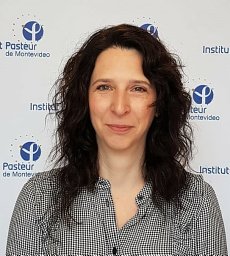 Rego Natalia合作论文数5Fernández-Calero Tamara合作论文数Facultad de Ciencias, Universidad de la República;Bioinformatics Unit, Institut Pasteur Montevideo;Institut Pasteur Montevideo, Universidad de la República5
 Spangenberg Lucía合作论文数Bioinformatics Unit, Institut Pasteur Montevideo5Noya Verónica合作论文数5
 Rodney Colina合作论文数Centro de Investigaciones Nucleares, Facultad de Ciencias5Gonzalo Bello合作论文数Laboratório de AIDS & Imunologia Molecular, Instituto Oswaldo Cruz - FIOCRUZ5
 Pablo Smircich合作论文数Laboratorio de Interacciones Moleculares, Universidad de la República5Odhille Chappos合作论文数4Melissa Duquía合作论文数4Mauricio Méndez合作论文数4leonardo c ramirez合作论文数4
 Cecilia Salazar合作论文数Centro de Innovación en Vigilancia Epidemiológica, Institut Pasteur de Montevideo4
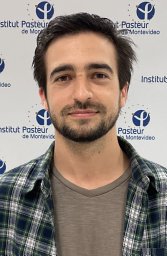 Ignacio Ferres合作论文数Inst Pasteur Montevideo, Unidad Bioinformat, Montevideo, Uruguay4
 Andres Lizasoain合作论文数4Bernd Krock合作论文数Alfred Wegener Institute for Polar and Marine Research4John E. Garzón Cardona合作论文数3Rodrigo Arce合作论文数3Viviana Bortagaray合作论文数3Ana Moller合作论文数3Martina Alonso合作论文数3Matías Maidana合作论文数3Henry Albornoz合作论文数3
 Julio Medina合作论文数3Mercedes Paz合作论文数3Bernardina Rivera合作论文数3Paula Perbolianachis合作论文数3
 Andres Perez Parada合作论文数Departamento de Química Orgánica, Universidad de la República3
 Gregorio Iraola合作论文数Unidad de Bioinformática, Institut Pasteur de Montevideo3
 Pilar Moreno合作论文数Centro de Investigaciones Nucleares, Universidad de la República3
 Germán Kopprio合作论文数Wetland Biogeochemistry, Leibniz Center for Tropical Marine Ecology3
 Mir Daiana合作论文数Laboratório de AIDS &FIOCRUZ, Instituto Oswaldo Cruz;Laboratório de AIDS & Imunologia Molecular, Instituto Oswaldo Cruz3
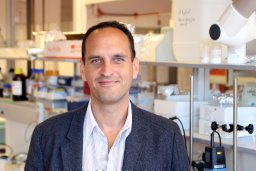 Boris P. Koch合作论文数Alfred Wegener Institute for Polar and Marine Research3Lorena Rodríguez-Gallego合作论文数3Alicia Costábile合作论文数Facultad de Ciencias, Universidad de la República3
 Danilo Calliari合作论文数3Matías Victoria合作论文数3




