Pulsed field ablation (PFA) as an energy source has caused a paradigm shift in how atrial fibrillation ablation is performed with regards to safety, efficiency, and patient experience. Initial studies throughout the United States and Europe demonstrated excellent procedural safety and efficacy but embraced fluoroscopy as a cornerstone of procedural workflow. In this manuscript, we report the one-year safety and efficacy outcomes of a fluoroless workflow in a case–control design. 100 consecutive subjects underwent PFA atrial fibrillation ablation with a pentaspline catheter, Intracardiac Echo (ICE) and 3D anatomic mapping but without fluoroscopy. All procedures were performed at a single center, and subjects were enrolled retrospectively. A historical cohort of 100 subjects that underwent Radiofrequency ablation (RF) of atrial fibrillation was used for comparison. Over the study period, a total of 100 subjects (63 M/37F); age 67 ± 9.9 underwent PF ablation and were compared with historical control group of subjects that underwent RF ablation. The average CHA2DS2-VASc score was 2.8 (± 1.7). The average LVEF was 59.6
Pulsed Field Ablation (PFA) has emerged as a new energy source for ablation of atrial fibrillation. In approximately 10
BACKGROUND:Strategies for persistent atrial fibrillation (PsAF) ablation remain limited. OBJECTIVE:This study aimed to determine optimal PsAF ablation strategies. METHODS:REAL-AF (NCT04088971) is a multicenter, prospective, observational registry enrolling patients undergoing de novo ablation for atrial fibrillation. Between January 2018 and August 2024, 746 patients with PsAF were treated with radiofrequency ablation (RFA); 3 ablation methods were analyzed: group 1, pulmonary vein isolation (PVI) only; group 2, PVI + substrate modification (SM) + vein of Marshall (VoM) by RFA; and group 3, PVI + SM + VoM by ethanol (EtOH). RESULTS:Of the overall 746 patients, 564 patients (75.6%) were treated with PVI only (group 1), 94 (12.6%) with PVI + SM + VoM RFA (group 2), and 88 (11.8%) with PVI + SM + VoM EtOH (group 3). Scar burden was higher in group 2 than groups 1 or 3 (20%, 1.0%, and 11%, respectively; P < .001). Procedure times were higher in group 3 (147 minutes; interquartile range 125.0-171.0) than groups 1 (81.0 minutes; 64.0-104.0) and 2 (90.5 minutes; 64.8-119.3). Acute complication rates were low in all groups, lowest in group 3 (0%; P = .438), and 12-month rates remained lowest in group 3 (2.3%; P = .896). Arrhythmia recurrence was reduced in group 3 through 12 months (15.3%) vs groups 1 (24.4%) and 2 (35.3%) (P = .023). Repeat ablations through 12 months trended lowest in group 3 (3.4%) vs groups 1 (5.3%) and 2 (6.4%) (P = .654). CONCLUSION:VoM EtOH ablation for PsAF seems safe and efficacious as an adjunctive strategy for the treatment of PsAF. Findings are not based on cohort size, but on comparative effectiveness and safety across distinct ablation strategies in real-world practice.
The era of pulsed field ablation (PFA) has yielded considerable improvements in procedural safety for atrial fibrillation. However, given the fixed size and depth of the electrical field in first generation PFA modalities, ablation of substrates beyond the pulmonary veins with heterogeneity of tissue thickness can be challenging. Sequential PFA and radiofrequency (RF) from a focal tip catheter may offer an advantage in these challenging substrates with potential to deliver safe and deeper lesions. In our report, we describe the first in human experience of sequential colocalized PFA and RF lesions with a 3.5-mm investigational dual energy catheter.
BACKGROUND:Fascicular ventricular arrhythmias represent a spectrum of disease ranging from premature ventricular contraction, idiopathic ventricular tachycardia to idiopathic Purkinje ventricular fibrillation (VF). In the most severe cases, VF can become refractory to many therapies and require emergency ablation with hemodynamic support. CASE SUMMARY:We present a case of a 42-year-old man with no significant past medical history who presented with refractory VF that required over 100 shocks and eventual extracorporeal membrane oxygenation-assisted ablation. DISCUSSION:Extreme presentations of Purkinje VF are rare with few multicenter reports in the literature informing prognosis and best practices. This pathophysiology is postulated to involve the Purkinje-myocardial junction. TAKE-HOME MESSAGES:Timely recognition of refractory VF and the need for advanced hemodynamic support is critical for yielding a good outcome. This case highlights the importance of bystander cardiopulmonary resuscitation and highly coordinated care among specialties yielding many lessons learned and an excellent outcome.
AIMS:Prior case series showed promising results for cardioneuroablation in patients with vagally induced atrioventricular blocks (VAVBs). We aimed to examine the acute procedural characteristics and intermediate-term outcomes of electroanatomical-guided cardioneuroablation (EACNA) in patients with VAVB. METHODS AND RESULTS:This international multicentre retrospective registry included data collected from 20 centres. Patients presenting with symptomatic paroxysmal or persistent VAVB were included in the study. All patients underwent EACNA. Procedural success was defined by the acute reversal of atrioventricular blocks (AVBs) and complete abolition of atropine response. The primary outcome was occurrence of syncope and daytime second- or advanced-degree AVB on serial prolonged electrocardiogram monitoring during follow-up. A total of 130 patients underwent EACNA. Acute procedural success was achieved in 96.2% of the cases. During a median follow-up of 300 days (150, 496), the primary outcome occurred in 17/125 (14%) cases with acute procedural success (recurrence of AVB in 9 and new syncope in 8 cases). Operator experience and use of extracardiac vagal stimulation were similar for patients with and without primary outcomes. A history of atrial fibrillation, hypertension, and coronary artery disease was associated with a higher primary outcome occurrence. Only four patients with primary outcome required pacemaker placement during follow-up. CONCLUSION:This is the largest multicentre study demonstrating the feasibility of EACNA with encouraging intermediate-term outcomes in selected patients with VAVB. Studies investigating the effect on burden of daytime symptoms caused by the AVB are required to confirm these findings.
Cardioneural ablation (CNA) and fluoroless ablation (FA) are emerging procedures and movements in contemporary in electrophysiology. Ablation of ganglionated plexus (GP) inputs in the atrium has been successfully targeted as a treatment for symptomatic bradyarrhythmias due to increased parasympathetic tone. As most of these patients are young, avoidance of ionizing radiation is of critical importance to limit potential long term deleterious effects. With widespread use of 3D electroanatomic mapping systems and advanced intracardiac echo (ICE) imaging, fluoroless ablation has become more widely adopted. However, fluoroless CNA has not been widely performed. The objective of this study is to demonstrate that CNA can be done safely and effectively without fluoroscopy. At a single-center, consecutive patients undergoing CNA with a fluoroless approach are described. GP mapping and ablation were performed in both atria. From the right atrium (RA), the right atrium-superior vena cava (RA-SVC GP), the posteromedial ganglionated plexus (PMLGP), which can be accessed from the right atrium-coronary sinus ostium, and the Vein of Marshall GP (VOM-GP) were evaluated. From the left atrium (LA), the superior left atrial ganglionated plexus (LSGP), the left inferior ganglionated plexus (LIGP), the right anterior ganglionated plexus (RAGP), and the right inferior ganglionated plexus (RIGP) were targeted. Over the study period, beginning on January 31, 2021, 30 consecutive subjects (15 females/15 males) aged 42.9 ± 13.6 years underwent GP ablation. The average subject had 9.5 (± 9.2) episodes of syncope prior to ablation. The average CHADS2-VA2SC score was zero. The average LVEF was 64.8
Catheter-based neuromodulation of intrinsic cardiac autonomic nervous system is increasingly being used to improve outcomes in patients with vasovagal syncope and bradyarrhythmias caused by vagal overactivity. However, there is still no consensus for patient selection, technical steps, and procedural end points. This review takes the reader on a practical exploration of neuromodulation for bradyarrhythmias, concentrating on the critical aspects of proper patient selection, evidence-based insights, and anatomic intricacies within the intrinsic cardiac autonomic nervous system. Also discussed are different mapping techniques and outcome measures. Future directions to optimize the utilization of this technique in clinical practice are highlighted.
Pulsed-field ablation (PFA) and fluoroless ablation (FA) are emerging techniques in contemporary in electrophysiology. With widespread use of 3D electroanatomic mapping systems and advanced intracardiac echo (ICE) imaging, fluoroless ablation has become more widely adopted. However, with the importance of tissue contact for lesion durability, initial PFA has been used with fluoroscopic guidance, but both ICE and electroanatomic mapping make fluoroless PFA feasible. The objective of this study is to demonstrate that PFA can be done safely and effectively without fluoroscopy. At a single center, consecutive patients undergoing ablation with a pentaspline PFA catheter using a fluoroless approach are described. The standard 3D anatomic map settings were adjusted with changes in interior and exterior projection, respiratory compensation, and interpolation. In addition, projection map lesions were used to confirm adequate circumferential ablation lesions. ICE was used extensively for wire guidance and evaluation of contact with tissue. Beginning on March 15, 2024, 50 consecutive subjects (19 female/31 male) aged 68.0 (± 13.7) underwent PFA ablation. The average CHA2DS2-VA2Sc score was 3.0 (± 1.9). The average LVEF was 57.3
A nation's health and economic development are inextricably and synergistically connected. Stark differences exist between wealthy and developing nations in the use of cardiac implantable electronic devices (CIEDs). Cardiovascular disease is now the leading cause of death in low- and middle-income countries (LMIC), with a significant burden from rhythm-related diseases. As science, technology, education, and regulatory frameworks have improved, CIED recycling for exportation and reuse in LMIC has become possible and primed for widespread adoption. In our manuscript, we outline the science and regulatory pathways regarding CIED reuse. We propose a pathway to advance this technology that includes creating a task force to establish standards for CIED reuse, leveraging profes- sional organizations in areas of need to foster the professional skills for CIED reuse, collaborating with regulatory agencies to create more efficient regulatory expectations and bring the concept to scale, and establishing a global CIED reuse registry for quality assurance and future science.
 Sri Sundaram合作论文数Northwestern University21Choe William C合作论文数12
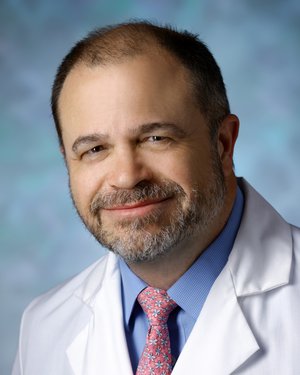 Thomas Crawford合作论文数Department of Otolaryngology-Head and Neck Surgery, School of Medicine, Johns Hopkins University5De Potter Tom合作论文数5
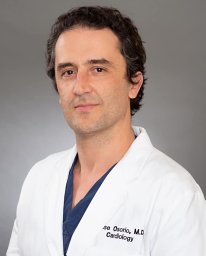 Jose Osorio合作论文数Department of Medicine, University of Alabama at Birmingham5
 Tolga Aksu合作论文数Cardiology Department, Yuksek Ihtisas Education and Research Hospital5Patrick Badertscher合作论文数4
 Henry D Huang合作论文数4Frank Bogun合作论文数4
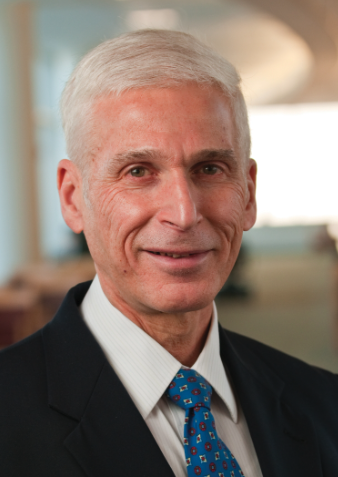 Fred Morady合作论文数The Samuel and Jean Frankel Cardiovascular Center, University of Michigan;Department of Internal Medicine, Medical School, University of Michigan4Miki Yokokawa合作论文数4
 Andre d'Avila合作论文数3John D Syrjamaki合作论文数3Christopher E Woods合作论文数3Ryan Cunnane合作论文数3Jason Bradfield合作论文数3
 Chiara Valeriano合作论文数OLV-Clinic, Cardiovascular Center Aalst3
 Moshe Rav-Acha合作论文数Jesselson Integrated Heart Center, Shaare Zedek Medical Center, Jerusalem, Israel3
 James Michael Dupree合作论文数Department of Urology, University of Michigan Medical School;Department of Obstetrics and Gynecology, University of Michigan Medical School3
 David A. Miller合作论文数Department of Economics, College of Literature, Science, and the Arts, University of Michigan-Ann Arbor3
 Hitinder Gurm合作论文数Department of Biomedical Engineering, College of Engineering, University of Michigan-Ann Arbor3Gaurav A Upadhyay合作论文数Biological Sciences Division, The University of Chicago3
 Brahmajee K. Nallamothu合作论文数Department of Internal Medicine, Medical School, University of Michigan3Vineeta Kumar合作论文数3
 Andres Enriquez合作论文数Department of Cardiology and Cardiovascular Diseases, Pontificia Universidad Católica de Chile3Joza Jacqueline合作论文数From the Division of Cardiology, McGill University Health Centre;Division of Cardiology, University of Ottawa Heart Institute;Division of Cardiology, Queen Elizabeth II Health Sciences Centre;Division of Cardiology, Victoria Cardiac Arrhythmia Trials;Division of Cardiology, Quebec Heart and Lung Institute;Division of Cardiology, London Health Sciences Centre;Division of Cardiology, Sunnybrook Health Sciences Centre;Division of Cardiology, Hôpital du Sacré-Coeur de Montréal;Division of Cardiology, St. Mary's General Hospital;Division of Cardiology, Population Health Research Institute;Division of Cardiology, Montreal Heart Institute;Division of Cardiology, Libin Cardiovascular Institute of Alberta;Division of Cardiology, Centre Hospitalier de l'Université de Montréal;Division of Cardiology, Kingston General Hospital;and Division of Cardiology, Southlake Regional Health Centre3
 Parikshit S Sharma合作论文数Englewood Hospital Medical Center3
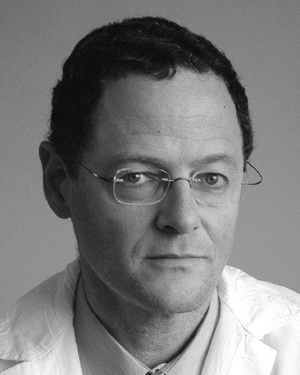 Michael Glikson合作论文数3Simon R. Dixon合作论文数Division of Cardiology, William Beaumont Hospital3
 Hakan Oral合作论文数University of Michigan Medical Center3
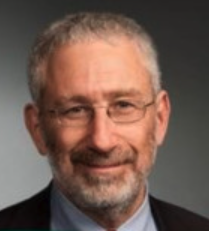 Maurie Markman合作论文数Department of Medicine, City of Hope Cancer Centers;Cancer Treatment Centers of America3
 Nitesh Sood合作论文数University of Connecticut3
 Jeffrey Winterfield合作论文数3Milan Seth合作论文数3
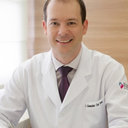 Alexander Dal Forno合作论文数2George Samson合作论文数2Karman Tandon合作论文数2Alexander R. Dal Forno合作论文数2
 Kevin J Weatherwax合作论文数2
 Kapil kumar合作论文数2Archie Brown合作论文数2Charles Newman合作论文数2
 Christopher Petrilli合作论文数2Mario Njeim合作论文数2Abhijeet Singh合作论文数2Jonathan Salcedo合作论文数2Ghaith Sharaf Dabbagh合作论文数2
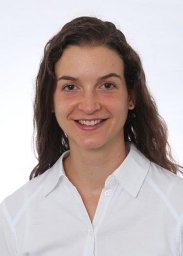 Jeanne du Fay de Lavallaz合作论文数Department of Cardiology, University Hospital Basel;University Hospital Basel, University of Basel;University Hospital Basel, University of Basel2
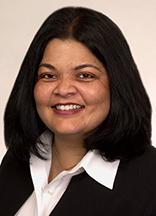 Smita Patel合作论文数Division of Cardiothoracic Radiology, Department of Radiology, Medical School, University of Michigan2




