Between January 2018 and June 2021, the Ezer Mizion recruited 223,960 donors. All donors were typed for their HLA class I and II alleles at high resolution by Next Generation Sequencing techniques. Comparison between the sequences obtained from these donors and those in the IPD‐IMGT/HLA Database, revealed 122 Novel HLA alleles that were found in 133 donors. Most of the alleles, 94 (77%) were identified in the HLA class I genes (30, 35, and 29 in HLA‐A, ‐B, and –C, respectively), and 28 (23%) were detected in the HLA class II genes (9 in HLA‐DRB1 and ‐DQB1 and 10 in ‐DPB1). Most of these novel alleles, 106 (86.9%) comprised single nucleotide variation (SNV), 9 (7.4%) present multiple amino acids variation, 4 and 3 were generated because of deletions and insertions, respectively. Ten of these novel alleles were seen to be null alleles.
Five locus allele-level HLA-A, -B, -C, -DRB1, -DQB1 allele and haplotype frequencies have been calculated for almost 29,000 people from three Arab populations that live in Israel and were recruited as donors to the Hadassah bone marrow donor registry. These groups are of Muslim, Christian and Bedouin Arab descent which represent more than 90% of the Arabs that live in Israel. The goal of the study was to describe the HLA genetic profiles of the Hadassah Arab registry donors and investigate the utility of these donors for the local and international hematopoietic stem-cell transplant community. The results demonstrate that the analyzed Arab populations share at least seven of the top ten most frequent alleles. Comparison with other populations confirmed the proximity of the three Arab populations to each other and to the Be The Match® Middle Eastern population. Despite these similarities, some alleles are private to each of the three groups, possibly because of historical, environmental or societal events. Clinical data showed that Arab donors were HLA matched with Arab and international patients. This analysis indicates the value added by the Hadassah Arab donors to the local and global transplant community.
Between 2008 and April 2018, we recruited more than 37 000 potential Arab donors to the Hadassah Bone Marrow Donor Registry, all of whom were typed for high resolution HLA‐A, ‐B, and ‐DRB1. In addition, more than 22% of them were also typed for their HLA‐C and ‐DQB1 alleles. A comparison of the sequences obtained from these donors with the IPD‐IMGT/HLA Database showed 33 novel alleles from five loci (HLA‐A, ‐B, ‐C, ‐DR, ‐DQ). All of these novel HLA alleles were detected in the local Arab communities; 79% of these alleles have not been described in other groups yet and remain unique to the local Arab communities.
 Chaim Brautbar合作论文数50
 Arnon Nagler合作论文数Hemato-Oncology Center, Sheba Tel Hashomer City of Health;EBMT;Tel Aviv University;Israeli Bone Marrow Association29
 Shimon Slavin合作论文数Biotherapy International19
 Rifaat Safadi合作论文数Faculty of Medicine, Hadassah University Hospital;Hadassa Medical Centers, Hebrew University Jerusalem9irun r cohen合作论文数8
 Ahmed Eid合作论文数Department of Surgery, Hadassah University Hospital7
 Campbell Witt合作论文数Department of Clinical Immunology, Royal Perth Hospital;Healthy WA, Western Australian Department of Health;Fiona Stanley Hospital7eliezer kedar合作论文数6D. Adelmann合作论文数6
 Rishi Kothari合作论文数6D. De Santis合作论文数6
 Michael P. Bokoch合作论文数Department of Chemistry;Stanford University;Department of Chemistry, Stanford University6Shoshana Israel合作论文数6David Nelken合作论文数5
 Yaron Ilan合作论文数Liver Unit, Division of Medicine, Hadassah University Hospital, 91120 Jerusalem, Israel5Frank T. Christiansen合作论文数5L Sherman合作论文数5A Amar合作论文数4Benny Leshem合作论文数4Bracha Zisser合作论文数3C. Niemann合作论文数3V Hannon合作论文数3F CHRISTIANSEN合作论文数3
 Claus U. Niemann合作论文数Department of Surgery, Division of Transplantation, University of California;Department of Anesthesia and Perioperative Care, University of California, San Francisco3Israel S合作论文数3
 Vivian Barak合作论文数Hadassah-Hebrew University Medical Center3Reba Condiotti合作论文数3Memet Aker合作论文数3E Rosenkovitch合作论文数2E Galun合作论文数2N. Mohana合作论文数2Mary Tanous合作论文数2Yehudit Eitiel合作论文数2Sigal Manor合作论文数2M Schlesinger合作论文数2Michael Halagan合作论文数Bioinformatics Research, Center for International Blood and Marrow Transplant Research2
 Martin Maiers合作论文数Natl Marrow Donor Program, Minneapolis, MN USA2
 Michael Friedlander合作论文数The University of New South Wales;Royal Hospital for Women;Prince of Wales Hospital2Sally Mitchell B合作论文数2
 Lituiev Dmytro S合作论文数Institute of Plant Biology and Zürich-Basel Plant Science Center, University of Zürich2
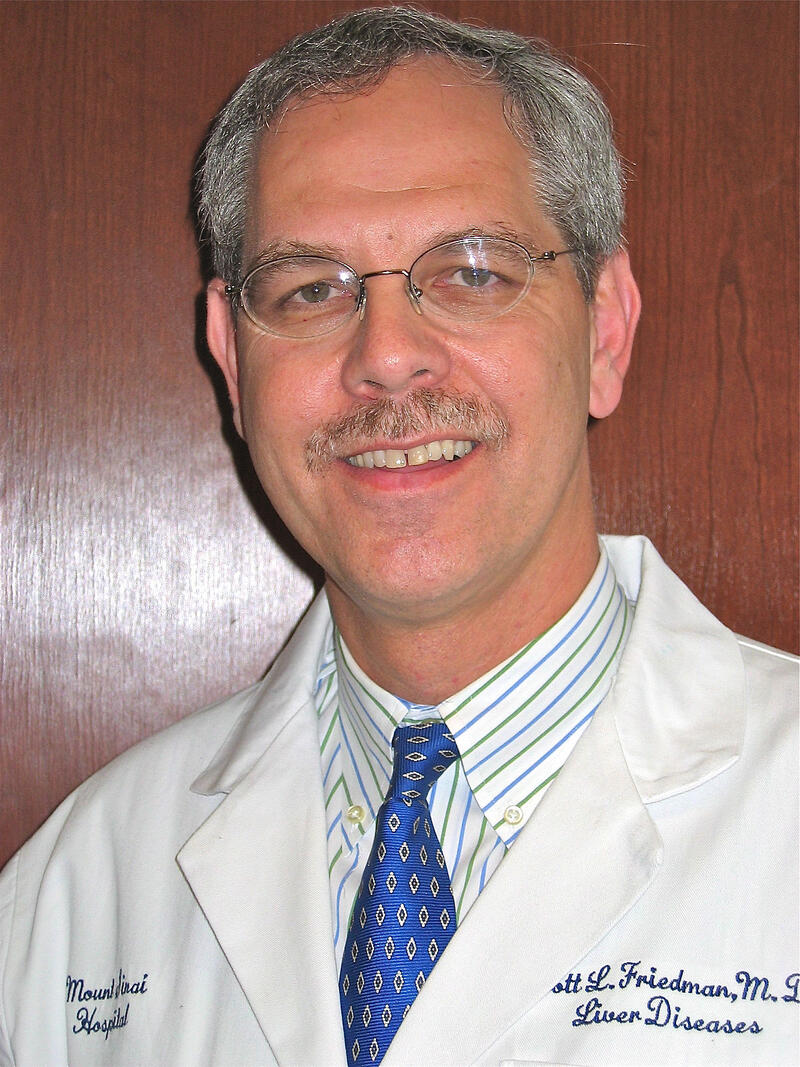 Scott L. Friedman合作论文数Division of Liver Diseases, Mount Sinai School of Medicine2
 Dexter Hadley合作论文数Penn Center for Bioinformatics, University of Pennsylvania;Genomics and Computational Biology Graduate Group, University of Pennsylvania;University of Pennsylvania, University of Pennsylvania2
 Michal Baniyash合作论文数2B. Bonavida合作论文数2
 Abeer Madbouly合作论文数Bioinformatics Research, National Marrow Donor Program2Ruth Rabinowitz合作论文数2Dianne De Santis合作论文数2Michael Y. Shapira合作论文数2




