This study aims to evaluate the impact of incorporating Batu Pahat Soft Clay (BPSC) into conventional asphalt binder at varying proportions: 2-, 4-, 6- and 8%-BPSC by weight of asphalt binder. A comprehensive laboratory investigation was carried out, including consistency test, Fourier Transform Infrared Spectroscopy (FTIR), Dynamic Shear Rheometer (DSR), Scanning Electron Microscopy (SEM) tests. In terms of rutting, the parameter G*/sin δ increased significantly by nearly 839.25% at 45 °C and 196.67% at 75 °C for the 4%-BPSC binder compared to the base binder. The Multiple Stress Creep and Recovery (MSCR) test further confirmed the BPSC effectively reduce the residual strain by over 55%. FTIR analysis indicates a physical interaction between the BPSC and the binder, with no evidence of new chemical bond formation. Based on overall findings, the 4%-BPSC modification is identified as the optimal percentage for achieving balanced improvement in binder performance, contributing to more sustainable asphalt solutions.
The understanding of heterogenous driving conditions can be furthered through microscopic simulation model calibration. This study focused on the calibration of six (6) driving behaviour parameters (standstill distance, look-ahead distance, headway time, following variation, diamond-shape queuing, and look-back distance) for control and simulation of driving behaviour in VISSIM for the prediction of heterogeneous traffic when operating a contra-lane. Driving behaviour simulation at a contraflow operation system is more complicated than mainstream traffic simulation due to the heterogeneous traffic condition at peak hour. The calibrated results in this study were validated and compared to field results using Mean Absolute Percent Error (MAPE) and paired t-test analysis at 95% level of confidence. The validation process showed no observable difference at 98.5% confidence level. Furthermore, standstill distance, headway time, and following variation were found to govern driving behaviour variations. The look-ahead & look-back distances allow smooth and realistic driving manoeuvres in merging & diverging scenarios. Microscopic driving behaviour model enhancement in VISSIM at heterogeneous Asian highway has its benefits in terms of predicting various scenarios as an alternative solution in such traffic.
Having government ownership of the government-Linked companies (GLCs) can influence the company's operation. However, literature mainly discusses the macro level's influence, such as financial performance. Few studies had looked at the micro-level management of the GLCs, especially on the organization's performance management. It can be assumed that GLCs are responsible for their performance management; however, government ownership influences management decisions upon closer look. They may influence the setting up of the KPI, the rewards for employees, and the rating system in the company. Hence, this research tries to shed light on how government ownership influences the performance management of the GLCs in Brunei Darussalam. The methodology used here is the semi-structured interviews with several GLCs and the investment holding company managing these GLCs. Future research can extend more on the government's management decision role towards the GLCs.
Modifiers such as fibers, fillers, natural and synthetic polymer extenders, oxidants and anti-oxidants, and anti-stripping agents are added to produce modified asphalt. However, polymers are the most widely utilized modifiers to enhance the function of asphalt mixtures. The objective of this research was to evaluate the mechanical properties and durability of epoxidized natural rubber (ENR)-modified asphalt mix under short- and long-term aging conditions. The physical and rheological characteristics of the base asphalt and ENR-modified asphalt (ENRMA) were tested. In order to evaluate the mechanical properties and durability of the modified mixtures, the resilient modulus of the ENR–asphalt mixtures under unaged, and short- and long-term aging conditions at various temperatures and frequencies was obtained. Furthermore, the resistance to moisture damage of asphalt mixtures was investigated. The findings showed that the stiffness of the ENR–asphalt mixes increased because of the mutual influence of short- and long-term aging on the mixes. In addition, ENR reduced the susceptibility to moisture damage. The stiffness of the mixes was influenced by the temperature and frequencies. By using mathematical modelling via the multivariable power least squares method, it was found that temperature was the dominant factor among all other factors. The results suggested that the durability of asphalt pavements is improved by using ENR.
Light rail transit (LRT) is a sustainable transportation mode that ensures sustainable environmental, economic, and social development. Generally, the rate of public transportation usage in many parts of the world remains low compared to private vehicles. There is a need to understand passengers’ perception of public transportation service quality to enhance passenger satisfaction and increase ridership. Thus, this study used the Kuala Lumpur LRT service as a case study to investigate the effect of a passenger’s gender and age on their perception of the LRT service quality and their overall satisfaction. This survey involved 417 respondents. The outcome of factor analysis indicated that eight factors—i.e., signage, comfort, speediness, safety, ticketing service, facilities, staff service, and provision of information—influenced passenger satisfaction. The results of the Mann–Whitney U test and Kruskal–Wallis test indicated that the factors influencing passenger satisfaction significantly varied across a passenger’s gender and age. A more in-depth and comprehensive analysis using the ordered logit model and segmentation approach proved that provision of information, comfort, staff service, and facilities were critical determiners of passenger satisfaction in most segments. Safety factors and ticketing services had no impact on overall passenger satisfaction. The findings of this research could help LRT service providers, researchers, and policymakers formulate effective strategies for enhancing passenger satisfaction and increase the ridership for LRT services.
Mining activities are often associated with various adverse effects. Until now, most research focuses on the environmental, occupational, and health impacts of mining activities. However, existing literature lacks information on mining activities’ impact on the quality of life of surrounding road users. Therefore, this research aims to compare the quality of life of road users between bauxite and non-bauxite areas. To achieve that objective, questionnaire survey data from road users were collected and analyzed. The findings suggest that the affected road users have an overall significantly lower health- related quality of life than the control group. Specifically, the affected road users have significantly lower physical-, psychological-, and social-related quality of life. While numerous other factors might influence the participants’ quality of life, respondent demographic and road satisfaction variables have a low to a negligible relationship with the quality of life in this study. This research’s key contribution is by identifying the impact of mining activities on road users in a developing country.
Traditionally, road maintenance is conducted either using road authorities’ in-house resources or method-based contracting, where contractors do the work and are paid based on predefined volume and unit prices. Nowadays, Performance-based Maintenance Contracting (PBMC) is one of the most current approaches in road maintenance works. PBMC provides contractors with freedom in design, construction methods, materials, and innovation in performing the contract as long as the standard specified is fulfilled. While PBMC implementation is increasing around the world, it can be considered new in Malaysia. This research aims to investigate the viability and practicability of PBMC’s implementation for road maintenance in Malaysia. Specifically, the research’s objective is to identify factors that are affecting the adoption of PBMC for road maintenance works in Malaysia. To achieve that objective, interview data from industry practitioners that are involved in managing roads are analyzed. Factors affecting PBMC’s implementation for road maintenance in Malaysia can be categorized into two groups: PBMC (ex. awareness on PBMC) and Non-PBMC (ex. contractor’s integrity) related factors. The findings of this research would help policymakers, industry practitioners, and researchers improve the success of implementing PBMC in the facility management industry.
Pavement damages are always associated with its optimum function and considered among the main contributing factors to fatal accident. With significance growth of vehicular road traffic and of accompanying problems of overloading vehicles in Malaysia will indirectly contributed to worsen the condition. Unceasingly, road pavement will experience failures more rapidly than expected hence lead to negative socioeconomic effects. A proper and timely maintenance by road authorities must be made in order to sustain and maintain the roadway condition to keep them serviceable so that it will benefit not only safety but also improve economic growth and social development. Hence, this study was carried out to explore current practise of pavement maintenance strategies in Malaysia. To achieve that objective, a qualitative data of questionnaires distribution to industry practitioners that are involved in managing roads are analyzed to indicate the viability and practicability of pavement maintenance strategies in Malaysia. Other than that, specifics issue pertinent to pavement management also identified. The findings of this study are valuable in developing the realistic performance criteria for seamless road pavement maintenance strategies.
While rail-based public transport is clearly a more advanced and preferable alternative to driving and a way of overcoming traffic congestion and pollution problems, the rate of uptake for rail travel has remained stagnant as a result of various well-known issues such as that commuters either use a more reliable and comfortable alternative to get from A to B and/or that they are not satisfied with the quality of service provided. This study examined the factor of user satisfaction regarding rail-based public transport with the aim of discovering precisely what factors have a significant effect on the user satisfaction and uptake of rail travel. This was approached using both the Delphi approach and a thorough review of the current literature, focusing on a total of nine possible factors affecting passenger satisfaction with rail travel availability of service, accessibility of service, ticket or pass, punctuality, clarity of information, quality of customer service, comfort, safety, and image. Also discussed were 29 extra possible attributes and several measures that were implemented in various countries to increase the service quality. It was concluded that this review will provide valuable information for policymakers, researchers and service providers in terms of specifying the service factors most worth investigating if the quality of this crucial means of transport is to be raised.
Abstract Stone mastic asphalt (SMA) is well known as a high coarse aggregate content that interlocks to form a stone skeleton that resist permanent deformation. However, it facing a lot of problems such as rutting and stripping because of the high temperature and repeated axial load. It also suffers with creep issue. The cellulose fiber is a type of synthetic fiber that can enhance the properties of asphalt mixture. Thus, the aim of this study is to utilize the cellulose fiber that has high tensile strength to overcome the problem of SMA. Among the tests involve are Resilient Modulus, Marshall Stability and Cantabro Loss. From the results, it shows that the addition of cellulose fiber improved the recovery ability of asphalt binder. From each test, the addition of 0.2% cellulose fiber contributes to lowest value of abrasion, while 0.3% producing highest value of resilient modulus. Thus, the addition of cellulose fiber is capable in enhancing the properties of SMA.
Bus services naturally tend to be unstable and are not always capable of adhering to schedules without control strategies. Therefore, bus users and bus service providers face travel time variation and irregularity. After a comprehensive review of the literature, a significant gap was recognized in the field of public transportation reliability. According to literature, there is no consistency in reliability definition and indicators. Companies have their own definition of bus service reliability, and they mostly neglect the passengers' perspective of reliability. Therefore, four reliability indicators were selected in this study to fill the gap in the literature and cover both passengers' and operators' perceptions of reliability: waiting time and on-board crowding level from passengers' perspective, and headway regularity index at stops (HRIS) and bus bunching/big gap percentage from operators' perspective. The primary objective of this research is to improve the reliability of high frequency of bus service and simulation tools currently being used by the public transportation companies. Therefore, a simulation model of bus service was developed to study the strategies to alleviate it. Four different types of strategies were selected and implemented according to Route U32 (Kuala Lumpur) specifications. Model out-put showed that control strategies such as headway-based dispatching could significantly improve headway regularity by almost 62% and the waiting time by 51% on average. Both holding strategies at key stops (previous and Prefol holding) have shown an almost similar impact on reliability indicators. Waiting time was reduced by 44% and 43% after the previous and Prefol Headway strategies were adopted, respectively. However, the implementation of the component of headway-based strategies at the terminal and key stops showed the best impact on reliability, in terms of passenger waiting time. Waiting time and excess waiting time were both significantly reduced by 52.86% and 81.44%, respectively. Nevertheless, the strategies did not show any significant positive effect on the level of crowding during morning peak hours.
A performance appraisal (PA) system is an important human resources function in an organisation, and yet it continues to experience issues that plague organisation. 3Issues in the current PA system such as unfair criteria, rating bias, and insufficient feedback have caused crises in the modern PA system.Indeed, some organisations, such as Microsoft and Dell, have eliminated the practice of PA from their organisations due to various persistent issues. 4This paper will examine various issues of existing PA systems and offer an Islamic Governance approach to minimise them.Evaluations of performance must be based on the job's specific criteria.When we consider PA from the 'SMART' perspective, this 'SMART' system describes that performance criteria should be specific, measurable, attainable, relevant, and have a clear time-frame for completion. 5Issues arise when the criteria are too general, do not measure the important aspect of employees' performance, are too difficult for employees to obtain, are not directly relevant to employees' job, and employees are given too short a time to complete them.If employees are experiencing any of these issues, the criteria can be deemed ineffective, which may affect employees' commitment to achieving them.After setting up performance criteria for employees, managers use them to evaluate employees.However, managers do not always give grades that are actual representations of an employee's performance as rating bias can arise.There are three common types of rating bias among 1
The most active mineral mining operations in Malaysia are located in Kuantan, Pahang. The rapid increases of the minerals operations are of concern due to its significant impacts on the environment and human health. While effects to the environment and human health are a great of concern, the effect to the transportation system also should not be neglected. With the continuous growth of these industries, there will be more heavy vehicles generated on road transporting minerals related products leading to several issues especially on road pavement damages. Pavement damages are always associated with its optimum function and may contribute to road crashes. There are several factors that influenced the pavement damages such as weather changes, quality of material use, improper maintenance and traffic operations. This study was conducted to explore the pavement damages occurrence based on traffic operation which focusing on heavy vehicles composition as centre for critical analysis. To achieve this study, the identification of regular routing used for minerals logistic operation from the mining source to the port was chosen as study location. This study was conducted by using visual observation survey and traffic volume survey. A set of historical data on route inspection supplied by Road Care also been used for analysis. Then, data obtained were analyzed using road disability level and road rating assessment. The result shows that the road rating leading to Kuantan Port was less satisfactory (rating C) with the marks of 7.27 and the highest type of damage found was cracking with 36% followed by rutting (33%) and potholes (31%). The outcomes from this study were hoped to bring some understanding on the impact of heavy vehicles towards transportation system within a local road network in Kuantan.
Service quality for public transport has recently received many complaints from customers. Nowadays public transport commutes passengers to work or any other places. Buses usually give service to people in rural and urban areas. Increase in population may increase the demand for public transport. Problems with schedule, fare, security and others were obtained. The objective of this article is to overview of services quality for public bus services. This review paper focuses on to understand the definition, issue and methodologies in evaluating service quality in public transport especially public bus services. The methodology using to overview in this article is a comparison between definitions about quality services for public bus, comparison of methodology in conducting assessment for quality services and comparison issues been raise about services quality for public bus. As conclusion, even though there are many problems with regarding service quality for public transport, several ways are developed to improve it slightly better than before. Hence, this research articles can help people and create awareness on the importance of service quality of public bus transportation. Â
An increase in the number of students studying in Universiti Kebangsaan Malaysia (UKM) (the National University of Malaysia) has led to increase parking facilities requirements at residential colleges. Some colleges applied crossed parking systems to address these problems. This study aims to ensure that parking facilities provided at UKM’s residential colleges are adequate in the future and explaining the impact of parking services on the satisfaction and loyalty of students. The primary data was obtained by calculating the parking turnover and questionnaire survey. Secondary data is obtained from the college’s management that implement cross parking systems, namely Keris Mas College (KKM), Rahim Kajai College (KRK) and Pendeta Zaaba College (KPZ). This study has two models, the model of adequacy level of parking facilities at college and parking service quality model on student satisfaction and loyalty. This study applies the SERVQUAL and Loyalty models. Then, observation data will be analysed using EXCEL and parking plans drawn using AUTOCAD. Questionnaires were analysed by the SEM method using SPSS and AMOS Graphic software. Observation studies produce several features and behaviours of crossed parking systems. The peak hours for KKM, KRK and KPZ start at 5.00 pm-8.00 am, 10.00 pm7.00 am and 6.00 pm-8.00 am where the number of vehicles exceeds the parking space provided. The maximum number of parking vehicles outside the bar and in the prohibited areas for KKM, KRK and KPZ are 134 and 25, 30 and 3 and 84 and 10 vehicles. This situation shows that crossed parking facilities provided are inadequate and at critical levels. Meanwhile, the questionnaire survey shows that the main determinants of parking services quality are tangible, reliability and assurance factor. These factors have a significant impact on service quality. Determinants that not significant which are reliability, responsiveness and empathy have been ignored. Finally, the respondents were dissatisfied with this parking system and refused to propose their friends to park vehicles in the crossbar area.
Prior studies showed that most evacuation contraflow designs have never been implemented. As a result, the effectiveness of these contraflow designs remains unknown. In this paper, VISSIM simulation has been used to achieve the possibility for predicting various scenarios at Kajang-Cheras highway contralane by using dynamic assignment model in order to establish best contraflow alternative path design operation. Method of Effectiveness (MOE) for dynamic assignment model (travel time, queue length, vehicles speed, delay time, fuel consumption, and CO emission) parameters has been analyzed first to assess the performance level of Contraflow operation. Seven alternative paths for the same contralane have been considered to achieve less travel time and queue length hence the reduction of fuel consumption and CO emissions that related to long queue length. Connector’s number 2 and 5 indicate the best alternative paths with the presence of the original connector (number 1) since contralane user realize that there are multi connectors to contralane ahead. Contraflow lane problems remain challenging for optimizing the best evacuation design system since the heterogeneous characteristics and no lane discipline domain on this highway at peak-hour. However, Contraflow freeway evacuation plan has been shown to be a successful remedy method to rapidly and efficiently move large numbers of vehicles during emergency situations.
This paper presents a 2D multiphase non-isothermal mass transfer model for a single-cell direct methanol fuel cell (DMFC). The model includes the reaction of methanol and oxygen at the anode and cathode, respectively. In addition, it also considers the diffusion of every component involved in DMFC-i.e., methanol, water and oxygen at the diffusion layer and the methanol crossover phenomena. It also includes the relation between the temperature and concentration towards the power output. Later, the model was optimised and the result shows this model can generate up to 48 mWcm(-2) of power density reflected to 190 mAcm(-2) and 0.26 V of current density and voltage, respectively. It shows this study generate a good model compare to previous study, at a methanol concentration of 4 M and operating temperature of 60 degrees C. (C) 2018 Elsevier Ltd. All rights reserved.
Water infiltration into asphalt mixtures is one the serious distresses which lowers the performance of the top layer of road pavements. This problem is even worse in tropical countries which experience high temperature and heavy rainfalls. Therefore, this study aims to evaluate the effects of water infiltration on a 60/70 penetration grade bitumen vis-a-vis bitumen modified with 2 and 4% nano-clay. The Fourier Transform InfraRed (FTIR) test was done to identify any chemical changes that might occur in the nano-clay and the bitumen. The loose and compacted mixtures of the nano-clay modified bitumen were tested to determine their resistance to water damage. The loose mixture was tested by conducting the boiling water, the Vialit adhesion, and surface free energy (SFE) tests, while the compacted mixture was tested using the indirect tensile strength (ITS) test. Aging simulation was done for samples tested using SFE and ITS. The results of the tests show that adding nano-clay alters the mixtures’ ability to resist water damage. The improvement in the samples varies depending on the type of binder as well as its aging stage. Unaged bitumen modified with 2% nano-clay show better ability to resist water damage compared to both the unmodified bitumen and the bitumen modified with 4% nano-clay. However, after being subjected to short-term aging (STA) and long-term aging (LTA), the results of both the ITS and SFE tests show that the addition of 4% nano-clay enhance the bitumen’s resistance to water damage in comparison with the unmodified bitumen and the bitumen modified with 2% nano-clay. The addition of nano-clay reduces water’s effect on the binder, hence indicating the benefit of using nano-clay as an additive to mitigate water effect.
 Riza Atiq O. K. Rahmat合作论文数Department of Civil and Structural Engineering;Universiti Kebangsaan Malaysia;Department of Civil and Structural Engineering, Universiti Kebangsaan Malaysia66
 Muhamad Nazri Borhan合作论文数26
 Nur Izzi Md Yusoff合作论文数24
 Ramez A. Al-Mansob合作论文数Dept Civil Engn, Int Islamic Univ Malaysia23
 Shaban Ismael Albrka Ali合作论文数Dept Civil Engn, Near East Univ19
 Mojtaba Shojaei Baghini合作论文数19
 Foad Shokri合作论文数18
 Mohamed Rehan Karim合作论文数University of Malaya14
 Mohammad Hesam Hafezi合作论文数14
 Zamri Chik合作论文数11
 Sri Atmaja P. Rosyidi合作论文数10R. M. Taha合作论文数8
 mohd azizul ladin合作论文数Universiti of Malaysia Sabah8
 Towhid Pourrostam合作论文数Department of Civil Engineering, Islamic Azad University8
 Mohd Raihan Taha合作论文数Institute for Environment and Development (LESTARI), Universiti Kebangsaan Malaysia (UKM);Department of Civil Engineering, Universiti Kebangsaan Malaysia8
 Hussin A.M. Yahia合作论文数Dept Civil Engn, Knowledge Oasis Muscat7
 Muhammad Fauzi Mohd Zain合作论文数Department of Civil and Structural Engineering, Universiti Kebangsaan Malaysia7
 Halil Ceylan合作论文数6
 Farag H. Gaith合作论文数6Hend Ali Omar合作论文数6
 Fauzan Mohd Jakarni合作论文数Faculty of Engineering, Universiti Putra Malaysia6
 Shuhairy Norhisham合作论文数Institute of Energy Infrastructure, Universiti Tenaga Nasional6
 Zainuddin Sajuri合作论文数Department of Mechanical and Materials Engineering, Universiti Kebangsaan Malaysia6Resdiansyah Mansyur合作论文数6
 Mohammad Ganji合作论文数5Aboubaker. Y.Y. Alfakhri合作论文数5
 Mohamad Raduan Kabit合作论文数Universiti Malaysia Sarawak5
 Khalim A. Rashid合作论文数5
 Firoozi Ali Akbar合作论文数Department of Civil &Structural Engineering, Universiti Kebangsan Malaysia (UKM),;Department of Civil & Structural Engineering, Universiti Kebangsan Malaysia (UKM),5Khalim Rashid合作论文数5
 Adel Ettaieb Elmloshi合作论文数5Abdullah Nurdden合作论文数4
 Aows Altef合作论文数4
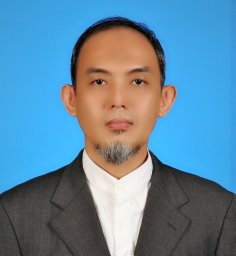 Amsori Muhammad Das合作论文数Universitas Batanghari4Hamza Imhimmed Mohamed Irtema合作论文数4
 Ali Emad合作论文数Civil Engn Dept, Al Maarif Univ Coll4
 Ahmad Nazrul Hakimi Ibrahim合作论文数4
 Seyed Mohammad Hossein Moosavi合作论文数Dept Civil Engn, Univ Malaya4
 Muhamad Azry Khoiry合作论文数4
 Khairul Anuar Mohd Nayan合作论文数Department of Civil &Structural Engineering, Universiti Kebangsaan Malaysia;Department of Civil & Structural Engineering, Universiti Kebangsaan Malaysia4
 Akhir Norliza Mohd合作论文数Department of Civil and Structural Engineering, Universiti Kebangsaan Malaysia (UKM),4
 Hamid Reza Mokhtarian合作论文数4Selangor Darul Ehsan合作论文数4
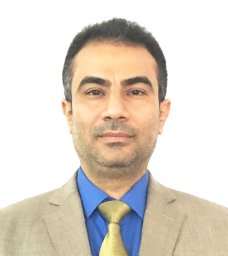 Ahmed Mancy Mosa合作论文数4
 Abbas M. Abd合作论文数Civil and Structural Engineering Department;Faculty of Engineering;University of Kebangsaan;Faculty of Engineering, University of Kebangsaan4
 Intan Suhana Mohd Razelan合作论文数3Massuod Ali Ahmed Abuhamoud合作论文数3r aminzadeh合作论文数3Selangor Dural Ehsan合作论文数3




