INTRODUCTION:Schiff bases are a well-known class of substances with a variety of pharmacological properties, including skeletal muscle relaxant and anxiolytic effects. They are ideal candidates for the development of CNS-active drugs due to their structural adaptability and ability to interact with a range of biological targets. The purpose of this study was to create, synthesize, and describe new Schiff base hybrids and assess their possible skeletal muscle relaxant and anxiolytic effects using pharmacological and computational techniques. METHODS:By using condensation reactions between primary amines and substituted aromatic aldehydes, several new Schiff base hybrids were created. FT-IR, ¹H NMR, ¹³C NMR, and mass spectrometry were used for structural elucidation. To evaluate binding affinity with GABA-A and NMDA receptor sites, computational investigations involving molecular docking and ADME profiling were carried out. Validated rodent models were utilized for pharmacological evaluations, including the rotarod and traction tests to assess skeletal muscle relaxation, as well as the elevated plus maze and open-field tests to evaluate anxiolytic activity. RESULTS:The synthesized Schiff base derivatives demonstrated high purity and stability. In accordance with the observed in vivo anxiolytic activity, docking studies demonstrated advantageous binding interactions with the GABA-A receptor. DISCUSSION:Certain compounds exhibited moderate skeletal muscle relaxant activity, without producing noticeable sedation or motor impairment, as well as significant anxiolytic effects comparable to those of diazepam (p < 0.05). Good drug-likeness and CNS permeability were predicted for the lead compounds by ADME analysis. CONCLUSION:Both in silico and in vivo tests support the encouraging skeletal muscle relaxant and anxiolytic properties of the synthesized Schiff base hybrids. These results suggest their potential as top contenders for the development of innovative CNS-active medications.
In this research work, Ba0.95Bi0.02Ca0.02Zr0.02Ti0.98-y/2CuyO3 (BCZTBCy; y = 0, 0.004, 0.008, 0.012, 0.02) lead-free ceramics were synthesized via the conventional solid-state reaction method. The role of Cu2+ doping on the structural, dielectric, ferroelectric, and piezoelectric properties in the Bi3+-modified BCZT matrix was systematically investigated. X-ray diffraction analysis confirmed the formation of a pure perovskite structure for all ceramic samples, indicating successful incorporation of Cu2+ ions into the lattice. The ceramics exhibited a coexistence of orthorhombic and tetragonal (O-T) phases for 0 ≤ y ≤ 0.012, whereas a pure tetragonal phase was observed for y = 0.02. Microstructural analysis revealed densification and grain morphology at optimal Cu2+ concentrations of the synthesized samples. Temperature-dependent dielectric measurements demonstrated improved dielectric performance with Cu2+ addition. Notably, the Curie temperature (TC) increased from 140 °C for y = 0 to 159 °C for y = 0.008. The conduction mechanism in BCZTBCy ceramics was evaluated by complex impedance spectroscopy. Ferroelectric measurements revealed an initial increase in polarization with Cu2+ doping, followed by a decrease at higher concentrations. The optimized composition (y = 0.008) exhibited superior functional properties, including TC ∼ 159 °C, εmax ∼ 3146, dielectric loss (tanδ;) ∼ 2%, εr ∼ 834, remnant polarization (Pr) ∼ 7.11 µC/cm2, maximum polarization (Pmax) ∼ 12.9 µC/cm2, and coercive field (Ec) ∼ 7.67 kv/cm. The study highlights the potential of these lead-free ferroelectric materials for application in energy harvesting, actuators, and sensor devises.
In the present paper, we define the linear canonical wavelets and study the corresponding wavelet transforms along with some valuable properties and outcomes for it. Parseval’s identity, reconstruction formula for linear canonical wavelet transform are obtained. Weyl transform to the admissible linear canonical wavelet space 𝔚 is proposed and boundedness as well as compactness of Weyl transform in Lebesgue space are discussed. Some potential applications of the proposed transform are also discussed to demonstrate its usefulness.
Micronutrients are essentially as important as macronutrients to improve growth, yield and quality in plants. Present experiment was conducted as on-farm testing at farmers’ field during Rabi season of 2021-22, 2022-23 and 2023-24 to assess the impact of essential micronutrients like zinc, magnesium, copper, manganese, iron, molybdenum and boron spray on growth, bulb yield and economics of onion crop. Two treatments i.e. T1- Farmers’ practice (without spray) and T2- foliar spray of ready-mix containing (Zn, Mg, Fe, Mn, Cu, Mo and Bo 0.25%) @ 2.5 ml/ litre at 30 and 45 days after transplanting of onion seedlings replicated at ten farmers field of Fatehabad district. The use of micronutrients as foliar spray was found effective in treatment T2 with the significantly highest bulb weight (54.48, 55.60 & 57.20g), bulb yield (198, 265 & 300 q/ha) during 2021-22, 2022-23 and 2023-24, respectively. Maximum net return (₹ 104400, 323000 & 98000/ ha) and benefit cost ratio (2.93, 4.19 & 2.89) were recorded in the treatment T2 whereas, in treatment T1 (farmers’ practices) net return were (₹ 91000, 292000 & 86500/ ha) and BC ratio (2.71, 3.92 & 2.69), respectively during 2021-22, 2022-23 and 2023-24. Therefore, the use of micronutrient application to be increases the production and recommended for onion cultivation.
In this work, we have demonstrated agar and oxidized bacterial cellulose cryogels as a potential hemostatic dressing material. TEMPO-oxidized bacterial cellulose (OBC) was incorporated into the agar matrix, improving its mechanical and hemostatic properties. The oxidation of bacterial cellulose (BC) was evidenced by chemical characterization studies, confirming the presence of carboxyl groups. The in vitro blood clotting test conducted on agar/OBC composite cryogels demonstrated complete blood clotting within 90 seconds, indicating their excellent hemostatic efficacy. The cryogels exhibited superabsorbent properties with a swelling degree of 4200%, enabling them to absorb large amounts of blood. Moreover, the compressive strength of the composite cryogels was appreciably improved compared to pure agar, resulting in a more stable physical structure. The platelet adhesion test proved the significant ability of the composite cryogels to adhere to and aggregate platelets. Hemocompatibility and cytocompatibility tests have verified the safety of these cryogels for hemostatic applications. Finally, the material exhibited remarkable in vivo hemostatic performance, achieving clotting times of 64 seconds and 35 seconds when tested in the rat tail amputation model and the liver puncture model, respectively. The experiment results were compared with those of commercial hemostat, Axiostat, and Surgispon, affirming the potential of agar/OBC composite cryogel as a hemostatic dressing material. Agar and oxidized bacterial cellulose based cryogels are promising biomaterials in the field of hemostatic dressing, offering superabsorbent properties, rapid blood clotting, and excellent biocompatibility.
Magnetic nanoparticles have allured pronounced interest in the past few decades due to their idiosyncratic properties, such as superparamagnetism, resulting from the ascendancy of thermal energy on ferromagnetic nanoparticles. The multicomponent systems usually constitute nanosized magnetic nanoparticles to activate the response of external stimuli (an external static or alternating magnetic field). Until now, the research for state-of-the-art nanocomposites has ushered the coalescence of surfeit materials including polymers, gels, liquid crystals, silica, carbon, or metal–organic frameworks with a diverse array of magnetic particles, proffering an exhilarating perspective not only for foundational research but also for implication in a variety of fields, such as biomedical, environment remediation, catalysis, diagnosis, detection, separation, and actuations. Graphene and its derivatives including graphene oxide and reduced graphene oxide purvey marvelous electrical, mechanical, and electrochemical properties owing to its high surface area, high tensile strength, Young's modulus, electrical conductivity, etc. The exploitation of graphene-based nanomaterials amalgamated with magnetic nanoparticles has recently become a hot research topic. Herein, we present an overview of our progression in preparing and synthesizing graphene-based magnetic nanoparticles by focusing on the most recent advances in hybrids of magnetic graphene derivatives. Additionally, the mechanical, morphological, structural, electrochemical, physicochemical properties, and thermal stability are evaluated. Finally, a summary of potential applications is presented with an outlook on further development and challenges to the field.
This research article introduces a novel chaotic satellite system based on fractional derivatives. The study explores the characteristics of various fractional derivative satellite systems through detailed phase portrait analysis and computational simulations, employing fractional calculus. We provide illustrations and tabulate the phase portraits of these satellite systems, highlighting the influence of different fractional derivative orders and parameter values. Notably, our findings reveal that chaos can occur even in systems with fewer than three dimensions. To validate our results, we utilize a range of analytical tools, including equilibrium point analysis, dissipative measures, Lyapunov exponents, and bifurcation diagrams. These methods confirm the presence of chaos and offer insights into the system’s dynamic behavior. Additionally, we demonstrate effective control of chaotic dynamics using feedback active control techniques, providing practical solutions for managing chaos in satellite systems.
Background: Tobacco consumption, including smoking and chewing, is a significant risk factor for head and neck cancer in India. This study aims to examine the correlation between tobacco use and the causation of cancer among oral cancer patients. Methods: We used the hospital-based cancer registry database at Savera cancer and multispeciality hospital in Patna. This is a retrospective analysis of head and neck cancer patients. The study was conducted from January 2019 to December 2022, involving patients aged 18-75 years. Histopathology Confirmed cases (n=691) of head and neck cancer were categorized into four groups: Only smoking tobacco (N=286), Only chewing tobacco (N=243), Smoking and chewing tobacco (N=139) and non-smoking and non-chewing (N=23), and examined. Results: Among the random cases examined (n=691), the distribution was as follows: only smoking tobacco - 286 (41.4.0%), only chewing tobacco 243 (35.2%), Smoking and Chewing Tobacco 139 (20.1%), and non-smoking and non-chewing tobacco 23 (3.3%). Statistical analysis revealed a significant (p<0.005) association between tobacco consumption and oral cancer incidence. Conclusions: Long-term exposure to chewing/non-chewing tobacco appears to play an important role in the development of head and neck cancer. There is an urgent need for preventive measures, including targeted interventions and public health campaigns, to mitigate the burden of cancer associated with it.
In the present study, 200 chickpea genotypes including accessions from the ICRISAT chickpea core collection, ICAR-IARI advanced breeding lines and varieties were screened against imazethapyr (an Acetolactate Synthase inhibiting broad-spectrum herbicide) to identify the source of resistance to the post-emergence herbicide. Wide genetic variations were observed among chickpea genotypes. A total of eight genotypes, viz. ICC 1710, ICC-14061, GL 14054, IPC 10-134, ICCX 130012-B-B-B-B-25, ICC17255, ICCX110067-B-B-B-B 76-B-B, and ICCX110066-B-B-B-B-59-B-B showed tolerance to imazethapyr; hence, they were considered promising. The application of imazethapyr significantly reduced plant height, and 100 seed weight and increased days to 50% flowering and maturity. Plant biomass under herbicide treatment increased most likely due to an increase in the number of secondary branches. Weed control efficiency was 78.58% when imazethapyr applied at 80 g a.i. per ha at 40 days after sowing. Among the tolerant genotypes, IPC 06-77 and ICC 14061 gave the most consistent positive performance for yield and yield attributes under herbicide treatment. The herbicide-tolerant lines identified can be useful resources for undertaking genetic and physiological studies on herbicide tolerance and for the development of herbicide-tolerant cultivars of chickpea.
Differential attack is a basic cryptanalysis method for block ciphers that exploits the high probability relations between the input and output differences. The existing work in quantum differential cryptanalysis of block ciphers is focused on resource estimation to recover the last round subkeys on the basis of relations constructed using classical methods. To find such relations using quantum computing, we propose a method to search the high probability differential and impossible differential characteristics. The method explores all possible input and output difference pairs using superposition of qubits. The proposed method is used to design the quantum circuit to search the differential characteristics for a toy cipher smallGIFT. We execute the quantum circuit on a quantum simulator to get differential and impossible characteristics. These characteristics are validated with the characteristics obtained using branch-and-bound based method. The differential characteristic is used to mount quantum key recovery attack using Grover's search. We provide the estimation of quantum resources to search the differential characteristics of lightweight block cipher GIFT-64 on a quantum computer.
Potato (Solanum tuberosum L.) is an important staple food crop of the world. India rank 2nd after China producing 52588.98 thousand metric tons potato per year. In India, among all the states Uttar Pradesh stands first with the production of 15812.62 thousand metric tones followed by West Bengal with the production of 12782.00 thousand metric tons in the year 2018-19. Potato is infected by a number of soil and tuber borne diseases and pest. Among all, black scurf (Rhizoctonia solani Kuhn.) is a destructive disease of potato. The most common phase of this disease is formation of sclerotial masses on the tuber resulting in black scurf which considerably reduces market value of edible tubers. In present investigation different bio-agents and chemicals were tested for management of the disease were used under field conditions. Among the bio-agents, Trichoderma harzianum, Chaetomium globosum, Bacillus subtilis, with vermicompost. Fungicides, Boric acid @ 3%, Carbendazim 50% WP @ 1%, Mencozeb @ (0.2%) and Pencycuron @ (0.2%) concentration. In field experiment the result revealed that the minimum disease incidence was recorded (12.00%) in Mancozeb @ 0.25% foliar spray compared to untreated check 60.00% and minimum disease severity (18.96%) and maximum yield 275.00 q/ha was recorded in Boric acid @ 3% tuber treatment compared to untreated control.
The sintering behavior and functional properties of Ba0.95Bi0.02Ca0.02Zr0.02Ti0.976Cu0.008O3 (Abb. as BCZTCB) lead-free ceramics have been studied through appropriate techniques. The XRD technique reveals a perovskite phase with a pure tetragonal symmetry for samples sintered at 1260 degrees C & 1300 degrees C. However, it is observed to be an admixture of Tetragonal and Orthorhombic phases for samples sintered beyond 1300 degrees C. Microstructural evaluation evidences numerous pores for samples sintered at 1260 degrees C, while the microstructure appears very dense with fewer pores for sintering at 1340 degrees C. The co-doping of Cu2+/Bi3+ results in a significant reduction in sintering temperature along with an enhanced Curie temperature (TC) and improved temperature stability. The enhanced electrical properties obtained for sample sintered at 1340 degrees C are as follows: TC - 153 degrees C, & epsilon;max - 3276, tan & delta; - 2%, the degree of diffuseness (& gamma;) - 1.44, Remnant Polarization (Pr) = 10.8 & mu;C/cm2, Corrosive field (EC) = 11.2 kV/cm, and piezoelectric coefficient (d33) - 114 pC/N.
Lead-free 0.98(K0.5Na0.5)(Nb0.96Sb0.04O3)–0.02(Bi0.5Na0.5)(Zr0.8Sn0.1Hf0.1)O3 (0.98KNNS–0.02BNZSH) perovskite ferroelectric ceramics have been designed and prepared through the traditional ceramic fabrication technique. To have an insight on the effects of sintering temperature (in the range from 1020 to 1110 °C), the structural, microstructural, dielectric and ferro/piezoelectric properties of 0.98KNNS–0.02BNZSH ceramics are investigated systematically. The structural analysis has revealed a pure perovskite phase for sintering at different temperatures. The rhombohedral (R) and orthorhombic (O) phases coexist for sintering of 0.98KNNS–0.02BNZSH ceramic at 1080 °C, while the rhombohedral phase dominates above 1080 °C. The grains become more uniform and tightly packed when the sintering temperature is increased from 1020 to 1080 °C. However, the grain size and the density have been revealed to be decreased for samples sintered above 1080 °C. The conduction behavior of 0.98KNNS–0.02BNZSH ceramics has also been investigated using complex impedance spectroscopy. The optimum values of different dielectric and ferro/piezoelectric parameters for 0.98KNNS–0.02BNZSH ceramics sintered at 1080 °C are obtained to be as the following: TC ~ 317 °C, εmax ~ 7102, tanδ ~ 0.10, ρ ~ 4.49 g/cm3, d33 ~ 180 pC/N, and Pr ~ 16.7 µC/cm2. These findings show that crystallizability, density, and electrical properties are significantly influenced by the sintering temperature.
Plants have the ability to decrease the pollution level from the environment by absorbing inorganic/organic pollutants through their roots. After that, these pollutants are translocated or accumulated in less toxic forms in various parts of plants. This ability of plants is known as phytoremediation. It is an eco-friendly and cost-effective approach for controlling environmental pollution. It can provide a sustainable way to improve the economics of developing countries. However, the biomass formed during this process can re-contaminate the environment through secondary pollutants. The contamination due to heavy metals (HMs) has become an environmental challenge globally. Metals such as cadmium (Cd), chromium (Cr), mercury (Hg), arsenic (As), nickel (Ni), and lead (Pb) can enter the water and soil largely through anthropogenic activities as well as other natural processes. After that, these metals pose a severe threat to living organisms. Due to their non-biodegradable nature, these metals can remain as such for a long time. These metals can initiate oxidative pressure in plants as a result affects agricultural production and yield. To mitigate this problem, phytoremediation has come forward as a safe, affordable, and ecologically sustainable solution than conventional physicochemical decontamination methods. Initially, several edible crops had been identified for the remediation. But at the present time, scientists are focusing on non-edible crops like aromatic/medicinal plants. There is no risk of food contamination by using these plants. This chapter describes the classification and uses of Tulsi and the phytoremediation mechanism of plants in detail.
Artificial intelligence chatbots are very popular and attractive tools for various applications. These bots simulate a user conversation with natural language through messaging applications. Chatbots use machine learning and natural language processing to deliver a human-like conversational experience. The complex tasks can be simplified using bots. Human time and money can be saved with better customer satisfaction. The minimal human intervention overcomes human biases and errors that improve the reliability of tasks. In this chapter, a recruiter's interview bot is proposed to evaluate the influence of artificial intelligence chatbots on the recruitment process. The proposed bot is useful to develop an industry hiring strategy. The time and services spent on hiring can be reduced by using the proposed recruiter's chatbot. A bot is created to conduct interviews as an interviewer, that is, asks questions to candidates and evaluate their response while judging the candidate's self-confidence, anxiety, fear, and behaviour using emotional analysis. The integration of artificial intelligence in the recruitment process increases the attention of investigators while there is still room for evaluation in the field. The facial expression is recognized with convolution neural networks, and the speech recognition is implemented with Google APIs. The facial emotion recognition accuracy is 71% and speech recognition accuracy is 91%. On average, our model works with 81% overall accuracy.
 Sudipta Seal合作论文数Department of Materials Science and Engineering, University of Central Florida34
 Ajay S. Karakoti合作论文数Processing and Analysis Center;University of Central Florida;Processing and Analysis Center, University of Central Florida12
 Soumen Das合作论文数Sch Med Sci & Technol, Indian Inst Technol11
 William T. Self合作论文数Laboratory of Biochemistry;National Heart , Lung and Blood Institute;National Institutes of Health;National Heart , Lung and Blood Institute, National Institutes of Health9Oliver Ohlenschläger合作论文数8
 Sapna Kumari合作论文数7Bhasha Sharma合作论文数7
 Anil Kumar Dhaka合作论文数PNRS Government College7
 B. K. Sarkar合作论文数Department of Chemistry, University of North Bengal7
 Hyoung J. Cho合作论文数Mechanical Materials Aerospace Engineering (MMAE),, University of Central Florida7
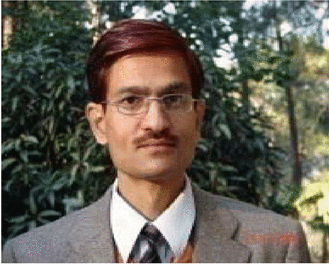 Rk Naresh合作论文数Environmental Medicine Laboratory, Indian Veterinary Research Institute7
 Shreya Sharma合作论文数Bai Jerbai Wadia Hosp Children6
 T. P. Rajeev合作论文数6
 Suraj Hegde合作论文数K. S. Hegde Medical Academy6Ramadurai Ramachandran合作论文数6
 Peter Bellstedt合作论文数6
 Dean Christopher Sayle合作论文数School of Physical Sciences, University of Kent6Sagorika Paul合作论文数5
 Narendra Pai合作论文数5Parveen K. Goyal合作论文数5
 N. C. Mahajan合作论文数Institute of Agricultural Science, Banaras Hindu University5
 Anil Arya合作论文数Department of Physics, Kurukshetra University5
 Goel Apul合作论文数Dept Urol, King George Med Univ5Wiedemann Christoph合作论文数5
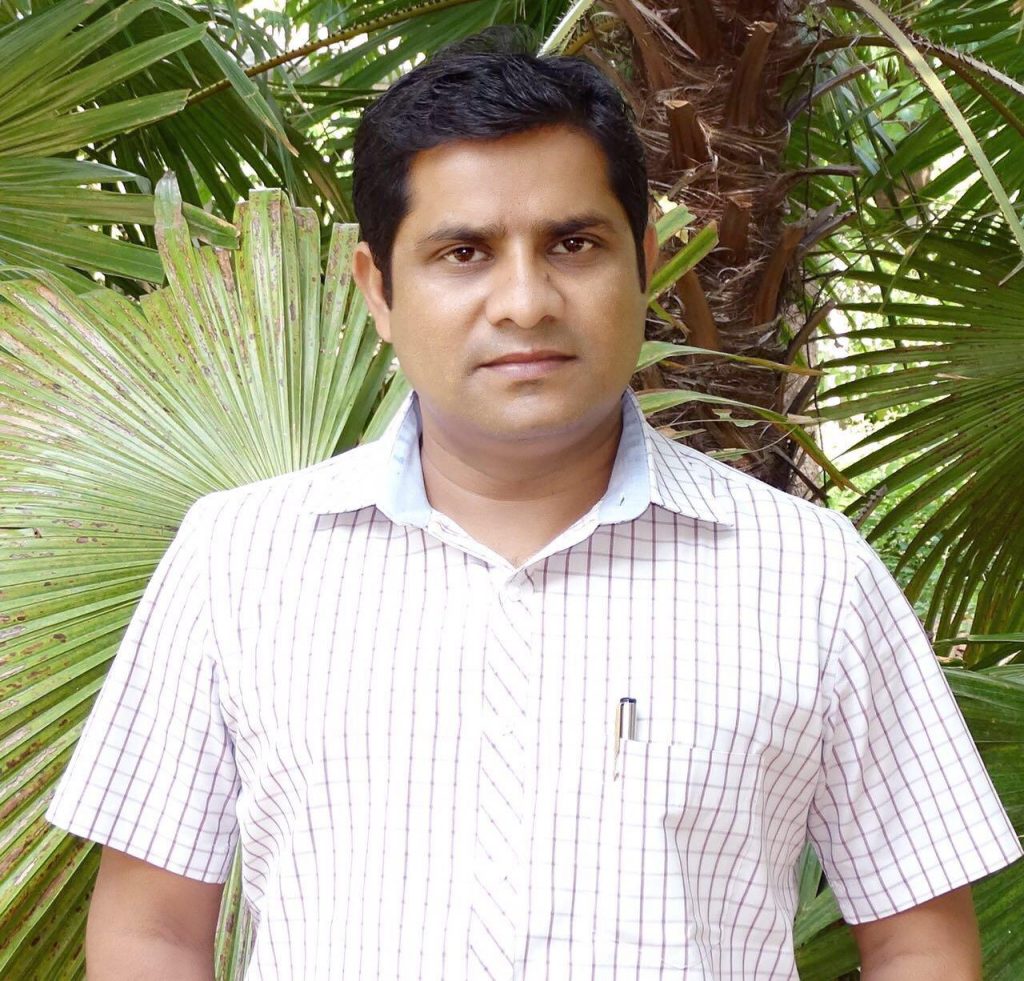 Sanjay Singh合作论文数Sanjay Singh’s Lab, National Institute of Animal Biotechnology5Wißbrock Amelie合作论文数5
 Satish Kumar合作论文数George W. Woodruff School of Mechanical Engineering, Georgia Institute of Technology5
 Akhilesh Prasad合作论文数Department of Physics;Advanced Centre for Materials Science;Indian Institute of Technology;Advanced Centre for Materials Science, Indian Institute of Technology5
 Diana Imhof合作论文数Pharmazeutisches Institut, Universität Bonn5
 Manoj Chaudhary合作论文数5Ashok Kumar合作论文数4
 Shashank Shekhar合作论文数4
 S. K. Gupta合作论文数4Anjana Singh合作论文数4Gaurav Kalra合作论文数4
 Shivkant Singh合作论文数4
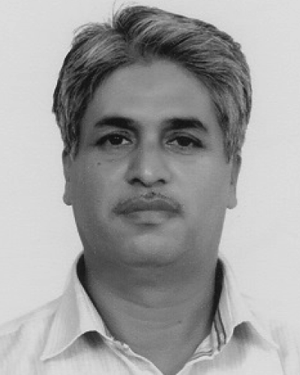 S G Ansari合作论文数4
 Ansari Z A合作论文数4
 Herbert (Bert) G. Tanner合作论文数Department of Mechanical Engineering, University of Delaware4Thi X. T. Sayle合作论文数4
 Avinash Pandey合作论文数Nanophosphor Application Centre, University of Allahabad4
 A. L. Sharma合作论文数Department of Physics and Meteorology, Indian Institute of Technology (IIT),4
 Mandapelli SHARATH Chandra合作论文数3
 Bhagat Singh合作论文数3Talib Dosani合作论文数3Vikash Nath合作论文数3
 Mayank Chaudhary合作论文数Department of Biotechnology, Maharishi Markandeshwar (Deemed to be University),3
 Robin Kumar合作论文数3




