Polyphenols (PPs) are secondary metabolites that are present in more than 80% of plants. They possess a plethora of medicinal properties by modulating key pathological pathways, including epigenetics and those involved in oncogenesis or tumorigenesis. PPs have been shown to inhibit tumor cell proliferation, metastasis, and cancer cell resistance to chemotherapeutic medications. Their coadministration, either as plant-rich extracts or in advanced pharmaceutical formulations like nano-formulations, significantly impacts the tolerability, efficiency, and cytotoxicity of traditional chemotherapeutic drugs. Both clinical and preclinical studies, including in vitro and in vivo models, demonstrated the potent anticancer activity of PPs. Combining PPs with conventional chemotherapeutic agents has led to a significant improvement in the efficiency and safety index of these agents. Advances in PP nano-formulations have enhanced their bioavailability and therapeutic efficacy. The current chapter highlights the potential of PPs and recent advances in their formulation for targeting cancer.
BACKGROUND The human leukocyte antigen (HLA) system represents one of the most genetically diverse and densely packed genomic regions, playing a fundamental role in orchestrating immune responses. Among molecular markers linked to viral pathogenesis and immune modulation are insulin-like growth factor 2 (IGF-2) and intestinal fatty-acid-binding protein (I-FABP). AIM To investigate the influence of the HLA variant rs1131500, together with IGF-2 and I-FABP, on susceptibility to hepatitis C virus (HCV), coronavirus disease 2019 (COVID-19), and their co-occurrence, to identify predictive biomarkers and potential therapeutic targets. METHODS The study involved quantifying circulating levels of IGF-2, I-FABP, and interferon-gamma (IFN-gamma) and genotyping HLA rs1131500 using real-time polymerase chain reaction. Participants provided nasopharyngeal swabs for detection of severe acute respiratory syndrome coronavirus 2 RNA and blood samples for HCV RNA analysis and biomarker assessment. RESULTS Levels of IGF-2 and I-FABP were notably higher in all patient categories, with the highest values observed in co-infected individuals (P < 0.0001). A moderate positive correlation was observed between I-FABP and IFN-gamma in COVID-19 cases (r = 0.261, P = 0.05). IGF-2 had the most substantial predictive value (odds ratio [OR]: 4.5-5.5), while IFN-gamma showed a protective trend (OR < 1) when combined with IGF-2 and I-FABP. CONCLUSION IGF-2 emerged as the most consistent and reliable biomarker across all patient groups, particularly in COVID-19 and co-infections. I-FABP was a strong marker for co-infection, less so for COVID-19, and ineffective for HCV alone. Genetically, the CC genotype was more common in the HCV and Control groups, whereas the TT genotype was associated with COVID-19 and co-infection, suggesting potential diagnostic value.
Although praziquantel (PZQ) is the main antischistosomal drug currently in use, concerns remain regarding incomplete reversal of schistosomiasis-induced pathology and the emergence of drug resistance. This study evaluates the combined effect of PZQ with safranal, a bioactive saffron constituent, on Schistosoma mansoni-induced pathology in mice. Male CD1 Swiss albino mice were exposed to 60 S. mansoni cercariae and, at week 9 post-infection, were treated with PZQ (500 mg/kg orally for two consecutive days), safranal (50 mg/kg/day), or both, for three weeks. The animals were sacrificed at week 11 post-infection. Worm and egg burdens, liver histopathology, fibrotic markers, oxidative stress, and inflammatory cytokines were assessed. Combined PZQ + safranal therapy significantly reduced adult worm counts and hepatic and intestinal egg loads compared to PZQ alone. All treatments decreased liver index (hepatomegaly), with the combination treatment providing the best intervention. Histological analyses revealed significantly reduced granuloma size and hepatic necrosis post-treatment, particularly in the combination group. The levels of proinflammatory cytokines (TNF-α, IL-1β) and Th2 cytokines (IL-4, IL-5, IL-6, IL-10) were significantly lowered in treated mice, most notably with the combination treatment. Oxidative stress was also markedly attenuated, and infected mice exhibited elevated malondialdehyde and depleted antioxidant enzymes (SOD, CAT, GSH). Interestingly, PZQ and/or safranal restored antioxidant status and reduced lipid peroxidation, with the combination being most effective. Furthermore, collagen deposition and expression of hepatic fibrotic markers α-smooth muscle actin (α-SMA), TGF-β1, and matrix metalloproteinase-9 were most effectively suppressed by combined therapy. To conclude, safranal enhances PZQ’s antischistosomal efficacy and confers additive protection against Schistosoma-induced liver fibrosis.
Hepatocellular carcinoma (HCC) is a leading cause of cancer-related mortality. Sorafenib (SB) remains an option for advanced HCC in patients who cannot receive, or do not respond to, immunotherapy. Safranal (SF), a bioactive saffron compound, possesses anti-inflammatory and anticancer properties. This study evaluated SF with SB in a diethylnitrosamine-induced cirrhosis–HCC rat model. Rats were assigned to control, HCC, HCC + SB, HCC + SF, and HCC + SF + SB groups and treated for three weeks. Liver morphology, function, histology, apoptosis, cell proliferation, transcriptomics, and metabolomics analyses were assessed. Combination therapy inhibited hepatic nodules and restored liver architecture. Biochemical and histopathological analyses confirmed improved liver function, reduced fibrosis, vacuolation, and decreased α-SMA expression. Combined treatment improved apoptosis, antiproliferative effects and caused G2/M cell cycle arrest. Inflammatory markers (TNF-α, NF-κB, COX-2, MMP9, and β-catenin) were downregulated. Multiomics confirmed modulation of apoptosis, inflammation, oxidative stress, and metabolic pathways. SF potentiates a promising anti-HCC therapeutic efficacy of SB.
IntroductionMethotrexate (MTX) is a frequently utilized anti-inflammatory and anticancer agent. Its potential liver and lung toxicity often limits its clinical effectiveness. We conducted this study to demonstrate the possible protective impacts of a natural galectin-3 (Gal-3) inhibitor, modified citrus pectin (MCP), against MTX-induced liver and lung toxicity and verify the potential signaling pathways of these suggested effects. In vitro, the cytotoxicity of MCP and its modulatory effect on MTX cytotoxic efficacy were assessed.MethodsFour groups of rats were used: control, MTX (40 mg/kg, single intraperitoneal injection on day 9), MTX + MCP (200 mg/kg/day, orally, for 2 weeks), and MCP alone. MCF7, Nalm6, and JEG3 cell lines were used for the in vitro cytotoxicity assay.ResultsMCP counteracted liver and lung toxicity evidenced by ameliorating the markers of liver and lung functions. Moreover, MCP minimized oxidative stress elicited by MTX in lung and liver tissues, as indicated by reduced malondialdehyde levels, elevated levels of reduced glutathione, increased superoxide dismutase activity, and upregulated Nrf2 protein expression. In hepatic and pulmonary tissues, MCP downregulated the inflammatory signaling pathway, Gal-3/TLR-4/NF-κB/TNF-α. MCP pretreatment decreased TGF-β, collagen content, and cleaved caspase-3 levels. MCP enhanced the cytotoxicity of MTX in Nalm6 and JEG3 and did not interfere with its cytotoxicity in the MCF7 cell lines.DiscussionMCP attenuated MTX-induced liver and lung toxicity through antioxidant, anti-fibrotic, anti-inflammatory, and anti-apoptotic influences, as demonstrated by the improved histopathological changes induced by MTX in pulmonary and hepatic tissues. Moreover, it increased MTX cytotoxicity in different human cell lines.
Natural products like saffron show promise in treating hepatocellular carcinoma (HCC), but their mechanisms remain unclear. Here, we used time-series transcriptomics to elucidate crocin’s anti-cancer mechanisms in HCC cells. We treated HepG2 cells with 1 and 2 mM crocin for 2, 6, 12, and 24 hours and analyzed transcriptomic profiles at each timepoint. The strongest transcriptional response occurred at 2 hours with 1 mM crocin, with diminishing effects at later timepoints. We observed upregulation of metabolic-, adhesion-, and endocytosis-related genes across all timepoints. Pathway analysis revealed activation of DNA damage checkpoints and senescence while proliferation pathways were suppressed. Notably, 52 genes involved in non-alcoholic fatty liver disease were downregulated at 24 hours (FDR p = 8 × 10⁻⁸), suggesting reversal of carcinogenic pathways. Strikingly, crocin consistently downregulated spliceosomal machinery genes across all timepoints while upregulating senescence and autophagy pathways. This spliceosome targeting represents a clinically relevant mechanism, as aberrant splicing drives oncogenesis in more than 90% of cancers. The transcription factor PAX5 was significantly upregulated while oncogenic ELK1 targets were downregulated. Our findings show that crocin treatment is accompanied by HCC cell senescence induction through coordinated spliceosome disruption and metabolic reprogramming, providing novel therapeutic targets for hepatocellular carcinoma. ### Competing Interest Statement The authors have declared no competing interest. * HPT : Hours post treatment HCC : Hepatocellular carcinoma NASH : Non-alcoholic steatohepatitis TF : Transcription factor GO : Gene ontology FDA : Food and drug administration FDR : False discovery rate IPA : Ingenuity Pathway Analysis MAP : Ingenuity Molecule Activity Predictor DOI : Digital object identifier New York University Abu Dhabi, https://ror.org/00e5k0821, AD060 NYUAD Research Institute, 73 71210 CGSB9 American University of Sharjah, 24010901156
Here, we describe the applicability of a variety of functionalized magnetic beads (MBs) for DNA extraction under different lysis conditions. Various MBs, including hydroxyl, carboxylic, amino, chitosan-modified, and streptomycin-modified MBs (MBs-STR), were compared based on their extracted DNA quantity and quality. The results presented that the MBs exhibited different DNA adsorption capacities under specific conditions. Notably, MBs-STR maintained stable DNA adsorption capacity upon different conditions through a non-intercalative binding mechanism between STR and DNA minor groove. This discovery advances antibiotic-based DNA extraction strategies, offering a flexible, efficient alternative for biomedical applications while enriching the toolkit for nucleic acid isolation.
Background: Doxorubicin (DOX) is a very powerful chemotherapy drug. However, its severe toxicity and potential for resistance development limit its application. Withania somnifera L. Dunal (WIT) has therapeutic capacities, including anti-inflammatory, antioxidant, and anticancer activities. This study investigates the preventative benefits of a standardized WIT extract against DOX-induced renal damage in vivo. We also investigate the synergistic effects of combining WIT and DOX to improve therapeutic efficacy in breast cancer cells (MCF7-ADR). Methods: This study employed an animal model where rats were administered 300 mg/kg/day of WIT orally for a duration of 14 days. Rats received DOX injections at a dose of 5 mg/kg, for a total of 15 mg, on the 6th, 8th, and 10th days. Results: Present results revealed that WIT reduced DOX-induced increase levels of blood urea and creatinine and the activity of kidney injury molecule-1. WIT also reduced renal tissue damage, oxidative stress, and levels of pro-inflammatory markers. WIT alleviated the effects of DOX on nuclear factor erythroid 2-related factor 2, heme oxygenase-1, and sirtuin 1 in the renal tissues. WIT modulated nuclear factor-κB activity and decreased apoptotic indicators. Furthermore, WIT improves DOX’s capacity to kill drug-resistant MCF7-ADR cells by arresting the cell cycle and promoting apoptosis. Chemical analysis of WIT root extract revealed 34 distinct compounds, including alkaloids, withanolides, flavanones, and fatty acids. Conclusions: These constituents synergistically contribute to WIT’s antioxidant, anti-inflammatory, and anti-apoptotic properties. In addition, they confirm its ability to reduce systemic toxicity while improving treatment efficacy.
Introduction and Objectives: Sorafenib (SB), while established as a first-line multikinase inhibitor for advanced hepatocellular carcinoma (HCC), demonstrates constrained clinical utility due to significant adverse effects and the emergence of drug resistance. To potentially enhance its therapeutic profile, we explored combination therapy with natural compounds. Previous investigations from our group identified safranal (SF), a major bioactive monoterpene constituent of saffron, as exhibiting notable anti-HCC properties.This study aimed to investigate potential synergistic interactions between SB and SF that might improve HCC treatment outcomes. Materials and Methods: We employed a chemically-induced cirrhotic HCC rat model to evaluate both SF monotherapy and SB-SF combination therapy. Comprehensive molecular characterization included RNA sequencing with subsequent differential gene expression analysis, pathway enrichment studies, and protein interaction network mapping. Mechanistic findings were confirmed through immunohistochemical and immunoblotting techniques. Results: The SB-SF combination demonstrated enhanced anticancer efficacy compared to SB alone. Transcriptomic profiling identified 45 differentially expressed genes associated with HCC suppression, particularly those involved in proliferation control, oxidative stress response, and apoptotic regulation. The combination therapy significantly downregulated key oncogenic markers including NF-κB-p65, COX-2, and β-catenin, suggesting its potential as a cost-effective therapeutic approach that warrants further clinical investigation. Conclusions: The study reveals a multifaceted mechanism by which SF augments SB's anticancer activity in HCC. The combined treatment modulates critical oncogenic pathways including NF-κB and Wnt/β-catenin signaling while rebalancing apoptotic regulators through decreased Bcl-2 and increased Bax/caspase expression. Additionally, it suppresses proliferative markers such as Ki-67 and PCNA while attenuating inflammatory mediators including TNF-α and MMP-9. These coordinated effects demonstrate potent anti-tumorigenic, anti-angiogenic, and pro-apoptotic activity, highlighting the therapeutic promise of this combination approach for HCC treatment.
Natural products like gallic acid (GA), a phenolic compound, and glycyrrhetinic acid (GLA), a pentacyclic triterpene, have been shown to exhibit antioxidant, ant-inflammatory, and hepatoprotective properties. This study aims to investigate the protective effects of GA, GLA and their combination and to explore their underlying mechanisms against acute liver damage induced by azithromycin (AZM) in rats. Seven groups of male Wistar rats were used namely control, GA, GLA, AZM, AZM + GA, AZM + GLA, and AZM + GA + GLA groups. We treated the rats for 21 days, administering GA and GLA at 50 mg/kg one week prior to AZM (30 mg/kg). Serum levels of aspartate aminotransferase, alanine aminotransferase, and alkaline phosphatase in rats AZM-induced and pre-treated with of GA, GLA, and combination therapy were much lower than those in the AZM group Elevated levels of glutathione, catalase, and superoxide dismutase in preventive rats demonstrated that GA, GLA, and their combinations notably reduced AZM-induced malondialdehyde levels, an oxidative stress marker, improving the antioxidant system in those groups. Furthermore, GA, GLA, and their combinations reduced pro-inflammatory cytokines, such as tumor necrosis factor-α and nuclear factor kappa beta (NF-kB), thus reversing hepatic inflammation. We also discovered that AZM down-regulated nuclear factor erythroid 2-related factor 2 (Nrf2), and that its normal levels were restored post treatments with GA, GLA, and their combination suggesting a Nrf2 signaling pathway-mediated prevention of AZM-induced liver damage. In conclusion, GA, GLA, and their combination protected rats against AZM-induced liver injury through their demonstrated ability to lower oxidative stress and inflammation by preventing downregulation of Nrf2 and upregulation of NF-kB. After determining their efficacy and safety in clinical settings in future studies, GA and GLA could potentially make useful therapeutic drugs to mitigate AZM-induced hepatotoxicity.
Poly(ADP-ribose) polymerase-1 (PARP) inhibitors have been applied in BRCA-mutated cancers including ovarian, breast and prostate cancers. However, drug resistance may develop by multiple mechanisms. Nanotechnology has advanced drug delivery and reduced drug resistance, but some nano carriers have toxicity, such as carbon dots. Here we report a light controllable drug delivery to cancer cells by chlorophyll forming a selfembedded complex of carbon nanoparticles including PARP inhibitor olaparib, and deer antler extract (4mix). The light and dark pretreatment were performed with regular light for 6 h and wrapping by foil as dark control respectively. We found light disrupted the compact assembly structure and enhanced the phosphatase nanozyme activity of 4-mix. For cell studies, normal lung cell MRC-5 as control, lung cancer cell A549 was used for comparative analysis. Consistent with the changes in structure, though 6 h regular light treatment reduced the cytotoxicity in lung cancer A549 cells, overall dark enhanced the efficiency of 4-mix compared with olaparib alone by more than three-fold (20% cell viability vs 65% viability). The above effect is counteracting in the normal lung cell line of MRC-5 suggesting the cancer associated controllable cytotoxicity effect. Thus, light controlled drug delivery may reduce side effects of cytotoxicity of carbon dots materials. Most importantly, we provided insights of light controlled drug response for reducing side effects of nano carriers for potent tumor spatial delivery by green sustainable materials from natural products to target PARP, an important drug target in cancer therapy.
Abstract Background: Inflammatory polyps in patients with Inflammatory Bowel Disease (IBD) pose a significant risk for colorectal cancer (CRC). Dietary interventions targeting anti-tumor immunity are crucial in mitigating this risk. Aim: We investigated saffron's anti-inflammatory effects in IBD patients due to the high prevalence of polyps, aiming to prevent CRC. Methods: The study retrospectively evaluated 485 colitis patients (70 IBD, 415 NIC) from Howard University Hospital, through colonoscopy, pathology, and clinical reports evaluations. At Howard University, three UC patients received 50mg of saffron twice daily for 8 weeks, with two cycles. Inflammatory markers, stool calprotectin, and cytokines were assessed. Similar saffron trials were conducted at Yazd University (30 UC patients) and Egypt University (11 UC patients). Results: Patients with inflammatory bowel disease (IBD) were found to have a 15.7% prevalence of polyps compared to 8.2% in Non-inflammatory colitis patients. Among IBD patients, those with ulcerative colitis had more polyps (27%) than those with Crohn's disease (5%). In a multisite clinical trial, Saffron treatment improved various health indicators, including Partial MayoScore and quality of life. In the study (HU site), pro-inflammatory cytokines decreased, anti-inflammatory markers increased, and fecal calprotectin levels dropped significantly after saffron treatment. Saffron also led to changes in gut bacteria composition. Importantly, no adverse events were reported in the study participants. In one group of patients (Yazd study), saffron treatment led to significant improvements in depression scores, disease severity, and inflammation markers. In another site (Egypt study), 50% of saffron-treated patients showed improvement in markers related to disease severity, inflammation, and quality of life. Conclusion: Saffron supplementation, alongside standard treatments, shows promise in reducing local and systemic inflammation in IBD patients and may reduce the risk of developing inflammatory polyps and hence CRC. This safe and feasible intervention warrants further exploration as an inflammation-driven CRC preventive strategy. Citation Format: Hassan Ashktorab, Roham Salmanroghani, Hassan Salmanroghani, Reza Oskrochi, Mudasir Rashid, Adeyinka Laiyemo, Suryanarayana Reddy Challa, Philip Oppong-Twene, Nasrin Farjana, Angesom Kibreab, Holden Maeker, Amr Amin, Amal Ahmed Mohamed, Amr Elsayed, Zaki Mohamed Zaki, Omima Mohamed, Alshymaa Hassnine, Salma Saed, Soha Hassanin, Farshad Aduli, Lakshmi Gayathri Chirumamilla, Hassan Brim. Interventional dietary saffron drives antitumor immunity inInterventional dietary saffron drives antitumor immunity in high risk colorectal cancer IBD Patients, A Multisite Clinical Trial Study [abstract]. In: Proceedings of the American Association for Cancer Research Annual Meeting 2024; Part 1 (Regular Abstracts); 2024 Apr 5-10; San Diego, CA. Philadelphia (PA): AACR; Cancer Res 2024;84(6_Suppl):Abstract nr 7462.
Excessive carbon emissions, especially CO2 release, have been a global concern. Few studies applied nanotechnology to relieve the ecotoxicity of CO2. Here, we applied carbon dots (CDs) to neutralize the CO2. We found CO2 induced the aggregation of CDs, which is of significance for CDs in enhanced fluorescence intensity but decreased CDs function in nanozyme activity, and reduced CDs toxicity to bacteria and cancer cells. Our data suggest the concern of CO2 release in global health in CDs mediated anticancer drug delivery and antibiotics resistance. However, enhanced fluorescence in cells which can be applied for bioimaging or CO2 sensing as simulated investigation by static charged attraction of positively charged CDs with negatively charged soluble HCO3-. Thus, CO2 abrogates the nanomedicine efficacy in cancer cells and antibacterial and may induce drug resistance for patients undergoing chemotherapy or antibiotics therapy. To overcome the resistance, we may apply the CDs for a neutralization of CO2 for impact on anticancer nanomedicine and antibiotics and reducing the ecotoxicity in biological systems.
The current research employed an animal model of 7,12-dimethylbenz(a)anthracene (DMBA)-induced mammary gland carcinogenesis. The estrogen receptor-positive human breast adenocarcinoma cell line (MCF-7) was used for in vitro analysis. This was combined with a network pharmacology-based approach to assess the anticancer properties of Spirulina (SP) extract and understand its molecular mechanisms. The results showed that the administration of 1 g/kg of SP increased the antioxidant activity by raising levels of catalase (CAT) and superoxide dismutase (SOD), while decreasing the levels of malonaldehyde (MDA) and protein carbonyl. A histological examination revealed reduced tumor occurrence, decreased estrogen receptor expression, suppressed cell proliferation, and promoted apoptosis in SP protected animals. In addition, SP disrupted the G2/M phase of the MCF-7 cell cycle, inducing apoptosis and reactive oxygen species (ROS) accumulation. It also enhanced intrinsic apoptosis in MCF-7 cells by upregulating cytochrome c, Bax, caspase-8, caspase-9, and caspase-7 proteins, while downregulating Bcl-2 production. The main compounds identified in the LC-MS/MS study of SP were 7-hydroxycoumarin derivatives of cinnamic acid, hinokinin, valeric acid, and α-linolenic acid. These substances specifically targeted three important proteins: ERK1/2 MAPK, PI3K-protein kinase B (AKT), and the epidermal growth factor receptor (EGFR). Network analysis and molecular docking indicated a significant binding affinity between SP and these proteins. This was verified by Western blot analysis that revealed decreased protein levels of p-EGFR, p-ERK1/2, and p-AKT following SP administration. SP was finally reported to suppress MCF-7 cell growth and induce apoptosis by modulating the PI3K/AKT/EGFR and MAPK signaling pathways suggesting EGFR as a potential target of SP in breast cancer (BC) treatment.
Background Ischemic injury is a common mechanism in both ischemic stroke (IS) and acute coronary syndrome (ACS). Matrix metalloproteinase 9 (MMP-9), an endopeptidase that degrades extracellular matrix, is important in the pathogenesis of IS. The purpose of this study is to evaluate the association between the SNP rs17576 in MMP-9 gene with 1) the risk and severity of acute ischemic stroke in Saudi Arab individuals with recent acute coronary syndrome, and 2) the risk of acute coronary syndrome in Saudi Arab individuals without ischemic stroke. Methods A case control study of 200 IS patients, 520 ACS patients (without IS), and 500 aged-matched healthy controls were genotyped to detect the MMP-9 polymorphism rs17156. Results Our study demonstrated a non-significant difference in the genotype and allele frequencies of the MMP9 rs17576 polymorphism between the patients with IS and patients with ACS without IS (P = 0.31 for the GA genotype, 0.25 for the AA genotype and P = 0.20 for the A allele). AA genotype was found to be statistically significant between IS and control groups; [OR=1.84, 95% CI (1.08-3.14), p =0.015]. A allele showed a significant difference between the two groups [OR=1.28, 95% CI (1.00-1.64), p =0.028]. By comparing ACS without IS and controls, AA genotype was significant [OR=1.46, 95% CI (1.01-2.12), p =0.029]. Stratification by NIHSS score revealed higher mortality and early neurologic deterioration in IS patients with NIHSS score ≥ 16 (P < 0.001, 0.044 respectively). Conclusion We deduced the lack of association either with allele or genotype frequencies (p>0.05) between the IS cases and the cases of ACS without IS. In contrast there was a significant association of mutant genotype AA between either the IS group or ACS (without IS) group, and the control group. In addition, different rs17576 genotypes were not associated with raised mortality or a tendency to develop early neurologic deterioration.
Tribulus terrestris L. (Tt) has been recently gaining attention for its pharmacological value, including its neuroprotective activities. In this study, we explore the neuroprotective effects of a Tribulus terrestris extract in a zebrafish (Danio rerio) model of scopolamine (SCOP)-induced memory impairment and brain oxidative stress. SCOP, an anticholinergic drug, was employed to replicate fundamental aspects of Alzheimer’s disease (AD) in animal models. The fish were treated with ethanolic leaf extract (ELE) from Tt (1, 3, and 6 mg/L) for 15 days. SCOP (100 µM) was administered 30 min before behavioral tests were conducted. Molecular interactions of the major compounds identified via UPLC-PDA/MS in Tt fractions with the active site of acetylcholinesterase (AChE) were explored via molecular docking analyses. Terrestrosin C, protodioscin, rutin, and saponin C exhibited the most stable binding. The spatial memory performance was assessed using the Y-maze test, and memory recognition was examined using a novel object recognition (NOR) test. Tt extract treatment reversed the altered locomotion patterns that were caused by SCOP administration. Biochemical analyses also verified Tt’s role in inhibiting AChE, improving antioxidant enzyme activities, and reducing oxidative stress markers. The present findings pave the way for future application of Tt as a natural alternative to treat cognitive disorders.
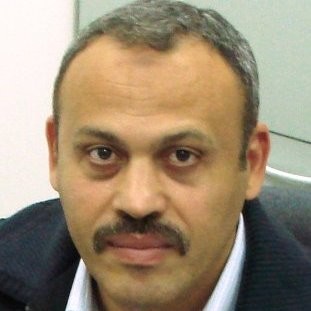 Alaaeldin A. Hamza合作论文数Hormone Evaluation Department, National Organization for Drug Control and Research33
 Yingqiu Xie合作论文数Institute of Genetics, Chinese Academy of Sciences20Sayel Daoud合作论文数12
 Syed Salman Ashraf合作论文数11
 Chandraprabha Murali合作论文数10Anas Dannoun合作论文数10Bilsland Alan E合作论文数Canc Res UK Beatson Labs, Univ Glasgow10
 Neda Bogari合作论文数Faculty of Medicine, Umm Al-Qura University10
 Asfar S. Azmi合作论文数Department of Pathology, School of Medicine, Wayne State University10
 Kanya Honoki合作论文数Department of Orthopedic Surgery, Nara Medical University10
 Nicol Keith合作论文数10
 Maria Rosa Ciriolo合作论文数Dipartimento di Biologia, Universita degli Studi di Roma Tor Vergata10
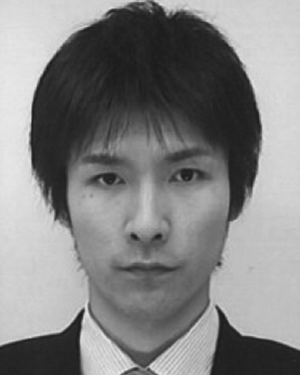 Hiromasa Fujii合作论文数10
 Katia Aquilano合作论文数Department of Biology, University of Rome “Tor Vergata”10
 Amedeo Amedei合作论文数9
 Boosani Chandra S合作论文数Creighton Univ9
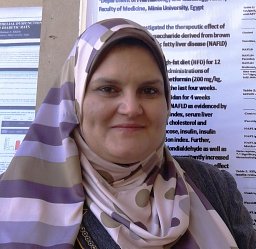 Gehan H. Heeba合作论文数Faculty of Pharmacy, Minia University9
 Bhakta Dipita合作论文数School of Bio Sciences and Technology, VIT University9Somaira Nowsheen合作论文数Thomas Harriot College of Arts and Sciences, East Carolina University9
 Sulma I. Mohammed合作论文数Purdue Cancer Center and Purdue Oncological Sciences Center, Purdue University9
 Elena Niccolai合作论文数Department of Internal Medicine, University of Florence9Ala’a Al Hrout合作论文数8Ashwag Aljohani合作论文数8Sophie Chen合作论文数8
 Badriya Baig合作论文数8Xujuan Yang合作论文数8
 Soha Osama Hassanin合作论文数Fac Pharm, Modern Univ Technol & Informat MTI8
 Gunjan Guha合作论文数School of Bio Sciences and Technology, VIT University, Vellore 632 014, Tamil Nadu, India8
 Mohiuddin M. Taher合作论文数Indian Council of Medical Research, National Institute of Nutrition8
 Ernest Adeghate合作论文数Department of Anatomy, College of Medicine and Health Sciences, United Arab Emirates University8
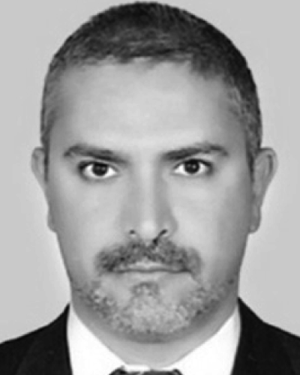 Yaser Greish合作论文数Department of Chemistry, United Arab Emirates University8Alexandros G. Georgakilas合作论文数8Halicka H Dorota合作论文数7Fawzy Ahmed合作论文数Division of Human Genetics &Department of Molecular Genetics and Enzymology, National Research Centre;Department of Molecular Genetics and Enzymology, National Research Centre7
 Amphun Chaiboonchoe合作论文数Division of Science and Math, New York University Abu Dhabi;Center for Genomics and Systems Biology (CGSB),, New York University Abu Dhabi Institute;New York University Abu Dhabi, New York University Abu Dhabi Institute7Kourosh Salehi-Ashtiani合作论文数Center for Cancer Systems Biology (CCSB) and Department of Cancer Biology, Dana-Farber Cancer Institute7
 Faisal A Al-Allaf合作论文数Faculty of Medicine, Umm Al-Qura University;Faculty of Medicine, Imperial College London;Imperial College London, Umm Al-Qura University7Guldan Nazarbek合作论文数6Chenglin Mu合作论文数6
 Ali Abdalla合作论文数Henry Ford Medical Center - Columbus6
 Xugang Li合作论文数6Schneider-Stock Regine合作论文数6Husni H Rayes合作论文数5
 Nazar M Zaki合作论文数United Arab Emirates Univ, Coll Informat Technol, Al Ain, U Arab Emirates5
 Raafat el-awady合作论文数National Cancer Institute, Cairo University5
 Khuloud Bajbouj合作论文数College of Science, United Arab Emirates University5
 William G Helferich合作论文数Division of Nutritional Sciences, College of Agricultural, Consumer and Environmental Sciences, University of Illinois at Urbana-Champaign5Fan Haiyan合作论文数5Ma Cuiping合作论文数5




