Background and Aims:Metabolic dysfunction-associated steatohepatitis (MASH) affects approximately 5% of adults globally and, without effective treatment, may progress to end-stage liver disease (ESLD), including compensated cirrhosis, decompensated cirrhosis (DC), hepatocellular carcinoma, and liver transplantation. Using real-world data, this study characterized the natural history and health-care impact of MASH among US adults. Methods:A retrospective cohort study was conducted using Optum's deidentified Market Clarity Data (January 2021-March 2024). Noninvasive test (NIT) use at diagnosis (days 0-30) and during follow-up was described. Predictors of progression were estimated with modified Poisson regression, time to first ESLD was assessed with Cox models, and health-care resource utilization (HCRU) and costs with multivariable regression. Results:Among 49,983 patients with MASH, 16,359 (32.7%) had ESLD at baseline (compensated cirrhosis 3965; DC 11,406; hepatocellular carcinoma 514; liver transplantation 474). Of the 33,624 without baseline ESLD, 15.9% progressed; median time to first ESLD event was 10.6 months (interquartile range: 3.8-19.7), with DC the most frequent first event. Around diagnosis, 3771 patients (7.5%) underwent ≥1 NIT or imaging test, slightly higher with baseline ESLD than without (8.1% vs 7.3%); NIT/imaging use increased during follow-up. Older age, hypertension, type 2 diabetes, cardiovascular disease, sleep apnea, smoking, and thyroid disease were associated with higher progression risk. Patients who progressed had higher HCRU and costs than those who did not progress. Conclusion:In this large US cohort, progression from MASH to ESLD was associated with high HCRU and costs, particularly among patients with ESLD or subsequent progression. These findings highlight the need for earlier risk stratification and targeted care to mitigate burden.
Metabolic dysfunction-associated steatotic liver disease (MASLD) is now recognized as a multisystem disease closely linked to cardiovascular disease, which is the leading cause of death in this population. MASLD and cardiovascular disease share overlapping pathophysiological mechanisms including insulin resistance, chronic inflammation, oxidative stress, and endothelial dysfunction that not only drive the progression of each disease but may also potentiate one another. Recent initiatives, such as the cardiovascular-kidney-metabolic health framework and the cardiovascular-renal-hepatic-metabolic model, underscore the importance of integrated, multidisciplinary care for managing multisystemic conditions like MASLD. In this context, cardiologists who frequently encounter MASLD-related comorbidities such as diabetes and obesity are well positioned to lead efforts in early detection, risk stratification, and management. This review offers cardiologists a comprehensive overview of MASLD, including the epidemiology, diagnostic approaches, and therapeutic options of MASLD while highlighting cardiologists' pivotal role in its multidisciplinary management.
 Ilan S. Weisberg合作论文数17Ponni Perumalswami合作论文数12Gres Karim合作论文数12Dewan Giri合作论文数10Brooke Wyatt合作论文数10
 Andrea D Branch合作论文数Division of Liver Diseases, Department of Medicine, Icahn School of Medicine at Mount Sinai Medical Center9Douglas T. Dieterich合作论文数9
 Mazen Noureddin合作论文数9Naim Alkhouri合作论文数8Carolina Villarroel合作论文数7
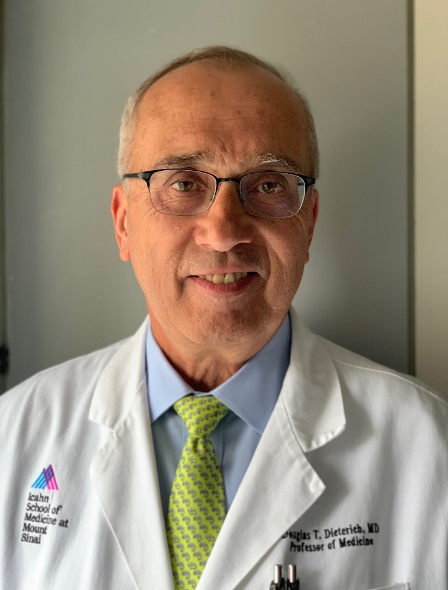 Douglas Dieterich合作论文数Division of Liver Diseases, Icahn School of Medicine, Mount Sinai;Institute for Liver Medicine, Mount Sinai7Edward Mena合作论文数6
 Sonal Kumar合作论文数Joan and Sanford I. Weill Department of Medicine, Weill Cornell Medicine, Cornell University6Asgharpour Amon合作论文数VCUHS Center for Inflammatory Bowel Disease, Virginia Commonwealth University Health Center6
 Ashwani K Singal合作论文数Department of Medicine, School of Medicine, University of Louisville6Madhavi Rudraraju合作论文数6Winston Dunn合作论文数6Daniel Pang合作论文数5Mantej Sehmbhi合作论文数5Bo Hyung Yoon合作论文数5Imad Asaad合作论文数Department of Gastroenterology and Hepatology, Cleveland Clinic5
 Wei Xu合作论文数Biostatistics Division, Dalla Lana School of Public Health, University of Toronto;Department of Biostatistics, Princess Margaret Cancer Centre;Ontario Cancer Institute5
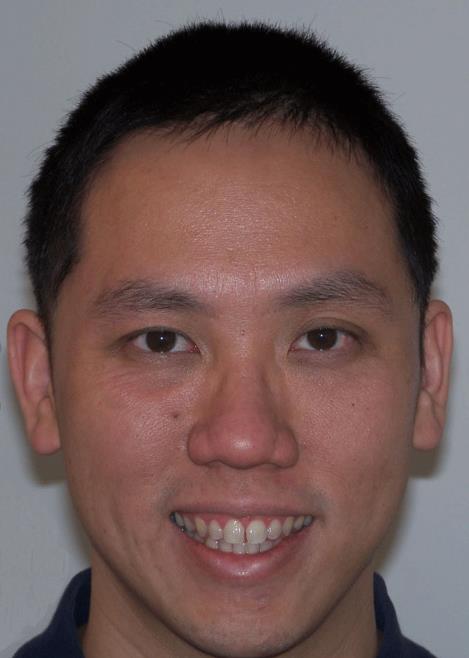 Geoffrey Nguyen合作论文数Zane Cohen Centre for Digestive Diseases, Mount Sinai Hospital;Institute of Health Policy, Management and Evaluation, University of Toronto5Andrew H. Talal合作论文数5
 Mark S. Silverberg合作论文数5
 Rolland C. Dickson合作论文数Mayo Clin Arizona;Mayo Clinic Scottsdale5Mark Miller合作论文数4Anna Mageras合作论文数4
 Nour Al Khalili合作论文数4
 Custon Nyabanga合作论文数Department of Internal Medicine, NYU Grossman School of Medicine4Alice Parish合作论文数4Maxence Vandromme合作论文数4
 Zane Cohen合作论文数Department of Surgery, Temerty Faculty of Medicine, University of Toronto4Kushner Tatyana合作论文数4Gordon R. Greenberg合作论文数4
 Robin McLeod合作论文数Department of Surgery, Temerty Faculty of Medicine, University of Toronto4Joanne M. Stempak合作论文数4
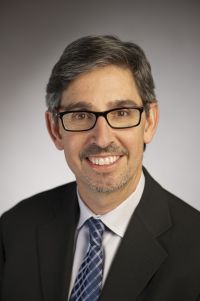 A. Hillary Steinhart合作论文数4
 Matti Waterman合作论文数4Arifa Toor合作论文数4
 Jonathan N. Tobin合作论文数Center for Clinical & Translational Science, The Rockefeller University;Clinical Directors Network4Philip Chuang合作论文数3Andre Khazak合作论文数3Sidra Salman合作论文数3Alyson Harty合作论文数3Viviana Figueroa Diaz合作论文数3Christy Chon合作论文数Department of Medicine, Mount Sinai Morningside and West Hospitals3
 Rohit Nathani合作论文数and West Hospital, Icahn School of Medicine at Mount Sinai Morningside3
 Mengdan Xie合作论文数School of Medicine, Emory University3




