Non‐heme iron and α‐ketoglutarate‐dependent halogenases have a central Fe(II) cofactor within the active site that is coordinated by two His amino acids, a halide ion, H 2 O, and α‐KG as a bidentate ligand in an octahedral coordination state. They catalyze the radical chlorination or bromination of unactivated alkyl carbon centers. These enzymes accept a broad range of substrates both in the freestanding and carrier protein‐bound forms, facilitating incorporation of halogen atoms into amino acid, peptide, polyketide, alkaloid, and nucleotide natural products. The production of halogenated specialized metabolites by NHI/α‐KG‐dependent halogenases occurs in both prokaryotes and eukaryotes, in many cases providing an evolutionary advantage such as defense.
Cyclic natural products offer important, unique scaffolds and functionalities for the pharmaceutical industry. They are produced by enzymes catalyzing a wide range of cyclization reactions. This large family of enzymes creates distinctive cyclic structures via a variety of mechanisms naturally evolved for selectivity. In this review, we aim to present an overview of these natural catalysts, the therapeutic compounds for which they are involved in the production, as well as engineering efforts to tune them for anthropogenic needs in human medicine. Biochemical methodologies commonly used for the discovery and engineering of enzymes will also be highlighted, with an emphasis on enzymatic terpene cyclization and Pictet-Spengler-type cyclization.
In contrast to the large body of work on bioactive natural products from individually cultivated bacteria, the chemistry of environmental microbial communities remains largely elusive. Here, we present a comprehensive bioinformatic and functional study on a complex and interaction-rich ecosystem, algal-bacterial (microbial) mats of Lake Chilika in India, Asia’s largest brackish water body. We report the bacterial compositional dynamics over the mat life cycle, >1,300 reconstructed environmental genomes harboring >2,200 biosynthetic gene clusters (BGCs), the successful cultivation of a widespread core microbiome member belonging to the genusRheinheimera, heterologous reconstitution of two silentRheinheimerabiosynthetic pathways, and new compounds with potent protease inhibitory and antiviral activities. The identified substances, posttranslationally modified peptides from the graspetide and spliceotide families, were targeted among the large BGC diversity by applying a strategy focusing on recurring multi-BGC loci identified in diverse samples, suggesting their presence in successful colonizers. In addition to providing broad insights into the biosynthetic potential of a poorly studied community from sampling to bioactive substances, the study highlights the potential of ribosomally synthesized and posttranslationally modified peptides as a large, underexplored resource for antiviral drug discovery.
A new fatty acid synthase off-loading domain. Fatty acid synthase (FAS) usually releases its products by hydrolysis or transesterification. Here, an α-oxoamine synthase off-loading domain is identified in a cyanobacterial type I FAS. This domain releases the fatty acyl chain through a condensation with L-serine, offering a novel pathway to α-amino ketones that share similarities with sphingolipid precursors. More information can be found in the Research Article by A. E. Fraley, S. Sasso et al.
Modular trans-acyltransferase polyketide synthases (trans-AT PKSs) are enzymatic assembly lines that biosynthesize complex polyketide natural products. Relative to their better studied cis-AT counterparts, the trans-AT PKSs introduce remarkable chemical diversity into their polyketide products. A notable example is the lobatamide A PKS, which incorporates a methylated oxime. Here we demonstrate biochemically that this functionality is installed on-line by an unusual oxygenase-containing bimodule. Furthermore, analysis of the oxygenase crystal structure coupled with site-directed mutagenesis allows us to propose a model for catalysis, as well as identifying key protein-protein interactions that support this chemistry. Overall, our work adds oxime-forming machinery to the biomolecular toolbox available for trans-AT PKS engineering, opening the way to introducing such masked aldehyde functionalities into diverse polyketides.
In this issue of Structure, McCullough et al. describe linker peptides that serve as a "hydrophobic glue"to arrange the domains within the reducing region of a modular polyketide synthase. Comparisons to structural data from other megasynthases identified features that are unique to modular systems.
Type I fatty acid synthases (FASs) are known from higher eukaryotes and fungi. We report the discovery of FasT, a rare type I FAS from the cyanobacterium Chlorogloea sp. CCALA695. FasT possesses an unusual off‐loading domain, which was heterologously expressed in E. coli and found to act as an α‐oxoamine synthase (AOS) in vitro. Similar to serine palmitoyltransferases from sphingolipid biosynthesis, the AOS off‐loading domain catalyzes a decarboxylative Claisen condensation between l‐serine and a fatty acyl thioester. While the AOS domain was strictly specific for l‐serine, thioesters with saturated fatty acyl chains of six carbon atoms and longer were tolerated, with the highest activity observed for stearoyl−coenzyme A (C18). Our findings suggest a novel route to α‐amino ketones via the direct condensation of iteratively produced long‐chain fatty acids with l‐serine by a FAS with a cis‐acting AOS off‐loading domain.
Bacterial modular polyketide synthases (PKSs) generate diverse, complex and bioactive natural products that are constructed mainly based on principles of fatty acid biosynthesis. The cytotoxic oocydin-type polyketides contain a vinyl chloride moiety introduced during polyketide chain elongation. Required for modular polyketide backbone halogenation are a non-heme iron and ɑ-ketoglutarate-dependent halogenase OocP and OocQ lacking characterized homologs. This work provides structural insights into these unusual PKS components and their interactions via a high-resolution X-ray crystallography structure of the heterocomplex. By mapping the protein-protein interactions and comparison with structures of similar halogenases, we illustrate the potential of this heterodimer complex as a replacement for the conserved homodimeric structure of homologous enzymes. The OocPQ protein pair has thus evolved as a means of stabilizing the halogenase and facilitating chemical transformations with great synthetic utility.
Marine microbial communities are a wellspring of biochemical transformations, with discovery fueled by the ever-expanding development of biotechnological methodologies. Meta-omic strategies-from genome-based studies to enzymology and molecular-level investigations-have shed light on the involvement of microbial dark matter in the biosynthesis of bioactive metabolites. Herein, we describe the enzymology and biosynthesis of natural products derived from marine invertebrates, highlighting the diversity of this vast biochemical resource.
Thioesterases (TEs) are fundamentally important enzymes present in all bacteria and eukaryotes, where they have conserved functions in fatty acid biosynthesis and secondary metabolism. This work provides the first structural insights into a functionally distinct group of TEs that perform diverse acylations in polyketide and peptide biosynthesis (TE(B)s). Structural analysis of the oocydin (OocS) TEB domain facilitated identification and engineering of the active site to modulate acyl-group acceptance. In this way, we achieved higher reactivity using a structure-based approach, building a foundation for biocatalytic development of TEB-mediated O-acylation, a modification known to improve the bioactivity of oocydin-type polyketides. Lastly, the promiscuity of the OocS TEB motivated us to investigate, and ultimately provide evidence for, the production of longer chain branched oocydins in the native host Serratia plymuthica 4Rx13. This work frames the OocS TEB and homologs as invaluable synthetic biology tools for polyketide drug development.
Bacterial multimodular polyketide synthases (PKSs) are large enzymatic assembly lines that synthesize many bioactive natural products of therapeutic relevance. While PKS catalysis is mostly based on fatty acid biosynthetic principles, polyketides can be further diversified by post-PKS enzymes. Here, we characterized a remarkably versatile trans-acyltransferase (trans-AT) PKS from Serratia that builds structurally complex macrolides via more than ten functionally distinct PKS modules. In the oocydin PKS, we identified a new oxygenation module that α-hydroxylates polyketide intermediates, a halogenating module catalyzing backbone γ-chlorination, and modular O-acetylation by a thioesterase-like domain. These results from a single biosynthetic assembly line highlight the expansive biochemical repertoire of trans-AT PKSs and provide diverse modular tools for engineered biosynthesis from a close relative of E. coli.
The disclosure provides biocatalysts that halogenate complex chemical compounds in specific and predictable ways. Also disclosed are halogenated complex organic compounds. The disclosure further provides methods for the halogenation of complex chemical compounds and methods of inhibiting the contraction of smooth muscle in mammals.
The notoamides are a fascinating class of anticancer natural products where two phylogenetically related fungal strains have evolved to generate enantiomeric (mirror image) terminal products. A study of the enzymes (NotI/NotI′) responsible for spirocycle formation revealed their differential flexibility in accepting the opposite substrate and catalyzing formation of the respective spiro-oxindole product. The preferential conversion of (−)-stephacidin A by both enzymes suggests an evolutionary divergence from a common ancestor that was selective for (+)-notoamide B/A production. More information can be found in the full paper by R. M. Williams, D. H. Sherman, et al.
The fungal indole alkaloids are a unique class ofcomplex molecules that have a characteristic bicyclo[2.2.2]diazaoctane ring and frequently contain a spiro-oxindole moiety. While various strains produce these compounds,an intriguing case involves the formation of individual antipodes bytwo unique species of fungi in the generation of the potentanticancer agents (+)- and (-)-notoamide A. NotI and NotI′ havebeen characterized as flavin-dependent monooxygenases thatcatalyze epoxidation and semi-Pinacol rearrangement to form thespiro-oxindole center within these molecules. This work elucidatesa key step in the biosynthesis of the notoamides and provides anevolutionary hypothesis regarding a common ancestor forproduction of enantiopure notoamides.
The paraherquamides are potent anthelmintic natural products with complex heptacyclic scaffolds. One key feature of these molecules is the spiro-oxindole moiety that lends a strained three-dimensional architecture to these structures. The flavin monooxygenase PhqK was found to catalyze spirocycle formation through two parallel pathways in the biosynthesis of paraherquamides A and G. Two new paraherquamides (K and L) were isolated from a ΔphqK strain of Penicillium simplicissimum, and subsequent enzymatic reactions with these compounds generated two additional metabolites paraherquamides M and N. Crystal structures of PhqK in complex with various substrates provided a foundation for mechanistic analyses and computational studies. While it is evident that PhqK can react with various substrates, reaction kinetics and molecular dynamics simulations indicated that the dioxepin-containing paraherquamide L was the favored substrate. Through this effort, we have elucidated a key step in the biosynthesis of the paraherquamides, and provided a rationale for the selective spirocyclization of these powerful anthelmintic agents.
Fungal bicyclo[2.2.2]diazaoctane indole alkaloids represent an important family of natural products with a wide spectrum of biological activities. Although biomimetic total syntheses of representative compounds have been reported, the details of their biogenesis, especially the mechanisms for the assembly of diastereomerically distinct and enantiomerically antipodal metabolites, have remained largely uncharacterized. Brevianamide A represents a basic form of the subfamily bearing a dioxopiperazine core and a rare 3-spiro-ψ-indoxyl skeleton. In this study, we have identified the brevianamide A biosynthetic gene cluster from Penicillium brevicompactum NRRL 864 and elucidated the metabolic pathway. BvnE was revealed to be an essential isomerase/semipinacolase that specifies the selective production of the natural product. Structural elucidation, molecular modelling and mutational analysis of BvnE as well as quantum chemical calculations have provided mechanistic insights into the diastereoselective formation of the 3-spiro-ψ-indoxyl moiety in brevianamide A. This occurs through a BvnE-controlled semipinacol rearrangement and a subsequent spontaneous intramolecular [4+2] hetero-Diels–Alder cycloaddition.
The class of fungal indole alkaloids containing the bicyclo[2.2.2]diazaoctane ring is comprised of diverse molecules that display a range of biological activities. While much interest has been garnered due to their therapeutic potential, this class of molecules also displays unique chemical functionality, making them intriguing synthetic targets. Many elegant and intricate total syntheses have been developed to generate these alkaloids, but the selectivity required to produce them in high yield presents great barriers. Alternatively, if we can understand the molecular mechanisms behind how fungi make these complex molecules, we can leverage the power of nature to perform these chemical transformations. Here, we describe the various studies regarding the evolutionary development of enzymes involved in fungal indole alkaloid biosynthesis.
Fungal bicyclo[2.2.2]diazaoctane indole alkaloids demonstrate intriguing structures and a wide spectrum of biological activities. Although biomimetic total syntheses have been completed for representative compounds of this structural family, the details of their biogenesis have remained largely uncharacterized. Among them, Brevianamide A represents the most basic form within this class bearing a dioxopiperazine core structure and a rare 3-spiro-psi-indoxyl skeleton. Here, we identified the Brevianamide A biosynthetic gene cluster from Penicillium brevicompacticum NRRL 864 and fully elucidated the metabolic pathway by targeted gene disruption, heterologous expression, precursor incorporation studies, and in vitro biochemical analysis. In particular, we determined that BvnE is a cofactor-independent isomerase that is essential for selective production of Brevianamide A. Based on a high resolution crystal structure of BvnE, molecular modeling, mutational analysis, and computational studies provided new mechanistic insights into the diastereoselective formation of the 3-spiro-psi-indoxyl moiety in Brevianamide A. This occurs through a biocatalyst controlled semi-Pinacol rearrangement and a subsequent spontaneous intramolecular [4+2] hetero-Diels-Alder cycloaddition.
Prenylated indole alkaloids isolated from various fungi possess great structural diversity and pharmaceutical utility. Among them are the calmodulin inhibitory malbrancheamides and paraherquamides, used as anthelmintics in animal health. Herein, we report complete elucidation of the malbrancheamide biosynthetic pathway accomplished through complementary approaches. These include a biomimetic total synthesis to access the natural alkaloid and biosynthetic intermediates in racemic form, and in vitro enzymatic reconstitution that provides access to the natural antipode (+)-malbrancheamide. Reductive cleavage of a L-Pro-L-Trp dipeptide from the MalG nonribosomal peptide synthetase (NRPS) followed by reverse prenylation and a cascade of post-NRPS reactions culminates in an intramolecular [4+2] hetero-Diels-Alder (IMDA) cyclization to furnish the bicyclo[2.2.2]diazaoctane scaffold. Enzymatic assembly of optically pure (+)-premalbrancheamide involves an unexpected zwitterionic intermediate where MalC catalyzes enantioselective cycloaddition as a bifunctional NADPH-dependent reductase/Diels-Alderase. Crystal structures of substrate and product complexes together with site-directed mutagenesis and molecular dynamics simulations demonstrated how MalC and PhqE, its homolog from the paraherquamide pathway, catalyze diastereo- and enantioselective cyclization in the construction of this important class of secondary metabolites.
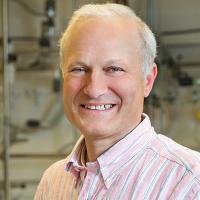 David H. Sherman合作论文数Life Sciences Institute, University of Michigan14
 Robert M. Williams合作论文数Department of Chemistry, Colorado State University9
 Newmister Sean A合作论文数Departments of Biochemistry, University of Wisconsin8Roy Meoded合作论文数6Cora L Dieterich合作论文数5
 Shengying Li (李盛英)合作论文数State Key Laboratory of Microbial Technology, Shandong University5
 Sachiko Tsukamoto (塚本佐知子)合作论文数International Research Center for Agricultural and Environmental Biology, Faculty of Advanced Science and Technology, Kumamoto University/Graduate School of Pharmaceutical Sciences, Kumamoto University5
 Jörn Piel合作论文数Institute of Microbiology, Eidgenössische Technische Hochschule Zürich5Hikaru Kato合作论文数5Samantha P Kelly合作论文数Program Chem Biol, Univ Michigan4
 Janet Smith合作论文数Center for Structural Biology, Life Sciences Institute, University of Michigan;University of Michigan Medical School;College of Literature, Science, and the Arts, University of Michigan4Ying Ye (叶英)合作论文数School of Pharmacy, Tongji Medical College, Huazhong University of Science and Technology4Joern Piel合作论文数3Vikram V Shende合作论文数3Hannah A Minas合作论文数3Franziska Hemmerling合作论文数3
 Qingyun Dan合作论文数Life Sci Inst, Univ Michigan3
 Ashootosh Tripathi合作论文数Department of Medicinal Chemistry, College of Pharmacy, University of Michigan-Ann Arbor3
 Hong Thi Tran合作论文数Dept Biomed Mol Biol, Univ Ghent3
 Robert S. Paton合作论文数Department of Chemistry, Colorado State University3Yu Fengan合作论文数3
 Kendall N. Houk (肯德尔·霍克)合作论文数Houk Research Group, Department of Chemistry and Biochemistry, Division of Physical Sciences, University of California, Los Angeles3Kimberly R Klas合作论文数2
 Maria L Adrover-Castellano合作论文数2
 Juan V. Alegre-Requena合作论文数Dept Chem, Colorado State Univ2Morgan McCauley合作论文数2
 Severin Sasso合作论文数2
 William Clay Brown合作论文数2
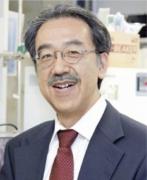 Hideaki Oikawa (及川英秋)合作论文数Department of Chemistry, Faculty of Science, Hokkaido University2
 Wei Zhang (张伟)合作论文数Institute of Oceanology, Chinese Academy of Sciences;University of Chinese Academy of Sciences2
 Lei Du (杜磊)合作论文数State Key Laboratory of Microbial Technology, Shandong University2
 Xingwang Zhang (张兴旺)合作论文数State Key Laboratory of Microbial Technology, Shandong University2Atsushi Minami合作论文数2Ryan C. Coleman合作论文数1Katja Jensen合作论文数1Finn P. Maloney合作论文数1
 Nancy Magnus合作论文数1Emily Labudde合作论文数1Nolan Carney合作论文数1Le Zhao合作论文数1
 Chris Field合作论文数Department of Earth System Science, Doerr School of Sustainability, Stanford University;Freeman Spogli Institute for International Studies;Precourt Institute for Energy, Stanford University;Department of Biology, School of Humanities and Sciences, Stanford University;Woods Institute for the Environment, Stanford University1
 Chandrashekhar Padhi合作论文数1Maximilian Schmalhofer合作论文数1Meredith A Skiba合作论文数1Maurice Biedermann合作论文数1Jakob Farnung合作论文数1
 Serina Robinson合作论文数Dept Bioinformat, Wageningen Univ & Res1Akito Eguchi合作论文数Cardiovascular Research Center, Temple University School of Medicine, 3500 N. Broad Street, Philadelphia, PA 19140, USA1eduardo v mercadomarin合作论文数Univ Calif Berkeley, Dept Chem, Berkeley, CA 94720 USA1




