BACKGROUND:Thrombotic events, including acute ischemic stroke, are more common in individuals with congenital heart disease (CHD). Whether common thrombophilia variants contribute to thrombotic risk in this population remains unclear. We evaluated whether prothrombin G20210A (F2 c.97G>A) and factor V Leiden (F5 c.1601G>A; p.Arg534Gln) are associated with thrombotic events in CHD. METHODS:Participants in the Pediatric Cardiac Genomics Consortium with exome sequencing and electronic medical record data were identified. Individuals were stratified by prothrombin G20210A and factor V Leiden genotypes, ventricular physiology, and antithrombotic therapy. The primary outcome was the presence of International Classification of Diseases (ICD) or Phecodes (phenotype codes) for thrombotic events. RESULTS:Among 4008 participants (median age, 11.4 [interquartile range, 5.1-17.9] years; 44.4% boys), thrombotic events occurred in 737 (18%), including 93 (13%) with acute ischemic stroke. Compared with the Genome Aggregation Database, the CHD cohort had a lower prevalence of heterozygous prothrombin G20210A and factor V Leiden variants. Variant prevalence did not differ between participants with and without thrombotic events. Single-ventricle CHD was associated with higher thrombosis frequency than biventricular CHD (35% versus 16%, P≤0.0001), without differences in variant prevalence. CONCLUSIONS:In this multicenter CHD cohort, prothrombin G20210A and factor V Leiden were not significantly associated with thrombotic outcomes, supporting recommendations against routine screening. Given low variant prevalence, the study was powered to exclude only large associations. Reduced variant frequency suggests survivorship bias beginning in fetal life. Larger integrated clinical-genomic studies are needed to refine thrombotic risk stratification in CHD. REGISTRATION:URL: https://www.clinicaltrials.gov; Unique Identifier: NCT03347214.
BACKGROUND:Children with heart disease face competing risks of thrombosis and bleeding. Antiplatelet agents are widely used, but clinical effectiveness and safety may vary with pharmacogenomic variants. We evaluated bleeding and thromboembolic outcomes and explored pharmacogenomic associations in a pediatric cardiac cohort. METHODS:Single-center, retrospective study of patients prescribed aspirin or clopidogrel during admissions (2011-2020). We abstracted clinical characteristics, pharmacodynamic testing, and adverse events while prescribed the antiplatelet agent through July 2021. Pharmacogenomic variants relevant to aspirin and clopidogrel metabolism/function (including CYP2C19 haplotypes and selected aspirin response loci) were called from existing genomic data. Outcomes included major bleeding and thromboembolism (TE) as well as pharmacodynamic aspirin "resistance." Analyses were exploratory. RESULTS:We included 105 patients treated with aspirin with VerifyNow pharmacodynamic and pharmacogenomic variant data and 49 clopidogrel-treated patients with genetic data. Major bleeding occurred in 5% (aspirin) and 16% (clopidogrel); TE occurred in 12% and 8% of patients, respectively. On aspirin, bleeding was more frequent with renal (40% vs. 2%, p = 0.011) or hepatic dysfunction (20% vs. 0%, p = 0.048); TE was associated with younger age, lower weight, and single-ventricle physiology. On clopidogrel, bleeding was associated with older age/greater weight and renal dysfunction. No association was observed across CYP2C19 phenotypes and clopidogrel outcomes. No poor metabolizers were identified in this small cohort. Pharmacodynamic aspirin "resistance" was seen in 23% and was more common in females, with no association identified with TE. A P2RY1 variant (rs1065776-CT) was associated with the composite aspirin outcome of pharmacodynamic resistance and/or TE. CONCLUSIONS:Clinically important bleeding and TE events were common in pediatric cardiac patients on antiplatelets, with organ dysfunction, age, and physiology emerging as key associations. Pharmacogenomic variants were frequent; a candidate P2RY1 signal warrants validation. Pediatric antiplatelet management and relationships with outcomes are complex, supporting the need for prospective studies integrating pharmacogenomic variant analyses with standardized pharmacodynamic testing.
Neurodevelopmental disorders encompass a large group of conditions, many of which can be explained by genetic variants. KIRREL3 has previously been associated with neurodevelopmental disorders and is expressed in the developing human basal ganglia and amygdala. Through GeneMatcher, which allows clinicians, families, and researchers to share information about novel gene variants, and the Simons Foundation Powering Autism Research (SPARK) project, we identified 26 individuals with different rare missense variants in KIRREL3, which were predicted to be damaging based on their REVEL score. All probands had neurodevelopmental diagnoses including autism spectrum disorder, global developmental delay, intellectual disability, or a learning disability. A full review of previous publications identified 10 rare KIRREL3 missense variants in 13 individuals who had at least one diagnosis of an autism spectrum disorder or intellectual disability. These findings highlight the potential role of KIRREL3 missense variants in neurodevelopmental disorders, which warrants further study.
Abstract Introduction BEACONS-NBS (Building Evidence and Collaboration for GenOmics in Nationwide Newborn Screening) is the first research study to integrate whole genome sequencing into newborn screening (NBS) across multiple U.S. states and territorial public health laboratory programs (PHLPs). We developed a list of conditions for screening. Methods We designed inclusion criteria and assembled an initial condition list from published resources. The list was revised by clinical experts, molecular geneticists, genetic counselors, PHLPs, rare disease advocacy organizations, the BEACONS-NBS Community Advisory Board, and project leadership from the National Institutes of Health. For each condition, we provided a rationale for early detection, diagnostic signs or biomarkers, and treatments or surveillance strategies. Results The BEACONS-NBS condition list includes 777 conditions associated with 743 genes, one copy number variant, and two aneuploidies and is larger than those used in other genomic NBS research studies in the U.S. and United Kingdom. Most conditions are inborn errors of immunity (37.2%), inherited metabolic disorders (18.7%), or endocrine conditions (18.1%). Nearly all conditions (93.3%) can be confirmed using a non-genetic test. Discussion BEACONS-NBS has established a condition list for implementation across multiple state and territorial PHLPs, enabling the prospective evaluation of feasibility of population-wide genomic NBS.
Mesial (a.k.a., medial) temporal lobe epilepsy (MTLE) is the most common focal epilepsy1,2 and, in drug-resistant cases, is treated by surgical removal of the anterior temporal lobe, which often shows neuronal loss and gliosis consistent with hippocampal sclerosis (HS)2. MTLE with HS has minimal contribution from germline genetic variation3, and is associated with prior precipitating insults such as prolonged childhood seizures and head trauma4-6. Somatic variants in Ras-MAPK pathway genes were recently reported in a few MTLE surgical specimens7,8, but their prevalence, clinical relevance, and underlying biological mechanisms remain unknown. Targeted duplex sequencing of hippocampal DNA from 462 surgical resections revealed significant enrichment of deleterious somatic variants in MTLE versus controls, with >40% of MTLE specimens harboring activating Ras-MAPK variants in PTPN11, NF1, BRAF, KRAS, and twelve genes not previously associated with focal epilepsy. Eight Ras-MAPK genes showed positive clonal selection in MTLE. Increased somatic variant burden predicted worse surgical outcome. Somatic Ras-MAPK variants at ultra-low (<0.5%) variant allele fractions were associated with older seizure onset and HS pathology, supporting a late prenatal or postnatal origin. Ras-MAPK variants in MTLE were enriched in cells derived from hippocampal progenitors-neurons, astrocytes, oligodendrocytes-in line with the known neuronal hyperexcitability and seizures induced by Ras-MAPK overactivation9,10; in contrast, Alzheimer disease hippocampi exhibited microglial enrichment of Ras-MAPK variants, consistent with prior reports11. Single-nucleus RNA sequencing showed increased expression of Ras-MAPK genes in neurons and upregulation of pathways mediating neurogenesis and neural development in MTLE. Functional validation of novel, recurrent PTPN11 variants confirmed gain-of-function, while cellular modeling in induced pluripotent stem cells demonstrated proliferative/survival advantages for mutant cells in mosaic culture. Overall, our data suggest that somatic Ras-MAPK variants and acquired risk factors may converge on clonal competition in the hippocampus to modulate epilepsy risk.
Pathogenic variants in LZTR1 are an established cause of Noonan syndrome (NS) and uniquely exhibit both autosomal dominant (AD) and autosomal recessive (AR) inheritance. However, the phenotypic spectrum and genotype-phenotype correlations remain incompletely defined. We conducted a multi-center retrospective chart review of patients diagnosed with LZTR1-NS evaluated at three tertiary care centers. Clinical, molecular, and imaging data were systematically collected. A comprehensive literature review (2015-2025) identified 100 additional individuals meeting inclusion criteria. Comparative analyses were performed to evaluate phenotypic patterns by inheritance. Among 21 previously unreported patients aged 6 months to 49 years, 15 had AD NS and 6 had AR NS. Clinical features were largely consistent with prior reports, including high prevalence of craniofacial dysmorphism, neurodevelopmental and multisystem involvement. Cardiac manifestations were frequent, with pulmonary valve stenosis as the most common lesion. Hypertrophic cardiomyopathy appeared more prominent among AR NS. Notably, lymphatic abnormalities were observed at a higher frequency than previously reported. Compared to the literature, our cohort highlights novel findings, including the co-occurrence of AD LZTR1-NS with 22q11.2 deletion and two patients with AR NS with features suggestive of schwannomatosis. These findings expand the clinical spectrum of LZTR1-NS and have important implications for diagnosis, surveillance, and genetic counseling.
Background RASopathies are disorders caused by variants in a gene in the RAS-mitogen-activated protein kinase (RAS-MAPK) pathway that have an association with cardiovascular anomalies, most commonly pulmonary stenosis and hypertrophic cardiomyopathy. There are some reported cases of coronary artery aneurysms (CAAs) in patients with RASopathies, but there is limited understanding of CAAs in this population, particularly in younger patients and in those with varying genotypes. Case Summary We describe 3 pediatric cases of patients with RASopathy developing CAA or ectasia: a 3-year-old with CBL-related RASopathy with giant CAAs, one of which required surgical intervention with a coronary artery bypass graft; an 8-year-old with PTPN11-related Noonan syndrome with giant CAAs; and an 11-year-old with a clinical diagnosis of Noonan syndrome with coronary ectasia. Discussion CAAs may be related to underlying RASopathies. Further exploration of the association and pathophysiology of CAAs in RASopathy is needed to guide screening, prevention, and management.
Introduction: Noonan syndrome (NS) is an autosomal dominant genetic disorder associated with a high incidence of cardiovascular disease. We sought to investigate pulmonary hypertension (PH) in patients with NS, as well as characterize the hemodynamics, cardiovascular interventions, genetics, and transplant-free survival. Methods: A retrospective, descriptive cohort study was conducted among patients with NS who underwent cardiac catheterization at Boston Children’s Hospital between 2000 and 2020. Patient demographic, clinical, and hemodynamic data were collected for cohorts of patients with and without PH. Results: Eight-seven patients with Noonan syndrome underwent cardiac catheterization in the study period. Fifty-nine (68%) patients had a NS-associated pathogenic variant, while 28 (32%) had a clinical diagnosis of NS. Eleven (13%) patients had PH by 6 th World Symposium on Pulmonary Hypertension criteria: two patients with Group 1 Pulmonary Arterial Hypertension (PAH), seven Group 2 PH, and two Group 4 PH. There were significant differences in NS-associated causative gene in patients with and without PH, with RAF1 (p=0.013) and KRAS1 (p=0.015) more common among PH patients. A clinical diagnosis of hypertrophic cardiomyopathy (p=0.009) was more common in PH patients, while valvar, subvalvar, or supravalvar pulmonary stenosis (p=0.011) was less common. PH patients were significantly more likely to have aortic-valve interventions (p=0.025) and less likely to have valvar right-sided heart interventions (p=0.037). Transplant-free survival at five years was lower in the PH group (73%) compared to the non-PH group (99%). Conclusion: In a cohort of patients with Noonan syndrome undergoing cardiac catheterization, we noted differences among those with and without PH for NS-associated causative gene, associated hypertrophic cardiomyopathy or structural heart disease, interventions, and transplant-free survival. The prevalence of PH among this population demonstrates the need for future studies on the association between NS and pulmonary vascular disease.
OBJECTIVE:This systematic review and meta-analysis aimed to assess the diagnostic yield of pathogenic or likely pathogenic (P/LP) single nucleotide variants (SNVs) using whole genome sequencing (WGS) in congenital heart disease (CHD). METHODS:A systematic search of three databases (2000-2024) was conducted, and two reviewers independently screened studies and extracted data following PRISMA and MOOSE guidelines. Pooled proportions were calculated using a random-effects model, and study quality was assessed using modified STARD criteria. RESULTS:Fourteen studies were included, comprising 933 CHD cases, of which 165 had P/LP SNVs. The overall diagnostic yield of WGS for P/LP SNVs was 17.83%, with a yield of 9.83% in isolated CHD cases (without other abnormalities) and 22.36% in syndromic cases (with extracardiac anomalies, developmental abnormalities, or distinctive features). Among 105 cases from four studies with negative chromosomal microarray (CMA) results, 20 had subsequently positive findings by WGS, yielding a 20% incremental diagnostic benefit of WGS over CMA. CONCLUSIONS:These findings highlight the utility of WGS in identifying clinically relevant SNVs in CHD and suggest that WGS should be considered in the diagnostic workup of CHD, particularly in syndromic cases, to guide personalized management and multidisciplinary care. PROSPERO REGISTRATION:CRD42025634370.
Examining the altered arrangement and patterning of sulcal folds offers insights into the mechanisms of neurodevelopmental differences in psychiatric and neurological disorders. Previous sulcal pattern analysis used spectral graph matching of sulcal pit-based graph structures to assess deviations from normative sulcal patterns. However, challenges exist, including the absence of a standard criterion for defining a typical reference set, time-consuming cost of graph matching, user-defined feature weight sets, and assumptions about uniform node distribution. We developed a deep learning-based sulcal pattern analysis to address these challenges by adapting prototype-based graph neural networks to sulcal pattern graphs. Additionally, we proposed a prototype inverse-projection for better interpretability. Unlike other prototype-based models, our approach inversely projects prototypes onto individual node representations to calculate the inverse-projection weights, enabling efficient visualization of prototypes and focusing the model on selective regions. We evaluated our method through a classification task between healthy controls (n = 174, age = 15.4 ±1.9 [mean ± standard deviation, years]) and patients with congenital heart disease (n = 345, age = 15.8 ±4.7) from four cohort studies and a public dataset. Our approach demonstrated superior classification performance compared to other state-of-the-art models, supported by extensive ablative studies. Furthermore, we visualized and examined the learned prototypes to enhance understanding. We believe our method has the potential to be a sensitive and understandable tool for sulcal pattern analysis.
While exome and whole genome sequencing have transformed medicine by elucidating the genetic underpinnings of both rare and common complex disorders, its utility to predict clinical outcomes remains understudied. Here, we use artificial intelligence (AI) technologies to explore the predictive value of whole exome sequencing in forecasting clinical outcomes following surgery for congenital heart defects (CHD). We report results for a prospective observational cohort study of 2,253 CHD patients from the Pediatric Cardiac Genomics Consortium with a broad range of complex heart defects, pre- and post-operative clinical variables and exome sequencing. Damaging genotypes in chromatin-modifying and cilia-related genes are associated with an elevated risk of adverse post-operative outcomes, including mortality, cardiac arrest and prolonged mechanical ventilation. The impact of damaging genotypes is further amplified in the context of specific CHD phenotypes, surgical complexity and extra-cardiac anomalies. The absence of a damaging genotype in chromatin-modifying and cilia-related genes is also informative, reducing the risk for some adverse postoperative outcomes. Thus, genome sequencing enriches the ability to forecast outcomes following congenital cardiac surgery.
Congenital heart disease (CHD) is a leading cause of infant mortality. We analyzed de novo mutations (DNMs) and very rare transmitted/unphased damaging variants in 248 prespecified genes in 11,555 CHD probands. The results identified 60 genes with a significant burden of heterozygous damaging variants. Variants in these genes accounted for CHD in 10.1% of probands with similar contributions from de novo and transmitted variants in parent–offspring trios that showed incomplete penetrance. DNMs in these genes accounted for 58% of the signal from DNMs. Thirty-three genes were linked to a single CHD subtype while 12 genes were associated with 2 to 4 subtypes. Seven genes were only associated with isolated CHD, while 37 were associated with 1 or more extracardiac abnormalities. Genes selectively expressed in the cardiomyocyte lineage were associated with isolated CHD, while those widely expressed in the brain were also associated with neurodevelopmental delay (NDD). Missense variants introducing or removing cysteines in epidermal growth factor (EGF)-like domains of NOTCH1 were enriched in tetralogy of Fallot and conotruncal defects, unlike the broader CHD spectrum seen with loss of function variants. Transmitted damaging missense variants in MYH6 were enriched in multiple CHD phenotypes and account for ~1% of all probands. Probands with characteristic mutations causing syndromic CHD were frequently not diagnosed clinically, often due to missing cardinal phenotypes. CHD genes that were positively or negatively associated with development of NDD suggest clinical value of genetic testing. These findings expand the understanding of CHD genetics and support the use of molecular diagnostics in CHD.
Variants with large effect contribute to congenital heart disease (CHD). To date, recessive genotypes (RGs) have commonly been implicated through anecdotal ascertainment of consanguineous families and candidate gene-based analysis; the recessive contribution to the broad range of CHD phenotypes has been limited. We analyzed whole exome sequences of 5,424 CHD probands. Rare damaging RGs were estimated to contribute to at least 2.2% of CHD, with greater enrichment among laterality phenotypes (5.4%) versus other subsets (1.4%). Among 108 curated human recessive CHD genes, there were 66 RGs, with 54 in 11 genes with >1 RG, 12 genes with 1 RG, and 85 genes with zero. RGs were more prevalent among offspring of consanguineous union (4.7%, 32/675) than among nonconsanguineous probands (0.7%, 34/4749). Founder variants in GDF1 and PLD1 accounted for 74% of the contribution of RGs among 410 Ashkenazi Jewish probands. We identified genome-wide significant enrichment of RGs in C1orf127, encoding a likely secreted protein expressed in embryonic mouse notochord and associated with laterality defects. Single-cell transcriptomes from gastrulation-stage mouse embryos revealed enrichment of RGs in genes highly expressed in the cardiomyocyte lineage, including contractility-related genes MYH6, UNC45B, MYO18B, and MYBPC3 in probands with left-sided CHD, consistent with abnormal contractile function contributing to these malformations. Genes with significant RG burden account for 1.3% of probands, more than half the inferred total. These results reveal the recessive contribution to CHD, and indicate that many genes remain to be discovered, with each likely accounting for a very small fraction of the total.
Neurodevelopmental impairments associated with congenital heart disease (CHD) may arise from perturbations in brain developmental pathways, including the formation of sulcal patterns. While genetic factors contribute to sulcal features, the association of noncoding de novo variants (ncDNVs) with sulcal patterns in people with CHD remains poorly understood. Leveraging deep learning models we examined the predicted impact of ncDNVs on gene regulatory signals. Predicted impact was compared between participants with CHD and a jointly called cohort without CHD. We then assessed the relationship of the predicted impact of ncDNVs with their sulcal folding patterns. ncDNVs predicted to increase H3K9me2 modification were associated with larger disruptions in right parietal sulcal patterns in the CHD cohort. Genes predicted to be regulated by these ncDNVs were enriched for functions related to neuronal development. This highlights the potential of deep learning models to generate hypotheses about the role of noncoding variants in brain development.
Individuals with congenital heart disease (CHD) have an increased risk of neurodevelopmental impairments. Given the hypothesized complexity linking genomics, atypical brain structure, cardiac diagnoses and their management, and neurodevelopmental outcomes, unsupervised methods may provide unique insight into neurodevelopmental variability in CHD. Using data from the Pediatric Cardiac Genomics Consortium Brain and Genes study, we identified data-driven subgroups of individuals with CHD from measures of brain structure. Using structural magnetic resonance imaging (MRI; N = 93; cortical thickness, cortical volume, and subcortical volume), we identified subgroups that differed primarily on cardiac anatomic lesion and language ability. In contrast, using diffusion MRI (N = 88; white matter connectivity strength), we identified subgroups that were characterized by differences in associations with rare genetic variants and visual-motor function. This work provides insight into the differential impacts of cardiac lesions and genomic variation on brain growth and architecture in patients with CHD, with potentially distinct effects on neurodevelopmental outcomes.
FRY-like transcription coactivator (FRYL) belongs to a Furry protein family that is evolutionarily conserved from yeast to humans. The functions of FRYL in mammals are largely unknown, and variants in FRYL have not previously been associated with a Mendelian disease. Here, we report fourteen individuals with heterozygous variants in FRYL who present with developmental delay, intellectual disability, dysmorphic features, and other congenital anomalies in multiple systems. The variants are confirmed de novo in all individuals except one. Human genetic data suggest that FRYL is intolerant to loss of function (LoF). We find that the fly FRYL ortholog, furry (fry), is expressed in multiple tissues, including the central nervous system where it is present in neurons but not in glia. Homozygous fry LoF mutation is lethal at various developmental stages, and loss of fry in mutant clones causes defects in wings and compound eyes. We next modeled four out of the five missense variants found in affected individuals using fry knockin alleles. One variant behaves as a severe LoF variant, whereas two others behave as partial LoF variants. One variant does not cause any observable defect in flies, and the corresponding human variant is not confirmed to be de novo, suggesting that this is a variant of uncertain significance. In summary, our findings support that fry is required for proper development in flies and that the LoF variants in FRYL cause a dominant disorder with developmental and neurological symptoms due to haploinsufficiency.
 Bruce D. Gelb合作论文数Departments of Pediatrics and Human Genetics,Mount Sinai School of Medicine35
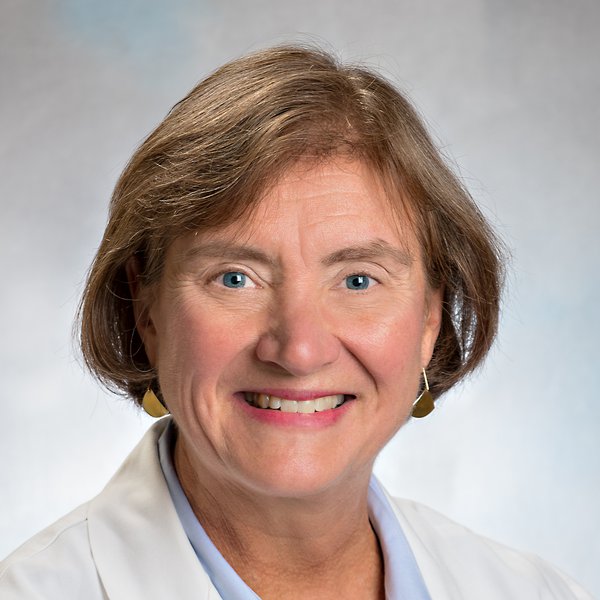 Christine E. Seidman合作论文数Cardiovascular Genetics Center, Brigham and Women's Hospital;Department of Genetics, Harvard Medical School;Howard Hughes Medical Institute26
 Wendy Chung合作论文数Department of Pediatrics, Columbia University;Division of Genetics and Genomics, Boston Children’s Hospital;Harvard Medical School21
 Jane Newburger合作论文数Department of Cardiology, Boston Children's Hospital;Harvard Medical School20
 Jonathan G. Seidman合作论文数Blavatnik Institute, Harvard Medical School;Department of Genetics, Harvard Medical School19
 Elizabeth Goldmuntz合作论文数Pediatrics, Children's Hospital of Philadelphia;Abramson Research Center, Division of Cardiology, The Children's Hospital of Philadelphia;Department of Pediatrics, Perelman School of Medicine, University of Pennsylvania18
 Martina Brueckner合作论文数Molecular Cell Biology, Genetics, and Development, Biological & Biomedical Sciences, Yale University16
 D Joseph Jerry合作论文数Department of Veterinary & Animal Sciences;University of Massachusetts Amherst;Department of Veterinary & Animal Sciences, University of Massachusetts Amherst16
 Sarah U. Morton合作论文数15
 George A Porter合作论文数Departments of Neurology and Pediatrics, University of Rochester Medical Center13
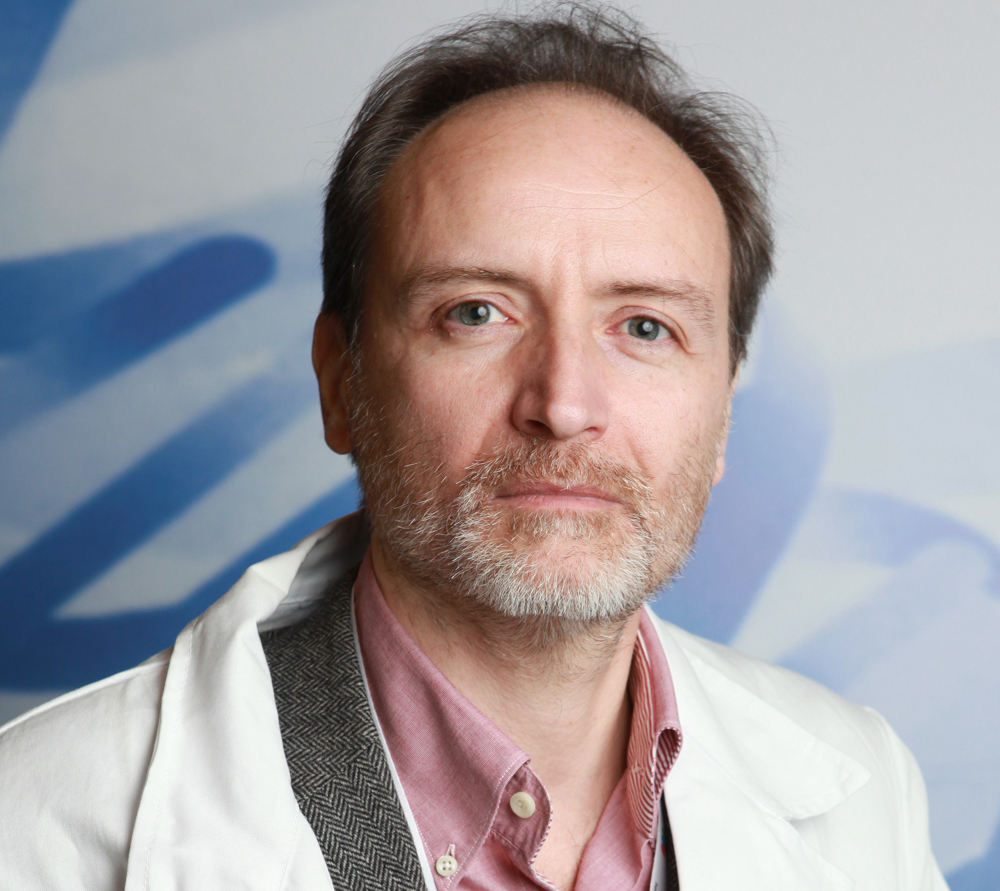 Marco Tartaglia合作论文数Ospedale Pediatrico Bambino Gesù13
 Raju Kucherlapati合作论文数Division of Medical Sciences, Harvard Medical School;Brigham and Women's Hospital;KEW Group13
 Martin Zenker合作论文数Institut fur Humangenetik, Universitatsmedizin Magdeburg11
 Elizabeth I Pierpont合作论文数10Erica Tworog-Dube合作论文数10
 William T. Pu合作论文数Boston Children's Hospital,Harvard Medical School10
 Tim Vyse合作论文数Department of Medical & Molecular Genetics, School of Basic & Medical Biosciences, Faculty of Life Sciences & Medicine, King's College London10
 Benjamin G. Neel合作论文数Department of Medicine, Grossman School of Medicine, New York University;Laura and Isaac Perlmutter Cancer Center, New York University10
 Maria Cristina Digilio合作论文数Bambino Gesu Ospedale Pediatrico10Mary Ella Pierpont合作论文数10Lakdawala Neal K合作论文数9
 Ronald V Lacro合作论文数9Karen A. Dunphy合作论文数9
 Richard Kim合作论文数9
 Katherine A Rauen合作论文数Department of Pediatrics, University of California, Davis;Medical Center, University of California Health, Davis9
 Mark William W Russell合作论文数Department of Pediatrics and Communicable Diseases, Medical School, University of Michigan;C. S. Mott Children's Hospital, University of Michigan Health8
 Kontaridis Maria I合作论文数Dept Med, Div Cardiol, Beth Israel Deaconess Med Ctr8Steven R. Depalma合作论文数8
 Richard P. Lifton合作论文数Laboratory of Human Genetics and Genomics, The Rockefeller University8
 Dallapiccola Bruno合作论文数Ospedale Pediatrico Bambino Gesù7
 Patricia Ellen Grant合作论文数Harvard Medical School;Maternal Fetal Care Center, Boston Children’s Hospital;Brain Injury Center, Boston Children’s Hospital7Leslie Smoot合作论文数6Judith Geva合作论文数6Joshua M. Gorham合作论文数6Lisa Schoyer合作论文数6
 David Morris合作论文数School of Basic & Medical Biosciences, Faculty of Life Sciences & Medicine, King’s College London6
 John Deanfield合作论文数University College London;National Institute for Cardiovascular Outcomes Research;The Portland Hospital for Women and Children;Yale University;The Harley Street Clinic6
 Judith Allanson合作论文数Children's Hospital of Eastern Ontario, Ottawa6
 Karen W. Gripp合作论文数Nemours Children's Health;FDNA6Seema Mital合作论文数University of Toronto/Ted Rogers Centre for Heart Research/The Hospital for Sick Children6Kimberlee Gauvreau合作论文数6
 Bruce Korf合作论文数Department of Genetics, University of Alabama at Birmingham6
 Bruno Marino合作论文数Department of Pediatrics, Obstetrics and Gynecology, Sapienza Universita di Roma6
 Kerrin S. Small合作论文数Wellcome Trust Centre for Human Genetics;Noguchi Memorial Institute for Medical Research;Broad Institute;Wellcome Trust Genome Campus;Medical Research Council;Broad Institute, Noguchi Memorial Institute for Medical Research6Haoheng Yan合作论文数6Martin Tristani-Firouzi合作论文数University of Utah6Mary J. Hagen合作论文数5Eileen King合作论文数5
 Chris Odhams合作论文数Kings Coll London, Dept Med & Mol Genet, London, England5




