Drug-induced thrombocytopenia (DIT) is a critical condition that is rarely encountered in hospitalized patients. In DIT, medications drive the destruction or consumption of platelets through immune or non-immune-related mechanisms. One common example of DIT is heparin-induced thrombocytopenia (HIT type 2), which is an immune-mediated condition where the combination of heparin and platelet factor 4 (PF4) results in an immunogenic complex that triggers a humoral immune response against the PF4 antigen. Another well-studied mechanism involves the generation of antibodies that bind to drugs covalently linked to platelet surface proteins, resulting in platelet destruction. This mechanism is often observed with small-molecule drugs like penicillins and cephalosporins. DIT is typically detected 24-48 hours after the drug is administered, and platelet counts usually recover after the drug is discontinued. During the early stages of DIT, it can be challenging to differentiate between primary and secondary thrombocytopenia. In such cases, a trial of glucocorticoids may be warranted. In cases of severe thrombocytopenia or high risk of bleeding, intravenous immunoglobulin (IVIG) is frequently administered to expedite the recovery of platelet counts. Here, we present a case of a 62-year-old female with stage III clear-cell carcinoma of the left ovary who was admitted for planned surgical resection and tumor debulking, which was complicated by severe postoperative thrombocytopenia. Of note, the patient has an extensive list of pharmacological and non-pharmacological allergies, including chlorhexidine, latex, lavender, chamomile, and calamine. On admission, the patient had a platelet count of 126 x 10(9)/L and hemoglobin of 9.4 g/dL. The patient received cefazolin for surgical prophylaxis. Cefazolin was continued, as this was not initially thought to be the etiology of thrombocytopenia. Despite platelet transfusions and administration of dexamethasone on postoperative days (POD), platelet counts continued to drop, with a nadir of less than 10x10(9)/L on POD 3. Hemoglobin, however, remained stable. Clinically, the patient did not exhibit any signs of active bleeding, such as petechiae, purpura, hematuria, or hematochezia. Due to refractory severe thrombocytopenia and a high risk of bleeding postoperatively, the patient was admitted to the intensive care unit and received IVIG, which led to a rapid increase in platelet counts to 49x10(9)/L by POD 7. This case highlights how DIT can be a critical condition that can be difficult to identify and is often complicated by simultaneous high-risk factors, especially in hospitalized surgical cancer patients. Postoperative patients are prone to thrombocytopenia secondary to platelet consumption, which can lead to high-risk bleeding episodes resulting in severe anemia and shock. Furthermore, DIT can worsen bleeding in cancer patients who are already predisposed to bone marrow suppression and malignancy-related disseminated intravascular coagulopathy. Considering the combination of these two risk factors in surgical cancer patients, it is important to have a high suspicion for DIT should thrombocytopenia arise.
SESSION TITLE: Critical Care Case Report Posters 37 SESSION TYPE: Case Report Posters PRESENTED ON: 10/10/2023 09:40 am - 10:25 am INTRODUCTION: Ethylene glycol (EG) poisoning classically presents as high anion gap metabolic acidosis (HAGMA) with elevated osmolar gap, with varying degrees of neurologic and renal impairment. Hyperammonemia and communicating hydrocephalus are not common sequelae of EG toxicity. CASE PRESENTATION: A 54-year-old female with no prior medical history presented unresponsive with last known normal 12 hours prior. She had no history of substance use and did not take any medications. Her initial vitals were temperature 32.6°C, blood pressure 200/115, heart rate 71, respiratory rate 16, saturating 100%. Her Glasgow Coma Score (GCS) was 3 and she was intubated for airway protection. Brainstem reflexes were absent, but she did trigger the ventilator. CT head was unremarkable. She had severe metabolic acidosis, pH < 7.0, PCO2 < 15, PO2 > 530, HCO3 2, lactate 12.8, anion gap 29, and osmolar gap 8. Her EG, methanol, and carbon monoxide levels were undetectable. Ammonia level was 355 umol/L. Urine was positive for calcium-oxalate crystals. Renal and hepatic function were normal. Acidemia was refractory to bicarbonate and ventilator adjustment. Hemodialysis was initiated.Her acidosis resolved with dialysis, but seizures developed. Lumbar puncture (LP) showed albuminocytological dissociation. She remained unresponsive without sedatives. MRI brain showed severe disproportionate T2 FLAIR hyperintensity of the midbrain bilaterally with mass effect but without herniation. Urine organic acid screen showed markedly elevated urine glycolic acid level, consistent with EG toxicity. She then developed anuric renal failure requiring ongoing dialysis. She eventually underwent tracheostomy and gastrostomy tube placement. Course was complicated by development of communicating hydrocephalus of unclear etiology identified on hospital day 30, requiring serial LP. As of hospital day 55, she has regained brainstem reflexes, moves all extremities spontaneously, and tracks (GCS 10). She remains nonverbal despite decannulation, unable to follow commands, and dialysis-dependent. DISCUSSION: EG is not particularly toxic, but its metabolites (glycolic acid and oxalic acid) are. We suspect our patient presented many hours after ingestion, explaining negative EG level and normal osmolar gap. Her delayed diagnosis was made via detection of toxic metabolites and persistent HAGMA. Glycolic acid is nearly structurally identical to lactic acid, and lab assays may falsely report pseudo-lactic acidosis, which we suspect occurred in this case. In animal models, hyperammonemia is reported from EG toxicity due to direct inhibition of N-acetylglutamate synthesis in the liver, which is necessary for incorporation of ammonia into the urea cycle. It is unclear how much of the neurologic injury seen in EG toxicity is attributable to unrecognized hyperammonemia versus direct damage from glycolic acid. Finally, we suspect that her communicating hydrocephalus is secondary to calcium-oxalate crystal deposition in the central nervous system, and represents a rare delayed neurological sequela of EG toxicity. CONCLUSIONS: This is a rare case of EG toxicity with normal osmolar gap, diagnosed by markedly elevated urine glycolic acid levels. Pseudo-lactic acidosis and hyperammonemia may be underrecognized diagnostic clues for EG ingestion. Communicating hydrocephalus is an uncommon late neurologic sequela, of which the underlying pathophysiology remains poorly understood. REFERENCE #1: Haroz R, Salzman M S, Greenberg M I. Hyperammonemia: a possible marker for methanol and ethylene glycol intoxication. Clinical Toxicology 2005; 43(6): 689-690. REFERENCE #2: Lewis L D, Smith B W, Mamourian A C. Delayed sequelae after acute overdoses or poisonings: cranial neuropathy related to ethylene glycol ingestion. Clinical Pharmacology & Therapeutics 1997; 61(6): 692-699. REFERENCE #3: Reddy N J, Sudini M, Lewis L D. Delayed neurological sequelae from ethylene glycol, diethylene glycol and methanol poisonings. Clinical Toxicology 2010; 48(10): 967-973. DISCLOSURES: No disclosure on file for Amy Ahasic No relevant relationships by Wesley Calvin No relevant relationships by Patrick Durand No relevant relationships by Amanda Lindo
Effective January 1, 2022, the Centers for Medicare and Medicaid Services (CMS) changed the requirements for split/shared visits between physicians and advanced practice providers (APPs) (eg, nurse practitioners and physician assistants). A split/shared visit is a "…visit in the facility setting that is performed in part by both a physician and an [advanced practitioner] who are in the same group…"1Department of Health and Human Services; Centers for Medicare & Medicaid Services; Final Rule CY 2022. 2021.federalregister.gov/d/2021-23972Date accessed: February 18, 2022Google Scholar CMS now mandates the practitioner providing the "substantive portion" of the service be the billing provider. For the past 20 years, medical decision-making (MDM) has been the major driver for defining the substantive portion regardless of face-to-face time, with the physician providing expert synthesis of data and finalizing a plan of care. In 2022, the substantive portion of the service can be defined either by time or by performing history, examination, or MDM as the key component of the service. However, in 2023, time will become the only defining feature of the "substantive portion." For time-based services such as critical care, the latter is already in effect. This change reflects a major shift in reimbursement for physician-APP teams. CMS quite transparently explained that cost drove these changes: "Because the Medicare statute provides a higher … payment rate for services furnished by physicians than services furnished by [A]PPs, we need to address whether and when the physician can bill for split (or shared) visits."1Department of Health and Human Services; Centers for Medicare & Medicaid Services; Final Rule CY 2022. 2021.federalregister.gov/d/2021-23972Date accessed: February 18, 2022Google Scholar The Balanced Budget Act of 1998 allowed for APPs to practice and bill independently.2Pohlig C. Chapter 19: Nonphysician providers in your practice.in: Manaker S. Pohlig C. Coding for Chest Medicine 2013: Pulmonary, Critical Care, Sleep. American College of Chest Physicians, Northbrook, IL2012Google Scholar Over time, increasing numbers of APPs provided and billed for critical care independently, with more than 400,000 initial critical care hours billed to the Medicare fee-for-service program in 2020. In parallel, integration of APPs into critical care teams proliferated.3McCarthy C. O'Rourke N.C. Madison J.M. Integrating advanced practice providers into medical critical care teams.Chest. 2013; 143: 847-850Abstract Full Text Full Text PDF PubMed Scopus (12) Google Scholar Additionally, since 2013, independent billing of subsequent half hours by a different provider type has allowed for sequential care in a collaborative approach, such as an initial critical care hour by an APP and subsequent half hour by a physician on the same day for the same patient.2Pohlig C. Chapter 19: Nonphysician providers in your practice.in: Manaker S. Pohlig C. Coding for Chest Medicine 2013: Pulmonary, Critical Care, Sleep. American College of Chest Physicians, Northbrook, IL2012Google Scholar APPs are increasingly participating in the delivery of critical care, as well as hospitalist and specialty services. Positive impacts in critical care include improved patient and family satisfaction, improved quality of care, and adherence to clinical guidelines.3McCarthy C. O'Rourke N.C. Madison J.M. Integrating advanced practice providers into medical critical care teams.Chest. 2013; 143: 847-850Abstract Full Text Full Text PDF PubMed Scopus (12) Google Scholar Some models integrate APPs with medical trainees, and collaboration with APPs creates a paragon of multidisciplinary team-based care. Although the APP role is important and highly valued, physicians have significantly more training and certification, particularly in subspecialty areas. The American Medical Association stance on supervision of medical care by APPs specifically recognizes physician leadership in a team-based approach; physicians must retain the authority for patient care to assure patient safety and quality of care.4AMA Policy H-360.987: Principles Guiding AMA Policy Regarding Supervision of Medical Care Delivered by Advanced Practice Nurses in Integrated Practice.https://www.ama-assn.org/system/files/2021-05/j21-207.pdfDate accessed: February 18, 2022Google Scholar In the last decade, paralleling the rapid expansion of APPs in medicine, many types of employment agreements for physician-APP teams emerged. APPs may practice independently, be directly employed by physicians, be leased to a physician practice entity, or be employed by a hospital or health system. Additionally, different states have different physician supervision requirements.5Optimizing Advanced Practice Providers in Healthcare. Medical Group Management Association.https://www.mgma.com/resources/landing-pages/optimizing-advanced-practice-providers-in-healthca?utm_campaign=data-stat&utm_medium=pr&utm_source=app-reportDate accessed: February 18, 2022Google Scholar Physician practices not using APPs will experience minimal financial impact from the rule change. However, CMS reimburses APPs at 85% of the physician level, and other payers have widely varying but generally discounted rates for APPs. Despite the discounted reimbursement rate, employment of APPs becomes an attractive model because APP compensation is often much less than 85% of physician salaries. However, certain states require some level of physician-patient contact in addition to the APP-patient contact. The new rules beginning January 1, 2023 will require that the individual who spent the most time caring for the patient on the calendar day be reimbursed for the visit. This may result in financial difficulties for practices that employ many APPs, as the APP typically spends more time providing all the various aspects of care on the calendar day than the physician. Under the 2023 guidelines, all such patients will be credited to APPs based on time, resulting in substantial reimbursement declines. For employed physicians working collaboratively with APPs, contracts must be critically reviewed and perhaps renegotiated to prevent a potentially precipitous loss of reimbursement. The Cambridge Dictionary defines "substantive" as "having real importance or value," stemming from the Latin root substania, meaning essence. What is the essence and value of a medical service? CMS's increasing focus on time to define services conflicts with the principles of value-based care, which incentivize quality and health outcomes as opposed to the "amount" of health care services delivered. Time is an artificial measure confounded by efficiency, proficiency, and experience. Curating information and participating in documentation are activities commonly performed by APPs, allowing the physician-APP team to more efficiently synthesize the clinical data to collaboratively devise a plan of care, or MDM. However, the transitional CMS policy allowing the visit level to be dictated by MDM will expire at year's end. Perhaps most concerning about using time alone to define the "substantive" portion of the service beginning January 1, 2023 is the risk of creating an adversarial relationship between physicians and APPs in the facility setting, inherently vying for individual credit rather than supporting the team-based philosophy of collaborative care. This is contrary to the non-facility setting in which physician-APP teams may still apply "incident to" billing policies where the APP role is integral but incident to the physician service. In this setting, the physician as the billing provider must provide supervision, and typically manages the patient's overall care. This double standard between the facility and nonfacility setting is illogical. The acuity and intensity of inpatient care would typically put a higher supervisory burden on the physician than in the outpatient office. Certainly, that is most obvious in the ICU. Unfortunately, CMS has signaled they may address "incident to" policies in future rulemaking. Ultimately, the change in split/shared billing is a threat to both physician reimbursement and the standard of team-based care. We may need to rapidly rethink our reimbursement models and team structures to maintain both the integrity of payment and the highest-quality collaborative care of our patients. Value-based care and full/partial risk capitation for population health represent two potential long-term solutions. ∗CHEST Health Policy and Advocacy Reimbursement Workgroup Collaborators: Nicki Augustyn; Geoffrey D. Bass, MD, MBA; Jamie Cummings; Ian Nathanson, MD, FCCP; Emily Petraglia; Gulshan Sharma, MD, MPH, FCCP; Kelly Shriner; John E. Studdard, MD, FCCP. Financial/nonfinancial disclosures: The authors have reported to CHEST the following: A. M. Ahasic is the co-chair of the ATS/CHEST Joint Clinical Practice Committee and the Alternate Advisor for CHEST to the American Medical Association (AMA)/Specialty Society Relative Value Update Committee (RUC). A. M. Ahasic has no financial conflicts to disclose. M. E. Nelson has no financial conflicts to disclose. Dr Nelson is a member of the ATS/CHEST Joint Clinical Practice Committee and an Alternate Advisor to both CHEST and ATS to the Current Procedural Terminology (CPT) of the AMA. S. Manaker declares the following: Grand Rounds speaker, lecturer, consultant, and expert witness on documentation, coding, billing, and reimbursement to hospitals, physicians, departments, practice groups, professional societies, insurers, and attorneys (defense, plaintiff "qui tam", US Attorneys General, and the Office of the Inspector General). Chair, Practice Expense Subcommittee of the RUC. Member, Hospital Outpatient Panel, a federal advisory commission to the Center for Medicare/Medicaid Services (CMS) for the Outpatient Hospital Prospective Payment System. Associate Editor, CHEST Journal. Stock owned in 3M; and owned by spouse in Pfizer, Johnson and Johnson, and Viatris.
BACKGROUND: ARDS is a devastating syndrome with heterogeneous subtypes, but few causal biomarkers have been identified. RESEARCH QUESTION: Would multistage Mendelian randomization identify new causal protein biomarkers for ARDS 28-day mortality? STUDY DESIGN AND METHODS: Three hundred moderate to severe ARDS patients were selected randomly from the Molecular Epidemiology of ARDS cohort for proteomics analysis. Orthogonal projections to latent structures discriminant analysis was applied to detect the association between proteins and ARDS 28-day mortality. Candidate proteins were analyzed using generalized summary data-based Mendelian randomization (GSMR). Protein quantitative trait summary statistics were retrieved from the Efficiency and safety of varying the frequency of whole blood donation (INTERVAL) study (n = 2,504), and a genome-wide association study for ARDS was conducted from the Identification of SNPs Predisposing to Altered Acute Lung Injury Risk (iSPAAR) consortium study (n = 534). Causal mediation analysis detected the role of platelet count in mediating the effect of protein on ARDS prognosis. RESULTS: Plasma insulin-like growth factor binding protein 7 (IGFBP7) moderately increased ARDS 28-day mortality (OR, 1.11; 95% CI, 1.04-1.19; P = .002) per log2 increase. GSMR analysis coupled with four other Mendelian randomization methods revealed IGFBP7 as a causal biomarker for ARDS 28-day mortality (OR, 2.61; 95% CI, 1.33-5.13; P = .005). Causal mediation analysis indicated that the association between IGFBP7 and ARDS 28-day mortality is mediated by platelet count (OR, 1.03; 95% CI, 1.02-1.04; P = .01). INTERPRETATION: We identified plasma IGFBP7 as a novel causal protein involved in the pathogenesis of ARDS 28-day mortality and platelet function in ARDS, a topic for further experimental and clinical investigation.
Background ARDS is a devastating syndrome with heterogeneous subtypes, but few causal biomarkers have been identified. Research Question Would multistage Mendelian randomization identify new causal protein biomarkers for ARDS 28-day mortality? Study Design and Methods Three hundred moderate to severe ARDS patients were selected randomly from the Molecular Epidemiology of ARDS cohort for proteomics analysis. Orthogonal projections to latent structures discriminant analysis was applied to detect the association between proteins and ARDS 28-day mortality. Candidate proteins were analyzed using generalized summary data-based Mendelian randomization (GSMR). Protein quantitative trait summary statistics were retrieved from the Efficiency and safety of varying the frequency of whole blood donation (INTERVAL) study (n = 2,504), and a genome-wide association study for ARDS was conducted from the Identification of SNPs Predisposing to Altered Acute Lung Injury Risk (iSPAAR) consortium study (n = 534). Causal mediation analysis detected the role of platelet count in mediating the effect of protein on ARDS prognosis. Results Plasma insulin-like growth factor binding protein 7 (IGFBP7) moderately increased ARDS 28-day mortality (OR, 1.11; 95% CI, 1.04-1.19; P = .002) per log2 increase. GSMR analysis coupled with four other Mendelian randomization methods revealed IGFBP7 as a causal biomarker for ARDS 28-day mortality (OR, 2.61; 95% CI, 1.33-5.13; P = .005). Causal mediation analysis indicated that the association between IGFBP7 and ARDS 28-day mortality is mediated by platelet count (OR, 1.03; 95% CI, 1.02-1.04; P = .01). Interpretation We identified plasma IGFBP7 as a novel causal protein involved in the pathogenesis of ARDS 28-day mortality and platelet function in ARDS, a topic for further experimental and clinical investigation.
Women in medicine have made progress since Elizabeth Blackwell: the first women to receive her medical degree in the United States in 1849. Yet although women currently represent just over one-half of medical school applicants and matriculates, they continue to face many challenges that hinder them from entering residency, achieving leadership positions that exhibit final decision-making and budgetary power, and, in academic medicine, being promoted. Challenges include gender bias in promotion, salary inequity, professional isolation, bullying, sexual harassment, and lack of recognition, all of which lead to higher rates of attrition and burnout in women physicians. These challenges are even greater for women from groups that have historically been marginalized and excluded, in all aspects of their career and especially in achieving leadership positions. It is important to note that, in several studies, it was indicated that women physicians are more likely to adhere to clinical guidelines, provide preventive care and psychosocial counseling, and spend more time with their patients than their male peers. Additionally, some studies reveal improved clinical outcomes with women physicians. Therefore, it is critical for health care systems to promote workforce diversity in medicine and support women physicians in their career development and success and their wellness from early to late career.
Streptococcus agalactiae is a common bacteria known to cause meningitis and urinary tract infections in neonates and pregnant women, respectively. Recently, S. agalactiae has become an increasingly recognized pathogen in non-pregnant adults, manifesting most commonly as skin and soft tissue infections, urinary tract infections (UTIs), and pneumonia. Meningitis and endocarditis are among the most feared complications of S. agalactiae due to high morbidity and mortality, especially in adults over 65 years of age. Both of these complications are rare. We present a case of simultaneous S. agalactiae meningitis and endocarditis in a 69-year-old woman with a history of uncontrolled Type 2 diabetes mellitus. This case emphasizes the importance of prompt recognition and treatment of a complicated invasive S. agalactiae infection.
PURPOSE:In 2017, chronic obstructive pulmonary disease (COPD) was the 4th leading cause of death in the United States.Despite this, it is markedly underdiagnosed with 25-50% of clinically significant disease being undetected/misdiagnosed. COPD diagnosis requires evaluation of symptoms, risk factors, and spirometry assessment of airflow limitation.Based on prior retrospective studies, patients are often labeled with COPD without confirmatory testing.Primary care physicians are in an ideal position to evaluate for COPD symptoms and to order spirometry for diagnostic confirmation.Studies have shown that using modified Global Initiation for Chronic Obstructive Lung Disease (GOLD) criteria as an indication for spirometry can identify a subset of patients likely to have COPD.The current study aims to further validate a novel symptom-based screening tool in highrisk, urban primary care settings which in a prior single site pilot study had an 87.5% positive predictive value (PPV).METHODS: Retrospective chart review was performed in patients >40 years old who received primary care at a community clinic between January 2008 and January 2019, and who had a chart diagnosis of COPD.Abstraction included how the diagnosis was made, and documentation of referral for spirometry or to pulmonary medicine.A prospective intervention was then piloted targeting all ever smokers >40 years old presenting for care between February 2019 and February 2020.This intervention employed a 3-question instrument to assess symptoms of coughing, mucous production, and walking slower than people of similar age.Patients who had at least 2 of 3 MUCOSAL40 criteria (MUcus production, COugh, SLow walking, Age > 40) were referred for spirometry. RESULTS:Retrospective chart review showed that of 93 patients labeled with COPD, only 19 (20%) had documentation of confirmatory spirometry.MUCOSAL40 was then prospectively administered to 26 high-risk patients.Of those, 20 patients were referred for spirometry based on positive MUCOSAL40 screening, and 8 were diagnosed with COPD by spirometry.Nine patients did not complete spirometry.Spirometry in 2 patients was uninterpretable, and 1 patient had normal spirometry.Thus, the MUCOSAL40 tool had an 89% PPV among those tested.Compared to retrospective data, the MUCOSAL40 tool resulted in a fivefold increase in COPD diagnosis in 1 year. CONCLUSIONS:The MUCOSAL40 screening tool had a high PPV for diagnosing COPD in this high-risk outpatient population.CLINICAL IMPLICATIONS: MUCOSAL40 dramatically increased appropriate referral for spirometry to confirm COPD in atrisk patients with suggestive symptoms.As the second site administering this tool, this study also reflects that primary care in underserved regions have at-risk populations with a high prevalence of undiagnosed disease.In-office spirometry could further improve access to testing for diagnosis.
 David C. Christiani合作论文数Department of Epidemiology, Harvard T.H. Chan School of Public Health;Harvard Medical School;Division of Pulmonary and Critical Care Medicine, Department of Medicine, Massachusetts General Hospital19
 Li Su合作论文数Department of Environmental Health, Harvard T. H. Chan School of Public Health14
 Rihong Zhai (翟日洪)合作论文数International Cancer Center, Shenzhen University;Health Science Center, Shenzhen University10
 Paula Tejera合作论文数Harvard T.H. Chan School of Public Health, Harvard University10
 Margaret Pisani合作论文数Pulmonary, Critical Care & Sleep Medicine, Internal Medicine, Yale School of Medicine, Yale University9B. Taylor Thompson合作论文数9
 Taylor Thompson合作论文数Harvard Medical School, Harvard University;Mass General Research Institute, Massachusetts General Hospital, Mass General Brigham;Division of Pulmonary and Critical Care Medicine, Department of Medicine, Massachusetts General Hospital, Mass General Brigham8
 Christos S. Mantzoros合作论文数Beth Israel Deaconess Medical Center;Dana-Farber / Harvard Cancer Center;Chobanian & Avedisian School of Medicine, Boston University8
 Chau-Chyun Sheu合作论文数Dept Appl Chem, Chaoyang Univ Technol6Yang Zhao合作论文数6R. Scatena合作论文数5
 Terrence E. Murphy合作论文数Biostatistics, Yale School of Public Health, Yale School of Medicine, Yale University5
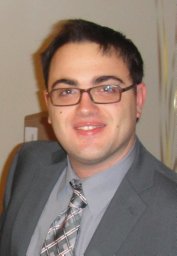 Konstantinos N Aronis合作论文数Div Endocrinol Diabet & Metab, Harvard Univ5
 Feng Chen (陈峰)合作论文数School of Basic Medical Sciences, Nanjing Medical University5
 Katy Araujo合作论文数Yale School of Medicine5
 Yongyue Wei (魏永越)合作论文数Center for Public Health and Epidemic Preparedness & Response, Peking Universily5Peter F Clardy合作论文数4Akhil Khosla合作论文数4zhaoxi wang合作论文数4
 Nuala J. Meyer合作论文数Department of Medicine, Perelman School of Medicine, University of Pennsylvania;Division of Pulmonary and Critical Care Medicine, Hospital of the University of Pennsylvania4Angela J. Frank合作论文数4Margaret A. Pisani合作论文数Pulmonary and Critical Care Section, Department of Internal Medicine, School of Medicine, Yale University4Ednan Bajwa合作论文数4Diana C. Gallagher合作论文数3
 Melissa Knauert合作论文数Pulmonary, Critical Care & Sleep Medicine, Internal Medicine, Yale School of Medicine, Yale University3Chauhan Z合作论文数3
 Zhao Yang (杨昭)合作论文数College of Life Science and Technology, Beijing University of Chemical Technology3Michelle N. Gong合作论文数3
 Mark M. Wurfel合作论文数Division of Pulmonary and Critical Care Medicine;Harborview Medical Center;University of Washington;Harborview Medical Center, University of Washington3D. Shane O'Mahony合作论文数3A. Khosla合作论文数2I. D. Weir合作论文数2S. Vaghela合作论文数2H. Bakhtiar合作论文数2Brandon K. Hilliard合作论文数2Amanda Carrero Lindo合作论文数2
 Ruyang Zhang (张汝阳)合作论文数Department of Biostatistic, School of Public Health, Nanjing Medical University2
 Xuesi Dong合作论文数2Fernando Carvalho合作论文数Department of Immunobiology, Yale University School of Medicine2Shuang Yu合作论文数2Hui Huang合作论文数2Lijuan Lin合作论文数Nanjing Med Univ, Sch Publ Hlth, Ctr Global Hlth, Dept Biostat, Nanjing 211166, Jiangsu, Peoples R China2
 Patty J Lee合作论文数Department of Medicine, Duke University School of Medicine2
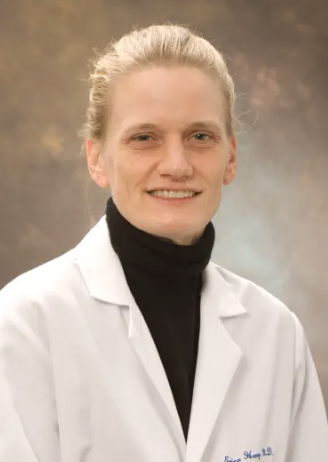 Erica Herzog合作论文数Pathology Faculty, Yale School of Medicine, Yale University2
 Andrew Wang合作论文数Immunology, Biological & Biomedical Sciences, Yale University2
 Aaron Ring合作论文数Translational Science and Therapeutics Division, Fred Hutch;Immunotherapy Integrated Research Center, Fred Hutch;Ariax Bio;Stipple Bio;Seranova Bio;Simcha Therapeutics2
 Rui Feng合作论文数Department of Biostatistics, Epidemiology and Informatics, Perelman School of Medicine, University of Pennsylvania2David W. Hudgel合作论文数Department of Internal Medicine, University of Manitoba2
 Jason D. Christie合作论文数Department of Biostatistics and Epidemiology, Perelman School of Medicine, University of Pennsylvania;Center for Clinical Epidemiology and Biostatistics, Perelman School of Medicine, University of Pennsylvania;Institute for Environmental Medicine, Perelman School of Medicine, University of Pennsylvania2




