Supplementary Table 1: Details of each P/LP detected in the high-risk cohort along with the high-risk criteria
Supplementary Table 3: Stratified analysis of the clinical factors in the unselected cohort (MEN1 and DNA repair genes)
Background: Prior studies have reported solid organ transplant (SOT) recipients have increased rates of colorectal cancer (CRC). While this increased incidence is established, the recurrence risk following curative-intent treatment for post-SOT CRC remains poorly defined. Therefore, the aim of this study was to evaluate CRC recurrence in addition to exploring clinical and molecular factors associated with CRC recurrence in patients with prior SOT. Methods: Multi-institutional retrospective cohort study of adult patients diagnosed with CRC following prior SOT between 2016-2025 at The Johns Hopkins Hospital and the University of Wisconsin Hospitals and Clinics. Demographic, clinical, molecular genomics, and immunosuppression data were obtained from electronic medical records. Recurrence risk was compared to population study benchmark recurrence rates using standardized incidence ratios (SIRs). Results: This study included 53 SOT recipients with subsequent CRC diagnosis. Recurrence rates exceeded population benchmarks across all disease stages, particularly in stage I and II disease demonstrating SIRs of 3.66 and 2.55 respectively. KRAS and APC mutations were associated with increased recurrence risk [hazard ratio (HR) =13.58, P=0.002; HR =5.03, P=0.02, respectively], while no patients with BRAF mutations recurred (n=8, P<0.001). All BRAF mutations occurred in tumors that were mismatch repair deficient (MMRd). Mismatch repair (MMR) status and immunosuppression characteristics did not predict disease recurrence in the study cohort. Conclusions: SOT recipients showed a trend towards heightened CRC recurrence risk compared to population benchmarks. KRAS, APC, and BRAF mutational status all influenced recurrence risk in this cohort. Despite a lack of association between immunosuppression variables and recurrence, we suspect diminished immune surveillance is implicated in this elevated relapse risk. Strategies to address this, including immunosuppression reduction in the post-SOT CRC population, may be effective in reducing this elevated relapse risk but require validation in prospective multi-institutional studies.
Supplementary Figure 1: Flow diagram showing the type of testing in both the cohorts.
BackgroundWe previously reported that an increased M1/M2 ratio and decreased PDL1+ M2- like tumor-associated macrophages (TAM) are associated with longer survival in patients with pancreatic adenocarcinoma (PDA). Targeting M2-like macrophages may improve patients’ outcomes. In this pilot study, we hypothesized targeting M2-like macrophages, regulated by the colony stimulating factor-1 (CSF1) pathway, would be safe and induce an intratumoral immune response in patients with PDA.MethodsWe tested perioperative combination immunotherapy (CI) with GM-CSF-secreting allogenic pancreatic tumor cell vaccine (GVAX)/cyclophosphamide (CY), pembrolizumab (Pem), and CSF1 receptor blockade (IMC-CS4) in patients with PDA. Patients received two neoadjuvant cycles of CI followed by surgery and four adjuvant cycles of CI. Subsequently, they received a booster Pem every 3 weeks and GVAX/CY every 6 months, for up to one year. The co-primary endpoints were safety and immune response in paired biopsies.ResultsNine patients were enrolled and treated in this study. We observed two immune related grade 3/4 AEs (diarrhea and rash). Comparison of paired biopsies showed five of eight evaluable patients met the immunologic endpoint with >80% increase in CD8+ T cells. The increase was at least 1.8 times the baseline median absolute deviation.ConclusionCI has a manageable safety profile and leads to increased intratumoral cytotoxic effector T cells.Clinical Trial Registrationhttps://clinicaltrials.gov/study/NCT03153410, identifier NCT03153410
609 Background: Transarterial chemoembolization (TACE) is the standard treatment for intermediate-stage hepatocellular carcinoma (HCC) defined as Barcelona Clinic Liver Cancer (BCLC) B, but the benefit of adding systemic therapy remains unclear. While durvalumab and tremelimumab are approved for advanced HCC, the safety and efficacy in combination with TACE for intermediate-stage disease is undefined. Combining these PDL1 and CTLA4 inhibitors with TACE may enhance anti-tumor activity by leveraging TACE’s proinflammatory effects while blocking immune evasion and reducing immune suppression. This phase IIb study evaluates the safety and efficacy of this combination in BCLC-B HCC. Methods: We enrolled patients with intermediate-stage HCC that are also unresectable and ineligible for transplant. All patients received drug-eluting bead TACE (DEB-TACE) followed by durvalumab (1500 mg Q4W) and tremelimumab (300 mg once). Durvalumab monotherapy was continued until disease progression or unacceptable toxicity, for a maximum of 13 cycles. Primary endpoints include objective response rate (ORR) based on mRECIST. Secondary endpoints were overall survival (OS), and safety/adverse events (AEs). The trial is designed to rule out ORR of 30%. We obtained 3 serial biopsies and plasma for participating patients prior and one week after TACE and after the administration of immunotherapy for correlative studies. Results: 21 patients were enrolled. Of these, 20 patients were considered evaluable after receiving at least one dose of TACE and immunotherapy. ORR was 55% (95% CI: 32%-77%, CR 10% (n=2), PR 45% (n=9), meeting the primary endpoint. Five patients had PD (25%) per mRECIST, of which two were unconfirmed on repeat imaging and continued treatment beyond progression. Three patients received curative intent treatment as the result of treatment: surgical resection (n=1) and transplant (n=2). At a median follow-up of 18.4 months, median OS was 28.8 mo (95% CI: 15.1, NA) and mPFS was 6.1mo (95% CI: 3.3, NA). Grade 3 or higher immune related adverse events were rash (n=2), diarrhea, myalgia, nausea, elevated AST/ALT. One patient developed multiple irAEs after first dose (myocarditis, myositis, pericarditis) and was taken off study. Conclusions: The combination of DEB-TACE with PD-L1/CTLA-4 blockade is safe and shows promising activity in patients with BCLC-B HCC. The ongoing immune analysis and biomarker studies on serial blood and tissue biopsies will provide further insights into the mechanistic effects of this combination approach and inform future therapeutic strategies. Clinical trial information: NCT03638141 .
PURPOSE:Combined inhibition of lymphocyte-activation gene 3 (LAG-3) and PD-1 improves outcomes in patients with melanoma. Increased LAG-3 expression in colorectal cancer correlates with reduced survival. Higher mucin and PD-L1 expression in the mismatch repair-proficient (pMMR) colorectal cancer tumor microenvironment was associated with increased LAG-3 and retrospectively with prolonged progression-free survival upon PD-1 blockade. This led to the hypothesis that LAG-3/PD-1 inhibition would improve clinical outcomes in this pMMR colorectal cancer subset. PATIENTS AND METHODS:NCT03642067 was a phase II study evaluating the combination of relatlimab (LAG-3 inhibitor) and nivolumab (PD-1 inhibitor) in patients with previously treated metastatic pMMR colorectal cancer. Patients were enrolled into one of three cohorts: A, mucin/PD-L1-high; B, mucin/PD-L1-low; or C, mucin/PD-L1 unselected. The primary endpoint for each cohort was the objective response rate. RESULTS:We enrolled 59 evaluable patients; best treatment responses were partial response (3), stable disease (6), and progressive disease (50). Response rates did not differ significantly between cohorts. Subgroup analyses demonstrated that two of five patients with lung-only metastases had a partial response. Comparison of liver and lung metastases identified higher baseline dendritic cell densities in lung lesions. Nivolumab/relatlimab resulted in increased intratumoral cytotoxic T cells. Lower baseline intratumoral regulatory T cells and ADAM10+ cancer cells correlated with clinical response. CONCLUSIONS:This investigation did not reach its primary endpoint for any of the three treatment cohorts but does provide critical insight into the effects of combining nivolumab/relatlimab on the colorectal cancer tumor microenvironment and identifies subgroups that may derive greater benefit from this combination.
Supplementary Table 7. Summary of All Adverse Events Attributed to Nivolumab and/or Relatlimab.
Interleukin-1 Receptor Associated Kinase -4 (IRAK4) drives pro-survival NF-kB signaling in PDAC. In preclinical animal models, the oral IRAK4 inhibitor emavusertib (CA-4948) augments the efficacy of cytotoxic chemotherapy by suppressing cell intrinsic survival mechanisms and prolongs survival when combined with gemcitabine (G)/ nab-paclitaxel (nP) as well as reduces desmoplasia in preclincal models. Methods: This is a multi-institution phase I dose escalation/ expansion clinical trial of emavusertib in combination with G/nP as second-line therapy for metastatic or unresectable PDAC (NCI 10522, NCT05685602). The primary objectives of this study are to determine the dose limiting toxicities and the RP2D of emavusertib in combination with G/nP. Emavusertib is given at escalating doses of DL0 (150mg p.o. bid), DL1 (200mg bid) and DL2 (250mg bid) with G (1000mg/m2 i.v.) and nP (125mg/m2 i.v.) on days 1 and 8 of every 21 day cycle. DL3 (emavusertib 200mg bid) and DL4 (emavusertib 250mg bid) are given with G/ nP on days 1, 8 and 15 of every 28 day cycle. Dose escalation is according to the BOIN design to determine the MTD of emavusertib in combination with G/ nP. Toxicities are graded according to CTCAE v5.0. Response was evaluated according to RECIST v1.1 criteria. Results: We have treated 18 patients in dose escalation (DL0 N=4, DL1 N = 6, DL2 N=3, DL3 N= 5) with a median number of 2 cycles (range 1-20). To date there have been only two G4 treatment-related adverse events (TRAE) (pancytopenia and sepsis [n=1 each], both events occurred concurrently in the same patient at DL0). G3 TRAE includes neutropenia in 10/18 patients (56%), G3 anemia in 3/18 patients (17%) and G3 CPK increase in 1/18 (6%) patients. 13 patients are evaluable for response. Among these, partial response was seen in 3/13 patients (23%), stable disease in 3/13 patients (23%) and progressive disease in 7/13 patients (54%) as their best response. There have been no complete responses. Objective response is 23% (3/13 patients) and disease control rate is 46% (6/13 patients). At this early stage of the study, emavusertib in combination with G and nP as second line therapy for metastatic or unresectable PDAC has a manageable toxicity profile and shows encouraging preliminary results. Escalation to DL4 is ongoing which will be followed by dose expansion at RP2D. Patrick Grierson, Farshid Dayyani, Robert Lentz, Mary Mulcahy, Ana De Jesus-Acosta, Jibran Ahmed, Gulam Manji, Shafia Rahman, Susanna Ulahannan, Janie Zhang, Monica Patel, Mina Abdianina, Kian-Huat Lim. A phase I trial of emavusertib (CA-4948) in combination with gemcitabine and nab-paclitaxel in metastatic or unresectable pancreatic ductal adenocarcinoma (PDAC) [abstract]. In: Proceedings of the AACR Special Conference in Cancer Research: Advances in Pancreatic Cancer Research—Emerging Science Driving Transformative Solutions; Boston, MA; 2025 Sep 28-Oct 1; Boston, MA. Philadelphia (PA): AACR; Cancer Res 2025;85(18_Suppl_3):Abstract nr A069.
Treatment for neuroendocrine neoplasms (NENs) is tailored to the tumor’s site of origin, grade, and differentiation. NENs are categorized into two main types: well-differentiated neuroendocrine tumors (NETs), which tend to grow more slowly and are less aggressive, and poorly differentiated neuroendocrine carcinomas (NECs), which are highly aggressive and harder to treat. Treatment options for NETs range from somatostatin analogues and mTOR inhibitors to peptide receptor radionuclide therapy (PRRT) with Lutetium-177 dotatate. In cases where the disease progresses more rapidly, cytotoxic chemotherapy may also be considered. In contrast, chemotherapy plays a central role in treating NECs, often following protocols similar to those used for small cell lung cancer. Exciting progress is being made in the development of new therapies for NENs. Inspired by the success of immunotherapy in other cancers, clinical trials have begun to explore its potential in NENs. Early findings suggest that immune checkpoint inhibitors (ICIs) may offer benefits, especially in patients with higher-grade NETs and NECs. However, because NENs have an immunologically "cold" tumor microenvironment—meaning they are less likely to trigger an immune response—new strategies are needed to boost ICI efficacy. To overcome this challenge, researchers are exploring innovative approaches, such as combining dual ICIs or pairing ICIs with other therapeutic agents to make the tumors more responsive to immune attack. Moreover, there is growing enthusiasm for cutting-edge therapies designed to enhance the immune system’s ability to recognize and destroy cancer cells. These include bispecific T cell engagers, chimeric antigen receptor T cells, tumor-infiltrating lymphocytes, oncolytic viruses, and cancer vaccines. While their effectiveness in NENs is still being studied, these approaches hold considerable promise, offering new hope for patients with this challenging and complex cancer type.
 Daniel A. Laheru合作论文数93
 Dung Le合作论文数School of Medicine, Johns Hopkins University;Skip Viragh Outpatient Cancer Center79
 Lei Zheng合作论文数Department of Oncology and Surgery, School of Medicine, John Hopkins University;Pancreatic Cancer Precision Medicine Center of Excellence,;Sidney Kimmel Comprehensive Cancer Center,58
 Hao Wang合作论文数Department of Oncology, Johns Hopkins University School of Medicine;Division of Biostatistics and Bioinformatics, Sidney Kimmel Comprehensive Cancer Center, Johns Hopkins University School of Medicine;Harvard T.H. Chan School of Public Health, Harvard University47
 Elizabeth M. Jaffee合作论文数Department of Pathology, School of Medicine, Johns Hopkins University;Institute for Clinical & Translational Research, Johns Hopkins University41
 Jennifer Durham合作论文数The Medical School, University of Birmingham39
 Jin He合作论文数Department of Surgery, School of Medicine, Johns Hopkins University38
 Azad Nilofer合作论文数The Sidney Kimmel Comprehensive Cancer Center, Johns Hopkins University;The Sidney Kimmel Comprehensive Cancer Center, Johns Hopkins University38
 Christopher Wolfgang合作论文数Department of Surgery, School of Medicine, New York University;Johns Hopkins School of Medicine37Hacker-Prietz Amy合作论文数27Narang Amol K合作论文数Johns Hopkins University School of Medicine, Johns Hopkins University25
 Ross C. Donehower合作论文数Department of Otolaryngology-Head and Neck Surgery, School of Medicine, Johns Hopkins University24
 Joseph M Herman合作论文数23Eric Christenson合作论文数Washington University in St. Louis23Browner Ilene合作论文数21Michael J. Pishvaian合作论文数21Burkhart Richard A合作论文数20
 Ralph Hruban合作论文数Department of Oncology, Johns Hopkins University School of Medicine;The Sol Goldman Pancreatic Cancer Research Center, Johns Hopkins University20Katherine M. Bever合作论文数20Qingfeng Zhu合作论文数Pathology, and19Su Jin Lim合作论文数17
 Valerie Lee合作论文数Department of Otolaryngology-Head and Neck Surgery, School of Medicine, Johns Hopkins University16
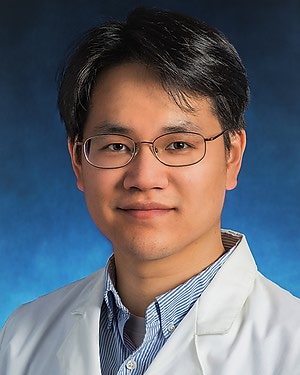 Won Jin Ho合作论文数Department of Otolaryngology-Head and Neck Surgery, School of Medicine, Johns Hopkins University16
 Franck Housseau合作论文数Department of Otolaryngology-Head and Neck Surgery, School of Medicine, Johns Hopkins University15Parkinson Rose M合作论文数15
 John L. Cameron合作论文数Johns Hopkins School of Medicine;Sidney Kimmel Comprehensive Cancer Center, Johns Hopkins University;Skip Viragh Center for Pancreatic Cancer, Johns Hopkins University15
 Robert Albert Anders合作论文数Department of Pathology, Johns Hopkins University School of Medicine15Daniel Shu合作论文数14Parul Agarwal合作论文数14Alexei Hernandez合作论文数14
 Matthew J. Weiss合作论文数Institute of Cancer Research, Feinstein Institutes for Medical Research, Northwell Health14
 Aurélien Marabelle合作论文数Laboratoire de Recherche Translationnelle en Immunothérapie, Gustave Roussy;Université Paris-Saclay14
 Elliot K. Fishman合作论文数School of Medicine, The Johns Hopkins University14
 Anirban Maitra合作论文数Perlmutter Cancer Center, NYU Langone Health;Department of Pathology, NYU Grossman School of Medicine;GI Cancer Center, NYU Langone Health14
 Luis Diaz Jr.合作论文数Division of Solid Tumor Oncology, Department of Medicine, Memorial Sloan Kettering Cancer Center;Quest Diagnostics;The White House;Pagerbox14Yunlu Jia (贾云璐)合作论文数14Chirayu Mohindroo合作论文数Department of Clinical Cancer Prevention, The University of Texas MD Anderson Cancer Center13
 Florencia Mcallister合作论文数Dept Clin Canc Prevent, Univ Texas MD Anderson Canc Ctr13Katrina Purtell合作论文数12
 Michele Maio合作论文数Dipartimento di Scienze Mediche, Chirurgiche e Neuroscienze, Università degli Studi di Siena12Marianna Zahurak合作论文数11
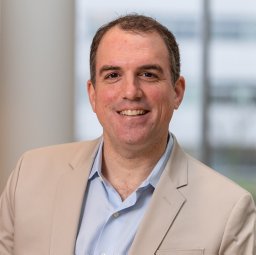 William R Burns合作论文数Department of Surgery, Johns Hopkins University School of Medicine11
 Wilson H. Miller合作论文数Department of Oncology, McGill University;McGill Centre for Translational Research in Cancer, McGill University;Clinical Research Unit, Jewish General Hospital;Lady Davis Institute for Medical Research, Sir Mortimer B. Davis Jewish General Hospital11
 Mark Yarchoan合作论文数Department of Oncology, Sidney Kimmel Comprehensive Cancer Center, Johns Hopkins University School of Medicine11
 Dan A. Laheru合作论文数Sidney Kimmel Comprehensive Cancer Center, School of Medicine, Johns Hopkins University11
 Philippe Cassier合作论文数Centre de Recherche en Cancérologie de Lyon;Department of Medical Oncology, Centre Léon Berard10
 Timothy M Pawlik合作论文数Department of Surgery, College of Medicine, The Ohio State University Wexner Medical Center10Kevin Norwood合作论文数9Rasheed Zeshaan A合作论文数9




