A major challenge in modern medicine is developing new therapies for aging-related diseases such as neurodegenerative disorders, whose prevalence increases with longer life expectancy. Although kinase inhibitors have achieved clinical success, their development for central nervous system (CNS) disorders remains limited due to the complexity of kinase networks and poor blood-brain barrier (BBB) permeability. Serum/glucocorticoid-regulated kinase 1 (SGK1) participates in multiple signaling pathways but remains an underexplored target in neurodegeneration. Following a mixed ligand- and structure-based virtual screening, we have previously identified a brain-penetrant SGK1 inhibitor. A medicinal chemistry program based on hit expansion and optimization for BBB permeability reported here has generated a new family of SGK1 inhibitors as chemical probes that enable the investigation of SGK1's role in neurological disorders and serve as promising starting points for drug development. These findings highlight SGK1 as a potential therapeutic target for neurodegenerative diseases, such as Alzheimer's disease.
On the road to understand the toxicity of nanoplastics, it is important to determine their capacity to interact with other molecules, as this is the first condition that must be met. In particular, polyvinyl chloride (PVC) is a versatile plastic widely used in construction. It can be degraded producing micro and nanoplastics, which can be formed when PVC pipes are cut during the manufacturing of products. PVC is considered to be one of the most toxic plastics, so it is important to analyze potential detrimental effects. This is the main aim of this research. On the basis of Density Functional Theory calculations, we investigated different vinyl chloride oligomers (as models of PVC nanoplastics). Degradation energies, electron donor acceptor capacities to analyze possible oxidation reactions, and interaction energies with different molecules were calculated. The vinyl chloride oligomers used in this investigation are saturated and monounsaturated. This is important since monounsaturated variant is dominant in experimental conditions. We found that none of the oligomers are good electron donors or acceptors. We also investigated different oligomers interacting with ciprofloxacin and •OOH. The interaction energies with ciprofloxacin and •OOH are negative or less than 13 kcal/mol, indicating weak interactions. This theoretical investigation indicates that vinyl chloride oligomers are not expected to be reactive or toxic, considering the electron transfer and the interaction energies with other molecules.
Cancer remains a leading global cause of death and a major public health concern, with rising incidence and mortality rates. Current treatments are often limited by tumor complexity and heterogeneity, emphasizing the need for novel, targeted, and personalized therapies. Aberrant activation of the phosphoinositide 3‐kinase/alpha‐serine/protein kinase B/mammalian target of rapamycin (PI3K/AKT/mTOR) pathway plays a key role in cancer development, making it an attractive therapeutic target. In this study, we performed in silico and in vitro analyses to assess the antitumor potential of two pyrazino‐pyrido[2,3‐d]pyrimidine‐5,7‐dione Series (A and B) across various cancer cell lines, focusing on possible PI3K/AKT/mTOR inhibition. Guided by these results, we designed a new Series (C) with a fixed C‐9 naphthyl group and variable C‐6 substitutions. The compounds were synthesized via an optimized one‐pot process followed by intramolecular cyclization. Molecular docking and biological assays revealed notable antitumor activity for Series C, particularly for compounds 3 and 4, in BT20, HGC, and CAL‐27 cell lines, while showing selectivity over normal fibroblasts (GNP5). These compounds also affected cell cycle progression and phosphorylation of key proteins involved in autophagy and survival (ULK1, LC3, p‐AKT, p‐STAT3). Overall, this study introduces a promising new scaffold with potent, selective antitumor properties.
Omega-6 is a polyunsaturated fatty acid with potential therapeutic applications in humans. The main degradation product of Omega-6 is the α-β-unsaturated aldehyde 4-hydroxynonenal (4HNE). This compound induces DNA damage by forming covalent adducts with nitrogenous bases. To prevent this, there are strategies to trap this molecule with scavengers. The main scavengers are phloretin (Phr) and hesperetin dihydrochalcone (HDC). In this research, we investigate 4HNE forming covalent bonds with scavengers (Phr and HDC) and with nitrogenous bases (thymine, guanine, cytosine, and adenine). We first analyze the electron transfer properties, seeking a correlation between chemical parameters and the toxicity of 4HNE. We obtained the stabilization energies and electron transfer properties of the adducts. The question is whether the adducts with 4HNE can maintain similar electron transfer properties. The stabilization energies of 4HNE with the scavengers are similar to the stabilization energy with guanine (approximately 30-40 kcal/mol). The adducts are worse electron acceptors than 4HNE. This means that the adducts are worse oxidants than 4HNE, which is an advantage. The ability of 4HNE to oxidize nitrogenous bases decreases when the adducts are formed. The scavenger capacity of Phr and HDC reduces the toxicity of 4HNE for two reasons: they trap 4HNE, preventing it from reacting with biomolecules, and the adducts formed are not as effective oxidants as 4HNE, resulting in less damage to biomolecules.
Oxidative stress and inflammation are closely interconnected processes involved in the pathogenesis of neurodegenerative diseases. Adenosine, acting through the A2A receptor subtype, plays a crucial role in inflammatory processes, making A2A adenosine receptor (AR) antagonists promising therapeutic candidates. In this study, we designed and synthesized three thiazolo[5,4-d]pyrimidine derivatives incorporating antioxidant moieties, namely catechol (compound 1) and lipoic acid (compounds 2 and 3), to obtain ligands combining A2A AR antagonism with antioxidant activity. All compounds displayed nanomolar affinity and antagonist activity at the A2A AR, while compound 1 also exhibited activity at the A2B AR. In cell-free assays (DPPH), compound 1 showed pronounced radical-scavenging activity. In LPS-stimulated BV2 microglial cells, the derivatives significantly reduced nitric oxide production and improved microglial morphology. Furthermore, the compounds enhanced the release of anti-inflammatory cytokines. Notably, compound 1 markedly decreased ERK phosphorylation levels, indicating modulation of intracellular inflammatory signaling pathways. Overall, these results highlight the potential of thiazolo[5,4-d]pyrimidine-based hybrids as anti-inflammatory A2A AR antagonists, supporting further investigation of this series for the development of new strategies for the treatment of neuroinflammatory diseases.
Alzheimer's disease (AD) is recognized by the World Health Organization as a global public health priority. There is an urgent need to develop disease-modifying therapies or treatments (DMT's) to prevent, delay, or slow the progression and target the primary AD pathophysiology mechanisms. Following previous works on the activity of tricyclic compounds in neuroprotection, this work focuses on the synthesis of novel xanthene derivatives. Eighteen compounds were obtained and assessed regarding their cytotoxicity, central nervous system (CNS) penetration, P-glycoprotein (P-gp) modulation, and neuroprotective effects against iron- and amyloid-beta (Aβ)-induced cytotoxicity. Generally, the derivatives were well tolerated by differentiated human neuroblastoma SH-SY5Y cells at concentrations up to 25 μM. Regarding their ability to activate P-gp, compounds 5, 7, 9, 11, 12, and 16 showed the most significant increases in P-gp activity. Neuroprotection assays demonstrated the ability of several xanthene derivatives to counteract iron (III)- and Aβ-induced cytotoxicity. It was clearly demonstrated the P-gp involvement in compound-mediated ability to reverse the cytotoxicity induced by the Aβ25-35 peptide. Additionally, parallel artificial membrane permeability assay (PAMPA) studies showed their potential to penetrate the blood-brain barrier (BBB) and reach the CNS, which is a crucial requirement for their potential biological activity in AD.
Fragment-based drug discovery (FBDD) is an effective approach for exploring chemical space using small, low-affinity fragments as starting points to facilitate development of lead compounds. Strategies to improve fragment potency include fragment merging and linking to generate higher-affinity inhibitors. Recently, artificial intelligence (AI) and machine learning (ML) have accelerated this process through structure-based optimization and generative compound design. Here, we present an AI-assisted FBDD workflow applied to the SARS-CoV-2 macrodomain (Mac1), a conserved viral protein involved in immune evasion and ADP-ribose metabolism. Using available structural data and previously identified fragments, we combined deep learning with molecular docking to design novel Mac1 binders. Selected compounds were synthesized and validated by NMR spectroscopy and X-ray crystallography, demonstrating improved binding relative to the original fragment hits with KD values in the range of 299-990 µM. This study demonstrates the advantages of integrating AI with FBDD to streamline molecular design, providing a data-driven framework for discovering new Mac1 inhibitors and guiding future antiviral drug development.
Dementia with Lewy bodies (DLB) remains a therapeutic challenge due to the lack of disease-modifying treatments and the limited brain bioavailability of potential drugs. Neflamapimod (NEFLA), a p38α MAPK inhibitor is one of the few drugs showing potential in this condition. However, a Phase IIB clinical evaluation has shown formulation problems and it has been shown that NEFLA is affected by P-glycoprotein efflux. In this study, we developed and comparatively evaluated four nanoparticle platforms—PLGA, dendritic mesoporous silica (dMSNPs), solid lipid nanoparticles (SLNPs), and invasomes (INV)—to optimize NEFLA delivery. Physicochemical characterization revealed highly homogeneous systems (PDI ≤ 0.2), where SLNPs achieved the highest encapsulation efficiency (89%) and dMSNPs showed superior drug loading (65%). PAMPA assays confirmed that BBB penetration was exclusively achieved by INV-NEFLA and the NPLGA-NEFLA gold standard. INV-NEFLA exhibited superior bioactivity compared to the free drug, inducing morphological ramification in SH-SY5Y and U87-MG cell lines. Most importantly, INV-NEFLA ameliorated mitochondrial dysfunction in DLB patient-derived lymphoblasts by upregulating both oxygen consumption rates and glycolytic reserves. Consequently, INV-mediated nanoencapsulation emerges as a potent delivery system for NEFLA, potentially optimizing therapeutic outcomes in DLB through enhanced efficacy and versatile delivery pathway
Micropropagation of Selenicereus hybrids is a key tool for breeding and conservation; however, further refining the balance between high multiplication rates and morphological quality remains a complex challenge within conventional protocols. This study explores targeted signaling modulation using nine bioactive small molecules—including three mammalian glycogen synthase kinase 3 (GSK3) inhibitors (TDZD-9, VP3.15 and VP0.7), three leucine rich repeat kinase 2 (LRRK2) inhibitors (JZ1.24, JZ1.3 and IGS4.75), and three phosphodiesterase (PDE) inhibitors—to complement traditional micropropagation. Explants were evaluated in two distinct contexts: a hormone-free basal medium (BM) and a plant growth regulator-supplemented medium (PIT2) and the response rates, yield, and quality were measured and integrated using a Global Efficiency Index (GEI). Results demonstrate that inhibitor efficacy is strictly context-dependent; while most molecules repressed budding in BM, they acted as response modulators by determining the specific type of morphogenic pathway in PIT2. Notably, the GSK3 inhibitor TDZD-9 reached the highest GEI (0.85) by maximizing productivity, whereas LRRK2 inhibitors effectively preserved architectural integrity. Flow cytometry confirmed cytogenetic stability across all treatments, with a 98.5% plantlet survival rate during acclimatization. In conclusion, the strategic integration of targeted signaling modulators and multi-parametric indices offers a refined and objective framework to enhance the efficiency of mass propagation protocols in pitahaya and other recalcitrant species. Furthermore, our findings provide new evidence of the strong potential of these small molecules as novel tools to improve plant micropropagation beyond traditional plant growth regulators.
INTRODUCTION:The clinical trial landscape for Amyotrophic Lateral Sclerosis (ALS) is a rapidly evolving field, characterized by significant obstacles but also by an increasing volume of novel therapeutics entering clinical research. Expanding on our 2022 work, this review examines the current state of the ALS clinical pipeline. Given the high volume of ongoing trials, the diversity of their biological targets and the nature of their therapeutic approaches, we focus this comprehensive update in providing a comprehensive overview of the current state of small-molecule development, focusing on agents that have entered or progressed through clinical evaluation since 2022 to the end of 2025. AREAS COVERED:Clinical trials for ALS registered within the United States (ClinicalTrials.gov) and European Union (EU Clinical Trials Register/CTIS) databases have been systematically reviewed and are detailed in this report. EXPERT OPINION:The implementation of advanced clinical trial platforms has introduced more efficient, adaptive strategies, leading to a significant increase in the breadth of explored therapies for ALS. Furthermore, the advent of precision medicine, powered by Artificial Intelligence (AI) for enhanced patient selection and stratification, offers a critical pathway toward overcoming the challenges posed by this severe and heterogeneous disease.
Sparicotyle chrysophrii is a blood-feeding ectoparasite that poses a significant threat to the farming of gilthead seabream (Sparus aurata), a species of high economic relevance in Mediterranean aquaculture. There is an urgent need for effective, safe, and practical antiparasitic treatments to control these infections. In this study, a phenotypic screening approach was applied to identify compounds active against S. chrysophrii. A panel of reference anthelmintic drugs was selected and used as query molecules in a computational ligand-based virtual screening. The parasiticidal efficacy and potency of the reference drugs, together with compounds selected based on topological indexes, were assessed against adult S. chrysophrii using an in vitro dose-response assay. Among the tested compounds, three salicylanilide derivatives exhibited the highest short-term efficacy, showing the lowest lethal doses 50 (LD50): niclosamide (LD50=0.12 µM), closantel (LD50=2.3 µM), and ME1.62 (LD50=0.09 µM). Niclosamide, one of the most potent compounds identified, demonstrated a parasiticidal activity more than 11,000-times greater than praziquantel (LD50=1.43 mM), a reference chemotherapeutic agent commonly used against fish polyopisthocotylean parasites.
Transactive response DNA-binding protein of 43 kDa (TDP-43) is a pathological hallmark of neurodegenerative disorders, including amyotrophic lateral sclerosis (ALS) and frontotemporal dementia (FTD). Modulation of TDP-43 pathology represents a promising disease-modifying strategy. Tau tubulin kinase 1 (TTBK1) has emerged as a relevant therapeutic target; however, selectivity over the TTBK2 isoform is required to avoid ciliogenesis-related liabilities. Here, we report the discovery of selective, brain-penetrant TTBK1 inhibitors through a structure-guided medicinal chemistry program. Lead compounds exhibit potent and selective TTBK1 inhibition, no impact on ciliogenesis, and central nervous system exposure. We found that these inhibitors reduce TDP-43 phosphorylation levels in neuroblastoma cells and FTD patient-derived models. The optimized lead compound demonstrated a brain-to-plasma ratio of 3:1, a maximum tolerated dose, and a wide therapeutic window. In vivo, administration restored cognitive deficits, conferred neuroprotection in the frontal cortex, and reduced microglial activation in an FTD-TDP mouse model, supporting its therapeutic potential.
The persistence of current outbreaks of Ebola virus (EBOV) disease and challenges in the production and administration of approved vaccines and treatments highlight the continuous exploration of new therapeutic alternatives. In this context, this work focuses on optimizing diarylsulfide hits previously identified as EBOV entry inhibitors. Structural modifications resulted in diarylamine derivatives, with confirmed antiviral activity against replicative EBOV and significantly improved metabolic stability compared to diarylsulfides. Using different techniques, the EBOV glycoprotein (EBOV-GP) was identified as the target of these compounds. Residue Y517GP2 is critical for biological activity, while T519GP2, E100GP1, and D522GP2 also contribute to ligand binding. Furthermore, the binding of the derivatives to EBOV-GP has been shown to destabilize the complex with the virus receptor NPC1. In short, a new family of diarylsulfides and diarylamines with antiviral activity against EBOV has been developed, and their mechanism of action has been deciphered, paving the way for future pharmaceutical development.
Multiple sclerosis is characterized by central nervous system inflammation, demyelination, and neuronal degeneration. Current diagnostic and prognostic methods lack precision, necessitating biomarkers for personalized treatment strategies. Chitinase 3-like 1 (CHI3L1) has emerged as a potential prognostic marker, with elevated levels correlating with disease severity and relapse risk. Despite its therapeutic potential, few CHI3L1 inhibitors have been identified. Using ligand-based virtual screening and molecular dynamics simulations, Food and Drug Administration-approved drugs have been screened as CHI3L1 inhibitors with the final goals of being repurposed in MS and other inflammatory diseases, offering promising therapeutic approaches. This investigation suggests that sphingosine-1-phosphate receptor modulators such as fingolimod could be potential inhibitors for CHI3L1.
Tauopathies are a group of neurodegenerative diseases characterized by the alteration/aggregation of TAU protein. One of the main challenges of these diseases is that they have neither biomarkers nor pharmacological targets to stop the neurodegenerative process. Apart from the neurodegenerative process, tauopathies are also characterized by a chronic low-grade neuroinflammation process, where the receptor-interacting protein kinase 1 (RIPK1) protein plays an essential role. Our research aimed to explore the role of RIPK1 in various tauopathies. We examined mouse models of frontotemporal dementia (FTD), as well as brain tissue samples from patients with progressive supranuclear palsy (PSP), a primary form of 4R tauopathy, and Alzheimer’s disease (AD), which is considered a secondary tauopathy. Our findings show elevated levels of RIPK1 mRNA levels across various forms of tauopathies, in both mouse models and human tissue samples associated with primary and secondary TAU-related disorders. Furthermore, we investigated the potential of using a RIPK1 inhibitor, known as GSK2982772, in a mouse model as a novel treatment strategy for FTD. The data showed that GSK2982772 treatment effectively reduced the reactive astrocyte response triggered by TAUP301L overexpression. However, this RIPK1 inhibitor failed to protect against the neurodegeneration caused by elevated TAUP301L levels in the hippocampal region. These results suggest that although inhibiting RIPK1 activity may help reduce TAU-related astrogliosis in the brain, the complexity of the inflammatory pathways involved could explain the absence of neuroprotective effects against TAU-induced neurodegeneration.
Natural products play a crucial role in drug discovery, primarily due to their structural complexity. The prenylated flavanone glabranin ((S)-5,7-dihydroxy-8-(3-methylbut-2-en-1-yl)-2-phenylchroman-4-one), isolated from the Dalea elegans plant species, has demonstrated neuroprotective effects, attributed to its inhibition of GSK-3β, as per our previous in silico studies. Given the enzyme’s diverse functions and its potential as a target for neurodegenerative diseases, our group synthesized and evaluated an 11C-labeled derivative of glabranin. We present its in vitro biological activity, including IC50, neuronal uptake in Alzheimer’s-affected brain regions, key physicochemical properties, and animal studies. This study confirms [11C]FLA’s interaction with GSK-3β in vitro, highlighting the potential of radiotracers in bioactive compound research.
Glycogen synthase kinase-3 (GSK-3) is linked with multiple CNS conditions, including glioblastoma (GBM). Compared to the GSK-3β isoform, structure-based inhibitor design targeting GSK-3α is limited. Virtual screening was employed to identify GSK-3α inhibitors with CNS-active potential. Using a GSK-3α homology model, an optimized protocol with three-dimensional (3D)-pharmacophore filtering and Glide-SP docking was used to screen the ZINC20 biogenic subset. From 14 compounds selected for binding assay validation, three novel hit compounds were identified, with 1 (4-phenyl-1H-benzofuro[3,2-b]pyrazolo[4,3-e]pyridine scaffold) exhibiting nanomolar activity against GSK-3α/β (IC50s ∼ 0.26 μM). Selectivity profiling (12 homologous kinases) revealed selectivity for GSK-3α/β and protein kinase A (PKA). Compound 1 was more potent against three GBM cell lines (cell viability IC50s = 3-6 μM at 72 h) compared to benchmark GSK-3 inhibitor, 4-benzyl-2-methyl-1,2,4-thiadiazolidine-3,5-dione (TDZD-8), and nontoxic to human astrocytes. It demonstrated CNS-active potential in an all-human in vitro blood-brain barrier GBM model, good in vitro metabolic stability, excellent predicted oral bioavailability and represents a promising lead compound for development.
 Carmen Gil合作论文数Instituto de Química Médica (CSIC), Juan de la Cierva 3, 28006 Madrid, Spain169
 Concepcion Perez合作论文数67
 Daniel I Perez合作论文数60
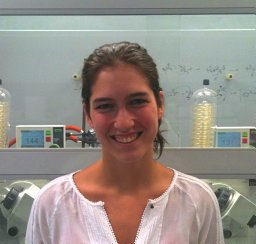 Palomo Valle合作论文数55
 Nuria Campillo合作论文数Department of Biochemistry, University of Cambridge45
 ana perez castillo合作论文数40Loreto Martínez-González合作论文数CSIC, Ctr Invest Biol, Madrid 28040, Spain33
 Ana Castro合作论文数27
 Miriam Redondo合作论文数Complejo Hosp Navarra, IdiSNA26
 Angeles Martin-Requero合作论文数25
 Rubicelia Vargas合作论文数Departamento de Quı́mica, Universidad Autónoma Metropolitana Iztapalapa24Isabel Dorronsoro合作论文数21Pilar Goya合作论文数18García-Rubia Alfonso合作论文数17
 Vanesa Nozal合作论文数15Alonso-Gil Sandra合作论文数15
 Ibarra Ilich A合作论文数Lab Fisicoquim & Reactividad Superficies LaFReS, Univ Nacl Autonoma Mexico15
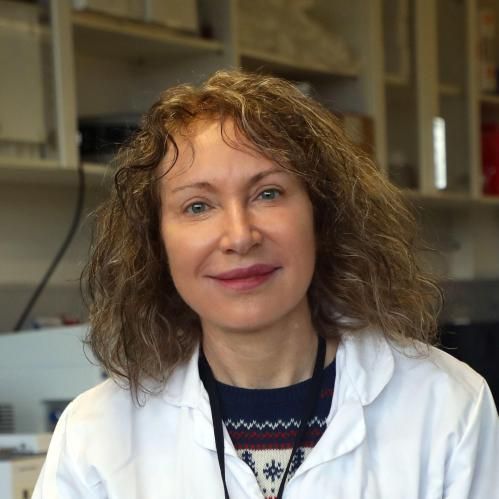 Maria Isabel Loza Garcia合作论文数Department of Pharmacology, Pharmacy and Pharmaceutical Technology, Faculty of Pharmacy, Universidade de Santiago de Compostela15miguel medina padilla合作论文数14Angel Santos合作论文数14
 Carlos Roca合作论文数Grupo Interdisciplinar de Sistemas Complejos ( GISC );Universidad Carlos III de Madrid;Centro Nacional de;Centro Nacional de, Universidad Carlos III de Madrid14José Brea合作论文数13
 Santy Conde合作论文数13
 Annia Galano合作论文数Universidad Autunoma Metropolitana - Iztapalapa13Inés Maestro合作论文数12Cadavid María Isabel合作论文数12
 David Ramirez合作论文数12
 Roberto Salcedo合作论文数Instituto de Investigaciones en Materiales, Universidad Nacional Autónoma de México12
 Alicia Castro合作论文数Instituto De Ciencia De Materiales De Madrid, Consejo Superior De Investigaciones Científicas12
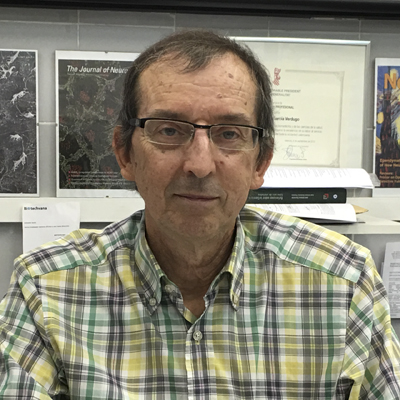 Jose Manuel Garcia Verdugo合作论文数Departamento de Biología Celular, Universidad de Valencia12Irene G Salado合作论文数11Carlota Tosat-Bitrián合作论文数Ctr Invest Biomed Red Enfermedades Neurodegenerat, Inst Salud Carlos III11
 José Elguero Bertolini合作论文数Instituto de Química Médica, Spanish National Research Council11
 Miguel A Reina合作论文数11MI Rodriguez-Franco合作论文数10
 Victor Sebastian-Perez合作论文数10
 Vincent Ortiz合作论文数Department of Chemistry and Biochemistry, College of Sciences and Mathematics, Auburn University;Department of Chemistry, University of Florida10
 Eva P Cuevas合作论文数10Begoña G. Miguel合作论文数10
 Alfredo Guevara-García合作论文数Department of Chemistry and Chemical Biology, McMaster University10Santiago Conde合作论文数9daniel ignacio perez fernandez合作论文数9Gracia Porras合作论文数9
 Josefa Zaldivar-Diez合作论文数Ctr Invest Biol, CSIC9
 F. Javier Luque合作论文数Departament de Fisicoquímica and Institut de Biomedicina (IBUB),, Universitat de Barcelona9
 Jorge Garza合作论文数Departamento de Quı́mica, Universidad Autónoma Metropolitana Iztapalapa9Jose A Morales-Garcia合作论文数Instituto de Investigaciones Biomedicas Alberto Sols, Universidad Autónoma de Madrid9
 Elisa Rojas Prats合作论文数8
 Milagros Medina合作论文数Facultad de Ciencias, Universidad de Zaragoza8




