BACKGROUND:Predicting neurological outcomes following cardiac arrest remains challenging. This study introduces a two-stage approach that combines a novel feature selection optimization with machine learning classification, utilizing heart rate variability (HRV) features for early and reliable prognostication. METHODS:A rodent model resuscitated after a 7-min arrest was used. Features based on classic HRV and advanced Poincaré vector mapping were extracted. An Ant Colony Optimization method with Dynamic Pheromone Decay and Knowledge Distillation (ACO-DPKD) was employed for efficient feature optimization due to its ability to adaptively prioritize complex feature interactions. Selected features were classified using a support vector machine. RESULTS:ACO-DPKD identified key HRV features, enabling accurate prediction of neurological outcomes within 1 hour of resuscitation, achieving 90% accuracy. Integration of advanced Poincaré metrics with traditional HRV features improved prediction accuracy by approximately 20%, underscoring their clinical relevance for early neurological assessment. SIGNIFICANCE:Optimized classification within the critical first hour after cardiac arrest lays the foundation for timely neuroprotective interventions, with advanced Poincaré vector features playing a major role in driving early prognostic accuracy.
Mental fatigue is a widespread psychophysiological condition that significantly impacts the mental health and efficiency of individuals and organizations in modern society. Notably, numerous studies to date have been performed to explore this phenomenon, which include its classification, neural mechanisms associated with fatigue, and the establishment of standard assessment criteria. In this paper, we focus on the mental fatigue classification and provide a comprehensive review. The review divides it into the following five primary categories and elucidates them: (i) active detection methods, (ii) behavioral feature assessments, (iii) physiological signal detection, (iv) biochemical marker analysis, and (v) multimodal fusion paradigms. In addition, we summarize distinct characteristics across five major detection paradigms, which is followed by a rigorous comparison of their advantages and limitations in mental fatigue assessment. Furthermore, we outline potential research trends on the graded detection of mental fatigue and conduct a discussion on social responsibility and ethics, offering deep insights into future investigations in topics such as transportation safety, military applications, pilot performance, academic research and educational scenarios.
Acute brain injury (ABI) is prevalent among patients undergoing venoarterial extracorporeal membrane oxygenation (VA-ECMO) and significantly impact recovery. Early prediction of ABI could enable timely interventions to prevent adverse outcomes, but existing predictive methods remain suboptimal. This study aimed to enhance ABI prediction using machine learning (ML) models and high-temporal-resolution granular data. We retrospectively analyzed 355 VA-ECMO patients treated at Johns Hopkins Hospital (JHH) from 2016 to 2024, collecting over 3 million data points from the JHH Research Electronic Data Capture (REDCap) database, with an average of 80,000 data points per patient. Acute brain injury was defined as ischemic stroke, intracranial hemorrhage, hypoxic-ischemic brain injury, or seizure. Four ML models were used: Random Forest, Categorical Boosting, Adaptive Boosting, and Extreme Gradient Boosting. Among 355 patients (median age 59 years, 56.9% male), 13.5% developed ABI. The models achieved an optimal area under the receiver operating characteristic curve (AUROC) of 0.79, accuracy of 87%, sensitivity of 53%, specificity of 99%, and precision-recall (PR)-AUC of 0.47. Key predictors included high minimum values of systolic blood pressure and variability in on-ECMO pulse pressure. High-resolution granular data enhanced ML performance for ABI prediction. Future efforts should focus on integrating continuous data platforms to enable real-time monitoring and personalized care, optimizing patient outcomes.
Mental fatigue during driving poses significant risks to road safety, necessitating accurate assessment methods to mitigate potential hazards. This study explores the impact of individual variability in brain networks on driving fatigue assessment, hypothesizing that subject-specific connectivity patterns play a pivotal role in understanding fatigue dynamics. By conducting a linear regression analysis of subject-specific brain networks in different frequency bands, this research aims to elucidate the relationships between frequency-specific connectivity patterns and driving fatigue. As such, an EEG sustained driving simulation experiment was carried out, estimating individuals’ brain networks using the Phase Lag Index (PLI) to capture shared connectivity patterns. The results unveiled notable variability in connectivity patterns across frequency bands, with the alpha band exhibiting heightened sensitivity to driving fatigue. Individualized connectivity analysis underscored the complexity of fatigue assessment and the potential for personalized approaches. These findings emphasize the importance of subject-specific brain networks in comprehending fatigue dynamics, while providing sensor space minimization, advocating for the development of efficient mobile sensor applications for real-time fatigue detection in driving scenarios.
In real-world scenarios, quantitative assessment of mental workload level (MWL) is crucial for preventing performance degradation. Although prior research has explored the feasibility of EEG-based MWL assessment, the widely employed training-testing classification approach using multichannel EEG features limits its practical applications. Here, we introduced an analysis framework to explore the feasibility of detecting multiple MWLs by utilizing brain rhythm sequence (BRS) from the optimal single EEG channel. EEG data were collected from 32 participants undergoing a simulated flight task with three MWLs and two interfaces [i.e., computer screen (CS); virtual reality (VR)]. At an individual level, the BRS of each channel was estimated and compared with the template BRS that was obtained from a pre-defined 12-s window at each MWL. The optimal channel was determined individually as that with the highest similarity between the BRSs and the template BRS, whereas the accuracy was estimated as the ratio between the number of correctly identified BRSs and the total number. The proposed framework achieved a satisfactory classification accuracy above 70% from three MWLs (i.e., CS: 71.46% +/- 11.83%, VR: 73.07% +/- 11.47%) through averaging the performance of subject-dependent optimal channel. By further analysis of the spatiospectral patterns of the BRS, we revealed that delta and alpha bands residing in the frontal, temporal, and central areas played a key role in assessing MWL. Moreover, distinct spatio-spectral patterns were observed between the two interfaces, indicating the underlying complex neural mechanisms. Overall, our results represent a promising avenue for the development of practical lightweight detection systems that may benefit real-world operators whose performance is prone to overload/underload.
Deep neural networks have recently been successfully extended to EEG-based driving fatigue detection. Nevertheless, most existing models fail to reveal the intrinsic inter-channel relations that are known to be beneficial for EEG-based classification. Additionally, these models require substantial data for training, which is often impractical due to the high cost of data collection. To simultaneously address these two issues, we propose a Self-Attentive Channel-Connectivity Capsule Network (SACC-CapsNet) for EEG-based driving fatigue detection in this paper. SACC-CapsNet starts with a temporal-channel attention module to investigate the critical temporal information and important channels for driving fatigue detection, refining the input EEG signals. Subsequently, the refined EEG data are transformed into a channel covariance matrix to capture the inter-channel relations, followed by selective kernel attention to extract the highly discriminative channel-connectivity features. Finally, a capsule neural network is employed to effectively learn the relationships between connectivity features, which is more suitable for limited data. To confirm the effectiveness of SACC-CapsNet, we collected 24-channel EEG data from 31 subjects (mean age=23.13±2.68 years, male/female=18/13) in a simulated fatigue driving environment. Extensive experiments were conducted with the acquired data, and the comparison results show that our proposed model outperforms state-of-the-art methods. Additionally, the channel covariance matrix learned from SACC-CapsNet reveals that the frontal pole is most informative for detecting driving fatigue, followed by the parietal and central regions. Intriguingly, the temporal-channel attention module can enhance the significance of these critical regions, and the reconstructed channel covariance matrix generated by the decoder network of SACC-CapsNet can effectively preserve valuable information about them.
ObjectivesMeditation imparts relaxation and constitutes an important non-pharmacological intervention for people with cognitive impairment. Moreover, EEG has been widely used as a tool for detecting brain changes even at the early stages of Alzheimer's Disease (AD). The current study investigates the effect of meditation practices on the human brain across the AD spectrum by using a novel portable EEG headband in a smart-home environment. MethodsForty (40) people (13 Healthy Controls-HC, 14 with Subjective Cognitive Decline-SCD and 13 with Mild Cognitive Impairment-MCI) participated practicing Mindfulness Based Stress Reduction (Session 2-MBSR) and a novel adaptation of the Kirtan Kriya meditation to the Greek culture setting (Session 3-KK), while a Resting State (RS) condition was undertaken at baseline and follow-up (Session 1-RS Baseline and Session 4-RS Follow-Up). The signals were recorded by using the Muse EEG device and brain waves were computed (alpha, theta, gamma, and beta). ResultsAnalysis was conducted on four-electrodes (AF7, AF8, TP9, and TP10). Statistical analysis included the Kruskal-Wallis (KW) nonparametric analysis of variance. The results revealed that both states of MBSR and KK lead to a marked difference in the brain's activation patterns across people at different cognitive states. Wilcoxon Signed-ranks test indicated for HC that theta waves at TP9, TP10 and AF7, AF8 in Session 3-KK were statistically significantly reduced compared to Session 1-RS Z = -2.271, p = 0.023, Z = -3.110, p = 0.002 and Z = -2.341, p = 0.019, Z = -2.132, p = 0.033, respectively. ConclusionThe results showed the potential of the parameters used between the various groups (HC, SCD, and MCI) as well as between the two meditation sessions (MBSR and KK) in discriminating early cognitive decline and brain alterations in a smart-home environment without medical support.
This study explores the combination of electroencephalogram (EEG) and functional near-infrared spectroscopy (fNIRS) to enhance the decoding performance of motor imagery (MI) tasks for brain-computer interface (BCI). The experiment involved measuring 64 channels of EEG signals and 20 channels of fNIRS signals simultaneously during a task of the left-right hand MI. By combining these two types of signals, the study aimed to understand how feature fusion affected classification accuracy for MI. The EEG signals were filtered into three bands ( $\theta $ : 4–7 Hz, $\alpha $ : 8–13 Hz, $\beta $ : 14–30 Hz), while the fNIRS signals were filtered into 0.02-0.08 Hz to improve signal quality for subsequent analysis. The common spatial patterns (CSP) algorithm was utilized to extract features from both EEG and fNIRS signals. This allowed the researchers to create a fused signal with both EEG and fNIRS features that could then be processed using principal component analysis (PCA). Finally, the processed data was fed into a support vector machine (SVM) classifier, which improved the mean accuracy rate of MI to 92.25%. By comparing the classification accuracies obtained with fused and unfused segments of EEG and fNIRS signals, the study discovered that fusing the signals significantly improved classification accuracy by 5%-10%. Furthermore, analyzing the activated brain regions using fNIRS showed that the auxiliary motor cortex was significantly activated during MI. These results demonstrate that hybrid signals with a fusion strategy can enhance the stability and fault tolerance in BCI systems, making them valuable for practical applications.
Driving fatigue is a common experience for most drivers and can reduce human cognition and judgment abilities. Previous studies have exhibited a phenomenon of the non-monotonically varying indicators (both behavioral and neurophysiological) for driving fatigue evaluation but paid little attention to this phenomenon. Herein, we propose a hypothesis that the non-monotonically varying phenomenon is caused by the self-regulation of brain activity, which is defined as the fatigue self-regulation (FSR) phenomenon. In this study, a 90-min simulated driving task was performed on 26 healthy university students. EEG data and reaction time (RT) were synchronously recorded during the whole task. To identify the FSR phenomenon, a data-driven criterion was proposed based on clustering analysis of individual behavioral data and the FSR group was determined as having non-monotonic increase trend of RT and the drops of RT during prolonged driving were more than two levels among the total five levels. The subjects were then divided into two groups: the FSR group and the non-FSR group. Quantitative comparative analysis showed significant differences in behavioral performance, functional connectivity, network characteristics, and classification performance between the FSR and non-FSR groups. Specifically, the behavioral performance exhibited apparent non-monotonic development trend: increasing-decreasing-increasing. Moreover, network characteristics presented similar self-regulated development trends. Our study provides a new insight for revealing the complex neural mechanisms of driving fatigue, which may promote the development of practical techniques for automatic detection method and mitigation strategy.
Poor mental states-such as fatigue, low vigilance and low trust-in-automation-have been known to interfere with the appropriate use and interaction with vehicular automation. This has spurred strong interest in driver state monitoring systems (DSMS) that support adaptive interfacing between human drivers and automated driving system to enhance road safety and driver experience. While there have been thriving developments in fatigue and vigilance monitoring, research on trust monitoring is still in its infancy. Trust-in-automation has predominantly been measured subjectively via self-report measures, with fewer studies attempting to measure trust objectively owing to the difficulties in capturing this relatively abstract mental state. Nevertheless, recent progress has unveiled promising potential for objective trust monitoring that can be implemented in future intelligent vehicles. This review presents a framework for understanding the cognitive, affective and behavioural components of driver trust, and surveys current approaches and developments in objective trust measurement in autonomous vehicle contexts using behavioural and brain-based techniques. Approaches are evaluated for strengths and limitations in both their conceptual validity in capturing trust-relevant information, measure reliability, and their practical value in real-world driving settings. Future directions for improving trust monitoring towards practical implementation are also discussed.
Although the relationship between anesthesia and consciousness has been investigated for decades, our understanding of the underlying neural mechanisms of anesthesia and consciousness remains rudimentary, which limits the development of systems for anesthesia monitoring and consciousness evaluation. Moreover, the current practices for anesthesia monitoring are mainly based on methods that do not provide adequate information and may present obstacles to the precise application of anesthesia. Most recently, there has been a growing trend to utilize brain network analysis to reveal the mechanisms of anesthesia, with the aim of providing novel insights to promote practical application. This review summarizes recent research on brain network studies of anesthesia, and compares the underlying neural mechanisms of consciousness and anesthesia along with the neural signs and measures of the distinct aspects of neural activity. Using the theory of cortical fragmentation as a starting point, we introduce important methods and research involving connectivity and network analysis. We demonstrate that whole-brain multimodal network data can provide important supplementary clinical information. More importantly, this review posits that brain network methods, if simplified, will likely play an important role in improving the current clinical anesthesia monitoring systems.
Goal: Working memory (WM) is a memory system with a limited capacity that can process and store information temporarily in the performing of cognitive tasks. Despite WM is known to be influenced by age, the difficulty of tasks and trained or not from behavior studies, little is known about their relationships from the aspect of the brain functional network. Our goal was to explore the factor of aging-related changes of WM with brain functional networks. Methods: In this study, 25 healthy elderly and 23 healthy young volunteers were recruited for electroencephalogram (EEG) recording during the visual WM task with four difficulty levels (1-4 backs). In each back, we repeat the experiment with four sessions, and we add training sections between session one and session two as well as between session two and session three. However, we remove any training section between session three and session four in order to evaluate the impact of forgetting on WM in different age groups. After the experiment, we utilized graph theoretical analysis to characterize the brain functional network in three frequency bands (alpha, beta, and theta). Results: From the well-designed experiment, we found that physiological aging influences brain network connectivity and makes the functional brain network less differentiated. Moreover, there is an inverse relationship between alpha activity and WM load for the elderly group, which is absent in the young group. At the same time, theta band activity will be correlated with behavioral performance for the elderly group with WM training between sessions, which is also absent in the young group. To further study the influence of difficulty of tasks and training on the WM, we distinguish the tasks with quantified topological characteristics, and the classification results manifest that the training is more effective for the young group. Finally, through the establishment of a brain map before and after training, we find that the right parietal lobe plays an important role in the training of WM for the elderly group whereas the beta band plays an important role in WM for both the elderly group and the young group. Conclusion: Taken together, our findings clarify the underlying mechanism of WM under different frequency bands in terms of physiological aging, the influence of training, and task difficulty. Significance: the working memory capacities can be uncovered in terms of the combination of three-way ANOVA and EEG-based graph theoretical analysis.
Humans are working in increasingly complex environments that place high demands on mental resources. This has motivated strong interest in characterizing the cognitive functions that contribute to human performance and capitalizing on advances in the behavioral and brain sciences to engineer effective strategies for enhancing work safety and productivity. The current chapter presents contemporary theories and principles of these cognitive functions from the perspective of psychology and neuroscience, and discusses opportunities and limitations of their applications in practical settings. Emphasis will be on five key concepts: mental workload, vigilance, mental fatigue, error detection, and creativity. Issues concerning noninvasive brain stimulation for cognitive augmentation are also discussed. With a deeper appreciation of the mechanisms underlying these cognitive functions, researchers can better identify potential avenues for developing novel ergonomic solutions.
Due to the increasing number of fatal traffic accidents, there are strong desire for more effective and convenient techniques for driving fatigue detection. Here, we propose a unified framework – E-Key to simultaneously perform personal identification (PI) and driving fatigue detection using a convolutional neural network and attention (CNN-Attention) structure. The performance was assessed using EEG data collected through a wearable dry-sensor system from 31 healthy subjects undergoing a 90-min simulated driving task. In comparison with three widely-used competitive models (including CNN, CNN-LSTM, and Attention), the proposed scheme achieved the best (p $<$< 0.01) performance in both PI (98.5%) and fatigue detection (97.8%). Besides, the spatial-temporal structure of the proposed framework exhibits an optimal balance between classification performance and computational efficiency. Additional validation analyses were conducted to assess the reliability and practicability of the model via re-configuring the kernel size and manipulating the input data, showing that it can achieve a satisfactory performance using a subset of the input data. In sum, these findings would pave the way for further practical implementation of in-vehicle expert system, showing great potential in autonomous driving and car-sharing where currently monitoring of PI and driving fatigue are of particular interest.
This chapter introduces the use of graph-theoretic concepts in analyzing brain signals. For didactic purposes, it has been split into three parts: "theory," "demonstration," and "examples." In the first part, we commence by introducing some basic elements from graph theory and stemming algorithmic tools, which can be employed for data-analytic purposes. Next, we describe how these concepts are adapted for handling evolving connectivity and gaining insights into network reorganization. Finally, the notion of signals residing on a given graph is introduced, and elements from the emerging field of graph signal processing (GSP) are provided. The second part serves as a pragmatic demonstration of the tools and techniques described earlier. It is based on analyzing a multi-trial dataset containing single-trial responses from a visual event-related potential (ERP) paradigm. The third part includes examples from the related literature. This chapter ends with a brief outline of the most recent trends in graph theory that are about to shape brain signal processing in the near future and a more general discussion on the relevance of graph-theoretic methodologies for neural recordings.
Driver fatigue has been intensively investigated for recent decades; nevertheless, the underlying neural mechanism remains unclear. This study explored the cross-frequency coupling (CFC) between slow and fast oscillations in a multilayer brain network description of the functional brain network. Specifically, we compared the topological characteristics of the CFC-embedded multilayer brain networks in the vigilant and fatigue states. From the 24-channel electroencephalogram (EEG) recorded on 20 subjects, we found that the CFC of the fatigue state was elevated, especially in the beta–gamma coupling and in the frontal pole, frontal, and parietal regions. Results also revealed profound differences in the topology of the multilayer brain network between the vigilant and fatigue states, particularly the significant increases in the global and local efficiencies of the multilayer network in the fatigue state that were closely related to the behavioral performance, i.e., the reaction time. What is more, a graph neural network (GNN) was developed for imitating the features of the within-frequency subnetworks diffused through the CFC to detect fatigue with a satisfactory classification accuracy (96.23%). The proposed approach could enhance our understanding about neural coordination across frequencies in driver fatigue and would facilitate fatigue-related studies for a better understanding about the underlying mechanism and ultimately a traffic accident reduction.
From brain-computer interfaces to human-machine systems, neuroergonomics and neuromarketing, cognitive state estimation based on techniques assessing human brain activity has turned from fiction into reality. From this perspective, studying brain function as resulting from complex interactions between different brain regions has the advantage of uncovering the intricacies of collective neural activity underlying different cognitive states. Further, blending methods from network science, neuroimaging and neuropsychology allows for a principled and quantifiable interpretation of cognitive states. In this chapter, we discuss current state of the art in characterizing various cognitive states and the role of network science and graph theory measures in their investigation. Further, we also present our view on future directions in cognitive state estimation in order to bridge the gap between fundamental research and translational real-world applications.
Mental workload can be monitored in real time, which helps us improve work efficiency by maintaining an appropriate workload level. Based on previous studies, we have known that features, such as band power and brain connectivity, can be utilized to classify the levels of mental workload. As band power and brain connectivity represent different but complementary information related to mental workload, it is helpful to integrate them together for workload classification. Although deep learning models have been utilized for workload classification based on EEG, the classification performance is not satisfactory. This is because the current models cannot well tackle variances in the features extracted from non-stationary EEG. In order to address this problem, we, in this study, proposed a novel deep learning model, called latent space coding capsule network (LSCCN). The features of band power and brain connectivity were fused and then modelled in a latent space. The subsequent convolutional and capsule modules were used for workload classification. The proposed LSCCN was compared to the state-of-the-art methods. The results demonstrated that the proposed LSCCN was superior to the compared methods. LSCCN achieved a higher testing accuracy with a relatively smaller standard deviation, indicating a more reliable classification across participants. In addition, we explored the distribution of the features and found that top discriminative features were localized in the frontal, parietal, and occipital regions. This study not only provides a novel deep learning model but also informs further studies in workload classification and promotes practical usage of workload monitoring.
Mental workload has a major effect on the individual’s performance in most real-world tasks, which can lead to significant errors in critical operations. On this premise, the analysis and assessment of mental workload attain high research interest in both the fields of Neuroergonomics and Neuroscience. In this work, we implemented an EEG experimental design consisting of two distinct mental tasks (mental arithmetic task, n-back task), each with two conditions of complexity (low and high) to investigate the task-related and task-unrelated workload effects. Since mental workload is an intricate phenomenon involving multiple brain areas, we performed a graph theoretical analysis estimating the Phase Locking Index (PLI) in four frequency bands (delta, theta, alpha, beta). The brainwave-dependent network results show statistically significant reductions in clustering coefficient, characteristic path length, and small-worldness metrics with higher workload in both tasks across several bands. Moreover, functional connectivity analysis indicates a task-independent fashion of the brain topological re-organization with increasing mental load. These results revealed how the brain network is re-organized with increasing mental workload in a task-independent way. Finally, the network metrics were used as classification features, leading to high performance in workload level discrimination.
Cognitive states are involved in our daily life, which motivates us to explore them and understand them through a vast variety of perspectives. Among these perspectives, brain connectivity has been increasingly receiving attention in recent years. It is the right time to summarize the past achievements, serving as a cornerstone for the upcoming progress in the field. In this chapter, the definition of the cognitive state is first given, and the cognitive states that are frequently investigated are then outlined. The introduction of the methods for estimating connectivity strength and graph theoretical metrics follows. Subsequently, each cognitive state is separately described, and the progress in cognitive state investigation is summarized, including analysis, understanding, and decoding. We concentrate on the literature ascertaining macroscale representations of cognitive states from the perspective of brain connectivity and give an overview of achievements related to cognitive states to date, especially within the past 10 years. The discussions and future prospects are stated at the end of the chapter.
 Nitish V. Thakor合作论文数Department of Biomedical Engineering, School of Medicine, Johns Hopkins University;Department of Electrical and Computer Engineering, Whiting School of Engineering, Johns Hopkins University;National University of Singapore107
 Yu Sun (孙煜)合作论文数College of Biomedical Engineering and Instrument Science, Zhejiang University;Department of Biomedical Engineering, Zhejiang University66
 Andrei Dragomir合作论文数Medical School, University of Patras42
 Hongtao Wang合作论文数30
 Dimitrakopoulos Georgios N合作论文数22
 Stergios Papadimitriou合作论文数Department of Information Management, Technological Educational Institute of Kavala21
 Kyriakos Sgarbas合作论文数Department of Electrical and Computer Engineering, University of Patras;Hellenic Open University21
 Shanbao Tong (童善保)合作论文数School of Biomedical Engineering, Shanghai Jiao Tong University18
 Fumihiko Taya合作论文数17
 Konstantina Dimitrakopoulou合作论文数School of Medicine, University of Patras16
 Rohit Bose合作论文数Calcutta Inst Engn & Management, Dept Elect Engn, Kolkata, India14
 Aristidis Vrahatis合作论文数14
 Ioannis A. Maraziotis合作论文数School of Medicine, University of Patras14
 Tao Xu合作论文数13
 Fabio Babiloni合作论文数Department of Molecular Medicine, Sapienza University of Rome;The Industrial Neuroscience Laboratory, Sapienza University of Rome13
 Alin Achim合作论文数Department of Electrical & Electronic Engineering, University of Bristol;School of Computer Science, Faculty of Science and Engineering, University of Bristol13
 Tassos Bountis合作论文数Department of Mathematics, University of Patras12
 Nikos Laskaris合作论文数12
 Manuel Seet合作论文数The N.1 Institute for Health, National University of Singapore12P Cristea合作论文数11Panos Balomenos合作论文数Dept Med, Univ Patras11Laura Cimponeriu合作论文数11
 George C Nikiforidis合作论文数11
 Ioannis Kakkos合作论文数School of Electrical and Computer Engineering, National Technical University of Athens, Athens, Greece10
 Panagiotis Tsakalides合作论文数University of Crete10
 Vasileios G. Kanas合作论文数10
 Seferina Mavroudi合作论文数School of Medicine, University of Patras10Nida Itrat Abbasi合作论文数9
 Julian Lim Ziqiang合作论文数Yong Loo Lin School of Medicine, National University of Singapore9
 Dimitrios Alexopoulos合作论文数National and Kapodistrian University of Athens Medical School, Attikon University Hospital9
 Junhua Li (李俊华)合作论文数Division of Air Pollution and Its Control, School of Environment, Tsinghua University;National Engineering Laboratory for Flue Gas Pollutants Control Technology and Equipment, Tsinghua University9Athanasios K. Tsakalidis合作论文数Comp Engn & Informat Dept, Univ Patras9
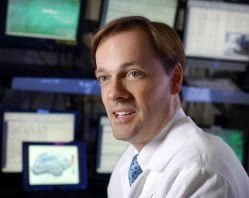 Nathan E. Crone合作论文数Department of Neurology, Johns Hopkins School of Medicine9
 Zhongxiang Dai合作论文数Department of Computer Science, National University of Singapore9
 Heather L. Benz合作论文数9
 Panagiotis Papathanasopoulos合作论文数Department of Neurology, University of Patras Medical School9
 Stavros I. Dimitriadis合作论文数8
 Gianluca Borghini合作论文数Department of Molecular Medicine, Università degli Studi di Roma La Sapienza Dipartimento di Scienze Statistiche;BrainSings srl8
 Peng Chen合作论文数8
 Pietro Aricò合作论文数R&D Department, BrainSigns srl;Department of Computer, Control and Management Engineering, Sapienza University of Rome8
 Liviu Vladutu合作论文数Ericsson;University Politehnica Bucharest8A Kapela合作论文数7
 Xucheng Liu合作论文数7Jonathan Harvy合作论文数The N.1 Institute for Health, National University of Singapore7
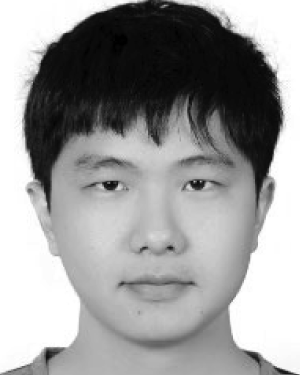 Linfeng Xu合作论文数7Lingyun Gao (高凌云)合作论文数中国科学院文献信息部7
 Feng Wan (萬峰)合作论文数Department of Electrical and Computer Engineering, Faculty of Science and Technology, University of Macau7
 Romer Geocadin合作论文数Johns Hopkins Encephalitis Center, Johns Hopkins University School of Medicine;Johns Hopkins Hospital, Johns Hopkins University School of Medicine7




