Online adaptation is a promising technique for achieving calibration-free recognition in user-friendly brain-computer interfaces (BCIs) but remains underexplored for steady-state visual evoked potential (SSVEP) recognition. In our previous work on online multi-stimulus canonical correlation analysis (OMSCCA), we introduced a state-of-the-art scheme for the online adaptation of SSVEP spatial filters. Despite its effectiveness, this approach can not be directly extended to other advanced spatial filtering methods, thereby seriously limiting the broader development of calibration-free algorithms. To address this limitation, we propose a unified online adaptation frame work for correlation analysis (CA)-based spatial filtering methods, encompassing both spatial filter computation and utilization. Specifically, we extend the least-squares (LS) unified framework originally designed for full calibration with large amounts of training data to the online adaptation scenario without any pre-calibration, thereby enabling continuous updates of spatial filters. Moreover, to sufficiently utilize spatial filters, we introduce a cross-stimulus transfer method for online adaptation of the common impulse response and generation of user-specific templates for all stimuli using limited online unlabeled data. Finally, leveraging the proposed unified framework, we adapt three advanced spatial filtering methods from their calibration based counter parts to online adaptation paradigms and validate their performance through simulation studies. Our results demonstrate the framework's effectiveness in promoting the development ofzero-calibration SSVEP-based BCIs. Compared to the OMSCCA, the proposed online adaptation methods canimprove the recognition performance by more than 12%. This work provides a generalizable approach for transforming existing calibration-based methods into adaptive, user-friendly solutions for practical BCI applications.
Steady-state visual evoked potential-based brain-computer interfaces (SSVEP-BCIs) hold significant promise for enabling high-speed human-computer interaction in real-world scenarios. However, existing frequency-domain decoding methods treat frequency spectrum features (the real and imaginary spectrum features) as a single feature without considering their unique spatial and spectral characteristics, resulting in insufficient generalizable features and limited classification accuracy in cross-subject scenarios. To address this issue, we propose a Dual-Branch Attention-Based Frequency Domain Network (DB-AFDNet) to independently decode real and imaginary spectral components, aiming to acquire more discriminative and generalizable features for cross-subject applications. Specifically, we construct inter-branch attention similarity constraints to encourage the two branches to have similar attention properties, promoting to learn the consensus characteristics in the dual branches. Furthermore, we propose intra-branch orthogonality constraints to explore branch-specific discriminative features to learn generalizable features. Experimental studies on two public datasets, the Benchmark and Beta datasets, demonstrate that DB-AFDNet outperforms state-of-the-art methods in cross-subject classification, achieving a relative improvement of 1.36$\%$ and 1.45$\%$, respectively.
Electroencephalogram (EEG)-based brain-computer interfaces (BCIs) face significant deployment challenges due to inter-subject variability, signal non-stationarity, and computational constraints. While test-time adaptation (TTA) mitigates distribution shifts under online data streams without per-use calibration sessions, existing TTA approaches heavily rely on explicitly defined loss objectives that require backpropagation for updating model parameters, which incurs computational overhead, privacy risks, and sensitivity to noisy data streams. This paper proposes Backpropagation-Free Transformations (BFT), a TTA approach for EEG decoding that avoids these issues. BFT applies multiple sample-wise transformations, based on knowledge-guided augmentations or structured feature masking, to each test trial, producing multiple predictions for a single test sample using only forward passes. A learning-to-rank module, trained on source data, estimates the reliability of each transformed prediction, so that a weighted aggregation suppresses prediction uncertainty during online inference, with theoretical justification. Extensive experiments on five EEG datasets, covering motor imagery classification and driver drowsiness regression, demonstrate the effectiveness, versatility, robustness, and efficiency of BFT. This research enables lightweight plugand- play BCIs on resource-constrained devices, broadening the real-world deployment of EEG-based BCIs.
Automatic sleep staging using single-channel electroencephalogram (EEG) has gained attention due to its simple acquisition setup and practical feasibility for non-intrusive monitoring. Current deep learning-based methods primarily rely on multi-scale convolutional networks to capture spectral and temporal EEG features. However, such approaches face limitations in fully extracting sleep rhythm representations due to the fixed size and number of convolutional kernels. Sleep rhythms are physiologically significant and exhibit distinct patterns during different stages. To address this, we propose a single-channel EEG sleep staging method with rhythm representation and contrastive learning. Specifically, we introduce EEG Rhythm Representation Learning (ERRL), which decomposes raw EEG into five canonical rhythms (S, 0, a, /i, and y). By explicitly learning rhythm-specific features using dedicated extraction networks, our method better captures dynamic shifts in sleep stages. These rhythm-specific features are combined with deep features from raw EEG via supervised contrastive learning, optimizing representation to enhance intra-class compactness and inter-class separability, reducing confusion between adjacent stages. Our method achieves competitive results, with an overall accuracy of 86.6% and a macro-averaged F1 score of 81.3% on the Sleep-EDF dataset, and 87.2% accuracy with an F1 score of 82.3% on the MASS-SS3 dataset. These results highlight the effectiveness of integrating rhythm-aware feature extraction with contrastive learning to improve the robustness of sleep staging.
The interaction of the brain's decision-making and feedback stages is crucial for guiding human behavior. Previous studies mainly focused on the interaction immediately after the feedback, resulting in a limited understanding of brain communication dynamics during the interaction process. This study examined the communication dynamics of the brain network during decision- feedback interaction under various feedback conditions by employing a newly developed activation network approach to reveal its underlying neural mechanism. Thirty participants completed a decision- feedback task that involved a sequence of cue-induced predictions with highly predictable, somewhat predictable, and unpredictable feedback conditions. We constructed the activation network for all experimental stages using source-level EEG data in the alpha band. Notably, the brain exhibited the highest communication efficiency ($p < 0.05$) in receiving and integrating feedback with decision-making information during the feedback stage. Furthermore, the network-behavior correlations indicated that the brain tends to evaluate unexpected feedback under highly predictable conditions and expected feedback under unpredictable conditions, suggesting distinct neural strategies of the decision- feedback interaction process. Finally, we decoded the optimization process of decision- feedback interaction across the entire task. Although network correlations between the decision and feedback stages decreased over time (high predictable: $r = -0.447$, $p = 0.001$; unpredictable: $r = -0.305$, $p = 0.032$), classification accuracy significantly improved ($r = -0.448$, $p = 0.010$, best accuracy: 86.667%) under the highly predictable condition, corresponding with enhanced prediction behavior. These results indicate the optimization process of the cognitive resources allocation that supports more efficient interaction and improved predictive performance. Our findings advance the understanding of the mechanisms of decision- feedback interaction.
Electroencephalogram (EEG) signals are inherently non-stationary and exhibit significant inter-subject variability, leading to pronounced cross-subject distribution shifts that hinder accurate emotion recognition. Although graph convolutional networks (GCNs) and domain adaptation (DA) methods have made progress in mitigating individual differences, existing approaches still face two fundamental limitations: (1) traditional GCNs rely on static functional connectivity graphs, which fail to capture the dynamic temporal evolution of neural interactions during emotional processes, and (2) most DA-based methods only emphasize global feature alignment while overlooking emotion-specific semantic structures, thereby impairing both fine-grained discriminability and cross-subject generalization. To overcome these challenges, we propose the Prototypical Contrastive Learning with Temporal Dynamic Graph Convolutional Network (PCL-TDGCN) for EEG-based emotion recognition. Specifically, we construct an adaptive global EEG pattern memory mechanism to model temporally dynamic brain networks, thereby facilitating spatiotemporal neural interactions essential for emotion representation learning. Furthermore, we design a prototypical contrastive learning strategy that incorporates: (i) intra-domain contrastive learning to enhance the discriminability of emotional state representations, and (ii) inter-domain contrastive learning to mitigate distribution shifts across domains via semantic-aware prototypical alignment. Extensive experiments on three public datasets demonstrate that the proposed PCL-TDGCN outperforms state-of-the-art methods, achieving accuracy improvements of 1.08% (SEED), 6.53% (HIED), and 0.98% (SEED-IV) in subject-dependent experiments, and 1.08% (SEED), 7.51% (HIED), and 1.99% (SEED-IV) in subject-independent scenarios, respectively.
Recently, conventional domain adaptation (DA) methods have demonstrated promising performance in cross-subject classification in electroencephalogram (EEG)-based brain-computer interfaces (BCIs). However, these methods require direct access to labeled source subject data, potentially compromising biometric privacy. Source-free domain adaptation (SFDA) addresses this issue by leveraging pre-trained source models with prototype-based pseudo-labeling, thereby eliminating the need for source data access. Nevertheless, current SFDA methods rely on oversimplified representations that fail to adequately capture EEG dynamics, resulting in two critical drawbacks: (1) oversimplified representations, using single centroids, fail to adequately capture complex neural manifolds, leading to intra-class collapse; (2) inadequate feature discrimination leads to error propagation in pseudo-labeling. To overcome these challenges, we propose the Adaptive Class-wise Multicentric Prototype-based SFDA (ACMP-SFDA) framework, which improves performance in new subjects while safeguarding personal privacy. Specifically, ACMP-SFDA dynamically constructs multiple prototypes per class to capture non-stationary EEG dynamics. Besides, we integrate semantic contrastive learning to improve inter-class discriminability while preserving the intrinsic structure of intra-class neural manifolds. Extensive experiments conducted across two BCI paradigms (motor imagery and affective BCI) demonstrate that ACMP-SFDA outperforms state-of-the-art methods, achieving 1.36$\%$, 1.96$\%$, and 1.94$\%$ accuracy improvements on MI2014001, MI2015001, and SEED, respectively, in cross-subject tasks.
Mild cognitive impairment (MCI) is a high-risk state for Alzheimer's disease (AD), and reliable prediction of MCI-to-AD conversion is crucial for early intervention. This study proposes a quaternion-based functional connectivity (QFC) framework for multi-band analysis of resting-state fMRI (rs-fMRI) signals to predict conversion from MCI to AD over a 5-year period. In contrast to conventional independent band or simple concatenation approaches, the proposed QFC representation preserves the multidimensional structure of the signal and enables a holistic characterization of cross-frequency relationships. QFC features were extracted from multi-band rsfMRI data and used as input to machine learning classifier. The proposed method achieved superior performance compared with single-band features and a traditional multi-band concatenation strategy, yielding an accuracy of 87.8%, a sensitivity of 90.7%, a specificity of 84.4%, a mean F1-score of 0.877, and an area under the ROC curve of 0.937 using the Naïve Bayes classifier. These results correspond to relative improvements of 16%, 20%, 11%, 16%, and 14% in accuracy, sensitivity, specificity, F1-score, and AUC, respectively, over the traditional multi-band approach. The findings highlight the effectiveness of QFC for capturing frequency-dependent alterations in functional connectivity and underscore its potential for early and accurate prediction of MCI-to-AD conversion from a clinical perspective.
Interpersonal negotiation is an essential component of social-economic interactions, yet the concept is not entirely gender-neutral. Male stereotypes - dominance, assertiveness, and rationality - help shape the negotiator role, giving men a perceived advantage in negotiations. This study adapts electroencephalogram hyperscanning and an iterated ultimatum game to investigate the gender differences in dyadic economic negotiation, focusing on event-related potentials and source-localized phase-locked interbrain synchronization (IBS). Behaviorally, dyads with male proposers (M-dyads) achieve better negotiation outcomes than dyads with female proposers (F-dyads) in goal-driven negotiation contexts, reflecting differences in negotiation strategies. Neurally, M-dyads exhibit lower P200 amplitude in the frontal cortex and significantly higher IBS within social brain networks, both of which are strongly associated with reciprocal negotiation behaviors. Notably, IBS between the temporoparietal junction (TPJ), medial prefrontal cortex (mPFC), and superior temporal sulcus (STS), alongside P200 amplitude, serves as a strong predictor of reciprocal behaviors, underscoring the role of TPJ, mPFC, and STS in interpersonal coordination. Moreover, significant mediation effects highlighted the bridging role of IBS between gender composition and negotiation outcomes. These findings provide neurobehavioral accounts of how dyad gender composition influences negotiation outcomes, suggesting that stronger IBS within key social brain regions underlies effective interpersonal coordination.
Brain-computer interfaces (BCIs) must deliver outputs rapidly in numerous practical applications. However, the decoding accuracy may decline significantly when the time window (TW) is too short, a challenge exacerbated by the increasing adoption of deep learning methods in BCIs. For fast yet accurate outputs, this paper introduces a dual-scale time window (DTW) strategy with test-time adaptation (TTA), wherein the short TW decoding benefits from long TW setting through the TTA mechanism. Specifically, this strategy employs two specialized networks trained on EEG data with a short TW and a long TW respectively: the Main Network (MainNet), optimized for fast recognition within the short TW, and the Auxiliary Network (AuxNet), which generates high-confidence pseudo-labels with the long TW to update the MainNet during testing. The AuxNet's assistance leads to more accurate outputs from the MainNet in the short TW. We evaluated the method across diverse paradigms, including motor imagery (MI), steady-state visually evoked potential (SSVEP), and event-related potential (ERP) tasks, covering both high and low signal-to-noise ratio (SNR) conditions. At a 0.5 s TW, DTW-TTA achieved 74.64 % accuracy and 29.69 bits/min ITR on BCI-IV 2b (MI), 80.15 % and 128.16 bits/min on GIGA (SSVEP) dataset, 91.86 % and 229.82 bits/min on Benchmark (SSVEP) dataset, and 92.13 % and 74.04 bits/min on a VR-ERP dataset, outperforming state-of-the-art baselines in all cases. These results demonstrate that DTW-TTA effectively stabilizes short TW decoding and can be seamlessly integrated into deep learning-based BCI systems across paradigms.
Emotion recognition using physiological signals, particularly electroencephalogram (EEG), has garnered significant attention due to its objectivity and resistance to masking. However, challenges remain, including high dimensionality, non-stationarity, and noise susceptibility in raw EEG data, alongside limitations in existing methods for multi-scale feature extraction. This study introduces STPA-Net, which consists of three main modules: (i) a Backbone for preprocessing raw EEG to preserve spatiotemporal patterns, (ii) a Multi-scale Attentional Feature Pyramid (MAFP) for the hierarchical fusion of multi-scale features across temporal resolutions, and (iii) Enhanced Channel-Spatial Attention (ECSA) for dual-dimensional feature enhancement via lightweight channel-spatial attention. Experimental results on four standard datasets (SEED-III, SEED-IV, SEED-V, and SEED-VII) across both within-subject and cross-subject paradigms demonstrate the effectiveness of STPA-Net. The model achieves average accuracies of 97.74%, 91.87%, 79.29%, and 70.93% for within-subject tasks, and 77.45%, 53.04%, 51.98%, and 33.05% for cross-subject scenarios, respectively. Notably, this work pioneers emotion recognition using independent EEG signals from the newly released SEED-VII dataset. These results validate the proposed method achieves exceptional accuracy and generalizability in emotion decoding.
As the advantages of high spatial resolution and portability, functional near-infrared spectroscopy (fNIRS)-based Motor Imagery/Execution (MI/ME) have become promising approaches and are widely used in daily rehabilitation for neural plasticity enhancement. However, in real rehabilitation training scenario, it is essential to enhance the accuracy and effectiveness of ME/MI and the visualization of brain activation. In this study, firstly, a curve attention for fNIRS-based MI/ME classification was proposed to capture spatial-feature and hemodynamic responses. Secondly, inspired by the visual attention network (VAN) used in image classification, we further designed a network combining curve attention and VAN, called IVCAN. To evaluate the performance of IVCAN, two public ME datasets (Datasets A and C) and one self-collected MI dataset (Dataset B) were applied for evaluation. The experimental results show that the average accuracies were 85.52 %, 75.78 %, and 61.73 %, respectively for these three datasets, while the cross-subject average accuracies were 84.20 %, 75.37 %, and 61.84 %, respectively. More interestingly, brain activation patterns across different tasks were analyzed and demonstrate that the MI task requires the synergistic activation of more brain regions, while the ME task necessitates intense activity in specific brain areas. Over all, on one hand, this work provides a new and unified decoding method for fNIRS-based MI/ME, on the other hand, it elucidates the differences and connections in brain processing of various tasks from a blood hemodynamic perspective. The commonalities and differences of brain activation found in this study provide guidance and solutions for addressing the universality and personalization of fNIRS-based brain-computer interfaces.
Emotion recognition based on electroencephalogram (EEG) is fundamentally associated with human-like intelligence system. However, due to the noise-sensitive characteristics of EEGs and the individual variability of emotions, it is very challenging to extract inherent emotion dependent patterns from emotional EEG signals. In this work, we propose a L1-norm space defined discriminative brain network manifold learning model (L1-SGL), in which the EEG noise outliers can be effectively separated and the pseudolabeled samples caused by subjective feelings can be automatically corrected. Off-line experimental results consistently indicate that the L1-SGL can effectively suppress the influence of noise and achieve an incomparable superiority performance over other existing methods in EEG emotion recognition. Besides, benefiting from the time efficiency of the L1-SGL, an online emotion monitoring and regulation system is further implemented in this work. On-line emotion decoding experimental results (86.30%) of 25 participants prove that the L1-SGL can effectively satisfy the real-time requirements of on-line emotional monitoring applications, and the significant negative emotion regulation experimental results ( $p \lt 0.001$ ) further confirm the feasibility and effectiveness of L1-SGL model in real-time emotion regulation and interactive applications. Overall, the L1-SGL provides a promising solution for the real-time online affective brain-computer interfaces (aBCIs) and the intelligent clinical closed-loop treatments.
Due to the inherent non-stationarity and individual differences present in electroencephalogram (EEG) signals, developing a generalizable model that performs well on new subjects is challenging in EEG-based emotion recognition. Most existing domain adaptation (DA) methods typically mitigate these discrepancies by aligning the marginal distributions of domain feature representations. However, when there is a significant difference in the class-conditional distribution between domain features and labels, the domain-invariant features learned by aligning marginal distributions may have limited discriminative ability for unlabeled target instances or even prove counterproductive. To address this issue, we propose a Neighborhood Semantic Aware Learning-based Dynamic Graph Attention Convolution (NSAL-DGAT) approach that learns target semantic information by considering the inter-domain semantic topological structure, thereby improving classifier adaptation for target instances. Specifically, the proposed NSAL framework is designed to capitalize on the insight that after domain feature alignment, some target samples and their neighboring source samples exhibit similar semantics. By leveraging the neighborhood topological structure, we extract and incorporate semantic target features to train a more transferable classifier. Besides, we implement an entropy weighting mechanism to emphasize representative target semantic information, encouraging target instances to prioritize high-confidence individuals within the source neighborhood. We have conducted extensive experiments on the public SEED dataset and our collected the Hearing-Impaired EEG Dataset (HIED). The experimental results underscore the efficacy of our proposed NSAL-DGAT approach, showcasing state-of-the-art accuracy in subject-dependent as well as subject-independent scenarios.
Recent research has consistently indicated that the fusion of electroencephalography (EEG) features from multiple modalities can integrate cognitive state expressions across diverse dimensions, resulting in a substantial increase in emotion recognition accuracy. However, redundant information within the fused multimodal features could lead to the curse of dimensionality and overfitting of the learning model. In this work, we propose a multiscale EEG feature fusion and representation strategy for EEG emotion recognition named manifold of multiscale information fusion (MMIF), in which the optimal manifold of the multiscale fusion of local and global brain activation patterns can be automatically learned to realize an efficient representation of emotional EEG signals. To evaluate the performance, in this work, both off- and online EEG emotion recognition experiments were conducted, and the experimental results consistently verified the effectiveness and feasibility of the MMIF applied in real-time emotion decoding systems. Furthermore, the analytical experiments confirmed the discriminative capabilities and cognitive interpretability of the MMIF. In summary, the proposed MMIF model may provide an efficient avenue for exploring representations and enhancing the discrimination of multimodal fusion features, which may also provide a promising solution for designing online affective braincomputer interaction systems.
Channel-wise attention mechanisms have significantly improved deep learning-based decoding in brain-computer interfaces (BCIs). However, these methods often fail to fully utilize spatial and temporal dynamics, focusing instead on individual channel enhancements to the detriment of broader EEG signal dynamics. To address these limitations, we introduce the Enhanced Local Attention (ELA) module, seamlessly integrated into deep neural networks that enhances EEG decoding performance. It captures long-range dependencies from deep features across two dimensions through a streamlined architecture. The ELA module employs adaptive 1D convolution for precise localization of spatial and temporal information without reducing dimensions. Additionally, it utilizes group normalization to enhance feature representation by normalizing features across groups. Its lightweight design enables easy integration into existing deep learning frameworks. Comprehensive evaluations on the BCI-IV2b dataset highlight the ELA module’s superior performance. Specifically, it increases the decoding accuracy of EEGNet in the motor imagery task from 81.89
Emotions play a pivotal role in shaping human decision-making, behavior, and physiological well-being. Electroencephalography (EEG)-based emotion recognition offers promising avenues for real-time self-monitoring and affective computing applications. However, existing commercial solutions are often hindered by high costs, complicated deployment processes, and limited reliability in practical settings. To address these challenges, we propose a low-cost, self-adaptive wearable EEG system for emotion recognition through a hardware–algorithm co-design approach. The proposed system is a four-channel wireless EEG acquisition device supporting both dry and wet electrodes, with a component cost below USD 35. It features over 7 h of continuous operation, plug-and-play functionality, and modular expandability. At the algorithmic level, we introduce a self-supervised feature extraction framework that combines contrastive learning and masked prediction tasks, enabling robust emotional feature learning from a limited number of EEG channels with constrained signal quality. Our approach attains the highest performance of 60.2% accuracy and 59.4% Macro-F1 score on our proposed platform. Compared to conventional feature-based approaches, it demonstrates a maximum accuracy improvement of up to 20.4% using a multilayer perceptron classifier in our experiment.
Effective regulation of social decision-making is crucial for achieving equitable outcomes in human interactions. This study explores the impact of endogenous regulation on social decision-making and associated neural changes through a neurofeedback (NF) training framework. Given the relationship between social decision making, emotions, and frontal alpha asymmetry (FAA), this NF training enables individuals to self-regulate their FAA, thereby influencing their decision-making behavior. Eighty-one participants were randomly divided into the up-FAA group aiming at up-regulating FAA, the down-FAA group aiming at down-regulating FAA, and the sham-NF group. First, our results validated the specific NF training effect on selfregulating FAA. Notably, not all participants in the up-FAA and down-FAA groups successfully learned to regulate their FAA, leading to further subdivision into up-learner, down-learner, up-nonlearner, and down-nonlearner categories based on learning efficacy. Participants who effectively learned to reduce their FAA (down-learners) showed significant changes in decision behavior under moderately unfair conditions, characterized by increased rejection rates during the ultimatum game (UG) task. They also exhibited larger N200 amplitudes while balancing the decisionmaking period. In contrast, up learners demonstrated minimal behavioral changes despite increases in FAA. We conclude that decreases in FAA have a more pronounced impact on social decision-making than increases during NF training. This study highlights the effects of FAA self-regulation on fairness-related decision-making, revealing the neurobiological factors that shape decisions influenced by fairness perceptions. These findings offer valuable insights for enhancing social cooperation and justice.
In the soft deformable terrain environment, the running state of the wheeled mobile robot is easily affected by the complex wheel-ground interaction, which limits its running state variables and input torque. In this paper, the tracking control of wheeled mobile robot under soft deformable terrain is studied, and a dynamic event trigger mechanism is proposed. Based on the proposed trigger strategy, an adaptive event trigger optimal tracking control algorithm for wheeled mobile robot system with nonlinear constraints is designed. By analyzing the nonlinear constraint problem faced by the dynamic model of wheeled mobile robot considering skidding and slipping, the dynamic model of wheeled mobile robot in soft deformable terrain environment with force-speed mixed constraints is constructed. Combining the force-speed constraint and the state error event-triggered idea, a dynamic event-triggered mechanism containing constraint information is designed, and Zeno behavior is avoided. An adaptive event-triggered optimal controller is constructed by combining adaptive dynamic programming algorithm and policy iteration algorithm. To make the wheeled mobile robot complete the tracking control. Finally, it is verified by simulation.
 Chi Man Wong合作论文数Alibaba Group54
 Mang I. Vai (韋孟宇)合作论文数Faculty of Science and Technology,University of Macau50
 Pui-In Mak (Elvis) (麥沛然)合作论文数Department of Electrical and Computer Engineering, Faculty of Science and Technology, University of Macau;State-Key Laboratory of Analog and Mixed-Signal VLSI, University of Macau43
 Wenya Nan合作论文数School of Precision Instrument and Opto-Electronics Engineering, Tianjin University35
 Ze Wang合作论文数Center for Advanced Imaging Research, School of Medicine, University of Maryland;Department of Diagnostic Radiology and Nuclear Medicine, School of Medicine, University of Maryland34
 Agostinho C da Rosa合作论文数Institute for Systems and Robotics, Universidade De Lisboa32
 Yong Hu (胡勇)合作论文数Department of Orthopaedics and Traumatology, School of Clinical Medicine, The University of Hong Kong;Neural Eng. & Clin Electrophysiology Laboratory, The University of Hong Kong;Shenzhen Hospital, The University of Hong Kong;Shenzhen Institute of Research and Innovation, The University of Hong Kong;Institute of Biomedical Engineering, Chinese Academy of Medical Sciences29
 Boyu Wang合作论文数Department of Computer Science, Middlesex College, Western University22
 Peng Xu (徐鹏)合作论文数School of Life Science and Technology, University of Electronic Science and Technology of China20
 Li Fali合作论文数18
 Hongtao Wang合作论文数17
 Sio Hang Pun合作论文数14
 Dezhong Yao (尧德中)合作论文数School of Life Science and Technology, University of Electronic Science and Technology of China;Center for Information in Medicine, University of Electronic Science and Technology of China14
 Xucheng Liu合作论文数13
 Tzyy-Ping Jung (钟子平)合作论文数Academy of Medical Engineering and Translational Medicine, Tianjin University;Center for Advanced Neurological Engineering, Institute for Neural Computation and Institute of Engineering in Medicine, University of California, San Diego11Janir Nuno da Cruz合作论文数10Limin Yang合作论文数10
 Lixin Wang合作论文数Hong Kong University of Science and Technology(Hong Kong University of Science and Technology,Hong Kong Univ. of Sci. and Technol.),Hong Kong,China10
 Rui Paulo Da Silva Martins (馬許願)合作论文数Department of Electrical and Computer Engineering, Faculty of Science and Technology, University of Macau;Institute of Microelectronics, University of Macau9
 Lin Jiang合作论文数8Teng Cao合作论文数8
 Yu Sun (孙煜)合作论文数College of Biomedical Engineering and Instrument Science, Zhejiang University;Department of Biomedical Engineering, Zhejiang University8
 Wei-Ping Zhu合作论文数Department of Electrical and Computer Engineering, Concordia University8
 M. N. S. Swamy合作论文数Department of Electrical and Computer Engineering, Concordia University8
 Xun Chen (陈勋)合作论文数Institute of Advanced Technology, University of Science and Technology of China;Epilepsy Center, Department of Neurosurgery, The First Affiliated Hospital, University of Science and Technology of China8Tao Wei合作论文数7
 Yajing Si合作论文数Clinical Hospital of Chengdu Brain Science Institute, MOE Key Laboratory for Neuroinformation, University of Electronic Science and Technology of China, Chengdu, China7Ka Fai Lao合作论文数7
 Lu Shen (沈路)合作论文数South China Normal University School of Phychology7Qu Xiaoting合作论文数7
 Anastasios Bezerianos合作论文数School of Medicine, University of Patras7
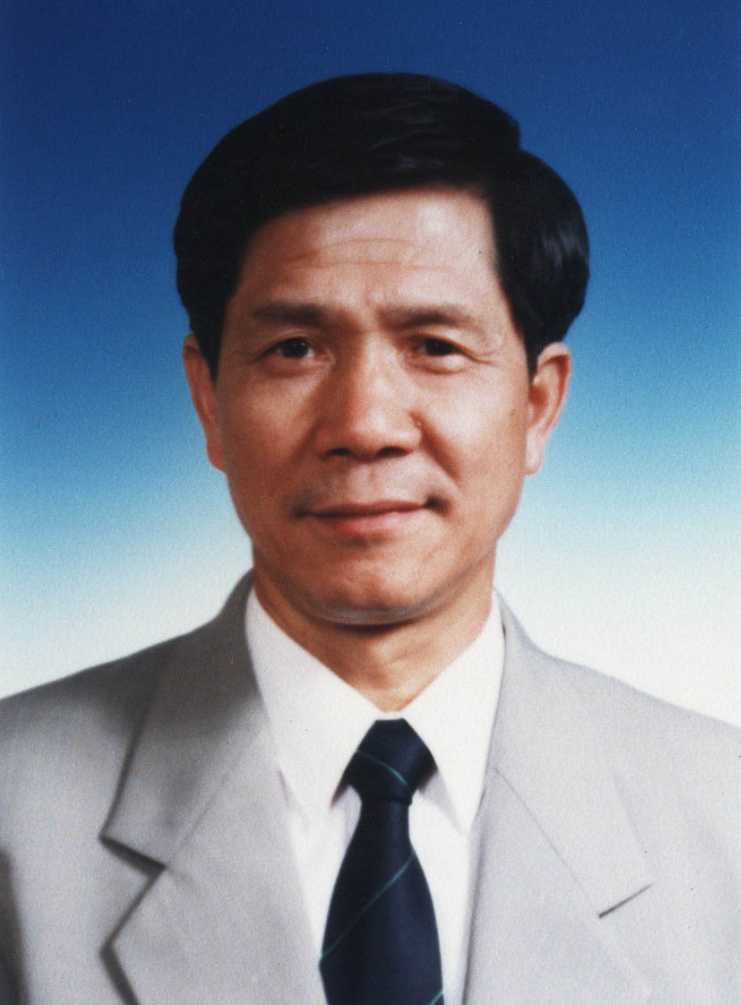 Youxian Sun (孙优贤)合作论文数Institute of Industrial Process Control, College of Control Science and Engineering, Zhejiang University6
 Peiyang Li合作论文数6
 C. L. Philip Chen (陈俊龙)合作论文数School of Computer Science & Engineering, South China University of Technology;International Center for informatics Research, Beijing Jiaotong University6
 Peng un Mak (麥炳源)合作论文数Faculty of Science and Technology,University of Macau6
 Tan-Tan Zhang合作论文数ASTAR, Inst Microelect, Singapore 138634, Singapore5
 Ziyu Jia (贾子钰)合作论文数Laboratory of Brain Atlas and Brain-inspired Interlligence;Brainnetome Center, Institute of Automation, Chinese Academy of Sciences5
 Tao Xu合作论文数4
 Shun Liu合作论文数4Yali Jiang合作论文数4
 Zehong (Jimmy) Cao合作论文数University of South Australia4
 Shu Li合作论文数State Key Laboratory of Robotics and System, Harbin Institute of Technology, Harbin, China4
 Shixiong Chen (陈世雄)合作论文数School of Medicine, The Chinese University of Hong Kong, Shenzhen4
 Yan-Jun Liu (刘艳军)合作论文数College of Science, Liaoning University of Technology4
 Tao Qian (錢濤)合作论文数Faculty of Science and Technology, University of Macau;Macao Centre of Mathematical Sciences, Faculty of Information Technology, University of Macau4
 Zhiguo Zhang (张治国)合作论文数School of Intelligence Science and Engineering, College of Artificial Intelligence, Harbin Institute of Technology, Shenzhen;Center for Language, Intelligence and Machines, Shenzhen Loop Area Institute4
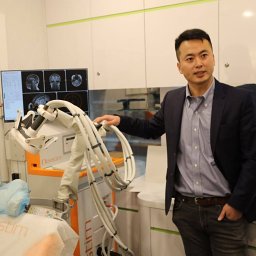 Zhu Frank合作论文数Institute of Human Performance, The University of Hong Kong;Li Ka Shing Faculty of Medicine, The University of Hong Kong;The University of Hong Kong, The University of Hong Kong4
 Jing Yu (喻婧)合作论文数Faculty of Psychology, Southwest University4
 Guanglin Li (李光林)合作论文数Research Center for Neural Engineering, Shenzhen Institute of Advanced Technology, Chinese Academy of Sciences;School of Artificial Intelligence, University of Chinese Academy of Sciences4




