Figure S3 describes bar plots for area normalized cell counts across SD and PD patients, pre and during treatment.
This perspective article discusses emerging advances at the interface of mechanistic modeling and data-driven machine learning, highlighting opportunities for AI to accelerate discovery, improve predictive modeling, and enhance clinical decision-making. We address critical limitations of current AI approaches and propose a perspective on a future where AI augments mechanistic rigor, clinical relevance, and human creativity under the umbrella of a redefined understanding of Mathematical Oncology.
Relationship between inflection point and IC50. (A) As the steepness parameter, n, increases the true inflection point (x*; blue) approaches the IC50 value (red). (B) The relation between inflection and IC50 is shown here as a function of n.
Supplementary Table 1 describes the classification statistics using LOOCV for SVM and NN SDM when using cells and quadrats.
Supplementary Table 2 shows different metastatic sites used for biopsy collection in this study.
Figure S8 describes bar plots for area normalized cell counts across SD and PD patients, pre and during treatment, for each cellular/quadrat neighborhood
Acquired resistance to targeted therapies is the primary barrier to durable cancer remission. Therapy resistance is often associated with stemness and intermediate EMT programs, which are often viewed as proximal resistance mechanisms. On the other hand, a growing body of evidence suggests that these programs facilitate resistance through plasticity-mediated adaptations. Integrating computational modeling, functional experimental assays, and lineage tracing, we investigated the relationship between EMT and therapy resistance in experimental models of acquired resistance to ALK+ lung cancer. Our results support a model where phenotypic plasticity, associated with intermediate EMT, is a selectable trait, and selection for subpopulations with higher phenotypic plasticity is amplified under a multifactorial resistance scenario. Consequently, resistance to targeted therapy is associated with higher ability to adapt to orthogonal therapeutic and environmental stressors, as well as higher metastatic potential. These findings identify cellular plasticity as the fundamental substrate from which multifactorial resistance and metastatic competence evolve, indicating that targeting phenotypic plasticity can suppress the acquisition of resistance and prolong therapeutic responses. ### Competing Interest Statement The authors have declared no competing interest.
Figure S7 displays example marker panels for a FoV from the 9-patient NSCLC cohort (FoVdata).
Abstract A population of cells within a tumor can be described as antifragile (the opposite of fragile) if they derive a benefit from fluctuations or perturbations in environmental conditions induced by treatment. Treatment fluctuations could either promote (antifragile tumor) or inhibit (fragile tumor) the evolution of treatment resistance to targeted therapies. In this study, we showed that analysis of the convexity of dose–response curves provided a direct prediction of response to prescribed fluctuations in treatment. Convexity predicted that continuous treatment protocols (i.e., zero prescribed fluctuations in treatment) would outperform uneven protocols when dose response is convex. This theory was applied to predict in vivo response to targeted therapy, and the predictions were validated by experimentally testing high/low intermittent dosing (uneven dosing) and continuous dosing (even dosing) schedules. Convexity (and its inverse, concavity) explained 2 phenomena: Dose response is a convex (fragile) function, but the resistance onset rate is a concave (antifragile) function. Thus, design and validation of alternative treatment schedules maximized response while maintaining prolonged sensitivity to treatment. Together, these analyses provide supporting evidence that fluctuations alter the evolutionary trajectory of tumors in response to targeted therapy, even without altering the cumulative dose. By using this insight to design alternative treatment protocols to limit the evolution of resistance by careful analysis of the dose–response curvature, the study supports the potential of “evolutionary antifragile therapy” as a subtype in the broad class of evolution-based treatment strategies. Significance: The mathematical method using dose response curvature to determine appropriate treatment dosing that limits the evolution of resistance could facilitate designing dose schedules that optimize tumor response. See related commentary by Pomeroy and Palmer, p. 4195
Multiplexed imaging of tissues is an approach that holds promise for improving early detection, diagnosis, and treatment of cancer. Here, we investigated multiplexed histological images of paired pre- and on-treatment samples from nine patients with immunotherapy-refractory non-small cell lung cancer (NSCLC) treated with an oral HDAC inhibitor (vorinostat) combined with a PD-1 inhibitor (pembrolizumab). Patient responses comprised of either stable disease (SD) or progressive disease (PD). An extensive multiplexed-image analysis pipeline involving both cell segmentation and quadrats, coupled with spatial statistics, machine learning, and deep learning was built to analyze the spatial and temporal features that predict disease progression and identify potential clinical biomarkers. Distinct spatial immune ecologies existed between SD and PD patients, and tumors from PD patients were already characterized by an immune-suppressive environment prior to treatment. Finally, the learned spatial ecologies predicted disease progression better than PD-L1 status alone, suggesting these ecologies could be used as potential companion biomarkers with PD-L1 in NSCLC. These findings will be investigated in a larger-cohort study generated from an ongoing clinical trial (NCT02638090) that includes a wider range of responses including complete and partial responders. Together, this study developed a computational infrastructure for analyzing multiplex imaging to predict immunotherapy response in NSCLC, which can potentially be generalized to any type of cancer.
Targeted therapies induce strong clinical responses but fail to eliminate advanced cancers, as a subset of tumor cells survives within residual disease and eventually develops resistance. While numerous cell-intrinsic and microenvironmental mechanisms have been implicated in this survival, their relative contributions remain poorly defined. Using spatial histological inferences from ALK + NSCLC models, we show that peristromal niches protect tumor cells from elimination, enabling in vivo persistence. This spatially restricted sheltering provides an ecological rescue mechanism that sustains residual populations, enabling their eventual evolutionary escape. Mechanistically, this protective effect reflects an integrated action of multiple juxtacrine and paracrine signals. This complexity limits the utility of targeting individual mechanisms of protection, favoring a shift towards exploiting orthogonal collateral sensitivities of residual disease. We find that adaptive HER2 upregulation, associated with both cell-intrinsic and stroma-mediated persistence, can be exploited by the antibody-drug conjugate T-DXd to dramatically enhance therapeutic responses and suppress tumor relapse.
The second-derivative is an approximation for fragility for low values of h. (A) Hill function, H (x) shown for n = 10, E0 = 100, E1 = 20, C = 10. Analytically derived second-derivative is shown in the bottom panel. (B) Difference between fragility and second-derivative at various dose values (red to blue) corresponding to panel A. As h→0, the error approaches zero: F(x, h) - h2 d2H/dx2 → 0.
Cancer cell populations often exhibit remarkably similar growth laws despite their heterogeneity. Explanations of universal cell population growth remain partly unresolved to this day. Here, we present a growth-law unification by investigating the connection between the microscopic assumptions that affect the expected contact inhibition leading to five classical tumor growth laws: exponential, radial growth, fractal growth, generalized logistic, and Gompertzian growth. All five can be seen as manifestations of a single microscopic model. Agent-based simulations substantiate our theory, and we can explain differences in growth curves in experimental data from in vitro cancer cell population growth. Thus, our framework offers a possible explanation for many mean-field laws used to empirically capture seemingly unrelated cancer or microbial growth dynamics. Our results highlight that the interplay between contact inhibition and other assumptions (e.g., well-mixed) can influence our quantitative understanding of how cancer cells grow and, in turn, how they may interact.
Abstract Chemotherapy remains a commonly used and important treatment option for metastatic breast cancer. A majority of Estrogen Receptor-positive (ER + ) metastatic breast cancer patients ultimately develop resistance to chemotherapy, resulting in disease progression. We hypothesized that an “evolutionary double-bind”, where adapting to one treatment inadvertently makes cancer cells more susceptible to another treatment, would improve the effectiveness and durability of response to chemotherapy. This approach exploits vulnerabilities in acquired resistance mechanisms. Evolutionary models can be used to identify alternative treatment strategies that capitalize on such vulnerabilities in refractory cancers, leading to improved outcomes. To develop and test these models, ER+ breast cancer cell lineages sensitive and resistant to chemotherapy were grown in spheroids with varied initial population frequencies to measure cross-sensitivity and efficacy of chemotherapy and add-on treatments, such as disulfiram. Different treatment schedules were evaluated to identify the most effective strategy for reducing the selection of resistant populations, thereby preventing their proliferation and dominance. We developed a game-theoretic mathematical model, parameterized from this in vitro experimental data, and used it to predict the existence of a double-bind, where selection for resistance to chemotherapy induces sensitivity to disulfiram. The model predicts a dose-dependent re-sensitization to chemotherapy for monotherapy disulfiram.
 Mark Robertson-Tessi合作论文数RUMMBA (Research Unit in Mathematics, Mechanics, Biology, and Applications),, University of Arizona118
 Robert Gatenby合作论文数Center of Excellence for Evolutionary Therapy, Moffitt Cancer Center108
 Jeffrey West合作论文数H Lee Moffitt Canc Ctr & Res Inst, Integrated Math Oncol, Tampa, FL 33612 USA62
 Jill Gallaher合作论文数East Carolina University56
 David Basanta合作论文数Zentrum für Informationsdienste;Technische Universität Dresden;Zentrum für Informationsdienste, Technische Universität Dresden45
 Philip K. Maini合作论文数Wolfson Centre for Mathematical Biology, Mathematical Institute, University of Oxford43
 Chandler Gatenbee合作论文数Department of Integrated Mathematical Oncology, H. Lee Moffitt Cancer Center and Research Institute40
 Mark Chaplain合作论文数Mathematical Institute, School of Mathematics and Statistics, University of St Andrews35
 Kimberly Luddy合作论文数Imaging &, Cancer;Metabolism Program, H. Lee Moffitt Cancer Center &Research Institute;Cancer Imaging & Metabolism Program, H. Lee Moffitt Cancer Center & Research Institute35
 Maximilian Strobl合作论文数Dept Integrated Math Oncol, H Lee Moffitt Canc Ctr & Res Inst34
 Sandhya Prabhakaran合作论文数Computer Science Department, University of Basel34
 Andriy Marusyk合作论文数Department of Biochemistry and Molecular Genetics, University of Colorado at Denver and Health Sciences Center28
 Kristin R Swanson合作论文数Department of Applied Mathematics, University of Washington28
 Jacob Scott合作论文数Cleveland Clinic Lerner Research Institute;Case Comprehensive Cancer Center, Case Western Reserve University25
 Robert Gillies合作论文数Department of Cancer Physiology, H Lee Moffitt Cancer Center and Research Institute23
 Philip Gerlee合作论文数Division of Mathematics, University of Dundee22
 Bina Desai合作论文数Division of Pharmaceutical Sciences, Arnold and Marie Schwartz College of Pharmacy and Health Sciences, Long Island University, HS-608, 75 Dekalb Avenue, Brooklyn, NY, 11201, USA.21
 Russell Rockne合作论文数City Hope Natl Med Ctr, Beckman Res Inst21
 Eunjung Kim合作论文数Nat Prod Informat Res Ctr, Korea Inst Sci & Technol19Derek S Park合作论文数18
 Ryan Schenck合作论文数18
 Jingsong Zhang合作论文数H. Lee Moffitt Cancer Center & Research Institute, Tampa, FL;17
 Joel S. Brown合作论文数Department of Integrated Mathematical Oncology, Moffitt Cancer Center/Department of Sciences, College of Liberal Arts and Sciences, University of Illinois Chicago16
 Vito Quaranta合作论文数Institute for Experiential AI, Northeastern University;Department of Pharmaceutical Sciences, Bouvé College of Health Sciences, Northeastern University;Duet BioSystems, Inc.;Parthenon Therapeutics, Inc.15Rafael R Bravo合作论文数14
 Trevor A. Graham合作论文数Cancer Research UK, London Research Institute14
 Heiko Enderling合作论文数Tufts University School of Medicine, Caritas St. Elizabeth’s Medical Center14Keiran S. M. Smalley合作论文数Moffitt Cancer Center13
 Simon W. Hayward合作论文数Department of Surgery, NorthShore University HealthSystem13
 Katarzyna A. Rejniak合作论文数Division of Mathematics, University of Dundee13
 Simon Leedham合作论文数Nuffield Department of Medicine, University of Oxford;University Hospitals Oxford;The Queen's College, University of Oxford13
 Hawkins-Daarud Andrea合作论文数12
 Damaghi Mehdi合作论文数Biotechnology Center, University of Technology11
 Omar Franco合作论文数Louisiana Cancer Research Center11Gustavo Ayala合作论文数Department of Pathology, Baylor College of Medicine11
 Alexander Fletcher合作论文数10
 Douglas William Strand合作论文数Vanderbilt-Ingram Cancer Center, Vanderbilt University Medical Center10
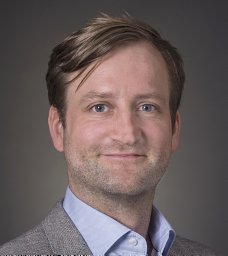 Philipp Altrock合作论文数ether Group for Evolutionary Dynamics, No;Department of Evolutionary Ecology;Max-Planck-Institute for Evolutionary Biology;Noether Group for Evolutionary Dynamics, Max-Planck-Institute for Evolutionary Biology10
 Pedro M. Enriquez-Navas合作论文数H Lee Moffitt Canc Ctr & Res Inst, Dept Canc Physiol, Tampa, FL 33612 USA9Darryl Shibata合作论文数9
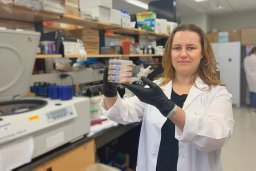 Daria Miroshnychenko合作论文数Institute of Molecular Biology and Genetics NAS of Ukraine, Zabolotnogo str, 150 Kyiv 03143, Ukraine9Jonathan Claridge合作论文数8
 Daniel Nichol合作论文数University of Oxford;8
 Jhanelle Gray合作论文数Moffitt Cancer Center;Department of Oncologic Sciences, College of Medicine, University of South Florida Morsani8
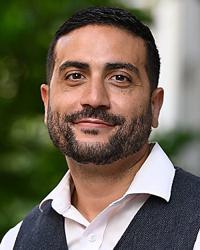 Vito Rebecca合作论文数Department of Biochemistry and Molecular Biology, Bloomberg School of Public Health, The Johns Hopkins University8
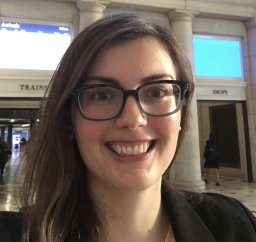 Massey Susan Christine合作论文数Department of Pathology, University of Washington8
 Amer Beg合作论文数Moffitt Cancer Center8
 Joel Brown合作论文数UIC Biological Sciences8
 Peter Canoll合作论文数Medical Center, Columbia University8




