Autologous hematopoietic stem cell transplantation (aHSCT) has evolved as a treatment for severe autoimmune diseases (ADs). Advances in transplant procedures and supportive care have led to improvements in long-term survival but there is limited data on 'late effects'. The aim of this retrospective EBMT registry study is to assess the incidence of 'late effects' after aHSCT for ADs. All EBMT centres were invited and data were received for 579 patients (median age 37 years, range 2.7-73.8), who received aHSCT between 1997 and 2016. Median follow-up was 89 months (IQR 82.4-95.5). Indications included multiple sclerosis (MS, 46.8%), systemic sclerosis (SSc, 28.7%), Crohn's disease (CD, 12.6%), systemic lupus erythematosus (SLE, 2.4%) and other ADs (9.5%). Conditioning was mainly based on Cy/ATG (51.9%) or BEAM/ATG (25.3%). At 10-years, the cumulative incidence of secondary ADs was 10.3% (95% CI: 7.7-13.3), new post-transplant cancers 4.1% (95% CI: 2.2-6.8), endocrine complications 16.2% (95% CI: 12.6-20.1), and cardiovascular complications 14.7% (95% CI: 11.2-18.6). Median time to endocrine events (15.4 months) was generally sooner than median times to secondary ADs (24.5 months) and cardiovascular (25.3 months), with new cancers occurring relatively late (median time 81.7 months). Overall, at 10-years, progression-free survival (PFS) was 40.1% (95% CI: 34.7-45.4), overall survival (OS) 83.5% (95% CI: 79.3-86.9) and non-relapse mortality (NRM) 5.0% (95% CI: 3.2-7.4). By multivariate analysis, secondary ADs were relatively higher in CD vs SSc (HR = 4.93, p = 0.01) and MS (HR = 2.05, p = 0.055), while cardiovascular complications were significantly increased in SSc compared to MS (HR = 8.85, p < 10-3) or CD (HR = 3.45, p = 0.016). The incidence of post-aHSCT cancers was related to increasing age (HR per 10 y = 2.26, p < 10-3), without significant association with disease type. Incidence of endocrine complications were significantly lower in SSc compared to MS (HR = 0.35, p = 0.027) and CD (HR = 0.33, p = 0.041) and significantly more frequent in females (HR = 4.27, p < 10-3). Autologous HSCT for ADs is associated with a cumulative burden of non-infectious late complications, including thyroid dysfunction, osteoporosis, cardiovascular complications, gonadal dysfunction, secondary ADs and subsequent cancers. These impact all ages of patient and vary depending on AD indication, reflecting disease characteristics and other treatments. This study highlights the importance of screening, monitoring, and treatment of late effects in this setting.
Maintenance of fertility is important to patients undergoing haematopoietic stem cell transplant because many are of childbearing age and treatment is frequently sterilising. Pre-transplant fertility preservation counselling is currently limited by a paucity of data. Pregnancy post-transplant is an infrequent event and while small studies provide anecdotal information, interpretation of larger data sets can be confounded by lack of detail. In this multicentre study, patients transplanted between January 1995-December 2015 who subsequently became pregnant/partners became pregnant, were identified by centres registered with the European Society for Blood and Marrow Transplantation (EBMT). The association of pregnancy with underlying condition, transplant type and conditioning protocols was evaluated using robust data sets from the EBMT registry. The role of assisted reproductive techniques (ART) in pregnancy were also investigated and pregnancy outcomes described. From a data set of 54,323 transplanted patients, there were 621 pregnancies among 419 patients/partners, and 581 live births. There was substantial variation in likelihood of pregnancy following different conditioning protocols with highest rates in women observed after reduced intensity conditioning (RIC). ART were used by 33% of females and 56% of partners of male patients, with highest use following allografts using total body irradiation and lowest following RIC. Among females, pregnancy was more frequently associated with donor eggs than the use of their own stored eggs, embryos or tissue. Widespread use of ART distorts the association between pregnancies post-transplant and preservation of gonadal function, however our data highlight multiple factors relevant to contemporary pre-transplant counselling and fertility preservation services.
Abstract Untreated patients aged ≥60 with aplastic anemia (AA) have a poor prognosis, with inferior treatment outcomes. Old age, per se, is not a contraindication to treating a patient. In contrast to younger patients, the treatment decision-making process is not only based on disease-related factors but also on functional ability, comorbidity, and social support, which need to be evaluated carefully. In case of eligibility to treat, immunosuppression is the first-line treatment option. Depending on the urgency to obtain a hematological response (i.e., severe neutropenia or active infections), treatment should start with either the combination of anti-thymocyte globulin (ATG), cyclosporine (CSA), and eltrombopag, or an ATG-free treatment with the combination of CSA with or without eltrombopag. There is no place for hematopoietic stem cell transplantation (HCT) as a first-line option, unless using syngeneic HCT. For refractory or relapsed patients after immunosuppressive treatment (IST), second-line treatment with other immunosuppressive drugs or HCT, provided they are eligible, should be considered. In this chapter, we aim to provide some guidance on how to approach the treatment of elderly patients with aplastic anemia.
Though the thrombotic risk in polycythemia vera (PV) is well known, long-term real-world data remain limited. This retrospective study at Bern University Hospital aimed to evaluate complications in PV patients, focusing on thrombotic events, associated risk factors, and disease outcomes. Among 727,731 screened adults, 107 PV patients were identified (median age 58 years, range 18–92; 51
INTRODUCTION:Hemophagocytic lymphohistiocytosis (HLH) is a rare, life-threatening condition characterized by excessive immune activation, cytokine storm, and aberrant macrophage function. Although HLH is well studied in children, data on adult HLH remain limited. Our primary goal was to examine in-hospital mortality and its associated risk factors in patients with HLH in a tertiary center. METHODS:This retrospective study at University Hospital Bern queried the hospital database using the i2b2 system to analyze adult HLH patients, assessing clinical, laboratory data, treatments, and outcomes according to the HLH-2004 criteria and Saint-Antoine score. RESULTS:From 845,846 patients seen in the hospital between 2014 and 2021, a cohort of 54 adult HLH patients was identified. The overall mortality rate was 40.7%. In univariate analysis, we found that deceased patients with HLH were significantly older than surviving patients (median age of 69.6 [range 22-83] vs. 52.5 [24-79] years old [p = 0.002]). Patients with HLH were significantly more likely to have cardiopulmonary and neurological complications, higher alkaline phosphatase levels, lower platelet counts, need platelet transfusions, and lower response rate to the HLH therapy. In multivariate analysis, age (HR 0.94; 95% CI 0.89-0.99; p = 0.024), cardiopulmonary (HR 7.045; 95% CI 1.28-38.66, p = 0.025), neurologic complications (HR 5.55; 95% CI 1.01-30.51; p = 0.04), and the requirement of platelet transfusions (HR 6.22; 95% CI 1.16-33.20; p = 0.032) were all independently associated with in-hospital mortality. CONCLUSIONS:This study identifies risk factors whose early presence can be used to stratify management strategies and improve prognosis in patients with HLH.
Breakthroughs in medical research in the last century have led to a significant extension of the human lifespan, resulting in a shift towards an elderly population worldwide. Due to the ongoing progress of global development towards elevated standards of living, this study specifically examines Switzerland as a representative nation to explore the socioeconomic and healthcare ramifications associated with an ageing population, thereby highlighting the tangible impact experienced in this context. Beyond the exhaustion of pension funds and medical budgets, by reviewing the literature and analysing publicly available data, we observe a "Swiss Japanification". Old age is associated with late-life comorbidities and an increasing proportion of time spent in poor health. To address these problems, a paradigm shift in medical practice is needed to improve health rather than respond to existing diseases. Basic ageing research is gaining momentum to be translated into therapeutic interventions and provides machine learning tools driving longevity medicine. We propose that research focus on closing the translational gap between the molecular mechanisms of ageing and a more prevention-based medicine, which would help people age better and prevent late-life chronic diseases.
Male-specific late effects after hematopoietic cell transplantation (HCT) include genital chronic graft-versus-host disease (GvHD), hypogonadism, sexual dysfunction, infertility, and subsequent malignancies. They may be closely intertwined and cause prolonged morbidity and decreased quality of life after HCT. We provide a systematic review of male-specific late effects in a collaboration between transplant physicians, endocrinologists, urologists, dermatologists, and sexual health professionals through the Late Effects and Quality of Life Working Committee of the Center for International Blood and Marrow Transplant Research, and the Transplant Complications Working Party of the European Society of Blood and Marrow Transplantation. The systematic review summarizes incidence, risk factors, screening, prevention and treatment of these complications and provides consensus evidence-based recommendations for clinical practice and future research.
Topic: 30. Infections in hematology (incl. supportive care/therapy) Background: Hemophagocytic Syndrome (HLH) is a rare, life-threatening condition characterized by hyperinflammatory response associated with aberrant macrophages activation and cytokines storm. Real-world data on HLH in adults are sparse. Aims: In this study, we aimed to assess the clinical characteristics and outcomes, particularly mortality, of HLH adult patients in our tertiary referral hospital. Methods: The hospital database (Microsoft SQL Server management Studio) was searched to identify patients ≥18 years of age who were diagnosed as HLH between January 2014 and June 2021. Using a stepwise process, we first search for patients in which HLH diagnosis was mentioned in the medical record. Subsequently, we used the Saint Antoine score (HScore) (L. Fardet et al. Arthritis & Rheumatology 2014), to evaluate the data. Overall survival (OS) was estimated by Kaplan-Meier method. A logistic regression analysis to predict death included all variables with p value <0.10 at univariate analysis. A forward stepwise model excluded parameters that were no longer significant. Results: The search was conducted across available medical reports of 845,846 adult patients. Overall, the diagnosis of HLH was mentioned in 79 patients. After the exclusion of 24 duplications, the remaining 55 patients were examined using the HScore of whom 54 patients meet the eligibility criteria and were included in the analysis (0.006% of all adult patients). Analyzed data are summarized in Table 1. The median age at HLH diagnosis was 61 years (r 22 – 83), the majority of patients were females (N=36, 66.7%). Five patients have a least one relapse during follow-up. The most frequent observed diagnostic criteria were cytopenia (98.1%), hyperferritinemia (92.6%), hypertriglyceridemia (85.2%) and fever (81.5%). In 37/54 (68.51%) patients at least one possible underlying cause was identified, in 4/54 (7.4%) more than one. Most frequent underlying identified causes were hematological neoplasms in 18/54 (33.3%), infections in 14/37 (25.92%), rheumatic disorder in 7/54(12.96%), 1 patient after CAR-T cell therapy and 31% were idiopathic. The OS at 180 days was 58%+±6.85, all but one death occurred in the first 30 days after diagnosis. When the clinical and laboratory characteristics were compared between the survivors and the patients who died in univariate analysis, the statistically significant unfavorable predictive factors were: neurological symptoms, cardiovascular complications, requiring platelet transfusion, increased alkaline phosphatase and age >50 years. In multivariate analysis, factors associated with relative risk of death after the diagnosis of HLH were older age at diagnosis (Relative Risk [RR] 1.175, 95%CI 1.0038-1.329; p=0.01); presence of cardiopulmonary complications (RR 254.9 (4.649-13979; p=0.007) and increased triglycerides at diagnosis (RR 465 (3.466-62572; p=0.014). Requiring platelets transfusions was borderline: RR 31.011 (0.799-1203; p=0.066). Summary/Conclusion: These data confirm the rare occurrence and high risk of dying from HLH in adults patients. The number of diagnostic criteria and a high HScore were not related with higher death rates. The main associated factors with overall mortality were advanced age, the presence of cardiovascular complications, and high triglycerides at diagnosis. Further awareness on this entity and multidisciplinary work are essential to improve outcome.Keywords: Hemophagocytic Lymphohistiocytosis (HLH), Inflammation
(1) Background: Polycythaemia is defined by an increase in haemoglobin (Hb) concentration, haematocrit (Hct) or red blood cell (RBC) count above the reference range adjusted to age, sex and living altitude. JAK2 unmutated polycythaemia is frequent but under-investigated in original publications. In this retrospective cohort study, we investigated the clinical and laboratory data, underlying causes, management and outcomes of JAK2 unmutated polycythaemia patients. (2) Methods: The hospital database was searched to identify JAK2 unmutated patients fulfilling WHO 2016 Hb/Hct criteria for PV (Hb >16.5 g/dL in men and >16 g/dL in women, or Hct > 49% in men and >48% in women, or RBC mass > 25% above mean normal predicted value) between 2008 and 2019. Clinical and laboratory data were collected and analysed. (3) Results: From 727,731 screened patients, 294 (0.04%) were included, the median follow-up time was 47 months. Epo and P50 showed no clear pattern in differentiating causes of polycythaemia. In 30%, the cause remained idiopathic, despite extensive work-up. Sleep apnoea was the primary cause, also in patients under 30. Around 20% had received treatment at any time, half of whom had ongoing treatment at the end of follow-up. During follow-up, 17.2% developed a thromboembolic event, of which 8.5% were venous and 8.8% arterial. The mortality was around 3%. (4) Conclusions: Testing for Epo and P50 did not significantly facilitate identification of underlying causes. The frequency of sleep apnoea stresses the need to investigate this condition. Idiopathic forms are common. A diagnostic flowchart based on our data is proposed here. NGS testing should be considered in young patients with persisting polycythaemia, irrespective of Epo and P50 levels.
This chapter describes late cardiac dysfunction and arterial disease after hematopoietic stem cell transplantation (HSCT). Late cardiac dysfunction in long-term survivors after HSCT include cardiomyopathy, congestive heart failure (CHF), arrhythmia, heart valve complications, and pericardial disease. Cardiotoxicity is a well-acknowledged late effect in non-transplanted cancer survivors treated with chemotherapy and/or chest and neck radiation therapy. CHF after HSCT is mainly the consequence of cardiomyopathy. There are number of studies showing that pediatric and adult HSCT patients can develop cardiac dysfunction without any evidence of clinical CHF. Arterial disease has been acknowledged as one of the more serious complications in long- term survivors after HSCT. Endothelial injury occurring during HSCT might be the primary event leading to premature atherosclerosis and subsequent development of arterial disease in long-term survivors after HSCT. Screening and preventive recommendations aim to prevent the development of arterial diseases, mainly by treating modifiable risk factors and counseling healthy lifestyle behaviors.
Abstract Background: Real life data of underlying causes of JAK2-negative polycythemia is sparse. We aimed to analyze clinical and laboratory data of patients at our tertiary referral hospital, in order to identify the most frequent underlying causes of JAK2-negative polycythemia. Particularly, we intended to analyze the prevalence and causes of hereditary erythrocytosis. Methods: The hospital database was searched to find patients ≥15 years of age with polycythemia (inpatients and outpatients) between 1 st Oct 2008 and 31 st Jul 2019. Using a stepwise process, we focused on patients in whom a JAK2 result was available. For the diagnosis of polycythemia, including reactive and relative, the diagnostic criteria of the 2016 WHO classification for polycythemia vera were used: hemoglobin >165 g/L in men and >160 g/L in women, or hematocrit >49% in men and >48% in women. Results: Files of 727,731 patients were screened, and in 4,391 polycythemia was mentioned as a diagnosis on the electronic record. Of these, polycythemia was confirmed in 1,483 based on laboratory values. From them, 391 were tested for JAK2 mutation, and 294 were negative, thus representing our study cohort. The median age at polycythemia diagnosis was 46 years (r 15 - 89), and the majority of patients were males (N=242, 82%). The median Hb and Hct value were 172 g/L (r 157 - 224) and 51% (r 45 - 68) respectively. The patients were followed up for a median time of 4 years (r 12 days - 21 years). In 61% of patients (179/294) reactive polycythemia was diagnosed, while in 4.8% (14/294) relative polycythemia was present. In 30% of patients (89/294) the cause of polycythemia was undetermined, whereas in 70% (205/294) an underlying cause explaining polycythemia was found (Table 1). In 12 patients (4.1%), a congenital cause was identified. Among them, hemoglobinopathy or high-oxygen affinity Hb (N=8, 2.7%) were the most common (Table 1). Sleep apnea confirmed through a polysomnography (N=55, 18.7%), followed by smoking (N=51, 17.3%), increased HbCO>5% (N=14, 4.8%), respiratory diseases (N=13, 4.4%), and non-cancer kidney disease, for instance renal cysts (N=12, 4.1%), were the most common associated causes. Polysomnographies were performed on 60 patients, of whom sleep apnea was confirmed in 92% (N=55), and a significant proportion of these patients were younger than 40 years old (N=18, 33%). From all patients with undetermined causes (N=89), we focused on those with persistent polycythemia for further investigations. Accordingly, 25 patients were identified, all male and 72% (N=18) younger than 40 years of age. In 12/25 patients a congenital erythrocytosis NGS panel was performed, and in 3/12 patients 4 different heterozygous mutations were found (two of which were in one patient). All mutations were characterized as variants of unknown significance (VUS). None of these mutations were previously described in the literature, and their finding in patients with polycythemia suggests a pathogenic likelihood (Table 2). Conclusion: In one third of JAK2-negative patients with polycythemia, despite extensive workup, no underlying cause was found. Sleep apnea was the main cause of secondary forms, even in young patients, underlining the importance of performing a polysomnography in the workup of such patients. The NGS erythrocytosis panel offers easy and accessible characterization of some idiopathic forms, however there is still a majority of these patients unable to be characterized. In this cohort the investigation with NGS showed 4 mutations which have not been reported in the literature. The presence of these in patients with polycythemia suggests the probability of a relationship in its pathogenesis. Figure 1 Figure 1. Disclosures Jalowiec: Kite Pharma Gilead Sciences': Honoraria, Speakers Bureau. Rovo: AG Alexion: Research Funding; CSL Behring: Research Funding; Novartis: Research Funding; AG Alexion: Honoraria; BMS: Honoraria; Novartis: Honoraria; AstraZeneca: Honoraria; OrPhaSwiss GmbH: Honoraria; Swedish Orphan Biovitrum AG: Honoraria; Amgen: Other: Financial support for congresses and conference travel; AstraZeneca: Other; BMS: Other; Sanofi: Other; Roche: Other.
Systematic reviews apply rigorous methodologies to address a pre-specified, clearly formulated clinical research question. The conclusion that results is often cited to more robustly inform decision-making by clinicians, third-party payers and managed care organizations about the clinical question of interest. While systematic reviews provide a rigorous standard, they may be unfeasible when the task is to create general disease-focused guidelines comprised of multiple clinical practice questions versus a single major clinical practice question. Collaborating transplantation and cellular therapy societal committees also recognize that the quantity and or quality of reference sources may be insufficient for a meaningful systematic review. As the conduct of systematic reviews has evolved over time in terms of grading systems, reporting requirements and use of technology, here we provide current guidance in methodologies, resources for reviewers, and approaches to overcome challenges in conducting systematic reviews in transplantation and cellular therapy.
A successful long-term follow-up (LTFU) program needs the active involvement of the long-term survivor and their primary care physician, as well as the support of the national authorities, to ensure the establishment of a dedicated LTFU clinic and complete insurance coverage. Post- hematopoietic stem cell transplants (HSCT) long-term follow-up programs emerged with some delay, compared to cancer survivorship care. This chapter outlines the setup of a long-term transplant clinic and the essential functions and components of an LTFU care program. Survivors of childhood cancer have a high rate of illness due to the occurrence of chronic health conditions. Despite long-term late effects and care impact on all age groups, there is a paucity of data on the transition to adult healthcare from young adults transplanted during childhood. The "Recommended screening and preventive practices for long-term survivors after hematopoietic cell transplantation" represent the basis for the follow-up program.
Hematopoietic cell transplantation (HCT) provides curative therapy for a variety of diseases. HCT remains an important treatment option for a wide variety of hematologic and nonhematologic disorders, despite recent advances in the field of immunologic therapies. Advances in HCT practice and supportive care have led to improved outcomes and an increasing number of long-term HCT survivors. For long-term survivors, the prospect for long-term survival is excellent. Significant resources should be focused on the better implementation of how patients and physicians use extensive data regarding posttransplant late complications in clinical care. With survivorship, a shift in care occurs from large transplant centers to community healthcare providers. Many hematologist/oncologist and primary care physicians are assuming the posttransplant care of long-term survivors. The management of late HCT effects is important to improve long-term survival of HCT recipients but should be tailored to the risks specific to the primary disease and transplant type.
Metabolic syndrome (MetS) is associated with cardiovascular disease in the general population and is also a potential cardiovascular risk factor in survivors of haematopoietic cell transplantation (HCT). We report an EBMT cross-sectional, multi-centre, non-interventional study of 453 adult HCT patients surviving a minimum of 2 years post-transplant attending routine follow-up HCT and/or late effects clinics in 9 centres. The overall prevalence of MetS was 37.5% rising to 53% in patients >50 years of age at follow-up. There were no differences in rates of MetS between autologous and allogeneic HCT survivors, nor any association with graft-versus-host disease (GvHD) or current immunosuppressant therapy. Notably, there was a significantly higher occurrence of cardiovascular events (CVE, defined as cerebrovascular accident, coronary heart disease or peripheral vascular disease) in those with MetS than in those without MetS (26.7% versus 9%, p < 0.001, OR 3.69, 95% CI 2.09–6.54, p < 0.001), and, as expected, MetS and CVE were age-related. Unexpectedly, CVE were associated with occurrence of second malignancy. Screening for and management of MetS should be integrated within routine HCT long-term follow-up care for both allogeneic and autologous HCT survivors. Further research is warranted, including randomised controlled trials of interventional strategies and mechanistic studies of cardiovascular risk in HCT survivors.
The eye is one of the targets of complications after allogeneic hematopoietic stem cell transplantation (HSCT). Most of the ocular complications after HSCT have been recognized for a long time and are well described. Dry eye syndrome after allogeneic HSCT is closely related to chronic graft-versus-host disease (cGVHD). Ocular graft-versus-host disease (GVHD) has at least three important biologic processes: lacrimal gland dysfunction, meibomian gland dysfunction, and corneoconjunctival inflammation. Ocular GVHD develops in 40-60% of patients after allogeneic HSCT. Risk factors associated with the onset of ocular GVHD included prior acute GVHD, use of mobilized blood progenitor cells, and HSCT from a female donor to a male recipient. Topical treatment plays a major role, and includes primarily lubricants and anti-inflammatory agents. Cataracts were one of the first late effects reported in patients after allogeneic HSCT. Ocular GVHD can cause prolonged morbidity affecting ADL and QOL.
 Alois Gratwohl合作论文数Abteilung für Hämatologie, Department of Internal Medicine, Kantonsspital Basel261
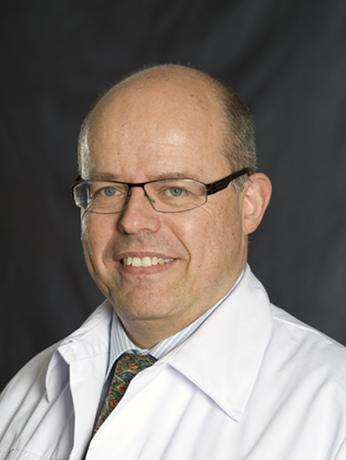 Jakob Passweg合作论文数University of Basel;Basel University Hospital216
 Alicia Rovo合作论文数Department for BioMedical Research, Universitätsspital Bern;Universitätsklinik für Hämatologie und Hämatologisches Zentrallabor Inselspital, Universitätsspital Bern133
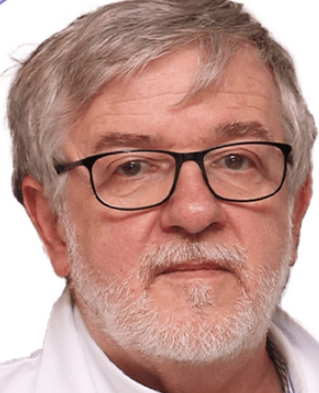 Gerard Socie合作论文数AP-HP Hospital Saint Louis;University of Paris118
 Bruno Wilhelm Speck合作论文数Department of Medicine, University of Basel115Dominik Heim合作论文数91Catherine Nissen合作论文数73
 Martin Stern合作论文数Division of Hematology, Basel University Hospital70
 Andreas S. Buser合作论文数Reg Blood Transfus Serv, Swiss Red Cross64Judith C. W. Marsh合作论文数58Hubert Schrezenmeier合作论文数51Joerg Halter合作论文数Klinik für Hämatologie, Universitätsspital Basel40Anna Locasciulli合作论文数37S Meyer-Monard合作论文数35Caroline Arber合作论文数Division of Blood and Marrow Transplantation, Stanford University33
 Per Ljungman合作论文数Department of Medicine, Huddinge, Karolinska Institutet32
 Christoph Bucher合作论文数Institute of Pathology, University of Basel31Andrea Bacigalupo合作论文数29Aleksandra Wodnar-Filipowicz合作论文数University of Basel29Geneviève Favre合作论文数26Mario Bargetzi合作论文数26M.T. Van Lint合作论文数26Martin Wernli合作论文数24
 Mahmoud Aljurf合作论文数King Faisal Specialist Hospital and Research Centre23
 Till Hoffmann合作论文数23Wolfgang Holzgreve合作论文数23
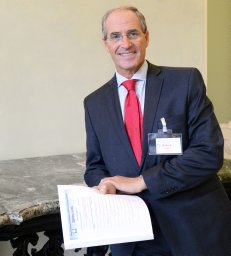 Caroline Dufour合作论文数Divisione di Emato-oncologia Pediatrica e Trapianto di Midollo Osseo, Istituto G. Gaslini22Helen Baldomero合作论文数21A Würsch合作论文数20T Kuhne合作论文数20E Signer合作论文数19Salooja Nina合作论文数19J. M. Hows合作论文数19A Tobler合作论文数18Badoglio Manuela合作论文数18
 Daniel Surbek合作论文数Department for BioMedical Research, Faculty of Medicine, University of Bern;Division of Obstetrics and Feto-Maternal Medicine, University Hospital Insel18R Oneto合作论文数17
 Michael Gregor合作论文数17
 Hans-Jochem Kolb合作论文数17B. Osterwalder合作论文数17Jr Passweg合作论文数16
 Dimitrios Tsakiris合作论文数16Mutlu Arat合作论文数Ankara University16Radek C. Skoda合作论文数16
 Antonio Maria Risitano合作论文数Clinical Unit of Hematopoietic Stem Cell Transplantation, Hematology, Department of Biochemistry and Medical Biotechnologies, University of Naples Federico II16
 Sophie Mccann合作论文数Trinity Centre, St. James Hospital16




