Arctic-alpine species are highly sensitive to long-term temperature changes and associated glacial cycles due to their occurrence in cold environments to which they are adapted and spatially restricted. Unravelling their evolutionary responses to past climatic fluctuations can provide new insights into their diversification. In this study, we investigated the evolutionary history of the Silene acaulis species complex and how it was shaped by past glacial cycles. We assembled the first high-quality reference genome for S. acaulis and analysed reduced representation sequencing data from 955 individuals spanning 132 populations across the Holarctic distribution range of these arctic-alpine cushion plants. We identified five evolutionary lineages and assessed their phylogeographical structure in relation to current subspecies classifications, refugia, and historic migration patterns. Phylogenetic dating revealed that lineage divergence largely coincided with repeated phases of glacial cooling over the last two million years and was driven by isolation in glacial refugia. Secondary contact in glacial refugia or during interglacial expansions promoted hybridization and further shaped the distribution of genetic diversity across the species complex. Adaptive divergence amongst sympatric genetic groups in the European Alps highlights the contribution of niche specialisation to intraspecific divergence, with evidence for ecotype differentiation in response to a combination of edaphic and climatic factors. The S. acaulis species complex has an intricate evolutionary history, shaped by glacial cycles in the Late Pleistocene that have driven lineage diversification, secondary contact and ecotype formation. Our study underscores the significance of glacial cycles in shaping genetic diversity in arctic-alpine plant species and improves our understanding of how arctic-alpine species have responded to past climate fluctuations.
Climate change is impacting forest tree species adversely and making the ecological system vulnerable. The Himalayan cedar (Cedrus deodara), a keystone species in Western Himalayan forests, plays an important ecological role but is under increasing threats from natural and anthropogenic pressures. The current study analyses the population structure, spatial distribution, environmental factors, and future conservation strategies for Himalayan cedar populations in the Kashmir Himalayas. Field sampling was carried out between 2023 and 2024 in various districts of the Kashmir Himalayas. The quadrat method was used to record the vegetation data across an elevational gradient ranging from 1300 to 2700 m. GIS and spatial analysis were used to map population distribution while, cluster analysis was performed to identify species associations. Canonical Correspondence Analysis (CCA) was applied to identify the influence of environmental factors while, Non-Metric Multidimensional Scaling (NMDS) and SIMPER analysis were used to investigate inter-association dissimilarity. The populations showed an average stem density of 110.73 trees/ha and low regeneration rates, with just 15 seedlings per ha on average. Stump density (mean: 90.62 stumps/ha) demonstrated human-induced pressures. GIS and spatial analysis revealed that Cedar populations were mostly found at altitudes ranging from 1900 to 2200 m, with a preference for north-facing slopes. Cluster analysis identified four distinct species associations in which each with a different species richness and ecological composition. Association 3 was the most diverse (Shannon index: 3.31 ± 0.05), while Association 4 showed the highest dominance (0.062 ± 0.002). Canonical Correspondence Analysis (CCA) identified altitude and timber extraction as the key drivers of variation, accounting for 16.2
The Eastern European Alps boasts highly biodiverse ecosystems and a rich archaeological history. However, there is limited research on the enduring impacts of historical climate change and human activities on plant biodiversity in this region. Using sedimentary ancient DNA, we reconstructed plant and animal dynamics from 8500 years before present (ka BP) around Gro beta er Winterleitensee (Zirbitzkogel, Austria). Variable intensities of human activities since the Middle Bronze Age (similar to 3.5 ka BP) facilitated the persistence of biodiverse Alpine meadow communities and lowered timberlines below their natural limit. Since the end of the Bronze Age (similar to 2.8 ka BP), human activities, particularly pasturing, and increasing temperatures, emerged as significant drivers of plant community dynamics. The introduction of sheep (Ovis aries) did not reduce wild mammal presence, including red deer (Cervus elaphus), hare (Lepus), European mole (Talpa europaea), bank vole (Myodes glareolus), and short-tailed field vole (Microtus agrestis). During the High & Late Mediaeval Period, (similar to 1150-450 BP), cattle (Bos taurus) and horses (Equus caballus) became the dominant domesticates, while all wild mammals except the short-tailed field vole and Eurasian water shrew (Neomys fodiens) declined or even disappeared. These changes are also accompanied by a significant transformation of plant community structure. The ability to determine both plant responses and animal drivers from the same palaeolimnological sequence vastly improves our ability to partition causes of vegetation change over the Holocene. Here, we reveal that plant biodiversity is maintained or increased by moderate cattle grazing. Therefore, non-intensive domesticated stock grazing is essential for maintaining diverse Alpine meadows.
Staphyleaceae is a small family of shrubs and trees with its name-giving genus Staphylea having a highly disjunct distribution. Staphylea has a rich fossil record and was an important element in warm temperate Tertiary forests and is therefore regarded as a Tertiary relic. Based on DNA-sequence analyses of the nuclear marker ITS 1–2 and the chloroplast marker trnL-F as well as AFLP fingerprinting (amplified fragment length polymorphisms) we have gained more insights into the evolution and diversification of the two “European” bladdernut species, the widespread diploid Staphylea pinnata and the tetraploid S. colchica of the Caucasus. As the Caucasus is located west of the Ural Mountains, we consider both species as European. Staphylea pinnata seems to be involved in the hybridization of the likely allo-poly-ploidization of S. colchica together with an unknown, supposedly now extinct species. Ancient repeat types of ITS 1–2 in S. pinnata of Central Europe and Georgia suggested possible glacial refugia in Georgia, sequence similarity (especially a characteristic gap) in ITS 1–2 sequences of Ukrainian and Central European samples indicate refugia also in Ukraine, in the Dniester-Prut interfluve and the Bukovina Precarpathian region, as assumed by Derevenko (2005). Staphylea emodi from the Tibetan Plateau, the Staphylea species closest to the European ones was more closely related to the European species than to American species in our research.
Adaptation to siliceous versus carbonate substrates is thought to be an important driver of speciation in the alpine flora. The role of the pollination system in the formation and maintenance of such species is presently unclear. Here, we chose three species pairs in the genera Gentiana, Primula, and Rhododendron which often occur in geographic proximity or even sympatry to study the existence of pollination barriers in these lineages. Using remote camera and direct observation approaches, scent and color analyses, we tested the hypothesis whether divergent pollinator communities exist that could help to maintain genetic separation of plant populations adapted to different soil types. We found differences in frequency, diurnal activity and to some extent also community composition of flower visitors in edaphic vicarious species pairs. Floral traits like color and scent as well as flower visitor co-distributions indicate that our study species have divergent but overlapping pollination systems. Our results do not suggest a strong reproductive barrier function of the pollination system. While adaptation to different soils still seems to be the main force keeping edaphic vicarious alpine plants genetically separated, pollinators might mediate hybridization in contact areas.
The Open Scientific Collections Austria (OSCA) consortium consists of 14 museums, universities, and scientific institutions in Austria holding outstanding scientific collections. These collections document Earth’s biological and geological diversity and serve as essential resources for research on global challenges such as climate change, biodiversity loss, and environmental change. Despite recent advances in digitization, large portions of collection data remain inaccessible due to limited funding and technical capacity. OSCA aims to mobilize, harmonize, and provide Austria’s natural science collection data based on the FAIR principles (Findable, Accessible, Interoperable, and Reusable). By building a shared infrastructure, the consortium fosters collaboration among institutions and ensures the long-term preservation and accessibility of valuable scientific data. This paper outlines the structure and objectives of the OSCA consortium, introduces its participating institutions, and presents its cooperative model and data infrastructure. Unlocking Austria’s natural science collections and metadata by integrating them into an interconnected virtual information system transforms them into a dynamic and powerful research tool. This approach enhances the visibility and usability of Austria’s scientific heritage and enables interdisciplinary research with significant scientific, societal, and economic relevance.
In the face of human land use and climate dynamics, it is essential to know the key drivers of plant species diversity in montane regions. However, the relative roles of climate and ungulates in alpine ecosystem change is an open question. Neither observational data nor traditional palaeoecological data have the power to resolve this issue over decadal to centennial timescales, but sedimentary ancient DNA ( sed aDNA) does. Here we record 603 plant taxa, as well as 5 wild, and 6 domesticated mammals from 14 lake sediment records over the last 14,000 years in the European Alps. Sheep were the first domesticated animals detected (at 5.8 ka), with cattle appearing at the early Bronze Age (4.2 ka) and goats arriving later (3.5 ka). While sheep had an impact similar to wild ungulates, cattle have been associated with increased plant diversity over the last 2 ka by promoting the diversity of forbs and graminoids. Modelling of the sed aDNA data revealed a significantly larger effect of cattle and wild ungulates than temperature on plant diversity. Our findings highlight the significant alteration of alpine vegetation and the entire ecosystem in the Alps by wild and domesticated herbivores. This study has immediate implications for the maintenance and management of high plant species diversity in the face of ongoing anthropogenic changes in the land use of montane regions.
Distinguishing between secondary versus primary hybrid zone formation remains a challenging task as, for instance, the time window in which these historical (vicariant) versus contemporary (environmental-selective) processes are distinguishable may be relatively narrow. Here, we examine the origin and structure of a transition zone between two subspecies of Tephroseris helenitis along the central Northern Alps, using molecular (AFLP) and morphological (achene type) data in combination with ecological niche models (ENMs) to hindcast ranges at the Last Glacial Maximum (LGM) and mid-Holocene. Samples were collected over a c. 350 km long transect, largely covered by ice during the LGM. Genetically nonadmixed individuals of subspp. helenitis versus salisburgensis dominated the westernmost versus eastern transect areas, with admixed individuals occurring in between. Clines for achene morphology and outlier loci potentially under climate-driven selection were steep, largely noncoincidental, and displaced to the east of the cline centre for neutral AFLPs. During the LGM, ssp. helenitis should have been able to persist in a refugium southwest of the transect, while suitable habitat for ssp. salisburgensis was apparently absent at this time. Together with patterns of genetic and clinal variation, our ENM data are suggestive of a primary hybrid zone that originated after the species' postglacial, eastward expansion. The observed clinal changes may thus reflect random/nonadaptive processes during expansion and selection on particular loci, and possibly achene type, in response to a long-term, west-to-east climate gradient in the direction of more stressful (e.g., wetter/cooler) conditions. Overall, this study adds to the vast hybrid zone literature a rare example of a hybrid zone caused by primary differentiation within a plant species, underlaid by historical range expansion.
The Alps contain highly biodiverse ecosystems including a large number endemic flora. As a result of climate change and anthropogenic activities, such ecosystems are at risk from upward vegetation displacement and species loss. Extensive archaeological research in the Eastern Alps has documented human settlement from ~5500 years ago driven by salt and copper mining; which has caused significant impact on the ecosystems through mining, deforestation, and pastoral farming. To elucidate the effects of climate change and anthropogenic activities on plant biodiversity, multi-proxy reconstructions have been carried out throughout the Western Alps . Despite this research, the palaeoecological history of the Eastern Alps is relatively understudied. Consequently, we are limited in our understanding of how climate change and human impact have affected past biodiversity and the formation of the contemporary vegetation in this region. Here, we focus on the Austrian sub-alpine lake, Großer Winterleitensee located at the Easternmost margin of the Alps; only locally glaciated during the Pleistocene. We applied sedimentary ancient DNA (sedaDNA) metabarcoding to reconstruct Holocene plant community dynamics within the lake catchment. These data, in conjunction with local temperature reconstructions, sediment elemental composition, magnetic susceptibility, and loss-on-ignition analyses, allowed us to identify key intervals of plant diversity change. Two such intervals begin at samples dated ~5500 cal. yr BP and ~2200 cal. yr BP, coinciding with Neolithic and Iron Age settlement phases in the area. Palaeoecological reconstructions of plant biodiversity and their responses to climate change and anthropogenic pressures may be able to provide essential information for future conservation purposes.
Vor dem Hintergrund des alarmierend schlechten Zustands der Biodiversität bildete sich das Netzwerk Biodiversität Österreich. Aus dieser Initiative heraus schlossen sich Expert(inn)en und Wissenschaftler(innen) zu einem fachübergreifenden, transdisziplinären und unabhängigen Österreichischen Biodiversitätsrat zusammen. Ziel des Netzwerks ebenso wie des Biodiversitätsrats ist es, der biologischen Vielfalt eine starke Stimme zu geben und das Zusammenspiel von Wissenschaft und Praxis in diesem Bereich zu intensivieren.
Abstract The geographic distribution of sexual‐apomictic taxa (i.e., comprising individuals usually reproducing either sexually or asexually via seeds) is traditionally thought to be driven by their ecological preferences and colonization histories. Where sexuals and apomicts get into contact with each other, competitive and reproductive interactions can interfere with these factors, an aspect which hitherto received little attention in biogeographic studies. We disentangled and quantified the relative effects of the three factors on the distribution of tetraploid sexuals in Potentilla puberula in a latitudinal transect through the Eastern European Alps, in which they are codistributed with penta‐, hepta‐, and octoploid apomictic conspecifics. Effects were explored by means of binomial generalized linear regression models combining a single with a multiple predictor approach. Postglacial colonization history was inferred from population genetic variation (AFLPs and cpDNA) and quantified using a cost distance metric. The study was based on 235 populations, which were purely sexual, purely apomictic, or of mixed reproductive mode. The occurrence of apomicts explained most of the variation in the distribution of sexuals (31%). Specifically, the presence of sexual tetraploids was negatively related to the presence of each of the three apomictic cytotypes. Effects of ecological preferences were substantial too (7% and 12% of the total variation explained by ecological preferences alone, or jointly with apomicts’ occurrence, respectively). In contrast, colonization history had negligible effects on the occurrence of sexuals. Taken together, our results highlight the potentially high impact of reproductive interactions on the geographic distribution of sexual and apomictic conspecifics and that resultant mutual exclusion interrelates to ecological differentiation, a situation potentially promoting their local coexistence.
The Eastern Alps in Europe have a rich alpine biodiversity and a long archaeological history. However, the palaeoecological record of this region has been relatively understudied, which has limited our understanding of the formation of the contemporary vegetation since the end of the last Ice Age, including the likely impacts of changes in climate and human pressures through pasturing and agriculture. To fill this knowledge gap, we are using plant and mammal sedaDNA taken from five sub-alpine to alpine Holocene lake cores in the Austrian and Italian Eastern Alps: Grosser Winterleitensee, Krummschnabelsee, Mittlerer Kaltenbachsee and Sulzkarsee (Austria), and Laghetti Colbricon (Italy). We will outline our first results on full plant community reconstructions from some lakes and on the mammal presence. Findings from the plant record will allow us for uncovering the Holocene dynamics of plant communities, and for identifying key intervals where biodiversity may have been strongly affected by anthropogenic factors and climate change. The mammal sedaDNA data will also be used to track the presence of domestic livestock through time and therefore provide insight into past human pastoral practices in the region.
The Austrian endemic land snail species Noricella oreinos (formerly Trochulus oreinos) occurs in the Northeastern Calcareous Alps at high elevations. Two morphologically highly similar subspecies N. o. oreinos and N. o. scheerpeltzi have been described. First analyses of mitochondrial and nuclear marker sequences indicated a high genetic divergence between them. In the present study, we aimed to assess gene flow between the two subspecies which should help to re-evaluate their taxonomic status. Sequence data and amplified fragment length polymorphism (AFLP) markers of 255 Noricella specimens covering the whole distribution range were analyzed. A clear geographic separation was found within the potential contact zone, the Haller Mauern mountain range. Samples of all western sites were part of the clade representing N. o. scheerpeltzi and almost all samples from the eastern sites clustered with N. o. oreinos. However, within two sampling sites of the eastern Haller Mauern, a few individuals possessed a COI sequence matching the N. o. oreinos clade whereas at the ITS2 locus they were heterozygous possessing the alleles of both taxa. Contrary to the ITS2 results indicating historical and/or ongoing hybridization, AFLP analyses of 202 individuals confirmed a clear separation of the two taxa congruent with the mitochondrial data. Although they occur on the same mountain range without any physical barrier, no indication of ongoing gene flow between the two taxa was found. Thus, we conclude that the two taxa are separate species N. oreinos and N. scheerpeltzi.
Climate change has already started to rapidly transform ecosystems. Predicted scenarios of future ecosystem changes inferred from contemporary ecological data may be uncertain, as these records do not provide the temporal depth needed to understand how ecosystems have responded to past periods of climatic changes and human pressure. However, palaeoecological approaches allow for the reconstruction of past ecosystem changes, including the composition of plant communities, thereby enabling researchers to improve models of future climatic change impacts. Lakes located in high-mountain ranges, such as the Alps, are suitable ecosystems for studying long-term species turnover and environmental shifts driven by past climate changes, as they preserve a wealth of palaeoecological information in its sediment archives. The Alpine ecosystems are expected to be affected by ongoing climate warming, prompting an upward displacement of vegetation, elevated replacement rates and species losses, with projected increased intensity of impacts in the future. Previous studies of the Alps have used pollen and macrofossil evidence to infer past vegetation dynamics. However, microscopic morphological determinations are time-consuming and some inferences have been limited by low taxonomic resolution and the biased preservation of identifiable remains. Ancient DNA from organisms is also often preserved in the sediment (sedaDNA), which can rapidly be detected and analysed using metabarcoding approaches. Together with a novel, region-specific barcode reference database for the flora of the Alps (PhyloAlps; 4500 taxa), we can bypass the morphological limitations of previous palaeobotanical studies and refine taxonomic resolution, often to the species level. To investigate the origin and impact of past environmental changes in alpine ecosystems throughout the Holocene, we performed a multi-proxy reconstruction of 9 lake sediment cores from the Western Alps (France, Italy and Switzerland). Using metabarcoding, we reconstructed the plant community composition and used XRF, magnetic susceptibility, and loss-on-ignition data to understand lacustrine dynamics during the Holocene for each lake. We will present the major findings from these analysed records, the general ecosystem shifts inferred, and the impacts of perturbations caused by human pressure and climatic changes.
Apomicts tend to have larger geographical distributional ranges and to occur in ecologically more extreme environments than their sexual progenitors. However, the expression of apomixis is typically linked to polyploidy. Thus, it is a priori not clear whether intrinsic effects related to the change in the reproductive mode or rather in the ploidy drive ecological differentiation. We used sympatric sexual and apomictic populations of Potentilla puberula to test for ecological differentiation. To distinguish the effects of reproductive mode and ploidy on the ecology of cytotypes, we compared the niches (a) of sexuals (tetraploids) and autopolyploid apomicts (penta-, hepta-, and octoploids) and (b) of the three apomictic cytotypes. We based comparisons on a ploidy screen of 238 populations along a latitudinal transect through the Eastern European Alps and associated bioclimatic, and soil and topographic data. Sexual tetraploids preferred primary habitats at drier, steeper, more south-oriented slopes, while apomicts mostly occurred in human-made habitats with higher water availability. Contrariwise, we found no or only marginal ecological differentiation among the apomictic higher ploids. Based on the pronounced ecological differences found between sexuals and apomicts, in addition to the lack of niche differentiation among cytotypes of the same reproductive mode, we conclude that reproductive mode rather than ploidy is the main driver of the observed differences. Moreover, we compared our system with others from the literature, to stress the importance of identifying alternative confounding effects (such as hybrid origin). Finally, we underline the relevance of studying ecological parthenogenesis in sympatry, to minimize the effects of differential migration abilities.
Background and Aims Disentangling the relative roles of past fragmentation (vicariance), colonization (dispersal) and post-divergence gene flow in the genetic divergence of continental island organisms remains a formidable challenge. Amplified fragment length polymorphisms (AFLPs) were used to (1) gain further insights into the biogeographical processes underlying the Pleistocene diversification of the Aegean Nigella arvensis complex; (2) evaluate the role of potential key factors driving patterns of population genetic variability (mating system, geographical isolation and historical contingencies); and (3) test the robustness of conclusions previously drawn from chloroplast (cp) DNA. Methods Genetic diversity was analysed for 235 AFLP markers from 48 populations (497 individuals) representing 11 taxa of the complex using population genetic methods and Bayesian assignment tests. Key Results Most designated taxa are identifiable as genetically distinct units. Both fragmentation and dispersal-driven diversification processes occurred at different geological time scales, from Early to Late Pleistocene, specifically (1) sea barrier-induced vicariant speciation in the Cyclades, the Western Cretan Strait and Ikaria; and (2) bi-regional colonizations of the 'Southern Aegean Island Arc' from the Western vs. Eastern Aegean mainland, followed by allopatric divergences in Crete vs. Rhodos and Karpathos/Kasos. Outcrossing island taxa experienced drift-related demographic processes that are magnified in the two insular selfing species. Population genetic differentiation on the mainland seems largely driven by dispersal limitation, while in the Central Aegean it may still be influenced by historical events (island fragmentation and sporadic long-distance colonization). Conclusions The biogeographical history of Aegean Nigella is more complex than expected for a strictly allopatric vicariant model of divergence. Nonetheless, the major phylogeographical boundaries of this radiation are largely congruent with the geography and history of islands, with little evidence for ongoing gene exchange between divergent taxa. The present results emphasize the need to investigate further biological and landscape features and contemporary vs. historical processes in driving population divergence and taxon diversification in Aegean plant radiations.
Apomixis - asexual reproduction via seeds - might arise de novo following polyploidisation events, or via reproductive transfer of apomixis. Both processes can be obtained within species or via hybridisation. We aimed to determine the origin of apomictic genotypes in Potentilla puberula, a rosaceous species showing reproductive differentiation with ploidy: sexual tetraploids and apomictic penta- to octoploids, which regularly co-occur in sympatry. The study is based on 726 individuals, comprising all cytotypes, collected from 138 populations in the Eastern European Alps. We established relationships of cytotypes based on AFLP fingerprinting and cpDNA sequencing to test (1) whether the apomicts are of recurrent allopolyploid origin or originated from within the species via autopolyploidy, and (2) whether there are indications for reproductive transfer versus de novo origin of apomixis. Three principal pathways were identified which explain the origin of new apomictic genotypes, all involving at least one apomictic parent and thus compatible with the idea of reproductive transfer of the apomictic trait to the progeny: (1) self-fertilisation of unreduced egg cells in apomicts; (2) cross-fertilisation among apomicts; and (3) occasionally, heteroploid crosses among sexuals and apomicts. Autopolyploids derived from tetraploid sexuals were repeatedly observed, but did not express apomixis. Finally, our results suggest no role of other species in the origin of extant apomictic genotypes of P. puberula, although local hybrids with P. crantzii were identified. In conclusion, our results show that the formation of new apomictic genotypes required a genetic contribution from at least one apomictic parent. This finding is in accordance with the idea that apomixis is inheritable in P. puberula. On the contrary, lack of apomixis in penta- and hexaploids derived from sexual backgrounds did not support the hypothesis of a de novo origin of apomixis. Relatively high frequency of remnant sexuality in the apomicts involving different cytological pathways of seed formation can explain their high cytological and genotypic diversity. Finally, lack of global introgression from a third taxon is in support of P. puberula as a concise, although highly diverse, species.
Environmental DNA retrieved from modern soils (eDNA) and late-Quaternary palaeosols and sediments (aDNA and sedaDNA) promises insight into the composition of present and past terrestrial biotic communities, but few studies address the spatial relationship between recovered eDNA and contributing organisms. Svalbard’s vascular plant flora is well known, and a cold climate enhances preservation of eDNA in soils. Thus, Svalbard plant communities are excellent systems for addressing the representation of plant eDNA in soil samples. In two valleys in the inner fjord region of Spitsbergen, we carried out detailed vegetation surveys of circular plots up to a 4-m radius. One or three near-surface soil samples from each plot were used for extraction and metabarcoding of soil-derived eDNA. Use of PCR replicates and appropriate filtering, plus a relevant reference metabarcode catalogue, provided taxon lists that reflected the local flora. There was high concordance between taxa recorded in plot vegetation and those in the eDNA, but floristic diversity was under-sampled, even at the scale of a 1-m radius plot. Most detected taxa grew within < 0.5–1.0 m of the sampling point. Taxa present in vegetation but not in eDNA tended to occur further from the sampling point, and most had above-ground cover of < 5%. Soil-derived eDNA provides a highly local floristic signal, and this spatial constraint should be considered in sampling designs. For palaeoecological or archaeological studies, multiple samples from a given soil horizon that are spatially distributed across the area of interest are likely to provide the most complete picture of species presence.
 Peter Schonswetter合作论文数Univ Innsbruck, Inst Bot, A-6020 Innsbruck, Austria46
 Pierre Taberlet合作论文数Laboratoire d'Ecologie Alpine, University Joseph Fourier;Centre National De La Recherche Scientifique16
 Rolf Holderegger合作论文数ETH Zurich;WSL13
 Gerald M Schneeweiss合作论文数Department of Plant Chorology and Vegetation Science;Institute of Botany;University of Vienna;Institute of Botany, University of Vienna12
 Felix Gugerli合作论文数11
 Manuela Winkler合作论文数Dept Integrat Biol, Univ Nat Resources & Appl Life Sci10
 Hans Peter Comes合作论文数Department of Biosciences, Salzburg University10Harald Niklfeld合作论文数10
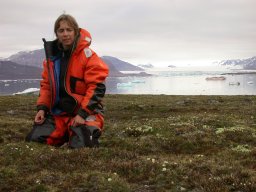 Inger Greve Alsos合作论文数Tromsø University Museum, University of Tromsø10
 Ludovic Gielly合作论文数Laboratoire d'Ecologie Alpine UMR 5553 UJF/CNRS, France10Thorsten Englisch合作论文数9
 Ovidiu Paun合作论文数Jodrell Laboratory, Royal Botanic Gardens8H Niklfeld合作论文数7
 Christian Brochmann合作论文数Department of Research and Collections, Natural History Museum, University of Oslo7
 Tod F. Stuessy (Tod Stuessy)合作论文数Department of Evolution, Ecology, and Organismal Biology, College of Arts and Sciences, The Ohio State University;University of Vienna7Conny Thiel-Egenter合作论文数7
 Niklaus Zimmermann合作论文数Department of Environmental Systems Science, Eidgenössische Technische Hochschule Zürich;Swiss Federal Research Institute WSL6
 Karol Marhold合作论文数Department of Evolution and Systematics, Plant Science and Biodiversity Centre, Slovak Academy of Sciences;Department of Botany, Faculty of Science, Charles University6
 Harald Zechmeister合作论文数Department of Botany and Biodiversity Research, University of Vienna;Department of Conservation Biology, Vegetation -
and Landscape Ecology, Faculty of Life Sciences, University of Vienna;Institute of Botany, University of Vienna;Institute of Ecology, University of Vienna;Institute of Plant Physiology, University of Vienna;University of Applied Sciences of Wiener Neustadt6
Harald Zechmeister合作论文数Department of Botany and Biodiversity Research, University of Vienna;Department of Conservation Biology, Vegetation -
and Landscape Ecology, Faculty of Life Sciences, University of Vienna;Institute of Botany, University of Vienna;Institute of Ecology, University of Vienna;Institute of Plant Physiology, University of Vienna;University of Applied Sciences of Wiener Neustadt6 Eric Coissac合作论文数INRIA-Rhône Alpes projet HELIX6
 Christoph Dobes合作论文数6
 Nadir Alvarez合作论文数Laboratoire d'Entomologie Evolutive, Université de Neuchâtel;Centre d'Ecologie Fonctionnelle et Evolutive, CNRS;Centre d'Ecologie Fonctionnelle et Evolutive, Université de Neuchâtel6Matthias Affenzeller合作论文数5Flavia Domizia Nardi合作论文数5
 Sandra Garcés-Pastor合作论文数Department of Evolutionary Biology, Universitat de Barcelona5
 Peter D Heintzman合作论文数Dept Ecol & Evolutionary Biol, Univ Calif Santa Cruz5
 Riccardo Negrini合作论文数Piacenza University5
 Tony Brown合作论文数University of Tromsø Museum5Myriam Gaudeul合作论文数5Marco Pellecchia合作论文数5Youri Lammers合作论文数5
 Marcela van Loo合作论文数5
 Thomas Wrbka合作论文数5Sabine Brodbeck合作论文数5Dietmar Moser合作论文数Department of Botany and Biodiversity Research, Faculty of Life Sciences, University of Vienna5
 Karl Hulber合作论文数Faculty of Life Sciences, University of Vienna5Luise Schratt-Ehrendorfer合作论文数5Scarlett Zetter合作论文数4Henar Alonso-Marcos合作论文数4
 Licia Colli合作论文数Dipartimento di Biologia;Evolutiva e Funzionale;Università di Parma4
 Hanna Weiss-Schneeweiss合作论文数Department of Systematic and Evolutionary Botany, University of Vienna4Delphine Rioux合作论文数4Fanny Schüpfer合作论文数4
 Pernille Bronken Eidesen合作论文数4
 Philippe Choler合作论文数LEA4
 Dorothee Ehrich合作论文数Centre for Ecological and Evolutionary Synthesis;Department of Biology;University of Oslo;Centre for Ecological and Evolutionary Synthesis, University of Oslo4
 Sebastien Lavergne合作论文数Department of Plant Biology;University of Vermont;Department of Plant Biology, University of Vermont4
 Michal Ronikier合作论文数Institute of Botany, Polish Academy of Science4Stéphanie Manel合作论文数3




