The purpose of the biennial Global Summits of GADRI is: to evaluate research achievements, identify research gaps and needs; to discuss research challenges, future research needs and possible outcomes; and to publish, share and promote the findings and recommendations of the Summits with academic research organizations, government agencies and international organizations. The Global Summit series of GADRI provides a unique platform for members to get together to exchange the latest research activities, challenges and gaps; encourage interactive communication among young scientists and researchers; promote collaborative research agendas, and institutional capacity building opportunities and researcher/student exchange programmes. Through the Global Summits of GADRI, the members of the GADRI are invited to present the latest important research outcomes, and sharing information on plans for implementation of their research projects, and identification and improvement of gaps between academic research and societal cognizant for resilience to disaster and recovery. In addition, discussions are held to evaluate and recommend directions for future research. The outcomes and feedbacks from the Summits shared among global stakeholders such as the UNDRR Global Platform for Disaster Risk Reduction or the UN Climate Change Conference of the Parties (COP) play a pivotal role in the policy making processes. The recommendations and resolutions are also opened to the public through the GADRI website and the Proceedings are published in a book format through Springer under the Disaster and Risk Research: GADRI Book Series.
The Sendai Framework for Disaster Risk Reduction marked a step change in the way health is recognized as core to managing disasters effectively. The recent COVID 19 global emergency further sensitized governments, societies and the research community of the need to build prevention into the recovery process. The World Health Organization (WHO) published the Health and Disaster Risk Management Framework in 2019. This is part of an approach that includes multiple aspects of the now established health and disasters agenda. From this the WHO Health Emergency and Disaster Risk Management Research Network, launched in 2018, has developed opportunities to drive progress in its increasingly people-centered and impact orientated research agenda.
This study surveyed member institutes of the Global Alliance of Disaster Research Institutes in order to elucidate their collective contributions to the Sendai Framework for Disaster Risk Reduction, climate change adaptation and mitigation, and COVID-19 research and response. Analysis of questionnaire survey responses from 36 institutes revealed that 1,086 professors were engaged in disaster risk reduction (DRR) research and educating 5,969 students, while responses from 19 institutes indicated a total expenditure of USD 218.8 million. Many of the responding institutes participated in national and local platforms for disaster risk reduction, climate change adaptation and mitigation, and COVID-19 research by performing natural hazard monitoring, disaster and climate modeling, epidemiological surveys, and so on. Although these data show that member institutes have contributed to international agendas, gaps have also been identified, including women’s participation in DRR research and education, low research expenditures in Africa, and a lack of DRR- and health-related studies.
The 5th Global Summit of GADRI: Engaging Sciences for Action drew together key findings from analysis of this theme across the active alliances in three regions of the world. Though occurring during the COVID-19 pandemic it brought to the fore a driving agenda of understanding disaster risk through focused research in action alongside policy arenas. As such it aimed to share its research-based achievements and consequent evidence-enhanced recommendations with global stakeholder events. This included as part of its ongoing contribution to the intended outcomes of the science and technology framework of the UNDRR via the Global Platform in Bali, May 2022 and significantly for this round to the UN Framework Convention on Climate Change (UNFCCC) via the 26th Conference of the Parties (COP26), at Glasgow in November 2021 facilitated via the UK Alliance of Disaster Research. Each of these major ambitions were achieved by this event. The recommendations were compiled collectively via the GADRI summit participants with these global forums in mind whilst also serving as a closing summary of what GADRI members recognized to be key areas for further investment and engagement amongst its membership.
The member institutes of the Global Alliance of Disaster Research Institutes (GADRI) fully recognise the importance of the United Nations Office for Disaster Risk Reduction (UNISDR) Sendai Framework for Disaster Risk Reduction 2015–2030 Mid Term Review.
For generations, cyclones and tidal surges have frequently devastated lives and property in coastal and island Bangladesh. This study explores vulnerability to cyclone hazards using first-hand coping recollections from prior to, during and after these events. Qualitative field data suggest that, beyond extreme cyclone forces, localised vulnerability is defined in terms of response processes, infrastructure, socially uneven exposure, settlement development patterns, and livelihoods. Prior to cyclones, religious activities increase and people try to save food and valuable possessions. Those in dispersed settlements who fail to reach cyclone shelters take refuge in thatched-roof houses and big-branch trees. However, women and children are affected more despite the modification of traditional hierarchies during cyclone periods. Instinctive survival strategies and intra-community cooperation improve coping post cyclone. This study recommends that disaster reduction programmes encourage cyclone mitigation while being aware of localised realities, endogenous risk analyses, and coping and adaptation of affected communities (as active survivors rather than helpless victims).
Consolidation of disaster and development studies as an integrated field of action research that influences policy has proved to be fundamental to global disaster risk reduction, sustainable development, climate change, and humanitarian agreements. However, challenges in achieving targets, such as those of the Sendai Framework for Disaster Risk Reduction 2015–2030 and the Sustainable Development Goals, requires further advances of the disaster and development paradigm underpinning these aspirations. This article presents perspectives that grew primarily from local action research, particularly research carried out with marginalized and highly at-risk groups of people in Southern Africa and South Asia. Analytical fronts from these findings emphasize disaster and development risk assessment opportunities that consolidate earlier ideas and extend understanding of disaster and development-related risk intervention options. These acknowledge severe shortcomings in disaster risk reduction progress while including greater use of hope as an active ingredient. This process of paradigm exploration remains fundamental to achieving disaster risk reduction, sustainable development, and associated policy objectives. The analysis presented here reiterates earlier groundings in people-centric perspectives, emphasizing social relations and systems of meaning as essential active ingredients for challenging power structures, technology, education, and human behavior. The analysis proposes some consequent thematic fronts for increased investment. These include investing in early buildup of well-being before a disaster, better living with uncertainty, and overcoming the barriers to desired disaster and development outcomes. The article is intended to contribute to an ever-evolving paradigm of disaster and development risk that requires impetus from personal and collective values beyond calculations of disaster and development.
Handwashing with soap (HWWS) has been estimated to have the potential to prevent 35% of the 704,880 deaths per year caused by diarrhoeal infectious diseases (UN Millennium Project, 2018), its wider risk reduction influence subsequently accentuated in times of COVID-19. However, this depends on place specific risk communication that leads to behaviour change, particularly amongst children in economically poor neighbourhoods. A study centred on five schools in the informal settlement of Kawangware, Nairobi found that puppetry, shadow shows and school model making produced effective risk communication and engagement spaces. Increased HWWS occurred when children designed, owned, and were able to apply risk communication.
Abstract Introduction This study assessed the timeliness and completeness of disease surveillance data for early warning of the cholera outbreak during the socio-political crisis of Southwest Cameroon in 2018. It determined how routine integrated disease surveillance and response (IDSR) data was used for preventative actions and the challenges faced by key health staff in IDSR based decision-making. Methods This was a mixed-methods study conducted from June 1st to September 30th 2021. District Health Information System 2 (DHIS2) data from January 2018 to December 2020 for the Southwest region of Cameroon were analysed using simple linear regression on EPI Info 7.2 to determine a potential association of the sociopolitical crisis with timeliness and completeness of data. Qualitative data generated through in-depth interviews of key informants were coded and analyzed using NVivo 12. Results During high conflict intensity (2018 and 2019), average data timeliness and completeness were 16.3% and 67.2%, respectively, increasing to 40.7% and 80.2%, respectively, in 2020 when the conflict intensity had reduced. There was a statistically significant weak correlation between reduced conflict intensity and increased data timeliness (R2 = 0.17, p = 0.016) and there was also a weak correlation between reduced conflict intensity and data completeness but this was not statistically significant (R2 = 0.01, p = 0.642). During high conflict intensity, the Kumba and Buea health districts had the highest data timeliness (17.2% and 96.2%, respectively) and data completeness (78.8% and 40.4%, respectively) possibly because of proximity to reporting sites and effective performance based financing. Components of IDSR that should be maintained included the electronic report aspect of the DHIS2 and the supportive supervision conducted during the outbreak. Staff demotivation, the parallel multiplicity of data entry tools, poor communication, shortage of staff and the non-usability of data generated by the DHIS2 were systemic challenges to the early alert dimension of the IDSR system. Non–systemic challenges included high levels of insecurity, far to reach outbreak sites and health personnel being targeted during the conflict. Conclusion In general, routine IDSR data was not a reliable way of providing early warning of the 2018 cholera outbreak because of incomplete and late reports. Nonetheless, reduced conflict intensity correlated with increased timeliness and completeness of data reporting. The IDSR was substantially challenged during the crisis, and erroneous data generated by the DHIS 2 significantly undermined the efforts and resources invested to control the outbreak. The Ministry of Public Health should reinforce efforts to build a reporting system that produces people-centered actionable data that engages health risk management during socio-political crises.
The Fourth Global Summit of Research Institutes for Disaster Risk Reduction: Increasing the Effectiveness and Relevance of Our Institutes was held at the Disaster Prevention Research Institutes (DPRI), Kyoto University, Uji Campus, Kyoto, Japan from 13th to 15th March 2019. The three-day conference included keynote speeches by prominent stakeholders from a multidisciplinary array of specialisations; group discussion sessions, panel and poster presentations. The 4th Global Summit aimed to achieve critical challenges facing the disaster risk research community in implementation of the Science and Technology Roadmap; and particularly focused on the conceptualisation of the Science and Technology Roadmap. The Final Resolution summarises the inputs from the group discussion sessions, commitments by the Members of GADRI; and the results shared at the UNDRR Global Platform for Disaster Risk Reduction held in May 2019.
The 4th Global Summit of Research Institutes for Disaster Risk Reduction (4thGSRIDRR2019) under the theme of Increasing the Effectiveness and Relevance of our Institutes was organized by the Global Alliance of Disaster Research Institutes (GADRI) and sponsored by the Kyoto University and the Disaster Prevention Research Institute (DPRI), Kyoto University. The summit was held at the DPRI, Uji Campus, Kyoto, Japan, from 13 to 15th of March 2019.
Prof. Collins shared information on the work done by the expert group of GRAF which is a framework for assessing risks. He presented this also as a significant manifestation of the principles often presented in earlier forums, that understanding risk better amplifies the risk assessment and management cycle. This is a risk governance concern dependent on the application of good data and in-depth analysis of processes of change in reducing major threats, resilience building and moving towards a more well-being orientated emphasis for the future of people and planet. A key point is that there is a common vision of enabling sustainable societies and systems for improved planetary well-being; this requires global risk assessment to help increase resilience in the light of more comprehensively understood risk. The GRAF vision, objectives, principles and processes are based around an appropriately comprehensive theory of change.
The concepts notes were developed to facilitate discussion among various stakeholders gathered from around the world to share information on their ongoing research activities and current research projects, find collaborative activity partners, showcase research achievements, and challenge further improvements to disaster risk reduction and resilience to disasters.
This chapter focuses on group discussion sessions targeting the Priority Areas of the Sendai Framework for Disaster Risk Reduction 2015–2030. Day one group discussion session efforts were on Priority Area One—Understanding Disaster Risks; and Day two emphasis was on Priority Areas 2, 3 and 4.
The Sendai Framework for Disaster Risk Reduction 2015–2030 draws our attention to work together towards reducing damages caused disasters to livelihoods and economies, especially in developing countries by 2030. This paper provides a brief summary of the 3rd Global Summit of Research Institutes for Disaster Risk Reduction under the theme of Expanding the Platform for Bridging Science and Policy Making (GSRIDRR 2017) successfully organized by the Global Alliance of Disaster Research Institutes (GADRI), and the Disaster Prevention Research Institutes (DPRI), Kyoto University at DPRI, Kyoto University, Uji Campus, Kyoto, Japan, from 19th to 21st March 2017. It reflects upon the keynote speeches, group discussion session and other activities that took place during the summit.
This panel discussion will seek to identify clear, near-term scientific messages on adaptation opportunities for the COP26 Adaptation and Resilience Theme priority. The session will address key questions such as: - What would you like to see in the CoP26 settlement to enhance capacity for adaptation nationally and internationally? - What would you like to see in the CoP26 settlement to realise the opportunity adaptation has for combating poverty nationally and internationally? - Can COVID-19 impacts on society and economy, and renewal investment plans be an opportunity to help focus the poverty alleviating opportunity of adaptation? - How might research funding and practice best enable innovative, pro-poor adaptation?
Partnerships have become a corner stone of contemporary research that recognizes working across disciplines and co-production with intended users as essential to enabling sustainable resilience-building. Furthermore, research that addresses sustainable development challenges brings an urgent need to reflect on the ways that partnerships are supported, and for the disaster risk management and resilience communities, efforts to support realization of the wider 2030 Agenda for sustainable development bring particular pressures. In November 2019, the UK Disasters Research Group (DRG) brought together a number of key stakeholders focused on disaster risk, resilience, and sustainability research relevant to Official Development Assistance to consider how fit for purpose existing partnership models are for the pace of change required to deliver the priorities of the wider 2030 Agenda. Participants were invited to discuss how research partnerships across three levels (individual and project-based; national and institutional; and international) could be improved based on elements that facilitate robust partnerships and learning from aspects that hinder them. From the discussions, participants emphasized the importance of effective communication mechanisms in building partnerships, co-designing projects, and establishing shared objectives. Enhanced approaches to addressing equitable partnerships and funding more substantive timelines will be key to responding to the challenges of the 2030 Agenda.
Climate change may affect human health through multiple and interactive pathways that include safe water scarcity. However, impacts of climate change-induced water scarcity on health and well-being are complex. About 80% of illnesses in developing countries are attributed to unsafe drinking water and waterborne diseases. In Southwestern Bangladesh, lack of safe drinking water is a severe crisis due to climate change. The study investigated the impacts of climate change on water resources and human health in a coastal area. A questionnaire survey was carried out in two villages of Shymnagar upazila on the southwestern coast to investigate the present status of safe water sources and health care facilities and their impacts on the local community. The results show that the local community believes that climate change is having substantial impacts on freshwater sources and health. More than 70% of the respondents identified diarrhea, dysentery, and skin diseases as the prime waterborne health risks that occur through climate-related safe water scarcity. By synthesizing the ground data, we suggest pathways to health adaptation to climate change effects and safe water scarcity through locally available adaptive practices such as the use of pond sand filters, rainwater harvesting, and importing potable water with the active participation of the government, nongovernmental organizations, and communities.
 Siambabala Bernard Manyena合作论文数19
 James Wilma合作论文数8
 Hirokazu Tatano合作论文数Graduate School of Engineering;Kyoto University;Graduate School of Engineering, Kyoto University8Jones Samantha合作论文数7
 Maureen Fordham合作论文数Institute for Risk and Disaster Reduction, Faculty of Mathematical & Physical Sciences, University College London6
 Fariba Alamgir合作论文数6
 Abbas Bhuiya合作论文数ICDDRB: Centre for Health and Population Research, Dhaka, Bangladesh6
 Papreen Nahar合作论文数6Murray Virginia合作论文数5
 Janaka Jayawickrama合作论文数College of Liberal Arts, Shanghai University5Ross Edgeworth合作论文数5
 Nibedita S. Ray-Bennett合作论文数5hideyuki shiroshita合作论文数4
 Emmanuel Mavhura合作论文数Dept Geog, Bindura Univ Sci Educ4
 Komal Raj Aryal合作论文数4Kaoru Takara合作论文数3Frank Mudimba合作论文数3
 Atta-Ur Rahman合作论文数Dept Geog, Univ Peshawar3john twigg合作论文数3Desmond Manatsa合作论文数Graduate School of Frontier Sciences, University of Tokyo3
 Maarten van Aalst合作论文数Red Cross/Red Crescent Climate Centre;International Research Institute for Climate and Society, Columbia University;International Research Institute for Climate and Society, Columbia University3Charles Scawthorn合作论文数Scawthorn Porter Associates3
 Edris Alam合作论文数3
 Tom De Groeve合作论文数Security of the Citizen, Ispra (VA), Italy3
 Khalid M. Mosalam合作论文数Department of Civil and Environmental Engineering, College of Engineering, University of California, Berkeley;Pacific Earthquake Engineering Research Center, University of California, Berkeley3
 Subhajyoti Samaddar合作论文数Graduate School of Engineering;Kyoto University;Graduate School of Engineering, Kyoto University3Adrian Bucher合作论文数2Srikantha Herath合作论文数2
 Sirajul Islam合作论文数2shaikh mehdee mohammad合作论文数2Wei-Sen Li合作论文数2Danisa Mudimba合作论文数2Koji Suzuki合作论文数2James Mori合作论文数2Ghani Rahman合作论文数2michael eburn合作论文数2
 Katarina Holla合作论文数Dept Crisis Management, Univ Zilina2Phil Okeefe合作论文数2
 Stefan Hochrainer-Stigler合作论文数Systemic Risk and Resilience Research Group, International Institute for Applied Systems Analysis2
 Ana Maria Cruz合作论文数EADP, University of North Texas Denton2Yuki Matsushi合作论文数2Geoff O'Brien合作论文数Disaster and Development Centre;Northumbria University;Disaster and Development Centre, Northumbria University2
 Sameh A. Kantoush合作论文数Disaster Prevention Research Institute (DPRI), Kyoto University2Amir Nawaz Khan合作论文数Centre for Disaster Preparedness and Management, University of Peshawar2
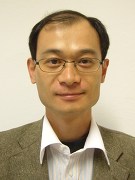 Tetsuya Takemi合作论文数Kyoto University2
 Elisabeth Krausmann合作论文数Joint Research Centre, Institute for the Protection and Security of the Citizen2
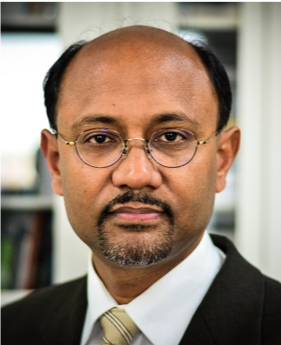 Rajib Shaw合作论文数Graduate School of Media and Governance, Keio University;Indian Institute of Technology Guwahati;Sichuan University;Resilience Innovation Knowledge Academy2
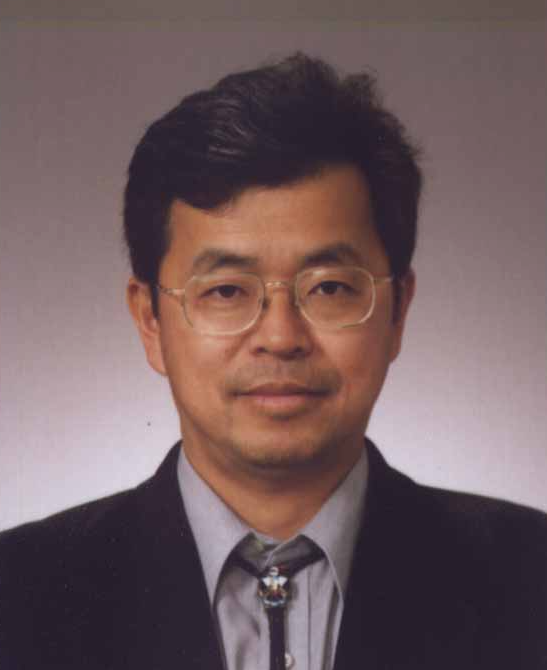 Masahiro Chigira (千木良雅弘)合作论文数Mountain Hazard Section, GeoDisaster Division, Disaster Prevention Research Institute, Kyoto University;Fukada Geological Institute2
 Abu Reza Md. Towfiqul Islam合作论文数Department of Disaster Science and Management, Begum Rokeya University of Rangpur1




