Traditional construction site safety surveillance methods, relying on manual inspections, are inefficient, prone to high error rates, and often suffer from delayed hazard detection and subsequent desired risk mitigation. To address these challenges, this paper presents an automated framework leveraging Vision-Language Model (VLM), enabling accurate identification of safety concerns in complex construction scenarios. Given the qualitative, context-rich nature of safety assessment and the scarcity oflabeled hazard data for training visual models, we propose a novel scene-descriptioncentric safety assessment framework. This approach uses the VLM to generate descriptive texts for site scenes, then evaluate themusing an ordinal regression modelto classify safety levels on a continuous scale. Supported by original datasets including over 120,000 image-text pairs and multi-state descriptive texts, our framework achieves over 65% accuracy in safety assessments on an expert-labeled benchmarkdataset. This work advances automated safety surveillance, offering scalable, efficient, and reliable solutions for construction engineering.
The California Department of Transportation (Caltrans) manages hundreds of Box-Beam Over-head Sign Structures (BBOSS) installed across its highway network. These steel structures are particularly vulnerable to corrosion damage, especially at the connections involving ribbed sheet steel vertical diaphragms. Corrosion prevention and repair constitute a significant portion of main-tenance costs for this infrastructure. Structural integrity is currently assessed primarily through visual inspections, a process that is inherently subjective and prone to inconsistencies. This project addresses the limitation of visual inspection by quantifying the relationship between observed corrosion and the corresponding degradation in structural strength. The overarching goal is to establish a robust and reliable mapping between corrosion indicators and capacity loss. To this end, the research integrates four complementary approaches: (1) highfidelity Finite Element (FE) modeling with model updating through optimization techniques, (2) full-scale experimental testing of actual BBOSS, (3) field testing involving vibration-based system identification of BBOSS, and (4) Artificial Intelligence (AI)-driven, vision-based methods for automated corrosion detection using image data. The study focuses on real-world BBOSS installations in California, including one near Davis (Northern California) and another near Seacliff in Ventura County (Southern California). The Seacliff structure, decommissioned due to aging, was transported to the Pacific Earthquake Engineering Research (PEER) Center’s Structural Laboratory for comprehensive testing. In the final phase, comparative testing between the corroded Seacliff structure and an identical, corrosion-free counterpart, supported by updated simulations, was conducted to derive quantitative correlations between corrosion severity and structural capacity loss.
Post-disaster field observations of the built environment are critical for advancing fundamental research that links hazard data to structural performance, cascading community impacts, and the development of effective mitigation strategies. Yet, data collection efforts remain fragmented across hazard types and infrastructure systems due to varying objectives, methodologies, protocols, and standards among investigators and organizations. To address this, a Unified Assessment Framework has been developed for standardized post-disaster hazard and structural assessment data and metadata collection across multiple natural hazards (earthquake, windstorm, coastal events) and infrastructure typologies. The framework encompasses a tiered performance assessment of infrastructure with increasing rigor and fidelity levels: Basic Assessment (BA), Load Path Assessment (LPA), and Detailed Component Assessment (DCA). The framework has been implemented as an open-access mobile application, the Structural Extreme Events Reconnaissance Network’s “StEER Unified App”, hosted on Fulcrum, a commercial data collection platform by Spatial Networks Inc. Along with unification of data fields, preliminary mapping rules were developed to map out existing hazard-specific damage rating scales (e.g., wind, surge/flood, rainwater ingress) to the European Macroseismic Scale (EMS-98) compatible unified damage scale, enabling consolidation of global damage ratings into a common data field, facilitating the unification of multiple hazards within a single app. In the mapping process, care was taken to retain the overarching damage level definitions (e.g., slight, moderate, severe damage) while customizing the specific descriptors to reflect hazard-specific damage mechanisms. Two use cases are presented to demonstrate the application of this framework through the StEER Unified App: a supervised pilot after the 2022 Hurricane Ian, Florida and an unsupervised deployment for the 2023 Turkey earthquake sequence. These deployments highlight the framework’s flexible and scalable nature, demonstrate the feasibility of standardized assessments, and offer insights into how data quality is influenced by assessor pre-deployment training and assessment tier, particularly for more complex tasks such as load path evaluation. This work advances the field by providing a scalable, standardized, and hazard-agnostic approach to structural field reconnaissance, enabling more consistent and coordinated data collection across events. The open-access framework and app not only support real-time deployments but also allow integration of legacy datasets into a unified platform—laying the foundation for longitudinal analyses, cross-hazard comparisons, and expanded data reuse within the Natural Hazards Engineering community.
This research presents a novel methodology that uses Temporal Convolutional Networks (TCNs), a state-of-the-art deep learning architecture, for predicting the time history of structural responses to seismic events. By leveraging accelerometer data from instrumented buildings, the proposed approach complements traditional structural analysis models, offering a computationally efficient alternative to nonlinear time history analysis. The methodology is validated across a broad spectrum of structural scenarios, including buildings with pronounced higher-mode effects and those exhibiting both linear and nonlinear dynamic behaviors. Applications demonstrate high prediction accuracy across diverse building types, using datasets from the California Strong Motion Instrumentation Program (CSMIP). Training dataset development is grounded in core principles of structural dynamics, with results interpreted through the lens of earthquake engineering. Additionally, a pilot study is presented to reconstruct ground motions using the measured responses of a building. Despite recognizing limitations such as dataset size and model generalizability, the study highlights the transformative potential of advanced Artificial Intelligence (AI) techniques in seismic response prediction. Future research will investigate complementary strategies, including physics-informed AI, transformer architectures, and neural operators, to further enhance prediction accuracy. These advancements pave the way for improved Structural Health Monitoring (SHM) and support the evolution of Performance-Based Earthquake Engineering (PBEE) methodologies.
In bridge health monitoring (BHM), a prominent goal is to rapidly deliver assessment metrics for these essential and aging urban lifelines when subjected to natural hazard. A vibration-based machine learning (ML) BHM paradigm has been established over the past three decades to allow near-real-time automated health state classification, with a particular focus on the tasks of feature engineering and ML damage identification. This paper presents the human-machine collaboration (H-MC) framework to address challenges of this paradigm, especially in the context of reinforced concrete highway BHM. These challenges include specification of strong motion events, data multidimensionality, and ML model interpretability. The H-MC framework for BHM employs the techniques of multivariate novelty detection and probability of exceedance envelope models with ordinal filter-based feature selection to maximize the use of available data from both recorded and simulated events while maintaining the statistical and physical significance of the results. The framework is demonstrated using a numerical example and two case studies. The findings show the effectiveness of the proposed method for efficient damage assessment to facilitate rapid decision-making.
For understanding characteristics of polymethylmetacrylate (PMMA) under impact, the damage behavior of PMMA plates with various thicknesses (1.5 to 6.0 mm) subjected to ballistic impacts with various velocities (63 to 180 m/s) is experimentally investigated using a specialized testing apparatus. Moreover, numerical simulations using FEM are conducted for the corresponding experimentally studied cases. Ductile response and brittle tensile failure behavior are considered in the FEM to describe the nonlinear response and the failure mode of the PMMA plates. The numerical simulations effectively describe the shape of cracks and perforations of the PMMA plates for all studied 25 cases, verifying the validity of the numerical model. Although the PMMA plates are generally brittle in the selected range of impact velocity, it was found that these plates exhibit ductile behavior under low-velocity impacts. Moreover, the numerical simulations imply that the kinetic energy loss of the projectile is linearly dependent on the plate thickness, whereas the impact velocity hardly affects this loss. This behavior obtained experimentally and numerically illustrates the usefulness of the PMMA material for the use as a protective layer in many applications involving ballistic (high-velocity) impacts. This study delves into the impact behavior of PMMA plates, offering insights with a range of practical implications. This research positions PMMA as a promising protective material for applications exposed to high-velocity impacts. The comprehensive understanding of failure modes aids in designing resilient PMMA structures. By subjecting PMMA plates of varying thicknesses (1.5 to 6.0 mm) to ballistic impacts at different velocities (63 to 180 m/s), this research reveals a nuanced interplay between ductile and brittle behavior within the material. The study uncovers a ductile response of the PMMA plates under low-velocity impacts, expanding the material's potential use in scenarios with lower impact velocities. Moreover, the linear relationship established between plate thickness and kinetic energy loss of the projectile, independent of the impact velocity, provides a practical basis for designing impact-resistant PMMA structures. The practical applications of the study extend to fields such as architectural glazing, automotive safety, and aerospace engineering, where protective materials play a crucial role in safeguarding against unexpected impacts. In summary, this study empowers practical decision-making by uncovering the PMMA's impact response, thereby contributing to optimized protective solutions across various domains.
A novel device based on the energy transfer concept, named impact mass damper (IMD), is presented for the mitigation of large structural vibrations due to horizontal seismic excitations. To achieve the optimal performance of the nonlinear device, coupled with different standard steel buildings, an optimization procedure is set both employing the design of experiments (DOEs) method and the Kriging surrogate modelling. Concerning the seismic input, site-specific ground motions and record-to-record variability are taken into account, in agreement with the new European standards. The validated performance of the IMD device demonstrates its benefits, in particular for short-period steel buildings.
According to the current state-of-practice, point-supported glazing systems can be supported by different structures with varying levels of flexibility. This paper presents results from numerical studies on the blast performance of frameless, point-supported Laminated Glass (LG) panes, with special consideration of the effects of support flexibility on the blast performance of the panes. Capacity Pressure-Duration (P-D) curves, maximum reaction forces, and maximum displacements of point-supported LG panes are derived for 36 unique point-supported LG panes subjected to nearly 80 different blast scenarios and evaluated at four limit states ranging from initial cracking to ultimate failure. Obtained results indicate that, generally, as the support stiffness decreases, initial cracking capacity of the point-supported LG panes increases. However, this is not the case in other limit states. For example, in the case of ultimate failure performance criteria, support flexibility has detrimental effects; as the support stiffness decreases, ultimate capacity of the point-supported LG panes also decreases. Therefore, neglecting the support flexibility is not necessarily a conservative assumption. This affirms the importance of considering support flexibility in the design of blast resistant glazing systems. Additionally, under the same blast loading, as the support stiffness decreases, the maximum support reaction tends to decrease and the maximum displacement of the pane tends to increase. It is important to note that these correlations may not agree in design cases targeting specific limit states.
The development of modern tall and irregular buildings has seen increased slenderness and axial force in columns that seriously jeopardize the seismic safety of the structures. Due to the restrictions of the testing facilities, existing experimental studies on slender RC columns under high-axial force are limited and primarily based on small cross-section specimens bent in single curvature and loaded monotonically. However, due to the size effects, test results from small-scale and monotonic loading experiments may not sufficiently reflect the realistic seismic behavior of double curvature RC columns in full-scale buildings. Furthermore, the applied vertical load in typical single curvature tests could not maintain constant and may reduce significantly upon large deflection. Hence, this study aimed to provide new and critical insights into the seismic performances of full-scale slender and large cross-section RC columns with various transverse reinforcement designs under a constant high axial load of up to 50% of the axial capacity. The full-scale specimens were tested in a double-curvature configuration under lateral displacement reversals and high axial loads. The tested slender columns experienced increasingly significant P-Δ moment magnification effects with further drifts after yielding, imposing greater loading demand on the sections and destabilizing the columns after the peak loads. The robustly anchored transverse reinforcement not only improved the typical seismic performance indicators, including strength retention and drift capacity, but also reduced the P-Δ moment magnification experienced by slender columns, thus enhancing the stability index. Furthermore, the plastic hinge lengths increased in slender columns under high axial load due to P-Δ moment magnification. Lastly, suitable methods for assessing the behavior of slender RC columns based on design codes or existing analytical models are recommended.
In the year 1999, two devastating earthquakes (Mw 7.4 Kocaeli earthquake in August and Mw 7.2 Düzce earthquake in November) occurred in Northwest Türkiye. These two earthquakes led to a very large number of casualties and building collapses. When the 1999 earthquakes occurred, most of the structures in the earthquake-impacted region were not designed according to modern seismic design codes. During the 25 years following those earthquakes, there have been significant advances in building construction in the light of earthquake engineering, including adequate seismic codes, new regulations, and effective code enforcement in the earthquake impacted region. These advances have been reflected in the construction of new structures in the region and the retrofitting of existing ones. As a result, 70–80
Traditional facade design practices are mostly based on the designers' intuition or a single performance criterion such as U- and g-values, which only describe a single facade property. However, facade optimal design in an early stage has a significant influence on the final overall building performance in regard to energy consumption, economical cost, CO2 emission, etc. The main challenge is represented by several sources of uncertainty during the life-cycle. In this paper, the goal of finding a sustainable facade design solution is addressed through the reliability framework of sustainable and resilient engineering (SRE), which is used to predict probabilistic performances, whereas the design alternatives are ranked through the multiattribute utility theory. The adopted metric for ranking these alternatives is the generalized expected utility (GEU), which incorporates the expected utility as a particular case. It is recognized that, under limited and incomplete information, decision-makers are risk-averse, which may provide a suboptimal design. Within the GEU, the optimal design under uncertainty is modeled through superquantiles, which allow evaluating the optimal design with respect to frequent events (i.e., service limit states) and extreme events (i.e., ultimate limit state). It is shown that SRE can include traditional design approaches as particular cases. The main features of the proposed framework are demonstrated through an application to a facade design of a hypothetical commercial office in Singapore with three types of facade options. With the output of the simulations through the EnergyPlus software, the alternatives are successfully ranked using SRE and compared with traditional design practices. The case study shows that the proposed methodology has the potential to overcome the limitation of the current design process and to guide the procurement processes in early facade design. Under the growing climate crisis, the environmental impact's relief requirements have motivated the design of sustainable buildings. Traditional facade design practices are mostly based on designers' intuition, personal experience, and provisions of national codes and standards. This approach may be neither efficient nor flexible and can only satisfy the minimum requirements of the projects and national design standards. Actually, it is quite likely to fail in meeting requirements of different involved stakeholders, especially with the reference to sustainable design. In this study, a novel multicriteria early-stage designs of building facades, grounded on a framework of sustainable and resilient engineering, is presented. The comprehensive consideration of the uncertainties within the decision-making process provides interpretability and explainability to the design choices, e.g., the moisture effect on the uncertainty of the thermal conductivity of opaque facade materials. A benchmark case study shows that: (1) sustainable design may sometimes be hardly incorporated by the traditional design approaches; (2) the current practices may give rise to unconservative designs; and (3) the proposed approach is a viable solution for sustainable facade designs.
Structural simulation models using pre-defined assumptions and values of material properties usually produce results that differ from the real structures with varying degree of accuracy. This is commonly attributed to two broad types of uncertainties, namely aleatory (related to inherent randomness) and epistemic (related to lack of knowledge). Sources of such uncertainties include material properties, construction techniques, aging, and natural or man-made hazard-induced damage. Accurate computational models with on-time model updating capabilities are important goals in engineering research and practice for monitoring the structural health during the operation stage and for making rapid and well-informed decisions following extreme events, for example, major earthquakes. Moreover, the advances and recent adoption of artificial intelligence technologies bring effective and innovative solutions for the structural model updating endeavors. In this paper, a novel model updating method is proposed using two deep reinforcement learning algorithms, namely, Advantage Actor-Critic and Asynchronous Advantage Actor-Critic. In addition, transfer learning is adopted, which generalizes the trained model to various scenarios and enhances the computational efficiency. Through several computer experiments, the results demonstrate the high accuracy and computational efficiency of the proposed approach, which brings about its promising potential for practical engineering applications.
The assessment of bridge settlements is a challenging and significant problem. Moreover, aging of highway bridges is a growing concern in the US, especially when continuous monitoring is lacking. To facilitate expedient monitoring of bridges, this paper presents a projected laser system (PLS) method for monitoring that can autonomously measure and remotely report relative vertical settlements of bridges. The method uses a vision-based measurement system involving the projection of a laser pattern from a laser unit to a target unit. A cost-effective prototype implementing the PLS method was built using low-cost electronic hardware parts. The prototype of the proposed embedded system design was shown to have sub-millimeter accuracy in a laboratory experiment, and was deployed in the field to monitor a pedestrian-vehicle bridge to evaluate its overall performance.
In this paper we introduce a framework of Quantum Probability (QP) as a generalized probability theory under limited information. We show that the proposed QP includes the Classical Probability (CP) as a particular case. Moreover, QP is linked to the classical mechanics through the concepts of action, Lagrangian and Hamiltonian. Starting from our QP formalism we sketch the formulation of Quantum Physics Neural Networks (QPNN) able to take into account limited information and model uncertainty. Relations with statistical physics and Ising model, Reduced Boltzmann Machines (RBM) and Deep Belief Networks (DBN) are discussed. It is also discussed their connection with Quantum Imprecise Bayesian Network (QIBN), recently proposed for sustainability and resilience of socio-ecological technical systems under uncertainty.
 Selim Gunay合作论文数Dept Civil & Environm Engn, Univ Calif Berkeley43
 Yuqing Gao (高宇擎)合作论文数Department of Disaster Mitigation for Structures, College of Civil Engineering, Tongji University18
 Umberto Alibrandi合作论文数16
 Shakhzod Takhirov合作论文数University of California12
 Xiao Liang合作论文数10
 Sifat Muin合作论文数Department of Civil and Environmental Engineering, University of California10
 Mohamed A. Moustafa合作论文数Faculty of Pharmacy, King Abdulaziz University9
 Mohammadreza Eslami合作论文数8
 Baofeng Huang (黄宝锋)合作论文数State Key Laboratory of Disaster Reduction in Civil Engineering, Tongji University8Amarnath Kasalanati合作论文数7
 Wensheng Lu (卢文胜)合作论文数College of Civil Engineering, Tongji University7
 Tae-Hyung Lee合作论文数Seoul National University7hyerin lee合作论文数6
 Sangjoon Park合作论文数Information & Media Technology Institute, Soongsil University6
 Venkatesh Kodur合作论文数Department of Civil and Environmental Engineering, College of Engineering, Michigan State University6
 Yalin Arici合作论文数6
 Chenjie Gong (龚琛杰)合作论文数School of Civil Engineering, Central South University5
 Wenqi Ding (丁文其)合作论文数Department of Geotechnical Engineering, College of Civil Engineering, Tongji University5
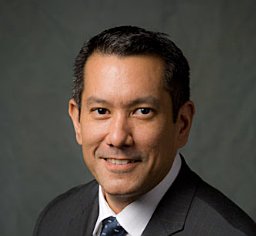 Clay J. Naito合作论文数Dept Civil & Environm Engn, Lehigh Univ5
 Mohamed M Talaat合作论文数4
 Aashish Ahuja合作论文数Calif Med Innovat Inst4
 Matias Hube合作论文数Dept Struct & Geotech Engn, Pontificia Univ Catolica Chile4Wen-Shao Chang合作论文数School of Architecture, Faculty of Social Sciences, The University of Sheffield4
 Shiming Chen (陈世鸣)合作论文数Department of Disaster Mitigation for Structures, College of Civil Engineering, Tongji University4Alidad Hashemi合作论文数4
 Kenichi Soga合作论文数Department of Civil and Environmental Engineering, University of California Berkeley4
 Jack P. Moehle合作论文数Department of Civil & Environmental Engineering, University of California, Berkeley4
 Richard N. White合作论文数Cornell University4Eric Fujisaki合作论文数3Kaoru Takara合作论文数3clement barthes合作论文数3
 Pardeep Kumar合作论文数School of Pharmaceutical Sciences, Shoolini University of Biotechnology and Management Sciences3James Wilma合作论文数3He Liu (刘荷)合作论文数3
 Tarek I. Zohdi合作论文数Department of Mechanical Engineering, University of California, Berkeley3
 Martin Neuenschwander合作论文数Meta3
 Marc Rebillat合作论文数Arts et Métiers Paristech, PIMM3
 Paolo Gardoni合作论文数Department of Civil and Environmental Engineering, Grainger College of Engineering, University of Illinois Urbana-Champaign;Department of Industrial and Enterprise Systems Engineering, Grainger College of Engineering, University of Illinois Urbana-Champaign3Peter Gergely合作论文数3
 Masayoshi Nakashima合作论文数Kyoto University;Kobori Research Complex;Kajima Corporation3
 Andrew E. Collins合作论文数3
 Armen Der Kiureghian合作论文数Department of Civil and Environmental Engineering, College of Engineering, University of California, Berkeley;American University of Armenia3
 Hirokazu Tatano合作论文数Graduate School of Engineering;Kyoto University;Graduate School of Engineering, Kyoto University3Markus Knobloch合作论文数Institute of Structural Engineering, ETH Zurich3Charles Scawthorn合作论文数Scawthorn Porter Associates3Nazih Mechbal合作论文数3
 Bozidar Stojadinovic合作论文数Department of Civil, Environmental and Geomatic Engineering, ETH Zürich3
 Tom De Groeve合作论文数Security of the Citizen, Ispra (VA), Italy3
 Sanjay Govindjee合作论文数Department of Civil Engineering and the Horace, Dorothy, and Katherine Johnson Endowed, University of California, Berkeley3




