OBJECTIVE:To evaluate the association between long-term finasteride use and incident benign prostatic hyperplasia (BPH) and prostate cancer (PCa) diagnosis. Low-dose finasteride (1 mg) is widely prescribed for androgenic alopecia, often via telemedicine, resulting in prolonged use in men without baseline prostatic disease. While higher-dose finasteride is studied for BPH and PCa prevention, urologic outcomes of chronic low-dose use remain unclear. METHODS:In this retrospective cohort study using the TriNetX Research Network, adult men with androgenic or nonscarring alopecia and no prior BPH or PCa were included. Exposure cohorts were defined by continuous finasteride 1 mg use for ≥3 or ≥5 years and compared to alopecia controls without finasteride. Cohorts were matched 1:1 via propensity scores for demographics, comorbidities, labs, medications, and healthcare utilization. Time-to-event analyses used Kaplan-Meier and Cox models, with hazard ratios (HRs) as the primary measure. RESULTS:After matching, 6741 patients per group comprised the 3-year cohort and 4534 per group the 5-year cohort. At three years, finasteride was associated with lower BPH (HR 0.64, 95% CI 0.55-0.75) and PCa diagnosis (HR 0.49, 95% CI 0.33-0.74). At five years, finasteride was associated with lower BPH (HR 0.52, 95% CI 0.43-0.63) and PCa diagnosis (HR 0.47, 95% CI 0.28-0.79). Patterns were consistent for symptomatic and asymptomatic BPH. Absolute PCa diagnosis rates remained low. CONCLUSIONS:In men treated for alopecia, long-term low-dose finasteride was associated with reduced incident BPH and PCa diagnosis. Prospective studies are needed to clarify mechanisms and long-term clinical implications.
e17080 Background: The purpose of this study was to determine risk factors for having high-grade prostate cancer at biopsy by analyzing commonly dispensed medications and patient comorbidities. Methods: This was a retrospective chart review of an inner-city demographic. Patients who had their biopsy performed at Kings County Hospital from 2018 to 2024 were included if their first biopsy during this period showed adenocarcinoma. Demographics along with past medical history on common comorbidities and their subsequent medications were identified and analyzed. Lastly, prostate-specific antigen value (PSA) that preceded the biopsy (within 3 months) and Gleason Score were also included. To determine differences between the very high-grade cancer group and the rest of the cohort, comparisons were made using chi-square tests for categorical variables and independent sample t-tests for continuous variables. Levene’s test was used to confirm equal variance of continuous variables if this resulted in a significant value, then a Welch’s t-test was performed instead. Subsequently, a logistic regression was performed to derive odds ratios where higher odds indicate increased risk at higher grade cancer. Results: This study included 302 patients with an average age of 66.3 ± 7.4 years. The study included primary Black/African American individuals (N = 282, 93.4%). From a total of 302 patients, 16.9% (N = 51) had a Gleason Score of 9 or 10. A summary comparing variables from this group to patients with lower Gleason Scores is shown in Table 1. Logistic regression log odds are summarized in Table 1. Log of PSA values had an odds ratio of 3.18 [2.25, 4.49] and beta-blocker use was also significantly associated with a greater risk of very high-grade cancer with an odds ratio of 7.11 [2.12, 23.78] when adjusted for all other variables. No other tested variable showed significant results. Conclusions: This study shows that lifetime use of beta-blockers may be a risk factor for high-grade prostate cancer amidst a slew of commonly administered medications and patient comorbidities in an underserved patient population. Variable Gleason Score ≤ 8(N = 251) Gleason Score ≥ 9(N = 51) P Value χ2/ t tests Odds Ratio[95% CI] P Value Odds Ratio Age 65.8 ± 7.2 68.8 ± 8.0 0.01 1.03 [0.97-1.09] 0.109 PSA 31.8 ± 86.2 414.6 ± 702.3 < 0.001 3.18 [2.24-4.49] <0.001 ACE Inhibitor 56 (22%) 15 (29%) 0.28 2.54 [0.86-7.48] 0.214 Beta Blocker 28 (11%) 12 (24%) 0.017 7.11 [2.12-23.78] 0.005 Insulin 28 (11%) 5 (10%) 0.78 0.56 [0.10-3.19] 0.913 Metformin 50 (20%) 6 (12%) 0.17 0.24 [0.04-1.28] 0.229 Statins 130 (52%) 18 (35%) 0.032 0.45 [0.12-1.62] 0.123 Diabetes 83 (33%) 15 (29%) 0.61 1.09 [0.31-3.81] 0.873 Heart Failure 11 (4%) 4 (8%) 0.30 1.87 [0.37-9.41] 0.565 Hyperlipidemia 119 (47%) 21 (41%) 0.42 1.81 [0.55-5.94] 0.455 Hypertension 177 (71%) 33 (65%) 0.41 0.47 [0.17-1.33] 0.337 Smoker 55 (22%) 13 (25%) 0.58 2.17 [0.80-5.85] 0.313
Introduction The change in Prostate Specific Antigen (PSA) over time, known as PSA velocity (PSAV), has been proposed as a measurement for improving the specificity of PSA monitoring for prostate cancer screening; however, its utility is controversial. Some studies use PSA doubling time (PSADT) as a readout of biochemical and clinical progression. Studies suggest that the validity of PSAV thresholds varies depending on the demographics of the patient population. Few studies investigate how PSAV and PSADT can be used to stratify prostate cancer risk in black populations. Black men have the highest incidence of prostate cancer out of any group in America. This retrospective study aims to compare PSAV and PSADT in patients who received prostate biopsy with pathology results of inflammation versus cancer to determine how PSAV and PSADT impact the risk of prostate cancer in a predominantly Afro-Caribbean patient population. Methods Prostate biopsies from Kings County Hospital, Brooklyn, New York, from 01/2018 to 04/2024, were retrospectively reviewed and recorded in the REDcap database. Patients with three PSA values at least 18 months, with six months between each, were included. Pathology results were classified into cancer (N=155) and inflammation (N=70). The cancer cohort was stratified to adjust for treatment (N=126, 81%). PSAV calculation used untransformed PSA values that met the previously mentioned inclusion criteria. The cancer cohort (calculated before treatment, N=50) was compared to the inflammation group (N=64). PSA doubling times (at least two PSA values, three months apart) were also compared between the cancer cohort pre- and post-treatment (N = 68, 63) and the inflammation cohort pre- and post-biopsy (N = 34, 39) when PSAV could not be calculated. Odds ratio, sensitivity, and specificity were calculated using several PSAV and doubling time thresholds. Results Increasing threshold PSAV increased specificity in identifying a cancer patient (Figure 1). However, returns were limited as using a PSAV threshold of 2.00 ng/mL/Yr, 16 of 50 (32%) cancer patients met the threshold. This contrasts with 36 of 50 patients (72%) who met the lowest threshold. 0.65 ng/mL/Yr yielded the highest odds ratio (OR = 3.97, 95% CI [1.81, 8.71]) amongst results where p < 0.05. When comparing PSA doubling time using values of less than 6 and 10 months as thresholds between pre-treatment cancer and pre-biopsy groups, there were no significant findings. However, comparing post-treatment cancer cohort to post-biopsy inflammation, both a cutoff of 6 (OR = 3.33, 95% CI [1.44, 7.67]) and 10 months (OR = 3.44, 95% CI [1.49, 7.93]) showed similar significant findings (Table 1). Conclusions PSAV has the potential to increase the specificity of PSA monitoring, particularly in black populations that have a high incidence of disease. Our data suggests that when taken together with PSA value, PSAV can improve the specificity of PSA monitoring in an Afro-Caribbean population. PSADT may be helpful in the decision to perform or repeat a prostate biopsy if the initial biopsy showed inflammation in this patient population. However, our research suggests that PSADT does not help estimate the risk of cancer in individuals who have never received a biopsy.
OBJECTIVE To analyze the research productivity of 2024 urology residency applicants and its impact on match outcomes following the transition of the Step 1 exam to a Pass/Fail scoring system. METHODS We conducted a retrospective review of PubMed-indexed publications for 98 applicants matched to the top 25 urology residency programs, as ranked by Doximity. Metrics such as the number of publications, citations, journal impact factors, and authorship rank were analyzed. Statistical comparisons of publication rates between top-ranked and lower-ranked programs were made using independent samples t-tests. RESULTS The average number of publications per applicant was 5.95, with those entering top-ranked programs exhibiting higher research outputs. Most publications were found in journals like "Urology" and "Urology Practice." A significant portion of the research was published in the final year of medical school, indicating a push for paper acceptances prior to the urology application deadline date. DISCUSSION The increase in research output among applicants reflects the shifting weights of factors important for residency competitiveness following the Step 1 Pass/Fail scoring changes. Early engagement and mentorship in research have been shown to increase the research output of students. The findings of this study clarify the research expectations of matching successfully into a top urology program and can be used by both medical students and program directors in the current and upcoming cycles. UROLOGY 197: 254-259, 2025. (c) 2024 Elsevier Inc. All rights are reserved, including those for text and data mining, AI training, and similar technologies.
Introduction Heart failure (HF) represents a substantial global health concern, evidenced by its high prevalence, significant mortality rates, and considerable economic impact worldwide. Within this broader context, congestive heart failure (CHF) emerges as a critical subset, affecting millions and leading to high rates of morbidity and mortality. Recent explorations have started to uncover a potential link between kidney stones and broader systemic health problems, including coronary artery disease. This association suggests that kidney stones might also indicate an increased risk for cardiovascular diseases such as CHF. However, the exploration into the direct relationship between kidney stones and CHF is still in its nascent stages, creating a significant gap in understanding the full cardiovascular implications of kidney stone disease. Methods Utilizing data from the National Health and Nutrition Examination Survey (NHANES) for the period of March 2017 to March 2020, we conducted a logistic regression analysis to assess the relationship between kidney stones and CHF. This analysis adjusted for key variables such as age, gender, race, and educational attainment, aiming to isolate the impact of kidney stones on CHF risk among 8,521 participants. Results Our findings revealed a higher incidence of CHF among individuals with a history of kidney stones (7%) compared to those without (3%). Logistic regression analysis further highlighted kidney stones as an independent risk factor for CHF, with an odds ratio (OR) of 1.857, significant at p < 0.01. These results underline the importance of considering kidney stones in the broader context of cardiovascular health risks, particularly CHF, as their presence significantly elevates the risk compared to the general population without kidney stones. Additional demographic analyses indicated significant influences of age, gender, race, and educational level on the risk of CHF, emphasizing the complex interplay between these factors and heart health. Conclusion The study confirms the association between a history of kidney stones and an increased risk of CHF, suggesting the need for heightened cardiovascular monitoring for patients with such a history. It also brings to light the significant role demographic factors play in CHF risk, advocating for targeted interventions to mitigate these disparities. Our research supports a broader view of patient care that includes consideration of urological conditions as potential risk factors for heart failure. Further exploration into the mechanisms linking kidney stones and cardiovascular health is recommended to inform more effective prevention and treatment strategies.
Introduction Prostate cancer and hepatitis C virus (HCV) infection stand as notable worldwide health issues. Investigating the connection between HCV infection and the risk of prostate cancer remains an ongoing endeavor, complicated by contradictory findings in prior research. It is imperative to comprehend this potential relationship in order to enhance strategies for prevention and treatment. This paper seeks to delve into the association between HCV infection and prostate cancer by analyzing data from the National Health and Nutrition Examination Survey (NHANES), a comprehensive cross-section of the US population. Methods Information extracted from the NHANES dataset encompassed the period spanning from March 2017 to March 2020, with a focus on the "medical conditions" and "hepatitis" segments. Employing logistic regression analysis, we aimed to discern the connection between HCV infection and the prior occurrence of prostate cancer. This analysis was conducted while factoring in variables such as weight, hypertension, hyperlipidemia, race, educational level, and marital status to ensure the accuracy of the findings. The results of this examination yielded adjusted odds ratios (OR), coefficients of association (B), and corresponding confidence intervals (CI). Results The outcomes derived from the comprehensive multivariate logistic regression analysis, utilizing NHANES data, indicated an absence of a statistically noteworthy correlation between HCV infection and the probability of prostate cancer occurrence. While accounting for diverse variables like weight, hypertension, hyperlipidemia, race, educational level, and marital status, no substantial relationship was observed between HCV infection and the risk of prostate cancer. These results are consistent with earlier investigations that similarly struggled to establish a definitive connection between HCV infection and the incidence of prostate cancer. Conclusion Drawing from NHANES data, this study indicates the absence of a substantial link between HCV infection and the incidence of prostate cancer. The divergent findings observed in prior research accentuate the intricate nature of the connection between HCV infection and prostate cancer. Future investigations should encompass more extensive sample sizes, prospective frameworks, and a meticulous assessment of potential variables that might confound the results. Furthermore, it is important to examine the potential protective impact of HCV infection due to antiviral interventions and its effect on the associated risk of prostate cancer. Such endeavors would offer valuable insights for individuals grappling with these health challenges.
Introduction Patients with urologic malignancies may require major procedures as part of their treatment course, following which their quality of life may be significantly impacted. In fact, those who undergo major procedures such as radical prostatectomies, cystectomies, and nephrectomies can experience significant loss of independence (LOI), defined as loss of former daily function and mobility that results in relocation to supervised living. Several preoperative factors may predispose patients to LOI, although these have not been characterized for major urologic oncology procedures. In our study, we aimed to analyze the American College of Surgeons National Surgery Quality Improvement Program (ACS-NSQIP) Participant Use Data File for factors predictive of LOI following radical prostatectomies, cystectomies, and nephrectomies. Methods Cases of major urologic oncology procedures (radical prostatectomies, cystectomies, and nephrectomies) were retrieved from ACS-NSQIP for the years 2010-2021. Functionally independent patients admitted from home with a postoperative diagnosis of malignancy and no concurrent significant procedures were included in the analysis. Patients were categorized into the no LOI group if their discharge destination was home, and the LOI group if discharged to a skilled or unskilled care facility. Preoperative factors assessed included sex, age, race, BMI, ASA classification, smoking status, presence of comorbidities (chronic obstructive pulmonary disease (COPD), congestive heart failure (CHF), hypertension, diabetes, dialysis, bleeding disorder), presence of disseminated cancer, chronic steroid use, >10% weight loss over 6 months, presence of sepsis, and transfusion requirement. Multivariable logistic regression of all available preoperative parameters was performed. Results 84,113 prostatectomies, 16,192 cystectomies, and 29,517 nephrectomies were analyzed, for which LOI rates were 0.2%, 6.5%, and 3.0%, respectively. Females had a greater association with LOI for cystectomies (OR 1.87, p<0.01) but a lower association for nephrectomies (OR 0.64, p<0.01). The only race-related association to LOI was for Blacks undergoing prostatectomy (OR 2.09, p<0.01). Additionally, being underweight or severely obese, having diabetes, and recent weight loss were associated with LOI for cystectomies and nephrectomies (Tables 1 and 2). Smoking was associated with LOI for prostatectomies and cystectomies, while CHF, dialysis, and disseminated cancer were associated with LOI for nephrectomies. Chronic steroid use was protective against LOI (OR 0.62, p=0.03) for cystectomies. Across all procedures, age, ASA class 3-4, COPD, and preoperative transfusion were associated with LOI while hypertension and sepsis were not. Conclusions LOI is an important patient-centered outcome that should be incorporated into discussions with patients regarding expectations following major urologic oncology surgeries, especially following radical cystectomies where it can be seen in as high as 6.1% of the patients. While certain factors that are associated with LOI such as sex, age, race, recent weight loss, dialysis, and disseminated cancer;are not modifiable preoperatively, they can guide the decision making and postoperative planning process. On the other hand, risk factors such as obesity, smoking, steroid use, diabetes, CHF, COPD, and preoperative transfusion may be optimized or managed preoperatively to minimize LOI. Addressing preoperative factors associated with LOI during the shared decision-making process can help optimize patient quality of life and disposition following major procedures.
Introduction:Since the integration of the intern year into urology residencies, programs are mandated to introduce fundamental skills to junior residents. Our goal was to assess the impact of one such program: the 2023 New York Section of the AUA (NYS-AUA) EMPIRE (Educational Multi-institutional Program for Instructing REsidents) Boot Camp.Methods:Junior urology residents from all 10 NYS-AUA institutions attended a free EMPIRE Boot Camp on June 9, 2023. The seminar covered procedural skills including urethral catheterization, cystoscopy, renal and bladder ultrasound, transrectal prostate ultrasound with biopsy, and an introduction to robotics/laparoscopy. Sessions focused on urologic emergencies and postoperative scenarios. Participants completed questionnaires before, immediately after, and 6 months post course, assessing comfort with procedures and overall program quality using a 5-point Likert scale and free text responses. t Tests compared pre and immediate/6-month post scores.Results:Forty junior residents, along with faculty and resident instructors from all 10 NYS-AUA programs, participated. Of the 40 trainees, 35 (87.5%) completed pre- and immediate post-boot camp surveys, while 23 (57.5%) responded to the 6-month follow-up survey. Ratings showed significant improvement in comfort with basic urologic technical skills for 13 out of 14 domains (93%) immediately after the course and at the 6-month mark. Attendees reported notably higher comfort levels in managing obstructive pyelonephritis (P = .003) and postoperative complications (P = .001) following didactic sessions.Conclusions:A skills-based, free collaborative urology boot camp for junior residents is feasible and can be effective. Trainees reported improved comfort performing certain technical skills and managing urologic emergencies both immediately after the course and at 6 months of follow-up.
Hereditary transthyretin amyloidosis (ATTR) is an autosomal dominant, life-threatening genetic disorder caused by a single-nucleotide variant in the transthyretin gene. This mutation leads to the misfolding and deposition of amyloid in various body organs. Both mutant and wild-type transthyretin contribute to the resulting polyneuropathy and cardiomyopathy, leading to significant sensorimotor disturbances and severe cardiac conditions such as heart failure and arrhythmias, thereby impacting quality of life. Despite several treatments, including orthotopic liver transplantation and transthyretin tetramer stabilizers, their limitations persisted until the introduction of RNA interference (RNAi). RNAi, a means to regulate mRNA stability and translation of targeted genes, has brought about significant changes in treatment strategies for ATTR with the introduction of patisiran in 2018. This study reviews patisiran, vutrisiran, inotersen, and eplontersen, developed for the treatment of ATTR. It provides an overview of the clinical trial outcomes, focusing mainly on quality of life, adverse reactions, and the future of RNAi-based therapies.
Prostate cancer (PCa) represents a significant health burden globally, ranking as the most diagnosed cancer among men and a leading cause of cancer-related mortality. Conventional treatment methods such as radiation therapy or radical prostatectomy have significant side effects which often impact quality of life. As our understanding of the natural history and progression of PCa has evolved, so has the evolution of management options. Active surveillance (AS) has become an increasingly favored approach to the management of very low, low, and properly selected favorable intermediate risk PCa. AS permits ongoing observation and postpones intervention until definitive treatment is required. There are, however, challenges with selecting patients for AS, which further emphasizes the need for more precise tools to better risk stratify patients and choose candidates more accurately. Tissue-based biomarkers, such as ProMark, Prolaris, GPS (formerly Oncotype DX), and Decipher, are valuable because they improve the accuracy of patient selection for AS and offer important information on the prognosis and severity of disease. By enabling patients to be categorized according to their risk profiles, these biomarkers help physicians and patients make better informed treatment choices and lower the possibility of overtreatment. Even with their potential, further standardization and validation of these biomarkers is required to guarantee their broad clinical utility. Active surveillance has emerged as a preferred strategy for managing low-risk prostate cancer, and tissue-based biomarkers play a crucial role in refining patient selection and risk stratification. Standardization and validation of these biomarkers are essential to ensure their widespread clinical use and optimize patient outcomes.
An intrauterine device (IUD) is a highly effective and widely utilized option for long-acting reversible contraception. IUDs are generally well-tolerated with a low rate of serious complications. Perforation of an IUD through the uterine wall and into the urinary bladder is a rare event that may be asymptomatic. The approach for surgical removal primarily depends on the location of the device. We present a case report of a 41-year-old woman who was found to have a partially intravesical IUD and associated 2.4 cm bladder calculus. Removal of the intravesical IUD and stone was achieved with cystoscopy, cystolitholapaxy, and robot-assisted laparoscopic cystotomy.
Introduction: The purpose of this study was to determine which characteristics of urology residency programs are most highly valued by medical students and residents, and how these change during training. Materials and methods: We distributed a survey to urology residents and medical students interested in urology via program director email and social media. The survey collected demographic data, future career plans, and asked respondents to rank the relative importance of six categories of residency program characteristics and specific characteristics within each category. Results: Among the six categories of residency characteristics, resident experience was ranked most important by both medical students and residents, followed by geography and clinical experience which were tied. Medical students ranked clinic experience and formal mentorship with greater importance while residents placed higher value on the active role of clinical faculty and help from advanced practice providers. Trainees planning for an academic career ranked research experiences and resident diversity as more important than those entering private practice. Conclusions: Residents and medical students mostly agreed on the relative importance of residency program characteristics. The differences observed suggest that as trainees gain experience they place greater importance on informal relationships with faculty and value characteristics that enhance surgical training such as support from advanced practice providers and less time in clinic. These findings may guide programs on what information to include on their websites and presentations.
Background Urinary incontinence is the loss of bladder control and is a common condition found more often in women. Incontinence can present in several ways. The various forms of incontinence include urgency urinary incontinence, stress urinary incontinence, and mixed urinary incontinence (a combination of both stress urinary incontinence and urgency urinary incontinence). Studies have been conflicting on the prevalence of UI in obese women compared to non-obese women. The subtypes of incontinence may play a role in the discrepancy currently found in research. In addition to the discrepancy seen between subtypes, there may be a reason to believe there is a difference in incontinence presentation and treatment across genders. Our research strives to understand the influences of gender, obesity, and waist circumference on different types of incontinence. Methodology Data were gathered from the Centers for Disease Control and Prevention's National Health and Nutrition Examination Survey dataset. Questionnaire data from March 2017 through March 2020 categorized as "Kidney Conditions - Urology" and "Weight History" were collected. Binary logistic regressions were performed to examine the association between variables associated with obesity including body mass index (BMI) and waist circumference and if the participant had a urine leak during physical activities. Covariates such as waist circumference, gender, age, race, educational level, and marital status were controlled for. Results We found that stress incontinence was positively associated with BMI, waist circumference, and age in men with regression coefficients of 0.038, 0.014, and 0.027, respectively, with a p-value <0.05. In women, stress incontinence was also associated with BMI, waist circumference, and age in addition to being white and being married. Linear regression coefficients were 0.036, 0.019, 0.015, -0.473, and -0.285, respectively, with p-values <0.05. Conclusions Our results suggest that BMI, waist circumference, and age are positively correlated with stress incontinence in both men and women. This is consistent with previous literature yet novel in evaluating stress incontinence in men. This would indicate that stress incontinence is similar among men and women which would indicate that weight loss is a therapeutic target for the treatment of stress incontinence in men. However, our findings additionally highlight the correlation between stress incontinence in women and race, a relationship not seen in men. This identifies a possible difference in the pathophysiology of stress incontinence across genders and would require further investigation into therapeutic treatments in men.
You have accessJournal of UrologyCME1 Apr 2023MP25-06 DEVELOPMENT OF A MULTI-INSTITUTIONAL, SIMULATION-BASED SURGICAL SKILLS BOOTCAMP FOR JUNIOR UROLOGY RESIDENTS Justin Lee, Miyad Movassaghi, Nitya Abraham, William Atallah, Jamie Kanofsky, Evan Kovac, Michael Maren, Gregory Mullen, Allison Polland, Courtney Phillips, John Phillips, Rollin Say, Michael Smigelski, Jeffrey Weiss, Andrew Winer, Alexander Small, Christopher Anderson, and Gina Badalato Justin LeeJustin Lee More articles by this author , Miyad MovassaghiMiyad Movassaghi More articles by this author , Nitya AbrahamNitya Abraham More articles by this author , William AtallahWilliam Atallah More articles by this author , Jamie KanofskyJamie Kanofsky More articles by this author , Evan KovacEvan Kovac More articles by this author , Michael MarenMichael Maren More articles by this author , Gregory MullenGregory Mullen More articles by this author , Allison PollandAllison Polland More articles by this author , Courtney PhillipsCourtney Phillips More articles by this author , John PhillipsJohn Phillips More articles by this author , Rollin SayRollin Say More articles by this author , Michael SmigelskiMichael Smigelski More articles by this author , Jeffrey WeissJeffrey Weiss More articles by this author , Andrew WinerAndrew Winer More articles by this author , Alexander SmallAlexander Small More articles by this author , Christopher AndersonChristopher Anderson More articles by this author , and Gina BadalatoGina Badalato More articles by this author View All Author Informationhttps://doi.org/10.1097/JU.0000000000003253.06AboutPDF ToolsAdd to favoritesDownload CitationsTrack CitationsPermissionsReprints ShareFacebookLinked InTwitterEmail Abstract INTRODUCTION AND OBJECTIVE: In order to increase junior resident proficiency and improve patient safety, simulation-based procedural trainings, or bootcamps, have become an emerging educational tool. Our goal was to assess the viability and efficacy of a multi-institutional, predominantly skills-based bootcamp for junior urology residents. METHODS: First and second year urology residents from the New York Section of the American Urologic Association (AUA) attended a live, procedurally-focused EMPIRE (Educational Multi-Institutional Program for Instructing REsidents) Boot Camp. The curriculum included simulation-based trainings including urethral catheterization, cystoscopy, renal and bladder ultrasound, and robotic simulation (Figure 1). Faculty from 10 institutions helped lead the various exercises. The seminar also included a didactic on urologic emergencies. A questionnaire assessing the experience was distributed to all faculty and resident participants immediately following the course. RESULTS: Twenty-nine junior residents and 16 faculty members participated in this course. Following completion, 11 faculty (69%; 11/16) and 23 trainees (79%; 23/29) submitted an evaluation. On a 5-point Likert scale of relative efficacy, with a higher number being more favorable, the score for each activity ranged from a mean of 4.39 ± 0.64 for the renal bladder ultrasound station to 4.83 ± 0.38 for the urethral catheterization workshop. The majority of trainees “strongly agreed” the event was fun and engaging (20/23; 4.83 ± 0.48) and felt better prepared for upcoming residency rotations (20/23; 4.78 ± 0.59) after the boot camp. Over 90% (21/23; mean 4.91 ± 0.28) strongly agreed the course provided a high-yield overview of urologic emergencies. 73% (8/11) of faculty rated the event as “excellent” for skills training. When asked about skills sessions for interns at their institutions in prior years, 45% (5/11) faculty noted no prior advanced skills sessions were offered. CONCLUSIONS: A skills-based collaborative urology boot camp is feasible and is perceived to be effective in preparing junior trainees for residency in a multi-institutional environment. Multi-institutional efforts such as these can help ensure trainees have equitable access to fundamental training experiences. Source of Funding: None © 2023 by American Urological Association Education and Research, Inc.FiguresReferencesRelatedDetails Volume 209Issue Supplement 4April 2023Page: e344 Advertisement Copyright & Permissions© 2023 by American Urological Association Education and Research, Inc.MetricsAuthor Information Justin Lee More articles by this author Miyad Movassaghi More articles by this author Nitya Abraham More articles by this author William Atallah More articles by this author Jamie Kanofsky More articles by this author Evan Kovac More articles by this author Michael Maren More articles by this author Gregory Mullen More articles by this author Allison Polland More articles by this author Courtney Phillips More articles by this author John Phillips More articles by this author Rollin Say More articles by this author Michael Smigelski More articles by this author Jeffrey Weiss More articles by this author Andrew Winer More articles by this author Alexander Small More articles by this author Christopher Anderson More articles by this author Gina Badalato More articles by this author Expand All Advertisement PDF downloadLoading ...
Kaplan, Isabelle; Huang, Aaron MD; Wei, Lulu; Moskovitz, Kurt BA; Winer, Andrew G MD, FACS Author Information
Introduction Gout is a form of arthritis that arises from the accumulation of uric acid in the bloodstream. Allopurinol, a medication that reduces uric acid levels, has also been shown to have anti-inflammatory effects. Research in this area seems to have mixed results. Furthermore, limited research has examined the relationship between gout treated with Allopurinol and its possible protective factors against prostate cancer. The purpose of this study was to examine the relationship between Allopurinol use and prostate cancer, controlling for demographic and metabolic factors. Methods Information was collected from the National Health and Nutrition Examination Survey (NHANES) dataset of the Centers for Disease Control and Prevention (CDC). Logistic regression analysis was employed to establish the correlation between the usage of Allopurinol and the occurrence of prostate cancer while considering variables such as weight, hypertension, hyperlipidemia, race, educational level, and marital status. The research received approval from the review board of the Physician's Journal of Medicine. Results We found no significant association between Allopurinol use and prostate cancer, controlling for covariates. Age was found to have a positive association with prostate cancer. Marriage was found to have a negative association with prostate cancer. Conclusion The results of this study did not find a significant association between Allopurinol use and the risk of prostate cancer. However, this study adds to the limited body of research examining the relationship between gout, Allopurinol, and prostate cancer and suggests that further research is needed in this area. Overall, while Allopurinol has been shown to have anti-inflammatory effects and is used to treat gout, its use does not appear to have a significant impact on the risk of developing prostate cancer.
You have accessJournal of UrologyCME1 Apr 2023MP49-14 COMPARISON OF UROLOGICAL CANCER INCIDENCE BETWEEN CHINESE AMERICANS AND MAINLAND CHINESE Lulu Wei, Ruoyu Luie Wang, Christopher Alessandro, Ping Ping Zeng, Rose Saint Fleur-Calixte, Bethany Desroches, and Andrew Winer Lulu WeiLulu Wei More articles by this author , Ruoyu Luie WangRuoyu Luie Wang More articles by this author , Christopher AlessandroChristopher Alessandro More articles by this author , Ping Ping ZengPing Ping Zeng More articles by this author , Rose Saint Fleur-CalixteRose Saint Fleur-Calixte More articles by this author , Bethany DesrochesBethany Desroches More articles by this author , and Andrew WinerAndrew Winer More articles by this author View All Author Informationhttps://doi.org/10.1097/JU.0000000000003297.14AboutPDF ToolsAdd to favoritesDownload CitationsTrack CitationsPermissionsReprints ShareFacebookLinked InTwitterEmail Abstract INTRODUCTION AND OBJECTIVE: Urologic cancers (UroCa) are among the most common cancers in the United States (U.S). Prior research has shown a difference in UroCa incidence between Asians in their native countries and those who migrated to the U.S. and their descendents. The impact of country of residence on UroCa incidence remains unclear. This study aims to fill in the gap by comparing the incidence of UroCa between Chinese Americans and Mainland Chinese from 1990 to 2012. METHODS: Yearly Segi age-adjusted incidence of prostate, testis, kidney, and bladder cancers from 1990-2012 were extracted from Global Cancer Observatory for mainland Chinese and Surveillance, Epidemiology, and End Results (SEER) Program's Detailed Asian/Pacific Islanders database for Chinese Americans. Incidence rates of each cancer were compared between mainland Chinese and Chinese Americans using Mann-Whitney U tests. Incidence trends over time in Chinese Americans, mainland Chinese, and ratio of Chinese Americans to mainland Chinese were analyzed by Spearman correlation with significance level 0.05. All statistical analyses were performed using SPSS. RESULTS: Median prostate cancer incidence rate per 100,000 men was greater in Chinese Americans (35.0) than mainland Chinese (12.0). Chinese Americans (30.1) also had higher rates of testicular cancers than mainland Chinese (16.9). There were no differences in kidney or bladder cancer incidences for either sex.Over time, Chinese Americans had an increased incidence of female kidney cancers (r=.575). Mainland Chinese had increased rates of prostate (r=.995), testicular (r=.551), male kidney (r=.976), and female kidney cancer (r=.950). Mainland Chinese had decreased incidence of male (r=-.803) and female (r=-.837) bladder cancer. Compared to mainland Chinese, Chinese Americans had an increasing rate of bladder cancer in males (r=.485) and decreasing rate of kidney cancer in males (r=-.873) and females (r=-.564). CONCLUSIONS: Despite sharing a common genetic background, Chinese Americans had higher risk of prostate and testicular cancers compared to mainland Chinese. This suggested that cultural or environmental factors, which are associated with change of residency may contribute to UroCa development in the U.S. More research is needed to elucidate these contributing factors. Source of Funding: New York Academy of Medicine, Ferdinand C. Valentine Medical Student Research Grants In Urology. Chinese American Medical Society, Summer Research Fellowship Scholarship © 2023 by American Urological Association Education and Research, Inc.FiguresReferencesRelatedDetails Volume 209 Issue Supplement 4 April 2023 Page: e683 Advertisement Copyright & Permissions© 2023 by American Urological Association Education and Research, Inc.Metrics Author Information Lulu Wei More articles by this author Ruoyu Luie Wang More articles by this author Christopher Alessandro More articles by this author Ping Ping Zeng More articles by this author Rose Saint Fleur-Calixte More articles by this author Bethany Desroches More articles by this author Andrew Winer More articles by this author Expand All Advertisement PDF downloadLoading ...
Purpose of ReviewCurrently, the increasing diversity of our society is poorly reflected in the urology workforce. In this review, we sought to address this disparity by highlighting key components involved in forming an academic urology department and training program that is focused on diversity, equity, and inclusion (DEI) as well as recruitment and retention of underrepresented in medicine (URiM) trainees and faculty.Recent FindingsWe identified obstacles and provided approaches to enhance the ability of a department in creating a DEI-based curriculum and recruitment strategy with a key focus on understanding and addressing unconscious biases and microaggressions in the workplace.SummarySubstantive changes in the level of diversity within the urologic community can be made through the organization of a structured approach to increasing DEI. It starts with a commitment from each department to form achievable goals surrounding early mentorship of URiM students and trainees, an inclusive curriculum that is rooted in DEI, and targeted benchmarks for recruitment and retention of diverse staff.
 Jonathan A. Coleman合作论文数Urology Service, Department of Surgery, Memorial Sloan Kettering Cancer Center22
 Paul Russo合作论文数Weill Cornell Medical College;Memorial Sloan Kettering Cancer Center20
 A. Ari Hakimi合作论文数Department of Urology, Memorial Sloan Kettering Cancer Center;Sidney Kimmel Center for Prostate and Urologic Cancers18
 Brian K McNeil合作论文数16
 James J. Hsieh合作论文数Department of Medicine, Washington University13
 Guido Dalbagni合作论文数Memorial Sloan Kettering Cancer Center12Viktor X Flores合作论文数11
 John P Sfakianos合作论文数Department of Urology, Icahn School of Medicine at Mount Sinai;The Mount Sinai Hospital11Jeffrey P Weiss合作论文数10
 Thomas Monaghan合作论文数Department of Urology, University of Texas Southwestern Medical Center10Kaffenberger Samuel D合作论文数10
 Dennis Robins合作论文数Dept Urol, SUNY Downstate Hlth Sci Univ9
 Eugene K. Cha合作论文数Memorial Sloan Kettering Cancer Center9Jeffrey Weiss合作论文数8Michael Vacchio合作论文数8
 Irina Ostrovnaya合作论文数Department of Epidemiology & Biostatistics, Memorial Sloan Kettering Cancer Center8Matthew T Smith合作论文数7Llewellyn M Hyacinthe合作论文数7
 Nicholas Suss合作论文数7Aaron Huang合作论文数Department of Urology, SUNY Downstate Health Sciences University7Bagrodia Aditya合作论文数7
 Victor E. Reuter合作论文数Department of Pathology, Memorial Sloan Kettering Cancer Center;Department of Pathology and Laboratory Medicine, Weill Medical College, Cornell University7Alexander Sankin合作论文数6
 Jyoti Chouhan合作论文数6Murray Katie S合作论文数6
 Daniel D. Sjoberg合作论文数Genentech6
 Chris Sander合作论文数Dana–Farber Cancer Institute;Cell Biology Department, Harvard Medical School;Division of Medical Sciences, Harvard University6Christopher Alessandro合作论文数5
 Bernard H. Bochner合作论文数Department of Surgery, Memorial Sloan Kettering Cancer Center;Department of Urology, Weill Medical College, Cornell University5Chen Ying-bei合作论文数5
 Martin H. Voss合作论文数Memorial Sloan Kettering Cancer Center5
 Yasin Senbabaoglu合作论文数University of Michigan5
 Marc Ganz合作论文数4Daniel Miller合作论文数4Esther Drill合作论文数4
 John Robinson Heard合作论文数Dept Urol, SUNY Downstate Coll Med4
 Jeffrey R Arace合作论文数4Lulu Wei合作论文数Downstate Medical Center, State University of New York (SUNY),4
 Ron S. Gejman合作论文数Molecular Pharmacology Program, Memorial Sloan Kettering Cancer Center4
 Roy Mano合作论文数Department of Urology, Tel Aviv Sourasky Medical Center4Nils Weinhold合作论文数Max Planck Institute for Informatics, Saarbrucken, Germany4
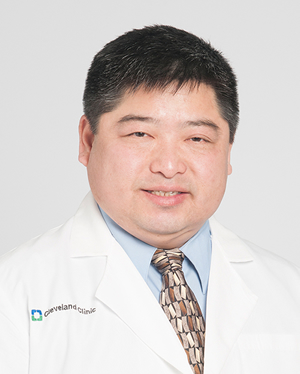 Timothy Chan合作论文数National Center for Regenerative Medicine, School of Medicine, Case Western Reserve University;Case Comprehensive Cancer Center, Case Western Reserve University;Center for Immunotherapy & Precision Immuno-Oncology, Lerner Research Institute, Cleveland Clinic4William Lee合作论文数3
 Kyle Michelson合作论文数3John M Shields合作论文数3Llewellyn Hyacinthe合作论文数3
 Isabelle Kaplan合作论文数3Frederick Okoye合作论文数3Menachem Jacobs合作论文数3




