Cellular metabolism critically influences tumor resistance. Biophysical stimulations such as mechanical vibration and electrical pulses can reprogram mesenchymal stem cells (MSCs) and T cells into tumor-suppressive states. Here, we investigated whether optical pulses (OP) could similarly promote an anti-tumor microenvironment. Using mechanical and electrical stimulation as controls, we examined optically stimulated MSCs and T cells and their conditioned medium (CM) in breast cancer and osteoclast models. OP elicited color-specific effects: blue light induced direct tumor cell death, whereas green and red light converted MSCs into induced tumor-suppressing (iTS) cells. This conversion was mediated by OPN4, independent of the Piezo1 pathway engaged by mechanical and electrical cues. Green/red pulses enhanced nucleosome scattering, increased the NAD⁺/NADH ratio, reduced the repressive histone mark H3K9me3, and activated demethylases KDM3A/KDM4. Proteomic profiling revealed enrichment of transferrin receptor (TFRC) and Annexin A2 (ANXA2) in CM, which may suppress tumors via CD44 interaction and are associated with reduced immune-evasive signaling, including Programmed Death-Ligand 1 (PD-L1). These findings demonstrate that visible light pulses can epigenetically reprogram MSCs and T cells, offering a potential therapeutic strategy for breast cancer and bone metastasis.
Background Acute myeloid leukemia (AML) and myelodysplastic syndromes (MDS) primarily affect older adults, with median ages at diagnosis near 70 years. Allogeneic hematopoietic cell transplant (allo-HCT) is the only curative therapy but is often underutilized in older adults due to perceived frailty and toxicity. Reduced-intensity conditioning (RIC) with fludarabine and melphalan (FluMel) and post-transplant cyclophosphamide (PTCy) for GVHD prophylaxis have expanded transplant accessibility for this population. However, the safety, efficacy, and engraftment kinetics of FluMel100-based allo-HCT in patients ≥70 years remain poorly defined. Methods This is a retrospective study of adults receiving FluMel100 conditioning with PTCy (50 mg/kg × 2 days) at Oregon Health & Science University between March 2022–March 2025, stratified by age <70 vs. ≥70 years. Outcomes included 1−year overall survival (OS), relapse-free survival (RFS), 100−day survival, transplant-related mortality, acute GVHD (aGVHD; per MAGIC criteria), engraftment kinetics, and hospital length of stay. Continuous and categorical variables were compared using Mann–Whitney U and Fisher’s exact tests. Survival and engraftment were analyzed using Kaplan–Meier estimates and log-rank tests. Results Fifty-nine patients were included (<70, n=34; ≥70, n=25). Median follow-up was 416 vs. 179 days, and median ages were 65 vs. 73 years (p<0.001). 25/27 patients received unrelated donor peripheral blood grafts, 2/27 had HLA-matched sibling donors. 1-year OS was 88.2% (<70) vs. 92.0% (Figure 1A; ≥70, p=0.08). 1-year RFS was identical at 76% (p=0.20), and 100-day survival was 96.0% vs. 91.2% (p=0.48). Rates and severity of aGVHD were comparable (Figure 1B; 63% vs. 56%, p=0.30), with similar onset (42 vs. 39 days, p=0.08) and skin involvement predominating (67% vs. 83%). Median hospital stay was identical (22 days, p=0.77). Engraftment occurred in 32/34 (<70) and 24/25 (≥70) patients. Median neutrophil recovery (ANC>500/μL) occurred at 14.5 vs. 15 days (p=0.24) and ANC>1000/μL at 15 vs. 16 days (p=0.26). Median platelet recovery >20 × 109/L was significantly faster in the <70 group (22 vs. 27.5 days, p=0.03), as was platelet recovery >50 × 109/L (Figure 1C; 27 vs. 29 days, p=0.03). Conclusions FluMel100-based allo-HCT with PTCy achieved comparable survival, GVHD, and neutrophil engraftment outcomes in patients ≥70 compared to <70. Platelet recovery was modestly delayed in older recipients-likely reflecting age-related differences in hematopoietic reserve but this did not impact relapse or mortality. These findings support FluMel100 with PTCy as a feasible conditioning approach for well-selected adults ≥70 years. Future analysis will investigate determinants of delayed platelet recovery and long-term functional outcomes such as GRFS and chronic GVHD.
Background Tisagenlecleucel is approved in the United States and Europe for adults with r/r FL after ≥2 lines of prior therapy. We report the final analysis from the phase 2 ELARA trial (NCT03568461) with >5-y median follow-up (mFU). Methods Pts with r/r FL (grade 1-3A) and ≥2 prior lines of systemic therapy (including an anti-CD20 monoclonal antibody [Ab] and alkylating agent) received a single tisagenlecleucel infusion (0.6-6 × 10⁸ CAR+ viable T cells). Bridging therapy was permitted. Long-term efficacy and safety outcomes were evaluated. Cellular kinetics were assessed by qPCR. Results As of May 28, 2025, 97 pts were infused (mFU, 61.0 mo [range: 3.1–67.0]). At baseline, pts with high-risk (HR) disease included 60% with high FLIPI score of ≥3, 62% with POD24, 64% with bulky disease (>7 cm or 3 lesions >3 cm), 68% with double refractory to prior CD20 Ab and alkylating agent, and 21% with high tumor burden. The ORR (86.2%) and CRR (68.1%) were consistent with prior data (Dreyling M, Blood 2024). The mDOR was not reached (NR; 95% CI: 35.8–NE); estimated 4-y DOR in all responders was 61% (95% CI, 48.8–71.1) and 71.2% (95% CI, 57.7–81.1) in pts with CR. The mPFS was 53.2 mo (95% CI,18.2–NE); estimated 5-y PFS was 46% (95% CI, 35.0–56.3) in all infused pts and 59.8% (95% CI, 46.2–71.1) in pts with CR. In pts with HR disease, 5-y estimated PFS was 35.5% (high FLIPI), 41.1% (POD24), 45.1% (bulky disease), 50.5% (double refractory). In pts with high tumor burden, 5-y PFS was NE due to small subgroup size. Among all infused pts, median OS and estimated 5-y OS were NR and 74.1% (95% CI, 63.0–82.3). Among pts with HR disease, estimated 5-y OS was 64.4% (high FLIPI), 74.6% (POD24), 71.1% (bulky disease), 79.8% (double refractory), and 65.5% (high tumor burden). CAR transgene persistence (Tlast) was observed up to 60.9 mo; median Tlast was 8.6 mo (range: 0.6–60.9). Blood and lymphatic system disorders occurring >1 y after infusion were reported in 11 (13.1%) pts (neutropenia [6.0%], anemia [4.8%], and thrombocytopenia [3.6%]), and infection and infestations in 34 (40.5%) pts (COVID-19 [17.9%] and pneumonia [11.9%]). A total of 11 second primary malignancies were reported in 7 (7.2%) pts: 2 events each of basal cell carcinoma, myelodysplastic syndrome, squamous cell carcinoma of skin, and 1 event each of acute myeloid leukemia, bladder transitional cell carcinoma, Bowen’s disease, malignant melanoma, and metastatic squamous cell carcinoma. In total, 22 pts died during the study due to disease progression (n=8), AEs (n=13, mostly infections), and euthanasia. Conclusions After >5 y mFU, tisagenlecleucel continues to demonstrate durable responses and prolonged survival in pts with r/r FL including pts with HR disease. No new safety signals were reported. More than 75% of pts were alive, and approximately half remained progression-free at this final analysis, indicating the curative potential of tisagenlecleucel in r/r FL.
Background Post-transplant cyclophosphamide (PTCy) has become a cornerstone for GVHD prophylaxis for reduced-intensity allo-HCT. The standard PTCy 100 mg/kg regimen has been shown to minimize toxicity compared with calcineurin inhibitor-based platforms. However, emerging data from haploidentical transplants suggest that a lower total dose (80 mg/kg) may provide comparable GVHD protection while reducing toxicity. Data comparing these doses in recipients conditioned with Fludarabine-Melphalan 100 mg/m² (FluMel100) remain limited. Methods We performed a single-center retrospective analysis of adults receiving FluMel100 allo-HCT with either 80 mg/kg (PTCy80) or 100 mg/kg (PTCy100). Outcomes included 1-year overall survival (OS), relapse-free survival (RFS), relapse incidence, transplant-related mortality, engraftment kinetics, hospital length of stay, acute GVHD (graded per MAGIC), GVHD onset and organ distribution. Results Fifty-four patients (27 per group) were analyzed. Median follow-up was 213 days for PTCy80 and 630 days for PTCy100. Median age was higher in the PTCy80 group (72 vs 66 years, p < 0.001). AML was the most common indication for transplant (PTCy 80, 17/27; PTCy 100 15/27), and 26/27 patients in both groups received matched unrelated donor peripheral blood grafts, with one patient in each group having an HLA-matched sibling donor. Median hospitalization was similar (22 vs 23 days).At one year, OS was 92.6% (PTCy80) vs 88.9% (PTCy100, p = 0.85), and RFS was comparable (Figure 1A; p = 0.77). Overall RFS analysis demonstrated no significant difference between the two groups (Figure 1B; p=0.77). Relapse incidence (18.5% both) and transplant-related mortality did not differ.Acute GVHD occurred more frequently and earlier in the PTCy80 group (63% vs 33%, p = 0.02). This difference was driven by increased grade 1-2 disease (48% vs 19%), whereas severe GVHD (grade 3-4) were similar (Figure 1C; 7% vs 15%). Median GVHD onset was significantly earlier with PTCy80 (39 vs 44 days, p = 0.03). Engraftment occurred in 26/27 patients in each group. Median ANC recovery to >500/µL occurred at 14.5 vs 16 days (p = 0.17), and platelet recovery >20 × 10³/µL at 25.5 vs 27 days (p = 0.86). Conclusion In FluMel100-conditioned allo-HCT, reducing the total PTCy dose from 100 mg/kg to 80 mg/kg achieved comparable engraftment, relapse, and survival outcomes. Despite a higher rate of low-grade, early-onset aGVHD with PTCy80, severe GVHD and mortality remained similar. These findings suggest 80 mg/kg PTCy maintains effective GVHD prophylaxis without increasing transplant mortality, though its overall added value remains uncertain . Ongoing analyses will evaluate chronic GVHD, GRFS, and toxicity endpoints.
Introduction Pivotal trials that led to the approval of autologous anti-CD19 CAR T-cell therapy (CART) either excluded patients with prior CD19-directed therapy or required CD19 expression. Therefore, the activity of anti-CD19 CART in patients with CD19-negative lymphoma remains unknown. While due to practice heterogeneity and technical sensitivity, accurate detection of CD19 expression by immunohistochemistry (IHC) or flow cytometry may be limited, these are the only two assays clinically available. As CD19-negative large B-cell lymphoma (LBCL) cases are becoming increasingly frequent, we present the first retrospective multi-center real world experience using CART in patients with CD19-negative LBCL. Method Retrospective data from the Cell Therapy Consortium were utilized for this analysis. LBCL patients treated with autologous anti-CD19 CART in second line and beyond between April 2016 and June 2021, and with available CD19 expression status by either IHC or flow cytometry, were included in this study. Patients who had received prior CD19-directed therapy were excluded. Baseline characteristics prior to the initiation of lymphodepleting chemotherapy were collected. Cytokine release syndrome (CRS) and immune effector cell-associated neurotoxicity syndrome (ICANS) were graded according to American Society for Transplantation and Cellular Therapy guidelines, and response was assessed by investigator according to the Lugano 2014 criteria. Chi-square test or Fisher's exact test was used to evaluate the association between baseline categorical characteristics and CD19 expression, while Wilcoxon rank sum test was used to evaluate the difference in continuous variables between CD19 expression groups. Log-rank test was used to compare the differences in progression-free survival (PFS) or overall survival (OS) between/among patient groups. Results Among 211 LBCL patients, 81 (38.4%) had CD19 status available by IHC, 193 (91.5%) by flow cytometry, and 63 (29.9%) by both. Of interest, no patient who received CART in the second line had CD19 status available, and all patients included in the analysis had received CART in the third line and beyond. Overall, 37 patients (17.5%) were CD19-negative before CAR T-cell therapy by either test. No significant differences in baseline characteristics were observed when comparing CD19-negative to CD19-positive cases, including age, sex, histology, product type, performance status, international prognostic index, refractory status, history of autologous or allogenic stem cell transplant, bridging therapy, and prior lines of treatment, except for a significantly lower median hemoglobin in CD19-positive patients (10.6 vs. 12.0 g/dL, p = 0.0054). CD19-negative patients experienced a 2-fold lower incidence of ICANS of any grade (21.6% vs. 43.1%, p = 0.0151) and over 5-fold lower G3-5 ICANS (5.4% vs. 28.7%, p = 0.0015). No significant differences in CRS of any grade (67.6% vs. 73.0%, p = 0.50), G3-4 CRS (5.4% vs. 8.0%, p = 0.74), and day-30 G3-4 cytopenia (40.0% vs. 54.0%, p = 0.24) were observed when comparing the two groups. At day-90 assessment, no difference in overall response rate (51.7% vs. 60.0%, p = 0.41) or complete response rate (37.9% vs. 51.1%, p = 0.20) was observed when comparing CD19-negative to CD19-positive patients. With a median follow up of 18.7 months (95% confidence interval 14.4 – 21.5), no significant difference in PFS (median 3.48 vs. 7.33 months, estimated 2-year 30.1% vs. 30.6%, p = 0.55) or OS (median 22.3 vs. 13.7 months, estimated 2-year 45.7% vs. 44.4%, p = 0.84) was observed when comparing the two groups. Conclusion Our large real-world experience shows that, when using IHC or flow cytometry for CD19 expression assessment, patients with CD19-negative LBCL experience lower ICANS rates with anti-CD19 CART, potentially due to lower CD19 density, but overall efficacy is comparable to what is observed in CD19-positive LBCL. While our results support the use of anti-CD19 CART in CD19-negative LBCL, future larger studies with more sensitive CD19 testing than IHC and/or flow cytometry are warranted.
Introduction CAR T cells provide durable clinical benefit in patients with relapsed or refractory large B cell lymphoma (r/r LBCL), but remain an economically intense therapy. We aimed to characterize resources utilized from the time of CAR T cell administration through Day 28 related to product and toxicity excluding drug cost. Methods Using retrospectively collected data from the Cell Therapy Consortium registry, pts over age 18 with r/r LBCL who received commercial axicabtagene ciloleucel (axi-cel), lisocabtagene maraleucel (liso-cel), or tisagenlecleucel (tisa-cel), from 4/2016 – 6/2023 at 8 academic US medical centers were evaluated. Inpatient length of stay (Inpt LOS) was defined as the total number of days from Day 0-28 a pt was admitted including the index admission of CAR T infusion plus any readmissions. Outpatient (outpt) LOS was defined as the number of outpt visits from Day 0-28. LOS and RU variables were compared across CAR T products using Kruskal-Wallis tests for continuous and chi-squared or Fisher's exact tests for categorical variables. Results Of the 601 pts, 52%, 11%, and 37% received axi-cel, liso-cel, and tisa-cel, respectively, with a median age of 64yrs (IQR 56-70), 63% male, 85% non-Hispanic white, and 26% ECOG 0 and 61% ECOG 1 at apheresis. Pts had a median of 3 prior lines (IQR 2-4), with an elevated LDH pre-lymphodepletion (LD) in 45% and 78% received fludarabine and cyclophosphamide for LD. LD was administered outpatient for 78%, 81%, and 83% (p=0.7) with CAR T infusion inpatient for 96%, 82%, and 53% (p<0.001) for axi-cel, liso-cel, and tisa-cel, respectively. Median inpt LOS was significantly longer for axi-cel [15 days (IQR 11-20)] vs liso-cel [10 days (IQR 7-16)] and tisa-cel [9 days (IQR 4-14)], p<0.001, and conversely outpt LOS was shorter [5 days (IQR 3-8) vs 6 days (IQR 3-8) and 7 days (IQR 5-11), p<0.001]. More axi-cel pts were admitted to the ICU 29% vs 23% vs 9.9% (p<0.001), but intubation rate was not different (7.2% vs 4.5% vs 5.2%, p=0.6). Following the index hospitalization, 21% vs 20% vs 17% (p=0.8) were readmitted with 13%, 10%, and 20% for CRS; 30%, 40%, and 20% for ICANS; and 10%, 20%, and 0% for infection (p=0.6). Tocilizumab was given in 63%, 32%, and 35% (p<0.001) for axi-cel, liso-cel, and tisa-cel, respectively. The number of pRBC transfusions was similar (range 0-18, 0-5, 0-10; p=0.7), while the number of platelet transfusions varied by product (range 0-18, 0-12, 0-20; p<0.009). G-CSF was administered after Day 14 in 59%, 40%, and 48% (p=0.004) and thrombopoietin receptor agonist in 10% vs 1.5% vs 7.9% (p=0.065), respectively. Conclusion Health care resource utilization can be influenced by site of care and length of hospitalization for r/r LBCL, which is impacted to a degree by CD19 CAR T product. Quantifying these differences may enable more informed patient care planning. Additional analyses evaluating the effect of CRS and ICANS through Day 100 are ongoing.
Introduction Autologous hematopoietic cell transplantation (AHCT) remains a key therapy for patients with hematologic malignancies. However, failure to mobilize adequate CD34+ stem cells can preclude proceeding to AHCT. Optimal strategies for those who fail initial standard G-CSF mobilization remain poorly defined. Methods We performed a single-center retrospective analysis of patients failing initial mobilization with G-CSF 10 mcg/kg ± plerixafor, who subsequently underwent second mobilization with G-CSF 10 mcg/kg BID plus GM-CSF 250 mcg/m2 ± plerixafor.Descriptive statistics were used to summarize variables of interest. For comparing first and second mobilizations, paired Wilcoxon signed rank sum test and McNemar test Chi-squared were used for continuous and categorical variables. Overall survival (OS) and engraftment outcomes were summarized using Kaplan-Meier curves and cumulative incidence curves. Results In total, 77 patients underwent second mobilization attempt with double growth factor and were eligible for study inclusion. For 1st mobilization attempt using G-CSF alone, 30 (39%) patients proceeded to a suboptimal apheresis: median peak peripheral blood (PB) count of 0.002 × 10⁶ CD34/mL (range 0.001-0.025 × 10⁶/mL), and median of 0.96 × 10⁶ CD34+ cells/kg collected (range 0.28-3.8 × 10⁶/kg). With 2nd mobilization attempt (G-CSF plus GM-CSF), 71 (93%) proceeded to apheresis: median peak PB of 0.022 × 10⁶ CD34/mL (range 0.001-0.213 × 10⁶/mL), collecting a median of 3.29 × 10⁶ CD34+ cells/kg (range 0.26-15.1 × 10⁶/kg), p <0.001. The 2nd mobilization attempt was associated with significantly more short-term patient-reported symptoms.With double growth factor mobilization, 66 (86%) patients collected adequate CD34+ cells for transplant, and 63 (82%) patients underwent AHCT. The most common indications for AHCT were non-Hodgkin lymphoma (n=29, 46%) or plasma cell dyscrasia (n=26, 41%). At time of AHCT, 20 (32%) had received ≥ 3 lines of therapy, and 52 (83%) had ≤10% bone marrow involvement. Most patients received BEAM (n=35, 56%) or melphalan (n=25, 40%) conditioning. All received apheresis products, with a median of 3.2 × 10⁶ CD34+ cells/kg infused (range 1.8-6.9 × 10⁶/kg). Post-AHCT, the median time to ANC >500/µL and platelets >20 × 109/L was 13 (range 9-22) and 23 (range 16-356) days, respectively. 100-day OS was 90% (95% CI 83-98%), and 1-year OS was 89% (95% CI 81-97%). Conclusion After initial failed mobilization with G-CSF ± plerixafor alone, remobilization with combination G-CSF + GM-CSF improves CD34+ cell collection yield, with 86% of patients adequately mobilizing to allow for AHCT, and with timely engraftment and favorable post-AHCT outcomes. Combination G-CSF + GM-CSF is an effective strategy for poor mobilizers. Prospective multicenter studies remain warranted, including direct comparison with chemotherapy mobilization strategies.
Introduction ICANS remains a major cause of morbidity in CAR T-cell therapy recipients. Although early reports suggested safety of anakinra to treat severe or dexamethasone (dex)-refractory ICANS, outcomes in this patient population have not been characterized to date. To address this, we retrospectively analyzed a large cohort of patients (pts) uniformly treated with anakinra for severe and/or dex-refractory ICANS. Methods We retrospectively analyzed 101 adults treated with CAR T-cell therapy at Fred Hutch Cancer Center (FHCC; n=64) and Oregon Health & Science University (OHSU; n=37) between 2017-2025 receiving anakinra 200-300 mg intravenously every 8 hours for severe or dex-refractory ICANS. A significant neurologic improvement (SNI) was defined as a ≥2-grade improvement in ICANS from anakinra initiation in the absence of additional ICANS-directed therapy. ICANS-related treatment failure-free survival (TFFS) from anakinra initiation was defined as the probability of remaining free from subsequent ICANS-directed therapy, with patients censored at death. Results The most common diseases were large B-cell lymphoma (49%), mantle cell lymphoma (22%), and acute lymphoblastic leukemia (12%). Grade ≥3 ICANS occurred in 82% of pts. Anakinra was initiated at a median of 1 day after ICANS onset, including after dex failure in 89 pts (88%).We observed SNI at 24, 48, and 72 hours after anakinra initiation in 15%, 29%, and 42% of pts, respectively (Figure 1). The 28-day cumulative incidence of ICANS resolution was 86% (95% CI, 78–92%), with a median time to resolution of 8 days after anakinra initiation (Figure 2A). The 14-day ICANS-related TFFS after anakinra initiation was 74.8% (95% CI, 66.7-83.8) (Figure 2B). Twenty-six pts (26%) required additional therapies after anakinra initiation, including methylprednisolone (n = 21), intrathecal chemotherapy (n = 9), siltuximab (n = 2), and cetuximab (n = 1).Next, we evaluated factors associated with outcomes. Older age (OR 0.96, 95% CI 0.92–0.99; p=0.014) and multiple myeloma (OR 0.08, 95% CI 0.001–0.69; p=0.016) were associated with lower odds of 48-hour SNI. Elevated day +0 lactate dehydrogenase (HR 0.34 per log10 U/L, 95% CI, 0.15–0.78; p=0.011) and ferritin (HR 0.67 per log10 ng/mL, 95% CI, 0.49–0.91; p=0.010) were associated with longer time to ICANS resolution. In multivariable analysis adjusting for CAR T-cell product type and day 0 ferritin, longer time to anakinra initiation from ICANS onset was independently associated with inferior TFFS (HR 1.16 per day, 95% CI, 1.01–1.34; p=0.042). Conclusion In this large multicenter cohort, we benchmarked key outcomes in pts treated with anakinra for severe/dex-refractory ICANS: SNI at 72 hours, 42%; median time to ICANS resolution, 8 days; 14-day TFFS, 75%. Time to anakinra initiation independently impacted TFFS. Collectively, our findings warrant studying anakinra as frontline treatment of ICANS.
Introduction Allogeneic hematopoietic cell transplantation (allo-HCT) remains the only curative therapy for many older adults with acute myeloid leukemia (AML) and myelodysplastic syndromes (MDS). Despite growing utilization, patients aged ≥75 years remain underrepresented, due to persistent concerns about frailty, toxicity, and mortality. Prior studies in older adults have largely employed non-myeloablative or reduced-intensity conditioning (RIC) regimens with variable GVHD prophylaxis. This study evaluates the feasibility and outcomes of a uniform fludarabine–melphalan 100 mg/m² (FluMel100) conditioning regimen with post-transplant cyclophosphamide (PTCy)–based GVHD prophylaxis in this aged ≥75 cohort. Methods A retrospective review identified eight adults (n=8) aged ≥75 years who underwent allo-HCT with FluMel100 and PTCy (80 mg/kg, n=7; 50 mg/kg, n=1) between September 2023 and March 2025 at Oregon Health & Science University. All patients received peripheral blood stem cell grafts from HLA-matched unrelated donors with tacrolimus/mycophenolate GVHD prophylaxis. Pre-transplant geriatric assessments included MoCA, Mini-COG, Timed Up and Go, Sit-to-Stand, G8, and Edmonton Frail Scale. Outcomes included engraftment, GVHD, relapse, survival, and time to immunosuppression discontinuation (IST). Results Eight patients were included (7 AML, 1 MDS; median age 76, range 75–78). Karnofsky scores ranged 80–90% and HCT-CI 0-7. All patients engrafted, achieving 100% CD33⁺ chimerism at days +30 and +100, and CD3⁺ chimerism 88–100% (median 100%) at day +30 and 95–100% (median 100%) at day +100. Median time to ANC >500/µL was 14.5 days, ANC >1000/µL 15 days, platelets >20 × 10⁹/L 19.5 days, and >50 × 10⁹/L 22.5 days (Figure 1C). Median inpatient stay was 23 days (range 15–30). No patient required ICU care, and all were discharged home. Median follow-up was 422 days (Figure 1A. range 116–756), 1-year OS was 100% and RFS 87.5%. Acute GVHD occurred in 4/8 (50%), all skin-limited (Figure 1B. grade 1, n=3; grade 3, n=1). Six of eight patients (75%) discontinued all IST, median 297 days off therapy (range 154–728). One patient remains on IST, and one relapsed but achieved durable remission after DLI. Conclusions FluMel100-based allo-HCT with PTCy is feasible and well tolerated in well-selected adults aged ≥75 years, with acceptable engraftment, survival, and manageable GVHD. Most patients discontinued immunosuppression within one year, indicating durable tolerance and functional recovery. These findings support referrals of fit older adults for allo-HCT. Future studies include evaluations of chronic GVHD and long-term quality-of-life outcomes in this expanding population.
Introduction: Allogeneic hematopoietic cell transplantation (alloHCT) survivors are at risk for secondary malignancies (SM), such as cervical cancer (CC) and breast cancer (BC). A recent study (n=440) reported low clinician adherence rate to guidelines for CC (40%) and BC (49%) screening, and high patient non-adherence for CC screening recommendation (24%) [Bhatt N et al, 2024 & 2025]. Oregon Health & Science University is the only allogeneic transplant center (TC) in the state with a large catchment area. We conducted a single-center, retrospective study, to evaluate the rates and predictors of CC and BC screening among women survivors after alloHCT. Methods: Electronic medical records (EMR) of female patients who received alloHCT between 2012-2023 (N=190) were reviewed. Patients assigned female at birth, with a cervix, age 21-65 years, with at least 1 year of follow-up (F/U) were included. Data was collected on demographics, malignancy, alloHCT, gynecologic health, CC (papanicolaou smear, PS) and BC (mammogram) screenings. The primary aim was to assess the rate of CC screening post-HCT. Due to variable F/U time among patients, we used cox proportional hazards regression modeling to find predictors of CC screening completion. In a sub analysis of this sample (age > 40 years), we reviewed mammogram completion patterns in the pre- and post-alloHCT setting. Results: The median age was 46.0 years (20.0-63.0) and the median F/U time after HCT was 1,578.0 days (396.0-4721.0). The median distance to the TC was 24.4 miles (1.9 – 2594.0) and 25.8% lived >100 miles away from the TC. There was a predominance of private insurance (67.9%), followed by Medicaid (22.1%) and Medicare (5.8%); 63.7% were married, 96.3% were English speaking, and 70% were never smokers. There was a predominance of MDS/AML (59.5%), myeloablative conditioning (84.7%), non- total body irradiation (TBI) based conditioning regimen (72.6%), peripheral blood grafts (89.5 %) and non-post-transplant cyclophosphamide (PTCY) based graft vs. host disease (GVHD) prophylaxis (91.1%). Incidence of acute GVHD (grade 1-4) was 43.7% and chronic GVHD (mild-severe) was 63.7%, with 25.8 % of vaginal involvement. In this cohort, 77.4% had pre-HCT CC screening, and 57.89% of patients completed CC screening post-HCT, of which 37.3% completed within 1 year, 30% completed in the second year and 32.7% after 2 years. The median F/U time was significantly higher in patients who completed their post-HCT PS (1,993.5 days) than those without a post-HCT PS (1,053.0 days, p =<0.001). In patients 40 years and above (n=122), 74.6% of patients had a pre-HCT mammogram, 66.4% had a post-HCT mammogram, of which 49.5% were completed within 1 year, 28.4% in second year and 22.2% after 2 years. In this cohort, the completion rate of both mammogram and PS testing was 44.3%, mammogram alone was 22.1%, PS alone 9.0% and neither 24.6%. A multivariable analysis was conducted using age, distance to TC, chronic GVHD with vaginal involvement, history of abnormal PS test and Medicaid insurances. Younger age and prior history of abnormal PS were significantly associated with receipt of CC screening after controlling for other covariates (aHR 0.97 [0.96-0.99]; 2.55 [1.73-3.76]). Patients with history of chronic GVHD with vaginal involvement had higher rates of CC screening after HCT, but this relationship did not reach statistical significance (aHR 1.52 [0.92-2.51]). While distance >100 miles was associated with a lower rate of CC screening in the bivariate model (HR 0.62 [0.40-0.97], this relationship was no longer significant in the multivariable model (aHR 0.83 [0.57-1.34]). Conclusion: Despite post-HCT recommendations defined by our TC, our retrospective study identifies suboptimal CC and BC screening rates, similar to that cited in the literature. Younger age and a prior history of abnormal PS findings were predictors of post-alloHCT CC screening completion. Presence of chronic GVHD with vaginal involvement and distance < 100 miles from the TC showed trends towards post-alloHCT CC screening completion. These findings offer an insight into CC screening patterns and potential gaps in survivorship care. Future work includes a qualitative study on patient perspectives and a feasibility pilot study of novel approaches to improve CC screening. Data from this work will help establish a patient-centered survivorship care program that includes effective strategies for promoting SM screenings.
Background: Allogeneic hematopoietic stem cell transplantation (allo-HCT) remains the only curative treatment for many older adults with acute myeloid leukemia (AML) and myelodysplastic syndromes (MDS). Although utilization of allo-HCT in older adults has grown in recent years, patients aged ≥75 continue to be underrepresented largely due to persistent concerns about frailty, toxicity, and mortality. As reported by the CIBMTR, ≥75 years old recipients represent just 3% of adult allo-HCT performed in 2023. Many published studies in older adults have often utilized non-myeloablative and reduced intensity conditioning regimens, including fludarabine/total body irradiation, fludarabine/melphalan (FluMel) and fludarabine/busulfan combined with varied graft versus host disease (GVHD) prophylaxis approaches. This early report analyzes 8 patients aged ≥75 undergoing allo-HCT with a consistent FluMel 100 mg/m² regimen and post-transplant cyclophosphamide (PT-Cy) based GVHD prophylaxis, showing evidence of safety, tolerability and efficacy in this older age group. Methods: A retrospective analysis of our institution's transplant database was performed to identify those patients treated with FluMel100 conditioning and PT-Cy-based GVHD prophylaxis. A total of 8 patients aged ≥75 years underwent allo-HCT between September 2023 and March 2025. The median age at transplant was 76 years (range 75–78). Patient demographics, GVHD incidence, and transplant outcomes were characterized using descriptive statistics. Overall (OS) and relapse-free survival (RFS) were measured from Day 0 of conditioning until death/relapse/last-follow up. Acute GVHD was graded using MAGIC criteria. All patients underwent pre-transplant geriatric assessments using MoCA, Mini-COG, Timed Up and Go (TUG), Sit to Stand (STS), G8 Screening score (G8), and Edmonton Frail Scale. Results: Eight patients were included: seven with AML (n=7) and one had MDS (n=1), Kanofsky Performance Status range 80-90%, HCT-CI (Comorbidity Index) range 0-7. All patients received peripheral blood stem cell (PBSC) grafts from human leukocyte antigen (HLA) matched unrelated donors (MUD). PT-Cy dose was 80 mg/kg (n= 7) and 50mg/kg (n= 1). All patients engrafted by neutrophils and platelets, with 100% CD33+ cell donor chimerism at 30 days and 100 days, and CD3+ cell donor chimerism at 30 days of 88-100% (median 100%) and 100 days of 95-100% (median 100%). Median inpatient time was 23 days (range 15–30). None required ICU level care and all discharged home with their respective caregivers. With median follow-up of 422 days (116-756), the OS at +100 and 1 year was 100%, while 1-year RFS was 87.5% (n= 7/8). Acute GVHD occurred in 50% (n= 4/8) of patients, with all cases involving the skin (grade 1: n=3, grade 3: n=1). One patient required re-admission after the initial transplant hospitalization for treatment of relapsed AML. Cognitive and fitness assessments (MoCA, Mini-COG, TUG, STS, G8, and Edmonton Frail Scale) demonstrated preserved cognitive and functional status despite advanced age. Of the cohort, 1/8 (12.5%) experienced relapse – a 75 year old man with AML, who received 10/10 HLA-matched, DPB1 permissive match graft, followed by PT-Cy 80 mg/kg dose for GVHD Prophylaxis. They underwent re-induction therapy with cladribine, low dose cytarabine and venetoclax, achieving a complete remission, followed by donor leukocyte infusion (DLI). This patient remains in a sustained remission over 1 year from DLI. Summary: Our study analyzed outcomes in patients aged ≥75 years undergoing allo-HCT with FluMel100 conditioning and PT-Cy at doses of 80mg/kg and 50mg/kg for GVHD prophylaxis. Our data showed geriatric patients with preserved cognitive and functional capacity can achieve high overall survival, low relapse rates, and acceptable rates of both severe and non-severe GVHD using this regimen. Our experience supports referrals of fit, older adults with AML and MDS for allogeneic transplantation. Future directions include further stratification of outcomes based on disease risk, comorbidity burden, GRFS (GVHD-free, Relapse-Free Survival), and analysis of chronic GVHD rates and post-transplant functioning and quality of life as this patient cohort matures, to optimize transplantation strategies for older adults undergoing FluMel with PT-Cy.
Lisocabtagene maraleucel (liso-cel) is an autologous CD19-directed CAR T cell therapy approved for the treatment of relapsed/refractory large B-cell lymphoma (LBCL). We present a multicenter retrospective study evaluating safety, efficacy, and resource utilization of liso-cel in the standard-of-care setting. Patients received commercial liso-cel at 7 US medical centers and patient selection, toxicity management, and disease assessment followed institutional practices. Among 101 infused patients, the median age was 71 years (35% ≥75 years), 68% had a Charlson Comorbidity score ≥3, and 10% had secondary CNS involvement. Median number of prior therapies was 3, and due to comorbidities, 33% would have been ineligible for the TRANSCEND study. Bridging therapy was used in 60% (43% received polatuzumab-based treatment). Any Grade CRS occurred in 49% (3% Grade ≥3) with any Grade ICANS in 26% (10% Grade ≥3). The overall response rate (ORR) to bridging therapy was 45% with 18% achieving a complete response (CR). Following liso-cel infusion, the day 90 ORR was 66% (60% CR), and with a median follow-up of 15.5 months, 12-month progression-free survival (PFS) and overall survival were 55% and 68%, respectively. A normal lactate dehydrogenase pre-lymphodepletion was associated with improved PFS and OS. These analyses confirm similar efficacy and safety of commercial liso-cel compared to pivotal trial results. Notably, these outcomes were achieved in patients predominantly of advanced age and with significant comorbidities. Results also likely reflect advancements in patient selection, toxicity management, and the use of novel bridging strategies.
Relapsed and/or refractory Richter transformation (RT) is generally associated with poor response to available therapies and a short survival time. As RT patients were excluded from participating in the pivotal studies of chimeric antigen receptor T cell therapy (CAR-T) for large B-cell lymphoma, there is a paucity of information about the efficacy of CAR-T in RT. Therefore, through the Center for International Blood and Marrow Transplant Research (CIBMTR) registry, we analyzed data from 140 RT patients who received anti-CD19 CAR-T between 2018 and 2023. Patients had received a median of 3 lines of therapy for RT (range: 1 to 8), with nearly 43% being exposed to a Bruton's tyrosine kinase inhibitor and/or venetoclax. Axicabtagene ciloleucel (axi-cel) (65%) and tisagenlecleucel (tisa-cel) (28%) were the most commonly prescribed products. Grade ≥3 cytokine release syndrome and immune effector cell-associated neurotoxicity syndrome occurred in 9.4% and 20%, respectively. After a median follow-up of 25 months (range: 1.8 to 61.5) from CAR-T infusion, 2-year progression-free and overall survival were 32.5% (95% CI, 24 to 41) and 46.6% (95% CI, 38 to 58), respectively. The 2-year cumulative incidence of relapse and non-relapse mortality were 58.8% (95% CI, 50 to 67), and 8.7% (95% CI, 4% to 14%), respectively. Poor performance status and refractory disease before CAR-T infusion were predictive of inferior survival and disease progression. Our results show that anti-CD19 CAR-T can function as an effective treatment modality for a proportion of RT patients.
Background: Treatment strategies for patients (pts) with relapsed/refractory follicular lymphoma (r/r FL) require consideration of prior therapies and pt-related factors to identify those who are likely to benefit from available treatment options. Tisagenlecleucel is a CAR-T cell therapy approved in the United States and Europe for adults with r/r FL after ≥2 lines of prior therapy. The primary analysis of the phase 2 ELARA trial reported high response rates and a favorable safety profile in pts with high-risk r/r FL. Here we report 4-year follow-up of efficacy, safety, and pharmacokinetics findings. Methods: Eligible pts with r/r FL (grades 1-3A) previously treated with ≥2 lines of systemic therapy (including an anti-CD20 monoclonal antibody and alkylating agent) received a single tisagenlecleucel infusion (0.6-6×10⁸ CAR+ viable T cells). Bridging therapy was permitted. Baseline clinical characteristics and circulating blood naive T cells were correlated with progression-free survival (PFS) and overall survival (OS). Cellular kinetics were determined by measurement of transgene levels by quantitative polymerase chain reaction. Minimal residual disease (MRD) levels were determined via clonoSEQ® Next Generation Sequencing assay performed at Adaptive Biotechnologies (Seattle, WA, USA): pre-infusion tissue samples were used for the clonotype identification; MRD tracking was performed in post-infusion plasma (ctDNA) samples. Results: As of March 27, 2024, 97 pts were infused. Ninety-four pts were evaluable for efficacy with a median follow-up of 53 months (range: 46-62). At baseline, among efficacy-evaluable pts, key pt subgroups at high-risk were identified; 72.3% of pts had FL that was refractory to ≥2 prior regimens, 66.0% had bulky disease (>7 cm or 3 lesions >3 cm), 64.9% had progression of disease within 2 years of frontline systemic therapy (POD24), 60.6% had high Follicular Lymphoma International Prognostic Index (FLIPI; ≥3), and 21.3% had high tumor burden (total metabolic tumor volume >510 mL). Median PFS was 53.3 months (95% CI: 18.2-NE) by independent review committee (IRC) among all pts; 48-mo PFS was 50.2% in all pts and 66.1% in pts with a best overall response of complete response. Among identified pt subgroups at high risk, 48-mo PFS by IRC was 45.5% (POD24), 45.5% (high FLIPI), 45.2% (bulky disease), 52.8% (double refractory), and 23.2% (high tumor burden). Median OS was not reached; 48-mo OS was 79.3% in efficacy-evaluable pts. Among identified pt subgroups at high risk, 48-mo OS was 80.8% (POD24), 73.2% (high FLIPI), 73.0% (bulky disease), 83.7% (double refractory), and 65.5% (high tumor burden). MRD data were available on 32/97 pts (33.0%); 28/32 pts (87.5%) achieved MRD negativity at any time point. MRD-negative status was achieved in 82.8% (24/29) of evaluable pts at day 28, 77.8% (14/18) at month 3, 72.7% (16/22) at month 6, and 82.4% (14/17) at month 12, respectively. CAR transgene persistence (Tlast; time to last quantifiable transgene level) was observed for up to 1680 days; median Tlast was 210 days (range: 13-1680). No new safety signals have been reported since the last data cut. Second primary malignancies (defined as any new cancer occurring post infusion regardless of tisagenlecleucel relationship) were reported in 6 (6.2%) pts and included basal cell carcinoma (n=2), squamous cell carcinoma (n=2), acute myeloid leukemia (n=1), bladder transitional cell carcinoma (n=1), Bowen's disease (n=1), malignant melanoma (n=1), metastatic squamous cell carcinoma (n=1), and myelodysplastic syndrome (n=1). As of the data cutoff, 19 pts have died during the study: 8 due to progressive disease, 10 due to AEs (1 pt each; acute myeloid leukemia, bladder transitional cell carcinoma, cardiac arrest, CRS, encephalitis, gastrointestinal hemorrhage, infection, metastatic squamous cell carcinoma, pneumonia, sepsis), and 1 from euthanasia. Conclusions: Updated long-term follow-up from the ELARA trial continues to demonstrate robust durable responses >4 years post infusion, alongside a favorable safety profile. Correlative analyses suggest that most baseline high-risk disease characteristics (double-refractory disease, bulky disease, POD24, and high FLIPI) are not associated with inferior efficacy following tisagenlecleucel infusion in pts with r/r FL. Furthermore, high frequencies of MRD-negative status were achieved in a subset of evaluable pts.
The success of CAR T is typically assessed by disease response and rates of immune complications like Cytokine Release Syndrome (CRS) and Immune Effector Cell-Associated Neurotoxicity Syndrome (ICANS). Given the variability in both efficacy andof toxicity among available CD19 CAR T products in relapsed/refractory large B-cell lymphoma (LBCL), traditional outcomes may not fully capture the overall clinical impact of this therapy. Composite end-points may yield novel insights into net clinical benefit and optimal therapeutic index. To evaluate the combined contribution of efficacy and toxicity in the first 100 days post CAR T, we defined novel composite end-points: toxicity-free complete response at day 100 (tfCR100) and toxicity-free, progression free survival at day 100 (tfPFS100). Toxicity was characterized as experiencing grade ≥3 CRS or ≥3 ICANS. Specifically, tfCR100 was defined as the proportion of patients (pts) achieving a complete response (CR) at day 100 post-infusion and without toxicity; tfPFS100 was defined as the proportion of pts alive, free of lymphoma progression at day 100 post-infusion, and without toxicity. CR100wt pts were defined as CR at day 100 with prior ≥gr 3 CRS or ≥gr 3 ICANS. We compared outcomes between tfCR100 and CR100wt and patients without CR at day 100. We then compared 2-yr PFS and OS by tfCR100 overall and by product. Relapse and non-relapse mortality at 2 years were estimated using cumulative incidence function using competing risks. We included 627 consecutive CD19 CAR T recipients with LBCL reported to the Cell Therapy Consortium registry between 4/2016-7/2024; median age was 64.5 yrs (range 18.5-86.2), 83% had ECOG 0-1, 64% were males, most had >2 lines of therapy. Products used included lisocabtagene maraleucel (liso-cel; n=83 pts), tisagenlecleucel (tisa-cel; n=207 pts) and axicabtagene ciloleucel (axi-cel; n=337 pts). 2-year PFS for 3 products were 50% (liso-cel), 30% (tisa-cel) and 42% (axi-cel; p<0.01) and respective 2-yr OS were 69% vs 47% vs 58% (p<0.01). At day 100 post CAR T, tfPFS100 in the entire cohort was 53% (95%CI 49-57%). Product specific tfPFS100 was highest for liso-cel (76%; 95%CI 65-84) compared to 53% (95% CI 46-59) for tisa-cel and 47% for axi-cel; 95% CI 42-52; p=0.01). By day 100, 242 pts (38.6%) achieved tfCR100, 65 pts (10.4%) experienced CR100-wt, and 320 (51%) did not achieve CR. Rates of tfCR100 were similar by age yet differed significantly by CAR T product: liso-cel 65.1%, tisa-cel 47.2% and axi-cel 32.9% (p<0.01). CR100wt was more frequent with axi-cel (17.2%) compared to tisa-cel (2%) and liso-cel (3.6%). At a median follow-up of 22 months (range 1.1-80.7), tfCR100 pts yield 2-year OS 86% (95% 80-91) compared to 63% (95% CI 49-75) for the CR100-wt pts (p<0.01). Among patients without CR by day 100, the 2-year OS was estimated at 31% (25-36%; p<0.01). The 2-year PFS was higher in tfCR100 patients (69 vs 53%; p=0.02). Notably, within the tfCR100 group (n=242), 2 yr OS and PFS did not differ by the product (liso-cel 84% vs tisa-cel 85% vs axi-cel 87% and 67% vs 63% vs 73%; NS). To evaluate the contributors for survival, we noted that non-relapse mortality was significantly lower in tfCR100 group (5%; 95%CI 2-8) compared to 25%; 95%CI 13-37 in the CR100-wt group (p<0.01). NRM was mostly attributable to ICANS (19% vs no >gr 3 ICANS 4%; p<0.01). Remarkably, 2-year cumulative incidence of relapse did not differ between the tfCR100 group (26%) and the CR100-wt group (21%;p=0.77). Univariate and multivariate analysis for factors associated with novel endpoints will be presented at the meeting. Our data demonstrate that about half of CAR-T recipients experience CR without serious toxicity and they yield excellent outcomes regardless of product used. However, products differ significantly in early endpoint tfPFS100 with superiority of liso-cel compared to others. NRM was high in CR100-wt patients predominantly due to ICANS. Importantly, the relapse rate in pts who achieve CR at day 100 with and without toxicity is similar, suggesting toxicity- directed steroids treatment does not enhance relapse risk. Our data reveal the emergence of novel tools that may be valuable in benchmarking cell therapies, health economic modeling, and guiding future strategies to optimize both safety and efficacy of CAR-T therapy.
Introduction Pivotal trials that led to the approval of autologous anti-CD19 CAR T-cell therapy (CART) either excluded patients with prior CD19-directed therapy or required CD19 expression. Therefore, the activity of anti-CD19 CART in patients with CD19-negative lymphoma remains unknown. As CD19-negative large B-cell lymphoma (LBCL) cases are becoming increasingly frequent, we present the first retrospective multi-center real world experience using CART in patients with CD19-negative LBCL. Method Retrospective data of LBCL patients treated with autologous anti-CD19 CART between April 2016 and June 2021 from the Cell Therapy Consortium were utilized. Patients with prior CD19-directed therapy were excluded. Baseline characteristics prior to the initiation of lymphodepleting chemotherapy were collected. Chi-square or Fisher's exact test, and Wilcoxon rank sum test were used to evaluate the association between baseline categorical or continuous characteristics between/among CD19 expression groups. Log-rank test was used to estimate progression-free survival (PFS) or overall survival (OS). Results Among 211 LBCL patients, 81 (38.4%) had CD19 status available by IHC, 193 (91.5%) by flow cytometry, and 63 (29.9%) by both. Overall, 37 patients (17.5%) were CD19-negative before CAR T-cell therapy by either test. Baseline characteristics are summarized in Table 1. CD19-negative patients experienced a 2-fold lower incidence of ICANS of any grade and over 5-fold lower G3-5 ICANS (Table 2). No significant differences in CRS of any grade, G3-4 CRS, and day-30 G3-4 cytopenia were observed. At day-90 assessment, no difference in overall response rate (51.7% vs. 60.0%, p = 0.41) or complete response rate (37.9% vs. 51.1%, p = 0.20) was observed. With a median follow up of 18.7 months (95% CI 14.4 – 21.5), no significant difference in PFS (median 3.48 vs. 7.33 months, estimated 2-year 30.1% vs. 30.6%, p = 0.55) or OS (median 22.3 vs. 13.7 months, estimated 2-year 45.7% vs. 44.4%, p = 0.84) was observed when comparing the two groups (Figure 1). Conclusion Our large real-world experience shows that, when using IHC or flow cytometry for CD19 expression assessment, patients with CD19-negative LBCL receiving CART experience lower ICANS rates but overall similar efficacy as compared to CD19-positive LBCL. While our results support the use of anti-CD19 CART in CD19-negative LBCL, future larger studies with more sensitive CD19 testing are warranted.
Introduction: There are few effective treatments for patients (pts) with relapsed/refractory T-cell lymphoma (R/R TCL). One challenge in targeting T-lineage antigens is the risk of ablating normal T cells. MB-105 is a CD5-directed CAR T-cell product that resists self-targeting through rapid degradation of CD5 protein but retains robust killing of malignant T cells. A phase 1 study at Baylor College of Medicine showed good tolerability and objective response (ORR) in 44% of pts with r/r TCL (Hill 2024). MB-105 incorporates manufacturing refinements from the phase 1 study, which improved product potency. We selected the phase 2 dose and initiated a multicenter study to confirm efficacy and safety of MB-105 in pts with R/R peripheral (PTCL) or cutaneous TCL (CTCL). Methods: This 3-part phase 2 study (MB-105-201) has completed a 6-patient safety run-in to confirm tolerability of the fixed dose of 50x106 CD5.CAR T cells. Eligibility criteria include R/R PTCL failing at least 1 prior systemic therapy or CTCL with at least 2 prior lines, CD5 expression in lymphoma, adequate organ function, Karnofsky (KPS) ≥70% and no transplant, cell therapies or lymphocyte infusions within 100 days. Primary analysis of Simon stage 1 requires at least 6 responses in 15 pts in the primary cohort by independent central review (Cheson 2014, Olsen 2022), and subsequently >18/46 responses, targeting a 50% ORR (null = 30%). An independent committee (IDMC) oversees study conduct. Secondary analyses include assessing investigator ORR, response durability, long-term impact, overall survival, and manufacturing success. Prior to MB-105 dosing, pts receive fludarabine/cyclophosphamide (30/300 mg/m2/day) over 3 days followed by 2 days' rest and single-dose rituximab prophylaxis (if EBV seropositive). Following infusion, pts are monitored as outpatients for safety and efficacy up to 2 years. Monitoring also includes CAR-T persistence, immune reconstitution, viral titers, anti-CAR antibodies, cytokines and replication-competent retrovirus. Results: After leukapheresis, MB-105 was manufactured with a 29-day median vein-to-vein time. Two manufacturing failures led to exclusion of prior bendamustine and increase of baseline CD3 requirement to 400 cells/µL. As of July 31, 2025, 7 pts received MB-105: 4:3 male:female, KPS 70-100%, 5:1:1 white:black:other with measurable R/R PTCL (n=4) or CTCL (n=3) and 2-8 prior systemic regimens. One pt with CTCL received a partial MB-105 dose in error and was not included in the safety run-in or primary efficacy assessments. An additional CTCL pt with 15% CD5 tumor expression was treated on an exploratory CD5low arm but not included in efficacy evaluation; all others had disease with ≥50% CD5 expression and H-scores 190-300 by central review. Of the 5 pts in the primary cohort (≥50% CD5 expression) who received full dose, 4 have been assessed for response and one is pending evaluation. Of those assessed, all 4 have achieved a response by investigator assessment (100% ORR; best response 3 CR and 1 PR). The pt with low CD5 expression had progressive CD5neg disease (PD) at D28. After infusion, MB-105 expanded in peripheral blood, peaking in most pts at day 14 (mean 75%, range 24-87% of total CD3+ T cells by flow cytometry), commonly persisting past day 28 in blood and detectable in lymph node and skin biopsies. CAR-T expansion resulted in a reduction of peripheral T-cell counts and a concomitant selection of CD5-negative T cells, consistent with prior observations. MB-105 related adverse events occurred in 5/6 safety run-in pts and were predominantly Gr1, including 50% of pts with Gr1 CRS and no neurotoxicity. All patients experienced anemia, 3 had neutropenia (2 febrile), and 3 thrombocytopenia, all attributed to lymphodepletion. No cytopenias ≥Gr3 lasted >42 days. Two pts had viral reactivation/infections ≤Gr2 (BK, CMV, EBV). There were 2 deaths: one with CD5neg PD at D98 and one pt with EBVpos B-cell lymphoma at D128. Conclusions: In the safety run-in of this Phase 2 study, MB-105 showed an acceptable safety profile and promising early efficacy of MB-105 in patients with R/R TCL. Correlative data show robust expansion of MB-105 with early evidence suggesting complete clearance of CD5 positive disease in most patients treated to date. The IDMC approved continued accrual to 15 patients in Stage 1. Updated clinical and correlative results of Stage 1 will be presented.
BACKGROUND Our group (Gazeau et al., TCT 2023) and others showed the safety and potential efficacy of treatment with the recombinant IL-1 receptor antagonist anakinra in patients with refractory cytokine release syndrome (CRS) and/or immune effector cell-associated neurotoxicity syndrome (ICANS) after chimeric antigen receptor (CAR) T-cell therapy. While anakinra is now routinely used, its efficacy has not been robustly investigated, and the optimal timing of anakinra initiation and factors associated with its efficacy are unknown. Here, we report the outcomes of a large multicenter cohort of patients treated with anakinra for refractory CRS and/or ICANS and analyze factors associated with the efficacy of anakinra to treat refractory ICANS. METHODS We included adults undergoing CAR T-cell therapy for hematologic malignancies at Fred Hutch Cancer Center (FHCC; n = 82) or Oregon Health & Science University (OHSU; n = 42) between 2017 to February 2025 who received anakinra for refractory CRS and/or ICANS per institutional guidelines (persistent or worsening despite corticosteroids; N = 124). Anakinra was initiated IV (n = 113) or SC (n = 11) at the dose of 8-10 mg/kg/day in 3 divided doses (FHCC) or 200 mg every 8 hours (OHSU). Cumulative incidence (CI) estimates of time to ICANS resolution were computed with death as the competing risk. RESULTS The most common disease types were large B-cell lymphoma (LBCL; n = 53, 43%), mantle cell lymphoma (n = 25, 20%), and multiple myeloma (n = 21, 17%). The most common CAR T-cell products were axicabtagene ciloleucel (n = 31, 25%), brexucabtagene autoleucel (n = 26, 21%), and tisagenlecleucel (n = 21, 17%). Complete or partial anti-tumor responses at day +28 occurred in 94 patients (89%). The CI of early death at 28 days was 7% (95% CI, 4-13%). Anakinra was initiated for persistent and/or severe ICANS in most patients (n = 106, 85%; grade ≥3: n = 82, 76%). Nearly all (n = 123; 99%) patients received concurrent dexamethasone (dex) with a median total dose of 234 mg (range, 30-690). More than half (n = 67; 54%) received concurrent methylprednisolone (MP) with a median total dose of 3,000 mg (range, 140-9,450). Anakinra was initiated after lack of response to dex in 106 patients (85%) and lack of response to both dex and MP in 14 patients (11%). In 21 patients (17%), anakinra and MP were initiated simultaneously after dex failure. Sixteen patients (13%) received additional therapies, including ruxolitinib (n = 1), siltuximab (n = 3), cetuximab (n = 1), intrathecal chemotherapy (n = 11), and dasatinib (n = 1). ICE scores significantly improved by 48 hours after anakinra initiation (Wilcoxon signed-rank p < 0.001). The median time to ICANS resolution from anakinra initiation was 10 days. In patients without ICANS resolution (n = 12), the most common cause of death was refractory toxicity (n = 6). Next, we used cause-specific Cox regression models to identify factors associated with the efficacy of anakinra to treat refractory ICANS. In univariate analyses, follicular lymphoma (FL; reference: LBCL, HR = 4.46, 95% CI, 1.61-12.3, p = 0.004) was associated with shorter time to ICANS resolution from anakinra initiation. We could not confirm associations between time from ICANS onset to anakinra initiation, daily/total MP or anakinra dose, or clinical scenarios (initiation after dex failure, after dex and MP failure, simultaneous initiation with MP after dex failure) and time to ICANS resolution from anakinra initiation. Higher daily dex dose was associated with shorter time to ICANS resolution from CAR T-cell infusion (time-dependent [td] HR = 1.19, 95% CI, 1.04-1.36, p = 0.013). In a multivariable model including daily dex dose, disease type, and CAR costimulatory domain, daily dex dose (tdHR = 1.25, 95% CI, 1.05-1.48, p = 0.014) and FL (HR = 3.88, 95% CI, 1.08-13.9, p = 0.038) remained independently associated with shorter time to ICANS resolution from CAR T-cell infusion. CONCLUSION To our knowledge, this is the largest study of CAR T-cell therapy recipients treated with anakinra for steroid-refractory CRS/ICANS. Anakinra was primarily administered for steroid-refractory ICANS with improved ICE scores by 48 hours and a median time to resolution of 10 days. Higher dex doses remained associated with shorter time to ICANS resolution, highlighting that corticosteroids remain the cornerstone of treating refractory ICANS. More effective strategies for anakinra-refractory ICANS are critically needed.
 Richard T. Maziarz合作论文数Oregon Health and Science University47
 Hiroki Yokota合作论文数Weldon School of Biomedical Engineering, College of Engineering, Purdue University;Melvin and Bren Simon Comprehensive Cancer Center, Indiana University;Indiana University-Purdue University Indianapolis35
 Brandon Hayes-Lattin合作论文数25
 Stephen J. Schuster合作论文数Division of Hematology-Oncology, Department of Medicine, Hospital of the University of Pennsylvania;Abramson Cancer Center, University of Pennsylvania;Perelman School of Medicine, University of Pennsylvania24
 Peter Riedell合作论文数Department of Medicine, The University of Chicago23
 Veronika Bachanova合作论文数Division of Adult and Pediatric Hematology, Oncology, and Transplantation, University of Minnesota Cancer Center23
 Joseph P. McGuirk合作论文数University of Kansas Medical Center;The University of Kansas Health System21Staci Williamson合作论文数20
 Loretta Nastoupil合作论文数The University of Texas MD Anderson Cancer Center15
 Baiyan Li (李柏岩)合作论文数College of Computer Science and Technology, Donghua University15Kazunori Hamamura合作论文数15
 Amrita Desai合作论文数14
 Ranjana Advani合作论文数Division of Oncology, Department of Medicine, Stanford University;Stanford Cancer Institute14
 David L. Porter合作论文数Division of Hematology and Oncology, Department of Medicine, Perelman School of Medicine, University of Pennsylvania13
 Martin Dreyling合作论文数Ludwig-Maximilians-Universitat Munchen13
 Levanto Schachter合作论文数13
 Pier Luigi Zinzani合作论文数Department of Medical and Surgical Sciences, Università di Bologna12Gabrielle Meyers合作论文数Center for Hematologic Malignancies, Oregon Health and Science University12Jessica Leonard合作论文数11Shengzhi Liu合作论文数11
 Monalisa Ghosh合作论文数Division of Hematology and Oncology, Department of Internal Medicine, Medical School, University of Michigan-Ann Arbor11
 Ogundeji Oluwole合作论文数11
 Miguel-Angel Perales合作论文数David H. Koch Center for Cancer Care, Memorial Sloan Kettering Cancer Center;Weill Cornell Medical College11Craig Y. Okada合作论文数11Von Tresckow Bastian合作论文数10
 Marie José Kersten合作论文数Cancer Center Amsterdam, Amsterdam University Medical Center;Department of Hematology, Faculty of Medicine, Amsterdam University10
 Stephen E.F. Spurgeon合作论文数School of Medicine, Oregon Health & Science University10Hideo Harigae合作论文数10Arne Kolstad合作论文数Department of Oncology, University Hospital of Tromsø10
 Ian Flinn合作论文数Center for Blood Cancers, Tennessee Oncology;OneOncology10
 Catherine Thieblemont合作论文数Hemato-Oncology Department, Hôpital Saint-Louis10Charalambos Andreadis合作论文数10Jason Butler合作论文数10Arpita Gandhi合作论文数9Aiesha Zia合作论文数9Dickinson Michael合作论文数Division of Haematology and Medical Oncology, Peter MacCallum Cancer Centre9
 Nathan Fowler合作论文数BostonGene Corporation9Koji Kato合作论文数9
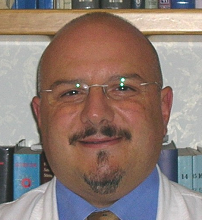 Andrés José María Ferreri合作论文数Lymphoma Unit, I.R.C.C.S. Ospedale San Raffaele;Università Vita-Salute San Raffaele9
 Fritz Offner合作论文数Department Clinical Hematology, Universiteit Gent;CRIG9
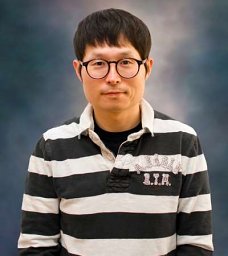 Kwang Woo Ahn合作论文数Department of Physiology, Medical College of Wisconsin;Department of Plastic Surgery, Medical College of Wisconsin;Center for International Blood & Marrow Transplant Research, Medical College of Wisconsin9Leslie Popplewell合作论文数9
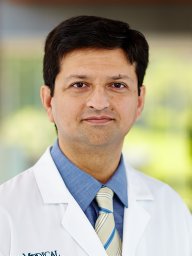 Mehdi Hamadani合作论文数Department of Hematology-Oncology, Oklahoma University Health Sciences Center9Cesar O Freytes合作论文数Department of Medicine, University of Texas Health Science Center San Antonio9
 Andreas Viardot合作论文数Diabetes and Obesity Program, Garvan Institute of Medical Research9Anna Sureda合作论文数8
 Joaquin Martinez合作论文数Hematology Department, Hospital Universitario 12 de Octubre;Faculty of Medicine, Universidad Complutense de Madrid;Haematological Malignacies Clinical Research Unit, Centro Nacional de Investigaciones Oncológicas8
 Harikrishna Nakshatri合作论文数Department of Surgery, School of Medicine, Indiana University;Department of Biochemistry and Molecular Biology, School of Medicine, Indiana University;Simon Comprehensive Cancer Center, Indiana University8
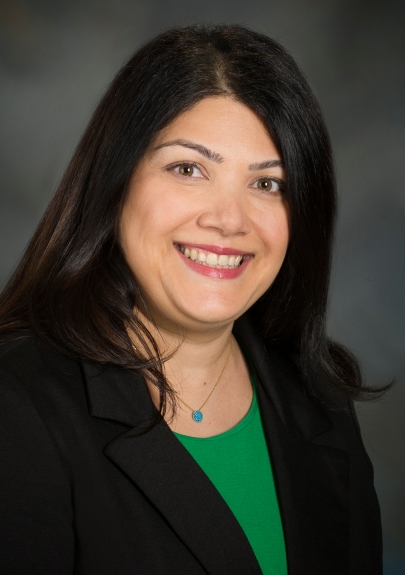 Sairah Ahmed合作论文数Department of Lymphoma/Myeloma, Division of Cancer Medicine, The University of Texas MD Anderson Cancer Center8




