PURPOSE:To examine the role age plays in the treatment and prognosis of locally advanced head and neck cancer (LAHNC) treated definitively with radiation alone or combined modality therapy. METHODS:A retrospective analysis was performed of three NRG/RTOG trials examining either radiation alone or combined radiation and systemic therapy for LAHNC. The effect of age (≥70 yrs.) on cause-specific survival (CSS), overall survival (OS), and toxicity was evaluated. RESULTS:A total of 2688 patients were analyzed, of whom 309 patients (11.5%) were ≥ 70. For all studies combined, the hazard ratio (HR) for CSS for patients age ≥ 70 vs. those <70 was 1.33 (95%CI: 1.14-1.55, p < 0.001). For OS, the HR for patients age ≥ 70 vs. those <70 for all studies combined was 1.55 (95% CI 1.35-1.77, p < 0.001). After adjustment for all covariates, age ≥ 70 was associated with worse OS regardless of adjustment for smoking and p16 status. The survival difference was more pronounced in those receiving combined radiation and systemic therapy. Hematologic and renal toxicities were increased in combined modality trials in patients ≥70 years old. CONCLUSIONS:Patients age ≥ 70 with LAHNC were underrepresented in these clinical trials. Their CSS and OS proved inferior to patients <70 years old.
The combination of cisplatin and radiation or cetuximab and radiation improves overall survival (OS) of patients with locoregionally advanced head and neck carcinoma (HNC). The Radiation Therapy Oncology Group conducted a phase III trial to test the hypothesis that adding cetuximab to radiation and cisplatin would improve progression-free survival (PFS).
Abstract Background: Patients with HPV-related oropharynx cancer have high survival when treated with radiotherapy plus cisplatin. Whether replacement of cisplatin with cetuximab can preserve high survival and reduce toxicity is unknown. We performed a randomized trial comparing survival and toxicity in 987 patients enrolled at 182 health care centers in the US and Canada between July 2011 and July 2014. Methods: Eligibility included histologically confirmed HPV positive carcinoma, clinical stage TI-T2, N2-N3 or T3-T4, N0-N3. Zubrod status 0 or 1. All patients received intensity modulated radiotherapy (IMRT) delivered in 35 fractions to 70 gray over 6 weeks using 6 fractions per week. High-dose cisplatin at 100 mg/m² was given every 3 weeks for 2 cycles in arm A (standard of care) versus arm B loading dose cetuximab plus weekly cetuximab. Patients were stratified by T category, N category, Zubord performance status, and smoking history. Primary analysis was based on modified intention to treat for all patients meeting eligibility criteria. 849 patients were randomly assigned to radiation plus cetuximab (425) or radiotherapy plus cisplatin (424). Median follow-up is 4.5 years. Results: Radiotherapy plus cetuximab did not meet the non-inferiority criteria for overall survival. Estimated 5-year overall survival was 78% in the cetuximab group versus 85% in the cisplatin group (p=0.016). Progression-free survival was 67% versus 78% (p=0.0002). Local-regional failure was higher in the cetuximab group, 17% versus 10% (p=0.005). High-grade acute toxicity was similar at 77% for both groups. Late toxicity was also similar. Conclusions: For HPV-positive oropharyngeal carcinoma, radiotherapy plus cetuximab showed inferior overall survival, progression-free survival, and locoregional control compared with radiation plus cisplatin. This study defines radiation using IMRT plus cisplatin as the standard of care for this population. *Lancet. Vol 393, p 40-50, January 5, 2019 Citation Format: J.A. Ridge, J. Ringash, M. Yao, D.M. Blakaj, M.A. Razaq, A.D. Colevas, J.J. Beitler, C.U. Jones, N.E. Dunlap, S.A. Seaward, S. Spencer, T.J. Galloway, J.J. Dignam, Q.T. Le, M.L. Gillison, E.M. Sturgis, J. Phan, A.M. Trotti, J. Harris, A. Eisbruch, P.M. Harari, D.J. Adelstein, S.A. Koyfman, B. Burtness. Radiotherapy plus cetuximab or cisplatin in human papilloma-virus positive oropharyngeal cancer (NRG 1016): A randomized multicenter noninferiority trial [abstract]. In: Proceedings of the AACR-AHNS Head and Neck Cancer Conference: Optimizing Survival and Quality of Life through Basic, Clinical, and Translational Research; 2019 Apr 29-30; Austin, TX. Philadelphia (PA): AACR; Clin Cancer Res 2020;26(12_Suppl_2):Abstract nr IA20.
The treatment of head and neck cancer is complex and requires a multidisciplinary approach. We established a head and neck cancer multidisciplinary clinic at our institution to allow patients to see multiple physicians at a single clinic appointment. We examined the effects of this clinic on time to initiation of treatment and patient reported satisfaction.
Background Is posttreatment functional status prognostic of overall survival in patients with head and neck cancer (HNC). Methods In an HNC clinical trial, 495 patients had two posttreatment functional assessments measuring diet, public eating, and speech within 6 months. Patients were grouped by impairment (highly, moderately, modestly, or not impaired) and determined if they improved, declined, or did not change from the first assessment to the second. Multivariable Cox models estimated overall mortality. Results Across all three scales, the change in posttreatment patient function strongly predicted overall survival. In diet, patients who declined to highly impaired had three times the mortality of patients who were not impaired at both assessments (hazard ratio [HR] = 3.60; 95% confidence interval, 2.02-6.42). For patients improving from highly impaired, mortality was statistically similar to patients with no impairment (HR = 1.38; 95% CI, 0.82-2.31). Conclusions Posttreatment functional status is a strong prognostic marker of survival in patients with HNC.
To develop a nomogram for overall survival (OS) for patients receiving chemoradiation for non-HPV related head and neck squamous cell carcinomas (HNSCCs). Patients eligible for this study had hypopharyngeal, laryngeal, or p16-negative oropharyngeal HNSCCs and were enrolled on RTOG 0129 or 0522. De-identified data were extracted from the database as of the most recent publications of these trials (1/3/13 for RTOG 0129 and 6/28/12 for RTOG 0522). Extracted data included age, gender, Zubrod status, baseline hemoglobin, pack-year smoking history, head and neck subsite, clinical T-stage, N-stage, delivered chemotherapy dose, delivered RT fractions, treatment duration, and delivered RT dose. Patients receiving < 60 Gy or with unknown smoking pack-year history were excluded. To consolidate the effect of different RT regimens, time-equivalent biologically effective dose was calculated. The RTOG 0129 dataset was used for nomogram development and the RTOG 0522 dataset was used for nomogram validation. Significant predictors of OS were obtained using univariate analysis on the developmental dataset. The nomogram was built using Cox proportional hazards regression with significant predictors from univariate analysis. This nomogram was internally validated using calibration plots with and without optimism correction and c-statistics on the developmental dataset. This nomogram was then independently validated on the validation dataset using c-statistics. To calculate the bias-corrected 95% confidence interval (CI) for each c-statistic, the c-statistic was bootstrapped using 1,000 resamples for each nomogram for both the developmental and validation datasets. A p ≤ 0.10 was considered significant for all analyses. 241 patients from RTOG 0129 and 289 patients from RTOG 0522 met the criteria for this analysis. Predictors of worse OS on univariate analysis were older age (p = 0.002), male gender (p = 0.07), Zubrod 1 (p = 0.04), T4 disease (p = 0.001), N2-N3 disease (p < 0.001), hypopharyngeal primary site (p = 0.06), and lower cumulative cisplatin dose (p = 0.003). On multivariable analysis, age (p = 0.02), T4 disease (p = 0.02), N2-N3 disease (p < 0.001), and lower cumulative cisplatin dose remained significant (p = 0.07). The OS nomogram showed excellent correlation both with and without optimism correction. Internal validation of the OS nomogram yielded c=0.67 (95% CI: 0.63-0.72). External validation yielded c=0.65 (95% CI: 0.60-0.70). Nomogram scores successfully stratified patients into low, intermediate, and high-risk groups for mortality (p < 0.001). For non-HPV-related HNSCCs, a nomogram using age, gender, Zubrod, T-stage, N-stage, primary site and chemotherapy dosage was developed and successfully validated for OS outcomes using national clinical trial data.
This project investigated radiomics features, clinical features, and their combination for predicting clinical outcomes of head and neck carcinoma. We hypothesized that the combination of radiomics and clinical features in prediction models would lead to better prediction performance. Data were obtained from NRG RTOG 0522, i a randomized phase III trial of concurrent accelerated radiation plus cisplatin with or without cetuximab for stage III to IV head and neck carcinoma. 940 patients enrolled in the trial. A total of 773 cases with complete clinical and image data were included in this study. All the cases underwent planning CT scans before chemo-radiotherapy. A total of 107 radiomics features were extracted from the filtered images, including 14 shape features, 18 first-order features, 24 GLCM texture features, 14 GLCM texture features, 16 GLRLM texture features, 16 GLSZM texture features, and 5 NGTDM texture features. Clinical features include: age, gender, clinical TNM staging, tumor size, smoking status, Zubrod status, hemoglobin level, radiotherapy dose and fractions. Overall survival and local recurrence were observed as the outcome in this study. Univariate analysis was applied to all features for feature selection. The top 4 selected features were used to build Cox Regression models for outcome prediction. The model was validated by ten-fold cross-validation. The prediction performance of models built on radiomics features was compared with models built on clinical features and a combination of both clinical and radiomics features. The Cox regression models built on radiomics features, clinical features, and their combination achieved testing C-indices of 0.59, 0.67, and 0.68 respectively for predicting overall survival, and achieved testing C-indices of 0.58, 0.55, 0.59 respectively for predicting recurrence-free survival. For predicting overall survival, models built with clinical features had better performance than those built on radiomics features only, and the prediction model built on their combination had the overall best performance. For predicting recurrence-free survival, models built on radiomics features had better performance than those based on clinical features, and the model built on their combination improved the prediction performance.
Barcelona, Spain __________________________________________________________________________________________(CC) and 0.6°(LR-axis), 1°(AP-axis), and 0.7°(CC-axis).Median pre-treatment height, weight and BMI were 170.2 cm (148-186), 77.97 kg (42-114) and 26.72 (18.58-34.58),respectively.All patients presented weight loss.Median weight variation at the 15 th treatment session was 4.3% (1.28-11.1)and at the end of treatment was 7% (2.56-17.46).Statistical analysis showed no statistically significant correlation between mean displacements of first four CBCTs and mean of following CBCTs and no statistically significant correlation was observed between set-up errors and both BMI or weight change during treatment sessions.
AbstractPurpose:Previous studies indicate that the benefit of therapy depends on patients' risk for cancer recurrence relative to noncancer mortality (ω ratio). We sought to test the hypothesis that patients with head and neck cancer (HNC) with a higher ω ratio selectively benefit from intensive therapy.Experimental Design:We analyzed 2,688 patients with stage III–IVB HNC undergoing primary radiotherapy (RT) with or without systemic therapy on three phase III trials (RTOG 9003, RTOG 0129, and RTOG 0522). We used generalized competing event regression to stratify patients according to ω ratio and compared the effectiveness of intensive therapy as a function of predicted ω ratio (i.e., ω score). Intensive therapy was defined as treatment on an experimental arm with altered fractionation and/or multiagent concurrent systemic therapy. A nomogram was developed to predict patients' ω score on the basis of tumor, demographic, and health factors. Analysis was by intention to treat.Results:Decreasing age, improved performance status, higher body mass index, node-positive status, P16-negative status, and oral cavity primary predicted a higher ω ratio. Patients with ω score ≥0.80 were more likely to benefit from intensive treatment [5-year overall survival (OS), 70.0% vs. 56.6%; HR of 0.73, 95% confidence interval (CI): 0.57–0.94; P = 0.016] than those with ω score <0.80 (5-year OS, 46.7% vs. 45.3%; HR of 1.02, 95% CI: 0.92-1.14; P = 0.69; P = 0.019 for interaction). In contrast, the effectiveness of intensive therapy did not depend on risk of progression.Conclusions:Patients with HNC with a higher ω score selectively benefit from intensive treatment. A nomogram was developed to help select patients for intensive therapy.
Background Radiation Therapy Oncology Group (RTOG)-0129 recursive partitioning analysis was the basis for risk-based therapeutic intensification trials for oropharyngeal cancer (OPC). To the authors' knowledge, the question of whether RTOG-0129 overall survival (OS) estimates for low-risk, intermediate-risk, and high-risk groups are similar in other data sets or applicable to progression-free survival (PFS) is unknown. Therefore, the authors evaluated whether survival differences between RTOG-0129 risk groups persist at 5 years, are reproducible in an independent clinical trial, and are applicable to PFS, and whether toxicities differ across risk groups. Methods Prospective randomized clinical trials were analyzed retrospectively. RTOG-0129 evaluated standard versus accelerated fractionation radiotherapy concurrent with cisplatin. RTOG-0522 compared the combination of cisplatin and accelerated fractionation with or without cetuximab. Patients with OPC with available p16 status and tobacco history were eligible. Results There was a total of 260 patients and 287 patients, respectively, from RTOG-0129 and RTOG-0522, with median follow-ups for surviving patients of 7.9 years (range, 1.7-9.9 years) and 4.7 years (range, 0.1-7.0 years), respectively. Previous OS differences in RTOG-0129 persisted at 5 years. In RTOG-0522, the 5-year OS rates for the low-risk, intermediate-risk, and high-risk groups were 88.1%, 69.9%, and 45.1%, respectively (P for trend, <.001). The 5-year PFS rates for the same 3 groups were 72.9%, 56.1%, and 42.2%, respectively. In RTOG-0522 among a subgroup of patients considered to be at very good risk (p16-positive disease, smoking history of <= 10 pack-years, and classified with T1-T2 disease with ipsilateral lymph nodes measuring <= 6 cm or T3 disease without contralateral or >6 cm lymph nodes), the 5-year OS and PFS rates were 93.8% and 82.2%, respectively. Overall rates of acute and late toxicities were similar by risk group. Conclusions RTOG-0129 risk groups persisted at 5 years and were reproducible in RTOG-0522. However, there was variability in the estimates. These data underscore the importance of long-term follow-up and appropriate patient selection in therapeutic deintensification trials.
Aim: We assessed the role of adjuvant interferon on relapse-free survival (RFS), distant metastasis-free survival (DMFS) and overall survival (OS) in node-positive melanoma patients. Methods: We retrospectively reviewed 385 node-positive patients without distant metastatic disease treated from 1998 to 2015. The surgery was therapeutic lymph node dissection (LND, n = 86) or sentinel lymph node biopsy ± completion LND (n = 270). 128 patients (33.2%) received adjuvant interferon. Results: After a median follow-up of 70 months, interferon was associated with improved RFS (hazard ratio [HR]: 0.55; p < 0.001), DMFS (HR: 0.59; p < 0.001) and OS (HR: 0.61; p = 0.003), controlling for tumor and nodal stage, node size, sex, primary site, adjuvant therapy and extracapsular extension. In an exploratory age-matched comparison of patients treated with (n = 67) and without (n = 233) adjuvant immunotherapy, interferon still showed improved RFS, DMFS and OS. Conclusion: Adjuvant interferon appears to improve OS among node-positive melanoma patients in a modern experience, providing context for comparison in the adjuvant therapy landscape.
Purpose: Limited data exist to guide the treatment technique for reirradiation of recurrent or second primary squamous carcinoma of the head and neck. We performed a multi-institution retrospective cohort study to investigate the effect of the elective treatment volume, dose, and fractionation on outcomes and toxicity. Methods and Materials: Patients with recurrent or second primary squamous carcinoma originating in a previously irradiated field (>= 40 Gy) who had undergone reirradiation with intensity modulated radiation therapy (IMRT); (>= 40 Gy re-IMRT) were included. The effect of elective nodal treatment, dose, and fractionation on overall survival (OS), locoregional control, and acute and late toxicity were assessed. The Kaplan-Meier and Gray's competing risks methods were used for actuarial endpoints. Results: From 8 institutions, 505 patients were included in the present updated analysis. The elective neck was not treated in 56.4% of patients. The median dose of re-IMRT was 60 Gy (range 39.6-79.2). Hyperfractionation was used in 20.2%. Systemic therapy was integrated for 77.4% of patients. Elective nodal radiation therapy did not appear to decrease the risk of locoregional failure (LRF) or improve the OS rate. Doses of >= 66 Gy were associated with improvements in both LRF and OS in the definitive re-IMRT setting. However, dose did not obviously affect LRF or OS in the postoperative re-IMRT setting. Hyperfractionation was not associated with improved LRF or OS. The rate of acute grade >= 3 toxicity was 22.1% overall. On multivariable logistic regression, elective neck irradiation was associated with increased acute toxicity in the postoperative setting. The rate of overall late grade >= 3 toxicity was 16.7%, with patients treated postoperatively with hyperfractionation experiencing the highest rates. Conclusions: Doses of >= 66 Gy might be associated with improved outcomes in high-performance patients undergoing definitive re-IMRT. Postoperatively, doses of 50 to 66 Gy appear adequate after removal of gross disease. Hyperfractionation and elective neck irradiation were not associated with an obvious benefit and might increase toxicity. (C) 2017 Elsevier Inc. All rights reserved.
AbstractBackgroundStudies suggest treatment outcomes may vary between high (HVC)‐ and low‐volume centers (LVC). Radiation therapy (RT) for head and neck cancer (HNC) requires weeks of treatment, the inconvenience of which may influence a patient's choice for treatment location. We hypothesized that receipt of RT for HNC at a HVC would influence outcomes compared to patients evaluated at a HVC, but who chose to receive RT at a LVC.MethodsFrom 1998 to 2011, 1930 HNC patients were evaluated at a HVC and then treated with RT at either a HVC or LVC. Time‐to‐event outcomes and treatment factors were compared.ResultsMedian follow‐up was 34 months. RT was delivered at a HVC for 1368 (71%) patients and at a LVC in 562 (29%). Patients were more likely to choose HVC‐RT if they resided in the HVC's county or required definitive RT (all P < 0.001). HVC‐RT was associated with a significant improvement in 3‐year LRC (84% vs 68%), DFS (68% vs 48%), and OS (72% vs 57%) (all P < 0.001). On multivariate analysis (MVA), HVC‐RT independently predicted for improved LRC, DFS, and OS (all P < 0.05).ConclusionsIn patients evaluated at a HVC, the choice of RT location was primarily influenced by their residing distance from the HVC. HVC‐RT was associated with improvements in LRC, DFS, and OS in HNC. As treatment planning and delivery are technically demanding in HNC, the choice to undergo treatment at a HVC may result in more optimal delivered dose, RT duration, and outcome.
Background and purpose: Evaluate the prognostic and predictive impact of HPV-associated p16 -expression and assess the combined prognostic impact of p16 and smoking on altered fractionated radiotherapy (AFRT) for oropharyngeal cancer (OPC) within the frames of the update of the Meta-Analysis of Radiotherapy in Carcinomas of Head and neck (MARCH). Materials and methods: Patients with OPC, known tumor p16-status and smoking history were identified from the MARCH update, resulting in a dataset of 815 patients from four randomized trials (RTOG9003, DAHANCA6&7, RTOG0129, ARTSCAN). Analysis was performed using a Cox model stratified by trial and adjusted on gender, age, T-stage, N-stage, type of radiotherapy fractionation, p16, smoking. Primary end-point was progression-free survival (PFS). Results: In total, 465 patients (57%) had p16-positive tumors and 350 (43%) p16-negative. Compared to p16-negative, p16-positive patients had significantly better PFS (HR = 0.42 [95% CI: 0.34-0.51], 28.9% absolute increase at 10 years) and OS (HR = 0.40 [0.32-0.49], 32.1% absolute increase at 10 years). No interaction between p16-status and fractionation schedule was detected. Smoking negatively impacted outcome; in the p16-positive subgroup, never smokers had significantly better PFS than former/current smokers (HR = 0.49 [0.33-0.75], 24.2% survival benefit at 10 years). Conclusions: No predictive impact of p16-status on response to AFRT could be detected but the strong prognostic impact of p16-status was confirmed and especially p16-positive never smoking patients have superior outcome after RT. (C) 2017 Elsevier B.V. All rights reserved.
To determine whether radiation with cetuximab has non-inferior overall survival compared to radiation with cisplatin in patients with locoregionally advanced human papillomavirus (HPV)–related oropharynx cancer.
 Kian Ang合作论文数Department of Radiation Oncology, The University of Texas M. D. Anderson Cancer Center40
 John A. Ridge合作论文数Temple University Lewis Katz School of Medicine;Fox Chase Cancer Center39
 Adam S. Garden合作论文数Department of Radiation Oncology, Division of Radiation Oncology, The University of Texas MD Anderson Cancer Center37
 Quynh-Thu Le合作论文数Department of Radiation Oncology, School of Medicine, Stanford University35
 Jonathan Harris合作论文数RTOG Statistical Headquarters32Qiang Zhang合作论文数30
 Randal S. Weber合作论文数Department of Individual Giving, Division of Philanthropy, The University of Texas MD Anderson Cancer Center;Department of Head and Neck Surgery, Division of Surgery, The University of Texas MD Anderson Cancer Center27
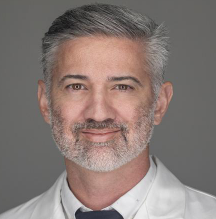 James Caudell合作论文数Moffitt Cancer Center24Christopher U. Jones合作论文数23Tobin Strom合作论文数Department of Anesthesiology, University of Colorado Denver23Jimmy J. Caudell合作论文数Department of Radiation Oncology, University of Alabama-Birmingham23
 Maura L. Gillison合作论文数Department of Thoracic/Head and Neck Medical Oncology, Division of Cancer Medicine, The University of Texas MD Anderson Cancer Center22Harrison Louis B合作论文数21
 Clement K Gwede合作论文数H. Lee Moffitt Cancer Center and Research Institute20
 Jay S. Cooper合作论文数Maimonides Medical Center19
 Naghavi Arash O合作论文数18
 Jonathan J Beitler合作论文数Medical College of Wisconsin18
 Arlene A Forastiere合作论文数Department of Oncology, Johns Hopkins Medicine18Thomas F. Pajak合作论文数17
 Wade L. Thorstad合作论文数Department of Radiation Oncology, School of Medicine, Washington University in St. Louis17
 David Manfield Brizel合作论文数Clinical Science Departments, School of Medicine, Duke University16
 David N. Rosenthal合作论文数Pediatrics Department, Stanford University16Julie A Kish合作论文数15
 James Bonner合作论文数Department of Radiation Oncology, Heersink School of Medicine, The University of Alabama at Birmingham15
 Tapan Padhya合作论文数15
 Sue S. Yom合作论文数Department of Radiation Oncology, University of California, San Francisco15Judith Czaja Mccaffrey合作论文数14Sharon Spencer合作论文数14
 Lester Peters合作论文数Peter MacCallum Cancer Centre13
 David Raben合作论文数13
 George Shenouda合作论文数Gerald Bronfman Department of Oncology, Faculty of Medicine and Health Sciences, McGill University12
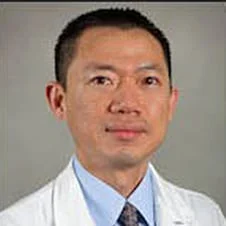 Tanvetyanon Tawee合作论文数H. Lee Moffitt Cancer Center & Research Institute12
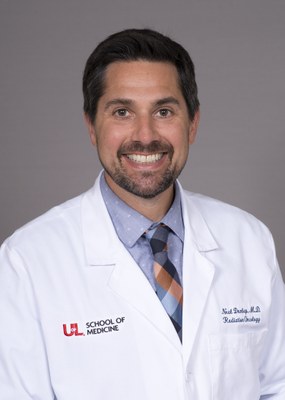 Neal E. Dunlap合作论文数Department of Radiation Oncology, School of Medicine, University of Louisville12
 Jean Bourhis合作论文数Centre Hospitalier Universitaire Vaudois, Département d'oncologie, Lausanne University Hospital12Phuc Felix Nguyen-Tan合作论文数Department of Radiation Oncology, Centre Hospitalier de l’Université de Montréal12
 Alexander Dimitrios Colevas合作论文数Medicine Department, Stanford University12
 Min Yao合作论文数12
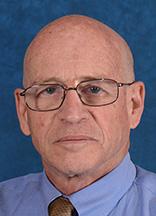 Avraham Eisbruch合作论文数Department of Radiation Oncology, University of Michigan12Rao Nikhil合作论文数11
 Brian O'Sullivan合作论文数Department of Radiation Oncology, University of Toronto;Princess Margaret Cancer Centre, Princess Margaret Hospital11
 Shlomo Koyfman合作论文数Department of Radiation Oncology, Cleveland Clinic;Department of Medicine, School of Medicine, Case Western Reserve University;Case Comprehensive Cancer Center, Case Western Reserve University11D.I. Rosenthal合作论文数10
 David J. Adelstein合作论文数Department of Medicine, School of Medicine, Case Western Reserve University;Case Comprehensive Cancer Center, Case Western Reserve University10
 Paul Harari合作论文数Department of Human Oncology, School of Medicine and Public Health, University of Wisconsin-Madison10
 Erich M. Sturgis合作论文数Department of Head and Neck Surgery, The University of Texas M.D. Anderson Cancer Center/Population Science & Cancer Control, UT Southwestern Simmons Comprehensive Cancer Center/Head and Neck Surgery, Baylor College of Medicine10
 Rita Axelrod合作论文数Department of Medical Oncology, Thomas Jefferson University10Nikhil Rao合作论文数10James Galvin合作论文数Department of Nursing, Thomas Jefferson University9
 Jolie Ringash合作论文数Department of Radiation Oncology, Temerty Faculty of Medicine, University of Toronto;Cancer Clinical Research Unit, Princess Margaret Cancer Centre9




