PURPOSE:The combination of cisplatin and radiation or cetuximab and radiation improves overall survival of patients with locoregionally advanced head and neck carcinoma. NRG Oncology conducted a phase 3 trial to test the hypothesis that adding cetuximab to radiation and cisplatin would improve progression-free survival (PFS). METHODS AND MATERIALS:Eligible patients with American Joint Committee on Cancer sixth edition stage T2 N2a-3 M0 or T3-4 N0-3 M0 were accrued from November 2005 to March 2009 and randomized to receive radiation and cisplatin without (arm A) or with (arm B) cetuximab. Outcomes were correlated with patient and tumor features. Late reactions were scored using Common Terminology Criteria for Adverse Events (version 3). RESULTS:Of 891 analyzed patients, 452 with a median follow-up of 10.1 years were alive at analysis. The addition of cetuximab did not improve PFS (hazard ratio [HR], 1.06; 95% confidence interval [CI], 0.89-1.26; P = .74), with 10-year estimates of 43.6% (95% CI, 38.8- 48.4) for arm A and 40.2% (95% CI, 35.4-45.0) for arm B. Cetuximab did not reduce locoregional failure (HR, 1.21; 95% CI, 0.95-1.53; P = .94) or distant metastasis (HR, 0.79; 95% CI, 0.54-1.14; P = .10) or improve overall survival (HR, 0.97; 95% CI, 0.80-1.16; P = .36). Cetuximab did not appear to improve PFS in either p16-positive oropharynx (HR, 1.30; 95% CI, 0.87-1.93) or p16-negative oropharynx or nonoropharyngeal primary (HR, 0.94; 95% CI, 0.73-1.21). Grade 3 to 4 late toxicity rates were 57.4% in arm A and 61.3% in arm B (P = .26). CONCLUSIONS:With a median follow-up of more than 10 years, this updated report confirms the addition of cetuximab to radiation therapy and cisplatin did not improve any measured outcome in the entire cohort or when stratifying by p16 status.
The combination of cisplatin and radiation or cetuximab and radiation improves overall survival (OS) of patients with locoregionally advanced head and neck carcinoma (HNC). The Radiation Therapy Oncology Group conducted a phase III trial to test the hypothesis that adding cetuximab to radiation and cisplatin would improve progression-free survival (PFS).
Purpose: To investigate patterns of failure in institutional credentialing submissions to NRG/RTOG 1005 with the aim of improving the quality and consistency for future breast cancer protocols. Methods and Materials: NRG/RTOG 1005 allowed the submission of 3-dimensional conformal radiation therapy (3DCRT), intensity-modulated radiation therapy (IMRT), and simultaneous integrated boost (SIB) breast plans. Credentialing required institutions to pass a 2-step quality assurance (QA) process: (1) benchmark, requiring institutions to create a plan with no unacceptable deviations and <= 1 acceptable variation among the dose volume (DV) criteria, and (2) rapid review, requiring each institution's first protocol submission to have no unacceptable deviations among the DV criteria or contours. Overall rates, number of resubmissions, and reasons for resubmission were analyzed for each QA step. Results: In total, 352 institutions participated in benchmark QA and 280 patients enrolled had rapid review QA. Benchmark initial failure rates were similar for 3DCRT (18%), IMRT (17%), and SIB (18%) plans. For 3DCRT and IMRT benchmark plans, ipsilateral lung most frequently failed the DV criteria, and SIB DV failures were seen most frequently for the heart. Rapid review contour initial failures (35%) were due to target rather than organs at risk. For 29% of the rapid review initial failures, the planning target volume boost eval volume was deemed an unacceptable deviation. Conclusions: The review of the benchmark and rapid review QA submissions indicates that acceptable variations or unacceptable deviations for the ipsilateral lung and heart dose constraints were the most commonly observed cause of benchmark QA failure, and unacceptable deviations in target contouring, rather than normal structure contouring, were the most common cause of rapid review QA failure. These fi ndings suggest that a rigorous QA process is necessary for high quality and homogeneity in radiation therapy in multi-institutional trials of breast cancer to ensure that the bene fi ts of radiation therapy far outweigh the risks.
PURPOSE:A survey was created by NRG to assess a medical physicists' percent full time equivalent (FTE) contribution to multi-institutional clinical trials. A 2012 American Society for Radiation Oncology report, "Safety Is No Accident," quantified medical physics staffing contributions in FTE factors for clinical departments. No quantification of FTE effort associated with clinical trials was included.METHODS:To address this lack of information, the NRG Medical Physics Subcommittee decided to obtain manpower data from the medical physics community to quantify the amount of time medical physicists spent supporting clinical trials. A survey, consisting of 16 questions, was designed to obtain information regarding physicists' time spent supporting clinical trials. The survey was distributed to medical physicists at 1996 radiation therapy institutions included on the membership rosters of the 5 National Clinical Trials Network clinical trial groups.RESULTS:Of the 451 institutions who responded, 50% (226) reported currently participating in radiation therapy trials. On average, the designated physicist at each institution spent 2.4 hours (standard deviation [SD], 5.5) per week supervising or interacting with clinical trial staff. On average, 1.2 hours (SD, 3.1), 1.8 hours (SD, 3.9), and 0.6 hours (SD, 1.1) per week were spent on trial patient simulations, treatment plan reviews, and maintaining a Digital Imaging and Communications in Medicine server, respectively. For all trial credentialing activities, physicists spent an average of 32 hours (SD, 57.2) yearly. Reading protocols and supporting dosimetrists, clinicians, and therapists took an average of 2.1 hours (SD, 3.4) per week. Physicists also attended clinical trial meetings, on average, 1.2 hours (SD, 1.9) per month.CONCLUSION:On average, physicist spent a nontrivial total of 9 hours per week (0.21 FTE) supporting an average of 10 active clinical trials. This time commitment indicates the complexity of radiation therapy clinical trials and should be taken into account when staffing radiation therapy institutions.
Importance:Stereotactic body radiation therapy (SBRT) has become a standard treatment for patients with medically inoperable early-stage lung cancer. However, its effectiveness in patients medically suitable for surgery is unclear. Objective:To evaluate whether noninvasive SBRT delivered on an outpatient basis can safely eradicate lung cancer and cure selected patients with operable lung cancer, obviating the need for surgical resection. Design, Setting, and Participants:Single-arm phase 2 NRG Oncology Radiation Therapy Oncology Group 0618 study enrolled patients from December 2007 to May 2010 with median follow-up of 48.1 months (range, 15.4-73.7 months). The setting was a multicenter North American academic and community practice cancer center consortium. Patients had operable biopsy-proven peripheral T1 to T2, N0, M0 non-small cell tumors no more than 5 cm in diameter, forced expiratory volume in 1 second (FEV1) and diffusing capacity greater than 35% predicted, arterial oxygen tension greater than 60 mm Hg, arterial carbon dioxide tension less than 50 mm Hg, and no severe medical problems. The data analysis was performed in October 2014. Interventions:The SBRT prescription dose was 54 Gy delivered in 3 18-Gy fractions over 1.5 to 2.0 weeks. Main Outcomes and Measures:Primary end point was primary tumor control, with survival, adverse events, and the incidence and outcome of surgical salvage as secondary end points. Results:Of 33 patients accrued, 26 were evaluable (23 T1 and 3 T2 tumors; 15 [58%] male; median age, 72.5 [range, 54-88] years). Median FEV1 and diffusing capacity of the lung for carbon monoxide at enrollment were 72.5% (range, 38%-136%) and 68% (range, 22%-96%) of predicted, respectively. Only 1 patient had a primary tumor recurrence. Involved lobe failure, the other component defining local failure, did not occur in any patient, so the estimated 4-year primary tumor control and local control rate were both 96% (95% CI, 83%-100%). As per protocol guidelines, the single patient with local recurrence underwent salvage lobectomy 1.2 years after SBRT, complicated by a grade 4 cardiac arrhythmia. The 4-year estimates of disease-free and overall survival were 57% (95% CI, 36%-74%) and 56% (95% CI, 35%-73%), respectively. Median overall survival was 55.2 months (95% CI, 37.7 months to not reached). Protocol-specified treatment-related grade 3, 4, and 5 adverse events were reported in 2 (8%; 95% CI, 0.1%-25%), 0, and 0 patients, respectively. Conclusions and Relevance:As given, SBRT appears to be associated with a high rate of primary tumor control, low treatment-related morbidity, and infrequent need for surgical salvage in patients with operable early-stage lung cancer. Trial Registration:ClinicalTrials.gov Identifier: NCT00551369.
The charge of AAPM Task Group 113 is to provide guidance for the physics aspects of clinical trials to minimize variability in planning and dose delivery for external beam trials involving photons and electrons. Several studies have demonstrated the importance of protocol compliance on patient outcome. Minimizing variability for treatments at different centers improves the quality and efficiency of clinical trials. Attention is focused on areas where variability can be minimized through standardization of protocols and processes through all aspects of clinical trials. Recommendations are presented for clinical trial designers, physicists supporting clinical trials at their individual clinics, quality assurance centers, and manufacturers.
To determine whether radiation with cetuximab has non-inferior overall survival compared to radiation with cisplatin in patients with locoregionally advanced human papillomavirus (HPV)–related oropharynx cancer.
Background Patients with human papillomavirus (HPV)-positive oropharyngeal squamous cell carcinoma have high survival when treated with radiotherapy plus cisplatin. Whether replacement of cisplatin with cetuximab-an antibody against the epidermal growth factor receptor-can preserve high survival and reduce treatment toxicity is unknown. We investigated whether cetuximab would maintain a high proportion of patient survival and reduce acute and late toxicity. Methods RTOG 1016 was a randomised, multicentre, non-inferiority trial at 182 health-care centres in the USA and Canada. Eligibility criteria included histologically confirmed HPV-positive oropharyngeal carcinoma; American Joint Committee on Cancer 7th edition clinical categories T1-T2, N2a-N3 M0 or T3-T4, N0-N3 M0; Zubrod performance status 0 or 1; age at least 18 years; and adequate bone marrow, hepatic, and renal function. We randomly assigned patients (1: 1) to receive either radiotherapy plus cetuximab or radiotherapy plus cisplatin. Randomisation was balanced by using randomly permuted blocks, and patients were stratified by T category (T1-T2 vs T3-T4), N category (N0-N2a vs N2b-N3), Zubrod performance status (0 vs 1), and tobacco smoking history (<= 10 pack-years vs >10 pack-years). Patients were assigned to receive either intravenous cetuximab at a loading dose of 400 mg/m(2) 5-7 days before radiotherapy initiation, followed by cetuximab 250 mg/m(2) weekly for seven doses (total 2150 mg/m(2)), or cisplatin 100 mg/m(2) on days 1 and 22 of radiotherapy (total 200 mg/m(2)). All patients received accelerated intensity-modulated radiotherapy delivered at 70 Gy in 35 fractions over 6 weeks at six fractions per week (with two fractions given on one day, at least 6 h apart). The primary endpoint was overall survival, defined as time from randomisation to death from any cause, with non-inferiority margin 1.45. Primary analysis was based on the modified intention-to-treat approach, whereby all patients meeting eligibility criteria are included. This study is registered with ClinicalTrials.gov, number NCT01302834. Findings Between June 9, 2011, and July 31, 2014, 987 patients were enrolled, of whom 849 were randomly assigned to receive radiotherapy plus cetuximab (n=425) or radiotherapy plus cisplatin (n=424). 399 patients assigned to receive cetuximab and 406 patients assigned to receive cisplatin were subsequently eligible. After median follow-up duration of 4.5 years, radiotherapy plus cetuximab did not meet the non-inferiority criteria for overall survival (hazard ratio [HR] 1.45, one-sided 95% upper CI 1.94; p=0.5056 for non-inferiority; one-sided log-rank p=0.0163). Estimated 5-year overall survival was 77.9% (95% CI 73.4-82.5) in the cetuximab group versus 84.6% (80.6-88.6) in the cisplatin group. Progression-free survival was significantly lower in the cetuximab group compared with the cisplatin group (HR 1.72, 95% CI 1.29-2.29; p=0.0002; 5-year progression-free survival 67.3%, 95% CI 62.4-72.2 vs 78.4%, 73.8-83.0), and locoregional failure was significantly higher in the cetuximab group compared with the cisplatin group (HR 2.05, 95% CI 1.35-3.10; 5-year proportions 17.3%, 95% CI 13.7-21.4 vs 9.9%, 6.9-13.6). Proportions of acute moderate to severe toxicity (77.4%, 95% CI 73.0-81.5 vs 81.7%, 77.5-85.3; p=0.1586) and late moderate to severe toxicity (16.5%, 95% CI 12.9-20.7 vs 20.4%, 16.4-24.8; p=0.1904) were similar between the cetuximab and cisplatin groups. Interpretation For patients with HPV-positive oropharyngeal carcinoma, radiotherapy plus cetuximab showed inferior overall survival and progression-free survival compared with radiotherapy plus cisplatin. Radiotherapy plus cisplatin is the standard of care for eligible patients with HPV-positive oropharyngeal carcinoma. Funding National Cancer Institute USA, Eli Lilly, and The Oral Cancer Foundation. Copyright (c) 2018 Elsevier Ltd. All rights reserved.
Robert D. Timmerman, MD; Rebecca Paulus, BS; Harvey I. Pass, MD; Elizabeth M. Gore, MD; Martin J. Edelman, MD; James Galvin, DSc; William L. Straube, MS; Lucien A. Nedzi, MD; Ronald C. McGarry, MD, PhD; Cliff G. Robinson, MD; Peter B. Schiff, MD; Garrick Chang, MD; Billy W. Loo Jr, MD; Jeffrey D. Bradley, MD; Hak Choy, MD
To evaluate radiotherapy treatment plan quality of IMRT plans submitted for RTOG 0522 clinical trial (A Randomized Phase III Trial of Concurrent Accelerated Radiation and Cisplatin versus Concurrent Accelerated Radiation, Cisplatin, and Cetuximab (C225) [Followed by Surgery for Selected Patients] for Stage III and IV Head and Neck Carcinomas). To use knowledge engineering based models from RapidPlan (built from HN002) for the quality study, and to re-optimize the plans by the model with the aim of further sparing the organs at risk and improve the quality of these plans in general. A head and neck RapidPlan model was initially built in Varian Eclipse treatment planning system (Version 13.6.15) using treatment plans from the NRGHN002 clinical trial (A Randomized Phase II Trial for patients with p16 positive, non-smoking-associated, locoregionally advanced oropharyngeal cancer). The model was duplicated and tuned to be used for QA and re-optimizing treatment plans from RTOG 0522. The modified model was then used to QA and re-optimize plans with deviation unacceptable scores (i.e., failed to pass the dosimetric compliance criteria of RTOG 0522). Initial quality review of 748 IMRT plans submitted to RTOG0522 show that 21 plans did not meet the spinal cord dose constraint (D0.03 cc <= 48 Gy), and 323 plans did not meet the dose constraint for parotid glands (one of the gland has mean dose less than 26 Gy). All the 21 plans that did not meet spinal cord constraint were pick for further analysis using the HN002 model, the results show that 15 of them has submitted plan dose volume histogram (DVH) fell above the predicted band. All the 21 plans were further optimized using model generated line objectives for organ at risks (OARs) (spinal cord, parotid glans, larynx, and NonPTV). All of plans achieved better scores after re-optimization (per-protocol or deviation acceptable). Average spinal cord Dmax [Gy] was decreased from 48.9 ± 2 Gy to 41.4 ± 4.8 Gy. Average parotids gland Dmean [Gy] were decreased from 34.1 ± 12 Gy to 29.5 ± 12 Gy. PTV coverage for re-optimized plans is comparable with original plans. PTV_7000 V65 Gy[%], D95%[Gy] and V80 Gy[%] for original plans are 98.7 ± 2.7%, 70 ± 2.3 Gy, 1.2 ± 4.5 Gy; and those for the re-optimized plans are 99.9 ± 0.1%, 70.8 ± 0.6 Gy, and 0.05 ± 0.1%, respectively. Knowledge-engineering based models predicted IMRT plans of better target coverage and OAR sparing as compared with submitted 0522 cases. All of IMRT plans with the worst score of deviation unacceptable from RTOG 0522 were improved to scores of variation acceptable or better with Knowledge based planning (KBP) re-optimization. These models will be used as part of the clinical trial quality assurance program to improve the quality of treatment plans submitted for clinical trials.
NRG/RTOG 1005 is a randomized phase III study for early stage breast cancer comparing accelerated hypofractionated whole breast irradiation (WBI) with concurrent boost to standard WBI plus sequential boost. Institutions had to pass a two-step QA process prior to treating patients, including (1) planning study based on a benchmark CT dataset with contours provided, and (2) rapid review of the first case, per radiation (RT) modality, entered onto the trial (with approval required prior to treatment). Frequencies and reasons for resubmissions are reported here in order to evaluate and improve the two-step QA process for future multi-institutional trials. Seven radiation techniques, using 3D-CRT, IMRT, or simultaneously integrated boost (SIB) for WBI and/or boost, were allowed. A benchmark case with ≥ 1 unacceptable deviation and/or ≥ 2 variations acceptable, and rapid reviews with ≥ 1 unacceptable deviation required resubmissions until approved. Dose volume (DV) data for the benchmark study and the DV and contouring data for the rapid review process were analyzed. The overall rates, number of and reasons for resubmissions were studied. The total accrual for this study was 2354 patients, with 352 institutions and 280 cases undergoing the benchmark and rapid review QA processes, respectively. Benchmark resubmission rates were similar for 3DCRT (37/205, 18%), IMRT (17/100, 17%), and SIB (21/119, 18%). In the first benchmark submissions, non-ideal ipsilateral lung DV values (V20) were the major reason for the failures for both 3DCRT and IMRT, while non-ideal mean heart doses and ipsilateral lung DV values were among the main reasons for the failures for SIB. Thirty-five percent of both contour (98/280) and DV (99/280) rapid reviews required at least one resubmission. The main reasons for resubmissions were unacceptable contours of the breast target volumes (PTV boost eval, Breast PTV eval, and CTV boost). There was no significant association between resubmissions for benchmarks and rapid reviews (P = 0.31, see Table 1); however, the rapid resubmission rate was higher for institutions that had to resubmit their benchmark than those that didn't (41% vs. 34%).Abstract 1104; Table 1Benchmark ResubmissionRapid Contour ResubmissionTotalRapid DVA ResubmissionTotalNoYesNoYesNo152 (66%)77 (34%)229151 (69%)78 (34%)229Yes30 (59%)21 (41%)5130 (59%)21 (41%)51Total1829828018199280 Open table in a new tab One fifth of benchmark cases and one third of rapid review cases required resubmission to meet protocol dosimetry and contouring compliance criteria. The resubmission rate of the rapid review for the institutions that failed in the benchmark is slightly higher than that for the institutions passing the benchmark. These resubmission rates demonstrate the need for rigorous QA. More standardization and pre-enrollment training on both contouring and dosimetry planning techniques may be helpful.
To investigate the impact of radiation treatment clinical trial quality assurance (RTQA) on treatment outcomes in a phase III trial for advanced head and neck cancer. Our hypothesis is that treatments with lower quality have worse outcomes. RTQA for NRG/RTOG 0522 included initial institution credentialing of RT technologies and individual RT case reviews. The case review processes (including contour and dosimetry evaluations) were performed by radiation oncology and radiation physics co-chairs. RTQA grades (per-protocol, variation acceptable and deviation unacceptable) were given to contouring of target volume (TV), organ at risk (OAR) and dose-volume coverage of targets as defined in the protocol. After removing patients with incomplete RTQA grade data, 767 patients were enrolled in this study. We performed log-rank tests for RTQA grades with patients' outcomes, including local control, distant control and overall survival, to evaluate the value of the RTQA grades. Two Cox models, with and without RTQA grades data, were established to assess the value of RTQA grades in modeling. C-indices were calculated to evaluate model performance with a 10 folder cross-validation. To get a more reasonable model, per-protocol and variation acceptable were combined into a single acceptablegrade. All the statistics analyses and model development were performed with R (Version 3.3.0). The log-rank test showed that all RTQA scores correlated with local control. The local control of patients with per-protocol was significantly different between the per-protocol and variation acceptable patients in target and OAR contouring (p-value=0.004 and 0.043). For dose-volume grade, the per-protocol patients and variation acceptable patients were significantly different from unacceptable patients in local control, with a p-value=0.020 and 0.006, respectively. The distant control of patients with variation acceptable was significantly different than unacceptable patients (p-value=0.043). There were no correlations between RTQA grades with other outcomes. By incorporating RTQA grades into outcome modeling, the performance of local control model can be improved from 0.62 to 0.63 (c-index). The RTQA grades had no impact on distant control and overall survival. Clinical trial quality assurance grades are related to patients' control rates in head and neck radiotherapy. It is feasible to incorporate RTQA grades into outcome modeling.
Clinical trial quality assurance (QA) programs have been shown to be vital in ensuring that inter-institutional differences do not dilute trial results. Most RTOG clinical trials have a radiation therapy quality assurance (RTQA) process that evaluates RT parameters (contour, dose distribution) retrospectively or prospectively. This research is to investigate the impact of radiation treatment clinical trial quality assurance (RTQA) on treatment outcome in a phase III trial for advanced head and neck cancer with development of a predictive model incorporating RTQA parameters. RTQA for RTOG 0522 included initial institution credentialing of RT technologies and individual RT case reviews. The case review processes (include contour and dosimetry evaluations) are performed by radiation oncology and radiation physics co-chairs. RTQA grades (per-protocol, variation acceptable, and deviation unacceptable) are given to contouring of target volume (TV), organ at risk (OAR) and dose-volume coverage of targets as defined in the protocol. The relationship between RTQA parameters and treatment outcome are analyzed with predictive modeling. Logistic regression model is established that includes RTQA parameters, age, T-stage, equivalent dose in fractions of 2 Gy (EQD2), tumor location, and hemoglobin levels. This model is compared to the one without incorporating RTQA parameters. The model prediction accuracy is validated by cross-validation and C-statistical methods. The contour (TV and OAR) quality grades did not correlate with two-year overall survival. The target dose-volume quality grade is slightly related to overall survival (P = 0.094), and the correlation test shows that target dose-volume quality grade is an independent predictive factor. The target contour quality grade (P = 0.019) and target dose-volume quality grade (P = 0.008) are related to local recurrence, while target dose-volume quality grade (P = 0.034) is related to distant metastasis. The model incorporating RTQA parameters shows that the two-year survival ratio is 86.2%, 83.6%, and 80.6% for the three scores of target dose-volume quality of per-protocol, variation acceptable, and deviation unacceptable. The area under the curve (AUC) indicator is 0.737 and 0.733 for the overall survival model with RTQA parameters and without RTQA parameters. The results demonstrate that it is feasible to incorporate RTQA parameters into outcome modeling. This capability is of critical importance for evaluating RTQA methods as related to outcome in head and neck cancer.
The main objective of this study is to identify candidate imaging biomarkers from FDG PET/CT scans for progression-free survival (PFS) in patients with locally advanced head and neck squamous cell carcinoma (HNSCC) enrolled in the phase III RTOG 0522 study. It is hypothesized that quantitative FDG PET/CT imaging biomarkers increase prognostic value compared to the primary tumor and nodal staging. Patient selection RTOG 0522 is a completed phase III clinical trial that showed no improvement in progression-free survival (PFS) by adding cetuximab to chemoradiation in patients with HNSCC. This present study investigates the utility of FDG PET/CT scans for patients with unresected N2abc-N3 squamous cell cancers of the head and neck. Image processing FDG PET/CT scans were reviewed for suitability of analysis. Regions of interest (ROI), enclosing the primary tumor and lymph nodes, were drawn manually and then grown isotopically up to the boundary using semiautomatic segmentation algorithm. After processing, ROIs were visually verified. ROIs were separated into three: primary tumor, right, and left nodes. Post-treatment scans were deformably registered to pre-treatment scans. Pre-treatment, post-treatment and changes in the FDG uptake parameters were evaluated. Radiomics-based imaging feature extraction was performed using 5 x 5 x 5 voxel patches inside the ROIs. A total of 50 texture radiomics features were calculated for each one of the three groups of lesions. Statistical analysis Primary tumor and nodal FDG PET texture features were evaluated at pre-treatment (PRE), post-treatment (POS), and change between the two scans (CHG). Nodal features were evaluated as maximum (MN) and sum (SN) of left and right nodes. Features were analyzed as continuous (C) and dichotomized (D) by median for T, MN and SN. Variables were correlated to PFS using Cox models; models were compared by Akaike information criterion (AIC). RTOG 0522 randomized 940 patients (891 eligible); 116 participated in the PET/CT sub-study; 50 patients with both analyzable FDG PET/CT scans were included in analysis. For 22 texture features, models have better fit than T or N stage alone. In univariate analysis, the best fit was for primary PRE FDG PET dichotomized skewness [hazard ratio (HR) and 95% confidence interval (CI) 0.37 (0.16-0.84)]. Adjusted for T stage the best fit was for POS FDG PET MN continuous kurtosis [HR 0.75 (0.54-1.06) for 10% increase]. Adjusted for N stage the best fit was for dichotomized PRE FDG PET SN sum of squares variance [HR 3.29 (1.28-8.51)]. Twenty-two texture features derived from the pre- and post FDG PET/CT scans provided prognostic value beyond T or N stage alone for PFS in patients with advanced HNSCC. Among these variables, many were found to be highly correlated, so further analyses would reduce the number of potential biomarkers. Given the small sample and the large number of variables, these findings are potentially supportive of our primary hypothesis.
Purpose Although intensity-modulated radiation therapy (IMRT) is increasingly used to treat locally advanced non-small-cell lung cancer (NSCLC), IMRT and three-dimensional conformal external beam radiation therapy (3D-CRT) have not been compared prospectively. This study compares 3D-CRT and IMRT outcomes for locally advanced NSCLC in a large prospective clinical trial. Patients and Methods A secondary analysis was performed to compare IMRT with 3D-CRT in NRG Oncology clinical trial RTOG 0617, in which patients received concurrent chemotherapy of carboplatin and paclitaxel with or without cetuximab, and 60- versus 74-Gy radiation doses. Comparisons included 2-year overall survival (OS), progression-free survival, local failure, distant metastasis, and selected Common Terminology Criteria for Adverse Events (version 3) ≥ grade 3 toxicities. Results The median follow-up was 21.3 months. Of 482 patients, 53% were treated with 3D-CRT and 47% with IMRT. The IMRT group had larger planning treatment volumes (median, 427 v 486 mL; P = .005); a larger planning treatment volume/volume of lung ratio (median, 0.13 v 0.15; P = .013); and more stage IIIB disease (30.3% v 38.6%, P = .056). Two-year OS, progression-free survival, local failure, and distant metastasis-free survival were not different between IMRT and 3D-CRT. IMRT was associated with less ≥ grade 3 pneumonitis (7.9% v 3.5%, P = .039) and a reduced risk in adjusted analyses (odds ratio, 0.41; 95% CI, 0.171 to 0.986; P = .046). IMRT also produced lower heart doses ( P < .05), and the volume of heart receiving 40 Gy (V40) was significantly associated with OS on adjusted analysis ( P < .05). The lung V5 was not associated with any ≥ grade 3 toxicity, whereas the lung V20 was associated with increased ≥ grade 3 pneumonitis risk on multivariable analysis ( P = .026). Conclusion IMRT was associated with lower rates of severe pneumonitis and cardiac doses in NRG Oncology clinical trial RTOG 0617, which supports routine use of IMRT for locally advanced NSCLC.
Transmission of Imaging and Data (TRIAD) is a standard-based system built by the American College of Radiology to provide the seamless exchange of images and data for accreditation of clinical trials and registries. Scripts of structures' names validation profiles created in TRIAD are used in the automated submission process. It is essential for users to understand the logistics of these scripts for successful submission of radiation therapy cases with less iteration.
PURPOSE:To analyze the quality of life (QOL) and performance status (PS) (secondary outcome) in patients with stage III to IV head and neck cancer (HNC) enrolled on a prospective randomized phase 3 trial comparing radiation-cisplatin without cetuximab (CIS) or with cetuximab (CET/CIS). The QOL hypothesis proposed a between-arm difference in Functional Assessment of Cancer Therapy-Head and Neck (FACT-HN) total score of ≥10% of the instrument range from baseline to 1 year. METHODS AND MATERIALS:Patients who gave consent to the QOL/PS study completed the FACT-HN, Performance Status Scale for HNC (PSS-HN), and EuroQol (EQ-5D) at baseline through to 5 years. The pretreatment QOL/PS scores were correlated with outcome and p16 status in patients with oropharyngeal cancer (OPC). RESULTS:Of 818 analyzable patients, the 1-year change from baseline score for FACT-HN total was -0.41 (CIS arm) and -5.11 (CET/CIS arm) (P=.016), representing a 3.2% between-arm change of the FACT-HN total score. The mean EQ-5D index and PSS-HN scores were not significantly different between arms. The p16-positive OPC patients had significantly higher baseline and 1-year scores for PSS-HN, FACT-HN total, physical and functional subscales, and 2-years for the EQ-5D index compared with p16-negative OPC patients. Higher pretreatment PSS-HN diet, PSS-HN eating, FACT-HN, and EQ-5D index scores were associated with better overall survival (OS) and progression-free (PFS) survival on multivariate analysis. Higher baseline FACT-HN total, functional, physical subscale, and EQ-5D index scores were associated with improved OS and PFS in p16-positive OPC patients but not in p16-negative and non-OPC patients. CONCLUSION:There was no clinically meaningful difference in QOL/PS between arms. The p16-positive OPC patients had significantly higher QOL/PS than did p16-negative patients. Pretreatment QOL/PS is a significant independent predictor of outcome in locally advanced HNC.
Purpose:The Imaging and Radiation Oncology Core (IROC) Cooperative has been active for the past two years supporting the National Clinical Trial Network and the details of that support are reported.Methods:There are six QA centers (Houston, Ohio, Philadelphia‐RT, Philadelphia‐DI, Rhode Island, St. Louis) providing an integrated RT and DI quality control program in support of the NCI's clinical trials. The QA Center's efforts are focused on assuring high quality data for clinical trials designed to improve the clinical outcomes for cancer patients worldwide. This program is administered through five core services: site qualification, trial design support, credentialing, data management, and case review.Results:IROC currently provides core support for 172 NCTN trials with RT, DI and RT/DI components. Many of these trials were legacy trial from the previous cooperative group program. IROC monitors nearly 1800 RT photon and 20 proton institutions. Over 28,000 beams outputs were monitored with 8% of the sites requiring repeat audits due to beam out of criteria. As part of credentialing, 950 QA phantoms have been irradiated, 515 imaging modalities evaluated and almost 4000 credentialing letters have been issued. In just year 2, 5290 RT and 4934 DI patient datasets were received (many using TRIAD) by IROC QA Centers to be prepared for review. During the past 2 years, a total of 6300 RT cases and 19,000 DI image sets were reviewed by IROC technical staff. To date, IROC has published 36 manuscripts.Conclusion:The QA services provided by IROC are numerous and are continually being evaluated for effectiveness, harmonized across all NCTN Groups and administered in an efficient and timely manner to enhance accurate and per protocol trial data submission. These efforts increase each NCTN Group's ability to derive meaningful outcomes from their clinical trials.This work was supported by DHHS NIH grant 5U24CA180803
 Ying Xiao (肖瑛)合作论文数Sir Run Run Shaw Hospital, Zhejiang University School of Medicine37
 Jeff M. Michalski合作论文数Department of Radiation Oncology, School of Medicine, Washington University in St. Louis;Division of Clinical Research, School of Medicine, Washington University in St. Louis;Institute of Clinical and Translational Sciences, School of Medicine, Washington University in St. Louis;Siteman Cancer Center, School of Medicine, Washington University in St. Louis25
 Greg Bednarz合作论文数20
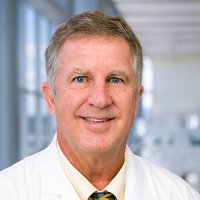 Robert Timmerman合作论文数Department of Radiation Oncology, The University of Texas Southwestern Medical Center19
 Tawfik Giaddui合作论文数Temple University Hospital18Y. Cui合作论文数15Jeffrey D. Bradley合作论文数14
 Walter Bosch合作论文数Department of Radiation Oncology, School of Medicine, Washington University in St. Louis14
 Walter Curran Jr合作论文数Department of Radiation Oncology, School of Medicine, Emory University12Y. Yu合作论文数11Followill David S合作论文数11Rebecca Paulus合作论文数11
 Hak Choy合作论文数Department of Radiation Oncology, UT Southwestern Medical Center10William L. Straube合作论文数10D Followill合作论文数10
 Fang-Fang Yin合作论文数Department of Radiation Oncology, Duke University;Duke Kunshan University;Duke Cancer Institute9
 Adam S. Garden合作论文数Department of Radiation Oncology, Division of Radiation Oncology, The University of Texas MD Anderson Cancer Center9
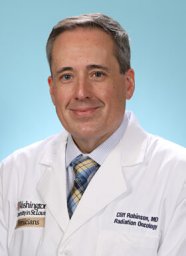 Clifford G. Robinson合作论文数Division of Clinical Research, Department of Radiation Oncology, Washington University School of Medicine in St. Louis;Center for Advanced Medicine Siteman Cancer Center, Washington University;Barnes-Jewish Hospital;Barnes-Jewish West County Hospital9
 Andy Trotti合作论文数Center for Infection Research in Cancer, Moffitt Cancer Center9
 Cui Yunfeng合作论文数9Yan Yu合作论文数8
 Yair Censor合作论文数Department of Mathematics, University of Haifa8
 Jonathan J Beitler合作论文数Medical College of Wisconsin8
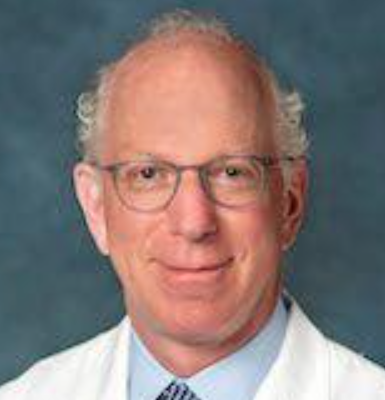 Howard Sandler合作论文数Department of Radiation Oncology, Cedars-Sinai Medical Center8D. Michalski合作论文数8Alfred R. Smith合作论文数7Kenneth Ulin合作论文数7
 Quynh-Thu Le合作论文数Department of Radiation Oncology, School of Medicine, Stanford University7
 Thomas J. Fitzgerald合作论文数Department of Radiation Oncology, University of Massachusetts Chan Medical School7
 Rita Axelrod合作论文数Department of Medical Oncology, Thomas Jefferson University7Lech Papiez合作论文数Department of Radiation Oncology, University of Texas Southwestern Medical Center, Dallas, TX7A.S. Harrison合作论文数Thomas Jefferson University Hospital7
 Maria Werner-Wasik合作论文数6
 Adam P. Dicker合作论文数Department of Radiation Oncology, Thomas Jefferson University6Chen Yan合作论文数6
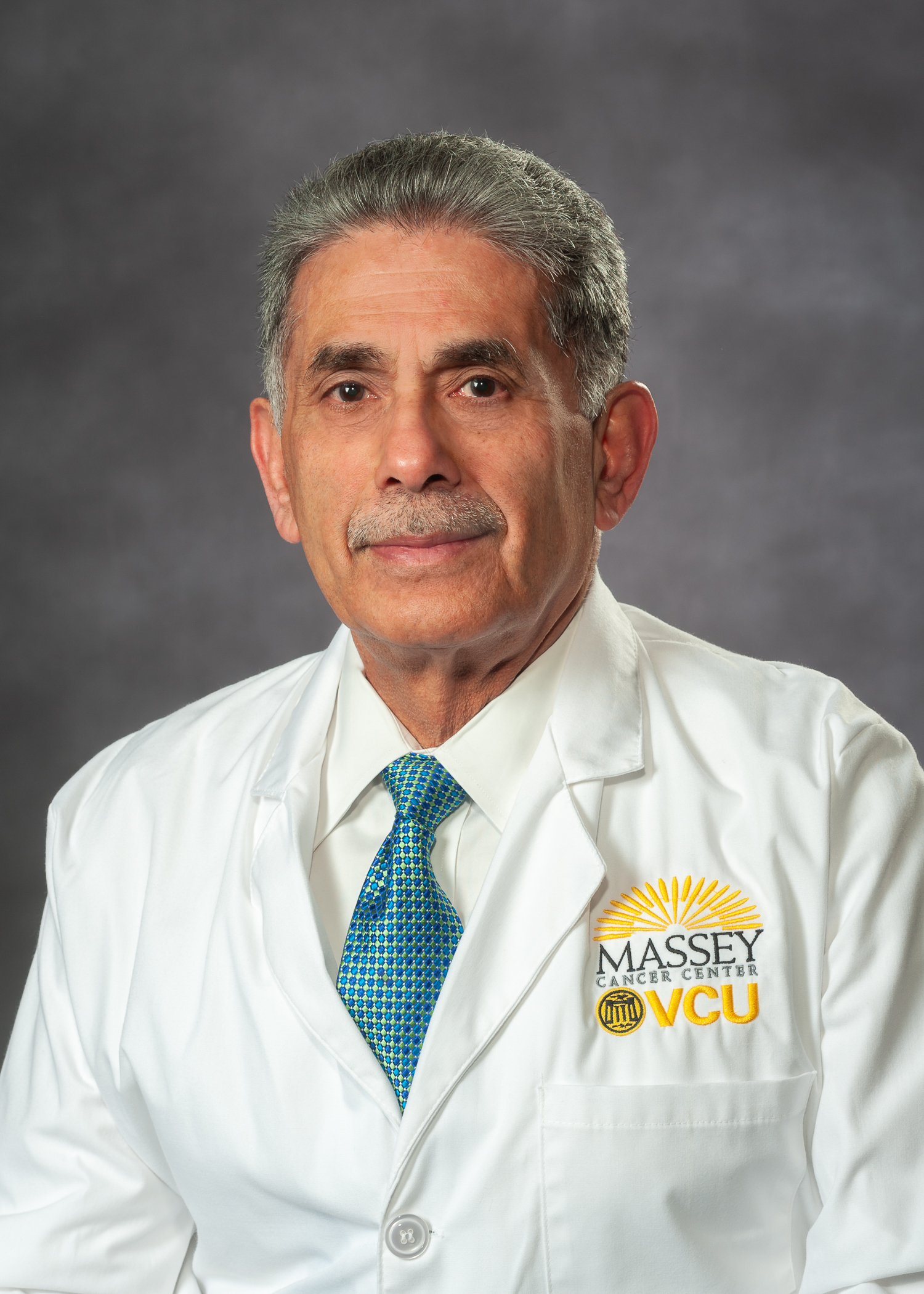 Jatinder R. Palta合作论文数Division of Medical Physics, Department of Radiation Oncology, School of Medicine, Virginia Commonwealth University;Department of Radiation Oncology, University of Florida6
 Wei Chen (陈伟)合作论文数Peking Union Medical College Hospital6
 Feng-Ming Spring Kong合作论文数Department of Clinical Oncology, School of Clinical Medicine, The University of Hong Kong;Case Western Reserve Uniersity6Michael V Knopp合作论文数6
 M. Saiful Huq合作论文数Department of Radiation Oncology, University of Pittsburgh;UPMC Hillman Cancer Center;School of Medicine, University of Pittsburgh;Clinical and Translational Science Institute, University of Pittsburgh6C. Houser合作论文数6W. R. Bosch合作论文数6Richard K. Valicenti合作论文数Kimmel Cancer Center of Jefferson Medical College, Thomas Jefferson University6P.R. Anne合作论文数5Susan McNulty合作论文数5D.I. Rosenthal合作论文数5Chen Wenzhou合作论文数5
 X. Allen Li合作论文数Department of Radiation Oncology, Medical College of Wisconsin5




