Mechanisms underlying heterotypic subunit assembly of ion channels and other oligomeric complexes are poorly understood. In the human heart, heteromeric assembly of two isoforms encoded by the human ether-à-go-go related gene (hERG) is essential for the normal function of cardiac IKr in ventricular repolarization, with loss of hERG1b contributing to arrhythmias associated with long QT-syndrome (LQTS). While hERG1a homomers traffic efficiently to the plasma membrane, hERG1b homomers are retained in the endoplasmic reticulum (ER). When expressed together, the two subunits avidly associate during biogenesis. Seeking rules specifying heteromeric association, we characterized the fate of hERG1b proteins using confocal and superresolution imaging in fixed and live HeLa cells. We found hERG1b sequestered in punctate intracellular structures when expressed alone in HeLa cells. These puncta, which depend on the presence of an N-terminal "RXR" ER retention signal, represent a privileged ER sub-compartment distinct from that containing ER-retained, type 2 (hERG-based) LQTS mutant proteins, which were rapidly degraded by the proteasome. Introducing hERG1a to cells with preformed hERG1b puncta dissolved these puncta by rescuing extant hERG1b. Rescue occurred by association of fully translated hERG1b with 1a, a surprising finding given previous studies demonstrating cotranslational heteromeric association. We propose that sequestration limits potentially deleterious surface expression of hERG1b homomeric channels while preserving hERG1b for an alternative mode of heteromeric hERG1a/1b channel assembly post-translationally. These findings reveal a surprising versatility of biosynthetic pathways promoting heteromeric assembly.
The human ether-à-go-go related gene (hERG) encodes a potassium channel important for repolarizing the cardiac action potential and modulating neuronal firing. Heteromeric assemblies of hERG1a and hERG1b subunits produce cardiac IKr. Dysfunction, mutations in, or depletion of either subunit can cause prolongation of action potential duration, which leads to life-threatening arrhythmias associated with long-QT syndrome. hERG 1a and 1b contain identical transmembrane and C-terminal cytosolic domains but differ in N-terminal cytosolic domains.
Inherited forms of motor neuron disease (MND), including hereditary spastic paraplegias (HSP), are associated with the death or dysfunction of nerve cells that control skeletal muscle activity. However, in some cases, the impacts of genetic variants underlying MND act in a non-cell autonomous manner, instead affecting the function of other cell types necessary for neuronal maintenance. Pathological mutations in TFG, which have been implicated in HSP, lead to axonopathy within the corticospinal tract, but it remains unclear whether this problem arises due to perturbations within neurons or supporting neuroglia. To address this question, we leveraged a rat model harboring the recessive TFG p.R106C mutation (mRATBN7.2, g.11:43897639C>T, c.316C>T), which recapitulates multiple phenotypes associated with HSP in humans, including progressive motor deficits, leg spasticity, and indications of an inflammatory response within the motor cortex. In particular, we took advantage of cell type-specific gene therapies to demonstrate that the reintroduction of wild-type TFG into synapsin 1-positive neurons provides robust protection against MND, whereas its expression in GFAP-positive glial cells provides no significant improvement in quantitative measures of gait, despite a dramatic reduction in the presence of reactive astrocytes throughout the brain. These data strongly suggest that therapeutic approaches targeting neurons should be pursued in cases of TFG-HSP, with our animal model offering a unique platform for preclinical assessment.
Pathological variants in Trk-fused gene (TFG) have been implicated in a variety of neurodegenerative conditions. In particular, mutations within its amino-terminal PB1 domain have been suggested to cause hereditary spastic paraplegia (HSP), resulting in progressive lower limb spasticity and weakness. The structural basis for this effect is unknown. Here, we combine X-ray crystallography and cryo-electron microscopy to determine a structural model of TFG, demonstrating the mechanism by which it forms octameric ring complexes. A network of electrostatic and hydrophobic interactions defines the interface between protomers. Moreover, we show that mutations identified previously in HSP patients disrupt this interface, destabilizing octamers, which ultimately leads to axonopathy. Surprisingly, the impacts of these variants are not equivalent in vivo, highlighting the existence of multiple, distinct mechanisms by which TFG mutations contribute to neurodegenerative disease.
Molecular pathways that intrinsically regulate neuronal maintenance are poorly under-stood, but rare pathogenic mutations that underlie neurodegenerative disease can offer important insights into the mechanisms that facilitate lifelong neuronal function. Here, we leverage a rat model to demonstrate directly that the TFG p.R106C variant impli-cated previously in complicated forms of hereditary spastic paraplegia (HSP) underlies progressive spastic paraparesis with accompanying ventriculomegaly and thinning of the corpus callosum, consistent with disease phenotypes identified in adolescent patients. Analyses of primary cortical neurons obtained from CRISPR-Cas9-edited ani-mals reveal a kinetic delay in biosynthetic secretory protein transport from the endo-plasmic reticulum (ER), in agreement with prior induced pluripotent stem cell-based studies. Moreover, we identify an unexpected role for TFG in the trafficking of Rab4A-positive recycling endosomes specifically within axons and dendrites. Impaired TFG function compromises the transport of at least a subset of endosomal cargoes, which we show results in down-regulated inhibitory receptor signaling that may contribute to excitation-inhibition imbalances. In contrast, the morphology and trafficking of other organelles, including mitochondria and lysosomes, are unaffected by the TFG p.R106C mutation. Our findings demonstrate a multifaceted role for TFG in secretory and endo-somal protein sorting that is unique to cells of the central nervous system and highlight the importance of these pathways to maintenance of corticospinal tract motor neurons.
Membrane remodeling mediated by heteropolymeric filaments composed of ESCRT-III subunits is an essential process that occurs at a variety of organelles to maintain cellular homeostasis. Members of the evolutionarily conserved Lgd/CC2D1 protein family have been suggested to regulate ESCRT-III polymer assembly, although their specific roles, particularly in vivo, remain unclear. Using the Caenorhabditis elegans early embryo as a model system, we show that Lgd/CC2D1 localizes to endosomal membranes, and its loss impairs endolysosomal cargo sorting and degradation. At the ultrastructural level, the absence of Lgd/CC2D1 results in the accumulation of enlarged endosomal compartments that contain a reduced number of intralumenal vesicles (ILVs). However, unlike aberrant endosome morphology caused by depletion of other ESCRT components, ILV size is only modestly altered in embryos lacking Lgd/CC2D1. Instead, loss of Lgd/CC2D1 impairs normal accumulation of ESCRT-III on endosomal membranes, likely slowing the kinetics of ILV formation. Together, our findings suggest a role for Lgd/CC2D1 in the recruitment and/or stable assembly of ESCRT-III subunits on endosomal membranes to facilitate efficient ILV biogenesis.
The export of newly synthesized membrane proteins from the endoplasmic reticulum (ER) requires the action of coat protein complex II (COPII), which is comprised of five core subunits (Sar1, Sec23, Sec24, Sec13, and Sec31) that co-assemble to remodel membranes and generate transport carriers. Recent studies conducted in our lab demonstrate that COPII carrier biogenesis surprisingly continues in the absence of Sar1 GTPase activity, which was suggested previously to be indispensable for COPII-mediated membrane reorganization. Specifically, we show that inhibition of Sar1 stimulates ER stress and triggers the formation of unconventional transport carriers that are decorated with other COPII components and remain capable of directing secretory protein trafficking out of the ER. Our studies suggest new mechanisms by which COPII drives membrane remodeling independently of Sar1.
New antifungal drugs are urgently needed to address the emergence and transcontinental spread of fungal infectious diseases, such as pandrug-resistant Candida auris. Leveraging the microbiomes of marine animals and cutting-edge metabolomics and genomic tools, we identified encouraging lead antifungal molecules with in vivo efficacy. The most promising lead, turbinmicin, displays potent in vitro and mouse-model efficacy toward multiple-drug-resistant fungal pathogens, exhibits a wide safety index, and functions through a fungal-specific mode of action, targeting Sec14 of the vesicular trafficking pathway. The efficacy, safety, and mode of action distinct from other antifungal drugs make turbinmicin a highly promising antifungal drug lead to help address devastating global fungal pathogens such as C. auris.
The formation of multivesicular endosomes (MVEs) mediates the turnover of numerous integral membrane proteins and has been implicated in the down-regulation of growth factor signaling, thereby exhibiting properties of a tumor suppressor. The endosomal sorting complex required for transport (ESCRT) machinery plays a key role in MVE biogenesis, enabling cargo selection and intralumenal vesicle (ILV) budding. However, the spatiotemporal pattern of endogenous ESCRT complex assembly and disassembly in mammalian cells remains poorly defined. By combining CRISPR/Cas9-mediated genome editing and live cell imaging using lattice light sheet microscopy (LLSM), we determined the native dynamics of both early- and late-acting ESCRT components at MVEs under multiple growth conditions. Specifically, our data indicate that ESCRT-0 accumulates quickly on endosomes, typically in less than 30 seconds, and its levels oscillate in a manner dependent on the downstream recruitment of ESCRT-I. Similarly, levels of the ESCRT-I complex also fluctuate on endosomes, but its average residency time is more than fivefold shorter compared with ESCRT-0. Vps4 accumulation is the most transient, however, suggesting that the completion of ILV formation occurs rapidly. Upon addition of epidermal growth factor (EGF), both ESCRT-I and Vps4 are retained at endosomes for dramatically extended periods of time, while ESCRT-0 dynamics are only modestly affected. Our findings are consistent with a model in which growth factor stimulation stabilizes late-acting components of the ESCRT machinery at endosomes to accelerate the rate of ILV biogenesis and attenuate signal transduction initiated by receptor activation.
In mammalian cells, cargo‐laden secretory vesicles leave the endoplasmic reticulum ( ER ) en route to ER ‐Golgi intermediate compartments ( ERGIC ) in a manner dependent on the COPII coat complex. We report here that COPII ‐coated transport carriers traverse a submicron, TFG (Trk‐fused gene)‐enriched zone at the ER / ERGIC interface. The architecture of TFG complexes as determined by three‐dimensional electron microscopy reveals the formation of flexible, octameric cup‐like structures, which are able to self‐associate to generate larger polymers in vitro . In cells, loss of TFG function dramatically slows protein export from the ER and results in the accumulation of COPII ‐coated carriers throughout the cytoplasm. Additionally, the tight association between ER and ERGIC membranes is lost in the absence of TFG . We propose that TFG functions at the ER / ERGIC interface to locally concentrate COPII ‐coated transport carriers and link exit sites on the ER to ERGIC membranes. Our findings provide a new mechanism by which COPII ‐coated carriers are retained near their site of formation to facilitate rapid fusion with neighboring ERGIC membranes upon uncoating, thereby promoting interorganellar cargo transport.
We previously positionally cloned Sorcs1 as a diabetes quantitative trait locus. Sorcs1 belongs to the Vacuolar protein sorting-10 (Vps10) gene family. In yeast, Vps10 transports enzymes from the trans-Golgi network (TGN) to the vacuole. Whole-body Sorcs1 KO mice, when made obese with the leptin(ob) mutation (ob/ob), developed diabetes. β Cells from these mice had a severe deficiency of secretory granules (SGs) and insulin. Interestingly, a single secretagogue challenge failed to consistently elicit an insulin secretory dysfunction. However, multiple challenges of the Sorcs1 KO ob/ob islets consistently revealed an insulin secretion defect. The luminal domain of SORCS1 (Lum-Sorcs1), when expressed in a β cell line, acted as a dominant-negative, leading to SG and insulin deficiency. Using syncollin-dsRed5TIMER adenovirus, we found that the loss of Sorcs1 function greatly impairs the rapid replenishment of SGs following secretagogue challenge. Chronic exposure of islets from lean Sorcs1 KO mice to high glucose and palmitate depleted insulin content and evoked an insulin secretion defect. Thus, in metabolically stressed mice, Sorcs1 is important for SG replenishment, and under chronic challenge by insulin secretagogues, loss of Sorcs1 leads to diabetes. Overexpression of full-length SORCS1 led to a 2-fold increase in SG content, suggesting that SORCS1 is sufficient to promote SG biogenesis.
Endocytic protein trafficking is directed by sorting signals on cargo molecules that are recognized by cytosolic adaptor proteins. However, the steps necessary to segregate the variety of cargoes during endocytosis remain poorly defined. Using Caenorhabditis elegans , we demonstrate that multiple plasma membrane endocytic adaptors function redundantly to regulate clathrin-mediated endocytosis and to recruit components of the endosomal sorting complex required for transport (ESCRT) machinery to the cell surface to direct the sorting of ubiquitin-modified substrates. Moreover, our data suggest that preassembly of cargoes with the ESCRT-0 complex at the plasma membrane enhances the efficiency of downstream sorting events in the endolysosomal system. In the absence of a heterooligomeric adaptor complex composed of FCHO, Eps15, and intersectin, ESCRT-0 accumulation at the cell surface is diminished, and the degradation of a ubiquitin-modified cargo slows significantly without affecting the rate of its clathrin-mediated internalization. Consistent with a role for the ESCRT machinery during cargo endocytosis, we further show that the ESCRT-0 complex accumulates at a subset of clathrin-coated pits on the surface of human cells. Our findings suggest a unique mechanism by which ubiquitin-modified cargoes are sequestered into the endolysosomal pathway.
Hereditary spastic paraplegias are a clinically and genetically heterogeneous group of gait disorders. Their pathological hallmark is a length-dependent distal axonopathy of nerve fibers in the corticospinal tract. Involvement of other neurons can cause additional neurological symptoms, which define a diverse set of complex hereditary spastic paraplegias. We present two siblings who have the unusual combination of early-onset spastic paraplegia, optic atrophy, and neuropathy. Genome-wide SNP-typing, linkage analysis, and exome sequencing revealed a homozygous c.316C>T (p.R106C) variant in the Trk-fused gene ( TFG ) as the only plausible mutation. Biochemical characterization of the mutant protein demonstrated a defect in its ability to self-assemble into an oligomeric complex, which is critical for normal TFG function. In cell lines, TFG inhibition slows protein secretion from the endoplasmic reticulum (ER) and alters ER morphology, disrupting organization of peripheral ER tubules and causing collapse of the ER network onto the underlying microtubule cytoskeleton. The present study provides a unique link between altered ER architecture and neurodegeneration.
Vesicle‐mediated cargo transport within the endomembrane system requires precise coordination between adaptor molecules, which recognize sorting signals on substrates, and factors that promote changes in membrane architecture. At endosomal compartments, a set of protein complexes collectively known as the ESCRT machinery sequesters transmembrane cargoes that harbor a ubiquitin modification and packages them into vesicles that bud into the endosome lumen. Using atomic force microscopy, we define the architecture of each ESCRT complex in the presence of physiologically relevant lipid bilayers. This analysis indicates that ESCRT‐0, ESCRT‐I, and ESCRT‐II function as heterotetrameric complexes that collectively bind and sequester ubiquitin‐modified cargoes. Additionally, our analysis reveals a mechanism by which ESCRT‐III membrane scission activity is both spatially and temporally regulated during multivesicular endosome biogenesis. A revised model describing ESCRT function during protein sorting in the endocytic pathway will be presented.
The posttranslational addition of palmitate to cysteines occurs ubiquitously in eukaryotic cells, where it functions in anchoring target proteins to membranes and in vesicular trafficking. Here we show that theSaccharomyces cerevisiaepalmitoyltransferase Pfa4 enhanced heterochromatin formation at the cryptic mating-type lociHMRandHMLvia Rif1, a telomere regulatory protein. Acylated Rif1 was detected in extracts from wild-type but notpfa4Δmutant cells. In apfa4Δmutant, Rif1-GFP dispersed away from foci positioned at the nuclear periphery into the nucleoplasm. Sir3-GFP distribution was also perturbed, indicating a change in the nuclear dynamics of heterochromatin proteins. Genetic analyses indicated thatPFA4functioned upstream ofRIF1. Surprisingly, thepfa4Δmutation had only mild effects on telomeric regulation, suggesting Rif1's roles atHMloci and telomeres were more complexly related than previously thought. These data supported a model in which Pfa4-dependent palmitoylation of Rif1 anchored it to the inner nuclear membrane, influencing its role in heterochromatin dynamics.
The essential phospholipid PI4,5P(2) is generated by a well conserved PI4P 5-kinase, Mss4, in yeast. Balanced production and turnover of PI4,5P(2) is important for normal organization of the actin cytoskeleton and cell viability. Previous studies have shown that multiple PI phosphatases can regulate PI4,5P(2) levels. We report a new, unexpected regulatory mechanism for PI4,5P(2) homeostasis, directed by nuclear-cytoplasmic shuttling of the lipid kinase. We show that Mss4 is a phosphoprotein, which contains a functional nuclear localization signal (NLS) and can shuttle between the cytoplasm and the nucleus. Temperature-conditional mss4 cells that accumulate Mss4 protein in the nucleus exhibit reduced levels of PI4,5P(2), depolarization of the actin cytoskeleton and a block in Mss4 phosphorylation, suggesting an essential role for phosphorylated Mss4 at the plasma membrane. Through the isolation of gene dosage-dependent suppressors of mss4 mutants, we identified Bcp1, a protein enriched in the nucleus, which is required for Mss4 nuclear export and is related to the mammalian BRCA2-interacting protein BCCIP. Together, these studies suggest a new mechanism for lipid kinase regulation through regulated nuclear-cytoplasmic shuttling.
 Molly M Lettman合作论文数4
 Adam Johnson合作论文数Genentech, Inc.4Schuh Amber L合作论文数4James Alvin合作论文数3Jonathan R Mayers合作论文数2William Kasberg合作论文数2Lei Wang合作论文数2
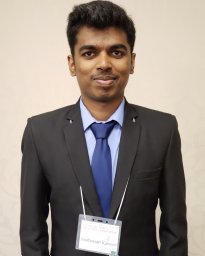 Sudharsan Kannan合作论文数University of Wisconsin-Madison2Edwin R. Chapman合作论文数2
 Scott M Stagg合作论文数School of Biology;Georgia Institute of Technology;Department of Molecular Biology;University of Aarhus;Department of Biomedical Sciences;at Albany, State University of New York;Empire State Plaza;Nacional de Biotecnología;Universidad Autónoma de Madrid;State University of New York at Albany, Universidad Autónoma de Madrid2Allison J Balloon合作论文数1Oliver C Richards合作论文数1Iryna Pustova合作论文数1Thomas Fothergill合作论文数1Nicole Hertel合作论文数1Rita-Eva Varga合作论文数1Erin Sharkey合作论文数1Jennifer Peotter合作论文数1
 Michael George Hanna合作论文数1
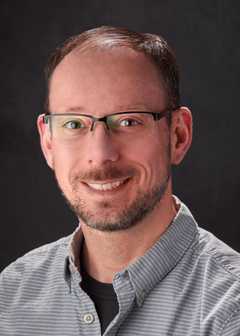 Tim S Bugni合作论文数Pharmaceutical Sciences Division, School of Pharmacy, University of Wisconsin-Madison1Alan Attie合作论文数1
 James L. Keck合作论文数Department of Biomolecular Chemistry, School of Medicine and Public Health, University of Wisconsin-Madison1
 Catherine A. Fox合作论文数Department of Biomolecular Chemistry, School of Medicine and Public Health, University of Wisconsin-Madison1Ali Sarkeshik合作论文数1Witchuda Saengsawang合作论文数1
 Jen Fossen合作论文数Department of Medicine, University of Wisconsin−Madison1
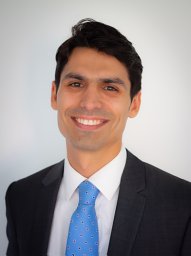 Mazdak M Bradberry合作论文数Univ Wisconsin, Dept Neurosci, Howard Hughes Med Inst, Madison, WI USA1
 Peter Luong合作论文数1Raakhee Shankar合作论文数San Jose State Univ, Dept Biol Sci, San Jose, CA 95192 USA1
 Miao Zhao合作论文数Univ Wisconsin, Dept Med, Sch Med & Publ Hlth, Madison, WI 53706 USA1Yueju Wang合作论文数1
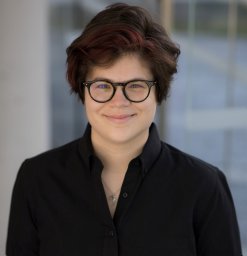 Elisa Frankel合作论文数Univ Wisconsin, Sch Med & Publ Hlth, Dept Biomol Chem, Madison, WI 53706 USA1
 Shaurya Chanana合作论文数Pharmaceutical Sciences Division, University of Wisconsin−Madison1Ian Fyfe合作论文数1
 Melkam Kebede合作论文数School of Medicine Sciences, Faculty of Medicine and Health, The University of Sydney1
 Scott Emr合作论文数College of Agriculture and Life Sciences, Cornell University;Weill Institute for Cell and Molecular Biology, Department of Molecular Biology and Genetics, Cornell University1
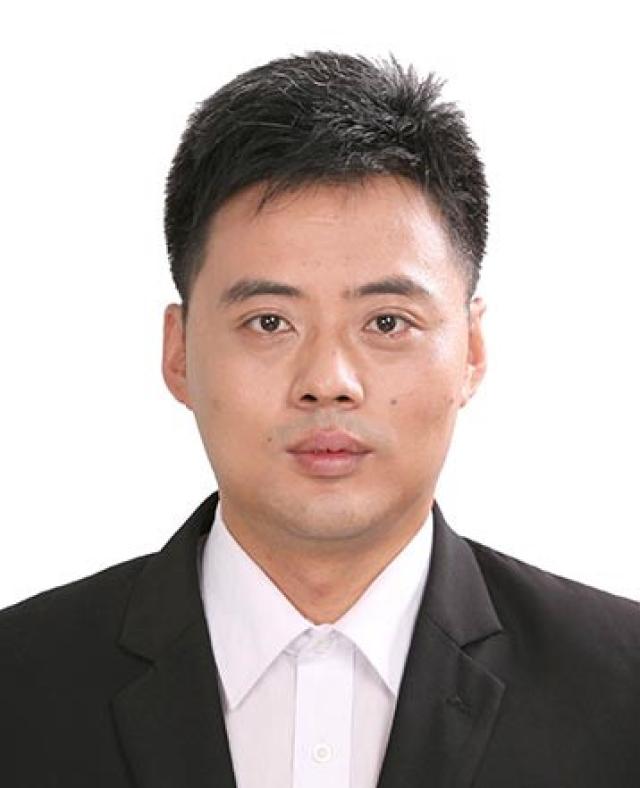 Changgui Zhao (赵常贵)合作论文数College of Chemistry, Beijing Normal University1Raines Summer M合作论文数1Rabaglia Mary E合作论文数1
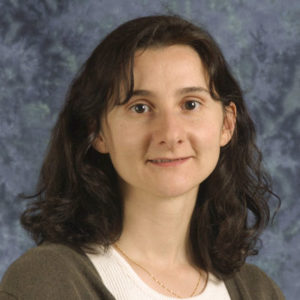 Marisa S Otegui合作论文数Department of Botany, College of Letters and Science, University of Wisconsin-Madison1
 Janine Altmüller合作论文数Center for Molecular Medicine Cologne;Berlin Institute of Health at Charité, Universitätsmedizin Berlin;Max Delbrück Center for Molecular Medicine1
 Ewa Bomba-Warczak合作论文数Department of Neuroscience, University of Wisconsin Medical School;Department of Neuroscience, University of Wisconsin Medical School1
 Nabil Georges Seidah合作论文数Departement de Biochimie et Medecine Moleculaire, Faculte de Medecine, Universite de Montreal;Departement de Medecine, Faculte de Medecine, Universite de Montreal;Institut De Recherches Cliniques De Montréal1Mitok Kelly合作论文数1Jenel Cobb合作论文数1Catherine A. Eichel合作论文数1
 Hiram Sanchez合作论文数Departments of Medicine and Medical Microbiology and Immunology, University of Wisconsin1
 Jeff S Piotrowski合作论文数Great Lakes Bioenergy Research Center, University of Wisconsin–Madison;Great Lakes Bioenergy Research Center, University of Wisconsin–Madison1
 Basudeb Bhattacharyya合作论文数1




