Malic acid is a valuable platform chemical traditionally derived from fossil-based resources. Microbial cultivation with Aspergillus oryzae offers a sustainable alternative based on renewable feedstocks. In this study, a well-established minimal medium for malic acid production, commonly used in previous research to ensure reproducibility, was employed. Despite its widespread use, respiration monitoring combined with stepwise nutrient pulsing unexpectedly revealed a nutrient depletion after 8 h of cultivation. Zn2+ limitation was identified through a combination of respiration monitoring and systematic stepwise nutrient pulsing. Supplementation of Zn2+ increased oxygen consumption, leading to hypoxic conditions. This induced hypoxia enhanced malic acid production and influenced the overall organic acid profile. Different dynamic oxygen concentration strategies were tested to evaluate their effect on malic acid productivity, showing that allowing growth into hypoxia and maintaining hypoxia throughout the production phase resulted in the best performance. By combining Zn2+ supplementation, maintaining a culture pH of 7.00 and Zn2+-induced hypoxia, final malic acid concentrations were elevated from 31.44 g L-1 to 45.28 g L-1, with a yield of 0.61 g malic acid per g of glucose and an average productivity of 0.19 g L-1 h-1.
Characterization of cultivation parameters at screening scale is essential for transfer to production systems, particularly with respect to gas transfer efficiency, expressed as the volumetric oxygen transfer coefficient (kLa). In this work, the O2 downregulation mode of the commercially available high-throughput screening platform BioLector was repurposed and shown to be suitable for determining kLa using the physical gassing-out method. As an example, the influence of liquid filling volume in microtiter plates, shaking frequency and aeration rate on kLa was investigated, resulting in values of up to 6 h−1 under the tested conditions. Overall, this semi-automated approach allows kLa characterization with little manual effort and supports process transfer between cultivation systems by enabling oxygen transfer conditions in BioLector experiments to be considered during scale translation.
In light of climate change and growing resource scarcity, microbial production of organic acids offers a sustainable alternative to fossil-based chemical synthesis. In this study, malic acid production by Aspergillus oryzae was optimized through cultivation temperature adjustment and biotin supplementation, while organic acid formation from various carbon sources was systematically characterized. The process conditions applied during substrate screening, including pH control using Na2CO3 and NaOH, Zn2+ supplementation and hypoxia, were based on previously established strategies to stimulate malic acid production. Cultivation at 35°C increased respiratory activity compared to 32°C, resulting in an average productivity of 0.17 g L-1 h-1. Biotin supplementation enhanced productivity by 20% and increased the carbon yield, defined as the proportion of consumed carbon recovered in malic acid, by 5%. Under optimized cultivation conditions, the highest malic acid productivity was achieved in cultivation with glucose as substrate and Na2CO3 as pH-neutralizing agent, reaching 57.57 g L-1 malic acid with a yield of 0.66 g g-1 and an overall productivity of 0.24 g L-1 h-1, while fructose and glycerol resulted in substantially lower productivities. Furthermore, we demonstrate the ability to perform carbon balancing even in the presence of carbonate-based neutralizing agents. This is achieved by quantifying and subtracting the CO2 generated during neutralization reactions from the total emissions, enabling precise determination of microbial CO2 production and calculation of carbon yields. By systematically combining optimization strategies reported in previous studies, this work achieves productivity and carbon efficiency exceeding those of the individual approaches reported so far.
Industrial production of single-cell oils (SCOs) by oleaginous yeasts relies predominantly on nitrogen limitation, which constrains process flexibility when nitrogen-rich substrates are used. Although phosphate limitation has been reported as an alternative lipid induction strategy, its process-level performance relative to nitrogen limitation remains insufficiently resolved under controlled reactor-scale conditions. In this study, phosphate-limited, nitrogen-limited and nutrient-replete cultivations of Cutaneotrichosporon oleaginosum ATCC 20509, Saitozyma podzolica DSM 27192, Scheffersomyces segobiensis DSM 27193 and Apiotrichum porosum DSM 27194 were benchmarked in 2.5 L stirred-tank reactors operated under identical media compositions and process parameters. Biomass formation, lipid titres, specific lipid production rates, biomass composition and fatty acid profiles were systematically compared. Nitrogen limitation resulted in the highest lipid titres, reaching up to 9.2 g L−1 (A. porosum), while maximum lipid titres under phosphate-limited conditions reached 5.0 g L−1 (C. oleaginosum) and nutrient-replete conditions 3.9 g L−1 (A. porosum), respectively. The highest specific lipid production rate under nitrogen limitation was 0.0028 g gCDW−1 h−1 (S. podzolica), while phosphate limitation yielded a maximum of 0.0037 g gCDW−1 h−1 (S. podzolica). These results demonstrate that phosphate limitation can decouple cellular lipid productivity from biomass formation and represents a process-relevant alternative for SCO production from nitrogen-rich feedstocks.
Yeasts such as Cutaneotrichosporon oleaginosum can convert low-value side streams into single-cell oils with fatty acid profiles comparable to vegetable oils. Crude glycerol (CG), a byproduct of biodiesel production, offers a cost-effective substrate, but its variable impurity load often causes strong growth inhibition. In this study, two untreated industrial CG batches were characterized and evaluated in 2.5 L and 19 L stirred-tank fermentations. Direct batch cultivation on CG resulted in no measurable growth, whereas an adapted stepwise feeding strategy effectively mitigated early inhibition and restored biomass formation, metabolic activity, and lipid accumulation. In 2.5 L cultivations, apparent growth rates up to 0.51 h−1 and volumetric productivities up to 0.22 g L−1 h−1 were achieved, with lipid contents of ~30% and oleate-dominated fatty acid profiles. Fatty acid profiles remained oleate-dominated (~53–55% C18:1). Transition-scale (19 L) repeated-batch fermentations confirmed process robustness across > 640 h of operation, during which lipid content (~30–36%) and fatty acid composition (oleate ~51–53%) remained stable despite pronounced substrate-batch variability and increasing nitrogen limitation. These results demonstrate that untreated CG can be reliably valorized for lipid production using scalable feeding strategies without prior detoxification. This closes a gap between laboratory-scale feasibility studies and process-oriented, multi-cycle operation on industrial-grade feedstocks, confirming that feeding-driven inhibition control can ensure robust performance without substrate purification.
Parageobacillus thermoglucosidasius is a carboxydotrophic microorganism that produces H2 through the water-gas shift (WGS) reaction, using carbon monoxide (CO) as the main substrate. CO is a common constituent of syngas, alongside CO2, H2, O2, and other gases. The facultatively anaerobic nature of P. thermoglucosidasius is particularly pertinent for hydrogenogenesis from O2-containing syngas. Here, we evaluated the effects of different syngas compositions (5, 12, and 20
Abstract Background Parageobacillus thermoglucosidasius is a facultatively anaerobic thermophile that is able to produce hydrogen (H2) gas from the oxidation of carbon monoxide through the water–gas shift reaction when grown under anaerobic conditions. The water–gas shift (WGS) reaction is driven by a carbon monoxide dehydrogenase–hydrogenase enzyme complex. Previous experiments exploring hydrogenogenesis with P. thermoglucosidasius have relied on batch fermentations comprising defined media compositions and gas atmospheres. This study evaluated the effects of a semi-continuous feeding strategy on hydrogenogenesis. Results A batch and two semi-continuous fermentations, with feeding of the latter fresh media (with glucose) in either 24 h or 48 h intervals were undertaken and H2 production, carbon monoxide dehydrogenase (CODH) activity, and metabolite consumption/production were monitored throughout. Maximum H2 production rates (HPR) of 0.14 and 0.3 mmol min−1, were observed for the batch and the semi-continuous fermentations, respectively. Daily feeding attained stable H2 production for 7 days, while feeding every 48 h resulted in high variations in H2 production. CODH enzyme activity correlated with H2 production, with a maximum of 1651 U mL−1 on day 14 with the 48 h feeding strategy, while CODH activity remained relatively constant throughout the fermentation process with the 24 h feeding strategy. Conclusions The results emphasize the significance of a semi-continuous glucose-containing feed for attaining stable hydrogen production with P. thermoglucosidasius. The semi-continuous fermentations achieved a 46% higher HPR than the batch fermentation. The higher HPRs achieved with both semi-continuous fermentations imply that this approach could enhance the biohydrogen platform. However, optimizing the feeding interval is pivotal to ensuring stable hydrogen production.
Background:Anaerobic gut fungi, known for their diverse carbohydrate-active enzymes and hydrogen production, have promising potential for the valorization of lignocellulosic materials. Despite being classified nearly 50 years ago and re-categorized into the phylum Neocallimastigomycota in 2007, their growth conditions and metabolism remain largely underexplored. This study investigates the metabolic responses of Aestipascuomyces dupliciliberans, Caecomyces churrovis, Khyollomyces ramosus, Orpinomyces joyonii, Pecoramyces ruminantium, and Neocallimastix cameroonii under various conditions, including different growth temperatures, wheat straw particle sizes, alternative carbon sources, and cultivation methods. Results:Strain-specific differences were observed in temperature tolerance and metabolite production. Optimal growth occurred at 39 °C, while hydrogen production peaked at 41 °C in N. cameroonii, P. ruminantium, and C. churrovis. Larger wheat straw particles (2-3 mm) partially enhanced hydrogen yields, and soluble carbon sources such as glucose and cellobiose were efficiently metabolized, whereas xylose led to stress responses and low hydrogen output, particularly in K. ramosus and O. joyonii. High sugar concentrations triggered overflow metabolism, with increased lactate and formate production in A. dupliciliberans and N. cameroonii, while K. ramosus, lacking lactate dehydrogenase, accumulated formate and succinate. Fed-batch cultivation did not improve yields, likely due to substrate overfeeding and end-product inhibition. Biowaste substrates such as cucumber, carrot, and potato peels were effectively degraded and supported fungal growth. Notably, a novel morphological growth form was observed in O. joyonii under starvation conditions, suggesting a stress-induced developmental transition. Conclusion:This study provides valuable insights into the growth and physiology of anaerobic gut fungi and complements existing genomic data. The robustness of the process with respect to temperature, carbon source and substrate properties was evaluated, improving the understanding of anaerobic gut fungi cultivation and handling.
With growing interest in the valorization of renewable resources, the microbial production of organic acids using Aspergillus oryzae has gained attention. However, process parameters such as pH and neutralizing agents remain insufficiently understood. We investigated the effect of pH and different neutralizers on the production of malic, succinic, fumaric, pyruvic and citric acid and fungal growth using offline sampling and online monitoring of respiratory activity. Neutralizers included NaOH, Na2CO3, KOH, Mg(OH)2, Ca(OH)2, and CaCO3 and were compared to the conventional use of excess CaCO3. Using Na2CO3, malic acid reached 33.18 g L-1 with a yield of 0.54 g g-1 from glucose and a productivity of 0.14 g L-1 h-1. KOH enabled the highest citric acid concentration of 9.12 g L-1 with 0.18 g g-1 and 0.04 g L-1 h-1. At controlled pH with NaOH, pH 7.00 resulted in 39.14 g L-1 malic acid with 0.60 g g-1 and 0.17 g L-1 h-1. Citric acid peaked at pH 5.50 with 20.18 g L-1, 0.36 g g-1 and 0.09 g L-1 h-1. Under dynamic pH conditions, acidification suppressed the production of most acids, while citric acid was produced exclusively at low pH. Off-gas analysis at controlled pH revealed increased respiratory activity under acidic conditions, indicating active pH homeostasis. Furthermore, we detected a nutrient limitation via respiration monitoring in a medium widely used for decades, uncovering untapped optimization potential in previously published studies. These findings highlight the importance of pH and neutralizer selection for improving microbial organic acid production.
Background The facultatively anaerobic thermophile Parageobacillus thermoglucosidasius is able to produce hydrogen gas (H-2) through the water-gas shift (WGS) reaction. To date this process has been evaluated under controlled conditions, with gas feedstocks comprising carbon monoxide and variable proportions of air, nitrogen and hydrogen. Ultimately, an economically viable hydrogenogenic system would make use of industrial waste/synthesis gases that contain high levels of carbon monoxide, but which may also contain contaminants such as H-2, oxygen (O-2) and other impurities, which may be toxic to P. thermoglucosidasius. Results We evaluated the effects of synthesis gas (syngas) mimetic feedstocks on WGS reaction-driven H-2 gas production by P. thermoglucosidasius DSM 6285 in small-scale fermentations. Improved H-2 gas production yields and faster onset towards hydrogen production were observed when anaerobic synthetic syngas feedstocks were used, at the expense of biomass accumulation. Furthermore, as the WGS reaction is an anoxygenic process, we evaluated the influence of O-2 perturbation on P. thermoglucosidasius hydrogenogenesis. O-2 supplementation improved biomass accumulation, but reduced hydrogen yields in accordance with the level of oxygen supplied. However, H-2 gas production was observed at low O-2 levels. Supplementation also induced rapid acetate consumption, likely to sustain growth. Conclusion The utilisation of anaerobic syngas mimetic gas feedstocks to produce H-2 and the relative flexibility of the P. thermoglucosidasius WGS reaction system following O-2 perturbation further supports its applicability towards more robust and continuous hydrogenogenic operation.
Background For the first time, the recently held United Nations Climate Change Conference (COP 28) involved a summit leaders’ declaration to include global food production in their action plan to fight climate change. Reducing meat consumption is the primary way to take this fight seriously, nevertheless the global supply of people with high-quality protein is one of the central challenges of the coming decades. Producing microbial protein from CO2 (aka single cell protein, SCP) offers the unique opportunity to recycle both, CO2 from the atmosphere and food side streams, into consumer-oriented foods - an innovative path to a zero-carbon footprint diet. Scope and approach The importance of utilizing CO2 as a substrate for microbial food production is underscored by comparative environmental footprint studies of various protein sources. This commentary systematically discusses the opportunities and technical challenges in realizing this vision. Key findings and conclusions The herein proposed acetate-based CO2-to-food framework carries the potential to decrease the environmental footprint of food production by several orders of magnitude in terms of greenhouse gas emission, water, and land usage. While all relevant process steps are already advanced to a high technological readiness level, the key engineering challenges encompass their consolidation to a circular process, scale-up and product formulation.
ABSTRACTPyrolysis of lignocellulosic biomass commonly produces syngas, a mixture of gases such as CO, CO2 and H2, as well as an aqueous solution generally rich in organic acids such as acetate. In this study, we evaluated the impact of increasing acetate shock loads during syngas co‐fermentation with anaerobic microbiomes at different pH levels (6.7 and 5.5) and temperatures (37°C and 55°C) by assessing substrates consumption, metabolites production and microbial community composition. The anaerobic microbiomes revealed to be remarkably resilient and were capable of converting syngas even at high acetate concentrations of up to 64 g/L and pH 5.5. Modifying process parameters and acetate loads resulted in a shift of the product spectrum and microbiota composition. Specifically, a pH of 6.7 promoted methanogens such as Methanosarcina, whereas lowering the pH to 5.5 with lower acetate loads promoted the enrichment of syntrophic acetate oxidisers such as Syntrophaceticus, alongside hydrogenotrophic methanogens. Increasing acetate loads intensified the toxicity of undissociated acetic acid, thereby inhibiting methanogenic activity. Under non‐methanogenic conditions, high acetate concentrations suppressed acetogenesis in favour of hydrogenogenesis and the production of various carboxylates, including valerate, with product profiles and production rates being contingent upon temperature. A possible candidate for valerate production was identified in Oscillibacter. Across all tested conditions, acetate supplementation provided additional carbon and energy to the mixed cultures and consistently increased carboxydotrophic conversion rates up to about 20‐fold observed at pH 5.5, 55°C and 48 g/L acetate compared to control experiments. Species of Methanobacterium, Methanosarcina and Methanothermobacter may have been involved in CO biomethanation. Under non‐methanogenic conditions, the bacterial species responsible for CO conversion remain unclear. These results offer promise for integrating process streams, such as syngas and wastewater, as substrates for mixed culture fermentation allowing for enhanced resource circularity, mitigation of environmental impacts and decreased dependence on fossil fuels.
Abstract Hybrid thermochemical–biological processes have the potential to enhance the carbon and energy recovery from organic waste. This work aimed to assess the carbon and energy recovery potential of multifunctional processes to simultaneously sequestrate syngas and detoxify pyrolysis aqueous condensate (PAC) for short-chain carboxylates production. To evaluate relevant process parameters for mixed culture co-fermentation of syngas and PAC, two identical reactors were run under mesophilic (37 °C) and thermophilic (55 °C) conditions at increasing PAC loading rates. Both the mesophilic and the thermophilic process recovered at least 50% of the energy in syngas and PAC into short-chain carboxylates. During the mesophilic syngas and PAC co-fermentation, methanogenesis was completely inhibited while acetate, ethanol and butyrate were the primary metabolites. Over 90% of the amplicon sequencing variants based on 16S rRNA were assigned to Clostridium sensu stricto 12. During the thermophilic process, on the other hand, Symbiobacteriales, Syntrophaceticus, Thermoanaerobacterium, Methanothermobacter and Methanosarcina likely played crucial roles in aromatics degradation and methanogenesis, respectively, while Moorella thermoacetica and Methanothermobacter marburgensis were the predominant carboxydotrophs in the thermophilic process. High biomass concentrations were necessary to maintain stable process operations at high PAC loads. In a second-stage reactor, Aspergillus oryzae converted acetate, propionate and butyrate from the first stage into L-malate, confirming the successful detoxification of PAC below inhibitory levels. The highest L-malate yield was 0.26 ± 2.2 molL-malate/molcarboxylates recorded for effluent from the mesophilic process at a PAC load of 4% v/v. The results highlight the potential of multifunctional reactors where anaerobic mixed cultures perform simultaneously diverse process roles, such as carbon fixation, wastewater detoxification and carboxylates intermediate production. The recovered energy in the form of intermediate carboxylates allows for their use as substrates in subsequent fermentative stages.
AbstractEnset fiber is a promising feedstock for biofuel production with the potential to reduce carbon emissions and improve the sustainability of the energy system. This study aimed to maximize hydrogen and butanol production from Enset fiber through simultaneous saccharification and fermentation (SSF) process in bottles as well as in bioreactor. The SSF process in bottles resulted in a higher butanol concentration of 11.36 g/L with a yield of 0.23 g/g and a productivity of 0.16 g/(L h) at the optimal process parameters of 5% (w/v) substrate loading, 16 FPU/g cellulase loading, and 100 rpm agitation speed from pretreated Enset fiber. Moreover, a comparable result to the bottle experiment was observed in the bioreactor with pH-uncontrolled SSF process, although with a decreased in butanol productivity to 0.095 g/(L h). However, using the pre-hydrolysis simultaneous saccharification and fermentation (PSSF) process in the bioreactor with a 7% (w/v) substrate loading led to the highest butanol concentration of 12.84 g/L with a productivity of 0.104 g/(L h). Furthermore, optimizing the SSF process parameters to favor hydrogen resulted in an increased hydrogen yield of 198.27 mL/g-Enset fiber at atmospheric pressure, an initial pH of 8.0, and 37 °C. In general, stirring the SSF process to shift the product ratio to either hydrogen or butanol was possible by adjusting temperature and pressure. At 37 °C and atmospheric pressure, the process resulted in an e-mol yield of 12% for hydrogen and 38% for butanol. Alternatively, at 30 °C and 0.55 bar overpressure, the process achieved a yield of 6% e-mol of hydrogen and 48% e-mol of butanol. This is the first study to produce hydrogen and butanol from Enset fiber using the SSF process and contributes to the development of a circular bioeconomy. Graphical Abstract
AbstractThe anaerobic digestion of aqueous condensate from fast pyrolysis is a promising technology for enhancing carbon and energy recovery from waste. Syngas, another pyrolysis product, could be integrated as a co-substrate to improve process efficiency. However, limited knowledge exists on the co-fermentation of pyrolysis syngas and aqueous condensate by anaerobic cultures and the effects of substrate toxicity. This work investigates the ability of mesophilic and thermophilic anaerobic mixed cultures to co-ferment syngas and the aqueous condensate from either sewage sludge or polyethylene plastics pyrolysis in semi-batch bottle fermentations. It identifies inhibitory concentrations for carboxydotrophic and methanogenic reactions, examines specific component removal and assesses energy recovery potential. The results show successful co-fermentation of syngas and aqueous condensate components like phenols and N-heterocycles. However, the characteristics and load of the aqueous condensates affected process performance and product formation. The toxicity, likely resulting from the synergistic effect of multiple toxicants, depended on the PACs’ composition. At 37 °C, concentrations of 15.6 gCOD/gVSS and 7.8 gCOD/gVSS of sewage sludge-derived aqueous condensate inhibited by 50% carboxydotrophic and methanogenic activity, respectively. At 55 °C, loads between 3.9 and 6.8 gCOD/gVSS inhibited by 50% both reactions. Polyethylene plastics condensate showed higher toxicity, with 2.8 gCOD/gVSS and 0.3 gCOD/gVSS at 37 °C decreasing carboxydotrophic and methanogenic rates by 50%. At 55 °C, 0.3 gCOD/gVSS inhibited by 50% CO uptake rates and methanogenesis. Increasing PAC loads reduced methane production and promoted short-chain carboxylates formation. The recalcitrant components in sewage sludge condensate hindered e-mol recovery, while plastics condensate showed high e-mol recoveries despite the stronger toxicity. Even with challenges posed by substrate toxicity and composition variations, the successful conversion of syngas and aqueous condensates highlights the potential of this technology in advancing carbon and energy recovery from anthropogenic waste streams. Graphical Abstract
Molecular biotechnology uses a wide variety of enzymes. These can be grouped either to their reaction mechanism (enzyme class) or to the intended use in the manipulation of nucleic acids or to their composition of either only protein, a combination of protein and nucleic acid, or an enzymatic active nucleic acid. In this chapter they will be grouped according to their function into (1) enzymes for the synthesis of polynucleotides, like DNA polymerases, RNA polymerases, and reverse transcriptase. (2) Enzymes cutting nucleic acids, like restriction enzymes, DNases, and RNases, and the new type of CRISPR-CAS9. (3) Existing polynucleotides can be modified by the group of nucleic acid-modifying enzymes that cover, e.g., the ligases, methyltransferases, and phosphatases.
The ability of Parageobacillus thermoglucosidasius to produce H2 from CO via the water–gas shift (WGS) reaction makes it a compelling microorganism for biofuels research. Optimizing this process requires evaluating parameters such as pressure. This study aimed to understand how H2 production is affected by increasing CO, N2, and H2 partial pressures to 1.0, 2.0, and 3.0 bar. Increasing CO partial pressure can improve the solubility of the gas in the liquid phase. However, raising CO partial pressure to 3.0 bar had an inhibitory effect, delaying and reducing H2 production. By contrast, increasing N2 and H2 partial pressures to 3.0 bar had positive effects, reaching a H2 production of 9.2 mmol and 130 mmol, respectively. Analysis of the electron balance at the end of the fermentation process showed that the selectivity toward H2 production reached 95%, with the remainder of electrons deriving from CO and glucose directed at organic acid production, mainly acetate, followed by formate.
Background Lignocellulosic biomass plays a crucial role in creating a circular bioeconomy and minimizing environmental impact. Enset biomass is a byproduct of traditional Ethiopian Enset food processing that is thrown away in huge quantities. This study aimed to produce caproate from Enset fiber using Neocallimastix cameroonii strain G341 and Clostridium kluyveri DSM 555 in one-pot two-step fermentation. Results The process started by growing N. cameroonii on Enset fiber as a carbon source for 7 days. Subsequently, the fungal culture was inoculated with active C. kluyveri preculture and further incubated. The results showed that N. cameroonii grew on 0.25 g untreated Enset fiber as the sole carbon source and produced 1.16 mmol acetate, 0.51 mmol hydrogen, and 1.34 mmol formate. In addition, lactate, succinate, and ethanol were detected in small amounts, 0.17 mmol, 0.08 mmol, and 0.7 mmol, respectively. After inoculating with C. kluyveri , 0.3 mmol of caproate and 0.48 mmol of butyrate were produced, and hydrogen production also increased to 0.95 mmol compared to sole N. cameroonii fermentation. Moreover, after the culture was supplemented with 2.18 mmol of ethanol during C. kluyveri inoculation, caproate, and hydrogen production was further increased to 1.2 and 1.36 mmol, respectively, and the consumption of acetate also increased. Conclusion A novel microbial cell factory was developed to convert untreated lignocellulosic Enset fiber into the medium chain carboxylic acid caproate and H 2 by a co-culture of the anaerobic fungi N. cameroonii and C. kluyveri . This opens a new value chain for Enset farmers, as the process requires only locally available raw materials and low-price fermenters. As the caproate production was mainly limited by the available ethanol, the addition of locally produced ethanol-containing fermentation broth (“beer”) would further increase the titer. Graphical Abstract
Abstract Background Production of monocarboxylates using microbial communities is highly dependent on local and degradable biomass feedstocks. Syngas or different mixtures of H2, CO, and CO2 can be sourced from biomass gasification, excess renewable electricity, industrial off-gases, and carbon capture plants and co-fed to a fermenter to alleviate dependence on local biomass. To understand the effects of adding these gases during anaerobic fermentation of plant biomass, a series of batch experiments was carried out with different syngas compositions and corn silage (pH 6.0, 32 °C). Results Co-fermentation of syngas with corn silage increased the overall carboxylate yield per gram of volatile solids (VS) by up to 29% (0.47 ± 0.07 g gVS −1; in comparison to 0.37 ± 0.02 g gVS −1 with a N2/CO2 headspace), despite slowing down biomass degradation. Ethylene and CO exerted a synergistic effect in preventing methanogenesis, leading to net carbon fixation. Less than 12% of the electrons were misrouted to CH4 when either 15 kPa CO or 5 kPa CO + 1.5 kPa ethylene was used. CO increased the selectivity to acetate and propionate, which accounted for 85% (electron equivalents) of all products at 49 kPa CO, by favoring lactic acid bacteria and actinobacteria over n-butyrate and n-caproate producers. Inhibition of n-butyrate and n-caproate production by CO happened even when an inoculum preacclimatized to syngas and lactate was used. Intriguingly, the effect of CO on n-butyrate and n-caproate production was reversed when formate was present in the broth. Conclusions The concept of co-fermenting syngas and plant biomass shows promise in three aspects: by making anaerobic fermentation a carbon-fixing process, by increasing the yields of short-chain carboxylates (propionate and acetate), and by minimizing electron losses to CH4. Moreover, a model was proposed for how formate can alleviate CO inhibition in certain acidogenic bacteria. Testing the fermentation of syngas and plant biomass in a continuous process could potentially improve selectivity to n-butyrate and n-caproate by enriching chain-elongating bacteria adapted to CO and complex biomass.
The pyrolytic conversion of lignocellulosic biomass into fuels and chemicals is a promising option for the valorization of agricultural and forestry residues. However, technological developments are still needed to maximize product recovery and carbon fixation of the pyrolysis process. The pyrolysis aqueous condensate (PAC), a pyrolysis by-product, has a high water content and is highly toxic, hampering its use. The anaerobic digestion of PAC from different biomasses has been proven a viable technology for PAC valorization and detoxification, but its toxicity limits the methanogenic potential. Alternatively, methanation or VFA production from syngas by anaerobic mixed cultures are technologies of scientific interest. This study investigates the potential of a two-stage process to convert the carbon and energy in syngas and PAC into L-malate. PAC and syngas were co-fermented by two mixed cultures at 37 and 55 °C, identifying kinetic inhibitions and the effects of increasing PAC concentrations on the product pool. The media from selected mixed culture fermentations were then inoculated with Aspergillus oryzae for L-malate production. The results show that mixed cultures can perform simultaneous syngas fermentation and PAC detoxification. While PAC concentrations above 2% completely inhibited methanogenesis, CO consumption was inhibited at PAC concentrations above 5%, regardless of the temperature. In fermentations where PAC inhibited methanation, the mixed cultures channelled the carbon and electrons from syngas and PAC to volatile fatty acids or acetate/H2 production, depending on the incubation temperature. Substantial detoxification of PAC was observed under PAC concentrations up to 10% independently of the rates of syngas metabolism. PAC detoxification enabled the further valorization of the acetate produced via syngas and PAC fermentations into L-malate, achieving yields up to 0.17 mM/mM. These results are promising for the development of an integrated process that simultaneously detoxifies and recovers value from gaseous and aqueous waste streams originating from pyrolysis.
 Aliyu Habibu合作论文数Center for Microbial Ecology and Genomics, University of Pretoria19
 Christoph Syldatk合作论文数Institut für Bioverfahrenstechnik, Universität Stuttgart18
 Katrin Ochsenreither合作论文数17
 De Maayer Pieter合作论文数Ctr Microbial Ecol & Genom, Univ Pretoria14
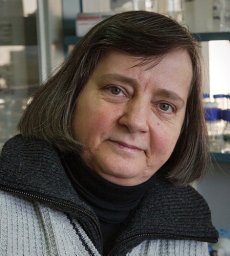 Gabriele Diekert合作论文数Fachbereich Biologie / Mikrobiologie14
 Zwick Michaela合作论文数9
 Florian Oswald合作论文数9Mohr Teresa合作论文数7
 W. Vetter合作论文数Institut fur Lebensmittelchemie, Universitat Hohenheim7
 Don Cowan合作论文数Centre for Microbial Ecology and Genomics, University of Pretoria;Genomics Research Institute, University of Pretoria7Steffen Ruppe合作论文数7Gert Wohlfarth合作论文数6
 I. Katharina Stoll合作论文数5Alba Infantes合作论文数5Baleeiro Flávio C F合作论文数5
 Olga Gorte合作论文数4
 Rudolf Hausmann合作论文数4Brzonkalik Katrin合作论文数4Schulze Ines合作论文数4
 Ivana Magario合作论文数4
 Sabine Kleinsteuber合作论文数4Nikolaos Boukis合作论文数4Heidrun Scholz-Muramatsu合作论文数3
 Nebyat Abdu Seid合作论文数3Michaela Kugel合作论文数3joerg sauer合作论文数3Tanja Herrling合作论文数3
 Dirk Holtmann合作论文数Karl-Winnacker-Institut der DECHEMA e.V.3Sophia Herbig合作论文数2Anke Siebert合作论文数2Shamara Polliack合作论文数2Lars Biebinger合作论文数2Thomas A. Zevaco合作论文数2
 Stefan Dorsam合作论文数2M Zwick合作论文数2Eisenbeis M合作论文数2
 Roland PH Schmitz合作论文数2
 Berend Vreugdenhil合作论文数2Silke Granzow合作论文数2
 Heike Strauber合作论文数2
 Joerg Sauer合作论文数1Janina Beuker合作论文数1Kerstin Ploss合作论文数1
 Lukas Perret合作论文数1Lukas Varchmin合作论文数1
 Winnie Ramaloko合作论文数1Torsten Schubert合作论文数1
 Karla Herrera Delgado合作论文数1
 E.T. Liakakou合作论文数Liakakou and Infantes share first authorship.1




