Cytomegalovirus (CMV) infection causes significant morbidity and mortality in immunocompromised patients. Despite novel antiviral agents like maribavir and letermovir, resistance remains a concern. This study describes CMV resistance rates at a large academic medical center. Patients tested for CMV antiviral resistance from January 2022 through March 2025 were included, while tests with insufficient sample volume were excluded. The study's primary outcome was the prevalence of CMV resistance to various antivirals in patients who had testing completed. Secondary outcomes included the most encountered resistance mutations. All data was analyzed using descriptive statistics. This study was deemed exempt by the Mass General Brigham Institutional Review Board (protocol 2025P001067). From January 2022 through March 2025, CMV resistance testing was performed 123 times in 76 unique patients. Insufficient serum quantities were collected in 47 tests ordered, so the analysis included 76 tests from 53 unique patients. Resistance was detected overall in 29/76 tests (38.2%). UL97 phosphotransferase mutations conferring resistance to ganciclovir were identified in 23/66 tests (34.8%), most commonly A594V and C603W. UL97 phosphotransferase mutations conferring resistance to maribavir were identified in 9/61 tests (14.8%), most commonly H411Y and T409M. UL54 DNA polymerase mutations potentially conferring resistance to ganciclovir, foscarnet, and cidofovir were identified in 2/69 tests (2.9%). UL56 terminase mutations conferring resistance to letermovir were identified in 2/9 tests (22.2%). When UL97 mutations conferring resistance to ganciclovir were identified, maribavir resistance was identified in 5 of 21 tests (23.8%), and all nine tests that resulted in maribavir resistance occurred in patients previously exposed to maribavir. In our cohort, CMV resistance to ganciclovir was most frequently observed. Though less common, resistance to novel agents like maribavir and letermovir was identified in patients previously exposed to these antivirals. The development of resistance is correlated with increased morbidity and mortality, so timely resistance testing is paramount to help guide management and improve outcomes. Jeffrey C. Pearson, PharmD, InflaRx Pharmaceuticals, Inc.: Advisor/Consultant Lindsey R. Baden, MD, Bill & Melinda Gates Foundation: Grant/Research Support|Bill & Melinda Gates Foundation: Collaboration of clinical trials conducted|COVID Vaccine Prevention Network: Collaboration of clinical trials conducted|Food and Drug Administration: Advisor/Consultant|HIV Vaccine Trials Network: Collaboration of clinical trials conducted|International AIDS Vaccine Initiative: Collaboration of clinical trials conducted|Johnson & Johnson: Collaboration of clinical trials conducted|Military HIV Research Program: Collaboration of clinical trials conducted|Moderna, Inc.: Collaboration of clinical trials conducted|National Institutes of Health: Advisor/Consultant|National Institutes of Health: Grant/Research Support|National Institutes of Health: Collaboration of clinical trials conducted|The Ragon Institute: Collaboration of clinical trials conducted|Wellcome Trust: Grant/Research Support Benjamin Gewurz, MD, PhD, Alnylam: Stocks/Bonds (Public Company)|fennec: Stocks/Bonds (Public Company)|moderna: Stocks/Bonds (Public Company)|passage: Stocks/Bonds (Public Company)|Regeneron: Stocks/Bonds (Public Company)|UpToDate: Advisor/Consultant|UpToDate: receive small stipend for serving as a topic reviewer|Vertex Pharmaceuticals: Stocks/Bonds (Public Company) Nicolas C. Issa, MD, AiCuris: Grant/Research Support|Astellas: Grant/Research Support|Boehringer Inglheim: Advisor/Consultant|Fujifilm: Grant/Research Support|GSK: Grant/Research Support|Merck: Grant/Research Support|Moderna: Grant/Research Support David W. Kubiak, PharmD, BCPS, BCIDP, FIDSA, Astellas Pharma US, Inc.: Advisor/Consultant Jessica S. Little, MD, Merck: Grant/Research Support|Moderna, Inc.: Collaborative research
Patients with acute myeloid leukemia are at the greatest risk of invasive fungal disease (IFD) of any malignancy, prompting recommendations for antifungal prophylaxis with intensive induction chemotherapy. However, this practice is not adopted at our center, permitting an unbiased assessment of host, treatment, and disease-related risk factors for IFD. Table 1. Baseline Characteristics of 549 Patients with High-Risk Myeloid Malignancies Treated with Intensive Induction Chemotherapy, Stratified by Invasive Fungal Disease Status in the First 100 Days Table 2. Proven and Probable Invasive Fungal Disease in the First 100 Days of Intensive Induction Chemotherapy for High-Risk Myeloid Malignancies We performed a retrospective analysis of patients with newly diagnosed high-risk myeloid malignancies (MM) treated with intensive induction chemotherapy at Dana-Farber Cancer Center from July 2014 to December 2023. We compared demographic, clinical, and AML-related data stratified by the primary outcome of IFD within 100 days following induction. IFD was classified by EORTC/MSG 2020 criteria and adjudicated by two infectious diseases physicians. We identified 549 consecutive patients treated with intensive induction for newly diagnosed MM at our institution. In total, 42 patients (7.6%) developed proven or probable IFD, 48 (8.7%) developed possible IFD, and 459 (84%) did not develop IFD (Table 1). There were 44 proven/probable IFD cases in 42 individual patients of which 24 were molds (54%) and 18 were yeast (41%) (Table 2). Of molds, Aspergillus was the most common (n = 10; 42%) followed by Fusarium (n = 4; 17%) and members of Mucorales (n = 4; 17%). Of yeasts, C. tropicalis was the most common (n = 6; 33%) followed by C. albicans (n = 5; 28%). Comparing patients with any IFD to those with no IFD, demographics, and presence of complex cytogenetics and FLT3-ITD were similar. Significantly more patients with structural lung disease (p = 0.01), pre-chemotherapy neutropenia (p = 0.02), and TP53 mutation (p = 0.04) developed IFD. There was a significant difference in the distribution of both clinical (p = 0.02) and molecular (p = 0.02) ontogeny between those who did and did not develop IFD. In absence of antifungal prophylaxis, structural lung disease, pre-chemotherapy neutropenia, and presence of a TP53 mutation were enriched in patients who developed IFD within 100 days of receiving intensive induction chemotherapy for MM. This unbiased assessment of IFD risk factors suggests a targeted approach to antifungal prophylaxis in newly diagnosed MM patients may be reasonable to deploy. Jessica S. Little, MD, Merck and Company, Inc.: Grant/Research Support|Moderna, Inc.: Grant/Research Support
Effective prevention interventions are critical to reducing the burden of sexually transmitted infections (STIs) including gonorrhea (GC) and chlamydia (CT). Recent advances have focused on strategies such as post-exposure prophylaxis. However, recommendations vary by population and remain understudied in cisgender women. Identifying risk factors for recurrent GC and CT infections in women is critical to guiding targeted prevention interventions and evaluating determinants of uptake and effectiveness in diverse populations. Data from the Mass General Brigham integrated healthcare system included cisgender women aged 15 to 29 who tested for GC/CT from January 2016 to January 2024. Laboratory-confirmed infections were counted per unique patient, excluding tests within 30 days of a diagnosed infection, which were considered continuing cases. Using a hurdle model to account for excess zeros (i.e., non-infections), we evaluated the association between sociodemographic factors and number of STIs. The model’s two-part structure included: 1) the binary odds of any infection vs. none, and 2) the infection counts among women with ≥1 diagnosis. Of 56,966 women tested, 3,374 (5.9%) had a positive result – 362 (0.64%) for GC and 3,184 (5.6%) for CT. Among those infected, 616 (18.3%) were reinfected during the study period. Among women with at least one infection, the risk of recurrent infection was 70% higher in Hispanic women (RR = 1.70, 95% CI: 1.41–2.04) and 48% higher in Black women (RR = 1.48, 95% CI: 1.21–1.81) than non-Hispanic White women. Women aged 25–29 had a 45% lower risk than those aged 15 – 24 (RR = 0.55, 95% CI: 0.44–0.67). Separated or divorced women had twice the risk of reinfection compared to single women (RR = 2.04, 95% CI: 1.35–3.07). Compared to women with private insurance, those with mixed insurance had a fourfold higher risk (RR = 3.86, 95% CI: 2.68–5.56), while those with public insurance had nearly double (RR = 1.80, 95% CI: 1.44–2.24). Disparities in recurrent STIs associated with race and ethnicity, age, marital status, and insurance type highlight the need to prioritize cisgender women at increased risk in future targeted prevention and intervention research. All Authors: No reported disclosures
Invasive fusariosis (IF) is a rare but aggressive infection seen in immunocompromised patients that often exhibits elevated minimum inhibitory concentrations (MICs) to antifungal drugs, making the optimal therapeutic remains unknown. We identified all cases of IF between January 2015 and April 2024 and collected patient characteristics, including clinical presentation, therapy, and 12-week outcomes, as well as organism species identification and susceptibility testing. Twenty-one patients were diagnosed with either proven (n = 14) or probable (n = 7) IF. The mean age was 60 years and 71% were male. Hosts had hematologic disorders in 71% of which 80% had acute leukemia. Seventy-three percent were neutropenic at the time of IF diagnosis and 40% had received allogeneic stem cell transplantation. Infections were localized in 57% and disseminated in 43%. Skin was the most common site of involvement (67%), followed by pulmonary (42%) and sinus (21%). The most common species was Fusarium solani complex (38%). Susceptibility testing was performed on 81% of isolates. MICs were ≥4 µg/mL for mold-active triazoles in 94% and ≥1 µg/mL for terbinafine in 65%. The most common definitive regimens were a triazole plus terbinafine (62%) and triazole monotherapy (19%). Surgical debridement was performed in 52%. Seventy-six percent of patients survived to 12 weeks. Fifty-seven percent achieved complete responses, 29% partial responses, and 14% failed to respond to therapy at 12 weeks. Mortality in patients with IF is high. Despite elevated MICs, clinical responses to triazole antifungals with or without the addition of terbinafine are observed.
Background. Solid organ transplant (SOT) recipients are at high risk for severe respiratory syncytial virus (RSV). While RSV vaccine immunogenicity data in transplant populations are emerging, questions remain regarding the magnitude and durability of responses, cellular immunity, and determinants of decreased response. Methods. We conducted a prospective, single-center cohort study evaluating RSV vaccine reactogenicity and immunogenicity in SOT recipients compared with healthy controls. Serum was collected pre-vaccination and at 1, 3, and 6 mo post-vaccine to measure anti-fusion glycoprotein antibodies to RSV A and B and anti-nucleocapsid antibodies as a marker of natural infection. Peripheral blood mononuclear cells were collected from a subset for RSV-fusion (F)-specific cellular analyses. Results. Forty-three SOT recipients (median age, 65) and 16 controls were enrolled (from October 2023 to January 2024). Mild reactogenicity occurred in ~25% of participants, with no severe events. In SOT recipients, anti-fusion glycoprotein IgG, RSV-F-specific CD4 + and CD8 + T cells increased significantly at 1 mo ( P < 0.01), with similar antibody fold changes to controls. Antibody responses remained durable through 6 mo; the rate of decline did not differ significantly between groups. Mycophenolate use was inversely correlated with antibody titers ( P < 0.05); vaccine type, organ, and time from transplant were not. The adjuvanted vaccine induced greater RSV-F-specific CD4 + T-cell responses at 3 mo. One SOT recipient developed RSV during the study. Conclusions. RSV vaccination was well tolerated and immunogenic in SOT recipients. Further research should optimize vaccination strategies and ideal timing for booster doses.
Young women in the U.S. aged 15–24 bear among the highest burden of chlamydia (CT) and gonorrhea (NG) infections. Despite national guidelines recommending annual screening for women under 25, screening uptake remains suboptimal. This study examines demographic patterns in CT/NG testing and positivity to understand how access to different care settings shapes testing uptake to inform routine sexual health screening strategies. Data are derived from cisgender women and adolescents aged 15–29 tested for CT/NG within the Mass General Brigham integrated healthcare system between January 2016 and January 2024. Laboratory records were linked to the closest clinical encounter within 7 days. Descriptive statistics summarized test volume, positivity, and diagnoses by demographics and care setting. Bivariate and multivariable Poisson GEE models estimated the risk ratios (RR) between demographic variables and the outcomes of 1) being tested in acute care (ED, Urgent Care, walk-in) vs. all other care settings and 2) symptomatic vs. asymptomatic presentation (via ICD-10 codes for urogenital symptoms). Of 134,607 unique testing episodes (median age 24), CT test positivity was 3.0% and NG positivity 0.3%. Most tests occurred in primary care (46.2%) and OB-GYN settings (33.8%); 5.0% occurred in ED and 2.5% urgent care/walk-in settings. CT positivity was highest among women and adolescents aged 15-19, Black, Hispanic, and uninsured or on public insurance. Black (aRR 1.92, 95%CI: 1.79, 2.07), Hispanic (aRR 1.71, 95%CI: 1.59, 1.84), and uninsured women (aRR 2.23, 95%CI: 1.90, 2.63), and those aged 15-19 were more likely to test in acute care settings. Symptomatic presentation was more likely among Black (aRR 1.32, 95% CI: 1.27, 1.37); Hispanic (aRR 1.31, 95%CI: 1.26, 1.36); and uninsured women (aRR 1.59, 95% CI: 1.46, 1.74); and those with mixed public/private insurance (aRR 1.38, 95% CI: 1.22, 1.55). Conclusions: Higher test positivity, symptomatic presentation, and acute care use among younger, black, Hispanic, and uninsured women and adolescents suggest inequities in access to non-acute sexual health screening. These findings highlight the need for targeted, culturally responsive strategies to expand preventive CT/NG services. All Authors: No reported disclosures
BACKGROUND:Immunocompromised patients remain at risk for protracted severe acute respiratory syndrome coronavirus 2 (SARS-CoV-2) infections with persistent viral shedding that could pose a wider public health risk. The optimal therapeutic strategy remains unknown. METHODS:We describe a sequential case series of immunocompromised adults with protracted SARS-CoV-2 infection who received dual/extended antiviral therapy (median 23d nirmatrelvir/r; 8d remdesivir). Protracted infection was defined as persistent viral shedding and prolonged symptoms unresponsive to antiviral monotherapy in B-cell-depleted patients. Plasma anti-spike immunoglobulin G (IgG) and spike antigen were analyzed using the single molecule array assay (Simoa), viral RNA levels defined by cycle thresholds (Ct) from clinical assays and quantitative RNA polymerase chain reaction (PCR) testing, and whole virus and targeted nsp5/nsp12 sequencing were performed. RESULTS:Sixteen patients with protracted SARS-CoV-2 infection were treated with dual/extended antivirals. Viral sequencing supported the presence of protracted infections in all tested, but only 1 participant demonstrated mutations conferring antiviral resistance. Humoral immune responses were blunted both at initiation and completion of therapy. All participants responded to dual/extended antiviral therapy with negative PCR at a median of 13 days post-treatment, no evidence of virologic recurrence, and no clinical relapse at 1 year. One patient with recurrent positive SARS-CoV-2 testing was demonstrated to have a new infection by sequencing. CONCLUSIONS:Dual/extended antiviral therapy with nirmatrelvir/r and remdesivir can be effective for protracted SARS-CoV-2 infection in B-cell-depleted patients who fail antiviral monotherapy, despite persistently blunted humoral immune responses. Additionally, immunocompromised hosts are at risk of both protracted infection and early re-infection, which can be differentiated by viral sequencing.
BACKGROUND:Regional blood donor screening for Babesia has been conducted in the United States since 2019, using highly sensitive and specific nucleic acid testing (NAT). Currently, there are no recommendations regarding the management of asymptomatic blood donors who test positive for Babesia. METHODS:A multidisciplinary expert panel was convened to develop guidance for the management of asymptomatic Babesia-infected blood donors. Additionally, a survey was distributed through the Infectious Diseases Society of America (IDSA) Emerging Infections Network (EIN) to evaluate how a geographically diverse group of infectious diseases specialists would approach this problem. RESULTS:The expert panel recommends that all Babesia NAT-positive blood donors should be referred for clinical evaluation and retesting using peripheral blood smear (PBS) and Babesia PCR. The panel also recommends observation rather than treatment for a reactive molecular test alone. Antimicrobial therapy should be considered for PBS-positive cases. Donors should be instructed to seek medical care if symptoms develop. The EIN survey results are consistent with these recommendations. CONCLUSIONS:Since blood donors comprise healthy, immunocompetent adults, findings of incidental Babesia infections in asymptomatic donors are frequently self-limited. Longitudinal studies show that molecular evidence of infection in blood donors clears in almost all without intervention.
Importance:As long-term survival after solid organ transplant has improved, malignant neoplasms have emerged as a major determinant of outcomes. Objectives:To examine whether posttransplant cancer risk follows uniform trajectories over time or exhibits patterns across organ types and malignant neoplasm subtypes. Design, Setting, and Participants:This population-based cohort study used US nationwide data from 2000 to 2023 from the United Network for Organ Sharing registry. Participants were first-time recipients of heart, lung, liver, or kidney transplant. Analyses were conducted from March to June 2026. Main Outcomes and Measures:Incidence rates of first-occurring cancers for each cancer subtype were estimated per 100 person-years across 1-year intervals during the first decade after transplant. Temporal changes were evaluated using Poisson regression models adjusted for attained age, sex, transplanted organ type, and calendar period. Results:Among 622 330 transplant recipients (60 268 heart, 42 755 lung, 146 852 liver, and 372 455 kidney; median [IQR] age, 53 [41-61] years; 389 794 [62.6%] male), nonmelanoma skin cancers accounted for 30 049 of 54 709 cancers (54.9%). Lung, heart, and liver transplant recipients had consistently higher cancer incidence rates than kidney transplant recipients (eg, solid organ cancer: heart transplant: incidence rate ratio [IRR], 1.57 [95% CI, 1.51-1.63]; lung transplant: IRR, 2.01 [95% CI, 1.92-2.09]; liver transplant: IRR, 1.19 [95% CI, 1.14-1.22]). These differences increased with time since transplant for lung and heart transplant recipients (eg, solid organ cancer among heart vs kidney transplant recipients: year 1: IRR, 0.94 [95% CI, 0.83-1.07]; years 2-5: IRR, 1.54 [95% CI, 1.45-1.64]; years 6-10: IRR, 1.86 [95% CI, 1.75-1.98]). Three general temporal patterns were observed: an early peak followed by a decline for selected malignant neoplasms (including posttransplant lymphoproliferative disease and thyroid cancer), relatively stable rates for several cancer types, and progressively increasing incidence rates over time for selected solid organ malignant neoplasms (including lung, bladder, colorectal, and genital cancers). These patterns persisted after multivariable adjustment. Conclusions and Relevance:In this cohort study of solid organ transplant recipients, cancer incidence rates demonstrated distinct time-dependent patterns that varied by malignant neoplasm subtype and transplanted organ. These findings describe time-dependent risk trajectories among transplant survivors and may inform the timing of surveillance strategies and future studies of cancer risk in this population.
Hepatitis B virus (HBV) reactivation remains a clinically significant complication in patients with prior resolved infection, particularly in those undergoing immunosuppressive treatments. Although highly effective recombinant vaccines have improved HBV prevention, data on reactivation patterns and vaccine protection in the current era are limited. We aimed to identify the prevalence of HBV reactivation in our health system, patient characteristics of those with and without reactivation, and highlight the immune protection gaps to inform targeted prevention strategies.Table 1.Characteristics of Patients with Past Hepatitis B Infection with and without ReactivationAm: American; IQR: interquartile range, n: number, HBV S Ab: hepatitis B S antibodies, COPD: chronic obstructive pulmonary disease, HCV: hepatitis C, HIV: human immunodeficiency virus, SOT: solid organ transplant, SCT: stem cell transplant, BTK: Bruton tyrosine kinase inhibitor, ICI: immune checkpoint inhibitor. Tests were 2-tailed, and a p-value < .05 was considered statistically significant. Retrospective cohort study from a tertiary hospital. We included patients with past HBV infection (positive core antibody and negative S antigen) who had subsequent viral load testing (HBV VL) between 01/2015 and 12/2024. We compared demographic and clinical characteristics of patients with and without HBV reactivation using descriptive statistics and univariate analyses. Of 1,334 patients with past HBV infection with available data, 539 (40.4%) had subsequent HBV VL testing. The median age was 62 years (IQR 53-69). Most patients were male (n=298, 55%) and white (n=241, 45%). 11 (2%) patients had HBV reactivation. Non-protective antibody levels (< 10 mIU/mL) against the HBV S antigen were more frequent in patients with HBV reactivation (73% vs. 28%, p< 0.01). History of solid organ transplantation (36% vs. 9%, p< 0.05), multiple myeloma (18% vs. 2% p< 0.05), and cytotoxic chemotherapy use (27% vs. 7%, p< 0.05) were higher in the reactivation group (Table 1). All-cause mortality was higher in the reactivation group (45% vs. 18%, p< 0.05). HBV reactivation remains a clinical concern in the United States, particularly in immunocompromised hosts. The reactivation rate in our cohort aligns with prior reports. Most cases of HBV reactivation occurred in individuals with non-protective S antibody titers, underscoring the need for targeted immunization strategies in higher-risk groups. Recombinant vaccines offer a promising approach to reduce HBV reactivation risk in these vulnerable populations. Lindsey R. Baden, MD, Bill & Melinda Gates Foundation: Grant/Research Support|Bill & Melinda Gates Foundation: Collaboration of clinical trials conducted|COVID Vaccine Prevention Network: Collaboration of clinical trials conducted|Food and Drug Administration: Advisor/Consultant|HIV Vaccine Trials Network: Collaboration of clinical trials conducted|International AIDS Vaccine Initiative: Collaboration of clinical trials conducted|Johnson & Johnson: Collaboration of clinical trials conducted|Military HIV Research Program: Collaboration of clinical trials conducted|Moderna, Inc.: Collaboration of clinical trials conducted|National Institutes of Health: Advisor/Consultant|National Institutes of Health: Grant/Research Support|National Institutes of Health: Collaboration of clinical trials conducted|The Ragon Institute: Collaboration of clinical trials conducted|Wellcome Trust: Grant/Research Support
Given the limited data regarding RSV vaccine immunogenicity in individuals with hematological malignancies (HM), we evaluated the immune response of the RSV adjuvanted (Arexvy, GSK) and non-adjuvanted (Abrysvo, Pfizer) vaccines in people with HM as compared to healthy controls (HC).Table 1Baseline participant characteristics including demographic information, underlying hematologic malignancy, history of prior hematopoietic cell transplantation (HCT), indication for HCT, and immunosuppression used in the three months prior to vaccine administration. *Prior HCT recipients were eligible to receive vaccination if they were >100 days from transplant. **Participants could be on more than one immunosuppressive agent.Table 2Vaccine type received and reactogenicity symptoms documented in the first 72 hours post-vaccination. A prospective, single-center study enrolled individuals with HM and healthy adults eligible for RSV vaccination. Baseline characteristics, malignancy diagnosis, and therapies were collected. Reactogenicity symptoms were recorded after vaccination. Blood was collected at baseline, 1, 3 and 6 months post-vaccination to measure anti-fusion glycoprotein (anti-FGP) antibodies (Abs) to RSV A and B (vaccine response), anti-nucleoprotein (anti-N) Abs (natural infection) and RSV-specific CD4+ and CD8+ T cells. The Mann-Whitney test compared the magnitude of response (GraphPad Prism 10.3.1).Figure 1The anti-fusion glycoprotein (FGP) titers against RSV A (panel A) and RSV B (panel B), measured via the Single Molecular Array (Simoa) assay, are shown for the hematological malignancy cohort, denoted by the blue dots, and the healthy control cohort, denoted by the purple dots. Statistical significance was set at a level of alpha =0.05. Participants in the healthy cohort had significantly higher anti-FGP A and B titers as compared to participants in the hematological malignancy cohort, for all timepoints. Panels C and D show anti-FGP A and B IgG titers, respectively, for the hematological malignancy cohort only. There was a significant increase in both anti-FGP A and B titers at 1 month after vaccination, indicating response to the vaccine. However, when the 3-month and 6-month titers were compared to baseline titers, there was no significant difference, indicating a lack of a durable response to vaccination. Figure 2 Cell-mediated immunity was quantified in a subset of participants (n=6) using an activation-induced marker (AIM) assay with spectral flow cytometry to determine peptide-pool-reactive T cells. Vaccine-induced CD4+ and CD8+ T cell responses (F protein, panels A and B) were quantified, with phenotypic analysis shown for V1-V4 as frequency of naive, central memory (TCM), effector memory (TEM), and effector memory T cells re-expressing CD45RA (TEMRA). Community viral exposure-induced CD4+ and CD8+ T cells (N, panels C and D) are shown over time by connecting lines for each participant. DMSO-controls are shown as aggregate with SEM (red line). Visit 1 (baseline), Visit 2 (1-month), Visit 3 (3-months) and Visit 4 (6-months) post-vaccination. Between Aug 2023 and Mar 2025, we enrolled HM (N=55) and HC (N=16) cohorts. Demographic and treatment characteristics are described in Table 1. One quarter of each cohort experienced mild reactogenicity symptoms (Table 2). Anti-FGP IgG Abs against A and B were significantly higher in HCs as compared to the HM cohort for all time points (Fig. 1A/B). HM participants had a significant increase in titers at 1-month post-vaccination (Fig. 1C/D, Anti-FGP A: baseline median 0.055, 1-month median 0.11; p=0.03; Anti-FGP B: baseline median 0.092, 1-month median 0.19; p=0.04) although did not have a durable response at 3 or 6 months. Overall, there were no significant differences between baseline anti-N titers and the other three time points for either cohort except for one participant who was diagnosed with RSV infection. There was modest induction of RSV F-specific CD4+ T cells (∼1-2% of total CD4+ T cells) in a subset of HM participants, but minimal or absent induction of F-specific CD8+ T cells. RSV vaccination elicited both humoral and cellular responses in HM participants at 1 month, though responses were reduced as compared to HCs with poor durability. We will next evaluate predictors of immunogenicity to improve vaccine strategies for this vulnerable population. David Walt, PhD, Quanterix Corporation: Ownership Interest|Simoa technology: Board Member|Simoa technology: Ownership Interest Lindsey R. Baden, MD, Bill & Melinda Gates Foundation: Grant/Research Support|Bill & Melinda Gates Foundation: Collaboration of clinical trials conducted|COVID Vaccine Prevention Network: Collaboration of clinical trials conducted|Food and Drug Administration: Advisor/Consultant|HIV Vaccine Trials Network: Collaboration of clinical trials conducted|International AIDS Vaccine Initiative: Collaboration of clinical trials conducted|Johnson & Johnson: Collaboration of clinical trials conducted|Military HIV Research Program: Collaboration of clinical trials conducted|Moderna, Inc.: Collaboration of clinical trials conducted|National Institutes of Health: Advisor/Consultant|National Institutes of Health: Grant/Research Support|National Institutes of Health: Collaboration of clinical trials conducted|The Ragon Institute: Collaboration of clinical trials conducted|Wellcome Trust: Grant/Research Support Nicolas C. Issa, MD, AiCuris: Grant/Research Support|Astellas: Grant/Research Support|Boehringer Inglheim: Advisor/Consultant|Fujifilm: Grant/Research Support|GSK: Grant/Research Support|Merck: Grant/Research Support|Moderna: Grant/Research Support
Background. Babesiosis poses significant risks of adverse outcomes in individuals with immunocompromising conditions (IC) and asplenia/hyposplenia (AH). This study compares clinical outcomes between these vulnerable groups and immunocompetent patients. Methods. This multicenter retrospective cohort study included adult patients with laboratory-confirmed babesiosis from 2009 to 2023. Complications, management, and outcomes were compared between patients with IC/AH (ICAH) and without ICAH (immune intact cohort). Results. Of 225 patients (mean age 66 years, 36% female), 112 were ICAH. ICAH patients had higher median peak parasitemia (2.8% vs 0.9%, P < .0001) and higher rates of complications, including acute kidney injury (24% vs 11%, P = .016) and acute respiratory distress syndrome (11% vs 4%, P = .041), and were more likely to undergo packed red blood cell transfusion (31% vs 17%, P = .023) and exchange transfusion (18% vs 6%, P = .008). Treatment duration was longer in the ICAH cohort (median 27 vs 10 days, P < .001), particularly in those with both IC and AH (median 43 days, P = .003). ICAH patients had higher 12-month all-cause mortality (7% vs 1%, P = .019) and recurrence rates (8% vs 0%, P = .001). Hematologic malignancy (odds ratio = 7.0, P = .023) and B-cell-depleting therapies (odds ratio = 9.4, P = .015) were significant predictors of recurrence. Despite most patients undergoing follow-up testing with blood smears and polymerase chain reaction, these did not reliably predict recurrence. Conclusions. Patients with ICAH with babesiosis experience more severe disease and higher complication rates. Follow-up testing, including blood smear and polymerase chain reaction, did not reliably predict recurrence, highlighting the need for more effective monitoring strategies in these high-risk populations.
 Lindsey Robert Baden合作论文数Heart and Vascular Center, Brigham and Women's Hospital;Center for Hematologic Oncology, Dana-Farber Cancer Institute;Harvard Medical School43
 Andy Kim合作论文数Brigham and Women's Hospital22
 Nicolas C. Issa合作论文数16
 Mandeep R. Mehra合作论文数Heart and Vascular Center, Brigham and Women's Hospital;Carl J. and Ruth Shapiro Cardiovascular Center, Brigham and Women's Hospital;Department of Medicine, Harvard Medical School12Antonio Coppolino合作论文数11Goldberg Hilary J合作论文数11Mallidi Hari R合作论文数10Sarah P. Hammond合作论文数10
 Brittany Weber合作论文数Corresponding author. Brigham and Women’s Hospital, 75 Francis Street, Boston, MA 02115.9
 Deborah Tan Hung合作论文数Department of Genetics, Division of Medical Sciences, Harvard Medical School;Department of Molecular Biology, Massachusetts General Hospital9
 Sharma Nirmal S合作论文数Division of Pulmonary, Allergy and Critical Care Medicine, Department of Medicine.7Francisco M. Marty合作论文数Dana-Farber Cancer Institute and Brigham and Women's Hospital, Harvard Medical School7
 Scott L Dryden-Peterson合作论文数Brigham & Women's Hospital;Harvard Medical School7Henry Rutherford合作论文数6
 Jessica Little合作论文数6
 Courtney E Harris合作论文数Harvard Med Sch, Boston, MA USA6
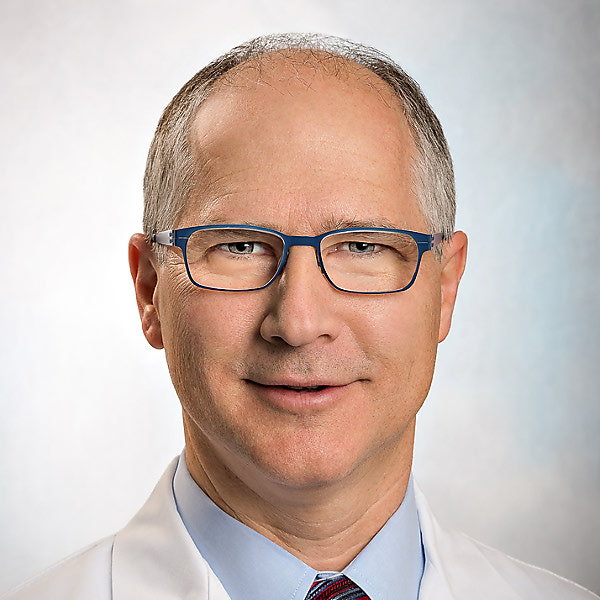 Michael Mark Givertz合作论文数Heart and Vascular Center, Brigham and Women's Hospital;Harvard Medical School6Meghan A. Baker合作论文数6Alexis Liakos合作论文数5
 Chak-Sum Ho合作论文数5Marty Sellers合作论文数5Lisa A Cosimi合作论文数5Pritha Sen合作论文数5Sarah Taimur合作论文数5
 Amy Sherman合作论文数5Stephanie M Pouch合作论文数5
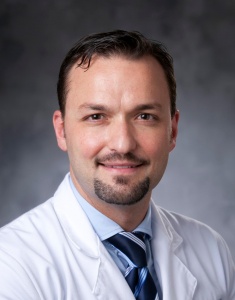 Lorenzo Zaffiri合作论文数Department of Medicine, School of Medicine, Duke University School of Medicine5
 Helen Te合作论文数Department of Medicine, The University of Chicago5
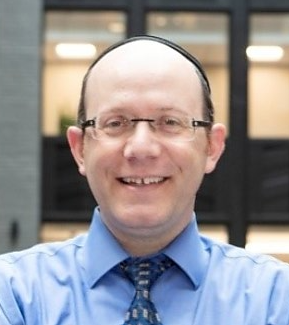 Michael Klompas合作论文数Department of Population Medicine, Harvard Pilgrim Health Care Institute, Harvard Medical School5
 Elizabeth Wood Karlson合作论文数Department of Medicine, Brigham and Women's Hospital;Harvard Medical School5
 Chanu Rhee合作论文数5Maguire James H合作论文数5
 Gerald Berry合作论文数Department of Pathology Clinical, Stanford University5
 Arthur Kim合作论文数Harvard Medical School;Mass General Research Institute, Massachusetts General Hospital5
 Sharmila Dorbala合作论文数Harvard Medical School Division of Nuclear Medicine/PET, Brigham and Women’s Hospital 75 Francis St 02115 Boston MA5
 Jonathan Li合作论文数Brigham and Women's Hospital, Harvard Medical School;Center for AIDS Research Clinical Core, Harvard University5Stefi F Lee合作论文数4
 Anil Trindade合作论文数4R P Wood合作论文数4Robert Tucker合作论文数4
 Marcelo Fernando DiCarli合作论文数Department of Radiology, Brigham and Women's Hospital;Harvard Medical School4Lee Dong H合作论文数4
 Ankeet Bhatt合作论文数4Varshney Anubodh合作论文数4
 Goldman Jason D合作论文数Harborview Medical Center, University of Washington4
 Zhou Guohai合作论文数Department of Statistics, University of British Columbia4
 Michelle M. Kittleson合作论文数Smidt Heart Institute, Cedars-Sinai Medical Center4Sophia Koo合作论文数4
 Steve Singh合作论文数Division of Cardiac Surgery, Department of Surgery, Temerty Faculty of Medicine, University of Toronto;Trillium Health Partners, University of Toronto4




