BackgroundSARS-CoV-2 neutralizing antibodies may protect against symptomatic infection in immunized individuals. However, vaccine-induced antibody levels wane over time, reducing vaccine efficacy. The definition of the waning kinetics of neutralizing SARS-CoV-2 responses and the potential impact of sequential antigen encounters are still poorly defined.MethodsPlasma neutralizing activity was determined in longitudinally collected samples from SARS-CoV-2 infected, primo-vaccinated and boosted individuals. Neutralizing activity decay kinetics were modeled against time using Log-Log and biexponential models.ResultsNeutralizing antibody levels wane after an initial peak in all groups of vaccinated individuals with half-life ranging from 29 to 60 days. Exponential models showed a subsequent stabilization of neutralizing titers to a plateau. Both the peak response and the plateau values depended on vaccine type, infection status and severity of infection. Booster immunization by either vaccines or breakthrough infections did not modify peak, plateau or decay rate values.ConclusionsOur results indicate that the waning of SARS-CoV-2 neutralizing antibody responses was recurrent even after several antigen encounters. Repeated immunizations would be required to maintain high levels of neutralizing antibodies and protect vulnerable individuals from symptomatic infection.
The post-COVID-19 condition (PCC) is a highly debilitating and persistent postinfectious syndrome that affects millions of people worldwide and has no effective treatment. Therapeutic plasma exchange (TPE) has the potential to improve the PCC by clearing the peripheral soluble pro-inflammatory immune milieu derived from acute or persistent SARS-CoV-2 infection. In a phase II, double-blind, placebo-controlled, randomized trial, fifty subjects with PCC were randomly assigned (1:1) to receive six sessions of either TPE or a sham plasma exchange and were followed for 90 days (ClinicalTrials.gov registration: NCT05445674). The primary endpoint was safety; secondary endpoints included functional status, symptomology, quality of life, neurocognitive symptoms, and peripheral biochemistry, hematology, coagulation and inflammation parameters. Both study arms had a similarly favorable safety profile. There were no diferences between groups in any of the efficacy parameters evaluated. Whereas TPE is safe, it did not lead to any discernible improvement of the PCC in this clinical trial.
OBJECTIVES:Sub-Saharan African migrants may be experiencing imported schistosomiasis, which can evolve into chronic schistosomiasis. Positive response to empiric treatment with praziquantel may indicate the presence of persistent infection. METHODS:We tested the response to praziquantel in a cohort of sub-Saharan African migrants with probable chronic schistosomiasis. The tests were administered at baseline and 6 and 12 months. RESULTS:Of the 187 eligible participants, 149 completed the follow-up. Of these, 119 (79.9%) were males and 65 (43.6%) were from Senegal. The median age was 43 years (interquartile ranges 35-51 years) and their duration of residence in Europe was 17 years (interquartile ranges 12-21 years). The most prevalent clinical symptom was chronic abdominal pain (N = 96, 64.4%), pelvic pain in males (N = 55, 46.6%), and dysmenorrhea (N = 21; 70.0%) in females. We observed a significant decrease (P <0.001) in the number of signs and symptoms at 12 months, and 70.3% showed a total resolution of the symptoms and significant decreases in transaminase levels, eosinophilia, and abnormal glomerular filtration rates. The rates of clearance in positive enzyme-linked immunosorbent assay and immunochromatography tests were 54.7% and 24.3%. CONCLUSION:The positive response to praziquantel suggests that chronic schistosomiasis is a prevalent condition among long-staying African migrants. These results need to be confirmed in randomized clinical trials.
Background:Imported schistosomiasis is underdiagnosed among long-term migrants in non-endemic countries. Reference standard tests are lacking for the diagnosis of chronic schistosomiasis. Methods:This study evaluated the sensitivity and specificity of a new immunochromatography (ICT) test using serum (s) or point-of-care finger-prick (FP) whole blood against standard serological tests in long-term migrants from sub-Saharan Africa. Results:A total of 202 individuals were screened, with a mean age of 42.7 years. Of these, 75.7% were male, and 42.6% were from Senegal. Test positivity rates were 15.8% for ELISA, 24.3% for ICT-p, 46.5% for ICT-b (s), and 28.7% for ICT-b (FP). All tests showed good agreement with a clinical score but with heterogeneous agreement between them. Our results indicates a higher sensitivity for ICT-b (s). Positive responses after treatment suggest good specificity for all tests. Conclusions:ICT-b (s) shows a higher sensitivity than the other standard tests. An ICT-b (FP) strategy could be used as a first-step point-of-care screening tool for probable chronic schistosomiasis.
The involvement of genital women tract of chronic schistosomiasis among African migrant women in non-endemic countries might be more prevalent than expected. A gold standard diagnostic is most needed to determine the true prevalence of this condition and characterize the clinical presentation of female genital schistosomiasis among this particular population.
Objectives: The post-COVID-19 condition (PCC) is a disabling syndrome affecting at least 5%-10% of subjects who survive COVID-19. SARS-CoV-2 mediated vagus nerve dysfunction could explain some PCC symptoms, such as dysphonia, dysphagia, dyspnea, dizziness, tachycardia, orthostatic hypotension, gastrointestinal disturbances, or neurocognitive complaints. Methods: We performed a cross-sectional pilot study in subjects with PCC with symptoms suggesting vagus nerve dysfunction (n = 30) and compared them with subjects fully recovered from acute COVID-19 (n = 14) and with individuals never infected (n = 16). We evaluated the structure and function of the vagus nerve and respiratory muscles. Results: Participants were mostly women (24 of 30, 80%), and the median age was 44 years (interquartile range [IQR] 35-51 years). Their most prevalent symptoms were cognitive dysfunction 25 of 30 (83%), dyspnea 24 of 30 (80%), and tachycardia 24 of 30 (80%). Compared with COVID-19-recovered and uninfected controls, respectively, subjects with PCC were more likely to show thickening and hyperechogenic vagus nerve in neck ultrasounds (cross-sectional area [CSA] [mean +/- standard deviation]: 2.4 +/- 0.97mm2 vs. 2 +/- 0.52mm2 vs. 1.9 +/- 0.73 mm2; p 0.08), reduced esophageal-gastric-intestinal peristalsis (34% vs. 0% vs. 21%; p 0.02), gastroesophageal re flux (34% vs. 19% vs. 7%; p 0.13), and hiatal hernia (25% vs. 0% vs. 7%; p 0.05). Subjects with PCC showed flattening hemidiaphragms (47% vs. 6% vs. 14%; p 0.007), and reductions in maximum inspiratory pressure (62% vs. 6% vs. 17%; p <= 0.001), indicating respiratory muscle weakness. The latter findings suggest additional involvement of the phrenic nerve. Discussion: Vagus and phrenic nerve dysfunction contribute to the complex and multifactorial pathophysiology of PCC. (c) 2023 The Authors. Published by Elsevier Ltd on behalf of European Society of Clinical Microbiology and Infectious Diseases.
Background: Past exposure to schistosomiasis is frequent among migrants from endemic countries, and chronic untreated infection may lead to long-term morbidities. Methods: We carried out a prospective population-based cross-sectional study among migrants from endemic Sub-Saharan countries living in Barcelona, Spain. Participants had not been previously diagnosed or treated for schistosomiasis. Clinical signs and symptoms were scrutinised through a systematic revision of electronic medical records and an on-site standardised questionnaire, and blood and urine samples were screened for Schistosoma. Findings: We recruited 522 eligible participants, 74.3% males, mean age 42.7 years (SD=11.5, range 18-76), Overall, 46.4% were from Senegal and 23.6% from Gambia. They had lived in the European Union for a median of 16 years (IQR 10-21). The prevalence of a Schistosoma-positive serology was 35.8%. S. haematobium eggs were observed in urine samples in 6 (1.2%) participants. The most prevalent symptoms among Schistosoma-positive participants were chronic abdominal pain (68.8%, OR=1.79; 95%CI 1.2-2.6), eosinophilia (44.9%, OR=2.69; 95%CI 1.8-4.0) and specific symptoms associated with urinary schistosomiasis, like self-reported episodes of haematuria (37.2%; OR=2.47; 95%CI 1.6-3.8), dysuria (47.9%, OR=1.84; 95%CI=1.3-2.7) and current renal insufficiency (13.4%; OR=2.35; 95%CI=1.3-4.3). We found a significant prevalence of gender-specific genital signs and symptoms among females (mainly menstrual disorders) and males (erectile dysfunction and pelvic pain). Individuals typically presented with a multitude of interconnected symptoms, most commonly chronic abdominal pain, which are often disregarded. Conclusions: Despite the lack of urine parasite identification, the high incidence of clinical signs and symptoms strongly correlated with a positive schistosomiasis serology suggests the existence of a heavy clinical burden among long-term West African migrants living for years/decades in the study region. More research is urgently required to determine whether these symptoms are the result of long-term sequelae or a persistent active Schistosoma infection. (c) 2024 The Author(s). Published by Elsevier Ltd on behalf of The British Infection Association. This is an open access article under the CC BY-NC-ND license (http://creativecommons.org/licenses/by-nc-nd/4.0/).
Background Schistosomiasis is highly endemic in sub-Saharan Africa and frequently imported to Europe. Male urogenital manifestations are often neglected. We aimed to ascertain the prevalence of genitourinary clinical signs and symptoms among long-term African migrants in a non-endemic European country using a serology test. Methods We carried out a prospective, community-based cross-sectional study of adult male migrants from sub-Saharan Africa living in Spain. Schistosoma serology tests and microscopic urine examinations were carried out, and clinical data were obtained from an electronic medical record search and a structured questionnaire. Results We included 388 adult males, mean age 43.5 years [Standard Deviation ( SD) = 12.0, range: 18–76]. The median time since migration to the European Union was 17 [Interquartile range (IQR): 11–21] years. The most frequent country of origin was Senegal ( N = 179, 46.1%). Of the 338, 147 (37.6%) tested positive for Schistosoma. Parasite eggs were present in the urine of only 1.3%. Nine genitourinary clinical items were significantly associated with positive Schistosoma serology results: pelvic pain (45.2%; OR = 1.57, 95% CI : 1.0–2.4), pain on ejaculation (14.5%; OR = 1.85, 95% CI : 1.0–3.5), dyspareunia (12.4%; OR = 2.45, 95% CI : 1.2–5.2), erectile dysfunction (9.5%; OR = 3.10, 95% CI : 1.3–7.6), self-reported episodes of infertility (32.1%; OR = 1.69, 95% CI : 1.0–2.8), haematuria (55.2%; OR = 2.37, 95% CI : 1.5–3.6), dysuria (52.1%; OR = 2.01, 95% CI : 1.3–3.1), undiagnosed syndromic STIs (5.4%), and orchitis (20.7%; OR = 1.81, 95% CI : 1.0–3.1). Clinical signs tended to cluster. Conclusions Urogenital clinical signs and symptoms are prevalent among male African long-term migrants with a positive Schistosoma serology results. Genital involvement can be frequent even among those with long periods of non-residence in their sub-Saharan African countries of origin. Further research is needed to develop diagnostic tools and validate therapeutic approaches to chronic schistosomiasis. Graphical Abstract
BACKGROUND:Imported schistosomiasis is an emerging issue in European countries as a result of growing global migration from schistosomiasis-endemic countries, mainly in sub-Saharan Africa. Undetected infection may lead to serious long-term complications with an associated high cost for public healthcare systems especially among long-term migrants.OBJECTIVE:To evaluate from a health economics perspective the introduction of schistosomiasis screening programs in non-endemic countries with high prevalence of long-term migrants.METHODOLOGY:We calculated the costs associated with three approaches-presumptive treatment, test-and-treat and watchful waiting-under different scenarios of prevalence, treatment efficacy and the cost of care resulting from long-term morbidity. Costs were estimated for our study area, in which there are reported to reside 74,000 individuals who have been exposed to the infection. Additionally, we methodically reviewed the potential factors that could affect the cost/benefit ratio of a schistosomiasis screening program and need therefore to be ascertained.RESULTS:Assuming a 24% prevalence of schistosomiasis in the exposed population and 100% treatment efficacy, the estimated associated cost per infected person of a watchful waiting strategy would be €2,424, that of a presumptive treatment strategy would be €970 and that of a test-and-treat strategy would be €360. The difference in averted costs between test-and-treat and watchful waiting strategies ranges from nearly €60 million in scenarios of high prevalence and treatment efficacy, to a neutral costs ratio when these parameters are halved. However, there are important gaps in our understanding of issues such as the efficacy of treatment in infected long-term residents, the natural history of schistosomiasis in long-term migrants and the feasibility of screening programs.CONCLUSION:Our results support the roll-out of a schistosomiasis screening program based on a test-and-treat strategy from a health economics perspective under the most likely projected scenarios, but important knowledge gaps should be addressed for a more accurate estimations among long-term migrants.
The elicitation of cross-variant neutralizing antibodies against SARS-CoV-2 represents a major goal for current COVID-19 vaccine strategies. Additionally, natural infection may also contribute to broaden neutralizing responses. To assess the contribution of vaccines and natural infection, we cross-sectionally analyzed plasma neutralization titers of six groups of individuals, organized according to the number of vaccines they received and their SARS-CoV-2 infection history. Two doses of vaccine had a limited capacity to generate cross-neutralizing antibodies against Omicron variants of concern (VOCs) in uninfected individuals, but efficiently synergized with previous natural immunization in convalescent individuals. In contrast, booster dose had a critical impact on broadening the cross-neutralizing response in uninfected individuals, to level similar to hybrid immunity, while still improving cross-neutralizing responses in convalescent individuals. Omicron breakthrough infection improved cross-neutralization of Omicron subvariants in non-previously infected vaccinated individuals. Therefore, ancestral Spike-based immunization, via infection or vaccination, contributes to broaden SARS-CoV-2 humoral immunity.
Background At least 5-10% of subjects surviving COVID-19 develop the post-COVID-19 condition (PCC) or "Long COVID". The clinical presentation of PCC is heterogeneous, its pathogenesis is being deciphered, and objective, validated biomarkers are lacking. It is unknown if PCC is a single entity or a heterogeneous syndrome with overlapping pathophysiological basis. The large US RECOVER study identified four clusters of subjects with PCC according to their presenting symptoms. However, the long-term clinical implications of PCC remain unknown.Methods We conducted a 2-year prospective cohort study of subjects surviving COVID-19, including individuals fulfilling the WHO PCC definition and subjects with full clinical recovery. We systematically collected postCOVID-19 symptoms using prespecified questionnaires and performed additional diagnostic imaging tests when needed. Factors associated with PCC were identified and modelled using logistic regression. Unsupervised clustering analysis was used to group subjects with PCC according to their presenting symptoms. Factors associated with PCC recovery were modelled using a direct acyclic graph approach.Findings The study included 548 individuals, 341 with PCC, followed for a median of 23 months (IQR 16.5-23.5), and 207 subjects fully recovered. In the model with the best fit, subjects who were male and had tertiary studies were less likely to develop PCC, whereas a history of headache, or presence of tachycardia, fatigue, neurocognitive and neurosensitive complaints and dyspnea at COVID-19 diagnosis predicted the development of PCC. The cluster analysis revealed the presence of three symptom clusters with an additive number of symptoms. Only 26 subjects (7.6%) recovered from PCC during follow-up; almost all of them (n = 24) belonged to the less symptomatic cluster A, dominated mainly by fatigue. Recovery from PCC was more likely in subjects who were male, required ICU admission, or had cardiovascular comorbidities, hyporexia and/or smell/taste alterations during acute COVID-19. Subjects presenting with muscle pain, impaired attention, dyspnea, or tachycardia, conversely, were less likely to recover from PCC.Interpretation Preexisting medical and socioeconomic factors, as well as acute COVID-19 symptoms, are associated with the development of and recovery from the PCC. Recovery is extremely rare during the first 2 years, posing a major challenge to healthcare systems.
Current diagnostics of severe acute respiratory syndrome coronavirus 2 (SARS-CoV-2) infection heavily rely on reverse transcription-polymerase chain reaction (RT-PCR) or on rapid antigen detection tests. The former suffers from long time-to-result and high cost while the latter from poor sensitivity. Therefore, it is crucial to develop rapid, sensitive, robust, and inexpensive methods for SARS-CoV-2 testing. Herein, we report a novel optofluidic technology, a flow-virometry reader (FVR), for fast and reliable SARS-CoV-2 detection in saliva samples. A small microfluidic chip together with a laser-pumped optical head detects the presence of viruses tagged with fluorescent antibodies directly from saliva samples. The technology has been validated using clinical samples with high sensitivity (91.2%) and specificity (90%). Thanks also to its short time-to-result (<30 min) and small size (25 × 30 × 13 cm), which can be further reduced in the future, it is a strong alternative to existing tests, especially for point-of-care (POC) and low resource settings.
To understand the determinants of long-term immune responses to severe acute respiratory syndrome coronavirus 2 (SARS-CoV-2) and the concurrent impact of vaccination and emerging variants, we follow a prospective cohort of 332 patients with coronavirus disease 2019 (COVID-19) over more than a year after symptom onset. We evaluate plasma-neutralizing activity using HIV-based pseudoviruses expressing the spike of different SARS-CoV-2 variants and analyze them longitudinally using mixed-effects models. Longterm neutralizing activity is stable beyond 1 year after infection in mild/asymptomatic and hospitalized participants. However, longitudinal models suggest that hospitalized individuals generate both short-and long-lived memory B cells, while the responses of non-hospitalized individuals are dominated by long-lived B cells. In both groups, vaccination boosts responses to natural infection. Long-term (>300 days from infection) responses in unvaccinated participants show a reduced efficacy against beta, but not alpha nor delta, variants. Multivariate analysis identifies the severity of primary infection as an independent determinant of higher magnitude and lower relative cross-neutralization activity of long-term neutralizing responses.
The role of T cells in the control of SARS-CoV-2 infection has been underestimated in favor of neutralizing antibodies. However, cellular immunity is essential for long-term viral control and protection from disease severity. To understand T-cell immunity in the absence of antibody generation we focused on a group of SARS-CoV-2 Non-Seroconvertors (NSC) recovered from infection. We performed an immune comparative analysis of SARS-CoV-2 infected individuals stratified by the absence or presence of seroconversion and disease severity. We report high levels of total naïve and low effector CD8+ T cells in NSC. Moreover, reduced levels of T-cell activation monitored by PD-1 and activation-induced markers were observed in the context of functional SARS-CoV-2 T-cell responses. Longitudinal data indicate the stability of the NSC phenotype over three months of follow-up after infection. Together, these data characterized distinctive immunological traits in NSC including skewed cellular distribution, low activation and functional SARS-CoV-2 T-cell responses. This data highlights the value of T-cell immune monitoring in populations with low seroconversion rates in response to SARS-CoV-2 infection and vaccination.
SARS-CoV-2 vaccination is the most effective strategy to protect individuals with haematologic malignancies against severe COVID-19, while eliciting limited vaccine responses. We charac-terized the humoral responses following 3 mo after mRNA-based vaccines in individuals at different plasma-cell disease stages: monoclonal gammopathy of undetermined significance (MGUS), smoldering multiple myeloma (SMM), and multiple myeloma on first-line therapy (MM), compared with a healthy population. Plasma samples from uninfected MM patients showed lower SARS-CoV-2-specific antibody levels and neutralization capacity compared with MGUS, SMM, and healthy individuals. Importantly, COVID-19 recovered MM individuals presented significantly higher plasma neutralization capacity compared with their uninfected counterparts, highlighting that hybrid immunity elicit stronger immunity even in this immunocompromised population. No dif-ferences in the vaccine-induced humoral responses were observed between uninfected MGUS, SMM and healthy individuals. In con-clusion, MGUS and SMM patients could be SARS-CoV-2 vaccinated following the vaccine recommendations for the general pop-ulation, whereas a tailored monitoring of the vaccine-induced immune responses should be considered in uninfected MM patients.
Background Schistosomiasis among migrant populations in Europe is an underdiagnosed infection, yet delayed treatment may have serious long-term consequences. In this study we aimed to characterize the clinical manifestations of Schistosoma infection among migrant women, and the degree of underdiagnosis. Methods We carried out a prospective cross-sectional study among a migrant population living in the North Metropolitan Barcelona area and coming from schistosomiasis-endemic countries. We obtained clinical, laboratory and socio-demographic data from electronic clinical records, as well as information about years of residence and previous attendance at health services. Blood sample was obtained and schistosomiasis exposure was assessed using a specific ELISA serological test. Results Four hundred and five patients from schistosomiasis-endemic regions were screened, of whom 51 (12.6%) were female. Seropositivity prevalence was 54.8%, but considering women alone we found a prevalence of 58.8% (30 out of 51). The median age of the 51 women was 41.0 years [IQR (35–48)] and the median period of residence in the European Union was 13 years [IQR (10–16)]. Schistosoma-positive women (N = 30) showed a higher prevalence of gynecological signs and symptoms compared to the seronegative women (96.4 vs. 66.6%, p = 0.005). Among seropositive women, the median number of visits to Sexual and Reproductive Health unit prior to diagnosis of schistosomiasis was 41 [IQR (18–65)]. Conclusion The high prevalence of signs and symptoms among seropositive women and number of previous visits suggest a high rate of underdiagnosis and/or delayed diagnosis of Schistosoma infection, particularly female genital schistosomiasis, among migrant females.
Abstract Background SARS-CoV-2 vaccination is the most effective strategy to protect older residents of long-term care facilities (LTCF) against severe COVID-19, but primary vaccine responses are less effective in older adults. Here, we characterised the humoral responses of institutionalised seniors 3 months after they had received the mRNA/BNT162b2 vaccine. Methods plasma levels of SARS-CoV-2-specific total IgG, IgM and IgA antibodies were measured before and 3 months after vaccination in older residents of LTCF. Neutralisation capacity was assessed in a pseudovirus neutralisation assay against the original WH1 and later B.1.617.2/Delta variants. A group of younger adults was used as a reference group. Results three months after vaccination, uninfected older adults presented reduced SARS-CoV-2-specific IgG levels and a significantly lower neutralisation capacity against the WH1 and Delta variants compared with vaccinated uninfected younger individuals. In contrast, COVID-19-recovered older adults showed significantly higher SARS-CoV-2-specific IgG levels after vaccination than their younger counterparts, whereas showing similar neutralisation activity against the WH1 virus and an increased neutralisation capacity against the Delta variant. Although, similarly to younger individuals, previously infected older adults elicit potent cross-reactive immune responses, higher quantities of SARS-CoV-2-specific IgG antibodies are required to reach the same neutralisation levels. Conclusions although hybrid immunity seems to be active in previously infected older adults 3 months after mRNA/BNT162b2 vaccination, humoral immune responses are diminished in COVID-19 uninfected but vaccinated older residents of LTCF. These results suggest that a vaccine booster dose should be prioritised for this particularly vulnerable population.
Background: Understanding mid-term kinetics of immunity to SARS-CoV-2 is the cornerstone for public health control of the pandemic and vaccine development. However, current evidence is rather based on limited measurements, losing sight of the temporal pattern of these changes. Methods: We conducted a longitudinal analysis on a prospective cohort of COVID-19 patients followed up for >6 months. Neutralizing activity was evaluated using HIV reporter pseudoviruses expressing SARS-CoV-2 S protein. IgG antibody titer was evaluated by ELISA against the S2 subunit, the receptor binding domain (RBD), and the nucleoprotein (NP). Statistical analyses were carried out using mixed-effects models. Findings: We found that individuals with mild or asymptomatic infection experienced an insignificant decay in neutralizing activity, which persisted 6 months after symptom onset or diagnosis. Hospitalized individuals showed higher neutralizing titers, which decreased following a 2-phase pattern, with an initial rapid decline that significantly slowed after day 80. Despite this initial decay, neutralizing activity at 6 months remained higher among hospitalized individuals compared to mild symptomatic. The slow decline in neutralizing activity at mid-term contrasted with the steep slope of anti-RBD, S2, or NP antibody titers, all of them showing a constant decline over the follow-up period. Conclusions: Our results reinforce the hypothesis that the quality of the neutralizing immune response against SARS-CoV-2 evolves over the post-convalescent stage.
Integrase strand transfer inhibitors (INSTI) are a main component of the current antiretroviral regimens recommended for treatment of HIV infection. However, little is known about the impact of INSTI on neurocognition and neuroimaging. We developed a prospective observational trial to evaluate the effects of INSTI-based antiretroviral therapy on comprehensive brain outcomes (cognitive, functional, and imaging) according to the time since HIV-1 acquisition. We recruited men living with HIV who initiated antiretroviral therapy with INSTI < 3 months since the estimated date of HIV-1 acquisition (n = 12) and > 6 months since estimated date of HIV-1 acquisition (n = 15). We also recruited a group of matched seronegative individuals (n = 15). Assessments were performed at baseline (before initiation of therapy in HIV arms) and at weeks 4 and 48. Baseline cognitive functioning was comparable between the arms. At week 48, we did not find cognitive differences between starting therapy with INSTI earlier than 3 months or later than 6 months after acquisition of HIV-1 infection. Functional status was poorer in individuals diagnosed earlier. This effect recovered 48 weeks after initiation of therapy. Regarding brain imaging, we found that men living with HIV initiating antiretroviral therapy later experienced a greater decrease in medial orbitofrontal cortex over time, with expected negative repercussions for decision-making tasks.
Background: Many immune studies of SARS-CoV-2 (CoV-2) infection have focused on the generation of virus-specific as a means of protection. However, a small group of CoV-2 infected individuals called Non-seroconverters (NSC), do not generate antibodies but experience a mild or moderate disease course. Identifying mechanism of CoV-2 control in NSC may inform the development of novel therapeutics and vaccines approaches. Methods: We identified eleven CoV-2 NSC (3.6%) from the King-cohort study (PI-20-217). NSC were defined by a positive CoV-2 PCR at the time of diagnosis in the absence of IgG, IgA and IgM in serum and plasma measured by two independent ELISA techniques. For comparison, we identify groups of CoV-2 convalescent (n=15) and low-neutralizers (n=15). We measured T-cell responses to the CoV-2 Spike (S) and Nucleocapsid (NP) recombinant proteins in PBMCs by ELISPOT and flow cytometry. We combined T-cell surface and lineage markers together with PD-1, functional (TNF, IFN-y, and IL-2) and activation induced markers (AIM: CD25, CD137 and OX40). Results: We identified CoV-2 specific CD4+ and CD8+ T-cells against the S and the NP in NSC individuals. All NSC responded to S by production of one or more cytokine in either CD4+ or CD8+ T-cells, and 57% responded to NP. Specific-CD8+ T cells against S in NSC were characterized by IFN-y, and TNF production, and we observed higher levels of TNF production as compared to low neutralizers (p=0.02). No differences were found in IFN-y, IL-2 and TNF production in S-specific CD4+ T cells between groups, nor in NP CD8+ or CD4+ T-cell responses. The levels of CD137/OX40 in CD8+ and CD4+ T cells were significantly lower in NSC in response to S (p=0.006, and p=0.012). Also, lower levels of PD-1 were observed in CD8+ T cells in response to NP in NSC (p=0.017). Conclusion: We provide evidence of SARS-CoV2 cellular immunity in NSC individuals despite the absence of humoral neutralizing responses. CD8+ and CD4+ T cells against the S and NP were present in NSC and characterized by TNF production in CD8+ T-cells in responses to S when compared to low neutralizers. Decreased levels of activation markers were observed in NSCs following S and NP stimulation. We propose a protective role of cellular immunity in NSC potentially driven by preexisting cellular responses.
 Bonaventura Clotet合作论文数Infectious Diseases Department, Universitat Autònoma de Barcelona;University of VIC;irsiCaixa AIDS Research Institute26
 Massanella Marta合作论文数Inst Invest Ciencies Salut Germans Trias & Pujol, Inst Recerca Sida IrsiCaixa HIVACAT18
 Lourdes Mateu合作论文数Hospital Germans Trias i Pujol, Universitat Autònoma de Barcelona16
 Jorge Carrillo合作论文数Institut d’Investigació en Ciències de la Salut Germans Trias i Pujol, Fundació irsiCaixa-HIVACAT15Julia Blanco合作论文数14
 Roger Paredes合作论文数13
 Benjamin Trinite合作论文数IrsiCaixa AIDS Research Institute11
 Edwards Pradenas合作论文数Germans Trias & Pujol Res Inst IGTP, IrsiCaixa AIDS Res Inst, Can Ruti Campus, Badalona 08916, Catalonia, Spain11Silvia Marfil合作论文数10Eulalia Grau合作论文数Irsicaixa AIDS Research Institute-HIVACAT10
 Carla Rovirosa Marti合作论文数9
 Victor Urrea合作论文数9Ruth Toledo合作论文数8Mar Isnard合作论文数7Laura Soldevila合作论文数7
 Ferran Tarres-Freixas合作论文数7Núria Prat Gil合作论文数7Xavier Vallès合作论文数7
 Lluis Valerio合作论文数7
 Ignacio Blanco合作论文数6
 Victor Guallar合作论文数Barcelona Supercomp Ctr, Joint BSC CRG IRB Res Program Computat Biol, Jordi Girona 29, E-08034 Barcelona, Spain6
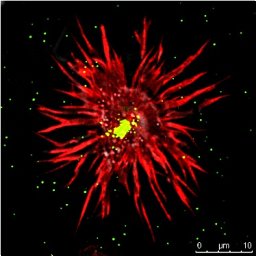 Izquierdo-Useros Nuria合作论文数IrsiCaixa AIDS Res Inst6
 Vergara-Alert Júlia合作论文数Universitat Autònoma de Barcelona, Universitat Autònoma de Barcelona6
 Joaquim Segalés合作论文数Departament de Sanitat i Anatomia Animals, Facultat de Veterinaria, Universitat Autonoma de Barcelona;Centre de Recerca en Sanitat Animal, Institut de Recerca i Tecnologia Alimentaries6
 Gema Fernandez-Rivas合作论文数6Elena Abad合作论文数5
 Macedonia Trigueros Pena合作论文数5Carlos Ávila-Nieto合作论文数5Olga Pérez-Quílez合作论文数5Israel López-Muñoz合作论文数5
 Jordi Rodon Aldrufeu合作论文数IRTA-CReSA5Josep Maria Bonet Simó合作论文数5
 Josep M Llibre合作论文数Infectious Diseases Department, Germans Trias I Pujol University Hospital5Ortiz Raquel合作论文数Intensive Care Unit, Hospital General La Palma5
 Oriol Estrada合作论文数Unidad de Hospitalización a Domicilio, Hospital Universitari Germans Trias i Pujol.5
 Silvia Roure合作论文数5Sergio España-Cueto合作论文数4Francisco Muñoz-López合作论文数4
 Christian Brander合作论文数Universitat de Vic - Universitat Central de Catalunya4
 Alfonso Valencia合作论文数Life Science Department, Barcelona Supercomputing Centre;INB Spanish National Bioinformatics Institute;IMPaCT Spanish Personalised Medicine initiative of the ISC-III4M. L. Rodriguez De La Concepcion合作论文数4
 Eva Martínez-Cáceres合作论文数Universitat Autònoma de Barcelona;Hospital Universitari Germans Trias i Pujol;Germans Trias i Pujol Research Institute4Teresa Puig合作论文数3José Ramón Santos合作论文数3Elia Fernández-Pedregal合作论文数3Jose Miranda-Sánchez合作论文数3Marta Font合作论文数3Gemma Lladós合作论文数3
 Oscar Blanch-Lombarte合作论文数3




