Background: Multiple Sclerosis (MS) is a chronic, autoimmune, multifactorial, and complex disorder of the central nervous system (CNS), affecting more than 2 million individuals globally. Genome-wide association studies (GWAS) have explained only a small fraction of its high heritability, highlighting the need for alternative approaches to identify rare genetic variants that contribute to its etiology. To address this, we performed whole-exome sequencing (WES) in a multi-affected family. Methods: WES was performed in a MS multigenerational family comprising two affected sisters, their two healthy brothers, and one affected son. Results: Bioinformatics analysis identified 47 co-segregating rare variants. Three missense variants in genes involved in inflammation, autoimmunity, and demyelinization were identified as the most promising candidates: c.443 C>T, p.Pro148Leu in the RTN4 gene, c.1678 T>G, p.Phe560Val in the JAK2 gene, and c.3449 A>G, p.Tyr1150Cys in the DUOX2 gene. Protein modeling and in silico tools suggest that the three selected variants may have a significant impact on protein function. Conclusions: We identified novel candidate genes for MS in a multiplex family, providing evidence for an oligogenic model of disease susceptibility. Further replication and functional studies are required to validate these preliminary results.
Classic galactosemia is a rare disease with long-term consequences that seriously affect the quality of life of patients. To date, various therapeutic approaches are being developed, but treatments that target the molecular defects in the mutant galactose-1-phosphate uridylyltransferase (GALT) gene are lacking. We conducted a computational search for putative pharmacochaperones by applying a drug repurposing strategy, and we found that one compound, already active as a pharmacochaperone in another pathology, doubled the enzymatic activity of the purified mutant enzyme in an in vitro test. Furthermore, an extensive computational search in a database of known active molecules found another compound able in its turn to improve in vitro enzymatic activity. Both compounds are predicted to interact with a cavity at the enzyme interface previously supposed to be an allosteric site for the GALT enzyme. In vitro tests confirmed also the reduced accumulation of galactose-1-phosphate (G1P) in fibroblasts of patients. Although these results must be considered preliminary, our findings pave the way for future research lines focused on the search for promising pharmacochaperones that can directly rescue the activity of the enzyme.
Many food components have antiviral activity, but in most cases, studies in the literature do not report detailed investigations of molecular mechanisms. We performed a comprehensive molecular docking study to investigate the potential interaction of several food molecules, selected for their known antiviral activity, with twelve SARSCoV-2 target proteins (NSP3, NSP5, NSP7, NSP8, NSP9, NSP10, NSP12, NSP15, NSP16, ORF7A, protein N, and Spike protein). The results suggest that some molecules, particularly beta-carotene, all-trans-retinoic acid (ATRA), epigallocatechin 3-gallate and kaempferol, can interact with SARS-CoV-2 protein targets. The study opens new insights into the molecular mechanisms underlying the antiviral properties of food components.
Eotaxin-3 is a key chemokine with a relevant role in eosinophilic esophagitis, a rare chronic immune/antigen-mediated inflammatory disorder. Eotaxin-3 is a potent activator of eosinophil emergence and migration, which may lead to allergic airway inflammation. We investigated, using bioinformatics tools, the protein structure and the possible effects of the known variations reported in public databases. Following a procedure already established, we created a 3D model of the whole protein and modeled the structure of 105 protein variants due to known point mutations. The effects of the amino acid substitution at the level of impact on protein structure, stability, and possibly function were detected by the bioinformatics procedure and described in detail. A web application was implemented to browse the results of the analysis and visualize the 3D models, with the opportunity of downloading the models and analyzing them using their own software. Among 105 amino acid substitutions investigated, the study evidenced in 44 cases at least one change in any of the investigated structural parameters. Other six variations are also relevant, although a structural effect was not detected by our analysis, because they affected amino acids highly conserved, which suggests a possible function role. All these variations should be the object of particular attention, as they may induce a loss of functionality in the protein.
Carbonyl-carbonyl interactions in peptides and proteins attracted considerable interest in recent years. Here, we report a survey of carbonyl-carbonyl interactions in cyclic peptides, depsipeptides, peptoids and discuss the relationship between backbone torsion angles and CO∙∙∙CO distances. In general, φ values in the range between -40° and -90° and between 40° and 90° correspond to CO∙∙∙CO distances below 3.22 Å. By extending the analysis of carbonyl-carbonyl interactions in different types of beta turns in proteins, we also highlight the role of direct or reciprocal carbonyl-carbonyl interactions in stabilizing the beta turn conformation for each specific type. We confirmed the new type II beta turn, detected by Dunbrack and coworkers, and named Pa, and detect the presence of a direct carbonyl-carbonyl interaction between the second and third residues of the turn. We also evidenced the existence of another new type II beta turn, named pA (following Dunbrack's notation), which represents the alternative conformation of Pa with opposite φ and ψ values and is characterized by a direct carbonyl-carbonyl interaction between the second and third residues of the turn. Finally, we show that the occurrence of CO∙∙∙CO interactions could be also advocated to explain from a chemical point of view the diversity of turn types.
In Italian universities, bioinformatics courses are increasingly being incorporated into different study paths. However, the content of bioinformatics courses is usually selected by the professor teaching the course, in the absence of national guidelines that identify the minimum indispensable knowledge in bioinformatics that undergraduate students from different scientific fields should achieve. The Training&Teaching group of the Bioinformatics Italian Society (BITS) proposed to university professors a survey aimed at portraying the current situation of bioinformatics courses within undergraduate curricula in Italy (i.e., bioinformatics courses activated within both bachelor's and master's degrees). Furthermore, the Training&Teaching group took a cue from the survey outcomes to develop recommendations for the design and the inclusion of bioinformatics courses in academic curricula. Here, we present the outcomes of the survey, as well as the BITS recommendations, with the hope that they may support BITS members in identifying learning outcomes and selecting content for their bioinformatics courses. As we share our effort with the broader international community involved in teaching bioinformatics at academic level, we seek feedback and thoughts on our proposal and hope to start a fruitful debate on the topic, including how to better fulfill the real bioinformatics knowledge needs of the research and the labor market at both the national and international level.
Collectively, rare genetic disorders affect a substantial portion of the world's population. In most cases, those affected face difficulties in receiving a clinical diagnosis and genetic characterization. The understanding of the molecular mechanisms of these diseases and the development of therapeutic treatments for patients are also challenging. However, the application of recent advancements in genome sequencing/analysis technologies and computer-aided tools for predicting phenotype-genotype associations can bring significant benefits to this field. In this review, we highlight the most relevant online resources and computational tools for genome interpretation that can enhance the diagnosis, clinical management, and development of treatments for rare disorders. Our focus is on resources for interpreting single nucleotide variants. Additionally, we present use cases for interpreting genetic variants in clinical settings and review the limitations of these results and prediction tools. Finally, we have compiled a curated set of core resources and tools for analyzing rare disease genomes. Such resources and tools can be utilized to develop standardized protocols that will enhance the accuracy and effectiveness of rare disease diagnosis.
The ability to predict a protein's three-dimensional conformation represents a crucial starting point for investigating evolutionary connections with other members of the corresponding protein family, examining interactions with other proteins, and potentially utilizing this knowledge for the purpose of rational drug design. In this work, we evaluated the feasibility of improving AlphaFold2’s three-dimensional protein predictions by developing a novel pipeline (AlphaMod) that incorporates AlphaFold2 with MODELLER, a template-based modeling program. Additionally, our tool can drive a comprehensive quality assessment of the tertiary protein structure by incorporating and comparing a set of different quality assessment tools. The outcomes of selected tools are combined into a composite score (BORDASCORE) that exhibits a meaningful correlation with GDT_TS and facilitates the selection of optimal models in the absence of a reference structure. To validate AlphaMod's results, we conducted evaluations using two distinct datasets summing up to 72 targets, previously used to independently assess AlphaFold2's performance. The generated models underwent evaluation through two methods: i) averaging the GDT_TS scores across all produced structures for a single target sequence, and ii) a pairwise comparison of the best structures generated by AlphaFold2 and AlphaMod. The latter, within the unsupervised setups, shows a rising accuracy of approximately 34% over AlphaFold2. While, when considering the supervised setup, AlphaMod surpasses AlphaFold2 in 18% of the instances. Finally, there is an 11% correspondence in outcomes between the diverse methodologies. Consequently, AlphaMod’s best-predicted tertiary structures in several cases exhibited a significant improvement in the accuracy of the predictions with respect to the best models obtained by AlphaFold2. This pipeline paves the way for the integration of additional data and AI-based algorithms to further improve the reliability of the predictions.
Gene-environment interactions, by means of abnormal macromolecular intestinal adsorption, is one of the possible causes of autism spectrum disorders (ASD) predominantly in patients with gastrointestinal disorders. Pre-haptoglobin-2 (zonulin), encoded by the Haptoglobin (HP) allele-2 gene, enhances the intestinal permeability by modulation of intercellular tight junctions. The two alleles of HP , HP1 and HP2 , differ for 2 extra exons in HP2 that result in exon duplication undetectable by classic genome-wide association studies. To evaluate the role of HP2 in ASD pathogenesis and to set up a method to discriminate HP alleles, Italian subjects with ASD (n = 398) and healthy controls (n = 379) were genotyped by PCR analysis; subsequently, the PCR results were integrated with microarray genotypes (Illumina Human Omni 1S-8), obtained using a subset from the same subjects, and then we developed a computational method to predict HP alleles. On the contrary to our expectations, there was no association between HP2 and ASD (P > 0.05), and there was no significant allele association in subjects with ASD with or without gastrointestinal disorders (P > 0.05). With the aid of bioinformatics analysis, from a window frame of ~2 Mb containing 314 SNPs, we obtain imputation accuracy (r 2 ) between 0.4 and 0.9 (median 0.7) and correct predictions were between 70% and 100% (median 90%). The conclusions endorse that enhanced intestinal permeability in subjects with ASD should not be imputed to HP2 but to other members of the zonulin family and/or to environmental factors.
Investigating large datasets of biological information by automatic procedures may offer chances of progress in knowledge. Recently, tremendous improvements in structural biology have allowed the number of structures in the Protein Data Bank (PDB) archive to increase rapidly, in particular those for severe acute respiratory syndrome coronavirus 2 (SARS-CoV-2)-associated proteins. However, their automatic analysis can be hampered by the nonuniform descriptors used by authors in some records of the PDB and PDBx/mmCIF files. In this opinion article we highlight the difficulties encountered in automating the analysis of hundreds of structures, suggesting that further standardization of the description of these molecular entities and of their attributes, generalized to the macromolecular structures contained in the PDB, might generate files more suitable for automatized analyses of a large number of structures.
A long-lasting goal of computational biochemists, medicinal chemists, and structural biologists has been the development of tools capable of deciphering the molecule-molecule interaction code that produces a rich variety of complex biomolecular assemblies comprised of the many different simple and biological molecules of life: water, small metabolites, cofactors, substrates, proteins, DNAs, and RNAs. Software applications that can mimic the interactions amongst all of these species, taking account of the laws of thermodynamics, would help gain information for understanding qualitatively and quantitatively key determinants contributing to the energetics of the bimolecular recognition process. This, in turn, would allow the design of novel compounds that might bind at the intermolecular interface by either preventing or reinforcing the recognition. HINT, hydropathic interaction, was a model and software code developed from a deceptively simple idea of Donald Abraham with the close collaboration with Glen Kellogg at Virginia Commonwealth University. HINT is based on a function that scores atom-atom interaction using LogP, the partition coefficient of any molecule between two phases; here, the solvents are water that mimics the cytoplasm milieu and octanol that mimics the protein internal hydropathic environment. This review summarizes the results of the extensive and successful collaboration between Abraham and Kellogg at VCU and the group at the University of Parma for testing HINT in a variety of different biomolecular interactions, from proteins with ligands to proteins with DNA.
The new SARS-CoV-2 variant Omicron is characterised, among others, by more than 30 amino acid changes (including 4 deletions and 1 insertion) occurring on the spike glycoprotein. We report a comprehensive analysis of the effects of the Omicron spike amino acid changes in the interaction with human ACE2 receptor or with human antibodies, obtained by analysing the publicly available resolved 3D structures. Our analysis predicts that amino acid changes occurring on amino acids interacting with the ACE2 receptor may increase Omicron transmissibility. The interactions of Omicron spike with human antibodies can be both negatively and positively affected by amino acid changes, with a predicted total loss of interactions only in few complexes. We believe that such an approach can be used to better understand SARS-CoV-2 transmissibility, detectability, and epidemiology, especially when extended to other than spike proteins.
The microbial transglutaminase (TGase) from Streptomyces mobaraensis (MTGase) is widely used for industrial applications. However, in the last decades, TGases from other bacteria have been described. We focused our attention on TGase, from Kutzneria albida (KalbTGase), recently characterized as more selective than MTGase and proposed for applications in drug delivery. By comparison of the crystallographic structures, the volume of the catalytic site results smaller in KalbTGase. We compared KalbTGase and MTGase structural flexibility by molecular dynamics (MD) simulations at different conditions. KalbTGase is more rigid than MTGase at 300 K, but the catalytic site has a preserved conformation in both structures. Preliminary studies at higher temperatures suggest that KalbTGase acquires enhanced conformational flexibility far from the active site region. The volume of the catalytic active site pocket of KalbTGase at room temperature is smaller than that of MTGase, and decreases at 335 K, remaining stable after further temperature increase. On the contrary, in MTGase the pocket volume continues to decrease as the temperature increases. Overall, the results of our study suggest that at room temperature the enhanced specificity of KalbTGase could be related to a more closed catalytic pocket and lower flexibility than MTGase. Moreover, by preliminary results at higher temperature, KalbTGase structural flexibility suggests an adaptability to different substrates not recognized at room temperature. Lower adaptability of MTGase at higher temperature with a reduction of the catalytic pocket, instead, suggests a reduction of its activity.
 Angelo Facchiano合作论文数CNR, Inst Food Sci, Avellino, Italy69
 Sabato D'Auria合作论文数Department of Biology, Agriculture and Food Science, Consiglio Nazionale delle Ricerche;Institut Armand-Frappier, Centre INRS32
 Bernardina Scafuri合作论文数Univ Salerno, Dept Biol & Chem, Via Giovanni Paolo 2 132, I-84084 Salerno, Italy30
 Luciano Milanesi合作论文数Institute for Biomedical Technologies, National Research Council26
 Maria Staiano合作论文数Italian National Research Council Institute of Protein Biochemistry26
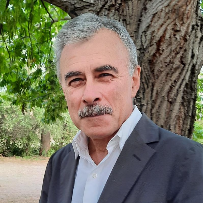 Andrea Mozzarelli合作论文数Istituto di Biofisica22Antonio Varriale合作论文数21
 Deborah Giordano合作论文数17
 Alessandra Mezzelani合作论文数15
 Mosè Rossi合作论文数Consiglio Nazionale delle Ricerche14
 Antonio Facchiano合作论文数Jefferson Cancer Institute;Jefferson Cancer Center;Jefferson Medical College;Jefferson Cancer Institute, Jefferson Medical College14
 Nancy D'Arminio合作论文数13
 Anna Verdino合作论文数13Serena Dotolo合作论文数12
 Maria Elisabetta Raggi合作论文数11Fabio Tanfani合作论文数11
 Andrea Scire合作论文数Faculty of Sciences Ancona Italy, Università Politecnica delle Marche Institute of Biochemistry11Ivana Caputo合作论文数11
 Martina Landini合作论文数10
 Antonio D'Acierno合作论文数Institute of Food Sciences, Italian National Research Council10
 Glen E. Kellogg合作论文数10
 Michael Weyand合作论文数Department of Molecular Structure Research, GBF (Gesellschaft für Biotechnologische Forschung), Mascheroder Weg 1, Braunschweig, D-38124, Germany. michael-wayand@mpi-dortmund.mpg.de9
 Ilme Schlichting合作论文数Department of Biosciences, Heidelberg University;Department of Physics and Astronomy, Heidelberg University;Department of Biomolecular Mechanisms, Max Planck Institute for Medical Research9Pietro Cozzini合作论文数9Laura Villa合作论文数8
 Luisa Iozzino合作论文数8
 Eugenio Del Prete合作论文数Institute for Calculus Applications 'M. Picone', CNR8Annunziata Soriente合作论文数8Margherita De Rosa合作论文数Dipartimento di Chimica, Università di Salerno8
 Molteni Massimo合作论文数8Francesca Ciceri合作论文数7
 Ivan Merelli合作论文数the National Research Council, Institute for Biomedical Technologies7Giovanna Cacciapuoti合作论文数7Marina Porcelli合作论文数7Arianna Bonfanti合作论文数6
 Nadia Galluccio合作论文数Institute of Biomedical Technologies, National Research Council6Lepretti Marilena合作论文数6Carla Esposito合作论文数6
 Aurilia Vincenzo合作论文数Institute for Mediterranean Agriculture and Forest Systems ISAFoM, Italian National Research Council6
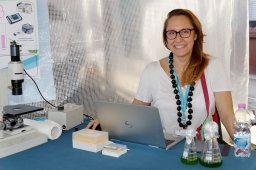 Viviana Scognamiglio合作论文数Institute of Protein Biochemistry, National Council of Research6
 Pramod W. Ramteke合作论文数College of Biotechnology and Allied Sciences, Allahabad Agricultural Institute-Deemed University6
 Paola Ringhieri合作论文数5
 Steven I. Sherman合作论文数Department of Endocrine Neoplasia and Hormonal Disorders, Division of Internal Medicine, The University of Texas MD Anderson Cancer Center5
 Roberto TAGLIAFERRI合作论文数Dipartimento di Scienze Aziendali - Management & Innovation Systems, University of Salerno5
 Alessio Ausili合作论文数Faculty of Sciences Ancona Italy, Università Politecnica delle Marche Institute of Biochemistry5
 Anna Capaldo合作论文数Department of Biological Sciences, University of Naples “Federico II”5Francesco Facchiano合作论文数Department of Chemistry and Biological Chemistry, First Faculty of Medicine via Costantinopoli 16, 80138 Naples, Italy5Kent Lai合作论文数5
 Consiglia Tedesco合作论文数4




