Polynomial regression and response surface analysis (Edwards & van Harrison, 1993) was first introduced to management research nearly 30 years ago. Presented as an alternative to difference scores, researchers have adopted this methodology to visually present and statistically test the effects of fit and misfit proposed by theory. Since the advent of polynomial regression in management, it continues to prove itself as a useful and meaningful way to test and represent theory. The papers in this symposium present theoretical and empirical insight into abusive supervision, impression management, prosocial behavior, and supervisors’ psychological contracts by using polynomial regression. The objective of this symposium is to showcase polynomial regression’s utility, highlight theoretical and empirical contributions, and to stimulate new questions with Dr. Jeff Edwards serving as a discussant. A Polynomial Regression Approach to the Effect of Abusive Supervision Inconsistency Presenter: Seoin Yoon; Texas A&M U., College Station Presenter: Joel Koopman; Texas A&M U. Presenter: Nikolaos E. Dimotakis; Oklahoma State U. Presenter: Tanja R. Darden; Towson U. Presenter: Juanita Kimiyo Forrester; Mercer U. Presenter: Lauren Simon; U. of Arkansas Presenter: Bennett J. Tepper; Ohio State U. Presenter: Lindie Hanyu Liang; Wilfrid Laurier U. Presenter: Dan Ni; School of Economics and Management Tsinghua U. Presenter: Douglas J. Brown; U. of Waterloo The Effects of Person-Supervisor Goal Misfit on Impression Management Behavior Presenter: David Walter Sullivan; U. of Houston Presenter: Tyler Sabey; Texas A&M U. Presenter: Murray R. Barrick; Texas A&M U. Presenter: Erica Studer-Byrnes; U. of Florida Too Much of a Good Thing? Prosocial Fit Predicting Job Satisfaction and Pride Presenter: Anna Maria Zabinski; Oklahoma State U. Presenter: Lisa Schurer Lambert; Oklahoma State U. Presenter: Abbey Davis; Oklahoma State U. Presenter: Nicklaus Hayden; Oklahoma State U. Presenter: Cassidy Creech; Utah State U. A Psychological Contracts Perspective of Supervisors’ Satisfaction with Subordinates Presenter: Tanja R. Darden; Towson U. Presenter: Paata Brekashvili; Caucasus U. Presenter: Lisa Schurer Lambert; Oklahoma State U. Presenter: Ryan Phillip Currie; Abraham Baldwin Agricultural College Presenter: Greg Hardt; Xavier U.
The purpose of this symposium is to share exciting, novel research on helping behavior at work. The collection of papers in this symposium offers new directions and insights – both theoretically and qualitatively – about the cognitive of processes of how, why, and when employees engage in helping behaviors. By exploring helping trajectories over time, the role of reciprocity in helping behavior, and how good citizens craft their roles, we gain a better understanding of helping behavior at work. An Examination of Newcomer Helping Behavior in Reaction to Veteran Helping Norms Presenter: Katrina Jia Lin; Hong Kong Polytechnic U. Presenter: Wei Wu; Hong Kong Polytechnic U. Presenter: Ying Xia; Nanjing U. Presenter: Kun Yu; Renmin U. of China Presenter: Peter Bamberger; Tel Aviv U. Returning the Favor: Examining Reciprocation of Help Received Presenter: Lauren Rachel Locklear; U. of Central Florida Presenter: Steven Whiting; U. of Central Florida Presenter: Mark G. Ehrhart; U. of Central Florida Better to Give than to Reciprocate: Status Conferrals and the Norm of Reciprocity Presenter: Alisa Yu; Stanford U. Presenter: Frank Flynn; Stanford U. Giving More than You Get: An Information Processing Model Explaining Under-Reciprocated Helpers Presenter: Anna Maria Zabinski; Oklahoma State U. Presenter: Kris Byron; Georgia State U. Presenter: Diane Bergeron; Case Western Reserve U. The Nature and Implications of Citizenship Crafting in Organizations Presenter: Thomas Keleman; U. of Oklahoma Presenter: Mark C Bolino; U. of Oklahoma
Leader-follower relationships are complex and dynamic. What the research featured in this symposium demonstrates is that these relationships are contingent upon and shaped by the attributions that followers make regarding their leaders and their work. In other words, this research suggests that the quality of leaders’ influence is based not just on what the leader does, but on what the followers think about what the leader does and their work. Unfortunately, this general idea has been relatively underexplored and underemphasized in leadership research. In this Insights First symposium, presentors will discuss insights from their latest research exploring the role follower attributions play in leader-follower relationships, all aimed at broadening, deepening, and pushing forward both leadership research and practical leadership implications. Nasty or Naïve? An Investigation of Follower Attributions for Leader Incivility Behaviors Presenter: Heath Gregg; U. of Miami Presenter: Changmeng Xu; U. of Miami Presenter: Marie Dasborough; U. of Miami Meaningful Work and Leadership Relationships in Leader-Follower Dyads Presenter: Jayoung Kim; Binghamton U.-State U. of New York Presenter: Francis J. Yammarino; Binghamton U.-State U. of New York Presenter: Dongil Jung; Yonsei U. Looking Beyond Leadership Behaviors: Followers’ Perceptions of Leaders’ Focus Matters Too Presenter: Ryan Gottfredson; California State U., Fullerton Presenter: Anna Maria Zabinski; Oklahoma State U. Presenter: Mark Hiatt; Kennesaw State U. Feeling Trusted by the Supervisor and its Consequences Presenter: Xin Zhang; The Chinese U. of Hong Kong Presenter: C. Ashley Fulmer; Georgia State U. Presenter: Qi Song; Southwestern U. of Finance and Economics Presenter: Yang Chen; Southwestern U. of Finance and Economics
Offering help to others benefits the recipients of help. Coworkers who help others receive help in return when they need it. Employees offer help to others because they care about the organization, believe it is important to help others, or want to look good. These key assumptions and findings characterize much of the past research on helping behaviors at work. The present symposium challenges these assumptions and extends these findings. It offers theoretical developments and empirical findings that suggest that helping does not always help the employee who receives help, employees who help may not be helped in return, and employees engage in helping for many different reasons including the goal of making work more challenging or fulfilling. This symposium is comprised of five presentations: one qualitative, two theoretical, and three quantitative, each with a unique perspective that will enrich our understanding of helping at work. When is Helping Behavior Unhelpful? An Interdisciplinary Review and Future Research Agenda Presenter: Zitong Sheng; Virginia Commonwealth U. Presenter: Reeshad Sam Dalal; George Mason U. OCB Lets Talk About It! Discovering New Directions Through Qualitative Research Presenter: Diane Bergeron; Case Western Reserve U. Presenter: Kylie Rochford; Case Western Reserve U. Presenter: Jessi Hinz; Case Western Reserve U. Presenter: Melissa Cooper; Weatherhead School of Management, Case Western Reserve U. Presenter: Hak-Yoon Kim; Case Western Reserve U. Revisiting Reciprocity: How Accountability, Proactivity, and Interpersonal Skills Shape Helping Presenter: Erich C. Dierdorff; DePaul U. Presenter: Robert S. Rubin; DePaul U. Helping Reciprocity: Effects of Gender Presenter: Tanja R. Darden; Georgia State U. Presenter: Nikolaos E. Dimotakis; U. of Nebraska, Lincoln When Helpers Dont Receive Help: A Theoretical Model Explaining Reciprocity Failures Presenter: Anna Maria Zabinski; Oklahoma State U. Presenter: Kris Byron; Georgia State U.
 Tanja R. Darden合作论文数2
 Diane M. Bergeron合作论文数Département de Biologie, Université Laval2
 Kris Byron合作论文数Department of Management, Georgia State University2Jessi Hinz合作论文数1Frank Flynn合作论文数1Thomas Keleman合作论文数1
 Seoin Yoon合作论文数1Nikolaos Dimotakis合作论文数1
 Heath Gregg合作论文数Miami Herbert Business Sch, Univ Miami1
 Alisa Yu合作论文数1
 Lauren R. Locklear合作论文数Area Management, Rawls Coll Business, Texas Tech Univ1
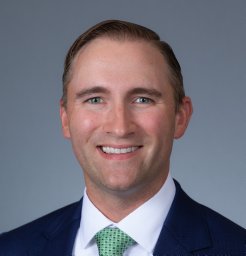 David W. Sullivan合作论文数University of Houston1
 Jayoung Kim合作论文数1
 Katrina Jia Lin合作论文数Department of Management and Marketing.1Zhang Xin合作论文数1Whiting Steven W合作论文数1
 Kylie Rochford合作论文数Department of Organizational Behavior, Case Western Reserve University Cleveland1
 Peter Bamberger合作论文数Department of Organizational Behavior, Coller School of Management, Tel Aviv University1
 Kun Yu (于坤)合作论文数School of Labor and Human Resources, Renmin University of China1
 Ying Xia (夏莹)合作论文数Business School, Nanjing University1
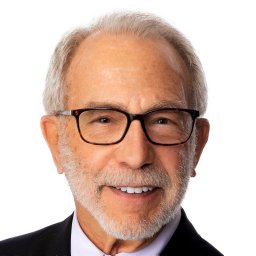 Robert S. Rubin合作论文数The Neuropsychiatric Institute, University of California Center for the Health Sciences Los Angeles1
 Ryan K. Gottfredson合作论文数Kelley School of Business, Indiana University1
 Mark G. Ehrhart合作论文数Department of Psychology, University of Central Florida/Research on Organizational & L eadership Effectiveness LAB, University of Central Florida1
 Reeshad Sam Dalal合作论文数University of Illinois at Urbana-Champaign1
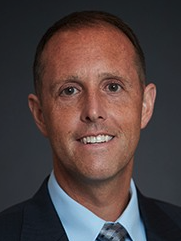 Mark Bolino合作论文数Division of Management & International Business, Price College of Business, The University of Oklahoma1
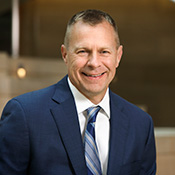 Kurt T. Dirks合作论文数Olin Business School, Washington University in St. Louis1
 Zitong Sheng合作论文数School of Psychology, Faculty of Science, The University of Auckland1
 Erich Dierdorff合作论文数Dept Management, Depaul Univ1




