Aging profoundly alters the neuromotor and cognitive systems that support gait control, leading to increased variability and instability that predict functional decline and dementia risk. In this pilot study, conducted to inform the design of the Semmelweis Study gait assessment pipeline, we examined how aging and cognitive load influence the magnitude and temporal organization of gait fluctuations. The Semmelweis Study is a large, prospective workplace cohort at Semmelweis University designed to identify the determinants of unhealthy aging and the mechanisms that preserve functional resilience across the life course. One hundred three adults aged 23–87 years completed single- and dual-task walking trials on a 20-foot pressure-sensitive walkway. Gait variability was quantified using the median absolute deviation (MAD) and coefficient of variation (CoV) of key spatiotemporal parameters, while permutation entropy (PE) captured the complexity of stride-to-stride dynamics. Aging was associated with progressive increases in both the variability (MAD, CoV) and changes in orderliness (PE) of gait fluctuations, particularly under dual-task conditions, suggesting a dual contribution of neuromotor degradation and compensatory recruitment of higher-order control processes. The amplification of these effects during cognitive load highlights the vulnerability of cognitive–motor integration with advancing age. By integrating robust, relative, and nonlinear variability metrics within a unified analytical framework, this study provides a multidimensional characterization of gait control and establishes sensitive indicators for detecting early functional decline. Within the translational framework of the Semmelweis Study, these quantitative gait measures—together with vascular, metabolic, and cognitive assessments—are expected to serve as informative components of a comprehensive biomarker system aimed at identifying early determinants of unhealthy brain aging and guiding preventive strategies to promote healthy longevity.
Background/Objectives: Age-related functional decline is increasingly linked to chronic low-grade inflammation (inflammaging) and sarcopenia, two interconnected processes contributing to frailty, metabolic dysregulation, and impaired physical function. These conditions share several underlying mechanisms, including immune dysregulation, mitochondrial dysfunction, oxidative stress, and impaired anabolic signaling. This narrative review critically evaluated the mechanistic and translational interactions between natural bioactive compounds and lifestyle interventions in modulating inflammaging and sarcopenia. Methods: Evidence from molecular, experimental, epidemiological, and clinical studies was synthesized to examine the effects of bioactive compounds-including polyphenols, flavonoids, carotenoids, and omega-3 fatty acids-as well as physical activity and dietary patterns. Particular emphasis was placed on inflammatory regulation, redox homeostasis, mitochondrial adaptation, and muscle metabolism, including NF-κB, AMPK-mTOR, and Nrf2 signaling pathways. Results: Observational studies and randomized controlled trials generally indicate that anti-inflammatory dietary patterns and regular physical activity are associated with improved muscle strength, physical performance, and inflammatory status in older adults. Mechanistically, nutritional bioactives and exercise appear to converge on several pathways involved in mitochondrial function, oxidative stress, anabolic signaling, and immune activation. Emerging evidence suggests potential convergence and interaction of biological pathways affected by nutritional and lifestyle interventions; however, formal evidence demonstrating true synergistic effects in humans remains limited. Nevertheless, substantial heterogeneity persists regarding intervention protocols, dosage strategies, bioavailability, and long-term clinical outcomes. Conclusions: Natural bioactive compounds and lifestyle-based interventions represent promising approaches for targeting biological processes implicated in inflammaging and sarcopenia. By integrating current evidence within a hormesis-oriented geroscience framework, this review highlights the importance of adaptive redox regulation, metabolic resilience, and evidence-based lifestyle strategies in healthy aging. Future well-designed longitudinal and intervention studies are needed to clarify the clinical relevance of these interactions and optimize translational implementation.
Background & Aims Obesity-related mitochondrial dysfunction initiates and exacerbates endothelial dysfunction, which in turn contributes to the development of several diseases, such as cardiovascular disease and cognitive impairment. Urolithin A (UroA) is a polyphenol-derived microbial metabolite with mitophagy activator activity. Although the safety, pharmacokinetics, and effects of UroA supplementation on muscle health have been investigated in humans, its potential to mitigate endothelial dysfunction in obese adults remains unknown. Thus, this protocol details the procedures of a study designed to investigate the effect of 4 weeks of UroA supplementation on endothelial and cerebrovascular function in middle-aged adults with obesity. Methods This study is a placebo-controlled, double-blind, randomized, parallel interventional trial. Eligible participants are between 40–64 years old and have a BMI ≥30 kg/m2. Enrolled participants are randomized to receive active (1,000 mg of UroA daily) or control (placebo) intervention for 4 weeks. Before and after the intervention, they undergo peripheral micro- and macrovascular endothelial function and cerebrovascular function assessments. Results We expect that those who receive UroA supplementation will have a significant improvement in endothelial and cerebrovascular function compared with those who receive placebo. Conclusion The results of this trial will provide important insights into the effect of UroA on endothelial dysfunction in adults with obesity. Trial registration This study was prospectively registered at ClinicalTrials.gov on June 26, 2023 (NCT05921266).
With the aging population in Europe, particularly Hungary, unhealthy aging is emerging as a growing public health challenge. Physical inactivity is a modifiable risk factor for age-related diseases and remains highly prevalent. Increasing daily physical activity is a key strategy for extending health span. Step-count-based interventions, including motivational interviewing and email-based feedback, have been shown to promote physical activity, but direct comparisons of these approaches in workplace settings are limited. Conducted within the framework of the Semmelweis-EUniWell Workplace Health Promotion Model Program, this study aimed to evaluate the effect of two scalable workplace interventions compared with a control group on increasing daily step count and total weekly physical activity, and to examine the sustainability of intervention effects over six months. In this three-armed randomized controlled trial, Semmelweis university employees were assigned to one of three groups: combined program of face-to-face motivational interviewing and email-based motivation, email-based motivation program alone or a control group with no intervention. Daily step counts were self-reported using participants' personal smart devices and recorded at baseline, every two weeks during an eight-week intervention, and at 1-, 3-, and 6-month follow-up. Total weekly physical activity was assessed using the International Physical Activity Questionnaire. Changes were modeled and compared with mixed model regression. A total of 155 employees participated (49 in the face-to-face motivational interviewing group, 53 in the email-based motivation group, and 53 controls). Both interventions were associated with increased step counts during the intervention period compared with control, with an average increase of 1,624 steps per day. Initial improvements were comparable between the two intervention groups, but the decline in step count during follow-up was slower in the face-to-face group. Additionally, at one-month post-intervention, the face-to-face group also showed a significantly higher total MET-minutes per week (997 MET/week) compared with controls. Both face-to-face and email-based interventions were effective in increasing physical activity during the intervention period. The slower decline in the face-to-face group suggests differences in sustainability between approaches. The results suggest a potential short-term benefit of workplace health promotion programs on physical activity, and that motivational interviewing may support longer-term maintenance of gains. Embedding such hybrid interventions into broader healthy aging strategies, such as those promoted by the Semmelweis-EUniWell Workplace Health Promotion Model Program, offers a promising pathway to address the aging challenge in Hungary and across Europe. Looking ahead, artificial intelligence-driven tools could enhance these programs by delivering personalized feedback, adaptive goal setting, and real-time engagement at scale, complementing human-delivered motivational support and further extending their reach and impact.
Background Fiscal policies on food can effectively fight the growing burden of non-communicable diseases and climate change. These policies should be modeled in advance to see the implications for the environment and health. The aim of this study was to analyze these modeling methodologies. Methods We conducted a systematic review, searching Scopus and Pubmed for studies that modeled fiscal policies on the food groups targeted by the EAT-Lancet Commission and examined their health or environmental outcomes. We then double-screened the records, and extracted data on modeling methods from the 55 included studies. The review protocol was registered on PROSPERO (2022 CRD42022291945). Results The most frequently modeled interventions were fruit and vegetable subsidies and carbon taxes on food. One study also included a consumer education campaign to enhance the effect of fiscal policy. The outcomes are highly sensitive to consumption change and price elasticities. The stability of the amount of diet consumed was modeled 6 times with calorie stability, and twice with dietary weight stability. The outcomes were also sensitive to diseases and the system boundaries of environmental impacts. None of the studies modeled the health effects of environmental outcomes. Conclusions We did not find a model that covered all the relevant aspects of the issue. Some parts were missing from all the included models. It is advisable to model the stability of the amount of diet consumed, either by keeping the weight of the diet stable or by taking a more conservative approach and keeping the consumed calories stable. A fiscal policy is more equitable if a tax and a subsidy are combined to be less regressive. Additionally, an informational campaign as a complement could improve effectiveness. The included diseases and environmental boundaries are preferable to be broad to have more valid outcomes on this complex issue. A more comprehensive understanding of fiscal policies would allow us to better anticipate the impact of our actions and inactions and thus could lead to more sophisticated measures taken by policymakers.
Gait alterations are recognized as early markers of age-related decline and cognitive impairment. Dual-task assessments, which impose cognitive load while walking, provide valuable insights into gait control limitations and cognitive-motor interactions in aging populations. This study evaluates age-related and cognitive load-induced changes in gait parameters, with a particular focus on asymmetry, and aims to optimize the gait assessment protocol for the Semmelweis Study framework. The Semmelweis Study is a large-scale workplace cohort investigating the determinants of unhealthy aging and promoting healthy brain aging by identifying risk factors and protective mechanisms influencing vascular, metabolic, and neurocognitive decline. As part of this initiative, gait analysis is emerging as a critical tool for assessing functional aging, detecting early signs of mobility and cognitive impairment, and contributing to biological age assessment. A cross-sectional analysis was conducted on adults aged 23 to 87 years using a pressure-sensitive walkway system. Participants were evaluated under single-task conditions (normal walking) and dual-task conditions (walking while performing a concurrent cognitive task). Spatiotemporal gait parameters, asymmetry indices, and dual-task costs were analyzed to assess age-related changes in gait performance and cognitive-motor interactions. Aging was associated with significant reductions in gait speed, step length, and stride length, along with a corresponding increase in gait asymmetry. Dual-task conditions exacerbated these alterations, indicating age-related impairments in cognitive-motor integration. Asymmetry indices were sensitive to aging effects, suggesting their potential as biomarkers for functional decline. The dual-task cost on gait was significantly greater in older adults, reinforcing the interplay between cognitive and motor systems in aging. Age-related gait alterations, particularly under cognitive load, underscore the importance of comprehensive gait assessments in aging research. Our findings contribute to the optimization of the Semmelweis Study gait assessment protocol by identifying key gait parameters that capture functional decline and biological aging. Integrating dual-task gait analysis into large-scale epidemiological studies has the potential to enhance early detection of brain health decline, refine biological age estimation, and guide targeted interventions to support healthy aging and neuromotor resilience.
Peripheral artery disease (PAD) significantly contributes to increased morbidity and mortality among older adults. Characterized by generalized endothelial dysfunction, PAD is associated with a heightened risk for cerebral small vessel disease and vascular cognitive impairment. Together, these conditions exemplify the phenomenon of accelerated systemic vascular aging, highlighting the interconnections between vascular health and cognitive functions in the elderly. This pilot trial investigated the potential of nicotinamide riboside (NR), a precursor of NAD+, to counteract age-related vascular and cognitive decline in individuals with PAD. Over 4 weeks, we administered NR to 8 participants and measured its effects on peripheral endothelial function, functional cerebrovascular responses, and cognitive performance (NCT06534944). Additionally, we assessed the effects of circulating factors present in patient sera on oxidative stress and mitochondrial function in cultured cerebromicrovascular endothelial cells. Preliminary results indicate a positive trend in peripheral endothelial function, significant improvements in cerebrovascular response in the left dorsolateral prefrontal cortex, and cognitive enhancement across multiple domains postsupplementation. NAD+ supplementation with NR was associated with reduced oxidative stress and increased nitric oxide production and mitochondrial efficiency in endothelial cells treated with patient sera. These findings suggest that NR supplementation could ameliorate cognitive outcomes in older adults with PAD, potentially through mechanisms linked to improved endothelial health and decreased oxidative stress. This study underscores the importance of future research using controlled designs in larger cohorts to verify these effects and elucidate the long-term benefits of NAD+ enhancement in the context of accelerated vascular aging and its cognitive consequences. Significance Statement Despite growing interest in NAD+ enhancement for vascular and cognitive health, research on nicotinamide riboside (NR) in peripheral artery disease (PAD) is limited. One clinical trial to date has assessed NR in PAD, focusing mainly on walking capacity. This pilot study provides critical evidence by examining peripheral endothelial function, cerebrovascular responses, and cognitive performance. Its multifaceted approach lays the groundwork for future trials to refine effect sizes and validate NR’s potential to counter vascular aging and cognitive decline in PAD.
IntroductionGrowing aging populations pose new challenges to public health as the number of people living with dementia grows in tandem. To alleviate the burden of dementia, prodromal signs of cognitive impairment must be recognized and risk factors reduced. In this context, non-invasive techniques may be used to identify early changes and monitor disease progression. Dynamic retinal vessel analysis (DVA) provides an opportunity to measure retinal vasoreactivity in a way that may be comparable to cerebral vasoreactivity, thus providing a window to the brain.MethodsWe conducted a literature search on PubMed and Scopus to identify studies utilizing DVA to describe retinal vasoreactivity in central nervous system diseases and compare it with brain function and structure. We included original papers with full text in English.ResultsWe identified 11 studies, of which most employed a cross-sectional design (91%). Studies on cerebrovascular diseases reported that retinal vasoreactivity decreased in patient populations compared with that of healthy controls. Studies on cognitive impairment and dementia yielded mixed results, at least in part due to high population heterogeneity. There is also evidence for the association between DVA and brain and cognition parameters such as cerebral blood flow velocity, cerebral microvascular diffusivity, and cognitive function score.DiscussionThe reviewed papers on DVA and brain function, despite the mixed results, have demonstrated the relationship between retinal vasoreactivity and cerebrovascular function and cognition. Heterogeneity in study populations, procedures, and analyses make comparisons difficult. Studies with larger sample size, clear description of the population and methods, and standardized DVA analysis are needed to elucidate the eye–brain connection and to enhance the translational and clinical applications of DVA.
Age-related cerebromicrovascular endothelial dysfunction underlies the initiation and progression of cognitive dysfunction and dementia, thus increasing the susceptibility of older adults to such conditions. Normal brain function requires dynamic adjustment of cerebral blood flow to meet the energetic demands of active neurons, which is achieved the homeostatic mechanism neurovascular coupling (NVC). In this context, therapeutical strategies aimed at rescuing or preserving NVC responses can delay the incidence or mitigate the severity of age-related cognitive dysfunction, and time-restricted eating (TRE) is a potential candidate for such a strategy. Studies have reported that TRE can improve cardiometabolic risk factors in older adults. However, the effect of TRE on cerebrovascular endothelial function remains unexplored. Thus, this protocol outlines the study procedures to test our hypothesis that a 6-month TRE regimen of 10-h eating window will improve NVC responses and endothelial function in community-dwelling older adults. This is a single-arm, open-label interventional trial. We aim to recruit 32 adults aged 55-80 years. Participants are instructed to maintain a TRE regimen of 10 h of free eating followed by 14 h of fasting for 6 months. Before and after fasting, participants are assessed for cognitive performance, peripheral micro- and macrovascular endothelial function, and NVC responses, as well as for several confounding factors, including body composition, dietary, and physical activity data. We expect that 6 months of TRE will improve NVC response and endothelial function in older adults compared with baseline, and that these improvements will be accompanied by improvements in cognitive performance. The study proposed herein will provide critical insight into a new potential therapeutical strategy for targeting age-related cognitive dysfunction. Ultimately, slowing down or alleviating cognitive decline will translate into improved quality of life and longer healthspan for aging adults. This study was prospectively registered at ClinicalTrials.gov (NCT06019195) on August 24, 2023.
With a growing elderly population in the European Union, age-related diseases associated with unhealthy aging pose increasing public health challenges, including a loss of independence and heightened societal burdens. The Semmelweis Study, a prospective occupational cohort study in Hungary, seeks to identify determinants of unhealthy aging, focusing on the complex relationship between lifestyle, environmental, occupational factors, and the development of chronic age-associated diseases, including age-related vascular cognitive impairment (VCI). The primary objective of this pilot study was to establish a robust, high-throughput assessment methodology to comprehensively evaluate both peripheral and cerebrovascular health to provide a solid foundation for the forthcoming Semmelweis Study framework. The study involved 49 participants aged 23 to 87 years, and it assessed multi-domain cognitive performance through an automated battery of tests (CANTAB). Vascular health was comprehensively evaluated using laser speckle contrast imaging (LSCI), flow-mediated dilation (FMD), static and dynamic retinal vessel analysis (SVA, DVA), and measurements of vascular stiffness. The retinal microvasculature, which closely mirrors the cerebral circulation in anatomy, physiology, and pathophysiology, provided a unique window for examination. Optical imaging through SVA and DVA enables the identification of structural and functional changes in the central nervous system’s microcirculation, which are highly relevant to the pathogenesis of VCI. Subsequently, the collected measures were integrated into vascular health indices using principal component analysis (PCA) and the relationship to the age and cognitive status of study participants was explored. These comprehensive vascular health indices demonstrated a correlation not only with age but also with cognitive performance. This methodology holds promise for providing novel insights into the intricate interplay between vascular and cognitive health within the context of the Semmelweis Study.
Dysregulated energy metabolism is a hallmark of aging, including brain aging; thus, strategies to restore normal metabolic regulation are at the forefront of aging research. Intermittent fasting, particularly time-restricted eating (TRE), is one of these strategies. Despite its well-established effectiveness in improving metabolic outcomes in older adults, the effect of TRE on preserving or improving cerebrovascular health during aging remains underexplored. We explored how aging itself affects energy metabolism and contextualized these age-related changes to cerebrovascular health. We also conducted a literature search on PubMed and Scopus to identify and summarize current studies on TRE in older adults. Finally, we provided preliminary data from our proof-of-concept pilot trial on the effect of 6-month TRE on cerebrovascular health in older adults. Current evidence shows the potential of TRE to improve energy metabolism and physiological outcomes in older adults. TRE may improve cerebrovascular function indirectly due to its effect on glucose homeostasis. However, to date, direct evidence of the effect of TRE on cerebrovascular parameters is lacking. TRE is a well-tolerated and promising dietary intervention for promoting and maintaining cerebrovascular health in older adults. Further studies on TRE in older adults must be better controlled for energy balance to elucidate its independent effects from those of caloric restriction.
Components that comprise our brain parenchymal and cerebrovascular structures provide a homeostatic environment for proper neuronal function to ensure normal cognition. Cerebral insults (e.g. ischaemia, microbleeds and infection) alter cellular structures and physiologic processes within the neurovascular unit and contribute to cognitive dysfunction. COVID-19 has posed significant complications during acute and convalescent stages in multiple organ systems, including the brain. Cognitive impairment is a prevalent complication in COVID-19 patients, irrespective of severity of acute SARS-CoV-2 infection. Moreover, overwhelming evidence from in vitro, preclinical and clinical studies has reported SARS-CoV-2-induced pathologies in components of the neurovascular unit that are associated with cognitive impairment. Neurovascular unit disruption alters the neurovascular coupling response, a critical mechanism that regulates cerebromicrovascular blood flow to meet the energetic demands of locally active neurons. Normal cognitive processing is achieved through the neurovascular coupling response and involves the coordinated action of brain parenchymal cells (i.e. neurons and glia) and cerebrovascular cell types (i.e. endothelia, smooth muscle cells and pericytes). However, current work on COVID-19-induced cognitive impairment has yet to investigate disruption of neurovascular coupling as a causal factor. Hence, in this review, we aim to describe SARS-CoV-2's effects on the neurovascular unit and how they can impact neurovascular coupling and contribute to cognitive decline in acute and convalescent stages of the disease. Additionally, we explore potential therapeutic interventions to mitigate COVID-19-induced cognitive impairment. Given the great impact of cognitive impairment associated with COVID-19 on both individuals and public health, the necessity for a coordinated effort from fundamental scientific research to clinical application becomes imperative. This integrated endeavour is crucial for mitigating the cognitive deficits induced by COVID-19 and its subsequent burden in this especially vulnerable population.
INTRODUCTION:Mild cognitive impairment (MCI) is a prodromal stage of dementia. Understanding the mechanistic changes from healthy aging to MCI is critical for comprehending disease progression and enabling preventative intervention. METHODS:Patients with MCI and age-matched controls (CN) were administered cognitive tasks during functional near-infrared spectroscopy (fNIRS) recording, and changes in plasma levels of extracellular vesicles (EVs) were assessed using small-particle flow cytometry. RESULTS:Neurovascular coupling (NVC) and functional connectivity (FC) were decreased in MCI compared to CN, prominently in the left-dorsolateral prefrontal cortex (LDLPFC). We observed an increased ratio of cerebrovascular endothelial EVs (CEEVs) to total endothelial EVs in patients with MCI compared to CN, correlating with structural MRI small vessel ischemic damage in MCI. LDLPFC NVC, CEEV ratio, and LDLPFC FC had the highest feature importance in the random Forest group classification. DISCUSSION:NVC, CEEVs, and FC predict MCI diagnosis, indicating their potential as markers for MCI cerebrovascular pathology. HIGHLIGHTS:Neurovascular coupling (NVC) is impaired in mild cognitive impairment (MCI). Functional connectivity (FC) compensation mechanism is lost in MCI. Cerebrovascular endothelial extracellular vesicles (CEEVs) are increased in MCI. CEEV load strongly associates with cerebral small vessel ischemic lesions in MCI. NVC, CEEVs, and FC predict MCI diagnosis over demographic and comorbidity factors.
Mild cognitive impairment (MCI) affects nearly 20% of older adults worldwide, with no targetable interventions for prevention. COVID-19 adversely affects cognition, with >70% of older adults with Long COVID presenting with cognitive complaints. Neurovascular coupling (NVC), an essential mechanism of cognitive function, declines with aging and is further attenuated in neurocognitive disorders. The effect of COVID-19 on NVC responses has yet to be addressed in older adults who are vulnerable to dementia progression. Participants with MCI and a history of COVID-19 (COV+, N = 31) and MCI participants with no history of infection (COV- N = 11) participated in this cross-sectional study to determine if COVID-19 affects cerebrocortical NVC responses and vascular function. Functional near-infrared spectroscopy was used to measure cerebrocortical NVC responses, and endothelial function was assessed via insonation of the brachial artery during a flow-mediated dilation protocol. NVC responses were elicited by the working memory n-back paradigm. NVC in the left dorsolateral prefrontal cortex and endothelial function was decreased in the COV+ group compared to the COV- group. These data provide mechanistic insight into how COVID-19 may exacerbate long-term cognitive sequela seen in older adults, highlighting the urgent need for further research and clinical trials to explore novel therapeutic interventions aimed at preserving/restoring NVC.
Aims: To estimate prevalence of diagnosed (dDM) and undiagnosed diabetes (uDM) in Hungary and investigate determinants of uDM. Methods: Data was obtained from the nationally representative H-UNCOVER study. As laboratory measurements were available for 11/19 Hungarian counties, n = 5,974/17,787 people were eligible. After exclusions, 5,673 (representing 4,976,097 people) were included. dDM was defined by self-reporting, while uDM as negative selfreporting and elevated fasting glucose (>= 7 mmol/l) and/or HbA1c (>= 48 mmol/mol). Logistic regression for complex samples was used to calculate comparisons between dDM and uDM adjusted for age and BMI. Results: Diabetes prevalence was 12.0 %/11.9 % (women/men, 95 %CI:10.7-13.4 %/10.7-13.2 %), while 2.2 %/2.8 % (1.7-2.8 %/2.2-3.6 %) of women/men were uDM. While the proportion of uDM vs. dDM was similar for women >= 40, men in their forties had the highest odds for uDM. Neither unemployment (women/men OR:0.58 [0.14-2.45]/0.50 [0.13-1.92]), nor education level (tertiary vs. primary; women/men OR: 1.16 [0.53-2.56]/ 0.53 [0.24-1.18]) were associated with uDM. The risk of uDM was lower in both sexes with chronic morbidities. Conclusions: We report higher prevalence of diabetes and undiagnosed diabetes than previous Hungarian estimates. The finding that socioeconomic factors are not associated to uDM suggests that universal health care could provide equitable access to diabetes diagnosis.
IntroductionMild cognitive impairment (MCI) is a prodromal stage to dementia, affecting up to 20% of the aging population worldwide. Patients with MCI have an annual conversion rate to dementia of 15–20%. Thus, conditions that increase the conversion from MCI to dementia are of the utmost public health concern. The COVID-19 pandemic poses a significant impact on our aging population with cognitive decline as one of the leading complications following recovery from acute infection. Recent findings suggest that COVID-19 increases the conversion rate from MCI to dementia in older adults. Hence, we aim to uncover a mechanism for COVID-19 induced cognitive impairment and progression to dementia to pave the way for future therapeutic targets that may mitigate COVID-19 induced cognitive decline.MethodologyA prospective longitudinal study is conducted at the University of Oklahoma Health Sciences Center. Patients are screened in the Department of Neurology and must have a formal diagnosis of MCI, and MRI imaging prior to study enrollment. Patients who meet the inclusion criteria are enrolled and followed-up at 18-months after their first visit. Visit one and 18-month follow-up will include an integrated and cohesive battery of vascular and cognitive measurements, including peripheral endothelial function (flow-mediated dilation, laser speckle contrast imaging), retinal and cerebrovascular hemodynamics (dynamic vessel retinal analysis, functional near-infrared spectroscopy), and fluid and crystalized intelligence (NIH-Toolbox,n-back). Multiple logistic regression will be used for primary longitudinal data analysis to determine whether COVID-19 related impairment in neurovascular coupling and increases in white matter hyperintensity burden contribute to progression to dementia.
Objectives: Our aim in this study was to compare the efficacy and safety of commercially available fixed-ratio combinations (FRCs) of glucagon-like peptide-1 receptor agonists (GLP-1RAs) and basal insulins by a network meta-analysis of randomized controlled trials (RCTs) of people with type 2 diabetes.Methods: We present a systematic review and network meta-analyses of RCTs of individuals with type 2 diabetes randomized to FRCs or to their components for >24 weeks. All reports were obtained from PubMed or ClinicalTrials.gov up to February 28, 2022. The primary outcome was glycated hemoglobin (A1C) level attained. Secondary outcomes included fasting plasma glucose, change in body weight, and incident hypoglycemia. Treatment effects were estimated as mean difference (MD) and standard error (SE), or as odds ratio (OR) with 95% confidence interval (CI) using the fixed combination of insulin glargine 100 IU/mL and lixisenatide (iGlarLixi) as reference.Results: We included 29 RCTs from among the 1,404 articles identified. No direct comparisons between FRCs were found. After excluding some insulin-capped trials to reach model consistency, both FRCs were more efficacious regarding A1C than their components, but no difference between FRCs was found (MD,-0.10%; SE, 0.10%). The effect of the fixed combination of insulin degludec and liraglutide (IDegLira) (MD,-0.47 mmol/L; SE, 0.24 mmol/L) and basal insulins was similar to that of iGlarLixi (reference) on fasting glucose, whereas GLP-1RAs had lower efficacy than iGlarLixi. Weight gain was lower with GLP-1RAs and IDegLira (MD,-0.72 kg; SE, 0.32 kg) than with iGlarLixi (reference) and higher with basal insulins. Incident hypo-glycemia (based on different definitions) was least frequent with GLP-1RAs, followed by IDegLira (OR, 0.78; 95% CI, 0.39 to 1.57), iGlarLixi (reference), and basal insulins.Conclusions: For A1C, both FRCs were more efficacious over their individual components, with similar efficacies of the 2 FRCs.& COPY; 2023 The Author(s). Published by Elsevier Inc. on behalf of Canadian Diabetes Association. This is an open access article under the CC BY license (http://creativecommons.org/licenses/by/4.0/).
Cerebral small vessel disease (CSVD) is the leading cause of vascular cognitive impairment and is associated with COVID-19. However, contributing factors that often accompany CSVD pathology in COVID-19 patients may influence the incidence of cerebrovascular complications. Thus, a mechanism linking COVID-19 and CSVD has yet to be uncovered and differentiated from age-related comorbidities (i.e., hypertension), and medical interventions during acute infection. We aimed to evaluate CSVD in acute and recovered COVID-19 patients and to differentiate COVID-19-related cerebrovascular pathology from the above-mentioned contributing factors by assessing the localization of microbleeds and ischemic lesions/infarctions in the cerebrum, cerebellum, and brainstem. A systematic search was performed in December 2022 on PubMed, Web of Science, and Embase using a pre-established search criterion related to history of, or active COVID-19 with CSVD pathology in adults. From a pool of 161 studies, 59 met eligibility criteria and were included. Microbleeds and ischemic lesions had a strong predilection for the corpus callosum and subcortical/deep white matter in COVID-19 patients, suggesting a distinct CSVD pathology. These findings have important implications for clinical practice and biomedical research as COVID-19 may independently, and through exacerbation of age-related mechanisms, contribute to increased incidence of CSVD.
The aging population worldwide is facing a significant increase in age-related non-communicable diseases, including cardiovascular and brain pathologies. This comprehensive review paper delves into the impact of the exposome, which encompasses the totality of environmental exposures, on unhealthy aging. It explores how environmental factors contribute to the acceleration of aging processes, increase biological age, and facilitate the development and progression of a wide range of age-associated diseases. The impact of environmental factors on cognitive health and the development of chronic age-related diseases affecting the cardiovascular system and central nervous system is discussed, with a specific focus on Alzheimer's disease, Parkinson's disease, stroke, small vessel disease, and vascular cognitive impairment (VCI). Aging is a major risk factor for these diseases. Their pathogenesis involves cellular and molecular mechanisms of aging such as increased oxidative stress, impaired mitochondrial function, DNA damage, and inflammation and is influenced by environmental factors. Environmental toxicants, including ambient particulate matter, pesticides, heavy metals, and organic solvents, have been identified as significant contributors to cardiovascular and brain aging disorders. These toxicants can inflict both macro- and microvascular damage and many of them can also cross the blood-brain barrier, inducing neurotoxic effects, neuroinflammation, and neuronal dysfunction. In conclusion, environmental factors play a critical role in modulating cardiovascular and brain aging. A deeper understanding of how environmental toxicants exacerbate aging processes and contribute to the pathogenesis of neurodegenerative diseases, VCI, and dementia is crucial for the development of preventive strategies and interventions to promote cardiovascular, cerebrovascular, and brain health. By mitigating exposure to harmful environmental factors and promoting healthy aging, we can strive to reduce the burden of age-related cardiovascular and brain pathologies in the aging population.
Impaired cerebrovascular function contributes to the genesis of age-related cognitive decline. In this study, the hypothesis is tested that impairments in neurovascular coupling (NVC) responses and brain network function predict cognitive dysfunction in older adults. Cerebromicrovascular and working memory function of healthy young (n = 21, 33.2±7.0 years) and aged (n = 30, 75.9±6.9 years) participants are assessed. To determine NVC responses and functional connectivity (FC) during a working memory (n-back) paradigm, oxy- and deoxyhemoglobin concentration changes from the frontal cortex using functional near-infrared spectroscopy are recorded. NVC responses are significantly impaired during the 2-back task in aged participants, while the frontal networks are characterized by higher local and global connection strength, and dynamic FC (p < 0.05). Both impaired NVC and increased FC correlate with age-related decline in accuracy during the 2-back task. These findings suggest that task-related brain states in older adults require stronger functional connections to compensate for the attenuated NVC responses associated with working memory load.
 Zsófia Szarvas合作论文数16
 Peter Mukli合作论文数Doctoral School of Basic and Translational Medicine, Semmelweis University15
 Stefano Tarantini合作论文数Reynolds Oklahoma Center on Aging, University of Oklahoma Health Sciences Center14
 Zoltan Ungvari合作论文数College of Medicine, University of Oklahoma Health Sciences Center;Department of Geriatric Medicine, University of Oklahoma Health Sciences Center13
 Yabluchanskiy Andriy合作论文数San Antonio Cardiovasc Prote Ctr11
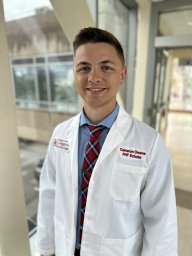 Cameron D Owens合作论文数10
 Camila Pinto Bonin合作论文数Feinberg Sch Med, Northwestern Univ9
 Anna Csiszar合作论文数College of Medicine, The University of Oklahoma9Adam Tabak合作论文数University College London9Mihaly Muranyi合作论文数8Tamas Csipo合作论文数7
 Calin I Prodan合作论文数7
 Vince Fazekas-Pongor合作论文数6
 D Major合作论文数Faculty of Medicine, Semmelweis University6Kirkpatrick Angelia C合作论文数6Ana Clara da C. Pinaffi-Langley合作论文数5Sam Detwiler合作论文数5
 Agnes Lipecz合作论文数5Mónika Fekete合作论文数5
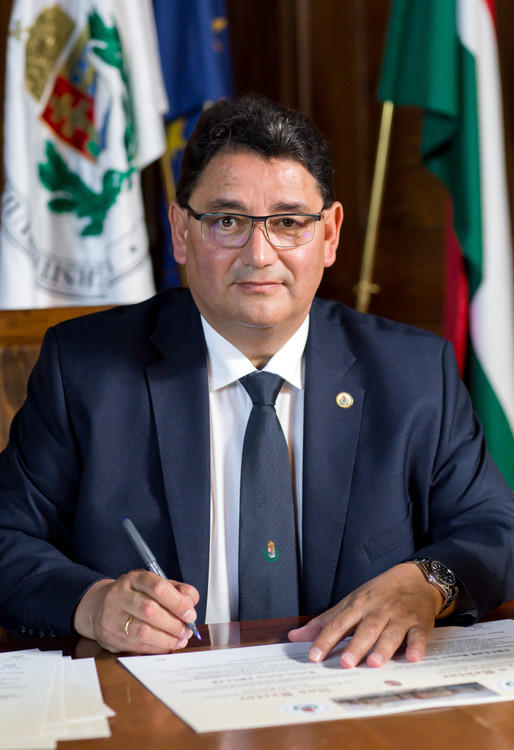 Bela Merkely合作论文数Department of Aviation and Space Medicine, Faculty of Medicine, Semmelweis University5Ágnes Fehér合作论文数5Lauren Olay合作论文数4
 Zalan Kaposzta合作论文数Dept Physiol, Semmelwe Univ4Anna Ungvari合作论文数Oklahoma Center for Geroscience and Healthy Brain Aging, University of Oklahoma Health Sciences Center4
 Priya S. Balasubramanian合作论文数Neuroendocrine Research Laboratory, Department of Pharmacology &College of Veterinary Medicine, Michigan State University;College of Veterinary Medicine, Michigan State University4Zádori Péter合作论文数4Péter Varga合作论文数3Jordan Hoffmeister合作论文数3
 S. Meszaros合作论文数Dept Internal Med & Oncol, Semmelweis Univ3
 Viktor Horvath合作论文数3
 Judith A. James合作论文数Oklahoma Medical Research Foundation;University of Oklahoma Health Sciences Center3
 Zoltán Vokó合作论文数Center for Health Technology Assessment, Semmelweis University;Syreon Research Institute3
 Veronica Galvan合作论文数Buck Institute for Age Research3Juliette Galindo合作论文数2Boglarka Csik合作论文数2Andrea Lehoczki合作论文数2Anna Tarjan合作论文数2Norbert Dosa合作论文数2Katalin Medgyesi-Frank合作论文数2Tamás Figeczki合作论文数2Beatrix A Domján合作论文数2
 Ágota Mészáros合作论文数Dept Publ Hlth, Semmelweis Univ2
 Faddi G. Saleh Velez合作论文数Dept Neurol, Univ Chicago2József Kiss合作论文数2
 Rafal Gulej合作论文数Department of Neurosurgery, University of Oklahoma Health Sciences Center2Roland Patai合作论文数Biol Res Ctr, Inst Biophys2Zoltán Benyó合作论文数2
 Dasari Tarun W合作论文数Loyola University Medical Center2Horváth Gergely合作论文数2




