Fisheries bycatch is an important source of direct human-induced mortality for marine mammals worldwide. Despite its significance, monitoring and quantifying bycatch mortality remains challenging. The examination of stranded animals can provide key information to assess the importance of bycatch mortality, contributing to understanding its impact on populations, and identifying the fisheries responsible. However, the utility of data from strandings remains underexplored. Based on an expert consultation using a questionnaire carried out under the auspices of the International Council for the Exploration of the Sea Working Group on Marine Mammal Ecology, this study assessed the potential of stranding networks in Western Europe to support the assessment of marine mammal population status and impacts of stressors. The present paper (the second of two) focuses on information on bycatch collected from strandings, and its utility for monitoring and assessing bycatch mortality. Responses from 45 organizations in 19 countries indicated that extensive information on marine mammal bycatch mortality is collected and can sometimes be used to identify the species or populations most affected by bycatch, reveal spatio-temporal trends in bycatch mortality, and determine the fisheries and/or fishing gear involved. However, the survey identified several limitations that hinder the contribution of stranding data to bycatch impact monitoring and assessment. There is a need to strengthen data collection and reporting, especially for certain taxa and regions, and for wider adoption and harmonization of best practise protocols for diagnosing causes of mortality and understanding its context, e.g. by determining health status, estimating demographic parameters, helping to identify the fishing gears responsible for bycatch mortality, and appropriately communicating the degree of uncertainty associated with interpretations. Carcass drift models could enable stranding data to be used to estimate total bycatch mortality and contribute to assessing the impact on populations. The need for adequate baseline funding for stranding networks to carry out their activities and for streamlined data reporting was widely recognized. Achieving coordinated, harmonized, large-scale and long-term data and samples collection following best practices will be essential to ensure that data from strandings on bycatch mortality can be integrated into bycatch impact assessments to inform management.
Human exposure to per- and polyfluoroalkyl substances (PFAS) via drinking water is of concern and likely underestimated because current monitoring frameworks cover only a fraction of PFAS. Here we provide a comprehensive assessment of PFAS contamination by applying a fluorine mass balance (FMB) approach to tap water from 34 European cities across 18 countries, quantifying ultra-short-, short-, and long-chain PFAS, inorganic fluorine (IF) species, and unidentified extractable fluorine (UEF). Trifluoroacetic acid (TFA) was the most abundant PFAS (detection frequency [DF] 95%; median 45.7 ng L-1; range 8.29–300 ng L-1). Three PFAS regulated under the Stockholm Convention, perfluorooctanoic acid (PFOA; DF 83%; median 0.767 ng L-1), perfluorohexanesulfonic acid (PFHxS; DF 90%; median 0.432 ng L-1), and perfluorooctanesulfonic acid (PFOS; DF 73%; median 1.15 ng L-1), remain ubiquitous. Recovery-adjusted PFAS Total concentrations ranged from 42.0–4020 ng L-1 and exceeded the 500 ng L-1 threshold in ten cities, affecting approximately 27 million inhabitants. FMB results showed that >60% of extractable fluorine (EF) remained unidentified in most sampled cities, highlighting a knowledge gap in current PFAS monitoring. Importantly, concentration-based metrics did not fully reflect toxicological risk, with 21 of 34 cities exceeding the potency-equivalent risk quotient benchmark, primarily attributed to PFOS and perfluorononanoic acid (PFNA). These findings underscore the need to complement EF-based screening with compositional analyses and potency-based approaches to support evidence-driven drinking water safety standards.
Most known per- and polyfluoroalkyl substances (PFAS) bioaccumulate by binding to proteins or partitioning to phospholipids, leading to their prevalence in liver and blood. However, the recent discovery of high concentrations of unidentified extractable organofluorine (EOF) in the blubber of a killer whale (Orcinus orca) from Greenland suggests that some fluorinated substances preferentially bioaccumulate in storage lipids. To further investigate this, the present work examined blubber from 4 killer whales (3 from Greenland, 1 from Sweden) via gas chromatography-atmospheric pressure chemical ionization-ion mobility mass spectrometry. Using collision cross sections, we prioritized features suspected to be highly fluorinated and then selected 5 for manual annotation. Custom synthesized standards confirmed 10:2 and 12:2 fluorotelomer methylsulfone, 10:2 and 12:2 fluorotelomer chloromethylsulfone, and 6:2 bisfluorotelomer sulfone in all blubber samples from Greenland at concentrations ranging from <0.4 to 72.5 ng/g, explaining 34-75% of blubber EOF, but none in the Swedish sample. None of these substances were observable in liver, suggesting preferential accumulation in storage lipids. To the best of our knowledge, this is the first report of neutral fluorotelomer sulfones in wildlife and the first identification of lipophilic, highly fluorinated PFAS.
Near-total darkness and water depths below 200 m define the deep sea, Earth's largest yet most poorly studied ecosystem. Sowerby's beaked whales (Mesoplodon bidens), elusive deep-sea foragers, offer a unique opportunity to assess the impacts of anthropogenic pollutants in this remote environment. This study examined a range of legacy and emerging hydrophobic pollutants, including organochlorine pesticides (OCPs), polychlorinated biphenyls (PCBs), polybrominated diphenyl ethers (PBDEs), hexabromocyclododecane (HBCD), and polychlorinated alkanes (PCAs), across tissues from five stranded whales foraging in Swedish waters. Despite global efforts to reduce pollution, significant pollutant levels in these whales underscore the persistence of legacy contaminants and the widespread use of PCAs. Most pollutants were concentrated in lipid-rich blubber, while PCAs exhibited particularly high levels in whole blood (941-13100 ng/g lipid), indicating tissue-specific accumulation. Blubber pollutant levels were similar to those of harbor porpoises from the same waters, with p,p '-DDE (1020-2280 ng/g lipid) and PCBs (1230-1930 ng/g lipid) exceeding or nearing effect thresholds. Blood concentrations of legacy pollutants were approximately an order of magnitude higher than those in humans from the region, while PCA levels were comparable to those of humans. These findings highlight the urgent need to investigate deep-sea exposure pathways and develop effective management strategies.
Knowledge of animal diets is fundamental in ecology as it can provide insight into the structure, function and resilience of entire ecosystems. In this study we investigate the diet composition of the harbour porpoise (Phocoena phocoena), a small marine top predator with great ecological importance, to provide updated dietary estimates for the species in Swedish waters. This is done by parallel use of macroscopic stomach content analysis and DNA based prey species determinations by DNA metabarcoding (sDNA analysis), which allows us to also compare and evaluate the methods’ respective and combined performance. We show that harbour porpoises during 2017-2022 consumed a broad variety of both benthic and pelagic fish along the Swedish west coast. The combination of macroscopic and sDNA analysis for diet estimation yielded an almost two-fold increase in species and taxa detection compared to macroscopic analysis alone, with overall detection of 36 unique prey species from 21 prey families. Consistent with results from previous studies in the area, the main prey taxa were clupeids, gadoids and gobiids. In the macroscopic analysis these three taxa together represent more than 80% of the relative numerical contribution to the estimated diet. Using sDNA analysis the same three taxa dominate the relative read abundance, with clupeids detected in all sampled porpoise stomachs, gobiids in 86% of stomachs, and gadoids in 66%. The diet estimates from the two diet tracing methods are overall in high agreement, but sDNA analysis increased the number of detected prey taxa and also increased the sample size by allowing extraction of dietary data from apparently empty stomachs. The detection probability of some occurring prey taxa, however, appears to be method dependent. To facilitate combined use of sDNA and macroscopic analysis in diet studies, we established and propose a new occurrence metric that can be used to merge data for more straightforward diet comparisons. We conclude that for diet studies on harbour porpoises and other cetaceans, which often present empty stomachs in post-mortem examinations, the use of sDNA analysis has the potential to recover valuable data from animals where stomach samples would otherwise be disregarded as unavailable for diet analysis.
The study of stranded animals is a valuable aid to monitoring marine mammals globally. However, the utility of strandings data depends on their quality and representativeness, which is affected by various biological, physical, social and economic factors. An analysis of how stranding networks work could help understand limitations in the data collected and facilitate correcting for or even eliminating them. In 2021, the International Council for the Exploration of the Sea's Working Group on Marine Mammal Ecology carried out an expert consultation using a questionnaire to provide insight into the contribution of European stranding networks as a monitoring tool in European countries with Northeast Atlantic and adjacent coasts (hence also including some networks operating along the Mediterranean coast). A key aim was to identify ways to improve data on mortality of marine mammals due to fishery bycatch. The present paper is the first of a two-part series based on the responses to the questionnaire by 45 organisations from 19 countries, and focuses on characterising the activities and capacities of the stranding networks surveyed, identifying differences within and between countries, highlighting strengths and weaknesses, and providing recommendations to enhance the value and credibility of the information collected. The second paper will focus on the information specifically related to mortality due to fishery bycatch. Stranding networks provide extensive spatio-temporal coverage of European coastlines, but their activities may be constrained by limited resources as well as limitations imposed by the stranding process. There is a need for better coordination and standardisation of the collection and analysis of data and samples and increased spatial coverage to fill gaps. To improve data quality, in particular to support assessment of impacts of threats such as bycatch, more necropsies and associated sample analysis are needed. It would also be advantageous to collect more information from less fresh animals, record search effort, and give greater attention to pinnipeds and non-marine mammal taxa. We also highlight the need to make information available and the potential value of a common database. Streamlining the reporting of results at the European level and providing systematic funding to stranding networks in accordance with their needs are necessary steps to optimise their role as a tool for the long-term monitoring of marine mammals and other marine megafauna in Europe.
The Major Histocompatibility Complex (MHC) is a central element in the vertebrate immune system. While MHC genes are a common target of conservation genomic studies, it has been challenging to reliably amplify locus-specific alleles, which is especially problematic when studying endangered lineages, like some harbour porpoise (Phocoena phocoena) populations and subspecies. Here, we manually annotated all MHC II genes in the harbour porpoise genome and genotyped every exon 2 in 47 individuals (94 individuals for DRB1 and DQB genes) spanning six geographical regions, including the endangered Black Sea porpoise subspecies (Phocoena phocoena relicta) and the critically endangered Baltic proper population of the North Atlantic subspecies (P. p. phocoena). We performed gene-wise analyses of diversity and selection and put the results into perspective with 22 available harbour porpoise genomes. Furthermore, we characterised all MHC II genes in 19 available long-read genomes of cetaceans and terrestrial outgroups to study the MHC II evolution across the cetacean diversification. From the 10 MHC II loci annotated in the harbour porpoise genome, two (DRB1 and DQB) exhibited inflated allelic diversity and signatures of positive selection. Interestingly, DRB genes followed different evolutionary trajectories in mysticetes and odontocetes. Our results have significant conservation implications since we identified reduced MHC II diversity in the endangered Black Sea subspecies and provide a case study for reliable MHC II genotyping in other species. Further, our study demonstrates the need for long-read genomes to understand the genomic architecture of MHC and to accurately assess its diversity and evolution.
Marine and freshwater mammalian predators and fish samples, retrieved from environmental specimen banks (ESBs), natural history museum (NHMs) and other scientific collections, were analysed by LIFE APEX partners for a wide range of legacy and emerging contaminants (2545 in total). Network analysis was used to visualize the chemical occurrence data and reveal the predominant chemical mixtures for the freshwater and marine environments. For this purpose, a web tool was created to explore these chemical mixtures in predator-prey pairs. Predominant chemicals, defined as the most prevalent substances detected in prey-predator pairs were identified through this innovative approach. The analysis established the most frequently co-occurring substances in chemical mixtures from AP&P in the marine and freshwater environments. Freshwater and marine environments shared 23 chemicals among their top 25 predominant chemicals. Legacy chemical, including perfluorooctanesulfonic acid (PFOS), brominated diphenyl ethers (BDEs), polychlorinated biphenyls (PCBs), hexachlorobenzene and mercury were dominant chemicals in both environments. Furthermore, N-acetylaminoantipyrine was a predominant pharmaceutical in both environments. The LIFE APEX chemical mixture application (https://norman-data.eu/LIFE_APEX_Mixtures) was proven to be useful to establish most prevalent compounds in terms of number of detected counts in prey-predator pairs. Nonetheless, further research is needed to establish food chain associations of the predominant chemicals.
Harbour porpoises (Phocoena phocoena) are the only cetacean residents found year-round in Swedish waters and they are exposed to numerous natural and anthropogenic threats. Since the in situ monitoring of cetaceans can be difficult, invasive and often expensive, investigation of stranding patterns and examination of stranded animals can be used as a cost-effective source of data to study these elusive animals. The aim of this study was to investigate the spatiotemporal patterns of harbour porpoise stranding reports and the possible underlying causes in Swedish waters over a ten-year period (2014–2023). Additionally, the Swedish stranding network plays a key role in the collection of stranded carcasses for health and disease surveillance, and geographic coverage of the network also was analysed. When making spatial comparisons, the ten-year period was divided into two five-year blocks. Data on 854 stranded harbour porpoises were analysed from the coasts of the Skagerrak, Kattegat, and Baltic Seas. Both significant spatial and temporal patterns could be identified. Strandings peaked in July through September and hotspots occurred along most of the Swedish west coast, with the most frequent hotspots located around Öresund and especially the area around the Kullen peninsula. The spatial patterns of strandings found in this study are consistent with data on porpoise abundance, prey abundance, and gillnet fisheries’ efforts. The latter is known to be one of the primary causes of porpoise mortality. Furthermore, the coverage of the Swedish stranding network increased between the two periods, likely reflecting an increased awareness of the carcass-based surveillance program, and gaps requiring network expansion efforts were identified. These results also provide baseline data to enable the continued monitoring of stranding trends, as changes may indicate changes in population distribution, size or mortality rates.
The climate change-induced northward movement of sub-Arctic marine mammals increases their range overlap and interactions with native Arctic species. We compared feeding patterns of 11 marine mammal species (4 Arctic and 7 sub-Arctic) in Greenland using stable isotope ratios and fatty acid signatures, and also assessed the effects of lipid extraction on stable isotope ratios. Lipid extraction showed limited increases in δ 13 C, intermediate effects on δ 15 N, and significant depletion of δ 34 S in muscle of some marine mammals. Arctic and sub-Arctic species differed in stable isotope ratios, indicating some use of separate food resources, while likely also reflecting baseline isotopic variation. Proportions of some of the most abundant fatty acids (20:1n9, 22:1n11, 20:5n3, 22:6n3) varied between Arctic and sub-Arctic species, indicating that sub-Arctic species rely mostly on a pelagic food web, while Arctic species exploit an ice-associated and benthic food web, although the sub-Arctic harp and hooded seals and Arctic narwhal showed opposite patterns. Sub-Arctic species had the largest niche breadths, implying diet flexibility and potential to adapt to further changes. Overall patterns in dietary tracers demonstrate separation of feeding niches between most Arctic and sub-Arctic marine mammals, but potential niche overlap and shared food resources for some species. Sub-Arctic seal species overlap the feeding niches of native Arctic species the most of all range-shifters, and of Arctic species, narwhal appear to be the most vulnerable to niche overlap and potential food competition with northward-shifting species.
High-resolution mass spectrometry (HRMS)-based suspect and nontarget screening has identified a growing number of novel per- and polyfluoroalkyl substances (PFASs) in the environment. However, without analytical standards, the fraction of overall PFAS exposure accounted for by these suspects remains ambiguous. Fortunately, recent developments in ionization efficiency (IE) prediction using machine learning offer the possibility to quantify suspects lacking analytical standards. In the present work, a gradient boosted tree-based model for predicting log IE in negative mode was trained and then validated using 33 PFAS standards. The root-mean-square errors were 0.79 (for the entire test set) and 0.29 (for the 7 PFASs in the test set) log IE units. Thereafter, the model was applied to samples of liver from pilot whales (n = 5; East Greenland) and white beaked dolphins (n = 5, West Greenland; n = 3, Sweden) which contained a significant fraction (up to 70%) of unidentified organofluorine and 35 unquantified suspect PFASs (confidence level 2-4). IE-based quantification reduced the fraction of unidentified extractable organofluorine to 0-27%, demonstrating the utility of the method for closing the fluorine mass balance in the absence of analytical standards.
North American river otters (Lontra canadensis) are top predators in riverine ecosystems and are vulnerable to per- and polyfluoroalkyl substance (PFAS) exposure. Little is known about the magnitude of exposure and tissue distribution of PFAS in river otters. We measured 45 PFAS in various tissues of 42 river otters collected from several watersheds in the state of West Virginia, USA. The median concentrations of Sigma All (sum concentration of 45 PFAS) varied among tissues in the following decreasing order: liver (931 ng/g wet weight) > bile > pancreas > lung > kidney > blood > brain > muscle. Perfluoroalkylsulfonates (PFSAs) were the predominant compounds accounting for 58-75% of the total concentrations, followed by perfluoroalkyl carboxylates (PFCAs; 21-35%). 8:2 fluorotelomer sulfonate (8:2 FTS), 10:2 FTS, and 6:2 chlorinated polyfluoroalkyl ether sulfonate were frequently found in the liver (50-90%) and bile (96-100%), whereas hexafluoropropylene oxide dimer acid (HFPO-DA) was rarely found. The hepatic concentrations of Sigma All All in river otters collected downstream of a fluoropolymer production facility located along the Ohio River were 2-fold higher than those in other watersheds. The median whole body burden of Sigma All All was calculated to be 1580 mu g. PFOS and perfluorooctanoic acid (PFOA) concentrations in whole blood of some river otters exceeded the human toxicity reference values, which warrant further studies.
The harbour porpoise ( Phocoena phocoena ), a highly mobile cetacean species of the Northern Hemisphere, inhabits basins that vary broadly in salinity, temperature, and food availability; such variation can drive divergent adaptation among local populations. To shed light on range-wide population structure and local adaptation, we generated ddRAD sequencing data spanning the entire North Atlantic and the Baltic Sea, as well as the Black Sea as an outgroup, and mapped this data to the high-quality draft genome of the species. We identified 11,978 genome-wide SNPs from 150 individuals, which we used for population genetic inferences. Our results support genetic differentiation between North Atlantic and Baltic Sea populations, with Kattegat as a transition zone. Across the North Atlantic the population differentiation is subtle from west to east, congruent with an isolation-by-distance pattern, but indicates a separation of southern North Sea harbour porpoises. We identified genomic outlier regions, i.e., scaffold regions where SNPs with high F ST across North Atlantic populations co-occur. Together with the draft genome annotation, these regions could point towards candidate genes for differential local adaptation processes among populations. Furthermore, they enable the development of a SNP panel for routine population assignment which will be useful in a conservation and management context. We identified six outlier loci putatively under positive selection, based on the population structure inferred from the complete SNP set. Our study highlights the value of genome resources in conservation and management and provides a crucial additional resource for the study of harbour porpoise evolution and phylogeny.
Polar bear and toothed whales in the Arctic exhibit orders of magnitude differences in concentrations of legacy persistent organic pollutants (POPs), which may be attributed to comparisons made across regions and different time frames. These interspecific differences could also be influenced by variations in biological susceptibility, including differences in xenobiotic biotransformation between polar bear, from the order Carnivora, and toothed whales, from the order Artiodactyla, as well as ecological factors, such as variation in feeding patterns. Here, we analyzed samples from subsistence-harvested toothed whales and polar bear in East Greenland collected between 2012 and 2021 and quantitatively compared interspecific differences in blubber/adipose polychlorinated biphenyl (PCB) and organochlorine (OC) pesticide concentrations. We further determined fatty acid (FA) signatures as dietary tracers to evaluate how feeding patterns influence POP concentrations relative to the influence of biological differences between taxa. Killer whale exhibited the highest mean concentrations of ΣPCBs (57.0 ± 14.0 mg/kg lw), Σdichlorodiphentlytrichloroethanes (ΣDDTs; 55.7 ± 13.1 lw), and Σchlordanes (ΣCHLs; 23.1 ± 5.6 mg/kg lw), while polar bear showed the second highest concentrations for ΣPCBs (12.5 ± 1.3 mg/kg lw), but comparable or even lower levels of all OCs relative to narwhal and pilot whale. Linear models using FA patterns as explanatory variables for POP concentrations demonstrated that, for ΣPCBs, diet differences explained most of the variation. Conversely, biological differences explained more of the variation for most OCs, especially for DDT, for which polar bear showed the lowest concentrations despite feeding on similarly high trophic position prey as killer whale. This novel quantitative comparison confirms that significant differences in legacy POP concentrations occur among Arctic marine mammal predators. Furthermore, the drivers of these differences are contaminant-specific, with feeding patterns primarily influencing PCB concentrations, taxa-specific biological characteristics (e.g., in xenobiotic biotransformation capacity) affecting DDT concentrations, and both factors contributing to variation in other OCs.
The Harbour porpoise (Phocoena phocoena) is a highly mobile cetacean species which primarily occurs in coastal and shelf waters across the Northern hemisphere. It inhabits heterogeneous seascapes that vary broadly in salinity and temperature. Here we produced 74 whole genomes at intermediate coverage to study Harbour porpoise’s evolutionary history and investigate the role of local adaptation in the diversification into subspecies and populations. We identified ~6 million high quality SNPs sampled at 8 localities across the North Atlantic and adjacent waters, which we used for population structure, demographic, and genotype-environment association analyses. Our results support a genetic differentiation between three subspecies, and three distinct populations within the subspecies P.p. phocoena: Atlantic, Belt Sea and Proper Baltic Sea. Effective population size and Tajima’s D levels suggest a population contraction in both Black Sea and Iberian porpoises while a population expansion in the P.p. phocoena populations. Phylogenetic trees indicate a post-glacial colonization of Harbour porpoises from a southern refugium. Genotype-environment association analysis identified salinity as a major driver in genomic variation and we identified candidate genes putatively underlying adaptation to different salinity levels. Our study highlights the value of whole genome resequencing to unravel subtle population structure in highly mobile species and shows how strong environmental gradients and local adaptation may lead to population differentiation. The results have great conservation implications as we found major levels of inbreeding and low genetic diversity in the endangered Black Sea subspecies and identified the critically endangered Proper Baltic Sea porpoises as a separate population.
Flame retardants (FRs) are ubiquitously present in various environmental compartments due to widespread application. However, there have been few reports on the alternative FRs in harbor seals, and their relationship with fatty acid (FA) profiles have largely been overlooked. Here, we investigated the levels of legacy and alternative FRs and FA profiles in the blubber of harbor seals from the coasts of South Sweden (2009–2016) and Northeastern US (NE US) (1999–2010). We observed different proportions of mono- and poly-unsaturated FAs (MUFAs and PUFAs) between the two populations, which may reflect variations in the diet. Significantly higher concentrations of ΣPBDE were also observed in harbor seals from US compared to those from Sweden, both dominated by BDE 47. By comparison, the levels of alternative FRs, noticeably HBBZ and PBEB were much lower compared to those of PBDEs. Moreover, we found a positive correlation between BDE 99 and Σn-6/Σn-3 PUFA in harbor seals from Sweden. In addition, BDE 153 and BDE 154 were positively correlated with ΣUFA/ΣSFA in seals from Sweden and US, respectively. Our results imply the influence of diet in FA profiles and FR concentrations in top predators, as well as the importance of blubber FA characteristics in indicating FR exposure. Further investigations are required to assess the risk of exposure in these harbor seals, as well as to elucidate the underlying mechanisms associating FA profiles with FR exposure.
We found highly pathogenic avian influenza A(H5N1) virus clade 2.3.4.4b associated with meningoencephalitis in a stranded harbor porpoise (Phocoena phocoena). The virus was closely related to strains responsible for a concurrent avian influenza outbreak in wild birds. This case highlights the potential risk for virus spillover to mammalian hosts.
Flame retardants are globally distributed contaminants that have been linked to negative health effects in humans and wildlife. As top predators, marine mammals bioaccumulate flame retardants and other contaminants in their tissues which is one of many human-imposed factors threatening population health. While some flame retardants, such as the polybrominated diphenyl ethers (PBDE), have been banned because of known toxicity and environmental persistence, limited data exist on the presence and distribution of current-use alternative flame retardants in marine mammals from many industrialized and remote regions of the world. Therefore, this study measured 44 legacy and alternative flame retardants in nine marine mammal species from three ocean regions: the Northwest Atlantic, the Arctic, and the Baltic allowing for regional, species, age, body condition, temporal, and tissue comparisons to help understand global patterns. PBDE concentrations were 100-1000 times higher than the alternative brominated flame retardants (altBFRs) and Dechloranes. 2,2',4,5,5'-pentabromobiphenyl (BB-101) and hexabromobenzene (HBBZ) were the predominant altBFRs, while Dechlorane-602 was the predominant Dechlorane. This manuscript also reports only the second detection of hexachlorocyclopentadienyl-dibromocyclooctane (HCDBCO) in marine mammals. The NW Atlantic had the highest PBDE concentrations followed by the Baltic and Arctic which reflects greater historical use of PBDEs in North America compared to Europe and greater industrialization of North America and Baltic countries compared to the Arctic. Regional patterns for other compounds were more complicated, and there were significant interactions among species, regions, body condition and age class. Lipid-normalized PBDE concentrations in harbor seal liver and blubber were similar, but HBBZ and many Dechloranes had higher concentrations in liver, indicating factors other than lipid dynamics affect the distribution of these compounds. The health implications of contamination by this mixture of compounds are of concern and require further research.
Historically, the seals and harbour porpoises of the Baltic Sea and North Sea have been subjected to hunting, chemical pollutants and repeated mass mortalities, leading to significant population fluctuations. Despite the conservation implications and the zoonotic potential associated with viral disease outbreaks in wildlife, limited information is available on the circulation of viral pathogens in Baltic Sea seals and harbour porpoises. Here, we investigated the presence of the influenza A virus (IAV), the phocine distemper virus (PDV) and the cetacean morbillivirus (CeMV) in tracheal swabs and lung tissue samples from 99 harbour seals, 126 grey seals, 73 ringed seals and 78 harbour porpoises collected in the Baltic Sea and North Sea between 2002–2019. Despite screening 376 marine mammals collected over nearly two decades, we only detected one case of PDV and two cases of IAV linked to the documented viral outbreaks in seals in 2002 and 2014, respectively. Although we find no evidence of PDV and IAV during intermediate years, reports of isolated cases of PDV in North Sea harbour seals and IAV (H5N8) in Baltic and North Sea grey seals suggest introductions of those pathogens within the sampling period. Thus, to aid future monitoring efforts we highlight the need for a standardized and continuous sample collection of swabs, tissue and blood samples across Baltic Sea countries.
 Britt-Marie Backlin合作论文数13
 Ursula Siebert合作论文数Inst Terr & Aquat Wildlife Res, Univ Vet Med Hannover11
 Neimanis Aleksija S合作论文数Western College of Veterinary Medicine, University of Saskatchewan8
 Mats Olsson合作论文数Department of Biological & Environmental Sciences, University of Gothenburg8Frank F. Riget合作论文数National Environmental Research Institute, University of Aarhus8
 Rune Dietz合作论文数Department of Ecoscience, Aarhus University;Department of Bioscience, Faculty of Science and Technology, Aarhus University8Ylva Lind合作论文数7
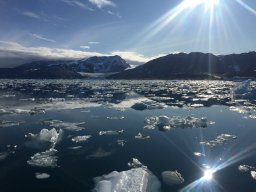 Malene Simon合作论文数Greenland Inst Nat Resources, Greenland Climate Res Ctr7
 Christian Sonne合作论文数Department of Ecoscience, Aarhus University;Arctic Research Centre, Department of Bioscience, Faculty of Science and Technology, Aarhus University7
 Sara Persson合作论文数Department of Clinical Sciences, Swedish University of Agricultural Sciences7
 Ralph Tiedemann合作论文数Unit Evolutionary Biol Systemat Zool, Univ Potsdam7
 Jaap Goudsmit合作论文数Department of Immunology and Infectious Diseases, Harvard T.H. Chan School of Public Health;The Janssen Pharmaceutical Companies of Johnson & Johnson;University of Amsterdam;Academic Medical Center6Katarina Radošević合作论文数6
 Michelle Berger合作论文数Marine Environmental Research Institute6Susan D. Shaw合作论文数6Jiachen Sun合作论文数5Liesbeth Dekking合作论文数Janssen Vaccines & Prevent BV, Leiden, Netherlands5
 Erik Olof Agren合作论文数5Tolboom Jeroen合作论文数5
 Iwona Pawliczka合作论文数5
 Gabriele Treu合作论文数5
 Christina Lockyer合作论文数5
 Da Chen (陈达)合作论文数Exposome and Metabolomics Laboratory, College of Environment and Climate, Jinan University5
 Per Berggren合作论文数5
 Bayram Öztürk合作论文数Faculty of Fisheries, Istanbul University5
 Harald Benke合作论文数5
 Rossana Bossi合作论文数5
 Anders Bignert合作论文数Swedish Museum of Natural History5Gj Weverling合作论文数4Å. Bergman合作论文数4
 Jonathan Benskin合作论文数Department of Environmental Science, Stockholm University4Plassmann Merle M合作论文数Department of Applied Environmental Science (ITM),, Stockholm University4Theeuwsen Jessica合作论文数4Riahi Sarra合作论文数4Bo Yuan合作论文数4
 Peter Haglund合作论文数Department of Chemistry, Umea Universitet Teknisk-Naturvetenskaplig Fakultet4
 Elizabeth Anna Chadwick合作论文数Cardiff School of Biosciences;Cardiff University;Cardiff School of Biosciences, Cardiff University4Aqqalu Rosing-Asvid合作论文数4
 Ramon Roozendaal合作论文数Department of Molecular Cell Biology and Immunology;Vrije University;Medical Center;Medical Center, Vrije University4Wouter Koudstaal合作论文数4Suzanne Faxneld合作论文数4
 Bjorn Helander合作论文数4
 Ingrid Ericson Jogsten合作论文数Man-Technology-Environment Research Center (MTM), School of Science and Technology, 70182 Örebro, Sweden4
 Cynthia A. De Wit (Cynthia De Wit)合作论文数Department of Environmental Science, Stockholm University4
 Igor Eulaers合作论文数Department of Biology and Toxicological Centre, University of Antwerp4
 Ayaka Amaha Ozturk合作论文数Faculty of Fisheries, Istanbul University4
 Anders Galatius合作论文数National Environmental Research Institute, Aarhus University4Guy Duke合作论文数3
 Miriam Bujny合作论文数3




