ABSTRACT The increasing regulatory pressure to eliminate synthetic additives from commercial products has driven a surge in the demand for natural alternatives across multiple industries. Essential oils (EOs), known for their diverse biological activities, have emerged as promising alternatives to synthetic compounds. As secondary metabolites derived from plants, EOs comprise over 400 aromatic constituents, predominantly monoterpenes, sesquiterpenes, and their derivatives. This complex chemical profile enables EOs to serve a wide array of functions in the pharmaceutical, cosmetic, food, and agricultural industries. Despite their potential, the practical use of EOs is constrained by their volatility, susceptibility to degradation, and limited water solubility, which collectively reduce their stability and efficacy. Nanoencapsulation has recently gained attention as a transformative strategy for enhancing the bioavailability of EOs. Nanoencapsulation improves the stability and functional performance of EOs by shielding them from environmental stressors and enabling controlled release. This review provides a comprehensive overview of EO‐producing plant families, highlighting their key bioactive constituents and associated therapeutic properties. It further examines nanoencapsulation technologies, including high and low‐energy synthesis methods for nanoparticle systems. The review also explores the integration of nanoencapsulated EOs into pharmaceutical, cosmetic, food, and agricultural products, demonstrating their potential to outperform conventional synthetic agents in certain contexts. While nanoencapsulation has proven effective in stabilizing EO formulations, further research is required to optimize these technologies for sustainable and scalable applications. This review identifies the current challenges and proposes future directions for advancing the field of EO nanoencapsulation.
Surfactants are essential in cosmetic and food formulations but are still dominated by petrochemical-derived anionic systems associated with irritation, aquatic toxicity and sustainability concerns. Plant-derived saponins offer renewable, biodegradable alternatives, yet only a small subset of saponin-producing species has been developed into commercial ingredients. The genus Albizia is chemically diverse and widely used in traditional medicine, with several species empirically employed as cleansers. This review examines Albizia amara and related Albizia species as prospective sources of plant-derived surfactants for cosmetic and food applications. We summarise ethnobotanical and phytochemical data with emphasis on saponins, flavonoids and macrocyclic alkaloids, and collate the limited quantitative evidence for surface activity, focusing on foaming behaviour, surface tension reduction and shampoo-type formulations, where A. procera provides the main interfacial benchmark within the genus. Potential roles of A. amara-derived fractions in hair-care products and prospective food systems are discussed alongside current knowledge on toxicity, safety and regulatory constraints. Overall, A. amara emerges as a promising but under-characterised saponin source. Priority areas for future work include robust tensiometric characterisation, surfactant-focused extraction and fractionation, systematic formulation studies, and dedicated safety and sustainability assessments to enable evidence-based evaluation against established plant and synthetic surfactants.
This study investigates the apparent surface-active and emulsifying behaviour of raw Albizia amara (AA) powder suspended in water, reflecting its traditional mode of use. AA suspensions (0.1-1% w/v) were prepared without extraction and evaluated for apparent surface tension, droplet size distribution, emulsification capacity, and emulsion stability. Increasing AA concentration reduced apparent surface tension from 57.13 +/- 2.17 mN/m to 48.9 +/- 0.06 mN/m, plateauing at higher concentrations. Both blending and high-shear mixing produced oil-in-water emulsions. Blending generated smaller initial droplets (1-10 mu m), whilst high-shear mixing produced more uniform distributions (d50 = 31.23 +/- 0.95 mu m). Emulsion capacity and stability increased with AA concentration, reaching 95.19 +/- 3.39% and 89.81 +/- 0.02% at 0.8% AA. As the system contains undissolved plant material, all measurements represent the apparent behaviour of a heterogeneous suspension. The specific molecular contributors to surface activity cannot be identified within this study. These findings provide a baseline physicochemical assessment of raw AA powder and support future work involving extraction, purification, and chemical characterisation to establish the mechanisms underlying its surface-active properties.
The wettability of quartz by different liquids and solutions plays a very important role in practical applications. Hence, the wetting behaviour of ethanol (ET), rhamnolipid (RL) and Triton X-165 (TX165) aqueous solutions with regard to the quartz surface tension was investigated. The investigations were based on the contact angle measurements of water (W), formamide (F) and diiodomethane (D) as well as ET, RL and TX165 solutions on the quartz surface. The obtained results of the contact angle for W, F and D were used for the determination of quartz surface tension as well as its components and parameters using different approaches, whereas the results obtained for the aqueous solution of ET, RL and TX165 were considered with regard to their adsorption at the quartz–air, quartz–solution and solution–air interfaces as well as the solution interactions across the quartz–solution interface. The considerations of the relations between the contact angle and adsorption of solution components at different interfaces were based on the components and parameters of the quartz surface tension. They allow us to, among other things, establish the mechanism of the adsorption of individual components of the solution at the interfaces and standard Gibbs surface free energy of this adsorption.
The wetting behavior of droplets of aqueous surfactant solutions over hydrophobic thin PVDF porous membrane and non-porous hydrophobic PVDF film is investigated for small (~10 μL) droplets of aqueous trisiloxane surfactant solutions: superspreader S 240. The time dependencies of contact angle, droplet radius, wetted area and volume were monitored as well as penetration into the porous substrate. It is shown that the fast spreading of droplets of trisiloxane solutions takes place both in the case of porous and non-porous substrates at a concentration above some critical concentration. It was found that the trisiloxane droplets penetrate into the hydrophobic porous substrates and disappear much faster than on a corresponding hydrophobic non-porous substrate, which was not observed before. This phenomenon is referred to as “superpenetration”.
A novel electrophoretic separation technique is presented, where continuous electrophoretic separation is demonstrated using free flowing liquid foams. Continuous foam electrophoresis combines the principle of capillary electrophoresis and interactions between analytes and the electrical double layer, with the ability of Free Flow Electrophoresis to continuously separate and recover analytes automatically. A liquid foam is used to provide a network of deformable micro and nano channels with a high surface area, presenting a novel platform for electrophoresis, where interfacial phenomena could be exploited to modify analyte migration. The main purpose of this paper is to present a proof-of-concept study and provide fundamental understanding of a complex foam system in continuous separation mode, i.e., flowing liquid foam under an external electric field with electrophoresis and chemical reactions at the electrodes continuously changing the system. Liquid foam is generated using a mixture of anionic and non-ionic surfactants and pumped through a microfluidic separation chamber between two electrodes. The effectiveness of the device is demonstrated using a dye mixture containing a neutral dye and an anionic dye. At the outlet, the foam is separated and collected into five fractions which are individually probed for the concentration of the two dyes used. The anionic dye was concentrated up to 1.75 (±0.05) times the initial concentration in a select outlet, while the neutral dye concentration remained unchanged in all outlets, demonstrating the potential for electrophoretic foam separations.
The simultaneous spreading and evaporation of droplets of aqueous surfactant solutions onto various substrates is reviewed in this chapter. Four different stages of the process have been found: the initial one corresponds to spreading till the contact angle, θ, reaches the value of the static advancing contact angle, θad. The duration of this stage is rather short and the evaporation during this stage can be neglected. The evaporation is essential during the following three stages. The next stage after the spreading, which is referred to as the first stage, takes place at a constant perimeter and ends when θ reaches the static receding contact angle, θr. During the second stage, the perimeter decreases at a constant contact angle θ = θr for a surfactant concentration above the critical wetting concentration (CWC). The static receding contact angle decreases during the second stage for concentrations below the CWC because the concentration increases due to evaporation. During the final stage, both the perimeter and the contact angle decrease until the drop disappears. The developed theory predicts universal curves for the contact angle dependency on time during the first stage, and for the droplet perimeter on time during the second stage.
There are two parts to the interaction of foam with porous media. How the foam interacts with the surface and the flow within the substrate, which is the focus of this review. Flow through porous media has been investigated experimentally with the main focus in literature being on enhanced oil recovery and remediation. Recently, investigation of the flow of foam through a deformable substrate for dishwashing application has led to the development of mathematical models. It has been proposed that foam flow through pore channels is similar to the behaviour observed within microchannels. Meaning that to investigate the effects these properties have on foam flow it is best to observe them within a model channel then build up to a 3D structure of interlinking channels to resemble porous media. In this review, it is highlighted that a large amount of work is needed in understanding the interaction of foam and/or liquid within porous networks. Methods that can be applied to better represent foam and liquid flow in porous media are discussed within this review, including both using microchannels to simulate individual pores and using these systems to build up to a 3D structure of interlinking pores. In addition, more advanced imaging techniques to observe the flow through porous materials are discussed, including computed tomography scanning nuclear magnetic resentence and confocal microscopy. There is still more work required to fully understand the flow within porous media, including observing the affect of dead-end pores, closed loops and rough channel walls have on the flow.
Electrophoretic separation of a fluorescent dye mixture, containing rhodamine B (RB) and fluorescein, in liquid foams stabilized by anionic, cationic, or non-ionic surfactants in water-glycerol mixtures was studied in a custom-designed foam separation device. The effects of the external electric field applied across the foam and the initial pH of the solution on the effectiveness of separation were also studied. The fluid motion due to electroosmosis and the resulting back pressure within the foam and local pH changes were found to be complex and affected the separation. Fluorescein dye molecules, which have a positive or negative charge depending on the solution pH, aggregated in the vicinity of an electrode, leaving a pure band of neutral dye RB. The effectiveness of the separation was quantified by the percentage width of the pure RB band, which was found to be between 29 and 42%. This study demonstrates the potential of liquid foam as a platform for electrophoretic separation.
Liquid foams are highly complex systems consisting of gas bubbles trapped within a solution of surfactant. Electroosmotic effects may be employed to induce fluid flows within the foam structure and impact its stability. The impact of external electric fields on the stability of a horizontally oriented monolayer of foam (2D foam) composed of anionic, cationic, non-ionic, and zwitterionic surfactants was investigated, probing the effects of changing the gas-liquid and solid-liquid interfaces. Time-lapse recordings were analyzed to investigate the evolution of foam over time subject to varying electric field strengths. Numerical simulations of electroosmotic flow of the same system were performed using the finite element method. Foam stability was affected by the presence of an external electric field in all cases and depended on the surfactant type, strength of the electric field, and the solid material used to construct the foam cell. For the myristyltrimethylammonium bromide (MTAB) foam in a glass cell, the time to collapse 50% of the foam was increased from ∼25 min under no electric field to ∼85 min under an electric field strength of 2000 V/m. In comparison, all other surfactants trialed exhibited faster foam collapse under external electric fields. Numerical simulations provided insight as to how different zeta potentials at the gas-liquid and solid-liquid interfaces affect fluid flow in different elements of the foam structure under external electric fields, leading to a more stable or unstable foam.
Biofilm is a layer of syntrophic microorganisms stick to each other and to the surface. The importance of biofilms is enormous in various industrial applications and human everyday life. The effects of biofilm could be either positive or negative. Positive effects are encountered in industrial processes, bioremediation, and wastewater treatment. Negative effects are more common with the marine industry being one of the sectors, which confronts severe corrosion problems caused by biofouling on the surfaces of equipment and infrastructures. In space industry, microbial contamination and biofouling adversely affect both crew health and mission-related equipment, the latter including hardware, water systems, piping, and electrical tools. The capacity of biofilms to grow in space environment was confirmed already in 1991. One of the most important surface properties of biofilms is wettability, which dictates not only how a liquid spreads over the uneven external surface of biofilms but also how it penetrates into their porous and morphologically complex structure. To investigate wetting and spreading onto biofilms, model materials are often used to simulate different morphological and functional features of biofilms in a controlled way, for example, soft, deformable, soluble, structured, porous materials. Here, we review recent advances in wetting and spreading on porous and soft deformable surface together with biofilms wetting properties and its importance in space industry. We conclude with a discussion of the main directions for future research efforts regarding biofilm wetting.
Foams are of great importance as a result of their expansive presence in everyday life—they are used in the food, cosmetic, and process industries, and in detergency, oil recovery, and firefighting. There is a little understanding of foam formation using soft porous media in terms of the quality of foam and foam formation. Interaction of foams with porous media has recently been investigated in a study by Arjmandi-Tash et al., where three different regimes of foam drainage in contact with porous media were observed. In this study, the amount of foam generated using porous media with surfactant solutions is investigated. The aim is to understand the quality of foam produced using porous media. The effect of capillary sizes and arrangement of porous in porous media has on the quality of foam is investigated. This is then followed by the use of soft porous media for foam formation to understand how the foam is generated on the surface of the porous media and the effect that different conditions (such as concentration) have on the quality of the foam. The quality of foam is a blanket term for bubble size, liquid volume fraction, and stability of the foam. The liquid volume fraction is calculated using a homemade dynamic foam analyser, which is used to obtain the distribution of liquid volume fraction along with the foam height. Soft porous media does not influence substantially the rate of decay of foam produced, however, it decreases the average diameter of the bubbles, whilst increasing the range of bubble sizes due to the wide range of pore sizes present in the soft porous media. The foam analyser showed the expected behaviour that, as the foam decays and becomes drier, the liquid volume fraction of the foam falls, and therefore the conductivity of foam also decreases, indicating the usefulness of the home-made device for future investigations.
Interaction of foams with porous materials is frequently observed in industry and nature. An example is the interaction of foam of a cleaning product with a sponge, which has been investigated previously in Johnson et al., Colloids Surfaces A , 2019, 579, June, p. 123569 with commercial dishwashing solution using a compression device with a sponge saturated with a surfactant solution. The purpose of this study is to investigate the same process using sodium dodecyl sulfate (SDS), which has the same critical micelle concentration (CMC) as the commercial surfactant used. It is found that SDS concentration 10 times the CMC is the optimum concentration for foam formation. Any further increase in concentration above 10 CMC does not result in further increase of foam mass. Although the concentration of the surfactant solution was the most important parameter, temperature and pH of the surfactant also influenced the foam generation. Increasing the temperature resulted in decreasing the mass of foam generated and pH 7 was found as the optimal pH for foam generation.
Foams are a common occurrence in many industries and many of these applications require the foam to interact with porous materials. For the first time interaction of foams with porous media has been investigated both experimentally and theoretically by O. Arjmandi-Tash et al. It was found that there are three different regimes of the drainage process for foams in contact with porous media: rapid, intermediate and slow imbibition. Foam formation using soft porous media has only been investigated recently, the foam was made using a compression device with soft porous media containing surfactant solution. During the investigation, it was found that the maximum amount of foam is produced when the concentration of the foaming agent (dishwashing surfactant) is in the range of 60–80% m/m. The amount of foam produced was independent of the pore size of the media in the investigated range of pore sizes. This study is expanded using sodium dodecyl sulphate (SDS), which has the same critical micelle concentration as the commercial dishwashing surfactant, where the foam is formed using the same porous media and compression device. During the investigation, it was found that 10 times the critical micelle concentration (CMC) is the optimum concentration for a pure SDS surfactant solution to create foam. Any further increase in concentration after that point resulted in no further mass of foam being generated.
A theory of the amount of foam produced by compression/decompression cycles of a soft porous media is developed. The amount of foam produced was found to be dependent on both the amount of surfactant within the media and the minimum separation between the plates of the compression device. The latter is determined by the mechanical properties of the soft media. The theory also shows the importance of the decompression of the media as this is the mechanism of where the air penetrates into the soft porous material. The accumulated air is used during the compression stage for foam formation. The theoretically predicted values of foam mass are found to have good agreement with experimental observations, which validates the theory predictions. The theory also predicts independence of the foam produced in terms of the frequency of compression/decompression cycles, which agrees with our experimental observations.
The environmental impacts of the use of synthetic surfactants are discussed in this work such as their high levels of toxicity and low biodegradability. These materials destroy aquatic microbial populations, damage fish and other aquatic life, and reduce photochemical energy conversion efficiency of plants as well as adversely affecting waste-water treatment processes. With global usage of surfactants being over 15 million tonnes annually, and an estimated 60% of surfactant ending up in the aquatic environment, there is an urgent need for alternatives with lower adverse environmental effects; this review explores biosurfactants as potential alternatives. The sources and natural function of biosurfactants are presented, together with their advantages compared with their synthetic counterparts, including their low toxicity and biodegradability. Their comparable effectiveness as surfactants has been demonstrated by surface tension reduction, achieved at much lower critical micelle concentrations that those of synthetic surfactants. The limitations and challenges for the use of biosurfactants are discussed, particularly low production yields; such limitations must be addressed before wide range industrial use of biosurfactants can be achieved. Although there has been focus on achieving greater production yields, a remaining issue is the lack of research into the use of biosurfactants in a greater range of industrial and consumer applications to demonstrate their efficacy and identify candidate biosurfactants for production. This review highlights such research as deserving of further investigation, alongside the ongoing work to optimize the production process.
The drainage of foams created using emulsions has been investigated from both experimental and theoretical point of view. The drainage of emulsion foam is investigated using mixture of sodium dodecyl sulphate and oil, which were prepared using the double syringe method. For the preparation of each emulsion, SDS solution and oil are passed from one syringe into the other through a plastic tube leading to thorough mixing. In the course of drainage both the foam height and the thickness of the free liquid layer accumulated at the bottom of the foam were measured. A theoretical model was developed, taking into account both surface viscosity and non-Newtonian behaviour of the foamed emulsion to describe the time evolution of both the foam height and the thickness of the free liquid layer. The model is based on consideration of drainage of non-Newtonian liquid through the Plateau borders and the mobility of the gas/liquid interface is taken into account. Both experiments and theoretical predictions show no measurable change of the foam height while a free liquid layer starts to accumulate at the bottom boundary of the foam after an initial rapid increase of liquid volume fraction to the maximum value at the bottom of the foam. Theoretical predictions of rate of drainage, free liquid layer formation, foam height and liquid volume fraction for foamed emulsion systems of various oil volume fractions are compared with experimental observations. Comparison of the predicted and the experimentally measured time dependences showed a reasonable agreement.
Electrokinetic transport of a charged dye within a free liquid film stabilized by a cationic surfactant, trimethyl(tetradecyl)ammonium bromide, subjected to an external electric field was investigated. Confocal laser scanning microscopy was used to visualize fluorescein isothiocyanate (FITC) separation within the stabilized liquid film. Numerical simulations were performed using the finite element method to model the dynamics of charged dye separation fronts observed in the experiments. Because of the electrochemical reactions at the electrodes, significant spatial and temporal pH changes were observed within the liquid film. These local pH changes could affect the local zeta potential at the gas-liquid and solid-liquid film boundaries; hence, the flow field was found to be highly dynamic and complex. The charged dye (FITC) used in the experiments is pH-sensitive, and therefore, electrophoresis of the dye also depended on the local pH. The pH and the electroosmotic flow field predicted from the numerical simulations were useful for understanding charged dye separation near both the anode and the cathode.
The spreading of small liquid drops over thin and thick porous layers (dry or saturated with the same liquid) is discussed in the case of both complete wetting (silicone oils of different viscosities over nitrocellulose membranes and blood over a filter paper) and partial wetting (aqueous SDS (Sodium dodecyl sulfate) solutions of different concentrations and blood over partially wetted substrates). Filter paper and nitrocellulose membranes of different porosity and different average pore size were used as a model of thin porous layers, sponges, glass and metal filters were used as a model of thick porous substrates. Spreading of both Newtonian and non-Newtonian liquid are considered below. In the case of complete wetting, two spreading regimes were found (i) the fast spreading regime, when imbibition is not important and (ii) the second slow regime when imbibition dominates. As a result of these two competing processes, the radius of the drop goes through a maximum value over time. A system of two differential equations was derived in the case of complete wetting for both Newtonian and non-Newtonian liquids to describe the evolution with time of radii of both the drop base and the wetted region inside the porous layer. The deduced system of differential equations does not include any fitting parameter. Experiments were carried out by the spreading of silicone oil drops over various dry microfiltration membranes (permeable in both normal and tangential directions) and blood over dry filter paper. The time evolution of the radii of both the drop base and the wetted region inside the porous layer were monitored. All experimental data fell on two universal curves if appropriate scales are used with a plot of the dimensionless radii of the drop base and of the wetted region inside the porous layer on dimensionless time. The predicted theoretical relationships are two universal curves accounting quite satisfactorily for the experimental data. According to the theory prediction, (i) the dynamic contact angle dependence on the same dimensionless time as before should be a universal function and (ii) the dynamic contact angle should change rapidly over an initial short stage of spreading and should remain a constant value over the duration of the rest of the spreading process. The constancy of the contact angle on this stage has nothing to do with hysteresis of the contact angle: there is no hysteresis in the system under investigation in the case of complete wetting. These conclusions again are in good agreement with experimental observations in the case of complete wetting for both Newtonian and non-Newtonian liquids. Addition of surfactant to aqueous solutions, as expected, improve spreading over porous substrates and, in some cases, results in switching from partial to complete wetting. It was shown that for the spreading of surfactant solutions on thick porous substrates there is a minimum contact angle after which the droplet rapidly absorbs into the substrate. Unfortunately, a theory of spreading/imbibition over thick porous substrates is still to be developed. However, it was shown that the dimensionless time dependences of both contact angle and spreading radius of the droplet on thick porous material fall on to a universal curve in the case of complete wetting.
Schematic presentation of dependency of the total surfactant concentration during the sponge squeezing.
 Victor Mikhailovich Starov合作论文数Department of Chemical Engineering, Loughborough University;Department of Pure and Applied Mathematics, Moscow State University of Food Production62
 N. M. Kovalchuk合作论文数Institute for Problems of Material Science 03142 Kiev Ukraine24
 Arjmandi-Tash Omid合作论文数Department of Chemical Engineering, Loughborough University18
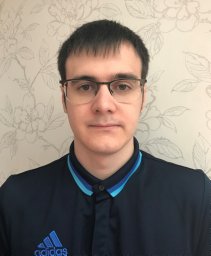 Phillip Johnson合作论文数Dept Chem Engn, Loughborough Univ12A. Bureiko合作论文数10
 H.C. Hemaka Bandulasena合作论文数Department of Chemical and Process Engineering, University of Sheffield9Mauro Vaccaro合作论文数6
 Nektaria Koursari合作论文数5
 Abdulkadir Hussein Sheik合作论文数5Faiz M. Mahdi合作论文数5Matthieu Fauvel合作论文数3
 Natalia Ivanova合作论文数3Parsa Maryam合作论文数†TEMPO Laboratory, University of Valenciennes3
 Semenov Sergey合作论文数Department of Chemical Engineering, Loughborough University3
 Ramón González Rubio合作论文数Physical Chemistry Department, Universidad Complutense Madrid;Departmento de Química Física, Facultad de Ciencias Químicas, Universidad Complutense de Madrid3
 Dmitri Tseluiko合作论文数3Lilianna Szyk-Warszynska合作论文数3
 Faraz Montazersadgh合作论文数2
 Manuel G Velarde合作论文数Inst Pluridisciplinar, Univ Complutense2
 Gulraiz Ahmed合作论文数Fac Engn, Univ Cent Punjab2
 Francisco Ortega合作论文数Departamento de Química Física, Universidad Complutense de Madrid2
 Georgiadou Stella合作论文数2
 Hezekiah Agogo合作论文数2
 D. J. Malik合作论文数Department of Chemical Engineering, Loughborough University2
 Valerie Pinfield合作论文数Procter Department of Food Science, University of Leeds2
 Noreen L. Thomas合作论文数Department of Materials, Loughborough University2Piotr Warszyński合作论文数2B.V. Pokid'ko合作论文数1
 Maxime Schneider合作论文数1
 Farzaneh Hajirasouliha合作论文数Smart Mat & Surfaces Lab, Northumbria Univ1
 Mikhail Y. Pletnev合作论文数1
 Abhijeet Kumar合作论文数Research Interfacial Technology, Evonik Nutrition & Care GmbH1Dominika Zabiegaj合作论文数1
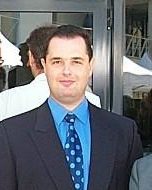 Margaritis Kostoglou合作论文数Laboratory of Chemical and Environmental Technology, School of Chemistry, Faculty of Sciences, Aristotle University of Thessaloniki1
 Brahim Benyahia合作论文数Dept Chem Engn, Loughborough Univ1
 Jennifer L Cook合作论文数1Bureiko Andrei合作论文数1Kuchin Igor V合作论文数1Okoye Adaora合作论文数1
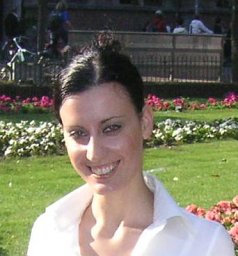 Maria Petala合作论文数Chemical Process Engineering Research Institute1
 K. G. Upul Wijayantha合作论文数1
 Chris D. Rielly合作论文数Department of Chemical Engineering, Loughborough University1
 Thodoris D. Karapantsios合作论文数Department of Chemistry, Aristotle University of Thessaloniki1
 Zoltan Nagy合作论文数Loughborough University1
 Tatiana Gambaryan-Roisman合作论文数Chair of Technical Thermodynamics, Darmstadt University of Technology1
 Omar K. Matar合作论文数Department of Chemical Engineerin, Faculty of Engineering, Imperial College London1Bronisław Jańczuk合作论文数1Katarzyna Szymczyk合作论文数1
 Diganta Bhusan Das合作论文数Department of Chemical Engineering, Loughborough University1




