The European Food Safety Authority (EFSA) was asked by the European Commission to deliver a scientific opinion on sterigmatocystin (STC) in food and feed. STC is a polyketide mycotoxin that shares its biosynthetic pathway with aflatoxins. Following an EFSA call for data, analytical results from 247 food and 334 feed samples were submitted. In food, analytical results on STC were reported to be all below the limit of detection or limit of quantification. In feed, only four quantified results were reported. Therefore, the EFSA Panel on Contaminants in the Food Chain (CONTAM Panel) concluded that the available occurrence data are too limited to carry out a reliable human and animal dietary exposure assessment. Acute oral toxicity of STC is relatively low, and liver and kidneys are the target organs. STC is mutagenic in both bacterial and mammalian cells after metabolic activation and forms DNA adducts. Tumourigenicity has been observed after oral, intraperitoneal, subcutaneous and dermal administration resulting in hepatocellular carcinomas, haemangiosarcomas in the liver, angiosarcomas in brown fat and lung adenomas. Since no exposure data were available, the margin of exposure approach for substances that are genotoxic and carcinogenic could not be applied for STC, and thus the CONTAM Panel could not characterise the risk for human health. Regarding animals, the Panel noted that STC is hepatotoxic in poultry and pigs, and nephrotoxic in poultry and toxic in several fish species. However, in the absence of exposure data for livestock, fish and companion animals, and given the limited knowledge on the adverse effects of STC, the CONTAM Panel could not characterise the risk for animal health. More occurrence data on STC in food and feed need to be collected to allow dietary exposure assessment. For food, methods with a limit of quantification of less than 1.5 μg/kg should be applied. © European Food Safety Authority, 2013
EFSA was asked by the European Commission to deliver a Scientific Opinion on guidance on methodological principles and scientific methods to be taken into account when establishing Reference Points for Action (RPAs) for non-allowed pharmacologically active substances in food of animal origin. This guidance document presents a simple and pragmatic approach which takes into account both analytical and toxicological considerations. The aim is to define an analytical concentration for a non-allowed pharmacologically active substance that can be determined by official control laboratories and is low enough to adequately protect the consumers of food commodities that contain that substance. The proposed step-wise approach considers factors such as analytical capability, toxic potential and pharmacological activity of the substance in question, and includes the identification of the Reasonably Achievable Lowest Limit of Quantification (RALLOQ), the establishment of a Toxicological Screening Value (TSV) and the derivation of a Toxicologically Based Limit of Quantification (TBLOQ). The TBLOQ is compared with the RALLOQ for the respective substance. If the TBLOQ is equal to or higher than the RALLOQ, then the latter can be accepted as the RPA. If the TBLOQ is lower than the RALLOQ, then the sensitivity of the analytical method needs to be improved. In the case where no further analytical improvements are feasible, a substance-specific risk assessment should be considered. The CONTAM Panel concluded that RPAs should be matrix independent. The CONTAM Panel noted that sometimes nonedible matrices are monitored to identify the administration of non-allowed pharmacologically active substances. In these cases, RPAs cannot be applied. The CONTAM Panel also proposed several criteria where the European Commission might consider it appropriate to consult EFSA for a substance-specific risk assessment. (C) European Food Safety Authority, 2013
Zinc sulphate monohydrate is considered as a safe source of zinc for all animal species, regarding the maximum contents for total zinc in feedingstuffs set by the EU. Safe concentrations of zinc in water for drinking (milk replacers: 20 mg/L, pigs: 30 mg/L, poultry: 40 mg/L and pets: 100 mg/L; maximum daily amount of zinc administered via water for drinking for cattle: 500 mg, dairy cows: 2000 mg) could be applied only in feeding regimes without zinc supplementation to feed. Based on data on consumer exposure and the UL determined for zinc, no concerns for consumer safety are expected from the use of zinc sulphate monohydrate in animal nutrition. The hazards associated with handling of zinc sulphate monohydrate are well recognised and documented. In particular, zinc sulphate, monohydrate is considered as a severe irritant for eyes. The evidence presented showed that the forms of the product in this application had a very low dusting potential and consequently the risk of exposure by inhalation would be correspondingly low. The use of zinc as a feed additive does not pose direct concern for agricultural soil compartment. However, there is a potential environmental concern related to drainage and run-off of zinc to surface water. Most vulnerable for these processes are acid sandy soils. In order to draw a final conclusion, some further refinement to the assessment of zinc-based feed additives in livestock needs to be considered, for which additional data would be required. The use of zinccontaining feed additives in aquaculture up to maximum authorised zinc level in feeds is not expected to pose an appreciable risk to the environment. Zinc sulphate monohydrate is an efficacious source of zinc in meeting animal requirements. (C) European Food Safety Authority, 2012
The additive QuantumTM is an enzyme preparation containing 6-phytase produced by fermentation of a genetically modified strain of the yeast Pichia pastoris. The efficacy and safety of this product for chickens for fattening, laying hens, turkeys for fattening, ducks for fattening and piglets (weaned), including the assessment of the safety for the consumer, the user and the environment as well as the safety aspects of the genetic modification, have already been previously assessed by EFSA. The applicant is now asking for a modification of the terms of authorisation of the feed additive when used in turkeys for fattening, by reducing the minimum recommended dose from 1000 FTU/kg to 500 FTU/kg. Based on the results obtained in three studies, the FEEDAP Panel concluded that the additive QuantumTM has the potential to improve phosphorus utilisation in turkeys for fattening at the minimum dose of 500 FTU/kg. (C) European Food Safety Authority, 2012.
The additive tocopherol-rich extracts of natural origin is a mixture of the active substances alpha-, beta-, gamma-and delta-tocopherol. Tocopherol-rich extracts of natural origin/delta rich is a mixture of the active substances alpha-, beta-, gamma-and delta-tocopherol with a high concentration (> 70 %) of delta-tocopherol. Synthetic tocopherol consists of pure all-rac-alpha-tocopherol. The FEEDAP Panel, in a previous opinion on the safety and efficacy of vitamin E for all animal species, has already assessed the safety of RRR-alpha-tocopherol and the acetate ester of all-rac-alpha-tocopherol for all animal species, the consumer, the user and the environment. The FEEDAP Panel is not aware of any scientific findings in the meantime that would modify its previous conclusions. The FEEDAP Panel extended the conclusions drawn in its opinion on the safety of vitamin E (including RRR-alpha-tocopherol and all-rac-alpha-tocopheryl acetate) to tocopherol-rich extracts and all-rac-alpha-tocopherol. Tocopherol-rich extracts and all-rac-alpha-tocopherol at use levels are safe for all animal species and the consumer. No concern for user safety is expected from the use of tocopherol-rich extracts and all-rac-alpha-tocopherol in feed. The use of tocopherol-rich extracts and all-rac-alpha-tocopherol in animal nutrition will not result in a substantial increase in concentration in the environment. Since tocopherol-rich extracts and all-rac-alpha-tocopherol are used as antioxidants in food and their function in feed is essentially the same as that in food, no further demonstration of efficacy is necessary. (C) European Food Safety Authority, 2012
The two strains of Lactobacillus plantarum are each intended for use as technological additives to improve the ensiling process at a proposed dose of 1 x 10⁹ CFU/kg fresh material. The bacterial species L. plantarum is considered by EFSA to be suitable for the QPS approach to safety assessment. As the identity of the strains have been established and no antibiotic resistance detected, the use of the strains in the production of silage is considered safe for livestock species, consumers of products from animals fed the treated silage and for the environment. Given the proteinaceous nature of the active agents and its high dusting potential, the additives should be considered to have the potential to be skin and respiratory sensitisers. Three studies with laboratoryscale silos are described, each lasting 90 days, involving both strains of L. plantarum used individually and made with tall fescue, red clover and lucerne with different water-soluble carbohydrate content, representing material easy to ensile, moderately difficult to ensile and difficult to ensile. In each case, replicate silos containing treated forage were compared to identical silos containing the same untreated forage. Both additives consistently showed the potential to improve the production of silage by increasing the preservation of dry matter and reducing the loss of protein. (C) European Food Safety Authority, 2012.
Potassium diformate (KDF preservative) is currently authorised as preservative for raw fish for feed use in all animal species. EFSA already issued an opinion on the safety and efficacy of potassium diformate when used as a preservative for raw fish and fish by-products for feed use in all animal species. The FEEDAP Panel concluded that the additive (i) is safe for the target species, the consumer and the environment when used under the proposed conditions, (ii) is an eye irritant and (iii) has the potential to increase the storage time of raw fish and fish by-products for feed use, in a dose-dependent manner at low temperature. The FEEDAP Panel is not aware of any new information that would lead it to reconsider its former position. (C) European Food Safety Authority, 2012.
The feed additive consists of pure potassium sorbate and it is intended to be used as a preservative in semi-moist feed for dogs and cats at a proposed concentration of 5 000 mg/kg feed. Potassium sorbate is considered safe for both dogs and cats at a maximum content of 5 000 mg/kg semi-moist complete feed, based on the limited data available in public literature. Potassium sorbate is a skin and eye irritant and a potential irritant of the respiratory tract. Potassium sorbate is added to food with a wide range of moisture content as preservative. Similar preservative effects can be expected in semi-moist feed for dogs and cats. (C) European Food Safety Authority, 2012
The additive synthetic alpha-tocopherol consists of pure all-rac-alpha-tocopherol. In a previous opinion on the safety and efficacy of vitamin E for all animal species, the FEEDAP Panel assessed the safety of the acetate ester of the additive for all animal species, the consumer, the user and the environment. The FEEDAP Panel is not aware of any more recent scientific findings that would modify its previous conclusions. The FEEDAP Panel extended the conclusions drawn in its opinion on the safety of vitamin E (including all-rac-alpha-tocopheryl acetate) to all-rac-alpha-tocopherol. All-rac-alpha-tocopherol at use levels is safe for all animal species and the consumer. No concerns for user safety are expected from the use of all-rac-alpha-tocopherol in feed. The use of all-rac-alpha-tocopherol in animal nutrition will not result in a substantial increase in concentration in the environment. Since all-rac-alpha-tocopherol is used as antioxidant in food and its function in feed is essentially the same as that in food, no further demonstration of efficacy is necessary.
Bentonites are colloidal clays composed largely of montmorillonite. They are currently authorised for use as feed additives (binders, anti-caking agents and coagulants) to a maximum of 20 g/kg feedingstuffs. They are also authorised for use as food additives. A consortium is seeking the re-authorisation of bentonites as pellet binders and anti-caking agents and authorisation for a new application for the control of radionuclide contamination. Chickens and piglets tolerated the addition of bentonite at a concentration of 3 % of diet and dairy cows tolerated 2 % added bentonite. Trout are reported to tolerate at least 2.5 % bentonite in the diet. Since the application is for all animal species and all bentonites, and as a margin of safety is difficult to establish, the FEEDAP Panel considers that the presently authorised limit of 2 % of diet should be retained. Addition of bentonites to diets is incompatible with the use of robenidine and is expected to reduce the effectiveness of other coccidiostats. No concerns for the safety of consumers of food products derived from animals fed diets containing bentonite were identified. Bentonites are not skin irritants but may be mildly irritant to the eye. Although skin sensitisation was not considered, the Panel notes that bentonites are used in cosmetics. The Panel considers it prudent to assume that all bentonite dusts pose a hazard to those handling the additive. Bentonites are ubiquitous soil components, and their use in animal production is not expected to adversely affect the environment. Bentonites can increase pellet durability when added to complete feed at concentrations of between 1 % and 2 %. Since bentonites are authorised for use, without restriction, as anti-caking agents in food and can be assumed to demonstrate similar properties when applied to feed materials, no further demonstration of efficacy is considered necessary. Bentonites added to feed contaminated by radioactive fallout or made available to grazing animals will reduce levels of radiocaesium in animals and their products.
Carmoisine is intended to be used as a colourant in feedingstuffs for cats and dogs without quantitative limitations. Since the additive is only applied for non-food producing animals, the assessment of safety is limited to the target species and the user. Carmoisine is safe in complete feed for cats and dogs at up to about 200 mg/kg dry matter. In the absence of any information, the substance should be considered as potentially harmful by skin, eye, or inhalation exposure. Carmoisine is intended to serve the same function in feed as in food. The intended concentrations in feedingstuffs are similar to those permitted for wide range of foodstuffs. The colouring efficacy of Carmoisine in a typical complementary feed for dogs was demonstrated at a minimum dose of 50 mg/ kg. Carmoisine is considered efficacious in adding colour to feed of cats and dogs. (C) European Food Safety Authority, 2012
The use of beta-carotene is safe for the target animals. Setting a maximum content in feed legislation is not considered necessary. However, this conclusion assumes that triphenylphosphine oxide does not exceed 100 mg/ kg additive. In all food-producing animals (except veal calves) and laboratory rodents, beta-carotene is almost fully metabolised. In contrast, humans, non-human primates and ferrets absorb relatively high quantities of beta-carotene unchanged. Investigations with ferrets and hamsters as well as intervention studies in humans may indicate a certain dose-dependent potential of beta-carotene to promote lung carcinoma, particularly in smokers. A systematic literature review and meta-analysis of nine randomised controlled trials demonstrated an increased risk of lung and stomach cancers in smokers and asbestos workers at dose levels = 20 mg/ day. However, increased risk of lung cancer at such doses could be observed only if plasma levels of beta-carotene exceeded 3 mu mol/L. The FEEDAP Panel considers it prudent, in the absence of an acceptable daily intake, that supplemental beta-carotene in animal feed should not significantly add to consumer exposure from other sources. The use of supplemental beta-carotene in feeds of food-producing animals, except veal calves, would not result in a significant additional exposure of consumers to beta-carotene; however, consumption of liver from veal calves could lead to additional exposure. Beta-carotene is not an irritant to eyes or skin and is not a skin sensitiser. Respiratory exposure from handling beta-carotene-containing additives is considered potentially hazardous. Taking the widespread occurrence of beta-carotene in nature and its oxidative susceptibility into account, the FEEDAP Panel considered it unlikely that the use of beta-carotene in animal nutrition at the recommended feed concentrations would pose a risk to the environment. Beta-carotene is utilised for the synthesis of retinol in almost all animal species except the cat. Effects on reproduction and immunity were not sufficiently demonstrated. (C) European Food Safety Authority, 2012
The additive rosemary extract liquid of natural origin is intended to be used as a technological additive ( antioxidant) in feed for dogs and cats. The FEEDAP Panel assessed the data provided by the applicant in the technical dossier. During the course of the assessment, the need for additional information in order to be able to deliver an opinion on the safety and efficacy of this additive was identified and notified to the applicant. The information requested covered several aspects of the characterisation of the additive, the safety of the additive for the target species and its efficacy. The applicant has failed to provide the additional information even after several requests by EFSA. Therefore, considering the data provided in the original dossier and the absence of response from the applicant to the requests from EFSA, the FEEDAP Panel is not in a position to deliver an opinion on the safety and efficacy of the additive rosemary extract liquid of natural origin as a technological additive for dogs and cats. (C) European Food Safety Authority, 2012.
Phyzyme XP is a feed additive that contains 6-phytase, produced by a genetically modified strain of Schizosaccharomyces pombe (ATCC 5233) and is authorised for use in feed for chickens and turkeys for fattening, laying hens, ducks, piglets, pigs for fattening and sows. The applicant requested for an extension of use of the additive to all minor poultry species. Safety for chickens and turkeys for fattening and for laying hens was previously established at 750, 1000 and 1500 U/kg feed, respectively. Given the margin of safety established for the major poultry species, a maximum dose of 1000 U/kg feed was considered safe for all minor poultry species. Since the mode of action of phytases can be reasonably assumed to be the same in all avian species the minimum effective dose authorised for fattening birds (250 U/kg feed) and for laying birds (150 U/kg feed) was considered efficacious for minor poultry species.
Ronozyme RumiStar is a feed additive in which the declared enzymatic activity is alpha-amylase. It is produced by a genetically modified Bacillus licheniformis strain. The final enzyme preparations contain no cultivable production organisms or recombinant DNA. Based on the results of a tolerance trial provided by the applicant, it was concluded that Ronozyme RumiStar is safe for use in dairy cows at the maximum proposed dose (400 KNU/kg dry matter of total daily ration) when administered in a total mixed ration with a starch level below 30 %. Based on the results of two in vitro genotoxicity studies and a subchronic oral toxicity rat study, it is concluded that no concerns for consumer safety arise from the use of Ronozyme RumiStar as a feed additive for dairy cows. Ronozyme RumiStar is not considered to be irritant to human skin or eye. The additive is considered to be a potential skin and respiratory sensitiser. The active substance of Ronozyme RumiStar is a protein and as such will be degraded/inactivated during passage through the digestive tract of animals. Therefore, no risks to the environment are expected and no further environmental risk assessment is required. From five efficacy studies provided by the applicant, significant positive effects were observed in only one trial in which an energy-deficient diet was used. Therefore, no conclusions can be drawn on the efficacy of Ronozyme RumiStar in dairy cows
Two strains of Pediococcus acidilactici and four strains of P. pentosaceous are each intended to improve ensiling at proposed doses ranging from 1.4 107 to 1.0 108 colony-forming units (CFUs)/kg fresh material. Both bacterial species are considered by EFSA to be suitable for the Qualified Presumption of Safety approach to safety assessment. As the identity of all strains was clearly established and as no antibiotic resistance of concern was detected, the use of these strains in silage production is presumed safe for livestock species, consumers of products from animals and the environment. The material safety data sheet proposed indicates that preparations containing the strains may cause irritation on contact with skin or eyes. In addition, given the dusting potential and proteinaceous nature of the active agents, the Panel considers it prudent to treat all six additives as skin and respiratory sensitisers. Studies with laboratory-scale silos are described for each strain, each lasting at least 90 days, made using forage samples representing materials that are easy to ensile, moderately difficult to ensile and difficult to ensile. One strain of P. acidilactici and three strains of P. pentosaceus were shown to have the potential to improve the production of silage from forage species that were easy, moderately difficult and difficult to ensile by reducing the pH and increasing the preservation of dry matter and/or protein, when used at the doses proposed. Another strain of P. pentosaceus appeared to favourably affect the ensiling process by reducing the pH, but only when used in combination with a specific strain of Lactobacillus plantarum. However, the consequences of a more rapid reduction in pH for the preservation of nutrients were not shown. Data for the remaining strain of P. acidilactici were partly contradictory and inconsistent and no conclusions on efficacy could be drawn. (C) European Food Safety Authority, 2012
The additive Ronozyme (R) HiPhos is an enzyme preparation containing 6-phytase produced by a genetically modified strain of Aspergillus oryzae. EFSA issued an opinion on the safety and efficacy of this additive under two different formulations, one solid (M) and one liquid (L), when used as a feed additive for poultry and swine. The applicant is now seeking the authorisation of a new solid formulation (GT). The safety for the consumer, the user and the environment, as well as the safety aspects of the genetic modification, have already been assessed. The FEEDAP Panel considered that the new formulation is not expected to introduce hazards to the target species, consumers, users or the environment not already considered in the previous application. The new formulation is expected to be as efficacious as the other two, and this has been confirmed in two efficacy studies with the GT form. (C) European Food Safety Authority, 2012
The term ‘niacin’ is used as a generic description of nicotinic acid and nicotinamide with pyridine as the basic structure. Nicotinic acid and nicotinamide function mainly as precursors of the co-enzymes NAD and NADP. Thus, nicotinamide has physiologically critical roles in mitochondrial respiration and in the metabolism of carbohydrates, lipids, and amino acids. Oral administration routes of nicotinic acid and nicotinamide via feed or water for drinking were considered bioequivalent. Niacin is safe for the target animals with a margin of safety that is at least ten times the requirements and use levels. The FEEDAP Panel assumes that exposure figures for a population already include the contribution of edible tissues and products of animals fed niacin-supplemented diets. Information on niacin metabolism and the limited data available on retention in edible tissues and products indicate that supplemental levels in feeds even far higher than the requirements (1–35 mg/kg feed) are highly unlikely to lead the tolerable upper intake level being exceeded. The FEEDAP Panel considers that the use of niacin in animal nutrition is not of safety concern for consumers. Nicotinic acid and nicotinamide are not irritant to skin, but can cause irritancy to eyes and mucous membranes. They are unlikely to cause skin sensitisation. Workers might be exposed to a respirable dust when handling nicotinic acid, which should be regarded as being potentially harmful to their health. Nicotinamide is considered to be of no concern for inhalation exposure. The use of nicotinic acid and nicotinamide in animal nutrition does not pose a risk to the environment. Nicotinic acid and nicotinamide are regarded as effective sources of niacin in animal nutrition.
The additive Natugrain (R) Wheat TS is a preparation of endo-1,4-beta-xylanase (xylanase) produced by a genetically modified strain of Aspergillus niger. This product is authorised as a feed additive for chickens and turkeys for fattening and for ducks. The applicant requested for an extension of use of the additive to new poultry species and for a modification on the current authorisation in chickens for fattening and ducks. On the basis of the safety previously established for the major poultry species, Natugrain (R) Wheat TS was considered safe for all avian species for fattening and reared for laying or breeding and ornamental birds at a maximum dose of 840 TXU per kg feed. Efficacy previously established in turkeys for fattening applies to turkeys reared for breeding (560 TXU/kg). The additional evidence provided on the efficacy of the additive in chickens for fattening confirmed 280 TXU per kg feed as a minimum effective dose and applies also to chickens reared for laying. The efficacy demonstrated for chickens for fattening was extrapolated to minor poultry species (for fattening, reared for breeding or reared for laying) and ornamental birds at the dose of 280 TXU per kg feed. (C) European Food Safety Authority, 2012
 Ingrid Halle合作论文数205Andrew Chesson合作论文数202Joop De Knecht合作论文数199Jürgen Gropp合作论文数197Noël Dierick合作论文数195
 Pier Sandro Cocconcelli合作论文数Istituto di Microbiologia, Università Cattolica del Sacro Cuore194Georges Bories合作论文数184Lubomir Leng合作论文数174
 Miklos Mezes合作论文数165Paul Brantom合作论文数130
 Christer Hogstrand合作论文数School of Life Course Sciences, Faculty of Life Sciences & Medicine, King’s College London122
 Maria Saarela合作论文数115
 Alberto Mantovani合作论文数Istituto Clinico Humanitas, Humanitas University;William Harvey Research Institute, Queen Mary University114
 Derek Renshaw合作论文数113Gabriele Aquilina合作论文数113Mikolaj Antoni Gralak合作论文数111Reinhard Kroker合作论文数102Pieter Wester合作论文数95Guido Rychen合作论文数88Joaquim Brufau De Barbera合作论文数83Anders Franklin合作论文数67Johannes Westendorf合作论文数65
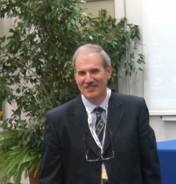 Carlo Nebbia合作论文数Sezione di Farmacologia e Tossicologia Italy, Università di Torino65
 Kristen Sejrsen合作论文数Department of Animal Science, Aarhus University65
 Giovanna Martelli合作论文数Department of Veterinary Medical Sciences (DIMEVET), University of Bologna64
 Secundino Lopez Puente合作论文数Departamento de Produccion Animal, Facultad de Veterinaria, Universidad de Leon63Sven Lindgren合作论文数56
 Atte von Wright合作论文数Food Research Laboratory, Technical Research Centre of Finland55Bogdan Debski合作论文数50Kimmo Peltonen合作论文数30Margarita Arboix Arzo合作论文数30Amadeu M V M Soares合作论文数30Arturo Anadón合作论文数30
 Pascal Sanders合作论文数French Agency for Food, Environmental and Occupational Health and Safety (ANSES), Laboratoire de Fougères, Fougères 35300, France30
 Gerhard Flachowsky合作论文数Institute of Animal Nutrition, Federal Agricultural Research Centre30
 Wilhelm Windisch合作论文数School of Life Sciences Weihenstephan, Technical University Munich30
 Francesca Caloni合作论文数15
 Walter Rambeck合作论文数Faculty of Veterinary Medicine, Ludwig-Maximilians-Universitat Munchen13Nils-Gunnar Ilback合作论文数11Georges Holies合作论文数11
 Peadar G. Lawlor合作论文数The Agricultural Institute, Agricultural Institute11Hans Christer Andersson合作论文数8Sweet Jeremy合作论文数8Wal Jean-Michel合作论文数8
 Detlef Bartsch合作论文数Bundesamt für Verbraucherschutz und Lebensmittelsicherheit8
 Harry A Kuiper合作论文数8Joaquim Brufau De Barber合作论文数7




