Following a request from the European Commission, EFSA was asked to deliver a scientific opinion on the safety and efficacy of lasalocid A sodium (Avatec® 150G) as a coccidiostat for turkeys, pheasants, guinea fowl, quails and partridges. The additive currently on the market complies with the existing conditions of authorisation. The FEEDAP Panel was not in a position to conclude on the safety of the additive for the target species. The use of lasalocid A sodium at the highest proposed level of 125 mg/kg complete feed for turkeys up to 16 weeks of life and in growing pheasants, partridges, quails and guinea fowl remains safe for the consumer under the current conditions of the authorisation. The proposed reduction of the withdrawal time to 3 days is considered safe for the consumer. The existing maximum residue levels (MRLs) for poultry tissues ensure consumer safety. The additive is irritant to the skin and eye and the respiratory tract, but it is not a dermal sensitiser. Exposure of the users by any route is considered a risk. The use of the additive at the proposed conditions of use does not pose a risk for the terrestrial and aquatic compartments nor to sediment. No concern for groundwater is expected. The additive is unlikely to bioaccumulate and the risk for secondary poisoning is considered low. Lasalocid A sodium from Avatec® 150G has the potential to control coccidiosis in turkeys for fattening, turkeys reared for reproduction and pheasants at the minimum use level of 75 mg/kg complete feed. The data provided do not allow the Panel to conclude on the coccidiostatic effect of the additive in guinea fowl, quails and partridges.
Abstract Following a request from the European Commission, EFSA was asked to deliver a scientific opinion on the safety and efficacy of a feed additive consisting of nicarbazin (NICACOX®) as a coccidiostat for chickens for fattening and chickens reared for laying. The FEEDAP Panel concluded that NICACOX® is safe for chickens for fattening and chickens reared for laying when used at concentrations up to 80 mg nicarbazin/kg complete feed during the first 21 days of life. The use of the additive under the proposed conditions (maximum use level of 80 mg/kg complete feed for 21 days) is considered safe for the consumer, provided that a withdrawal period of 5 days is ensured. Nicarbazin is not a skin nor eye irritant and is not a dermal sensitiser. In the absence of specific data on the final additive, the FEEDAP Panel cannot conclude on the safety of NICACOX® for the users. The use of nicarbazin (DNC and HDP) from NICACOX® in complete feed for chickens for fattening does not pose a risk for the terrestrial and aquatic compartments nor to sediment under the proposed condition of use. No concern for groundwater is expected, and no risk of secondary poisoning is identified. Nicarbazin from NICACOX®, given at a level of 75 mg/kg complete feed for the first 21 days of life is effective in preventing coccidiosis of chickens for fattening and chickens reared for laying in the corresponding time period.
Following a request from the European Commission, EFSA was asked to deliver a scientific opinion on the safety and efficacy of coated granulated calcium iodate anhydrous as nutritional feed additive for all animal species. The additive is already authorised for use with all animal species. The applicant has provided evidence that the additive under assessment complies with the conditions of the authorisation. In addition, a modification in the manufacturing process (i.e. addition of 0.2% sepiolite) is proposed. The Panel on Additives and Products or Substances used in Animal Feed (FEEDAP Panel) confirms that the calcium iodate component of the additive remains safe for the target species under the approved conditions. However, due to the absence of adequate data on some of the coating agents used in the manufacture of the additive, the Panel cannot conclude on the safety of coated granulated calcium iodate anhydrous for the target species and the environment. Due to the lack of adequate iodine deposition data and information on the safety of some of the coating agents listed by the applicant, the FEEDAP Panel cannot conclude on the safety for the consumer. With regard to the safety for the users, the additive is not considered irritant to skin or eyes; however, it should be considered as a skin and respiratory sensitiser. Exposure of users by any route is considered a risk and should be minimised. The FEEDAP Panel concludes that the additive is an efficacious source of iodine in feed for all animal species.
The re-evaluation of feed additives in the European Union was outlined in the Regulation (EC) No 1831/2003. The primary objectives were to ensure safety and verify efficacy, as well as to update authorizations and phase out unsafe additives or those in which the industry expressed no interest. The scientific component of the re-evaluation was assigned to the European Food Safety Authority (EFSA). A total of 35 compounds of eight trace elements (iron, zinc, manganese, copper, iodine, selenium, cobalt, and molybdenum) were re-evaluated. Between 2012 and 2019, the EFSA released 33 scientific opinions concerning generic aspects of trace elements or specific compounds. Characterization, safety, and efficacy were assessed. These opinions and the nine authorizing regulations form the basis of the present overview. This article summarizes the procedures and key outcomes of the re-evaluation of trace elements as feed additives in the EU, and highlights the policy decisions adopted by risk managers. © 2026 The Author(s). Journal of the Science of Food and Agriculture published by John Wiley & Sons Ltd on behalf of Society of Chemical Industry.
Following a request from the European Commission, EFSA was asked to deliver a scientific opinion on the safety and efficacy of l-lysine sulfate produced by fermentation using the genetically modified strain of Corynebacterium glutamicum, KCCM 80368, as a nutritional additive in feed for all animal species and categories. In the manufacturing process used to obtain the product under assessment, the cells from the production strain are inactivated but not removed from the final product. The FEEDAP Panel concluded that the additive does not give rise to any safety concern regarding the genetic modification of the strain. DNA from the strain is present in the final product, but its presence does not raise any safety issue since the strain does not harbour any gene of concern. No viable cells of the strain were detected in the final product. The use of l-lysine sulfate produced using C. glutamicum KCCM 80368 in feed is safe for the target species when supplemented in appropriate amounts to the diet according to the nutritional needs of the species. The use of the additive in animal nutrition is considered safe for the consumers of products from animals receiving the additive, and to the environment. With regard to the safety for the user, the additive is not irritant to the skin, but no conclusions could be reached on the eye irritation potential. The additive should be considered as a skin and respiratory sensitiser. Exposure by inhalation and dermal routes is considered a risk. The additive l-lysine sulfate produced using C. glutamicum KCCM 80368 is regarded as an effective source of the amino acid l-lysine for all non-ruminant species. To be as efficacious in ruminants as in non-ruminants, it should be protected from ruminal degradation.
Following a request from the European Commission, EFSA was asked to deliver a scientific opinion on the safety and efficacy of coated granulated cobalt(II) carbonate as nutritional feed additive for ruminants with functional rumen, equidae, lagomorphs, rodents, herbivore reptiles and zoo mammals. The additive is already authorised for use for these animal species. The applicant has provided evidence that, in essence, the additives under assessment comply with the conditions of the authorisation. In addition, a modification in the manufacturing process (i.e. addition of 0.2% sepiolite) is proposed. The Panel on Additives and Products or Substances used in Animal Feed (FEEDAP Panel) confirms that the cobalt component from the additive (cobalt(II) carbonate) remains safe for the target species and the environment. However, due to the absence of adequate data on some of the coating agents used in the manufacture of the additive, the Panel cannot conclude on the safety of coated granulated cobalt(II) carbonate for the target species and the environment. Due to the lack of adequate cobalt deposition data and information on the safety of some of the coating agents listed by the applicant, the FEEDAP Panel cannot conclude on the safety for the consumer. With regards to the safety for the users, the additive should be considered as irritant to the skin and eyes and a dermal and respiratory sensitiser. Any exposure is considered a risk and should be minimised. The FEEDAP Panel concludes that the additive is an efficacious source of cobalt in feeds for ruminants with functional rumen, equidae, lagomorphs, rodents, herbivore reptiles and zoo mammals.
Abstract Following a request from the European Commission, EFSA was asked to deliver a scientific opinion on the assessment of the follow‐up application for re‐evaluation of guar gum as a technological additive for all animal species. In the previous opinion, the FEEDAP Panel could not conclude on the safety for long‐living and reproductive animals, for the user and on its efficacy as an emulsifier. The applicant provided new data to support the absence of genotoxicity for guar gum, and two tolerance studies, one in dogs and one in cats. The Panel concluded that guar gum does not raise concerns for genotoxicity and that guar gum is considered safe for all animal species at the respective proposed maximum safe concentration in complete feed.
Following a request from the European Commission, EFSA was asked to deliver a scientific opinion on the safety and efficacy of copper lysinate sulfate as nutritional feed additive for all animal species. The additive has not yet been authorised in the EU. The FEEDAP Panel concluded that the additive copper lysinate sulfate is safe for all animal species and categories at the respective maximum authorised total copper levels in feed. In the absence of reliable deposition data, the FEEDAP Panel could not conclude on the safety of the additive for the consumer. In the absence of data, the FEEDAP Panel could not conclude on the eye irritation potential of the additive. The Panel concluded that the additive is not a skin irritant and thus it should be considered a skin and respiratory sensitiser; inhalation and dermal exposure are considered a risk. The FEEDAP Panel concluded that the use of the additive under the proposed conditions of use is safe for the environment. The Panel was not in the position to conclude on the efficacy of the additive at the maximum authorised inclusion level.
Abstract Following a request from the European Commission, EFSA was asked to deliver a scientific opinion on the characterisation of the production strain and on the safety for the target species of monensin sodium (Elancoban® G200). The current application is a follow‐up of the re‐evaluation application of monensin sodium, intended for use as a coccidiostat in chickens for fattening at 100–125 mg monensin sodium/kg complete feed, chickens reared for laying at 100–120 mg monensin sodium/kg complete feed and in turkeys at 60–100 mg monensin sodium/kg complete feed. Based on the new data provided, the FEEDAP Panel confirms that the production strain belongs to a new, not yet described species and will be referred to as Streptomyces sp. NRRL B‐67924. Based on the available data, the FEEDAP Panel cannot conclude on the safety of the additive for the chickens for fattening at the currently authorised maximum level (i.e. 125 mg monensin sodium/kg complete feed). However, the Panel considers that monensin sodium from Elancoban® G200 is safe at a maximum concentration of 100 mg/kg complete feed for chickens for fattening. The same conclusion is extended for chickens reared for laying.
Following a request from the European Commission, EFSA was asked to deliver a scientific opinion on the safety and efficacy of phenylcapsaicin (aXiphen®) as a zootechnical additive (functional group: physiological condition stabilisers) in feed for chickens for fattening. The additive under assessment, phenylcapsaicin, is safe for chickens for fattening up to the maximum proposed use level of 15 mg/kg complete feed. A margin of safety could not be established. Phenylcapsaicin is not genotoxic. The reference point for phenylcapsaicin derived from a 90-day repeated dose oral toxicity study in rats is 37.2 mg/kg body weight (bw) per day, the lowest of the model averaged BMDL20 values for alanine aminotransferase increase in plasma. The metabolic similarity in the laboratory animals and the target species was not demonstrated and the identity of the marker residue could not be established. In the absence of such data, the safety for the consumers could not be evaluated. The inhalation exposure of phenylcapsaicin (as liquid) for the user was considered unlikely. The FEEDAP Panel considered the additive irritant to the eyes but not to the skin and it is not a dermal sensitiser. In the absence of appropriate data, the environmental risk assessment for phenylcapsaicin could not be performed. It is unlikely that phenylcapsaicin bioaccumulates in the environment and the risk of secondary poisoning is considered low. The FEEDAP Panel could not conclude on the efficacy of the additive in chickens for fattening at the proposed conditions of use.
Following a request from the European Commission, EFSA was asked to deliver a scientific opinion on the safety and efficacy of molybdenum in form of a chelate with EDTA as a nutritional feed additive for honeybees and bumblebees. The FEEDAP Panel concludes that additive MoNa is safe for honeybees and bumblebees at the maximum recommended use level of 8 mg/hive per feeding, according to the conditions of use. The use of the additive in animal nutrition is safe for the consumer and the environment. The additive should be considered a skin and respiratory sensitiser. Inhalation and dermal exposure are considered a risk and should be minimised. The additive is not irritant to skin nor to eyes. The FEEDAP Panel cannot conclude on the efficacy of the additive MoNa as a nutritional additive in honeybees and bumblebees. However, the Panel concludes that the supplementation of MoNa at 8 mg/hive has the potential to be efficacious as a zootechnical additive for honeybees. No conclusion can be reached on the efficacy of the additive when supplemented to bumblebees.
Following a request from the European Commission, EFSA was asked to deliver a scientific opinion on the safety and efficacy of the coccidiostat consisting of narasin and diclazuril (Interban®) for chickens for fattening and chickens reared for laying. The FEEDAP Panel concludes that the use of Streptomyces sp. NRRL B-67771 in the production of narasin does not raise safety concerns for the target animals, consumer, user and environment. Interban® is safe for chickens for fattening and chickens reared for laying at the proposed level of 50 mg narasin +1 mg diclazuril/kg complete feed. No microbial risk for the target species or induction of cross-resistance to clinically relevant antibiotics is expected when Interban® is used as a feed additive for chickens for fattening or chickens reared for laying. The use of narasin and diclazuril in chickens for fattening and chickens reared for laying at the maximum proposed dose is safe for the consumer. The MRLs currently in force for narasin and diclazuril are protective for the consumer at 0-day withdrawal. Based on the information available, the additive is not irritant to the skin but should be considered a skin and respiratory sensitiser. Inhalation and dermal exposure are considered a risk for the user. The FEEDAP Panel cannot conclude on the eye irritation potential due to the lack of data. The use of Interban® in animal nutrition according to the proposed conditions of use is not expected to pose a risk to the terrestrial and aquatic compartments, including sediment. No risk for groundwater is expected. There is no risk of secondary poisoning through the terrestrial and aquatic food chains for the two active substances of Interban®. The FEEDAP Panel concludes that Interban® is efficacious controlling coccidiosis in chickens for fattening when used at the proposed used level of 50 mg narasin +1 mg diclazuril/kg complete feed. This conclusion is extended to chickens reared for laying.
Following a request from the European Commission, EFSA was asked to deliver a scientific opinion on the assessment of the application for the renewal of the authorisation of astaxanthin as a sensory additive for fish, crustaceans and ornamental fish. The applicants provided evidence that the additive currently on the market complies with the existing conditions of authorisation. There is no new evidence that would lead the EFSA Panel on Additives and Products or Substances used in Animal Feed to reconsider its previous conclusions regarding the safety of the additive. Therefore, astaxanthin remains safe for the target species, consumers and environment under the authorised conditions of use. Regarding safety for the user, astaxanthin is not irritant to skin or eyes and is not a dermal sensitiser. The dispersible powder formulation containing 10% astaxanthin is not irritant to skin and eye but should be considered a dermal and respiratory sensitiser, and exposure of users by respiratory and dermal routes is considered a risk. No conclusions can be drawn on the other preparations containing astaxanthin. There is no need for assessing the efficacy of the additive in the context of the renewal of the authorisation.
Following a request from the European Commission, the Panel on Additives and Products or Substances used in Animal Feed (FEEDAP) was asked to deliver a scientific opinion on the safety of a feed additive consisting of folic acid intended for use as a nutritional additive (functional group: vitamins, pro-vitamins and chemically well-defined substances having similar effects) for aquatic species. The characterisation, safety and efficacy of the additive have been assessed previously, however the FEEDAP Panel, considering the narrow margin between the requirement and the tolerated levels seen in some aquatic animal species, could not set a maximum safe level for all fish and crustacean species and considered that supplementation should not exceed the requirements of the different aquatic animal species. In addition, the FEEDAP Panel recommended that further research is conducted to allow setting a maximum safe level of folic acid in aquatic animal species. In the present assessment, the applicant submitted new information retrieved with an extensive literature search. After the assessment of the data newly submitted, the FEEDAP Panel reiterates its previous conclusions that the use of folic acid in aquatic animal species to cover their nutritional needs is considered safe. However, the Panel is not in a position to set maximum safe levels for all fish, crustacean and molluscs species. Considering the narrow margin between the requirement and the tolerated levels seen in some aquatic animal species, the FEEDAP Panel considers that supplementation should not exceed the requirements of the different aquatic animal species recognised by International scientific organisations.
Following a request from the European Commission, EFSA was asked to deliver a scientific opinion on the safety and efficacy of cobalt(II) acetate tetrahydrate, cobalt(II) carbonate, cobalt(II) carbonate hydroxide (2:3) monohydrate and cobalt(II) sulphate heptahydrate as nutritional feed additives for bovines with a functional rumen, equidae, lagomorphs, rodents, herbivore reptiles and zoo mammals and camelids. The additives are currently authorised in a provisional authorisation. The applicant has provided evidence that, in essence, the additives under assessment comply with the conditions of the authorisation. The Panel on Additives and Products or Substances used in Animal Feed (FEEDAP Panel) confirms that the use of cobalt(II) acetate tetrahydrate, cobalt(II) carbonate, cobalt(II) carbonate hydroxide (2:3) monohydrate and cobalt(II) sulphate heptahydrate under the authorised conditions of use are safe for the target species and the environment. The same conclusions can be assumed for the use of the additives in camelids. Due to the lack of adequate deposition data to assess consumer exposure, the FEEDAP Panel is not in the position to conclude on the safety for the consumer. With regard to the safety of users, the additives under assessment should be considered eye and skin irritants and skin and respiratory sensitisers. Any exposure is considered a risk. The FEEDAP Panel concludes that cobalt compounds under assessment are efficacious sources of cobalt in feedingstuffs for bovines with a functional rumen, equidae, lagomorphs, rodents, herbivore reptiles, zoo mammals and camelids.
Following a request from the European Commission, the European Food Safety Authority was asked to deliver a scientific opinion on the proposed modification of the terms of the authorisation of canthaxanthin, regarding the addition of a new production route, by the yeast Yarrowia lipolytica CBS 146148. The additive is already authorised as sensory feed additive for use in feed for chickens for fattening, minor poultry species for fattening, laying poultry, poultry reared for laying, ornamental fish, ornamental birds and ornamental breeder hens. The Panel on Additives and Products or Substances used in Animal Feed (FEEDAP) concludes that canthaxanthin produced with Yarrowia lipolytica CBS 146148 is considered safe for the target species, the consumer and the environment under the current authorised conditions of use. Canthaxanthin is not an irritant to skin or eyes and it is unlikely to be a skin sensitiser. No conclusion can be reached on the respiratory sensitisation of canthaxanthin. In the absence of data, no conclusions on the safety for the user can be reached for any preparation produced with canthaxanthin. Canthaxanthin produced by fermentation with Y. lipolytica CBS 146148 is efficacious as a colouring agent in feed for chickens for fattening and minor poultry species for fattening, laying poultry and poultry reared for laying, ornamental fish and ornamental birds.
Following a request from the European Commission, EFSA was asked to deliver a scientific opinion on the safety and efficacy of beta-carotene (3a160(a)) for the renewal of its authorisation as a nutritional additive for all animal species. The Panel on Additives and Products or Substances used in Animal Feed (FEEDAP) concluded that the use of beta-carotene in animal nutrition under the approved conditions remains safe for target species, consumers and the environment. Regarding user safety, the FEEDAP Panel concludes that beta-carotene is not a skin and eye irritant and not a skin sensitiser. One preparation containing 10% beta-carotene was shown not to be a skin sensitiser. However, no conclusions on the safety for the user can be done on any other preparations. The Panel concluded there is no need for assessing the efficacy of the additive in the context of the renewal of the authorisation.
The European Commission mandated EFSA to assess the toxicity of bromide, the existing maximum residue levels (MRLs), and possible transfer from feed into food of animal origin. The critical effects of bromide in experimental animals are on the thyroid and central nervous system. Changes in thyroid hormone homeostasis could result in neurodevelopmental toxicity, among other adverse effects. Changes in thyroid hormone concentrations and neurophysiological parameters have also been observed in experimental human studies, but the evidence was limited. Dose-response modelling of decreased blood thyroxine concentrations in rats resulted in a reference point of 40 mg/kg body weight (bw) per day. The Scientific Committee established a tolerable daily intake (TDI) of 0.4 mg/kg bw per day and an acute reference dose (ARfD) of 0.4 mg/kg bw per day to protect against adverse neurodevelopmental effects. The TDI value is supported by the results of experimental human studies with a NOAEL of 4 mg/kg bw per day and 10-fold interindividual variability. The TDI and ARfD are considered as conservative with 90% certainty. Insufficient evidence related to the toxicological effects of bromide was available for animals, with the exception of dogs. Therefore, the reference point of 40 mg/kg bw per day was extrapolated to maximum safe concentrations of bromide in complete feed for other animal species. Bromide can transfer from feed to food of animal origin, but, from the limited data, it was not possible to quantify the transfer rate. Monitoring data exceeded the current MRLs for some food commodities, generally with a low frequency. A conservative safety screening of the MRLs indicated that the TDI and ARfD are exceeded for some EU diets. Dietary exposure assessment for animals was not feasible due to insufficient data. The Scientific Committee recommends data be generated to allow robust dietary exposure assessments in the future, and data that support the risk assessment.
Abstract Following a request from the European Commission, EFSA was asked to deliver a scientific opinion on the safety and efficacy of capsaicin as a sensory feed additive for all animal species (flavouring compounds). The additive is specified to have a purity of at least 98% with a ratio of (E)‐capsaicin (trans‐capsaicin) to (Z)‐capsaicin (cis‐capsaicin) of ≥ 6:1. The FEEDAP Panel concludes that the additive capsaicin is safe at the recommended maximum use level proposed by the applicant (6.5 mg/kg complete feed) for use in all poultry species, all porcine species, all bovines, ovines, caprines, cervids and camelids, all equids, leporids, salmonids and minor fin fish species, dogs, ornamental birds and ornamental fish. For cats and other species not considered above, 5.3 mg/kg complete feed is considered safe. The use of capsaicin as a feed additive is considered safe for consumers and the environment. Capsaicin is a skin and respiratory irritant and is assumed to be an eye irritant. It is not a dermal sensitiser. Any exposure of users is considered a risk. The Panel concluded that the additive has the potential to be efficacious as a flavouring additive in feed for all animal species under the proposed conditions of use.
Following a request from the European Commission, EFSA was asked to deliver a scientific opinion on the safety and efficacy of L-tryptophan produced by fermentation using the genetically modified strain of Corynebacterium glutamicum, KCCM 80346, as a nutritional additive in feed for all animal species and categories. In the manufacturing process used to obtain the product under assessment, the cells from the production strain are inactivated but not removed from the final product. The FEEDAP Panel concluded that the additive does not give rise to any safety concern regarding the genetic modification of the strain. DNA from the strain is present in the final product, but its presence does not raise any safety issue since the strain does not harbour any gene of concern. No viable cells of the strain were detected in the final product. The use of l-tryptophan produced using C. glutamicum KCCM 80346 in feed is considered safe for non-ruminant species. There may be a risk for an increased production of toxic metabolites when unprotected tryptophan is used in ruminants. The use of the additive in animal nutrition is considered safe for the consumers of products from animals receiving the additive, and to the environment. With regard to the safety for the user, the additive is not irritant to the eyes or skin, but it should be considered a skin and respiratory sensitiser. Exposure by inhalation and dermal routes is considered a risk. The additive l-tryptophan produced using C. glutamicum KCCM 80346 is regarded as an effective source of the amino acid l-tryptophan for all non-ruminant species. To be as efficacious in ruminants as in non-ruminants, it should be protected from ruminal degradation.
 Andrew Chesson合作论文数417Georges Bories合作论文数405
 Pier Sandro Cocconcelli合作论文数Istituto di Microbiologia, Università Cattolica del Sacro Cuore377Gabriele Aquilina合作论文数309
 Secundino Lopez Puente合作论文数Departamento de Produccion Animal, Facultad de Veterinaria, Universidad de Leon303
 Maria Saarela合作论文数275Guido Rychen合作论文数274Roberto Edoardo Villa合作论文数260
 Marta Lopez-Alonso合作论文数259Pieter Wester合作论文数255
 Fernando Ramos合作论文数Fac Pharm, Univ Coimbra241Noël Dierick合作论文数240
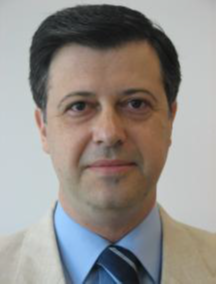 Bampidis Vasileios合作论文数Department of Agriculture, Division of Animal Science, School of Geotechnical Sciences, International Hellenic University239
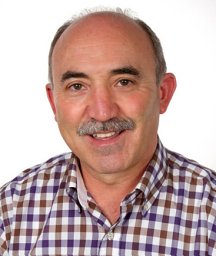 Baltasar Mayo合作论文数Instituto de Productos Lácteos de Asturias (CSIC), Carretera de Infiesto s/n, 33300 Villaviciosa, Asturias, Spain233
 Giovanna Azimonti合作论文数232Ingrid Halle合作论文数231Maryline Kouba合作论文数Departement Productions Animales, Agroalimentaire, Nutrition, Agrocampus Ouest225Joop De Knecht合作论文数215Paul Brantom合作论文数202Anne-Katrine Lundebye Haldorsen合作论文数197Lubomir Leng合作论文数192
 Maria De Lourdes Bastos合作论文数Faculdade de Farmácia, Universidade do Porto;Applied Molecular Biosciences Unit, UCIBIO192
 Gerhard Flachowsky合作论文数Institute of Animal Nutrition, Federal Agricultural Research Centre191
 Miklos Mezes合作论文数176
 Boris Kolar合作论文数157
 Robert Wallace合作论文数School of Medicine, Medical Sciences and Nutrition, University of Aberdeen;Microbiology Department, The Rowett Institute, University of Aberdeen154
 Derek Renshaw合作论文数152
 Alberto Mantovani合作论文数Istituto Clinico Humanitas, Humanitas University;William Harvey Research Institute, Queen Mary University143
 Christer Hogstrand合作论文数School of Life Course Sciences, Faculty of Life Sciences & Medicine, King’s College London137
 Carlo Nebbia合作论文数Sezione di Farmacologia e Tossicologia Italy, Università di Torino118Mikolaj Antoni Gralak合作论文数117Birgit Dusemund合作论文数113
 Alena Pechova合作论文数109Reinhard Kroker合作论文数108
 Francesca Marcon合作论文数106
 Henrik Christensen合作论文数Department of Veterinary and Animal Sciences, Faculty of Health and Medical Sciences, University of Copenhagen105
 Giovanna Martelli合作论文数Department of Veterinary Medical Sciences (DIMEVET), University of Bologna92Joaquim Brufau De Barbera合作论文数90Ruud Woutersen合作论文数87
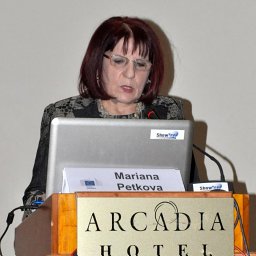 Mariana Petkova合作论文数Dept Microbiol & Environm Biotechnol, Agr Univ83Johannes Westendorf合作论文数78Anders Franklin合作论文数77
 Kristen Sejrsen合作论文数Department of Animal Science, Aarhus University70Mojca Fašmon Durjava合作论文数65
 Lieve Herman合作论文数Instituut voor Landbouw-, Visserij-en Voedingsonderzoek64Yolanda Sanz合作论文数63
 Atte von Wright合作论文数Food Research Laboratory, Technical Research Centre of Finland60Maria Vittoria Vettori合作论文数54




