BACKGROUND AND PURPOSE:Older adults in the US often do not meet the recommended amount of physical activity. Coach2Move has demonstrated effectiveness in improving physical activity, yet its comparisons with usual physical therapy from the patients' perspectives are limited. This study examined patients' perceptions and experiences of Coach2Move compared to usual care. METHODS:This qualitative study employed semi-structured interviews using reflexive thematic analysis. Participants included 15 community-dwelling older adults (≥65 years) with musculoskeletal pain, balance deficits, or general health decline recruited from an assisted living facility and surrounding suburban communities in the Pacific Northwest. Each participant received two 60-minute physical therapy evaluations in random order: 1 using Coach2Move and 1 using usual physical therapy. Physical therapists trained in both approaches followed structured guides, and interviews occurred within 3 days of the second session. RESULTS:Four themes were generated reflecting participants' perceptions of evaluation style, therapist characteristics, person centeredness, and behavior change. Both approaches were viewed positively, though participants often favored Coach2Move for its greater challenge, person-centered focus, and support for behavior change. CONCLUSION:Findings highlight positive perceptions of Coach2Move and suggest that its emphasis on collaboration and tailored activity may promote behavior change and physical activity among older adults. CLINICAL RELEVANCE:These findings provide insight into potential strategies important to older adults when promoting physical activity and behavior change.
Introduction:Physical function (PF) is critical to quality of life and healthcare value, especially for older adults following hospitalization. Monitoring PF supports recovery, reduces adverse events, and improves care transitions. Despite the potential of electronic health records (EHRs) enabling systematic PF tracking, such data are rarely captured consistently. Here we examine the availability of PF-related data in EHRs for patients transitioning from hospital to homecare in a large health system, highlighting challenges and offering recommendations. Methods:We assessed availability of elements previously identified important to PF measurement from a single healthcare system. Working with Johns Hopkins Health System informatics and homecare leaders, we determined which recommended elements were captured in the EHR and which were feasible to extract within our resource constraints. We then requested an extraction of a refined data set for adult patients with a hospital admission between July 2016 and March 2021. After validation, data were securely transferred to University of Utah Health. Results:Data from 21 702 patients were included. Of 27 desired elements, 17 were available and successfully extracted. Individual elements were marked "present" if documented at least once during admission, or "missing" if absent. Administrative data had low missingness, although missingness for assessments of cognition and mobility performance in hospital was over 65%, and assessments of PF capacity in home health were missing in over 80% of patients. However, 81.7% of those receiving home health rehabilitation had the expected mobility measure. Overall, 73% of patients had at least 75% of the extracted data elements. Conclusions:Assembling a comprehensive view of PF across a care transition using EHR data proved highly challenging. Our recommendations address data element identification, generation and storage; data extraction, cleaning, and validation; interoperability across care settings; adequate resources to manage complex data; and prospective infrastructure development.
Background: Many treatments are recommended for chronic low back pain (cLBP), but comparative effectiveness and adaptive interventions have not been adequately studied. Objective: To compare the effectiveness of physical therapy (PT) and cognitive behavioral therapy (CBT) as first-stage treatment and switching treatments versus mindfulness as second-stage treatment. Design: Multisite sequential, multiple-assignment, randomized trial with 52-week follow-up. (ClinicalTrials.gov: NCT03859713) Setting: Three health care systems. Participants: Adults with cLBP. Intervention: Eight weeks of PT or CBT in stage I. Nonresponders were randomly assigned again to 8 weeks of stage II treatment. Measurements: Co-primary outcomes were function measured with the Oswestry Disability Index (ODI; range, 0 to 100) and pain intensity (range, 0 to 10) at 10 (stage I), 26, and 52 (stage II) weeks. Results: The sample comprised 749 participants. After 10 weeks, there was greater improvement in function in the PT group (adjusted mean ODI difference, 2.8 [96% CI, 0.38 to 5.1]) and no difference in pain intensity (adjusted mean difference, 0.32 [99% CI, -0.07 to 0.71]). The mean difference in ODI was below the minimum important difference of 6. After 52 weeks, there were no differences in stage II treatments for nonresponders for either function (adjusted mean ODI difference, 0.43 [96% CI, -0.29 to 2.4]) or pain intensity (adjusted mean difference, -0.05 [96% CI, -0.58 to 0.48]). Limitations: Treatment initiation was lower than expected, particularly for CBT and for nonresponders. Participants were not blinded. Sample size was reduced due to the COVID-19 pandemic. Conclusion: Patients with cLBP may benefit from PT as first-line treatment. Among nonresponders, there were no differences in second-stage treatment with mindfulness or switching.Primary Funding Source: Patient-Centered Outcomes Research Institute (PCORI).
Patient-centered outcomes (PCOs) are health indicators that reflect what is meaningful and impactful to patients and are foundational to the success of learning health systems. PCO measures for rehabilitation learning health systems offer granular insights into patients' functional goals and quality of life, enabling clinicians to personalize care and researchers to evaluate what truly matters to patients. Despite their value, selecting appropriate PCO measures remains complex, requiring careful consideration of multiple shareholder perspectives. This paper, informed by discussions from the LeaRRn and CoHSTAR Summit on "The Power of Patient-Centered Outcomes in Rehabilitation Learning Health Systems," presents a framework for navigating these challenges in rehabilitation. We examine key considerations from the vantage points of patients, researchers, clinicians, and administrators that range from PCO measure feasibility, burden, and interpretability to psychometric rigor, workflow integration, and organizational priorities. Case examples illustrate how projects have engaged diverse shareholders to select PCO measures for use in clinical practice and research. The paper concludes with practical guidance for rehabilitation researchers seeking to align outcome selection with shareholder needs, optimize data utility across the learning health system cycle, and advance patient-centered care in complex rehabilitation contexts.
This qualitative study explored the health needs of patients after undergoing bariatric surgery. The study specifically aimed to describe the unique physical, emotional, and social challenges patients face following surgery in order to inform the development of future obesity treatment programs. A 90-min focus group was conducted using a semi-structured interview guide. Bariatric surgery patients were enrolled using purposive sampling. The mean number of months since surgery was 20.2 (SD 10.8). The mean age of participants was 53.3 (SD 9.8) years. The focus group was both audio and video recorded, transcribed, and analyzed using topic and analytical coding. Three main themes emerged revealing postoperative needs for (1) assistance with physical changes and reduced barriers to exercise, (2) reinforcement for healthy eating behaviors, and (3) emotional support from peers, family, and community. Findings suggest that rehabilitation following bariatric surgery is complex in nature and patients may benefit from both pre- and post-surgery programs that address their unique needs. Weight maintenance and sustaining healthy behavior change post-surgery requires ongoing personal and professional assistance. Interventions should emphasize healthy eating practices, include practical exercise suggestions, and offer social and emotional support.
Neuropsychiatric symptoms (NPS) pose significant challenges in dementia care. With limited pharmacological treatments, identifying behavioral targets is crucial for developing effective interventions. This study examines the associations between Alzheimer’s Disease and Related Dementia (ADRD) and physical activity (PA) with NPS among individuals aged 70 years and older, using data from the 2021 National Health and Aging Trends Study (NHATS). NPS assessed included depression (PHQ-2), anxiety (GAD-2) and sleeping problems (single-item question on difficulty falling asleep). ADRD was determined using the NHATS algorithm, and PA was measured through self-reported questions on walking for exercise and vigorous activities in the last month. Data from 3388 subjects (21% with ADRD) were analyzed. In multivariable logistic regression models adjusted for sociodemographic factors and medical conditions, ADRD was associated with increased risks of depression (OR, 95% CI: 2.05, 1.41-2.97) and anxiety (2.69, 1.76-4.11). Walking was associated with decreased risks of depression (0.70, 0.51-0.97) and anxiety (0.67, 0.46-0.97), while vigorous activities were associated with decreased risks of depression (0.59, 0.40-0.87) and sleep problems (0.70, 0.52-0.94). Subgroup analysis among the oldest old adults (age ≥85 years) revealed that walking reduced the risk of anxiety (0.52, 0.27-0.99). This study underscores the benefits of walking and vigorous activities in reducing NPS risk. Incorporating PA into regular care practices is highly encouraged for healthcare providers and caregivers to enhance the well-being of individuals with dementia.
Background The NIH Pragmatic Trials Collaboratory supports the design and conduct of 31 embedded pragmatic clinical trials, and many of these trials use patient-reported outcome measures (PROMs) to provide valuable information about the patients' health and wellness. Often these trials enroll medically underserved patients, including people with incomes below the federal poverty threshold, racial or ethnic minority groups, or rural or frontier communities. Objectives In this series of trial case reports, we provide lessons learned about collecting PROMs in these populations. Unbiased collection of PROM data is critical to increase the generalizability of trial outcomes and to address health inequities. Use of electronic health records (EHRs) and other digital modes of PROM administration has gained traction. However, engagement with these modes is often low among populations prone to disparity due to lower digital proficiency, device access, and uptake of EHR portals and web interfaces. Methods To maximize the completeness and representativeness of their trial outcome data, study teams tested a range of strategies to improve PROM response rates with emphasis on disparities prone and underserved patient groups. This manuscript describes the approaches, their implementation, and the targeted populations. Conclusion Optimized PROM collection required hybrid approaches with multiple outreach modes, high-touch methods, creativity in promoting digital uptake, multimodal participant engagement, and text messaging.
BACKGROUND:High-value care aims to enhance meaningful patient outcomes while reducing costs and is accelerated by curating data across health care systems through common data models (CDMs), such as Observational Medical Outcomes Partnership (OMOP). Meaningful patient outcomes, such as physical function, must be included in these CDMs. However, the extent to which physical therapy assessments are covered in the OMOP CDM is unclear. OBJECTIVE:This study aimed to examine the extent to which physical therapy assessments used in neurologic and orthopaedic conditions are in the OMOP CDM. METHODS:After identifying assessments, two reviewer teams independently mapped the neurologic and orthopaedic assessments into the OMOP CDM. Agreement within the reviewer team was assessed by the number of assessments mapped by both reviewers, one reviewer but not the other, or neither reviewer. The reviewer teams then reconciled disagreements, after which agreement and the average number of concept ID numbers per assessment were assessed. RESULTS:Of the 81 neurologic assessments, 48.1% (39/81) were initially mapped by both reviewers, 9.9% (8/81) were mapped by one reviewer but not the other, and 42% (34/81) were unmapped. After reconciliation, 46.9% (38/81) were mapped by both reviewers and 53.1% (43/81) were unmapped. Of the 79 orthopaedic assessments, 46.8% (37/79) were initially mapped by both reviewers, 12.7% (10/79) were mapped by one reviewer but not the other, and 48.1% (38/79) were unmapped. After reconciliation, 48.1% (38/79) were mapped by both reviewers and 51.9% (41/79) were unmapped. Most assessments that were mapped had more than one concept ID number (2.2 ± 1.3 and 4.3 ± 4.4 concept IDs per neurologic and orthopaedic assessment, respectively). CONCLUSION:The OMOP CDM includes some physical therapy assessments recommended for use in neurologic and orthopaedic conditions but many have multiple concept IDs. Including more functional assessments in the OMOP CDM and creating guidelines for mapping would improve our ability to include functional data in large datasets.
Objective. The objective of this study was to explore the mediators (pain self-efficacy, pain catastrophizing, back pain beliefs) of Pain Neuroscience Education (PNE) on disability for patients with chronic low back pain (LBP) in Saudi Arabia (SA). Methods. An observational multisite pre-post study design was utilized. This study was done at the Physical Therapy (PT) Clinics related to the Ministry of Health in SA, from December 2020 to December 2021. Chronic LBP patients were recruited into a 2-week PT program. Ten eligible physical therapists across six PT clinics were involved in the study who treat musculoskeletal and LBP patients. There were two groups (usual care of physical therapy “US-PT” vs. “PNE”). The mediators and disability were evaluated at the baseline (T0) and 2-week follow-up (T1). Results. A total of 249 patients met the selection criteria and consented to participate in the study. 131 patients received UC-PT only and 118 patients received PNE in addition to UC-PT. Baseline patient characteristics showed the mean age was 41.41 (SD = 12.03), and 144 of the participants (57.8%) were female. Increased pain self-efficacy (95% CI = −3.99, −1.15), decreased pain catastrophizing (95% CI = −3.42, −0.88), and decreased belief that they were disabled by pain (95% CI = −2.43, −0.33) fully mediated the PNE effect on disability at a 2-week interval. Conclusion. PNE participants showed greater improvement from baseline to 2 weeks on each cognitive factor hypothesized to mediate the effect of PNE on disability. The study results provided guidance on how to target treatment recommendations to gain the maximum benefits from PNE. Also, this study generated evidence that is useful for physical therapists and researchers to improve PNE to optimize chronic LBP patient outcomes.
OBJECTIVE:The aims of this study were to evaluate the adoption of and fidelity to the Coach2Move approach; identify differences between physical therapists with a specialization in geriatrics and physical therapists without a specialization; explore if level of adoption and specialization explain variances in effectiveness; and explore group differences in attitudes and experiences with implementation. METHODS:A multi-methods process evaluation of Coach2Move implementation through 2 education days, 3 peer-assessment meetings, and an adapted electronic health record was performed alongside a cluster randomized stepped-wedge trial comparing regular care physical therapy with Coach2Move. Participants were 36 physical therapists with a specialization (n = 17) and without a specialization (n = 19) who treated 292 community-dwelling older adults. Level of adoption and fidelity were analyzed by comparing preimplementation scores with scores 1 year later. Coach2Move adoption was measured by e-assessment scores, and fidelity through health record indicators. The impact of specialization and adoption on health outcomes was examined using a mixed-model analysis of variance. Therapists' attitudes and experiences were collected through a survey based on semistructured interviews. RESULTS:Mean (SD) total indicator scores on the e-assessment (adoption of a Coach2Move mindset) increased from baseline 17% (5%) to 47% (9%) at follow-up. Physical therapists with a specialization in geriatrics scored (mean [SD]) higher than physical therapists without (54% [6%] vs 41% [6%]). Mean (SD) indicator scores on health records (fidelity) increased from 35% (12%) at baseline to 47% (15%) at follow-up. Mean scores of physical therapists with a specialization in geriatrics were higher. Level of adoption and specialization (yes/no) did not explain the variance in effectiveness. Physical therapists identified important facilitators, including tailored education and peer-assessment meetings, whereas adequate reimbursement for the extra time investment was considered a necessity. Different workflows in practices were perceived as a barrier. CONCLUSION:Implementation led to increased adoption and fidelity of the Coach2Move intervention by physical therapists but shows room for improvement. Attitudes toward the approach and its implementation were positive. Future implementation efforts on adoption could be improved by focusing on a fair compensation structure by third-party payers and insurance companies and optimizing organizational and financial context within practices. IMPACT:This study evaluated the implementation of Coach2Move, a clinical reasoning approach designed to increase physical activity and improve self-efficacy in older adults. Overall, the study demonstrates the potential of Coach2Move to be effectively adopted by physical therapists. However, addressing therapist compensation and adapting to practice workflows are important considerations for successful large-scale implementation.
OBJECTIVE:The coronavirus disease-2019 pandemic has facilitated the emergence of telerehabilitation, but it is unclear which patients are most likely to respond to physical therapy provided this way. The purpose of this study was to examine the relationship between individual patient factors and substantial clinical benefit from telerehabilitation among a cohort of patients with chronic low back pain (LBP). METHODS:This is a secondary analysis of data collected during a prospective longitudinal cohort study. Patients with chronic LBP (N = 98) were provided with a standardized physical therapy protocol adapted for telerehabilitation. We examined the relationship between patient factors and substantial clinical benefit with telerehabilitation, defined as a ≥50% improvement in disability at 10 weeks, measured using the Oswestry Disability Index. RESULTS:Sixteen (16.3%) patients reported a substantial clinical benefit from telerehabilitation. Patients reporting substantial clinical benefit from telerehabilitation had lower initial pain intensity, lower psychosocial risk per the STarT Back Screening Tool, higher levels of pain self-efficacy, and reported higher therapeutic alliance with their physical therapist compared to other patients. CONCLUSION:Patients with lower psychosocial risk and higher pain-self efficacy experienced substantial clinical benefit from telerehabilitation for chronic LBP more often than other patients in our cohort. Therapeutic alliance was higher among patients who experienced a substantial clinical benefit compared to those who did not. IMPACT:This study indicates that psychosocial factors play an important role in the outcomes of patients receiving telerehabilitation for chronic LBP. Baseline psychosocial screening may serve as a method for identifying patients likely to benefit from this approach.
Low back pain (LBP) is one of the most common and costly musculoskeletal conditions impacting health care in the United States. The development of multimodal strategies of treatment is imperative in order to curb the growing incidence and prevalence of LBP. Spinal manipulative therapy (SMT), dry needling (DN), and exercise are common nonpharmacological treatments for LBP. This study is a 3-armed parallel-group design randomized clinical trial. We enrolled and randomized 96 participants with LBP into a multimodal strategy of treatment consisting of a combination of DN and SMT, DN only, and SMT only, followed by an at-home exercise program. All participants received 4 treatment sessions in the first 2 weeks followed by a 2-week home exercise program. Outcomes included clinical (Oswestry Disability Index, numeric pain intensity rating) and mechanistic (lumbar multifidus, erector spinae, and gluteus medius muscle activation) measures at baseline, 2, and 4 weeks. Participants in the DN and SMT groups showed larger effects and statistically significant improvement in pain and disability scores, and muscle percent thickness change at 2 weeks and 4 weeks of treatment when compared to the other groups. This study was registered prior to participant enrollment. PERSPECTIVE: This article presents the process of developing an optimized multimodal treatment plan utilizing SMT, DN, and exercise to address the burden of LBP for impacted individuals and the health care system. This method could potentially help clinicians who treat LBP to lower initial pain and increase exercise compliance. (clinicaltrials.gov NCT05802901).
Background: High-value care aims to enhance meaningful patient outcomes while reducing costs. Curating data across healthcare systems with common data models (CDMs) would help these systems move towards high-value healthcare. However, meaningful patient outcomes, such as function, must be represented in commonly used CDMs, such as Observational Medical Outcomes Partnership Model (OMOP). Yet the extent that functional assessments are included in the OMOP CDM is unclear. Objective: Examine the extent that functional assessments used in neurologic and orthopaedic conditions are included in the OMOP CDM. Methods: After identifying functional assessments from clinical practice guideline, two reviewer teams independently mapped the neurologic and orthopaedic assessments into the OMOP CDM. After this mapping, we measured agreement with the reviewer team with the number of assessments mapped by both reviewers, one reviewer but not the other, or neither reviewer. The reviewer teams then reconciled disagreements, after which we again examined agreement and the average number of concept ID numbers per assessment. Results: Of the 81 neurologic assessments, 48.1% were initially mapped by both reviewers, 9.9% were mapped by one reviewer but not the other, and 42% were unmapped. After reconciliation, 46.9% of neurologic assessments were mapped by both reviewers and 53.1% were unmapped. Of the 79 orthopaedic assessments, 46.8% were initially mapped by both reviewers, 12.7% were mapped by one reviewer but not the other, and 48.1% were unmapped. After reconciliation, 48.1% of orthopaedic assessments were mapped by both reviewers and 51.9% were unmapped. Most assessments that were mapped had more than one concept ID number (neurologic assessments: 2.2 ± 1.3; orthopaedic assessments: 4.3 ± 4.4). Conclusions: The OMOP CDM includes a portion of functional assessments recommended for use in neurologic and orthopaedic conditions. Many assessments did not have any term in the OMOP CDM. Thus, expanding the OMOP CDM to include recommended functional assessments and creating guidelines for mapping functional assessments would improve our ability to harmonize these data across healthcare systems.### Competing Interest StatementThe authors have declared no competing interest.### Funding StatementThis study did not receive any funding.### Author DeclarationsI confirm all relevant ethical guidelines have been followed, and any necessary IRB and/or ethics committee approvals have been obtained.YesI confirm that all necessary patient/participant consent has been obtained and the appropriate institutional forms have been archived, and that any patient/participant/sample identifiers included were not known to anyone (e.g., hospital staff, patients or participants themselves) outside the research group so cannot be used to identify individuals.YesI understand that all clinical trials and any other prospective interventional studies must be registered with an ICMJE-approved registry, such as ClinicalTrials.gov. I confirm that any such study reported in the manuscript has been registered and the trial registration ID is provided (note: if posting a prospective study registered retrospectively, please provide a statement in the trial ID field explaining why the study was not registered in advance).YesI have followed all appropriate research reporting guidelines, such as any relevant EQUATOR Network research reporting checklist(s) and other pertinent material, if applicable.YesAll data produced in this work are included in the manuscript.
Background Considerable disparities in chronic pain management have been identified. Persons in rural, lower income, and minoritized communities are less likely to receive evidence-based, nonpharmacologic care. Telehealth delivery of nonpharmacologic, evidence-based interventions for persons with chronic pain is a promising strategy to lessen disparities, but implementation comes with many challenges. The BeatPain Utah study is a hybrid type 1 effectiveness-implementation pragmatic clinical trial investigating telehealth strategies to provide nonpharmacologic care from physical therapists to persons with chronic back pain receiving care in ommunity health centers (CHCs). CHCs provide primary care to all persons regardless of ability to pay. This paper outlines the use of implementation mapping to develop a multifaceted implementation plan for the BeatPain study. Methods During a planning year for the BeatPain trial, we developed a comprehensive logic model including the five-step implementation mapping process informed by additional frameworks and theories. The five iterative implementation mapping steps were addressed in the planning year: (1) conduct needs assessments for involved groups; (2) identify implementation outcomes, performance objectives, and determinants; (3) select implementation strategies; (4) produce implementation protocols and materials; and (5) evaluate implementation outcomes. Results CHC leadership/providers, patients, and physical therapists were identified as involved groups. Barriers and assets were identified across groups which informed identification of performance objectives necessary to implement two key processes: (1) electronic referral of patients with back pain in CHC clinics to the BeatPain team and (2) connecting patients with physical therapists providing telehealth. Determinants of the performance objectives for each group informed our choice of implementation strategies which focused on training, education, clinician support, and tailoring physical therapy interventions for telehealth delivery and cultural competency. We selected implementation outcomes for the BeatPain trial to evaluate the success of our implementation strategies. Conclusions Implementation mapping provided a comprehensive and systematic approach to develop an implementation plan during the planning phase for our ongoing hybrid effectiveness-implementation trial. We will be able to evaluate the implementation strategies used in the BeatPain Utah study to inform future efforts to implement telehealth delivery of evidence-based pain care in CHCs and other settings. Trial registration ClinicalTrials.gov Identifier: NCT04923334 . Registered June 11, 2021.
OBJECTIVE:The purpose of this study was to evaluate whether physical therapy use influenced subsequent use of musculoskeletal-related surgeries, injections, magnetic resonance imaging (MRI), and other imaging. METHODS:We conducted a retrospective cohort study of patients aged 18 to 64 years who had an ambulatory care visit at the University of Utah system, after implementation of the 10th revision of the International Statistical Classification of Diseases and Related Health Problems with adequate data collection in the system at the time of the data pull, between October 1, 2015, and September 30, 2018. We identified patients (n = 85 186) who received care for a musculoskeletal condition (lower back pain, cervical, knee, shoulder, hip, elbow, ankle, wrist/hand, thoracic, and arthritis diagnoses). Regression analyses were used to evaluate the association between physical therapy use and medical care use while controlling for relevant factors. RESULTS:In patients referred to physical therapy (n = 15 870), physical therapy use (n = 3812) was associated with increased MRI use (incidence rate ratio, 1.24; 95% confidence interval, 1.15-1.33; P < .001) and surgery use (incidence rate ratio, 1.11; 95% confidence interval, 1.00-1.23; P < .001). Several other factors were also associated with increased health care use, including being referred by an orthopedic provider, obesity, non-lower back pain diagnoses, and having 1 or more comorbidities. CONCLUSION:Outpatient physical therapy use for musculoskeletal conditions in adult patients younger than 65 years at the University of Utah system, a mountain west United States academic health care system, was associated with increased rates of MRI and surgery. This finding is contrary to prior research suggesting that physical therapy improves outcomes in some diagnosis groups. A referral from an orthopedic provider, non-lower back pain diagnoses, and obesity were also associated with increased medical care utilization.
Emphasis has been placed on patient-reported outcomes as a means to improve quality in healthcare. Likewise, patient-reported outcomes have the potential to benefit student-run free clinics in several important ways. Unfortunately, student-run free clinics infrequently incorporate patient-reported outcomes into the care process. This perspective article highlights the need for routine collection of patient-reported outcomes in student run free clinics and recommends resources and future directions to promote widespread use of patient-reported outcomes in student-run free clinics.
 Julie M. Fritz合作论文数Departments Primary, School of Medicine, University of Utah Health40
 Magel John S合作论文数13Gerard P. Brennan合作论文数12
 Elizabeth Lane合作论文数Department of Physical Therapy, Medical College of Georgia9Kate I Minick合作论文数Rehabilitation Services, Intermountain Healthcare7
 Stephen Hunter合作论文数Fac Kinesiol Sport & Recreat, Univ Alberta7
 Tom H. Greene合作论文数University of Utah6
 Robin L. Marcus合作论文数School of Medicine, University of Utah Health;Department of Physical Therapy and Athletic Training, College of Health, University of Utah6
 Jason A. Sharpe合作论文数Ctr Innovat Accelerate Discovery & Practice Transf, Durham Vet Affairs Hlth Care Syst5
 Richard L. Skolasky合作论文数Department of Otolaryngology-Head and Neck Surgery, School of Medicine, Johns Hopkins University5
 Rachel Hess合作论文数5
 Koppenhaver Shane L合作论文数US Army, Baylor Univ4
 Leland E. Dibble合作论文数4
 Trevor Staples合作论文数3Terrence McGee合作论文数3Molly McFadden合作论文数3
 Joshua Johnson合作论文数Neurological Institute, Cleveland Clinic3
 Stephen T. Wegener合作论文数Department of Otolaryngology-Head and Neck Surgery, School of Medicine, Johns Hopkins University3Earhart Gammon M合作论文数3Bardsley Tyler R合作论文数3
 Vanneman Megan合作论文数3
 Rassu Fenan合作论文数3French Margaret A合作论文数Dept. of Rehabilitation Medicine, Emory University3Dorius Josette合作论文数3Whitney Meier合作论文数3
 Guilherme Del Fiol合作论文数Department of Biomedical Informatics, University of Utah3
 Darrel S. Brodke合作论文数University of Utah3Jaewhan Kim合作论文数School of Medicine, University of Utah;375 Chipeta Way;School of Medicine, University of Utah3
 John Childs合作论文数Evidence in Motion, LLC.;Confluent Health3Matthew P. Ford合作论文数3
 Jeffrey J Hebert合作论文数University of Utah College of Health3James T. Cavanaugh合作论文数3
 Brook I. Martin合作论文数the Department of Internal Medicine, the Center for Cost and Outcomes Research University of Washington School of Medicine3
 K. Bo Foreman合作论文数Univ Utah3Paul Hartman合作论文数2
 Daniel Peterson合作论文数2Victor Solis合作论文数2Isaac Ford合作论文数2Misha Bradford合作论文数2Gillian Beran-Maryott合作论文数2Polly McCracken合作论文数2Jedidiah Farley合作论文数2
 Daniel Maddox合作论文数Dept Phys Therapy, Brenau Univ2Lan Yu合作论文数2
 Serene Paul合作论文数School of Health Sciences, Faculty of Medicine and Health, The University of Sydney2
 Michael Craig Schubert合作论文数Department of Otolaryngology-Head and Neck Surgery, School of Medicine, Johns Hopkins University2
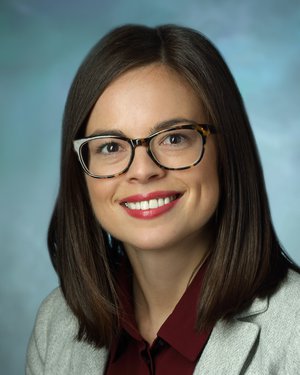 Rachel V Aaron合作论文数Department of Otolaryngology-Head and Neck Surgery, School of Medicine, Johns Hopkins University2
 Stuart Willick合作论文数2
 Daniel L Young合作论文数2




