[This corrects the article DOI: 10.1017/cts.2025.10178.].
Importance:Back pain is among the most common, disabling, and costly conditions managed in primary care in the US, but current treatment options often do not provide adequate relief. Mindfulness-based interventions have demonstrated effectiveness in individuals with chronic low back pain (CLBP); however, mindfulness remains underused in part because it is not integrated into most outpatient care models. Objective:To assess whether persons with CLBP participating in a mindfulness group medical visit intervention experience significantly improved pain intensity and interference compared with those receiving usual care. Design, Setting, and Participants:This randomized clinical trial, Optimizing Pain Treatment in Medical Settings Using Mindfulness (OPTIMUM), using a pragmatic approach (designed to evaluate interventions under typical conditions of care) was conducted from May 7, 2021, to November 6, 2024. Adults with CLBP attending primary care clinics in Massachusetts, Pennsylvania, and North Carolina were included. Intervention:Participants were randomized 1:1 to the OPTIMUM intervention, an 8-week telehealth-delivered mindfulness group medical visit program delivered as part of primary care (intervention), or usual care (controls). Main Outcomes and Measures:The primary analysis assessed the between-group difference in the primary outcome of change from baseline to month 6 in the Pain, Enjoyment of Life and General Activity (PEG) scale score. A mean minimal clinically important difference (MCID) in PEG score of at least 1 was considered. Secondary analyses evaluated the between-group differences in change from baseline to week 8 and month 12 in PEG score. Results:Of 451 participants (mean [SD], 52.1 [14.7] years; 318 [70.5%] female), 224 were randomized to the intervention group and 227 to the control group. All reported moderate pain interference at baseline. In intention-to-treat analyses, the intervention participants had a statistically significant improvement in PEG score from baseline compared with controls at the 6-month primary time point (mean change, -1.21 [95% CI, -1.50 to -0.92] vs -0.59 [95% CI, -0.86 to -0.31]; between-group difference, -0.62 [95% CI, -1.02 to -0.23]; P = .002) and at 8 weeks (mean change, -1.16 [95% CI, -1.44 to -0.88] vs -0.27 [95% CI, -0.53 to -0.003]; between-group difference, -0.89 [95% CI, -1.27 to -0.51]; P < .001) and 12 months (mean change, -1.52 [95% CI, -1.81 to -1.23] vs -0.78 [95% CI, -1.05 to -0.50]; between-group difference, -0.74 [95% CI, -1.14 to -0.34]; P < .001). The MCID was not met at any time point. Conclusions and Relevance:In this randomized clinical trial, a telehealth-delivered mindfulness group medical visit program for persons with CLBP resulted in significant improvements in pain intensity and interference compared with usual care; however, these changes did not meet the prespecified mean 1-point MCID between groups. The program incorporated primary care clinicians, was accessible, and is potentially scalable as a nonpharmacologic treatment for CLBP. Trial Registration:ClinicalTrials.gov Identifier: NCT04129450.
INTRODUCTION:Engaging community members and context experts is increasingly recognized as key to developing research that is responsive to community needs. Here, we describe a protocol for incorporating stakeholder feedback using rapid qualitative techniques into OPTIMUM (Optimizing Pain Treatment In Medical settings Using Mindfulness), a pragmatic clinical trial comparing a telemedicine-delivered mindfulness-based stress reduction intervention to usual care to address chronic low back pain. The aim of this stakeholder feedback supplement to the OPTIMUM parent trial is to consider many viewpoints regarding recruitment, retention, facilitation, delivery, sustainability, and dissemination of this program which are critical to understand before it can be successfully implemented. METHODS:Our team developed a multi-faceted approach to collecting feedback from representatives of three levels of influence: individuals, communities, and policy. We plan to conduct focus groups with study participants from both the intervention (MBSR) and usual care groups. We plan to conduct one-time semi-structured interviews with a diverse set of people with varied roles and perspectives (e.g., clinic personnel, health care system leadership, mindfulness instructors, patient pain advocacy groups, policy advocates). We will assemble a Community Advisory Board (CAB) to convene regularly throughout the project. Transcripts from interviews, focus groups, and meeting notes will be analyzed using rapid qualitative methods to facilitate timely incorporation of feedback into the trial. In-depth thematic content analysis will be conducted subsequently. DISCUSSION:Partnering with communities who are historically underrepresented in clinical research under the guidance of principles such as equity, inclusion, trust, and accountability can improve health outcomes that are most relevant and beneficial to the target community, accelerate uptake, and promote sustainability.
Patients with comorbid PTSD and chronic pain have worse outcomes than patients with either condition alone. Studies measuring the association between PTSD and chronic pain have largely focused on musculoskeletal pain. Chronic overlapping pain conditions (COPCs) are a group of ten pain conditions which commonly co-occur and may have shared pathophysiology. Our study goal was to assess the relationship between PTSD status and COPC prevalence in two epidemiologic datasets. We used the Merative™ MarketScan® Commercial and Multi-State Medicaid insurance claims Databases (2016-2022). We used a validated list of ICD-10 codes to calculate prevalence ratios (PR) of COPCs among individuals with and without PTSD. We used negative binomial regression to estimate the incidental rate ratio of COPCs among individuals with PTSD compared to those without. We identified 62,095,809 unique commercially insured enrollees, of whom 609,526 had a claim for PTSD. Among 24,003,526 unique Medicaid enrollees, 206,523 had a claim for PTSD. Individuals with PTSD had 2.07 (95% CI 2.07 to 2.08) and 3.54 (95% CI 3.50 to 3.58) times the rate of COPCs on average compared to individuals without PTSD in commercial and Medicaid insurance populations, respectively. The observed association between PTSD and COPCs and the larger effect size among Medicaid patients who face greater adversity both lend additional weight to the concept of COPCs as a basis for understanding the pathophysiology of chronic pain. Patients whose pain phenotype is related to their psychosocial context may benefit from a different treatment approach than those for whom psychiatric comorbidities are merely incidental.
BackgroundDiversity on biomedical research teams may lead to higher quality research, but some groups remain under-represented (UR) on research teams. Evaluating the challenges that UR scholars in the health sciences face could inform policies that institutions could take to recruit and retain UR scholars.ObjectiveWe used a large qualitative dataset to examine challenges in pursuing and persisting in research careers among UR postdoctoral and early-career faculty scholars participating in a randomized controlled trial.DesignWe conducted 78 individual qualitative interviews. Most participants held MDs or PhDs and were Black, Hispanic, or biracial. Interviews used a semi-structured guide and were audio-recorded and transcribed. A team of investigators developed an initial codebook based on a subset of interviews, which was iteratively revised by the team. After a final codebook was agreed upon, codes were assigned to all data. Codes were grouped into themes and sub-themes, which were discussed by the team. We present key themes and illustrative quotes.Key ResultsCareer challenges reported by UR scholars came from the culture of academia as well as from external factors. Academia culture challenges included demand for productivity and funding, bias and racism, competition and hierarchy, and the "secret rules" to the system. External challenges included financial stress, being an immigrant, and family demands. Responses to challenges could be positive, including making a career pivot, building resilience, finding one's community, or finding one's passion. Negative consequences to challenges included burnout, imposter syndrome, and low belongingness.ConclusionsChallenges faced by UR scholars can be both internal and external to the academy and can induce negative consequences among UR scholars, but some scholars also build resilience and find passion in the face of these challenges. Efforts to improve the culture of academia and to foster positive mentoring could help retain UR scholars in biomedical science.
Importance Back pain is among the most common, disabling, and costly conditions managed in primary care in the US, but current treatment options often do not provide adequate relief. Mindfulness-based interventions have demonstrated effectiveness in individuals with chronic low back pain (CLBP); however, mindfulness remains underused in part because it is not integrated into most outpatient care models. Objective To assess whether persons with CLBP participating in a mindfulness group medical visit intervention experience significantly improved pain intensity and interference compared with those receiving usual care. Design, Setting, and Participants This randomized clinical trial, Optimizing Pain Treatment in Medical Settings Using Mindfulness (OPTIMUM), using a pragmatic approach (designed to evaluate interventions under typical conditions of care) was conducted from May 7, 2021, to November 6, 2024. Adults with CLBP attending primary care clinics in Massachusetts, Pennsylvania, and North Carolina were included. Intervention Participants were randomized 1:1 to the OPTIMUM intervention, an 8-week telehealth-delivered mindfulness group medical visit program delivered as part of primary care (intervention), or usual care (controls). Main Outcomes and Measures The primary analysis assessed the between-group difference in the primary outcome of change from baseline to month 6 in the Pain, Enjoyment of Life and General Activity (PEG) scale score. A mean minimal clinically important difference (MCID) in PEG score of at least 1 was considered. Secondary analyses evaluated the between-group differences in change from baseline to week 8 and month 12 in PEG score. Results Of 451 participants (mean [SD], 52.1 [14.7] years; 318 [70.5%] female), 224 were randomized to the intervention group and 227 to the control group. All reported moderate pain interference at baseline. In intention-to-treat analyses, the intervention participants had a statistically significant improvement in PEG score from baseline compared with controls at the 6-month primary time point (mean change, −1.21 [95% CI, −1.50 to −0.92] vs −0.59 [95% CI, −0.86 to −0.31]; between-group difference, −0.62 [95% CI, −1.02 to −0.23]; P = .002) and at 8 weeks (mean change, −1.16 [95% CI, −1.44 to −0.88] vs −0.27 [95% CI, −0.53 to −0.003]; between-group difference, −0.89 [95% CI, −1.27 to −0.51]; P < .001) and 12 months (mean change, −1.52 [95% CI, −1.81 to −1.23] vs −0.78 [95% CI, −1.05 to −0.50]; between-group difference, –0.74 [95% CI, −1.14 to −0.34]; P < .001). The MCID was not met at any time point. Conclusions and Relevance In this randomized clinical trial, a telehealth-delivered mindfulness group medical visit program for persons with CLBP resulted in significant improvements in pain intensity and interference compared with usual care; however, these changes did not meet the prespecified mean 1-point MCID between groups. The program incorporated primary care clinicians, was accessible, and is potentially scalable as a nonpharmacologic treatment for CLBP. Trial Registration ClinicalTrials.gov Identifier: NCT04129450
INTRODUCTION:Limited adoption of first line treatments for low back pain (LBP) in primary care settings may contribute to an overreliance on pain medications by primary care providers (PCPs). While chiropractic care typically includes recommended nonpharmacologic approaches (e.g., manual therapy, exercise instruction, advice on self-care), implementation strategies to increase adoption of chiropractic care for LBP in primary care clinics are understudied, particularly in underserved communities. METHODS:We will use a stepped-wedge cluster randomized controlled pilot trial design to evaluate the feasibility of a multi-level implementation strategy to increase adoption of chiropractic care for LBP in primary care clinics at community health centers. Key barriers and facilitators identified by site champions and other key stakeholders will help us to develop and tailor implementation strategies including educational materials and meetings, developing a network of local chiropractors, and modifying the electronic health record to facilitate referrals. Three primary care clinics will be randomized to receive the implementation strategy first, second, or third over a fourteen-month study period. At our first clinic, we will have a four-month pre-implementation period, a two-month implementation deployment period, and a subsequent eight-month follow-up period. We will stagger the start of our implementation strategy, beginning in a new clinic every two months. We will evaluate the proportion of patients with LBP who receive a referral to chiropractic care in the first 21 days after their index visit with PCP. We will also evaluate adoption of other guideline concordant care (e.g., other nonpharmacologic treatments) and non-guideline concordant care (e.g., opioids, imaging) over the study period. DISCUSSION:LBP is currently the leading cause of disability worldwide. While there are several treatment options available for individuals with LBP, patients in underserved populations do not often access recommended nonpharmacologic treatment options such as chiropractic care. The results from this study will inform the development of practical implementation strategies that may improve access to chiropractic care for LBP in the primary care context. Furthermore, results may also inform policy changes needed to expand access to chiropractic care in underserved communities. CLINTRIALS.GOV NCT#: NCT06104605.
Background:Underrepresentation of diverse populations in clinical trials poses challenges to equity and external validity in health care research. To successfully recruit underrepresented participants in pragmatic clinical trials, researchers must understand the perspectives and needs of individuals from diverse backgrounds who participate in research. Objective:The purpose of this qualitative study was to gain an understanding of the needs and perspectives of participants of the OPTIMUM trial -- a pragmatic trial evaluating mindfulness-based stress reduction for chronic low back pain. Methods:This qualitative study employed focus groups with participants from 3 clinical sites: Boston Medical Center, the University of North Carolina at Chapel Hill, and the University of Pittsburgh. Focus group discussions centered on participants' experiences, barriers, and facilitators to engagement in the OPTIMUM trial. Data were analyzed using thematic content analysis and the rapid qualitative analysis method, Lightning Reports, for real-time feedback integration into the trial process. Results:Six focus groups were conducted with 46 participants, of whom 39.1% were first-time research participants and 56.5% identified as Black or African American. Qualitative analysis identified five key themes:1) The importance of providers in the recruitment of cLBP patients, (2) Motivators to participate and stay engaged in clinical research, (3) Participant lack of understanding of randomized control trials (RCTs) and general research processes, (4) Desire for social connection and community-building among participants, and (5) the Positive impact of regular study staff interaction. Conclusion:Equity in RCTs requires intentional strategies to address barriers to participation and engagement faced by historically underrepresented populations. Engaging health care providers in recruitment, fostering positive interactions with study staff, and creating opportunities for social connection can improve recruitment, retention, and engagement. Incorporating community-engaged research methods and real-time feedback mechanisms can further support inclusivity and equity in pragmatic clinical trials.
Chronic low back pain is globally prevalent and associated with significant impairment in quality of life. Furthermore, people from historically marginalized communities are less likely to receive treatment, contributing to health inequities. Group mindfulness-based interventions improve pain and function, and virtual delivery has been demonstrated to be feasible. Little is known about how participants experience the virtual delivery of mindfulness-based interventions, especially participants from historically marginalized communities. This study explored participant perspectives of a virtual mindfulness-based group medical visit for people with chronic low back pain. Participants were recruited from the intervention arm of OPTIMUM, a study of virtual medical group visits using an adapted Mindfulness-Based Stress Reduction program for chronic low back pain. Semi-structured exit interviews were examined, and reflexive thematic analysis was used to compose key themes. Interviews from 59 participants (mean 56 years, 69.5% women; 45.8% Black or African American) were examined. Two major themes were derived from analysis. The first theme was 'effects of the external environment,' ie, the physical location from which the participant engaged with the session. The subthemes were comfort, social demands in the home setting, and sharing personal spaces. The second theme was 'navigating the virtual platform.' Subthemes were ease, struggle, and levels of support. Patient experiences varied substantially during the virtual mindfulness-based group medical visit intervention and this variation was influenced by social determinants of health. The key themes bring attention to the effects of the external environment and the technology itself on participation for people from historically marginalized communities. Basic tenets of mindfulness, such as present state awareness and equanimity, can provide a structure within which to navigate virtual participation amid home environments. Future studies are needed to explore differences in virtual and in-person mindfulness programs and to adapt virtual mindfulness programs. NCT04129450.
BackgroundMillions of people each year suffer from chronic low back pain (cLBP), which adversely affects their physical and mental health. While non-pharmacological interventions such as mindfulness are known to be effective in treating cLBP, not all patients experience the same benefit. Determining who these treatments might work best for is difficult, as there are no reliable predictors of the response to mindfulness for cLBP. The objective of the current study was to apply predictive machine learning to data collected from a completed clinical trial of mindfulness for cLBP to identify phenotypes characterizing those who did and did not respond to the intervention.MethodsThe analyses here focused on 132 participants in the intervention arm of the clinical trial of mindfulness for cLBP. The Random Forest machine learning technique was used to identify key characteristics of responders (49) and non-responders (83).ResultsThe top three responder phenotypes were able to identify 26 out of the 49 responders with 92%–100% precision. The top three non-responder phenotypes were able to identify 36 out of 83 non-responders, all with 100% precision.ConclusionsResults from this machine learning based phenotyping can guide clinician and patient decision-making to maximize clinical efficiency, patient outcomes, and resource use as well as inform research and development of mindfulness-based treatments for pain.
Objective: To explore the acceptability of an 8-week, telehealth, group-based, mindful exercise intervention in individuals with knee osteoarthritis (OA). Methods: This qualitative study was nested within a randomized controlled trial (N = 40) comparing a mindful exercise intervention to an exercise-only control group. Thirteen participants from the mindful exercise arm were individually interviewed remotely using HIPAA-compliant Zoom. Interviews were guided by the Theoretical Framework of Acceptability (TFA). The transcripts were analyzed using an inductive thematic approach, and the identified themes were mapped onto TFA constructs to determine factors related to the intervention's acceptability. Results: Eight key themes were identified as follows: (1) Openness to Alternative Treatments for Knee Pain, (2) Challenges with Exercise and Equipment, (3) Varied Perceptions of Mindfulness, (4) Mindfulness was Enjoyable but Challenging, (5) Integration of Mindfulness with Exercise Varied by Exercise Type, (6) Perceived Impact of Intervention was Physical and Psychological, (7) Group Telehealth Format Enhanced Intervention Acceptability, and (8) 2-H Time Commitment was Challenging. Mapping these themes onto the constructs of the TFA highlighted factors that influenced the acceptability of the mindful exercise intervention. These included enjoyment in practicing mindfulness especially when integrated with familiar exercises, the 8-week intervention length, and convenience of the group and telehealth aspects of the intervention. Participants encountered challenges with the 2-h weekly time, exercise equipment, learning and practicing mindfulness independently, and absence of alternative formats (e.g., hybrid or self-guided options). Conclusion: The mindful exercise intervention was generally acceptable to people with knee OA. However, to enhance acceptability, modifications may be needed, such as adjusting the exercise types and equipment, providing additional support for learning and practicing mindfulness, and offering greater flexibility in session format, timing, and duration. These insights are valuable for developing more effective, patient-centered, mindfulness-based exercise interventions for individuals with knee OA.
Introduction:To successfully recruit and retain faculty members from underrepresented backgrounds (URBs), we need to understand the factors that attract them to research careers in the first place. However, scholarship in this area has focused largely on students who are contemplating research careers rather than faculty members who are currently in such careers. Methods:This study explores the career motivations of early-career health researchers (faculty members and postdoctoral fellows) from URBs. It was conducted as part of a cluster randomized trial across 25 academic institutions investigating a support intervention. We conducted 1-hour semi-structured qualitative interviews with scholars from URBs in both the intervention and control arms of the trial. To our knowledge, this is the largest qualitative study of early-career faculty members from URBs to date. Results:Seventy-eight individuals were interviewed. Our analysis revealed six key themes pertinent to participants' motivations to pursue research careers: (1) love of science; (2) making a larger impact; (3) happenstance and economic considerations; (4) family, community, and a path out of poverty; (5) the role of mentors and role models; and (6) support programs for scholars from URBs. Conclusions:Our results align with prior studies while offering new insights into the motivations of URB faculty members in research careers. These insights can and should inform the design of programs to both recruit and retain URM faculty members in research careers.
OBJECTIVE:Efficacious modalities are limited in chronic low back pain (cLBP). We determined the efficacy of auricular point acupressure (APA) in older adults with cLBP. DESIGN:3-arm randomized controlled trial. SETTING:Baltimore, Maryland. PARTICIPANTS:Participants, ≥60 years with cLBP, were randomized (1:1:1) to APA with ear points targeted to cLBP (T-APA, n = 92), points nontargeted to cLBP (NT-APA, n = 91), or waitlist education control (n = 89), and followed up to 6 months (6M). Participants in the APA groups received 4 weekly APA sessions; the education control group received 4 weekly educational sessions. INTERVENTION:APA. MAIN OUTCOMES AND MEASURES:Primary outcomes were pain (Numerical Rating Scale) and function (Roland-Morris Disability Questionnaire). RESULTS:There were 272 participants (174 women [64%]; mean [SD] age 70.0 [6.95] years; 62% non-White). Compared to control, the T-APA group had significant improvement on pain from baseline to postintervention and 1-month (1M) follow-up by 1.73 and 1.26 points (P ≤ .001) respectively. The NT-APA group achieved similar improvements in pain. The improvement in function by T-APA and NT-APA was significant at postintervention by 1.89 and 2.68 points (P = .04 and .004) respectively, minimal at 1M follow-up, but significant at 6M in both APA groups. There were no statistically significant differences in treatment responses between the APA groups. Both APA groups had higher responder rates in pain and function at postintervention and 1M follow-up compared to the control group (odds ratio ranged from 2.11 to 6.32). The APA effects were sustained at 6M follow-up. CONCLUSIONS:APA treatments significantly improved pain and function compared to control; effects were sustained at 6M. APA should be recommended as a nonpharmacologic therapy for older adults with cLBP. CLINICAL TRIAL REGISTRATION NUMBER:Trial registry: Clinicaltrials.gov; Trial ID: NCT03589703; URL: https://clinicaltrials.gov/ct2/show/record/NCT03589703.
BACKGROUND:Chronic low back pain (cLBP) is extremely common and is one of the Chronic Overlapping Pain Conditions (COPCs), 10 conditions thought to have similar underlying pathophysiology. Little is known about the prevalence and co-occurrence of cLBP with other commonly accepted conditions referred to as COPCs. METHODS:We assessed participants enrolled in a pragmatic trial of mindfulness-based stress reduction for cLBP to determine the prevalence of co-occurring COPCs using a validated COPC screener. We compared psychosocial and physical functioning among participants with only cLBP and participants with cLBP and additional COPCs using Student's t-tests, chi-squared tests and multivariable linear regression. RESULTS:Among 285 enrollees (age range: 18-88 years, mean age: 52.2 years, SD = 15.3), 272 (95%) reported pain outside the upper and lower back region. One hundred and twenty-nine people (45%) had one COPC, and 68 (24%) had two or more COPCs not including cLBP. The most common COPCs were irritable bowel syndrome (n = 56, 20%); myalgia encephalomyelitis/chronic fatigue syndrome (n = 54, 19%); and fibromyalgia (n = 42, 15%). CONCLUSION:We found strong differences when comparing people with cLBP alone to those with cLBP and COPCs. People with COPCs reported more pain symptoms, higher levels of anxiety, depression, fatigue and scored worse across measures of physical functioning and pain symptoms. An additional COPC was associated with a 7.6-point increase in fatigue scores (95% CI: 5.6, 9.7) on a T-score metric (mean = 50, SD = 10). SIGNIFICANCE STATEMENT:Compared to people with low back pain alone, individuals with additional chronic pain experienced more severe pain symptoms, more anxiety, depression and fatigue. In this sample of people with cLBP, overlapping pain conditions were common, affecting 45% of people. REGISTRATION NUMBER AND REGISTRY NAME:Clinicaltrials.gov identifier NCT04129450.
The OPTIMUM trial is a multisite pragmatic randomized clinical trial of an adapted Mindfulness Based Stress Reduction (MBSR) program for people with chronic low back pain in primary care settings provided via telehealth group medical visits. Researchers conducted fifty-nine exit interviews at the end of the intervention to inform the ongoing conduct of the trial and to better understand patients’ experiences. This manuscript describes a pragmatic approach to the qualitative analysis of exit interviews within a pragmatic clinical trial. The analysis included three important pivots. First, researchers conducted a process evaluation using a rapid approach called the Lightning Report method. Second, team-based approaches to qualitative analysis were utilized to pair experienced and inexperienced qualitative researchers. Third, based upon principles from Big Qual methodology, a codebook was developed and applied to provide an aerial overview of the data in preparation for more in-depth exploration. Based upon these pivots, the process evaluation provided actionable results in a timely fashion, team members increased analytical skills, and multiple analyses are being applied to the data set. By describing the pragmatic decisions to pivot approaches to qualitative analysis, this manuscript contributes to existing literature regarding rapid qualitative analysis methods for process evaluation in pragmatic clinical trials, team-based mentorship in large trials, and applications from Big Qual for large data sets.
Lumbar spinal stenosis (LSS) can be disabling and is a leading reason for spinal surgery in older adults. While nonsurgical treatments are recommended as first-line treatment, it remains unclear which patients will benefit most. To identify patient characteristics associated with larger improvements or larger treatment effects among adults receiving nonsurgical LSS interventions. Secondary analysis of a randomized controlled trial. Outpatient research clinics. 216 older adults with symptomatic LSS. Participants, recruited from November 2013 to June 2016, were randomized to receive: (1) manual therapy with an individualized exercise program (MTE); (2) a group exercise (GE) program; or (3) medical care (MC). We evaluated the association of baseline characteristics with 2-month change in primary outcomes: symptoms and function on the Swiss Spinal Stenosis questionnaire (SSSQ); and walking capacity in meters (m) on the self-paced walking test (SPWT). Baseline characteristics included sociodemographic and clinical variables. To explore heterogeneity of treatment effects, we evaluated unadjusted stratified estimates when comparing MTE to GE/MC. Additionally, we included an interaction term in models to test for statistical interaction. At baseline, participants (mean age = 72, 54
Introduction:Scientific teams that are comprised of different types of researchers have higher research productivity, and there is a need for evidence-based methods to improve the biomedical research workforce. Building Up a Biomedical Research Workforce (Building Up) was a multi-center, cluster-randomized, unblinded controlled trial with one intervention arm and one control arm, conducted at 25 United States academic medical centers. The authors tested the hypothesis that participants from backgrounds underrepresented in science who are randomized to the intervention will have greater numbers of peer-reviewed publications and increased Psychological Capital, compared to the control group. Methods:The study included a 10-month intervention period and follow-up assessments occurring one, two, and three years after the intervention began. The intervention arm received a 10-month intervention with monthly meetings, near-peer mentoring, networking opportunities, and grant- and scientific-writing coursework. Participants in the control arm experienced the usual forms of mentoring, networking, and coursework that their institutions provided. Results:Of the 220 participants who completed the pre-intervention assessment (98% of all enrolled participants), 71% completed the post-intervention assessment at year 1, 60% at year 2, and 66% at year 3. Individuals in the intervention arm had significantly higher levels of self-efficacy, resilience, and optimism in the three years following the start of the intervention, compared to the control arm. Discussion:This finding suggests that the Building Up intervention can increase participants' Psychological Capital.
Mentoring may act as a buffer for the negative impacts of racial trauma. Building Up (conducted 2020-2024) is a cluster-randomized trial at 25 institutions of postdoctoral fellows and early-career faculty from underrepresented backgrounds. Generalized linear mixed models were used to identify mentoring competencies associated with the impact of social unrest due to systemic racism. Eighty-two percent of participants (n=143) identified as female, 33% as non-Hispanic Black, and 36% as Hispanic. Mentoring that aligns expectations and mentoring that assesses understanding were significantly associated with social unrest due to systemic racism impacting ability to work (OR=2.84 and OR=0.52, respectively) and conduct research (OR=4.21 and OR=0.41, respectively). Future research should elucidate specific aspects of mentoring relationships that serve as a buffer during times of social unrest.
Objective:Researchers from underrepresented groups leave research positions at a disproportionate rate. We aim to identify factors associated with self-efficacy in career advancement and career commitment among underrepresented post-doctoral fellows and early-career faculty.Methods:Building Up is a cluster-randomized trial with 25 academic health institutions. In September-October 2020, 219 Building Up participants completed the pre-intervention assessment, which included questions on demographics, science identity, mentoring, self-efficacy in career advancement (i.e., advancement is open to me, confidence in career progression, confidence in overcoming professional barriers), and career commitment (i.e., intent to continue research training or studying in a field related to biomedical sciences). Using logistic and multinomial logistic regression, we identified characteristics independently associated with self-efficacy in career advancement and career commitment.Results:The cohort is 80% female, 33% non-Hispanic/Latinx Black, and 34% Hispanic/Latinx. Having mentors that address diversity was significantly associated with the belief that advancement is open to them (OR = 1.7). Higher science identity (OR = 4.0) and having mentors that foster independence (OR = 1.8) were significantly associated with confidence in career progression. Higher science identity was also significantly associated with confidence in overcoming professional barriers (OR = 2.3) and intent to continue studying in a field related to biomedical sciences (OR = 3.3). Higher age (OR = 2.3) and higher science identity (OR = 4.2) were significantly associated with intent to continue research training.Discussion:Science identity and mentoring play key roles in self-efficacy in career advancement and career commitment. These factors may contribute to retention of underrepresented early-career biomedical researchers.
 Debra K. Weiner合作论文数26Carol M. Greco合作论文数24
 Gretchen White合作论文数12
 Audrey Murrell合作论文数Katz Graduate School of Business, University of Pittsburgh12
 Doris McGartland Rubio合作论文数12Ronald M Glick合作论文数12
 Bruce Rollman合作论文数Center for Research on Health Care, University of Pittsburgh School of Medicine8
 Jessica Barnhill合作论文数7
 Chao Hsing Yeh合作论文数School of Nursing, Johns Hopkins University7Karp Jordan F合作论文数7Maya S Thakar合作论文数6Suzanne Lawrence合作论文数6
 Holly Thomas合作论文数Dept Med, Univ Pittsburgh6Isabel Roth合作论文数6Michael Schneider合作论文数Department of Epidemiology, Bloomberg School of Public Health, Johns Hopkins University6
 Eric J Roseen合作论文数Dept Phys Med & Rehabil, VA Boston Healthcare Syst5
 Lung-Chang Chien合作论文数Department of Internal Medicine, Washington University School of Medicine5Johnston Kelly L合作论文数5
 Nathan E Dodds合作论文数5
 Kaleab Z Abebe合作论文数5
 Susan A. Gaylord合作论文数Department of Health Behavior, Gillings School of Global Public Health, University of North Carolina at Chapel Hill5Kwai-Ping Suen Lorna合作论文数5Gentili Angela合作论文数5Bea Herbeck Belnap合作论文数5Janice Weinberg合作论文数5
 Paula Marie Gardiner合作论文数Department of Family Medicine, University of Massachusetts Medical School;Boston Medical Center5
 Chantele Mitchell-Miland合作论文数4Chelsea N Proulx合作论文数4
 Kathleen M Mctigue合作论文数4Klem Mary Lou合作论文数4
 Andrew D Althouse合作论文数4
 Paul A Pilkonis合作论文数Department of Psychiatry, School of Medicine, University of Pittsburgh4
 Robert Saper合作论文数Department of Family Medicine, Boston University School of Medicine4Sati Mazumdar合作论文数4Charity G. Moore合作论文数4
 Eric Rodriguez合作论文数4Fanyin He合作论文数3Christine McFarland合作论文数3
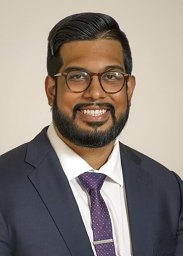 Dhanesh D Binda合作论文数3
 Christopher Joyce合作论文数School of Physical Therapy, Massachusetts College of Pharmacy and Health Sciences3
 Zhan Liang合作论文数School of Nursing and Health Studies, University of Miami3Lan Yu合作论文数3
 Christine Lathren合作论文数Sch Med, Univ N Carolina3
 Michelle I Rossi合作论文数3
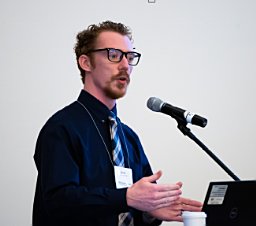 Colditz Jason B合作论文数3
 Kathryn M. Albers合作论文数Center for Neuroscience, University of Pittsburgh;Department of Medicine, School of Medicine, University of Pittsburgh3
 Neal D. Ryan合作论文数Department of Psychiatry, University of Pittsburgh;ETUDES Center, University of Pittsburgh3Lisa A. Morrow合作论文数3Jennifer Q. Morse合作论文数2




